
Having been to Den Haag the previous day, we decided to return to the city on the subsequent day. Though with a plan to visit Kunstmuseum Den Haag, the city’s museum of modern art.
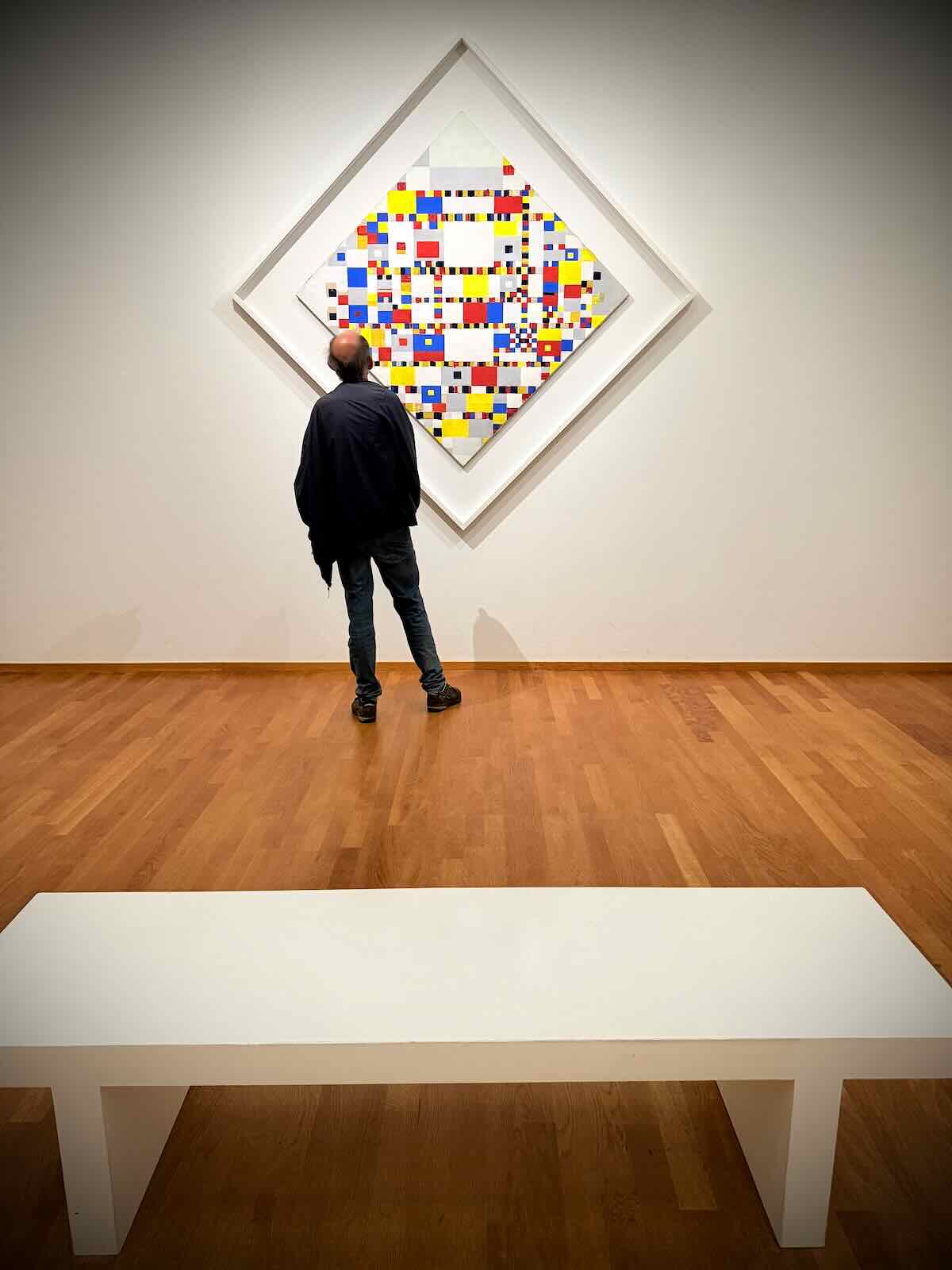
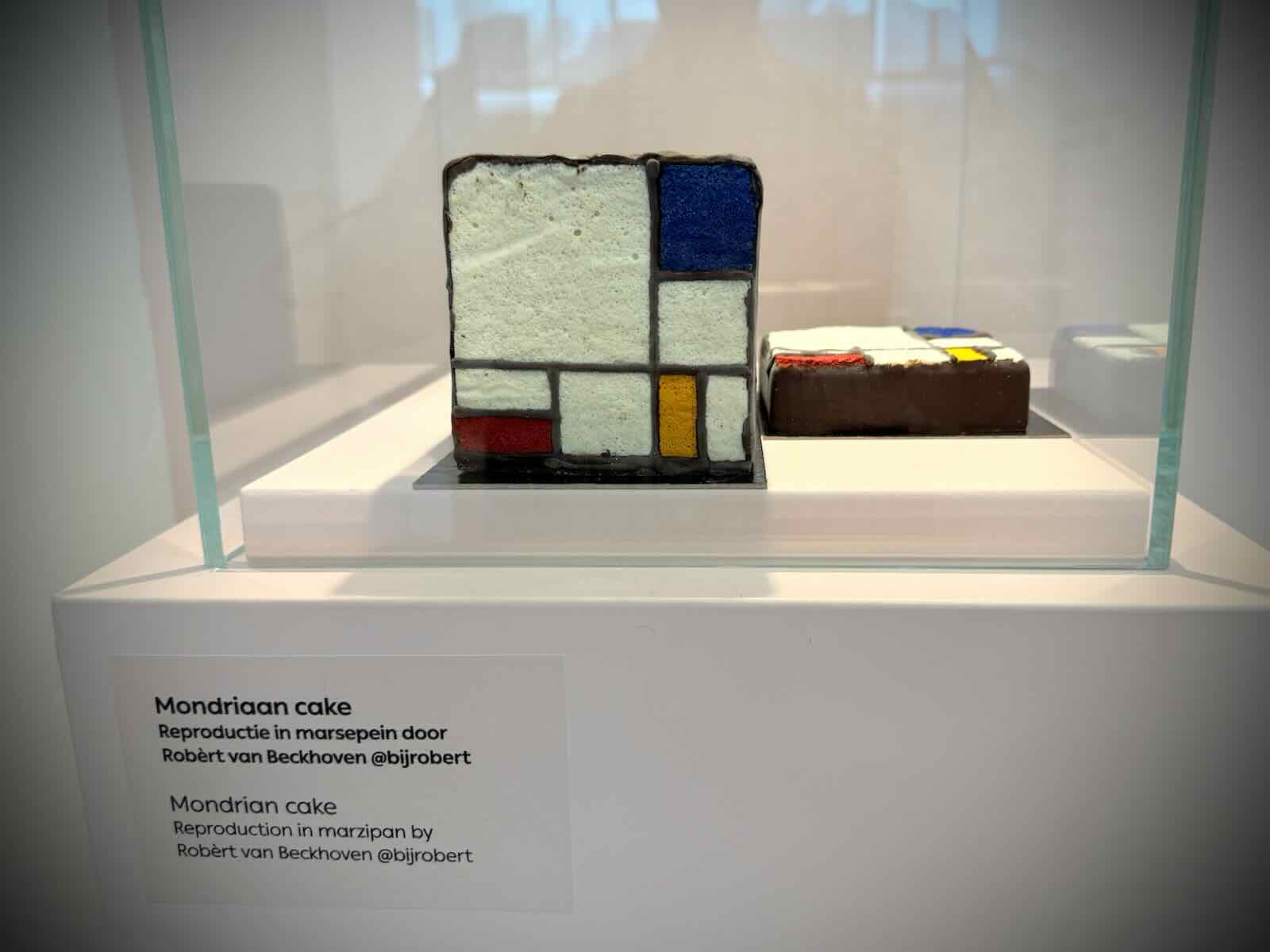
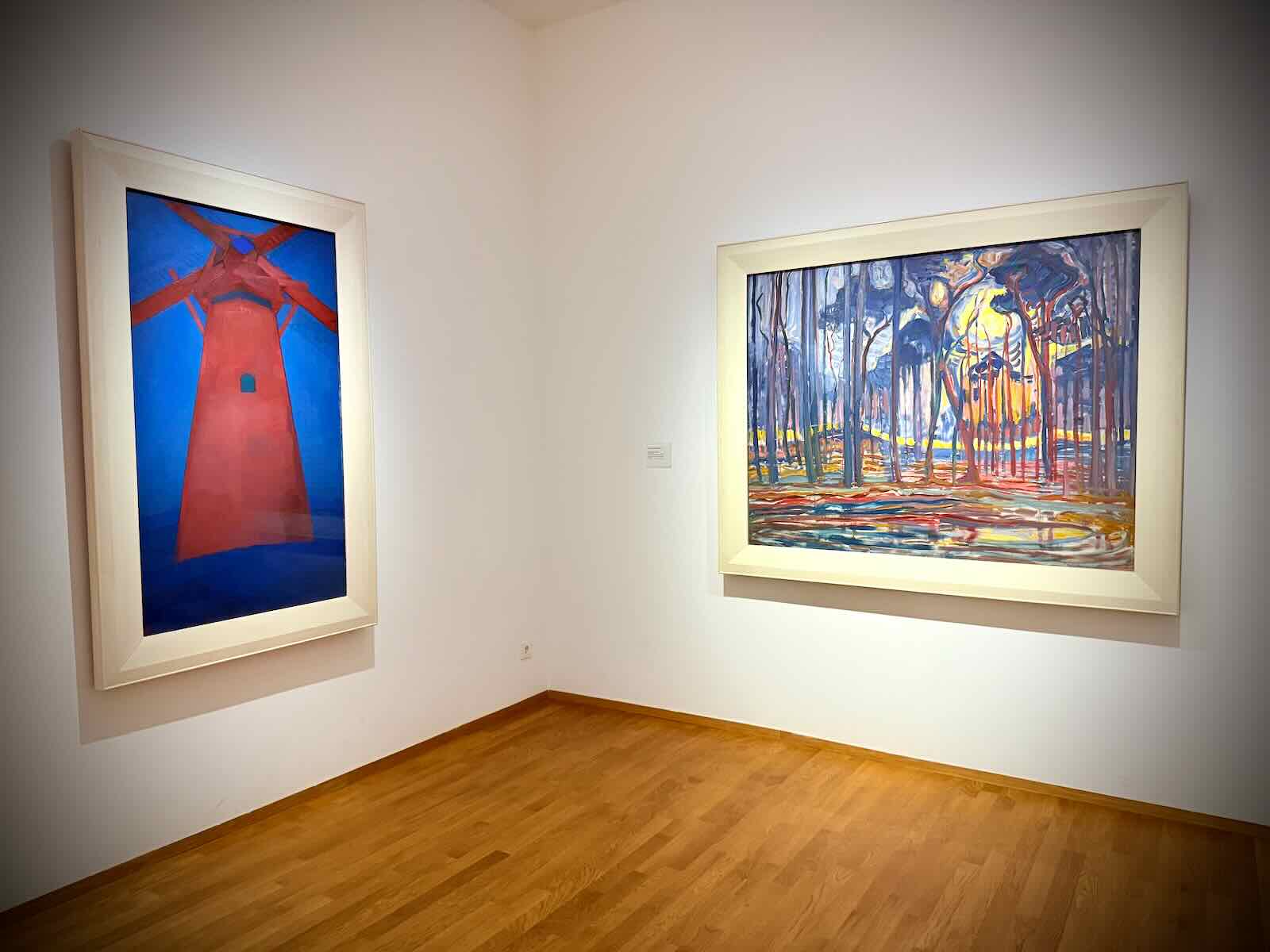
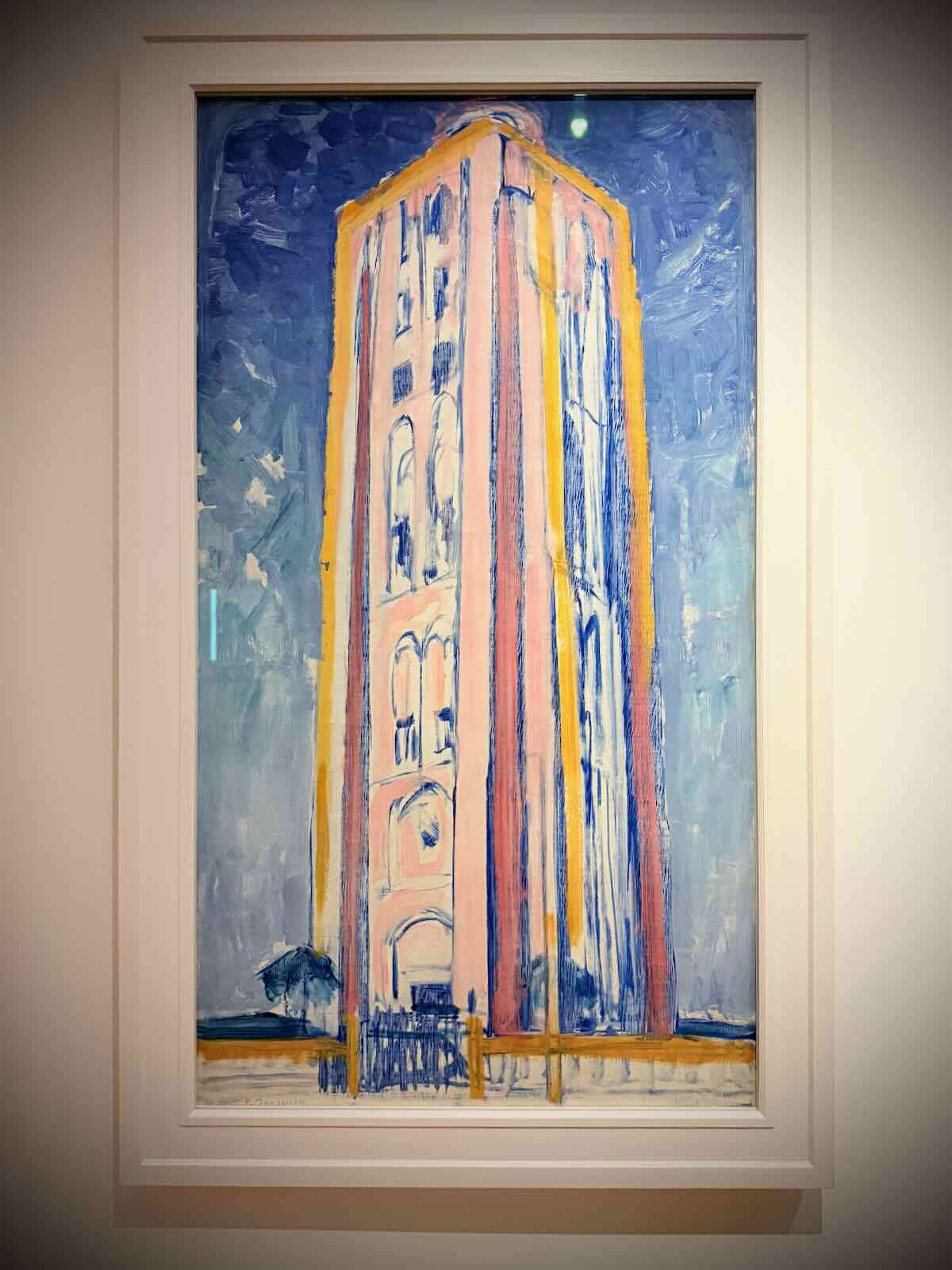
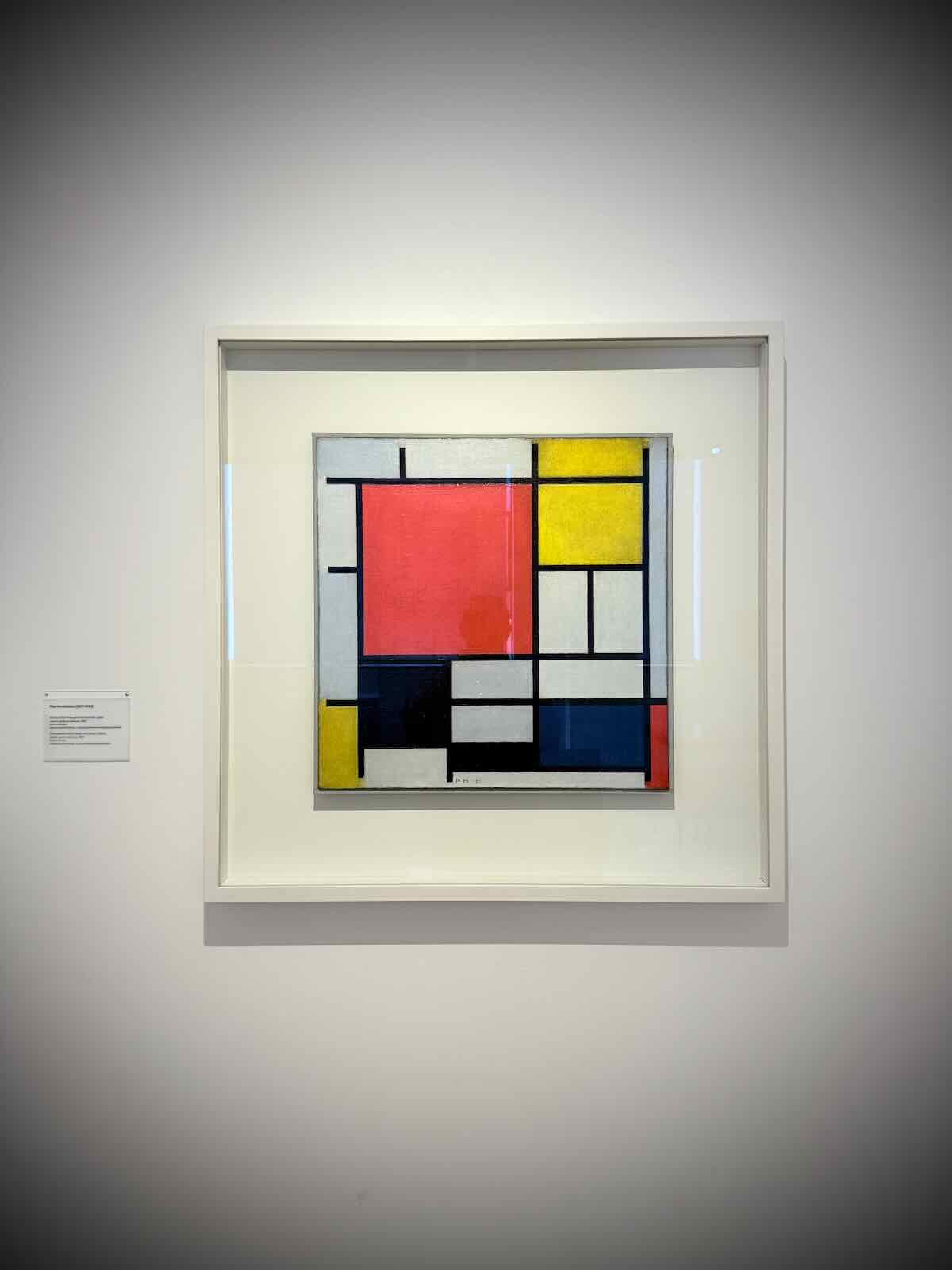
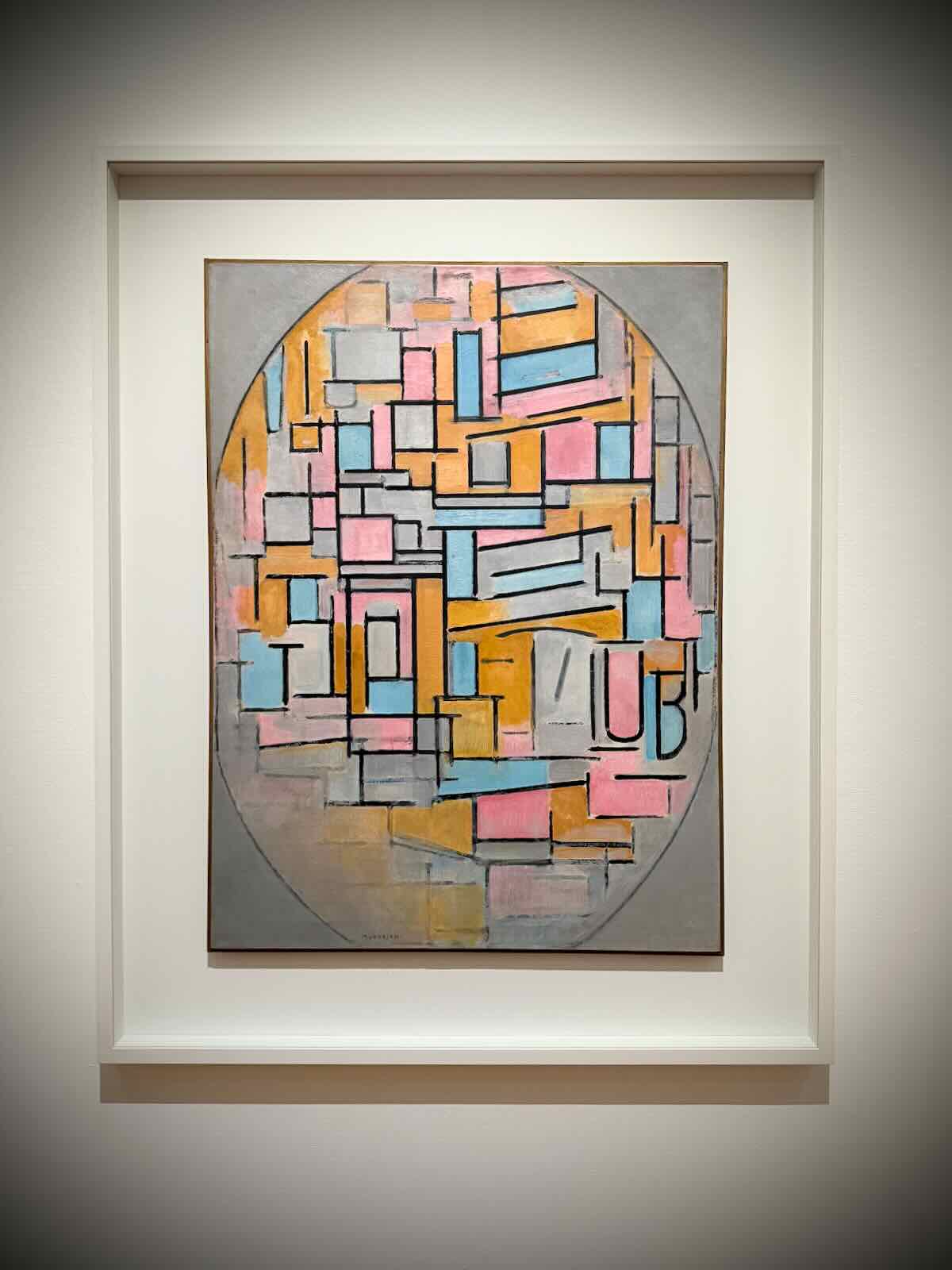
Originally founded in 1866, the museum’s current building dates back to 1935 and has a collection of 165,000 works. It is renowned for having the largest collection of Mondrian’s in the world.
The museum’s collection of modern art includes many acclaimed artists. These include Edgar Degas, Claude Monet, Pablo Picasso, Vincent van Gogh and local artist is Piet Mondriaan. Its collection also includes pottery and glass art, print, fashion and music.
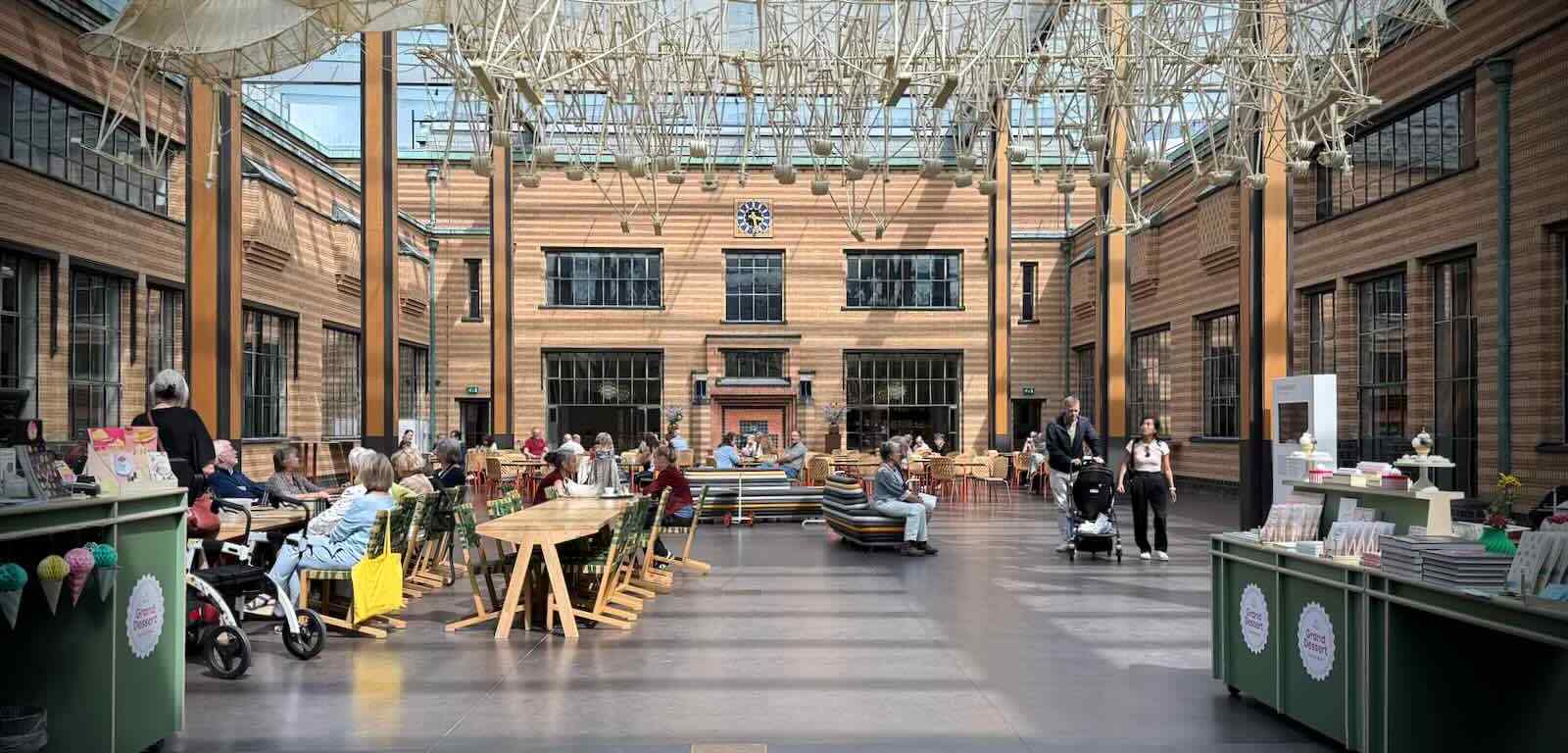
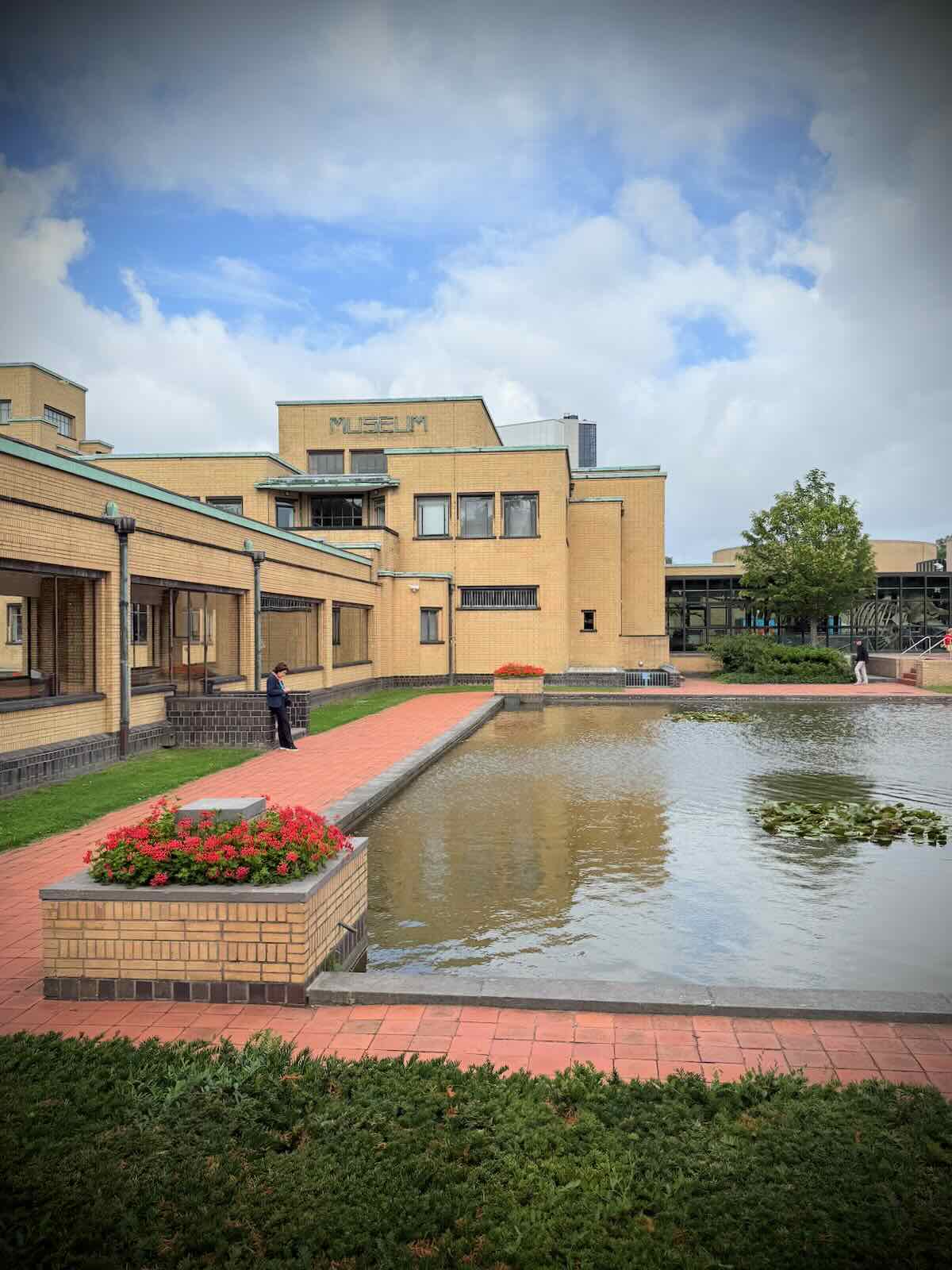
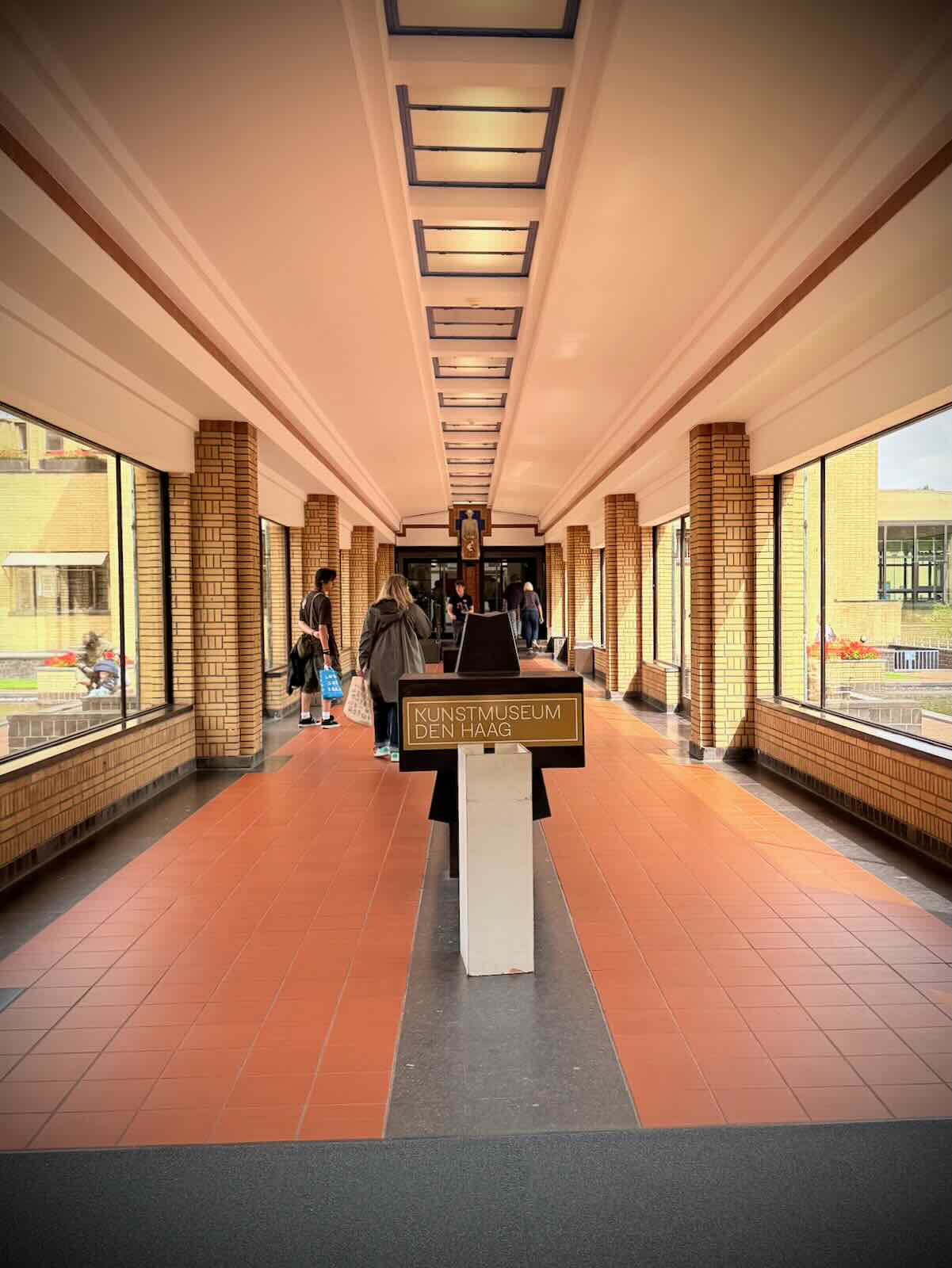
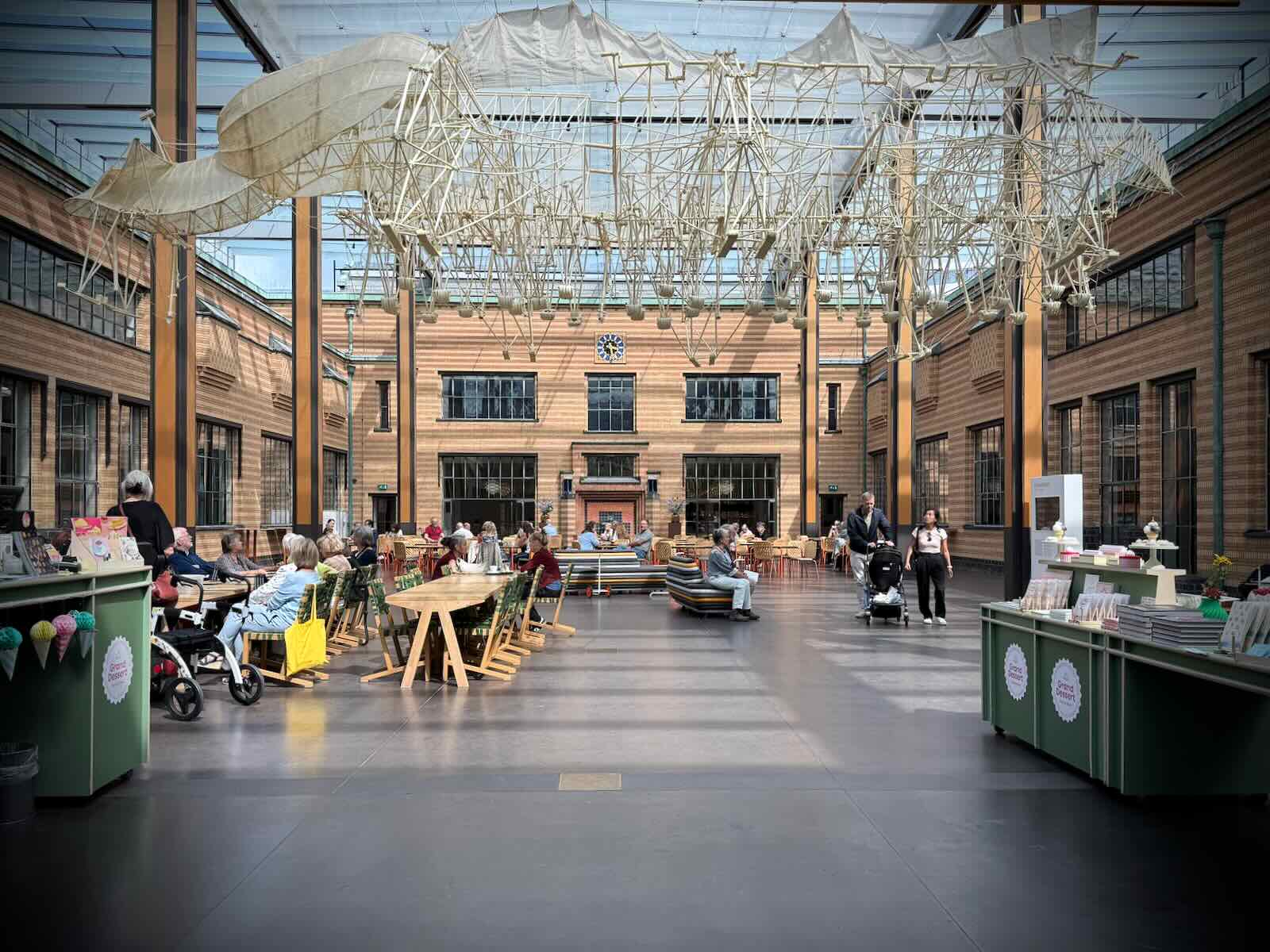
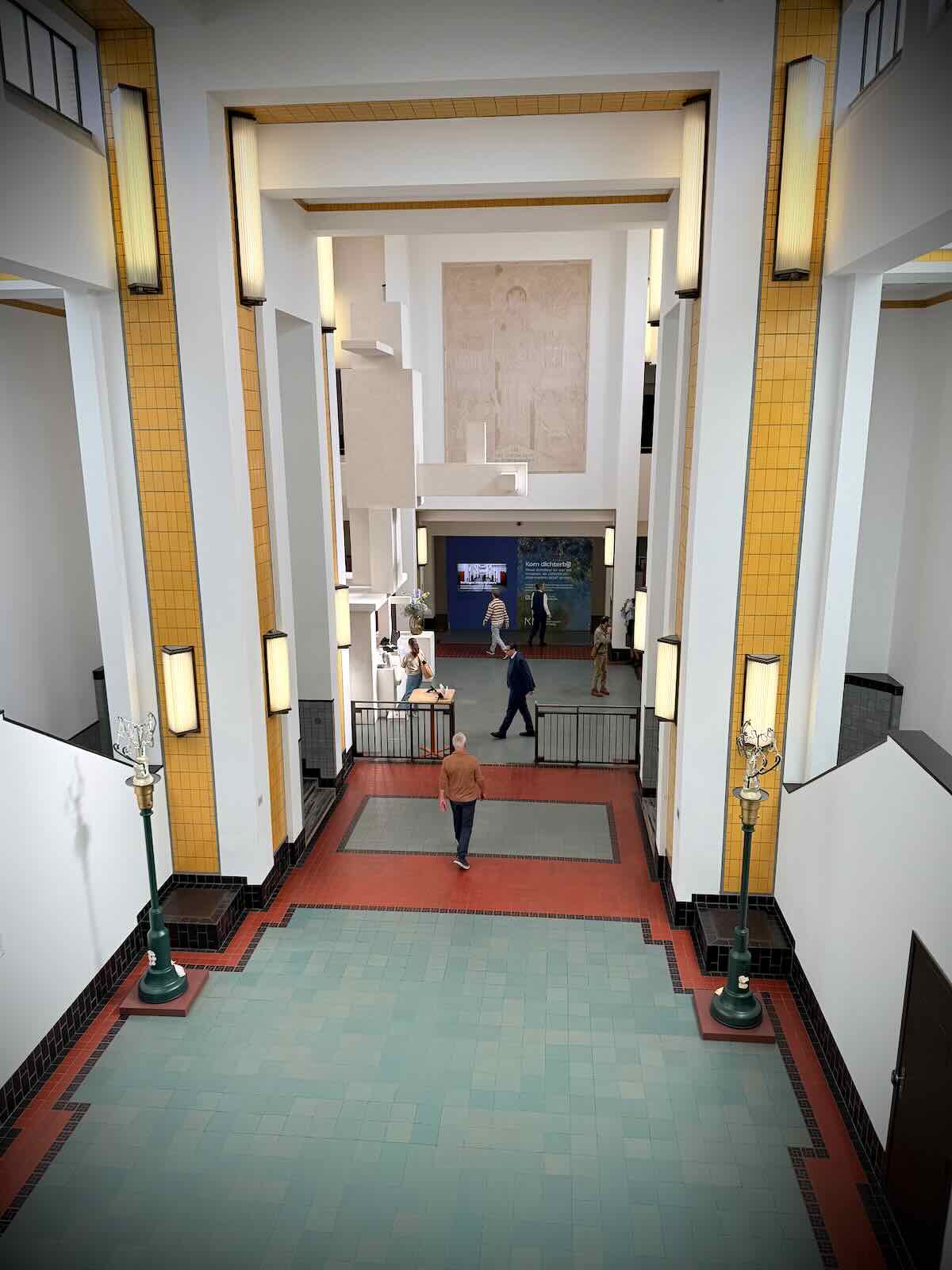
The current home of the Kunstmuseum is a purpose-built building designed by the Dutch architect, H.P. Berlage. It is described by some as having a simple, sober, and accessible appearance. It definitely appears less grand and showy than other museums.
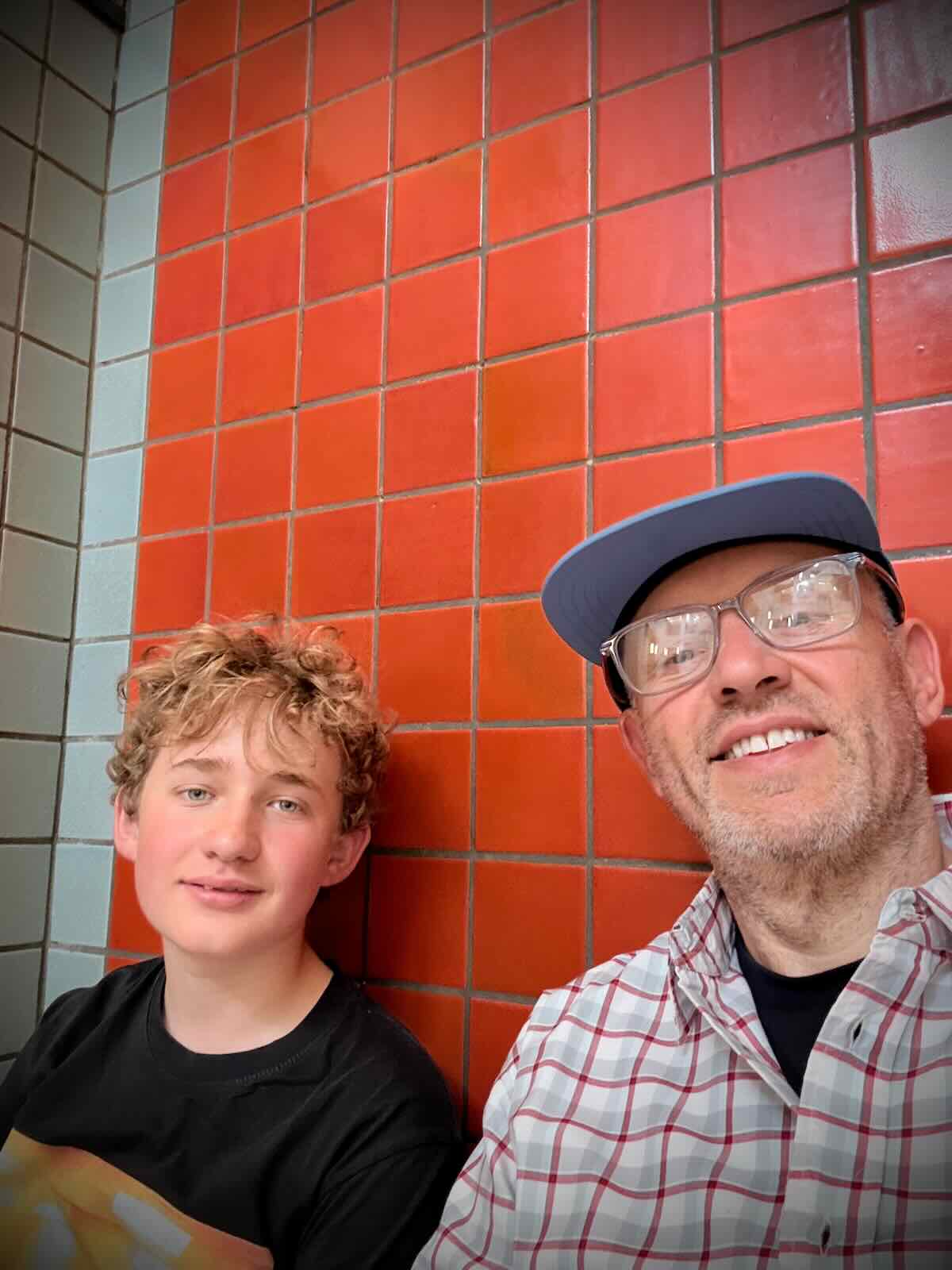
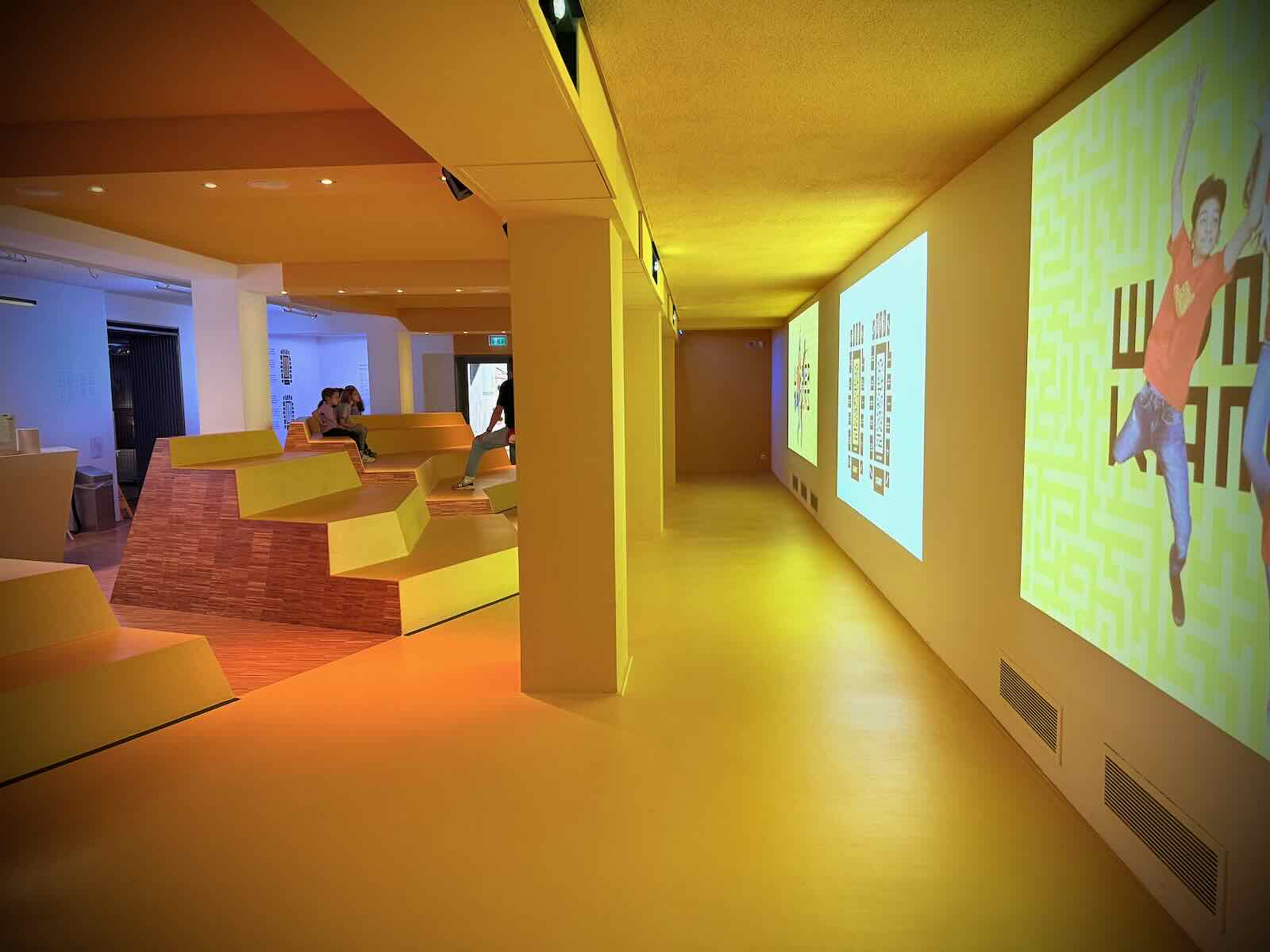
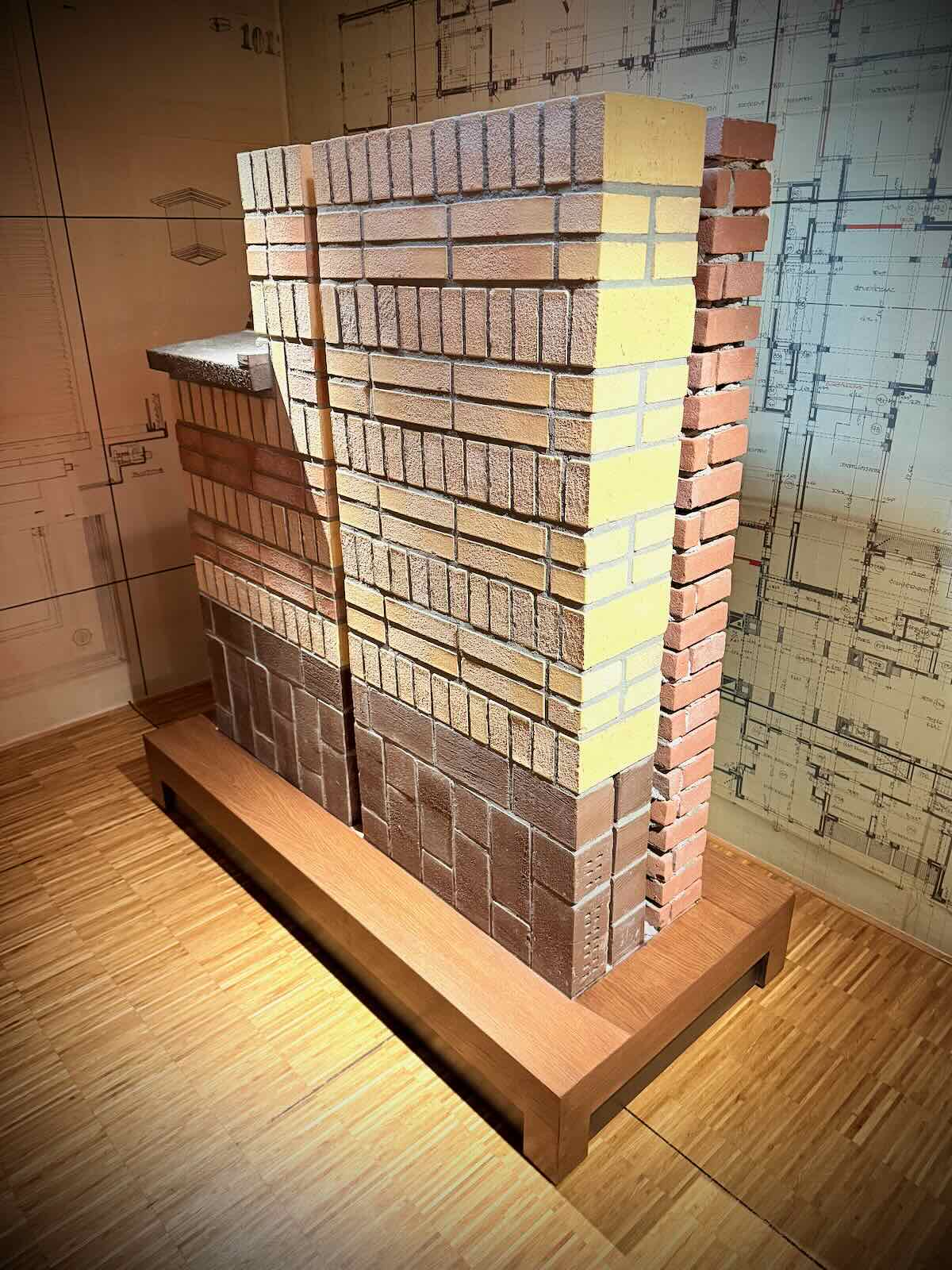
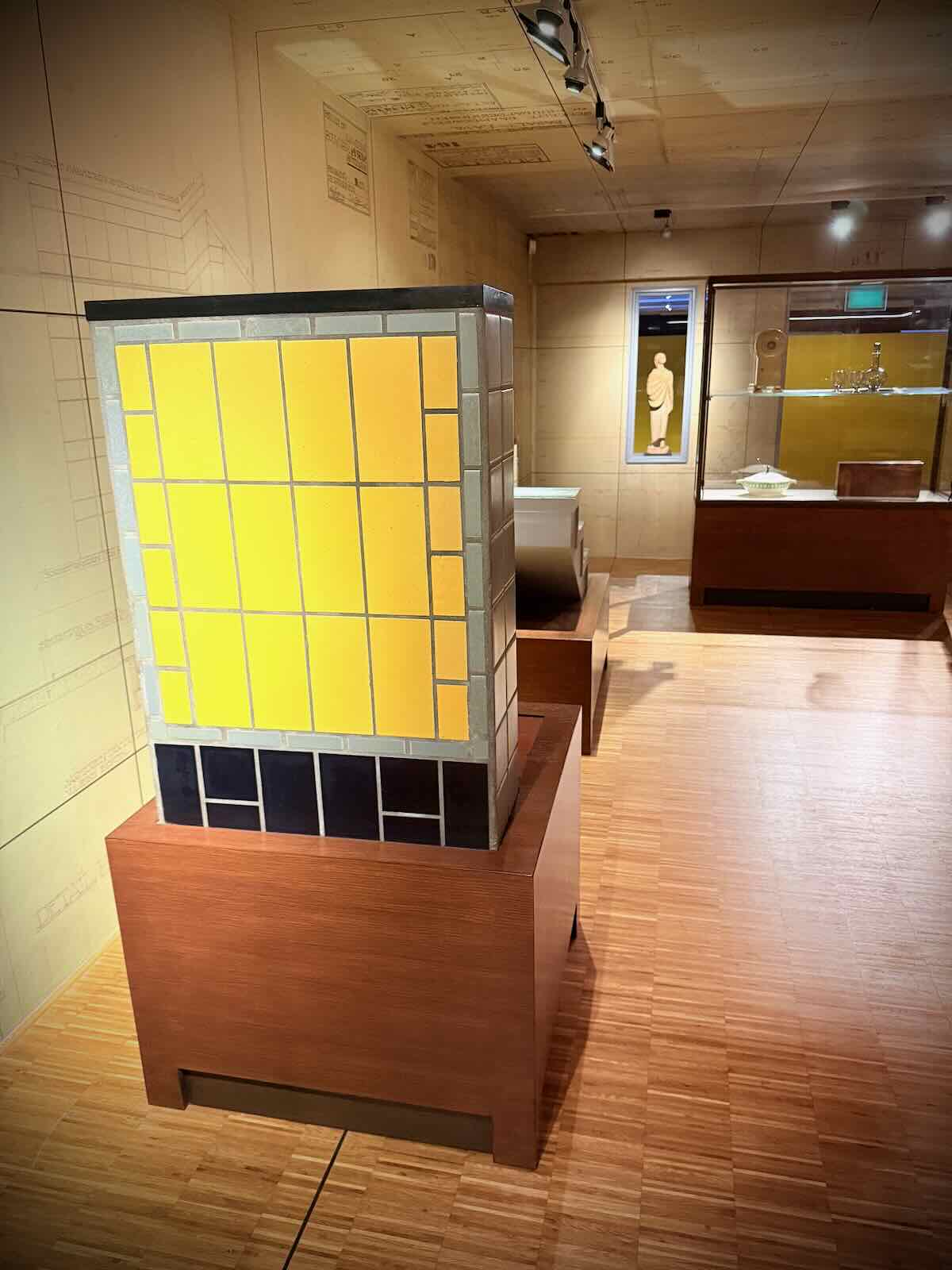
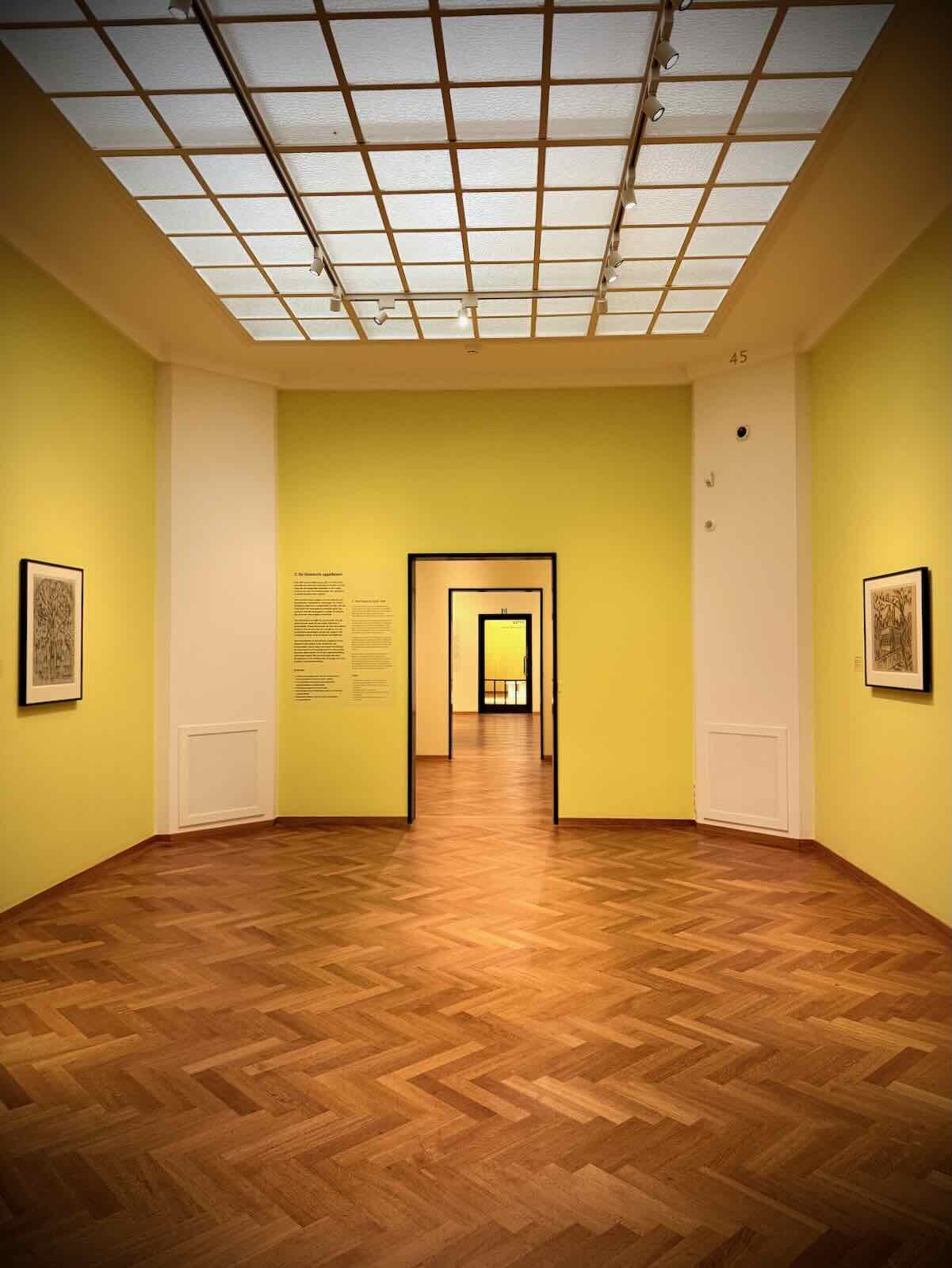
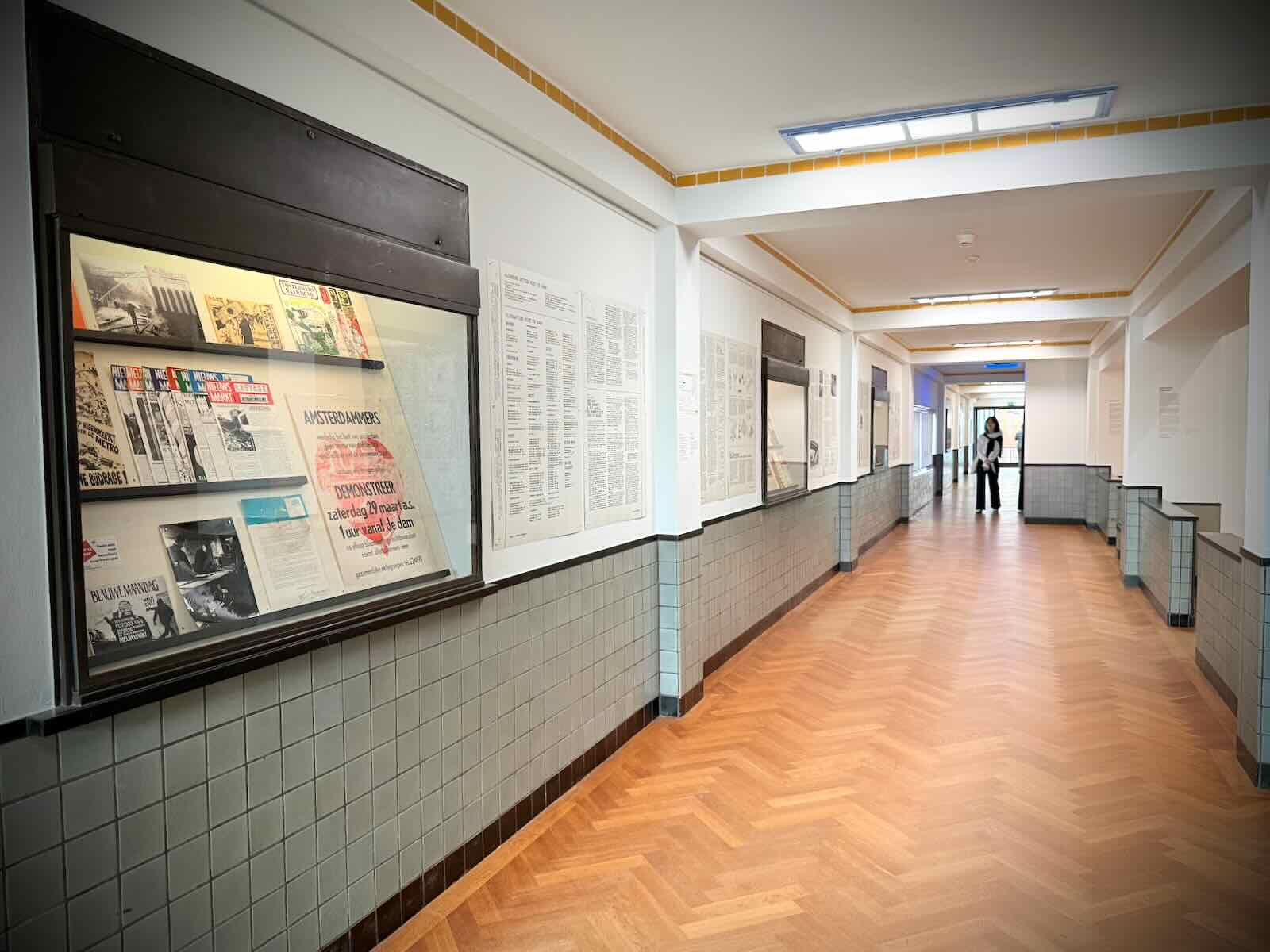
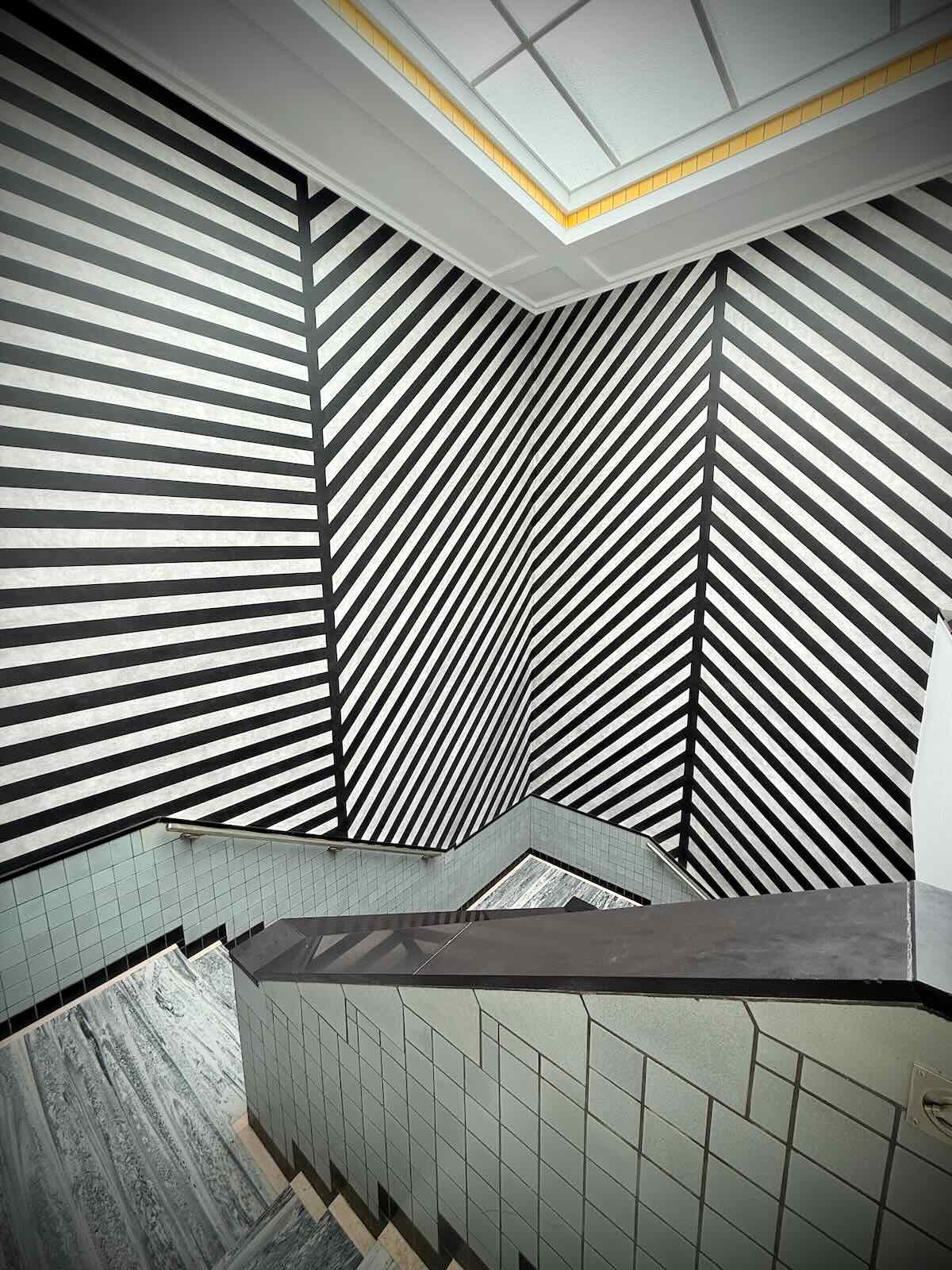
The building is made of everyday brick, rather than more opulent materials like marble and granite. It’s also built to a human scale and doesn’t feel imposing. On the inside, tiles in bold colours mirror the exterior brick, in a style that’s part modernist, part Art Deco.
To me, the yellow bricks and tiles are reminiscent of the original yellow tiles of Manchester’s Arndale Centre. Though given the Kunstmuseum was built decades before, maybe that should be the other way round. Maybe the Arndale Center architects Hugh Wilson and J. L. Womersley took inspiration from the Dutch museum?
Riding to Kunstmuseum Den Haag
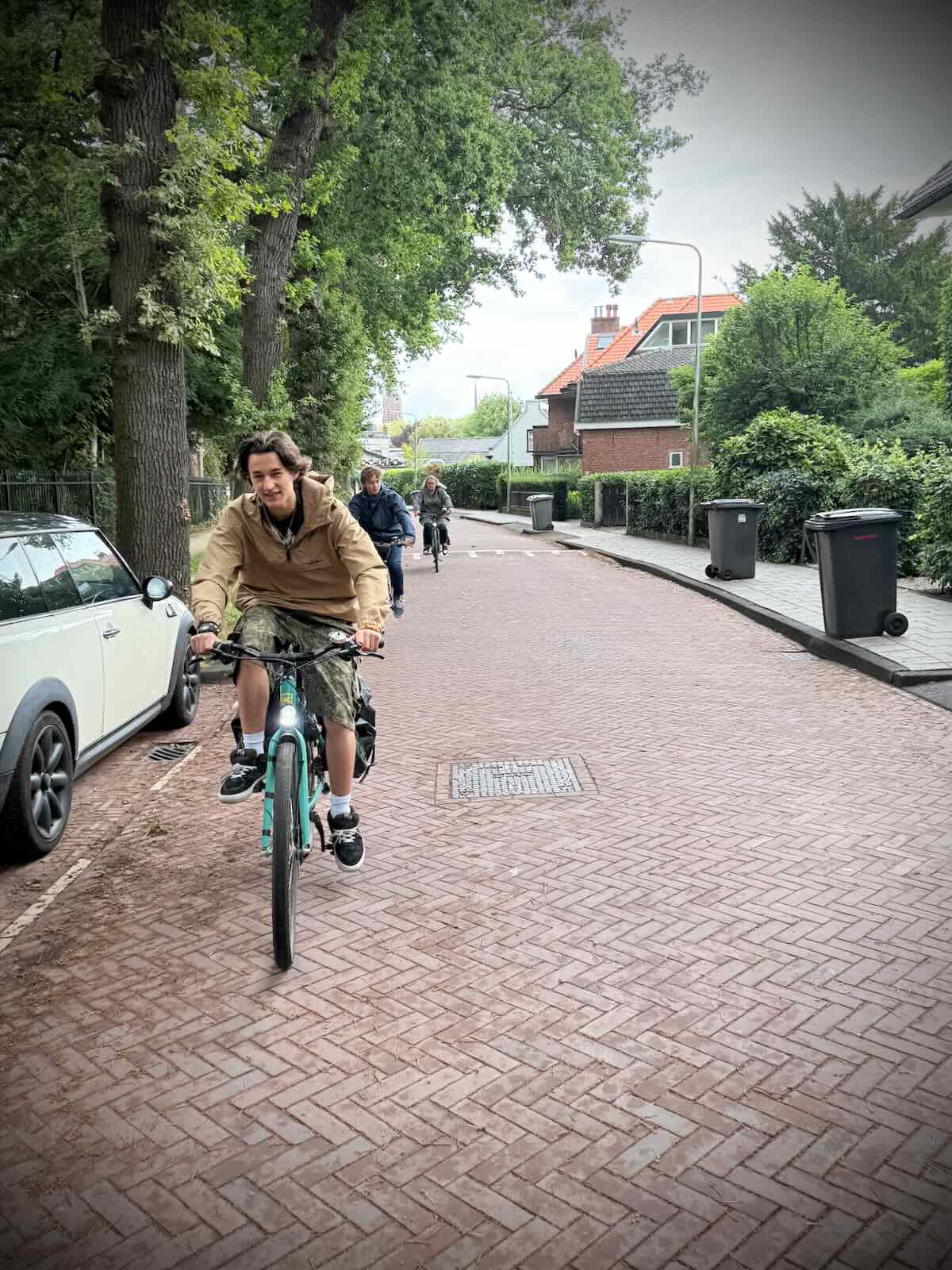
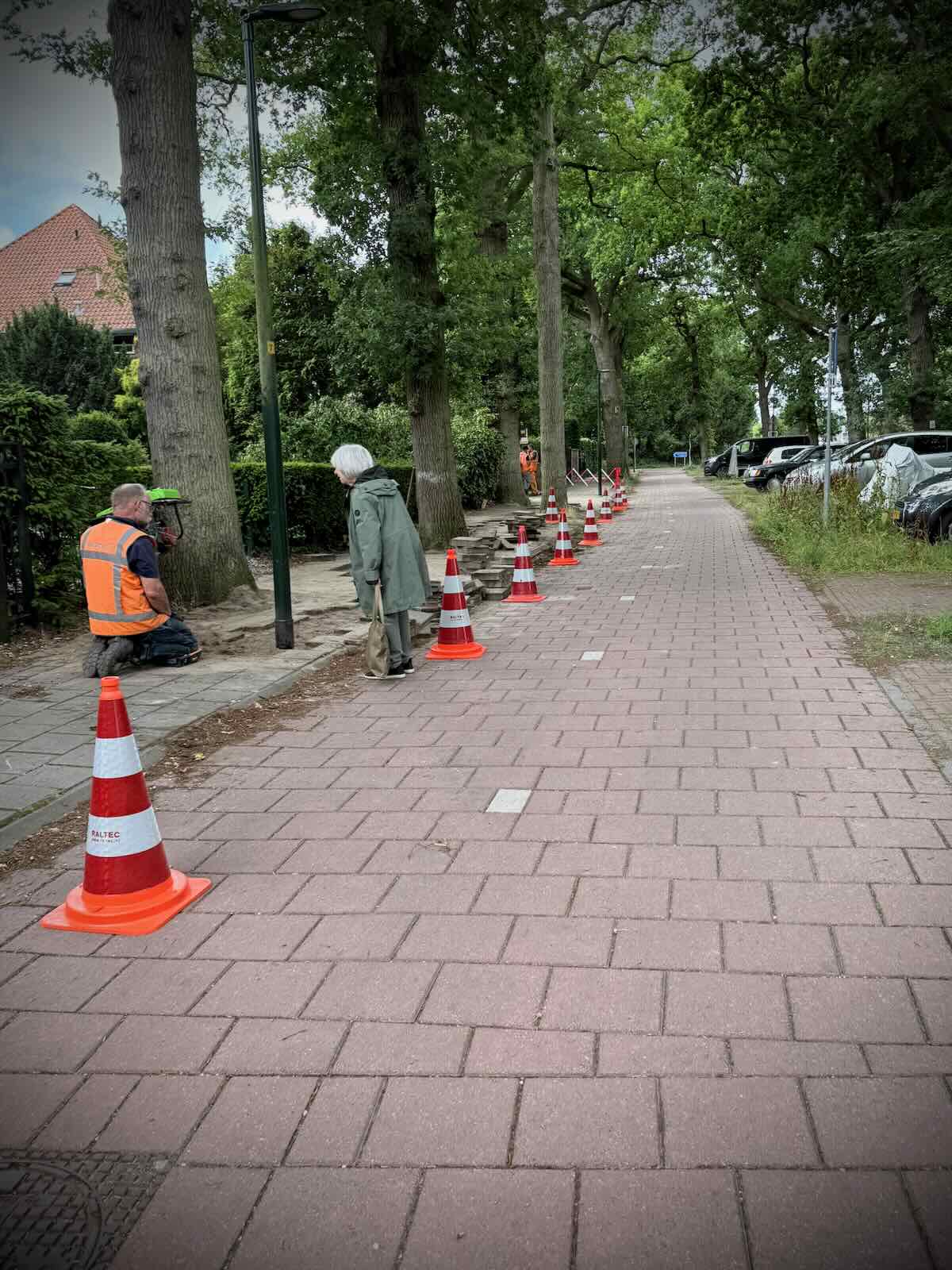
From Duinrell, we set off on a route along Storm van ‘s-Gravesandeweg, then onto Kerkstraat and Schouwweg. This gave me chance to check out the result of the construction work I passed on here in 2024.
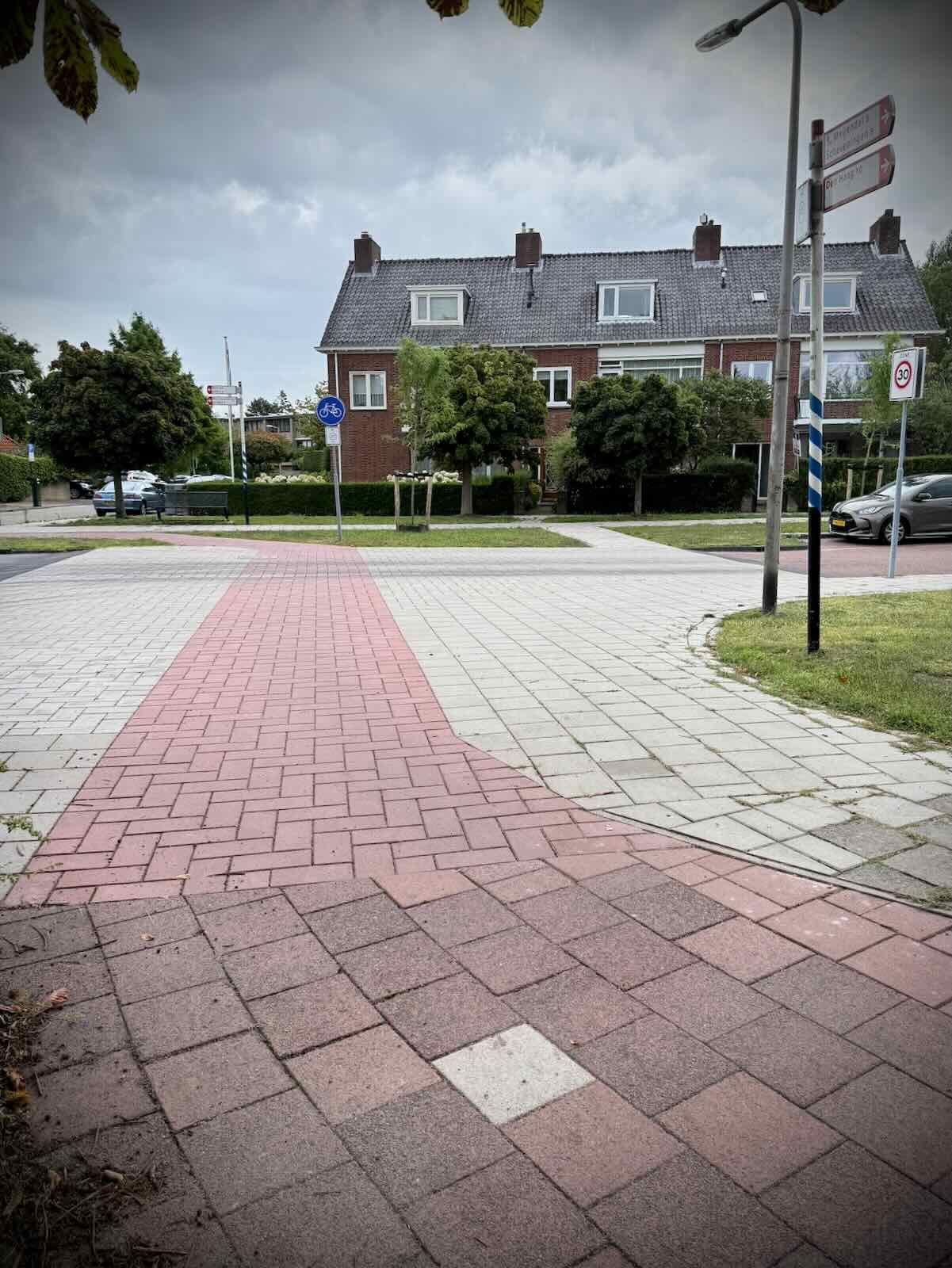
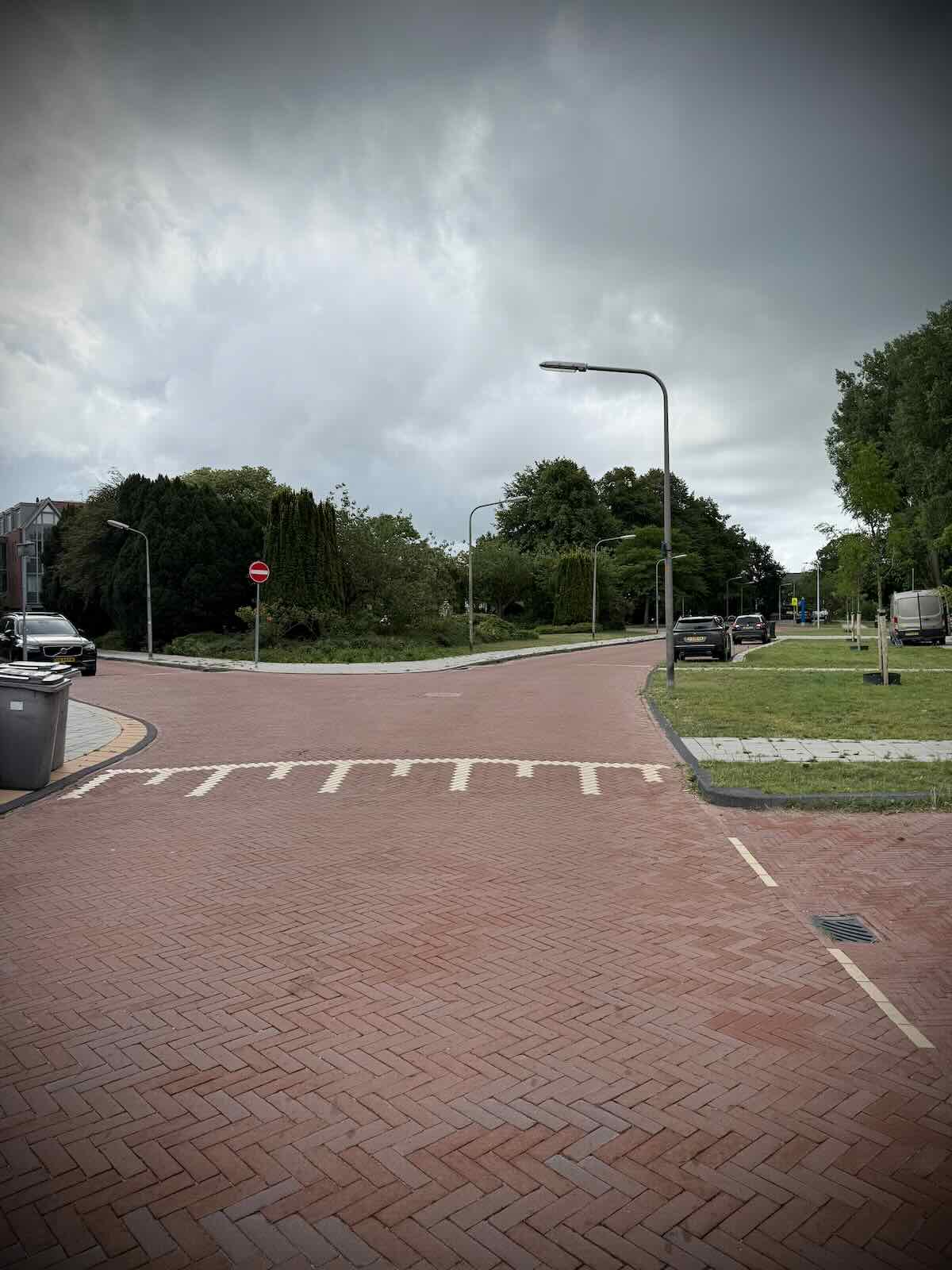
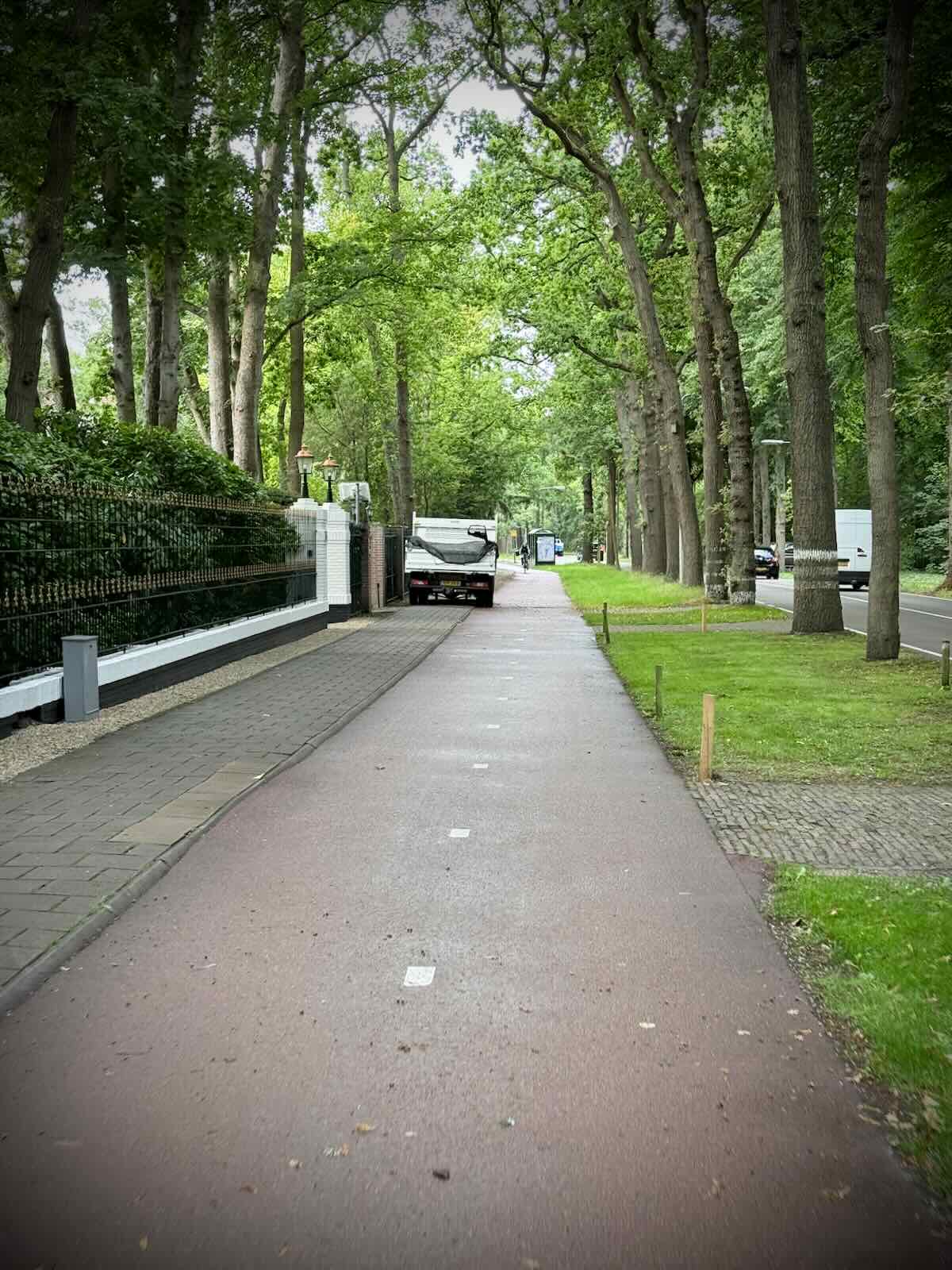
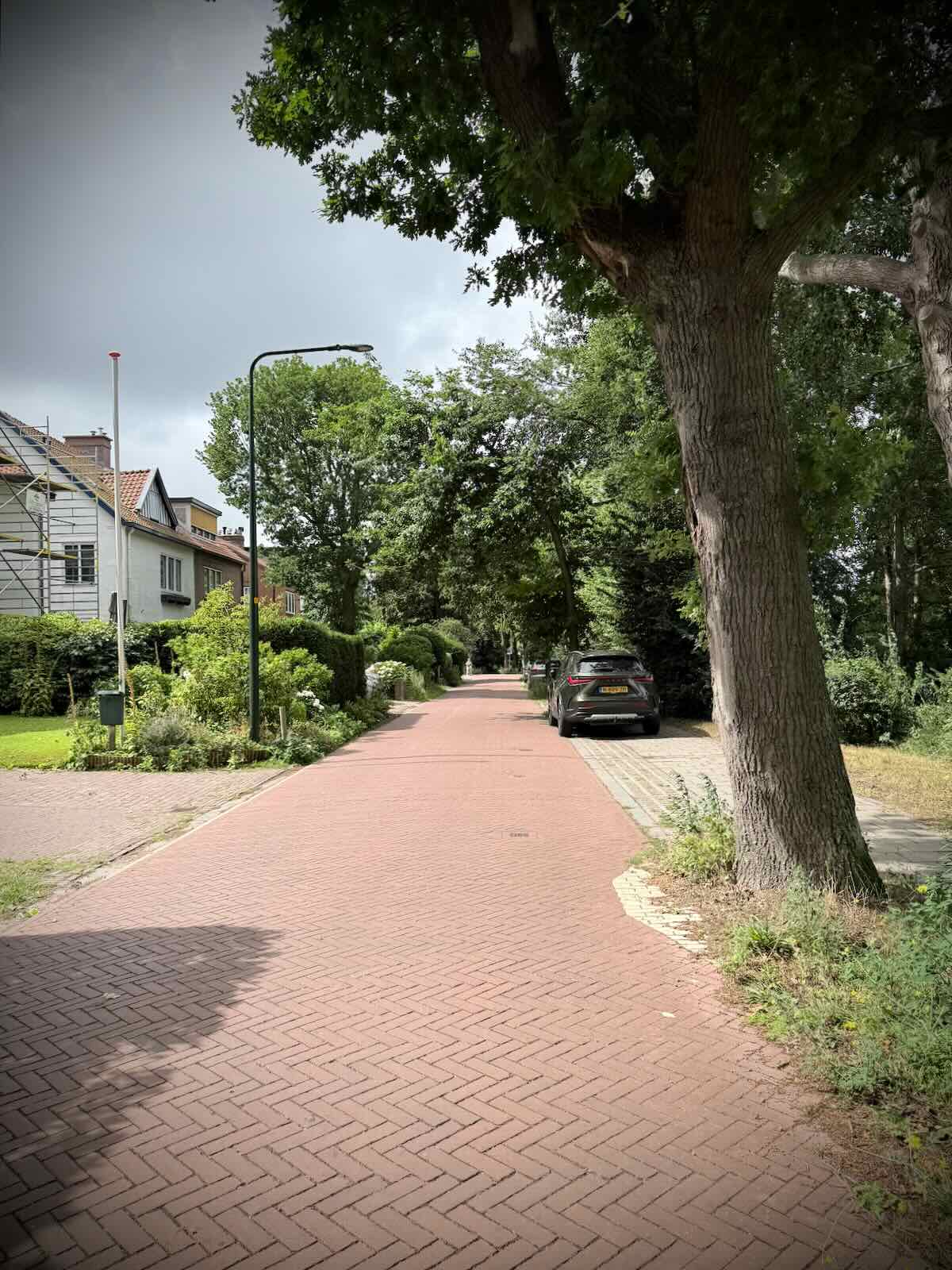
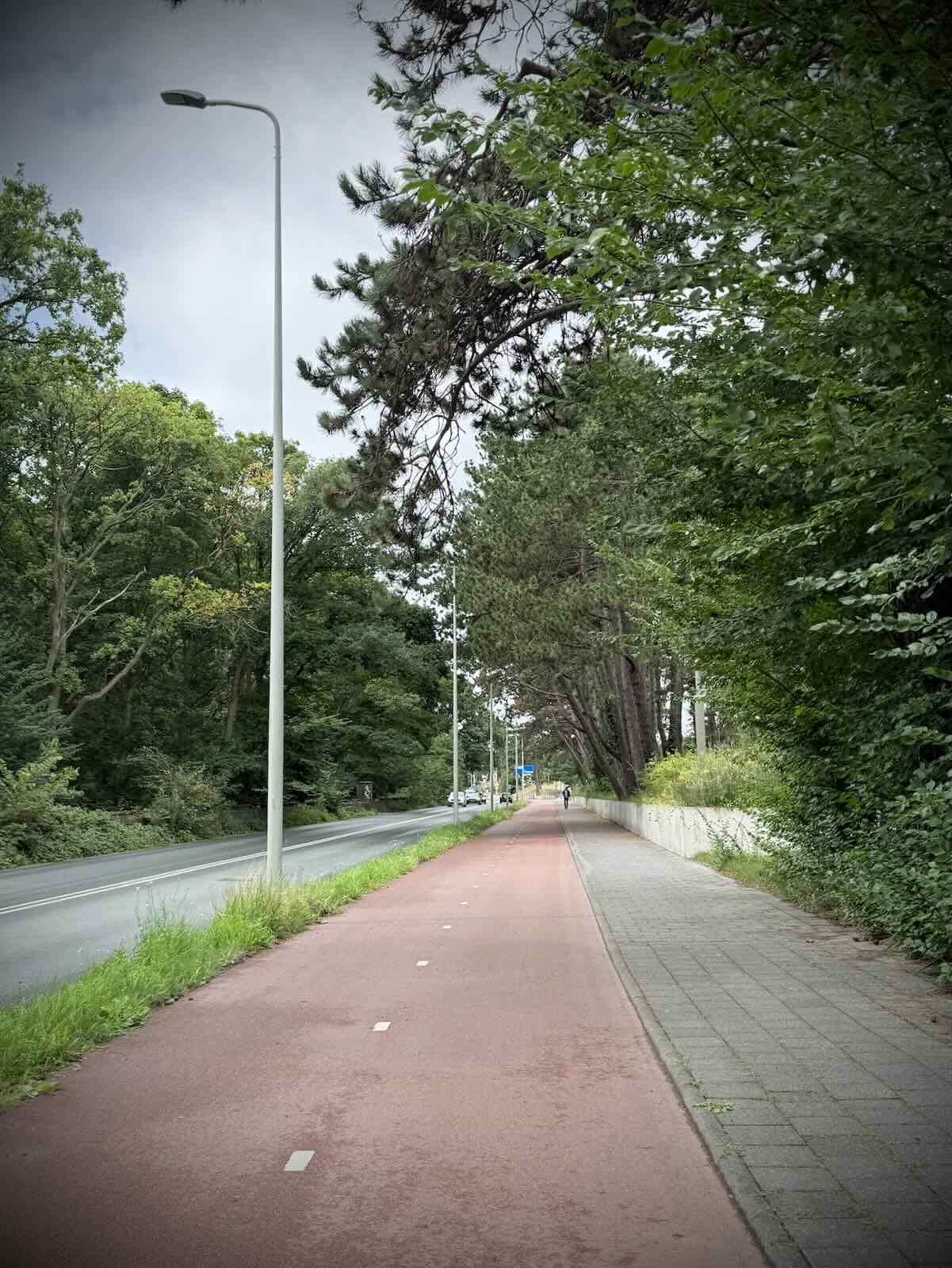
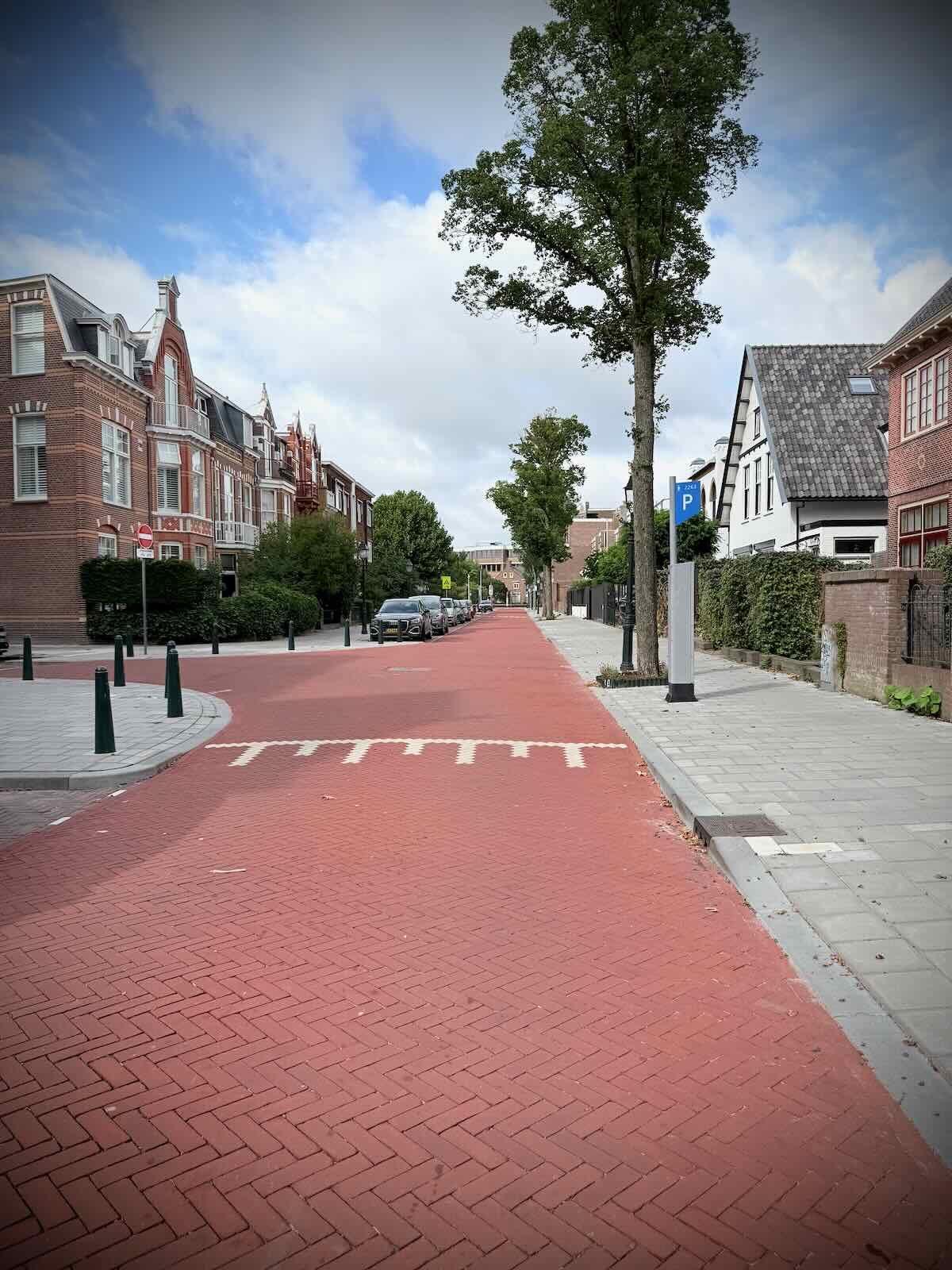
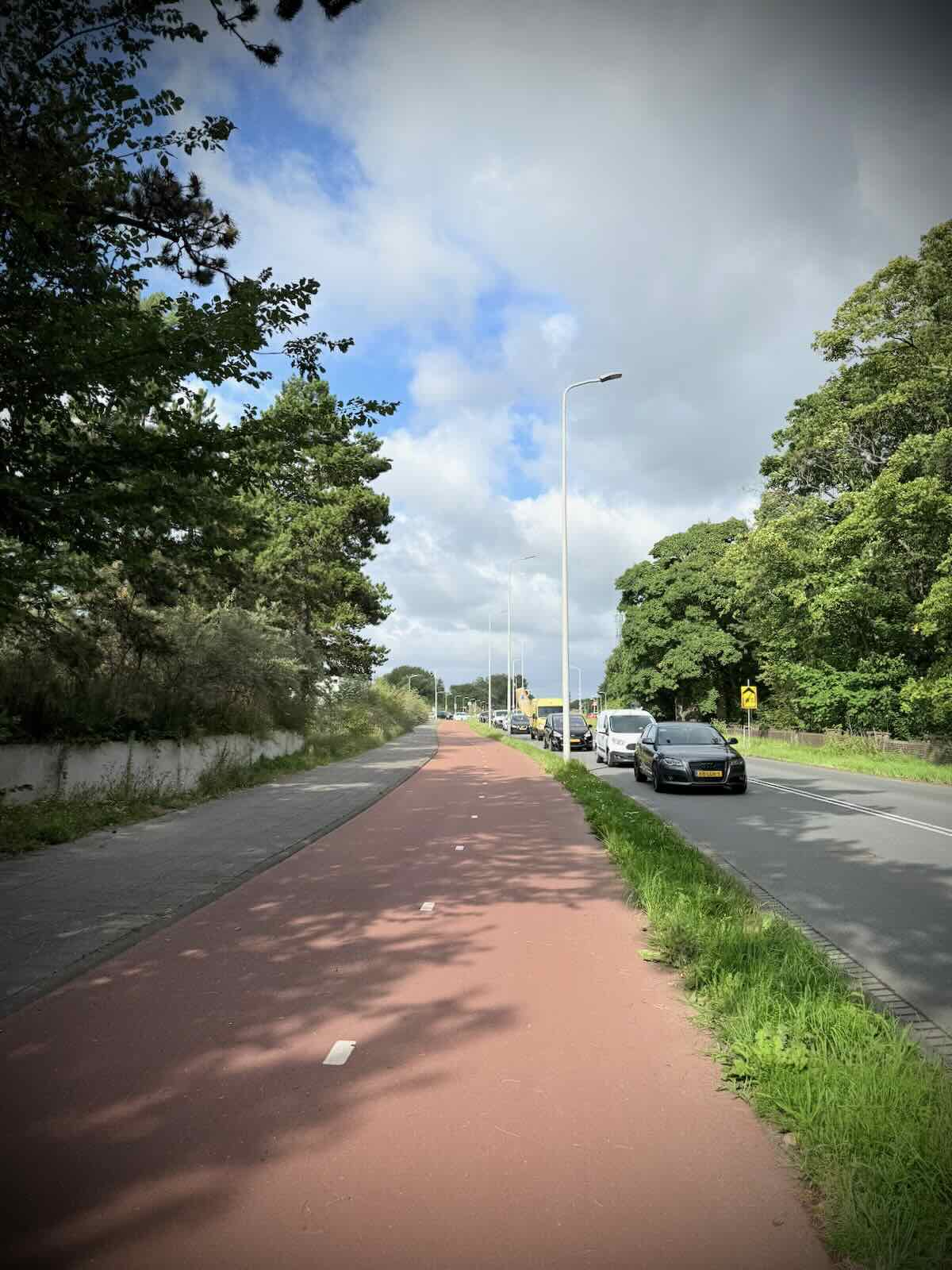
Originally, Storm van ‘s-Gravesandeweg was a 50 km/h distributor road, with protected cycling infrastructure along some of it. The purpose of it was to provide a route through Wassenaar, connecting Stoeplaan to the centre of the town.
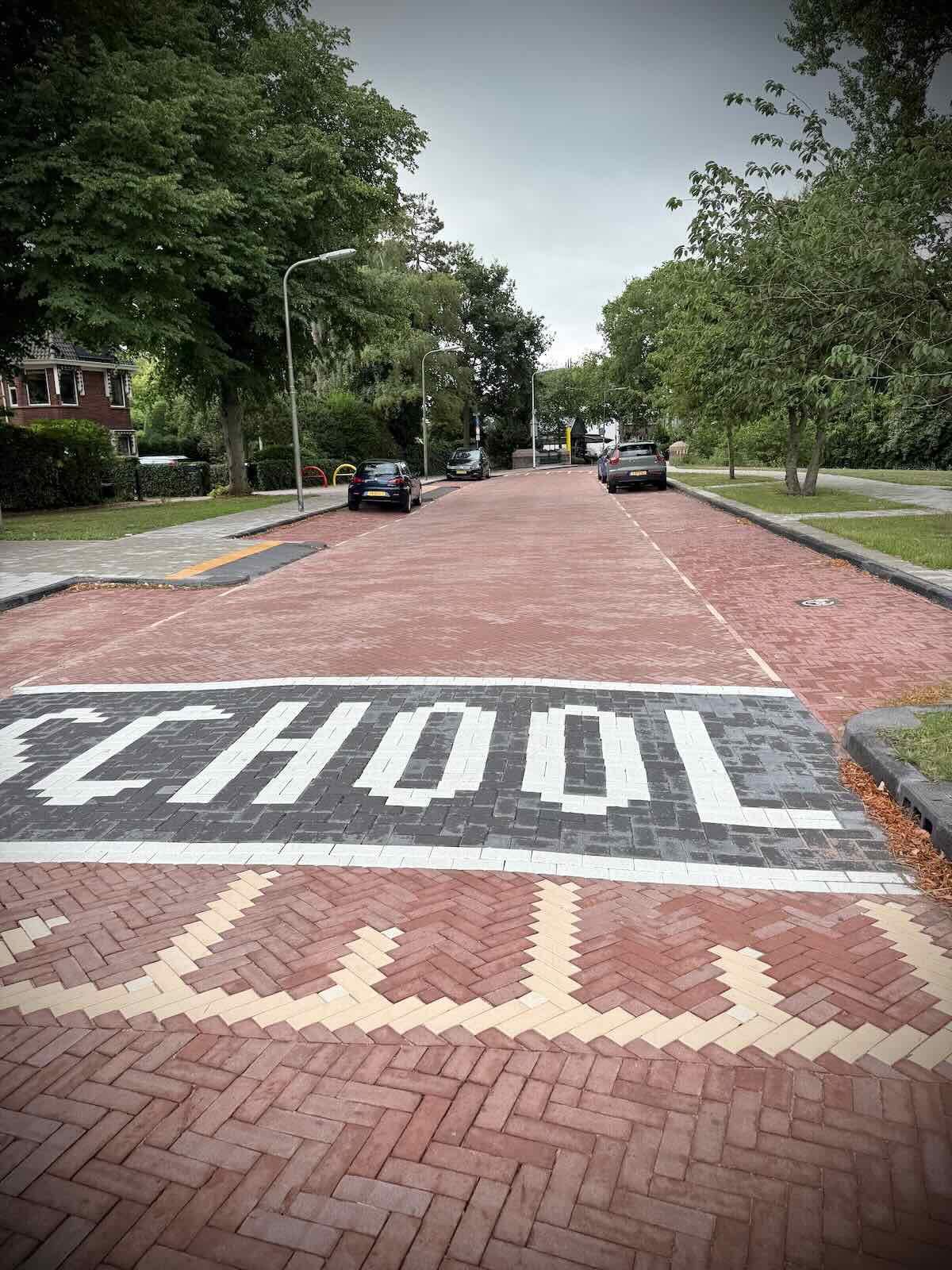
It has now been downgraded to being a 30 km/h access road, with through traffic now directed along Jagerslaan. The protected cycling infrastructure has also been removed, as this isn’t deemed necessary on a 30 km/h road.
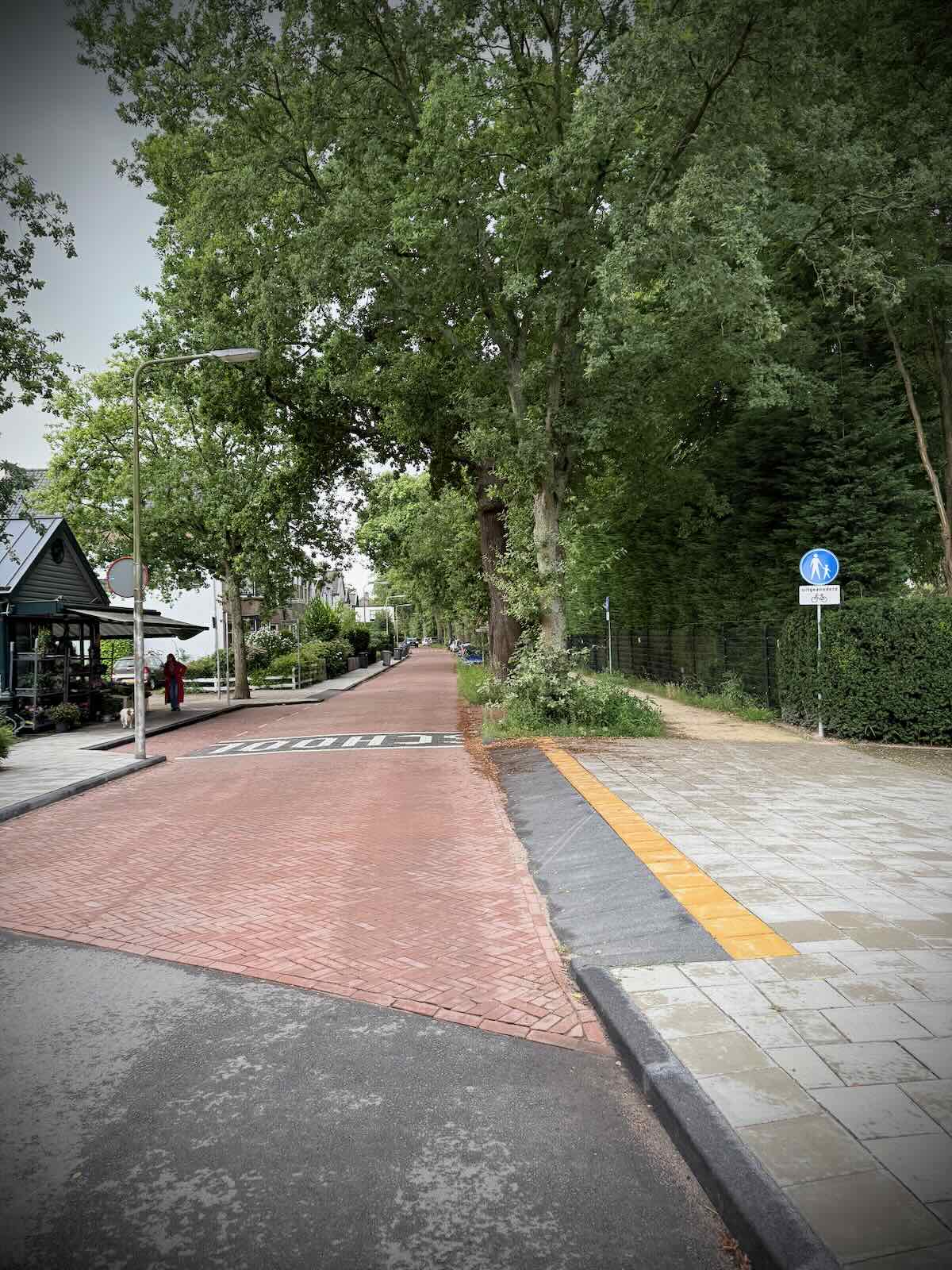
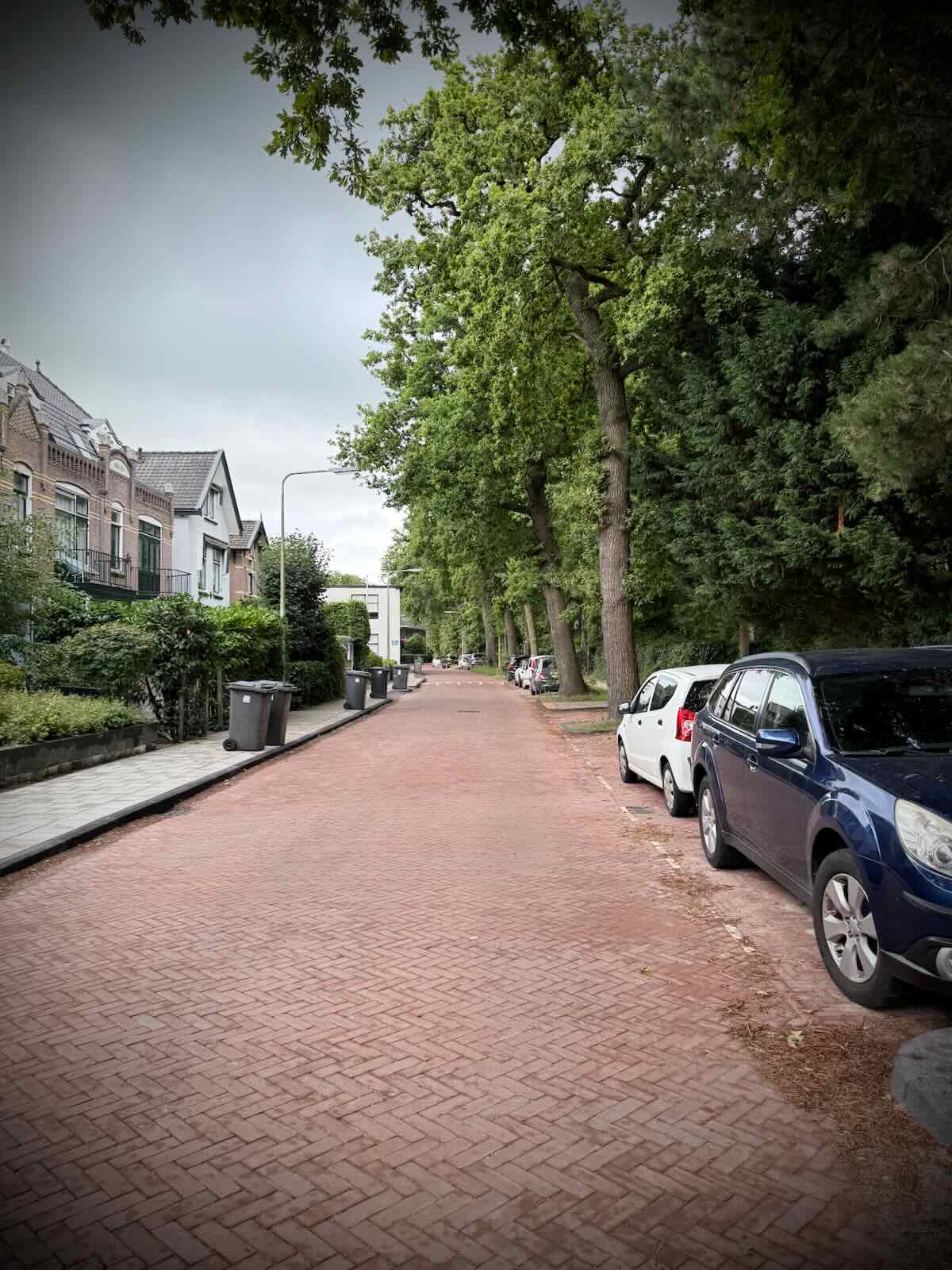
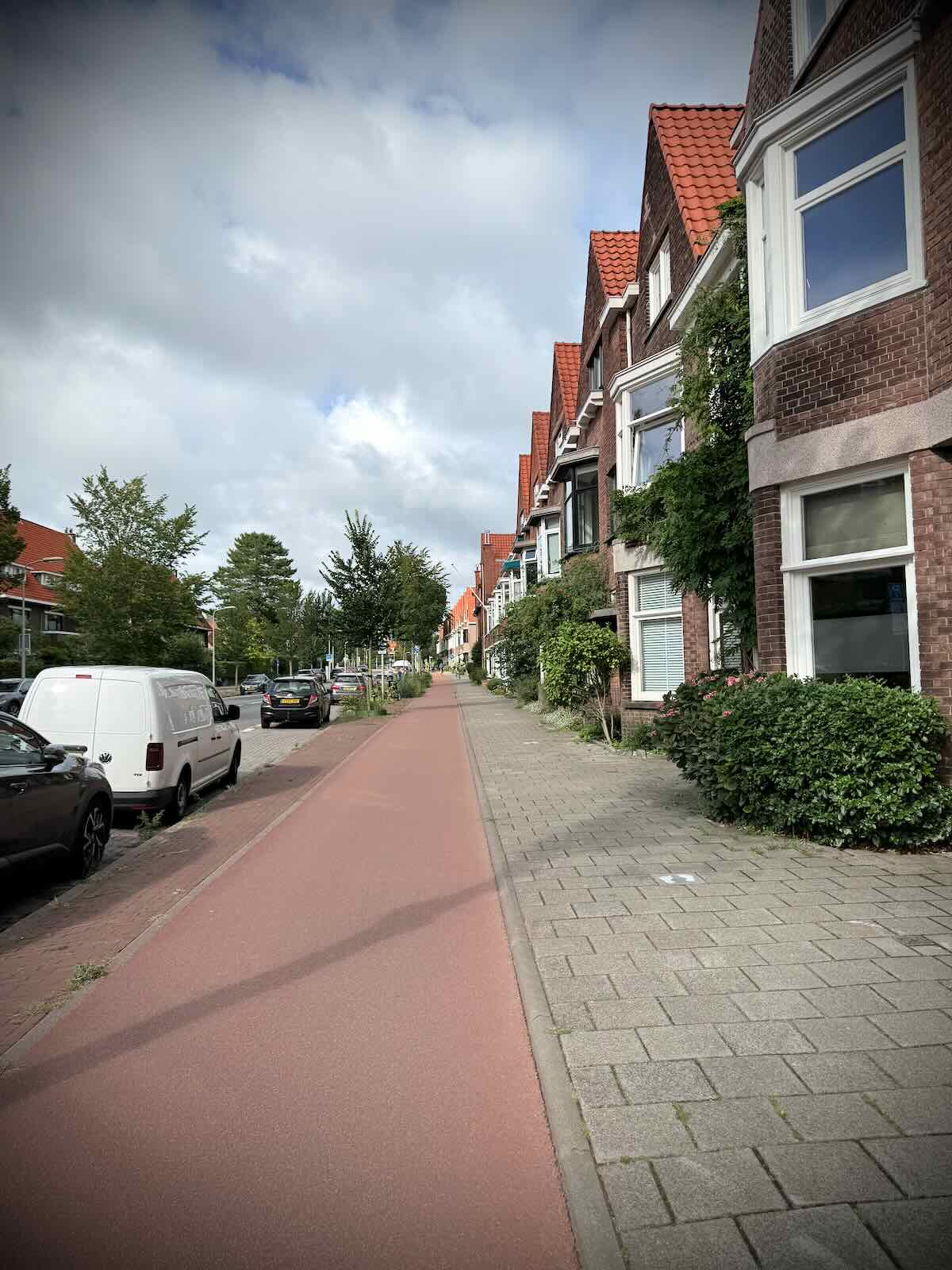
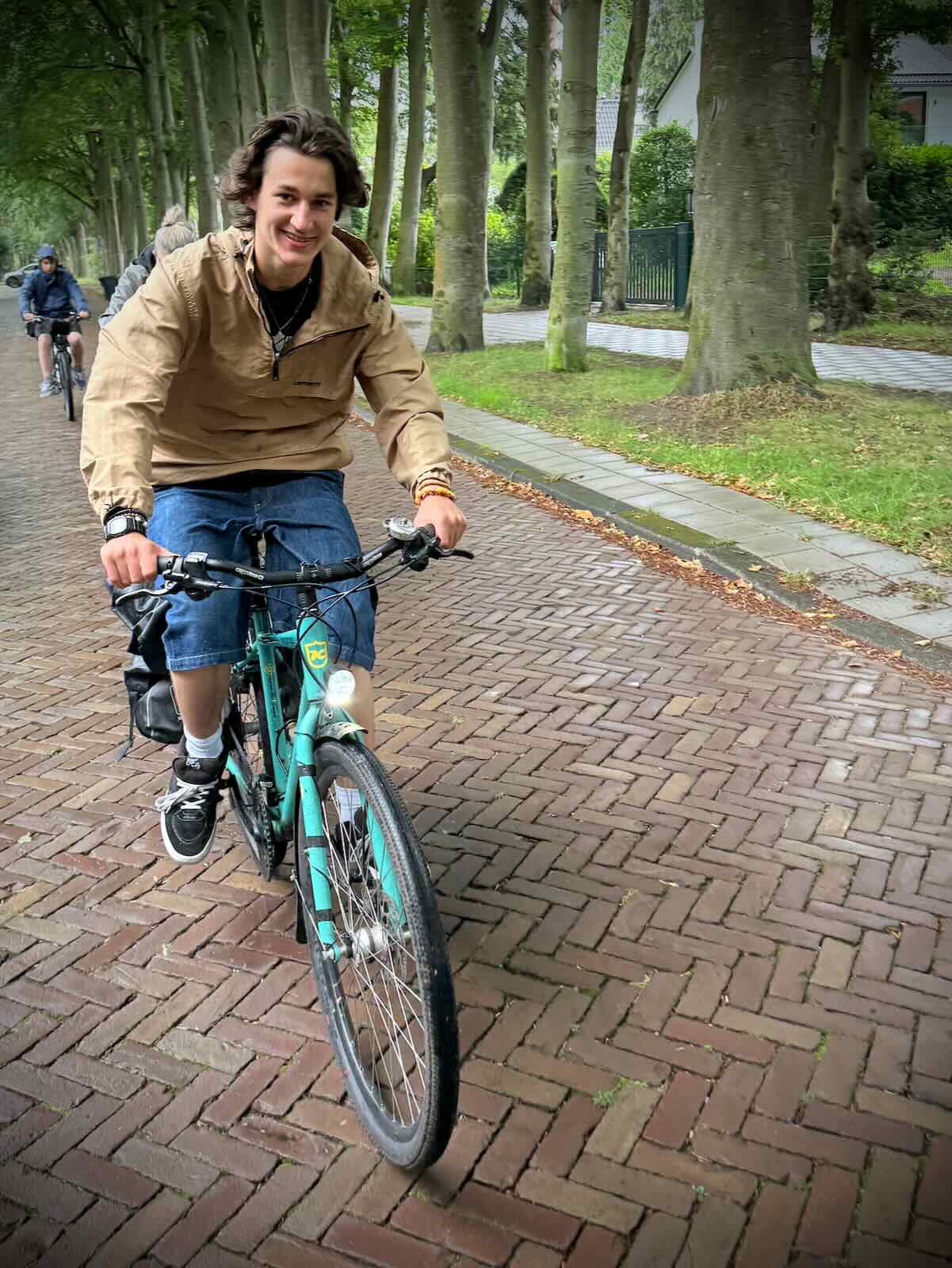
The street has been narrowed and paved with red bricks. This is to make it feel more like an access road and reduce traffic speeds. Measures like this are often neglected in the UK when 20 mph speed limits are introduced.
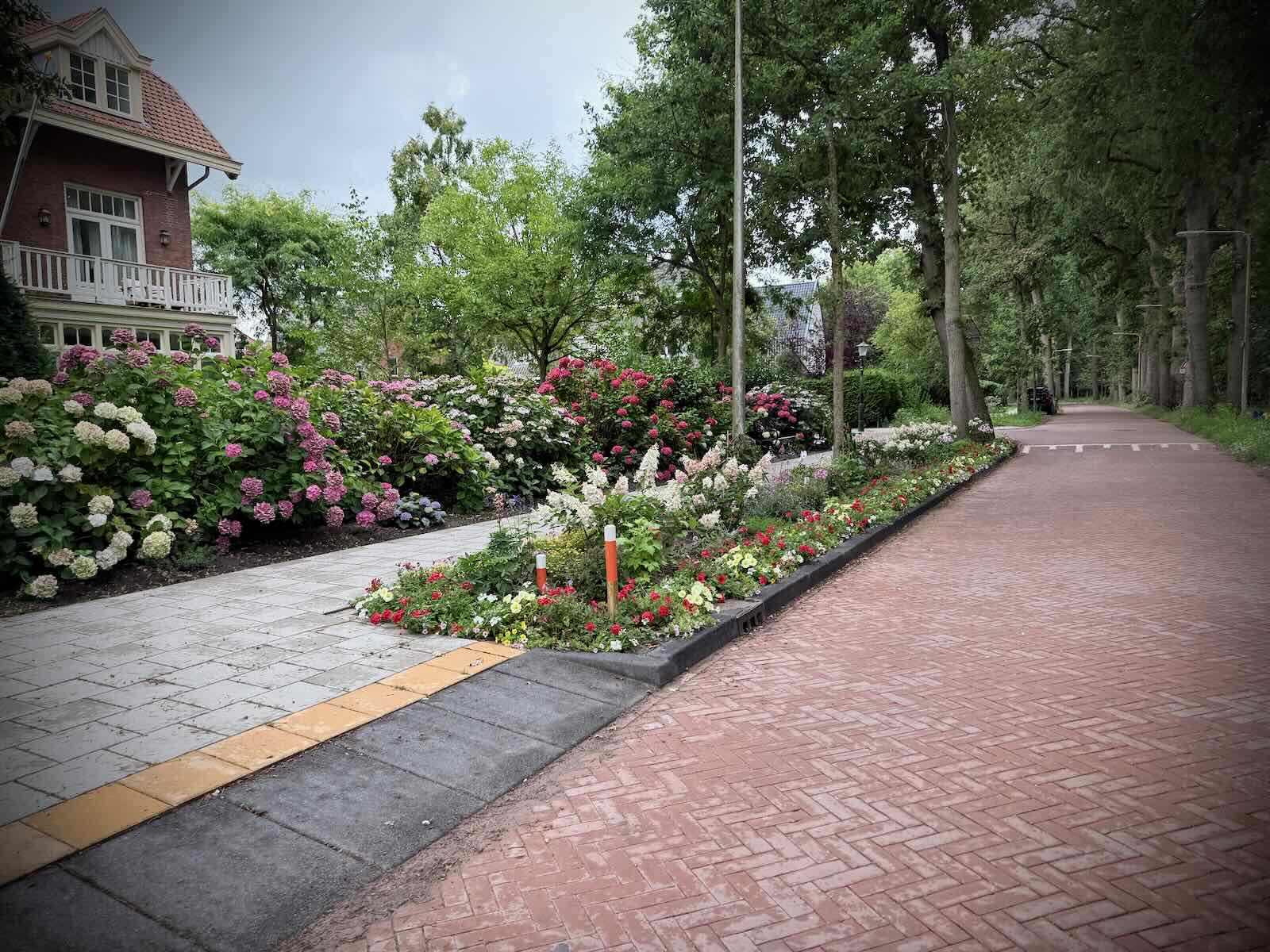
The footways have also been repaved and new planting has been added. This helps to make the area feel more like a place to linger, rather than one to drive through. Though that will only be successful if traffic levels are reduced sufficiently, to suit the new street design.
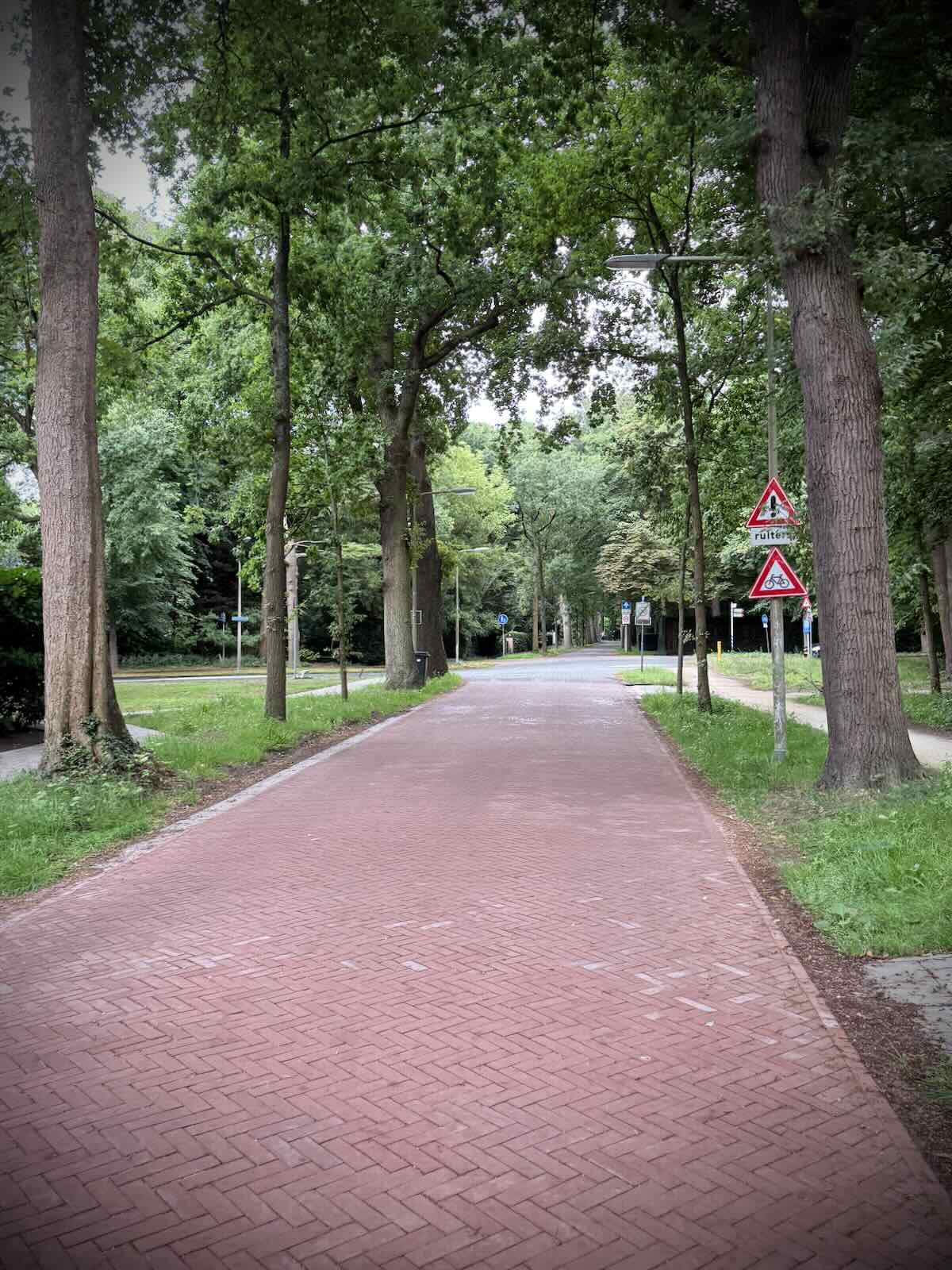
The question is, while still technically a through road, have traffic numbers reduced sufficiently? Well, we didn’t see any traffic while we were riding along there, which is promising, but in no way scientific.
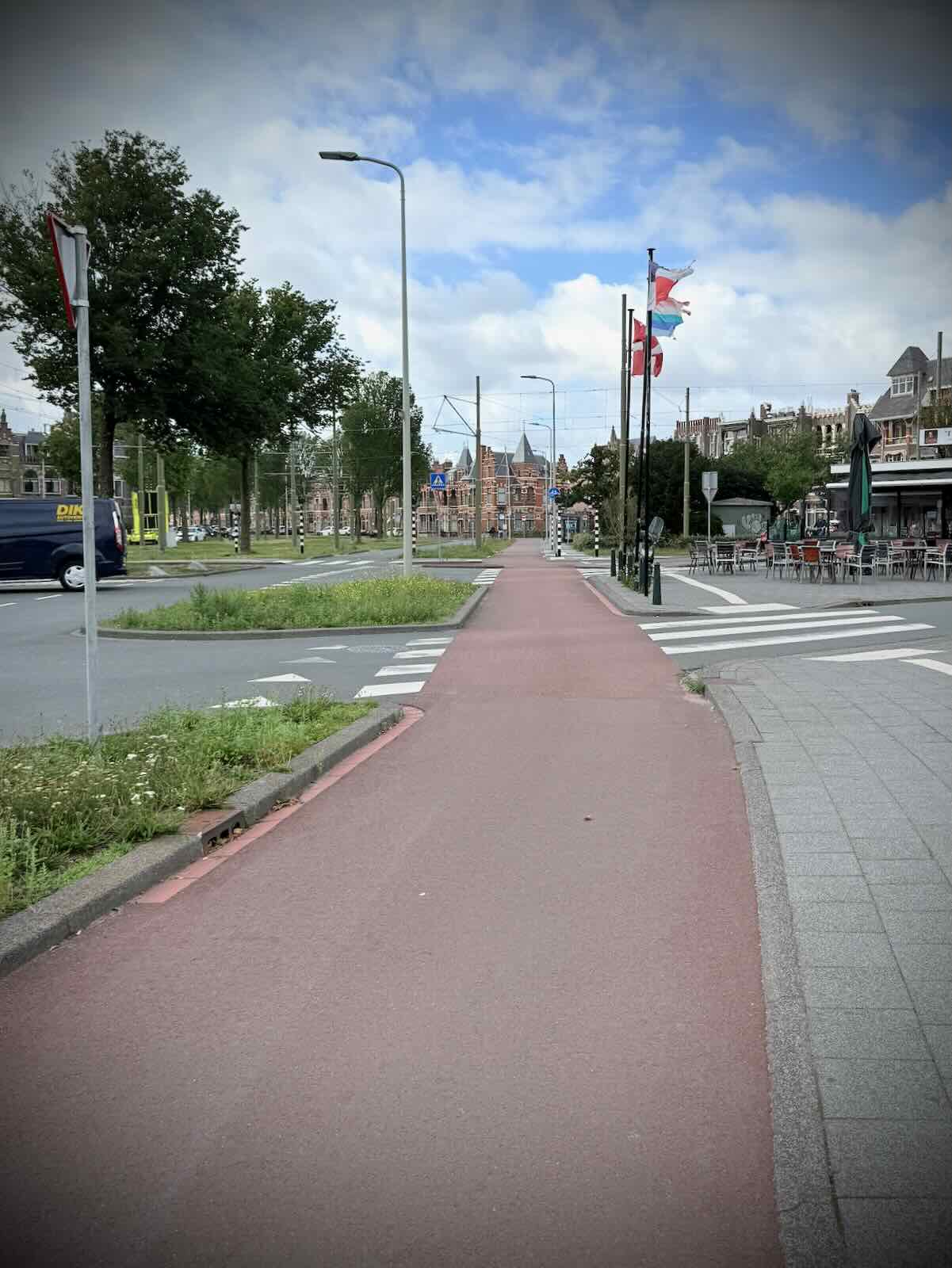
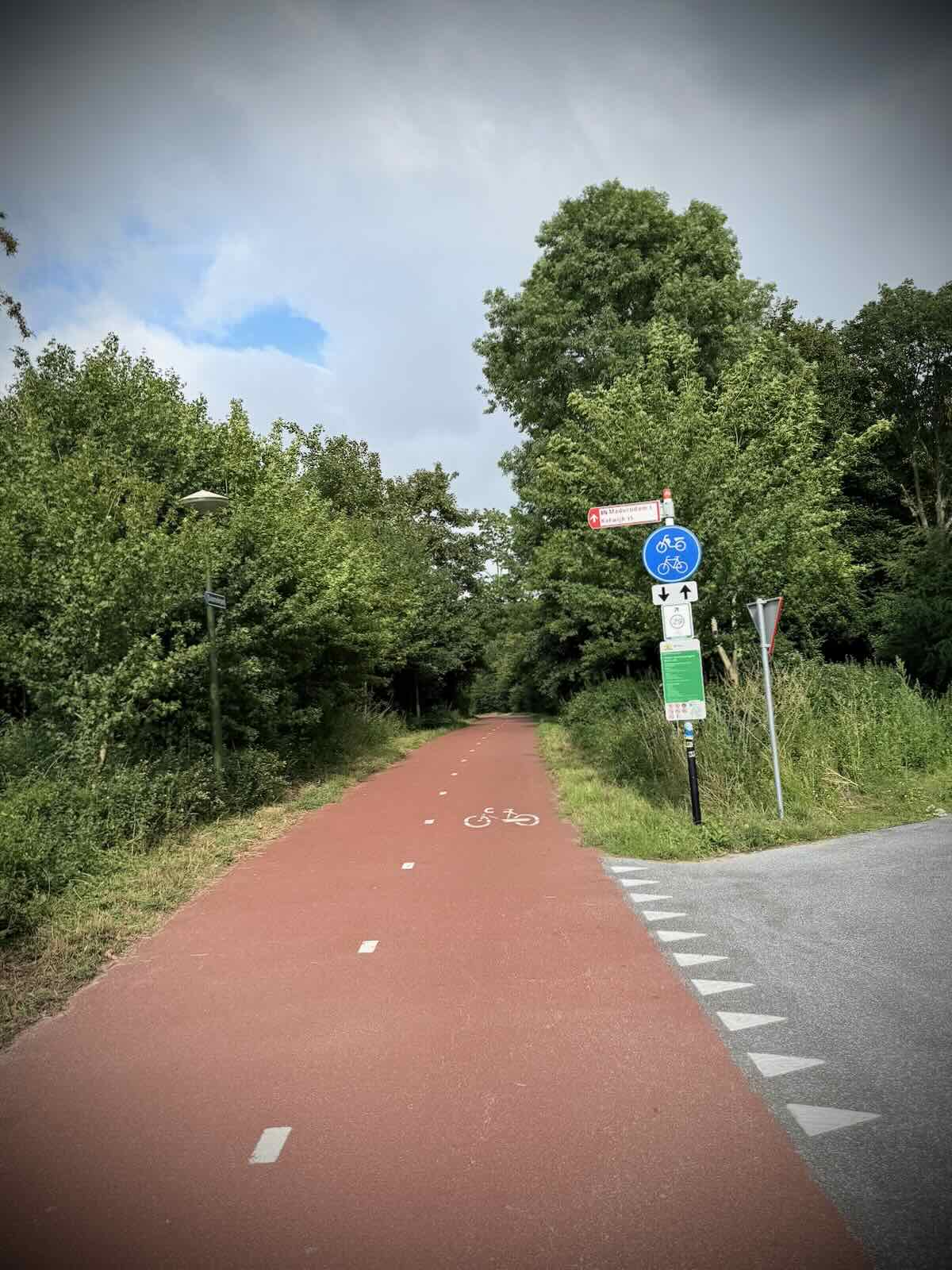
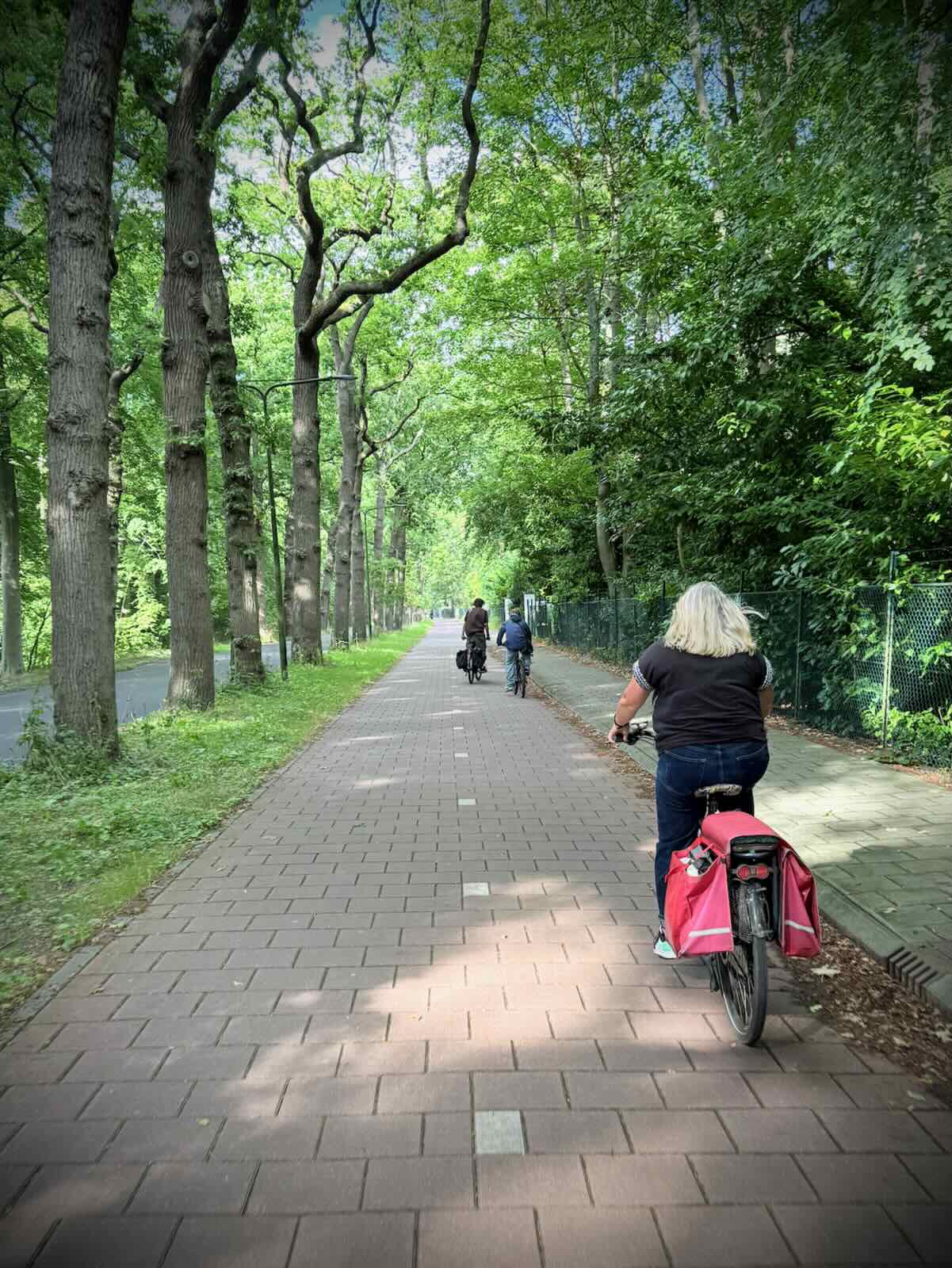
After riding along the newly designed Storm van ‘s-Gravesandeweg, we made our way onto Buurtweg and over the N440. This was similar to the route I did a few days earlier, on the way back from Scheveningen.
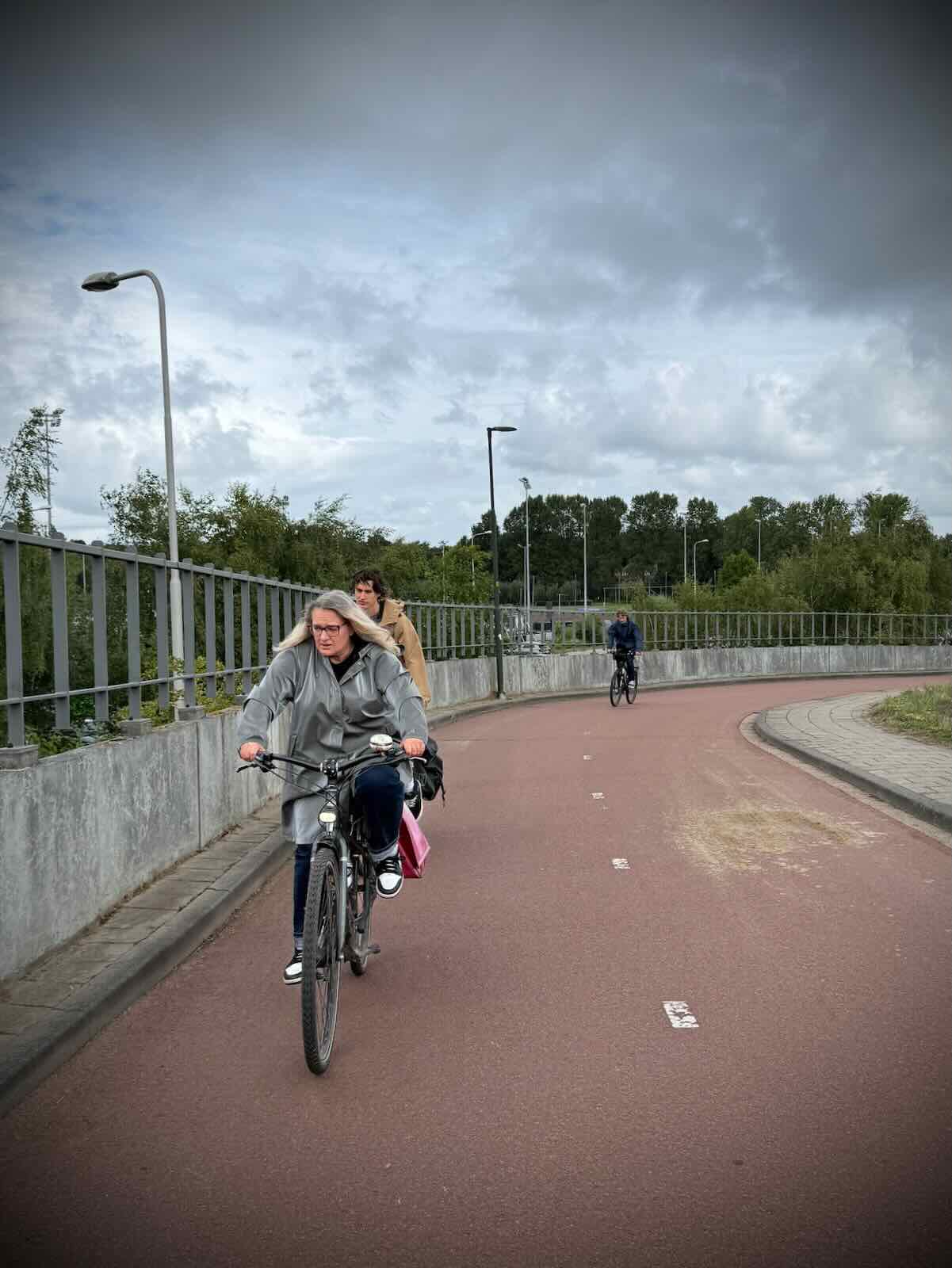
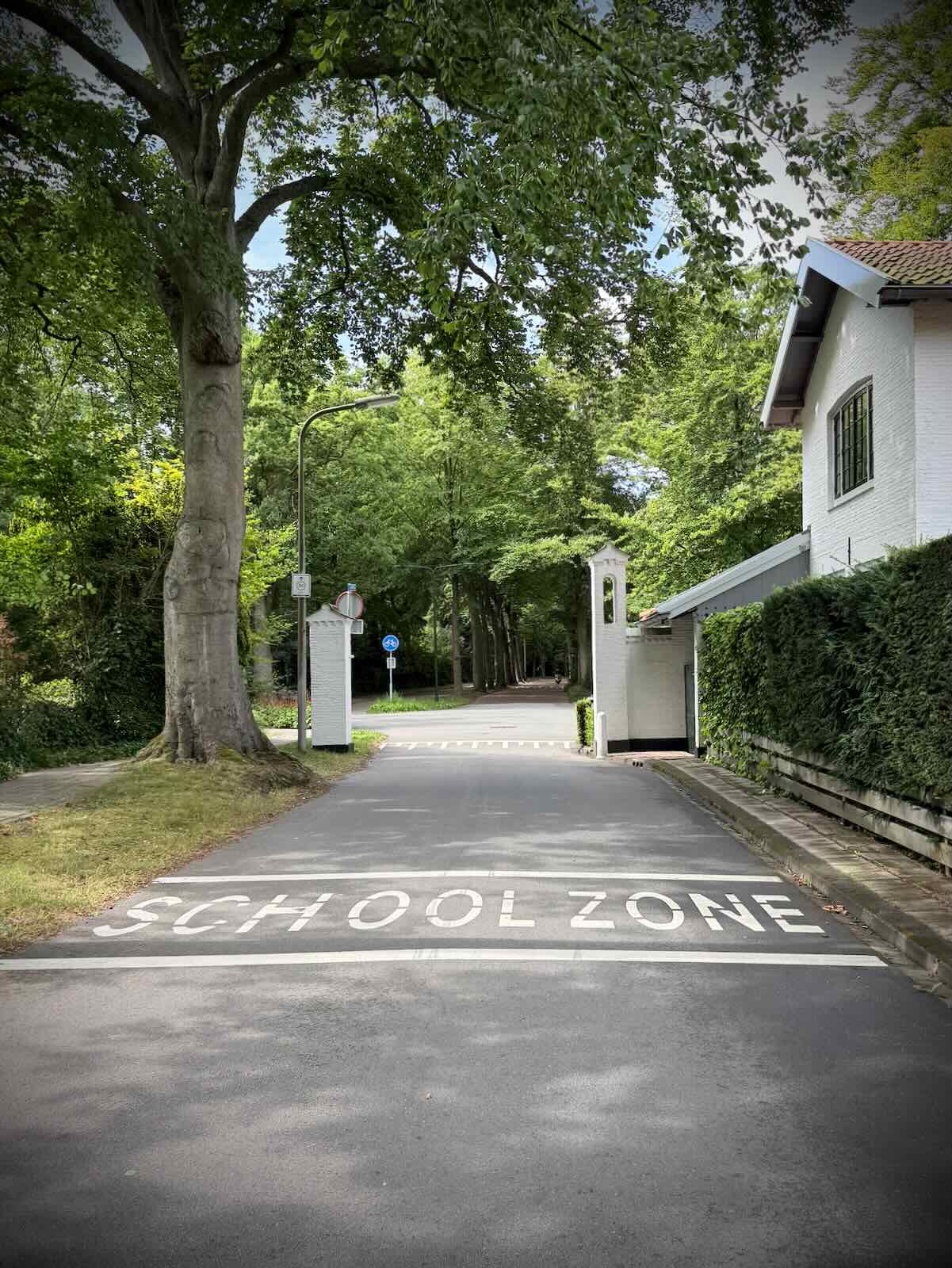
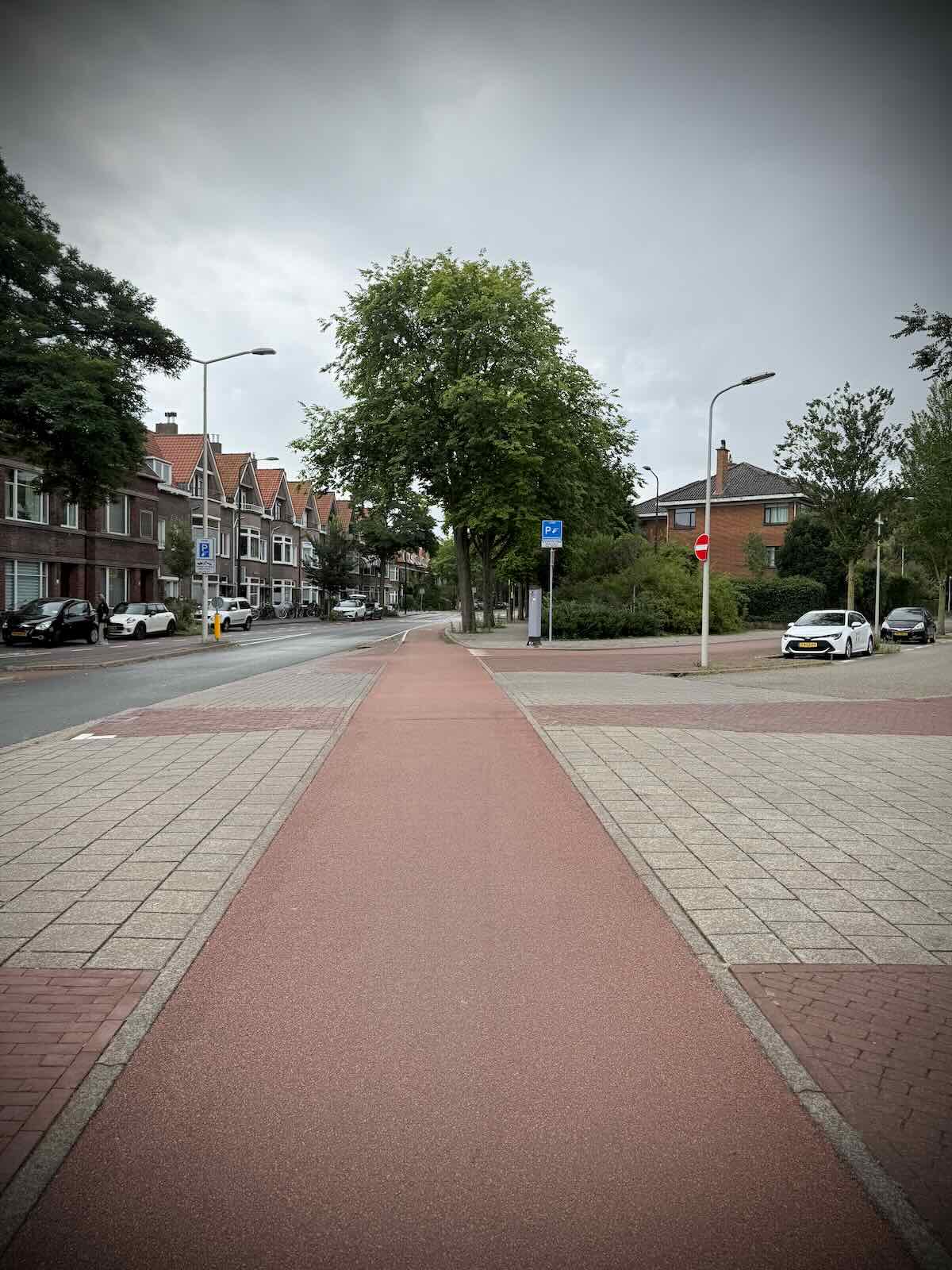
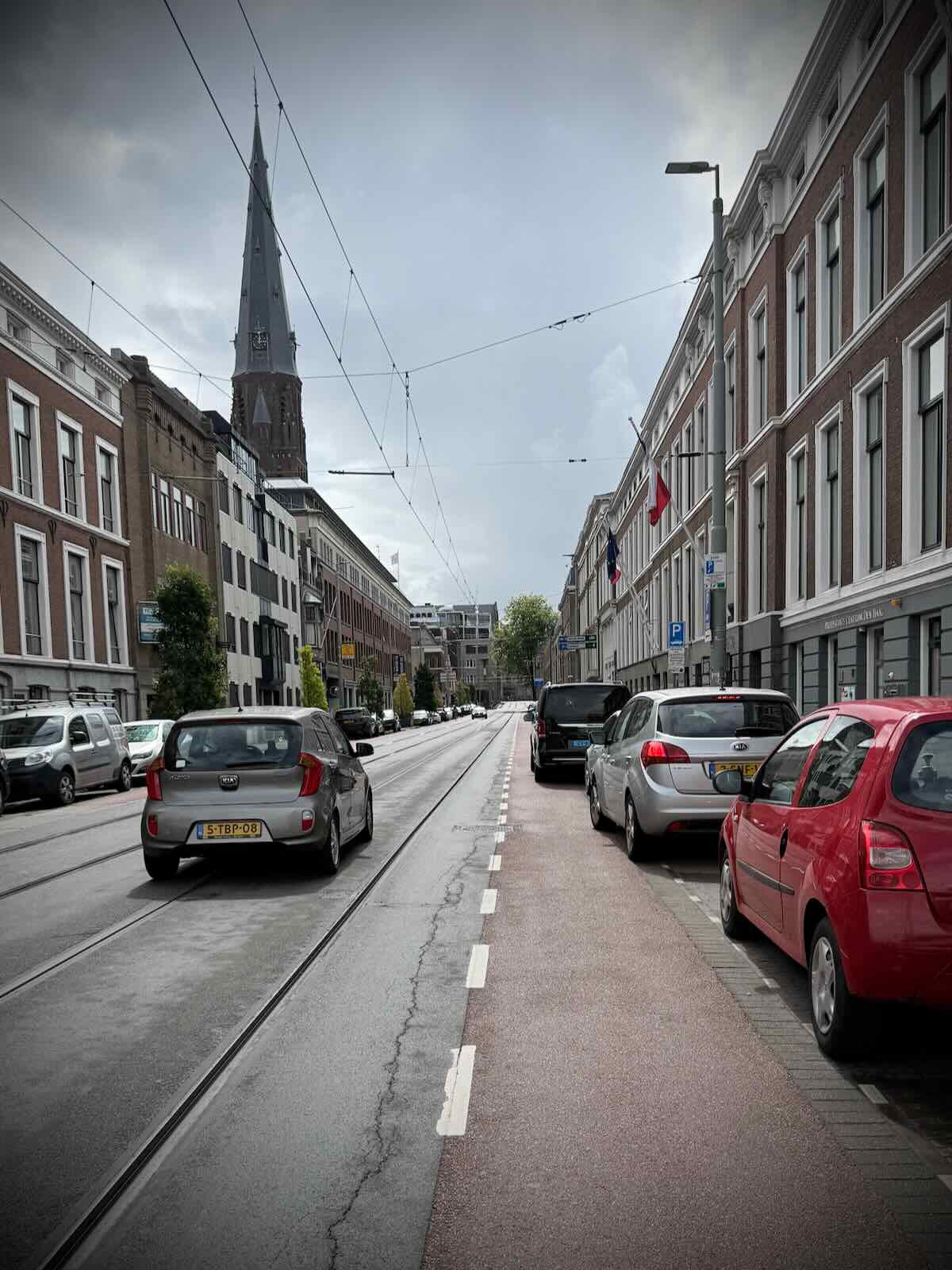
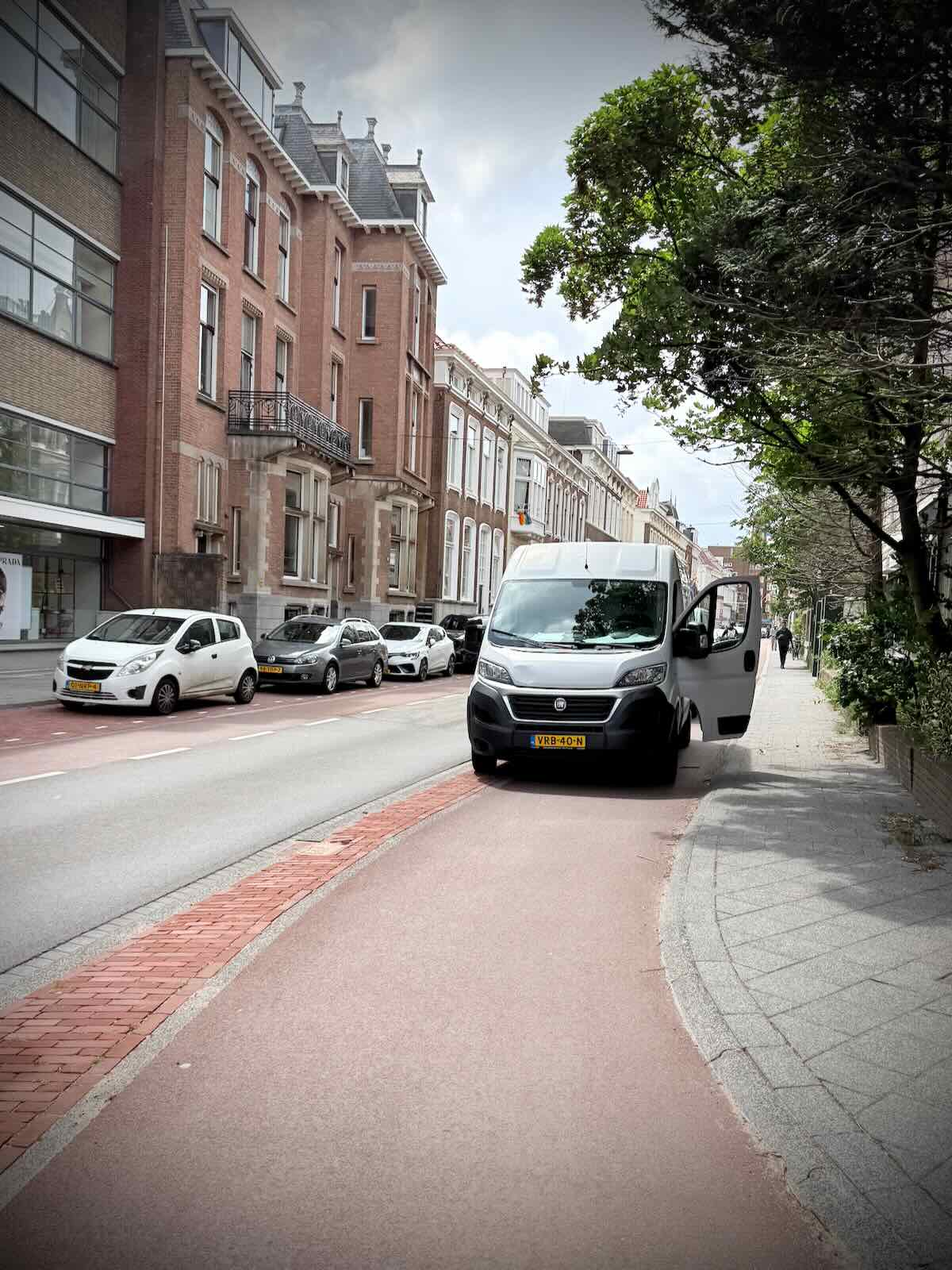
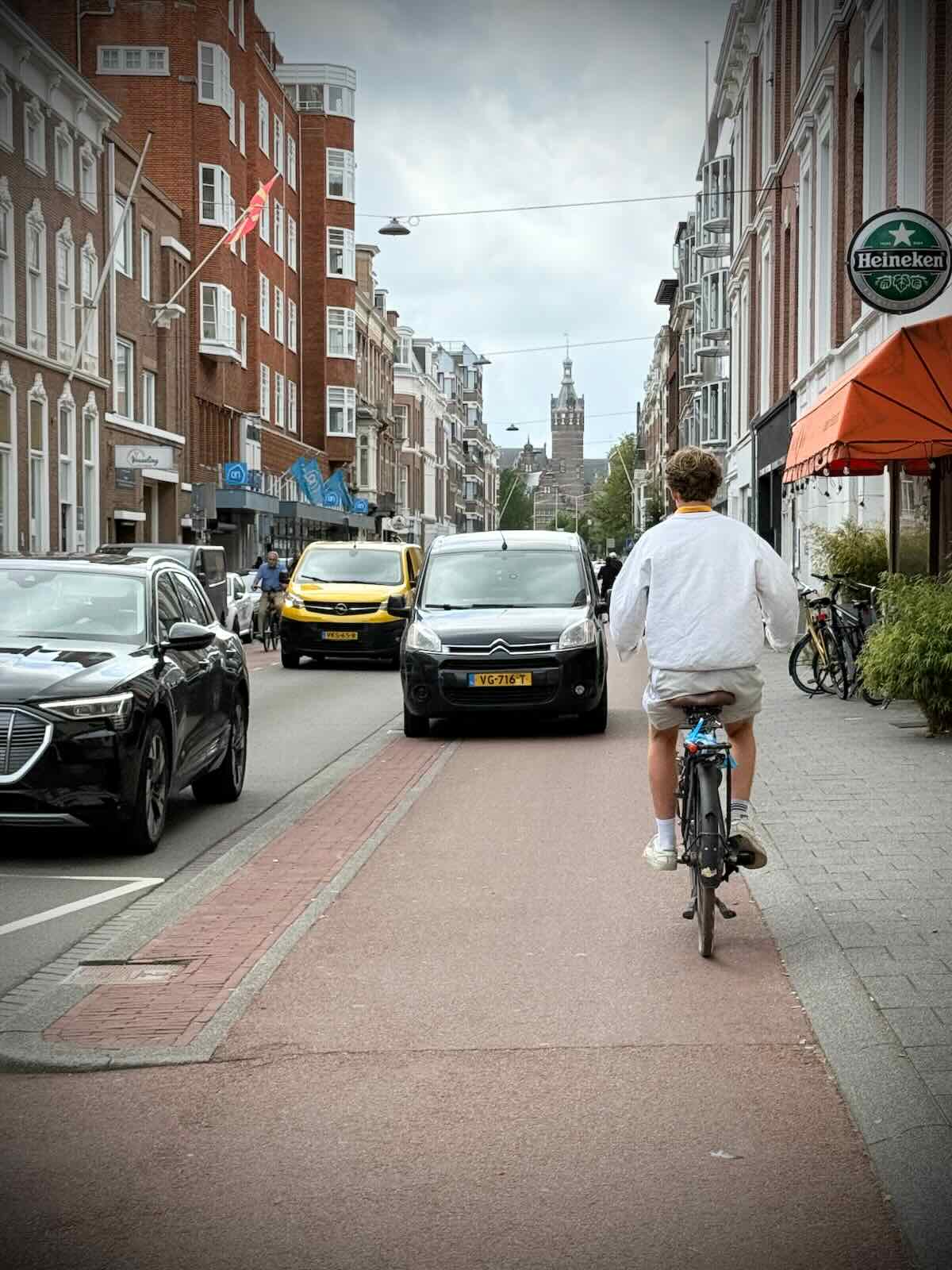
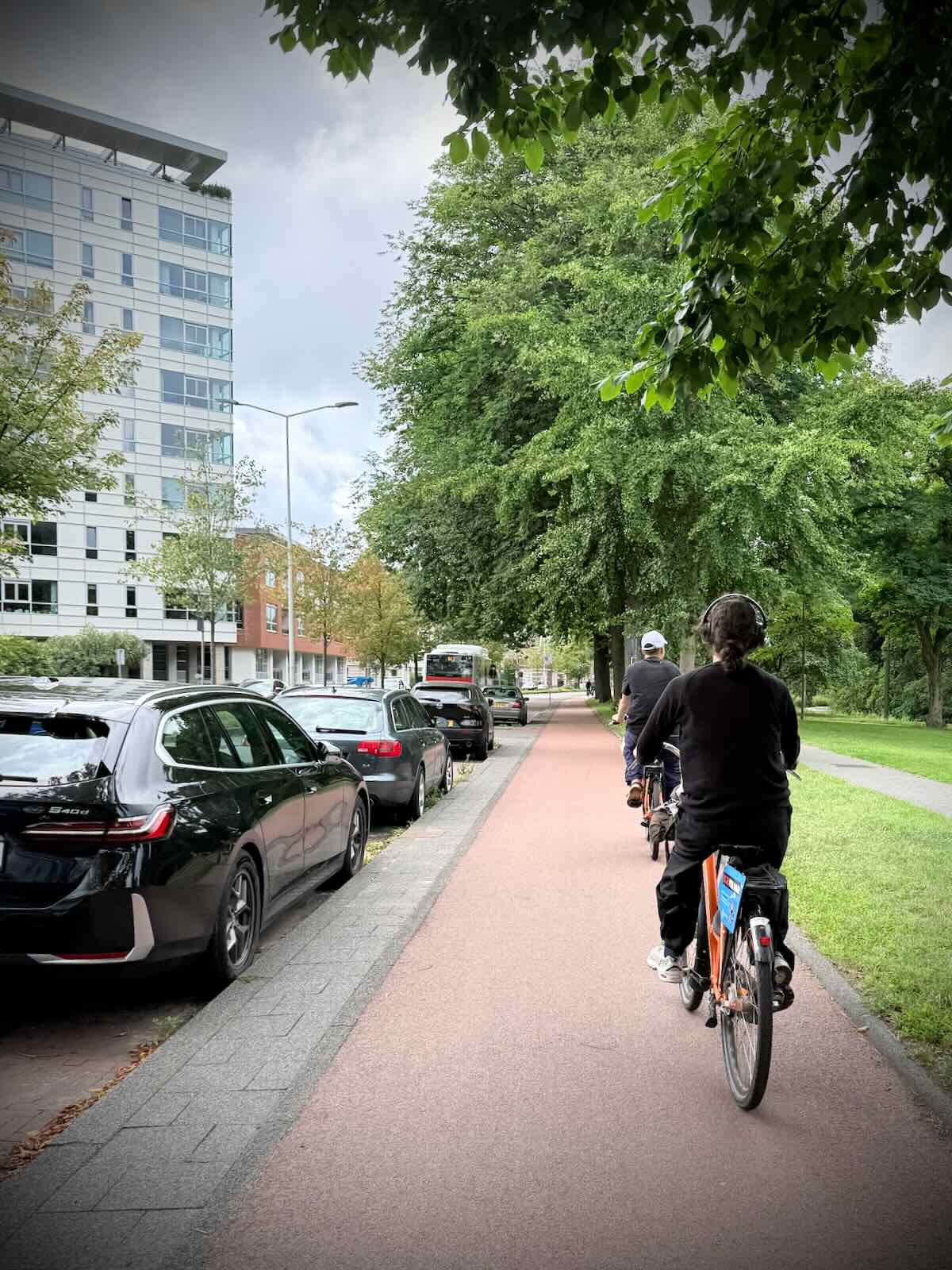
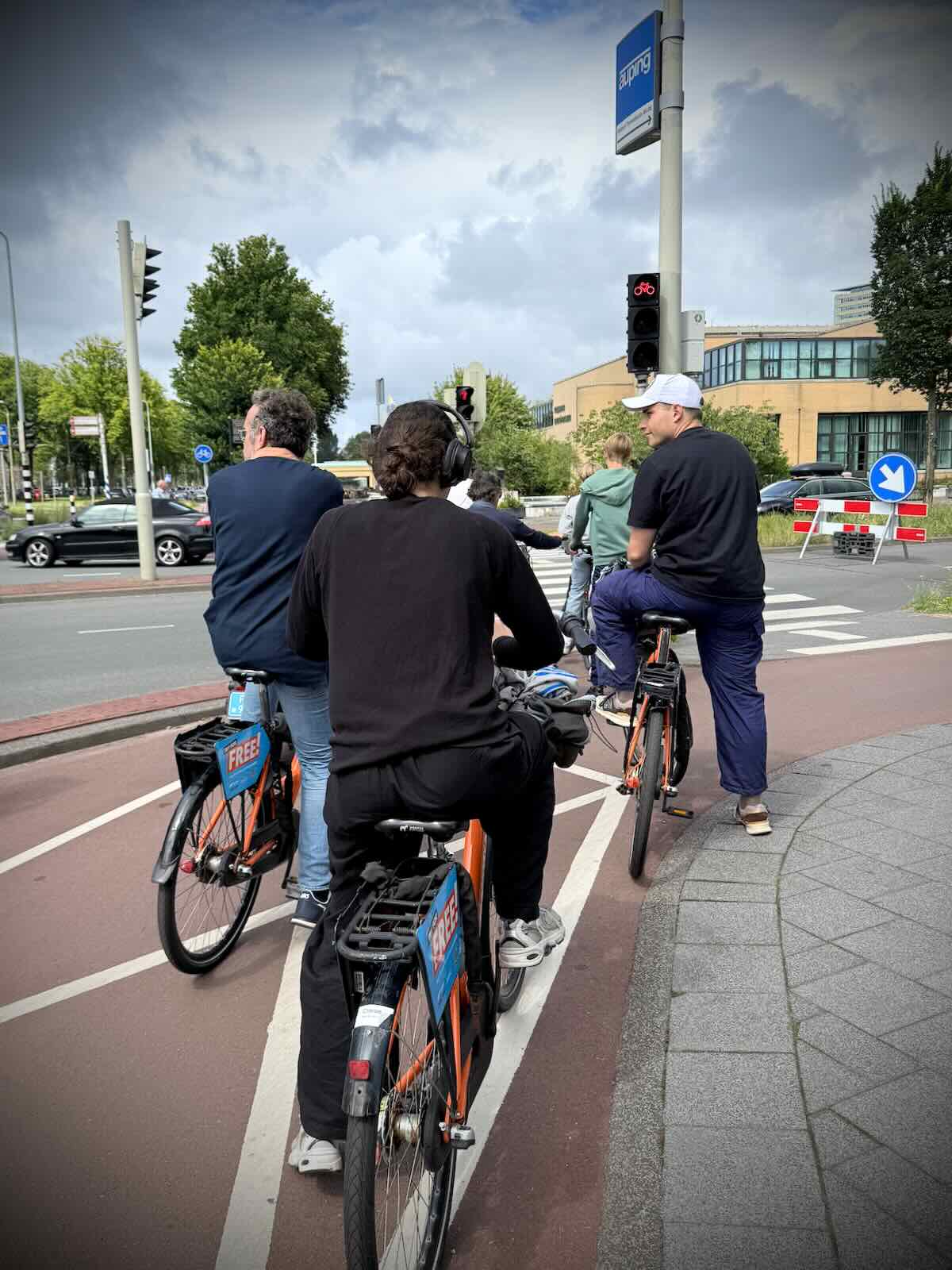
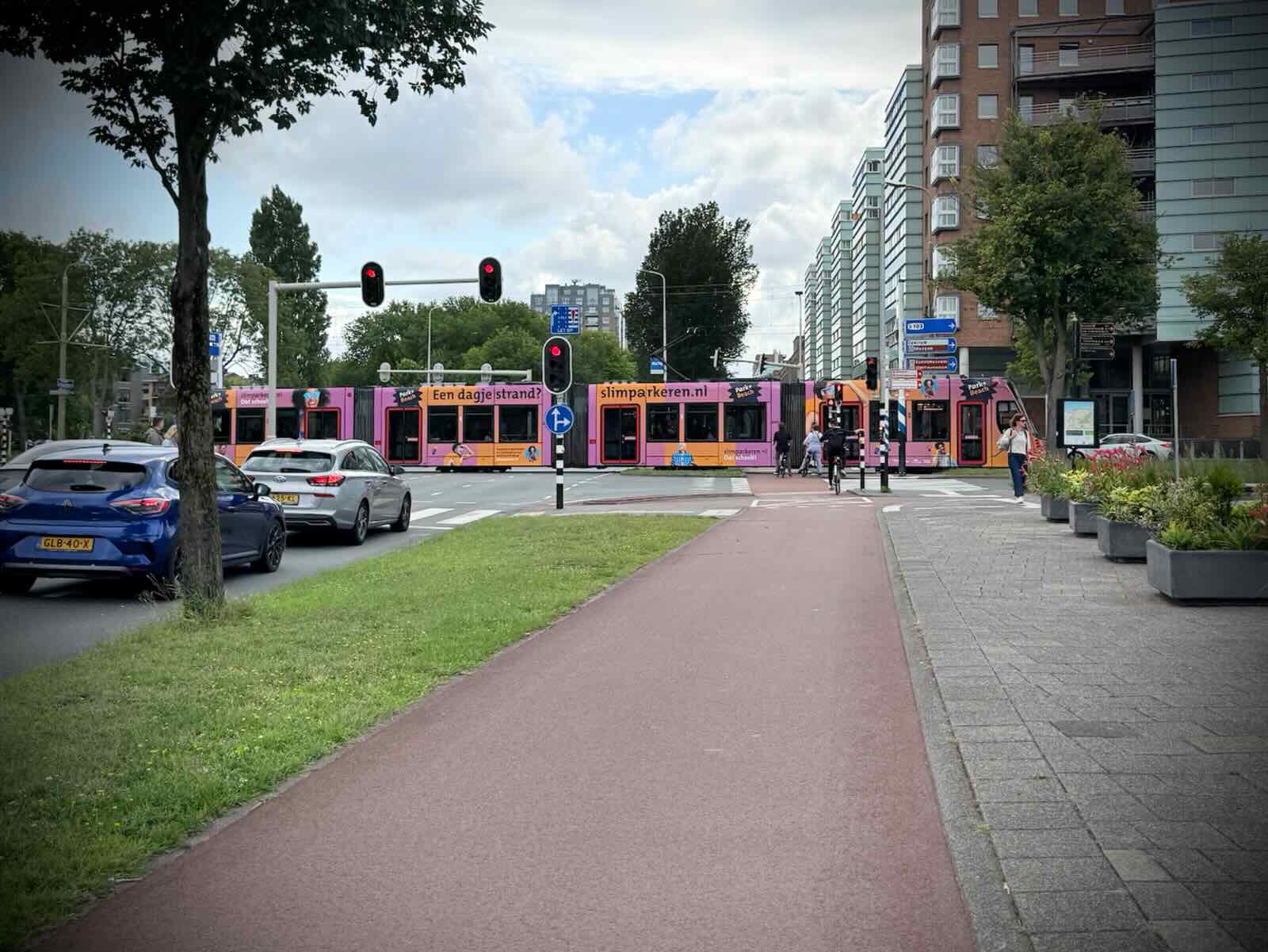
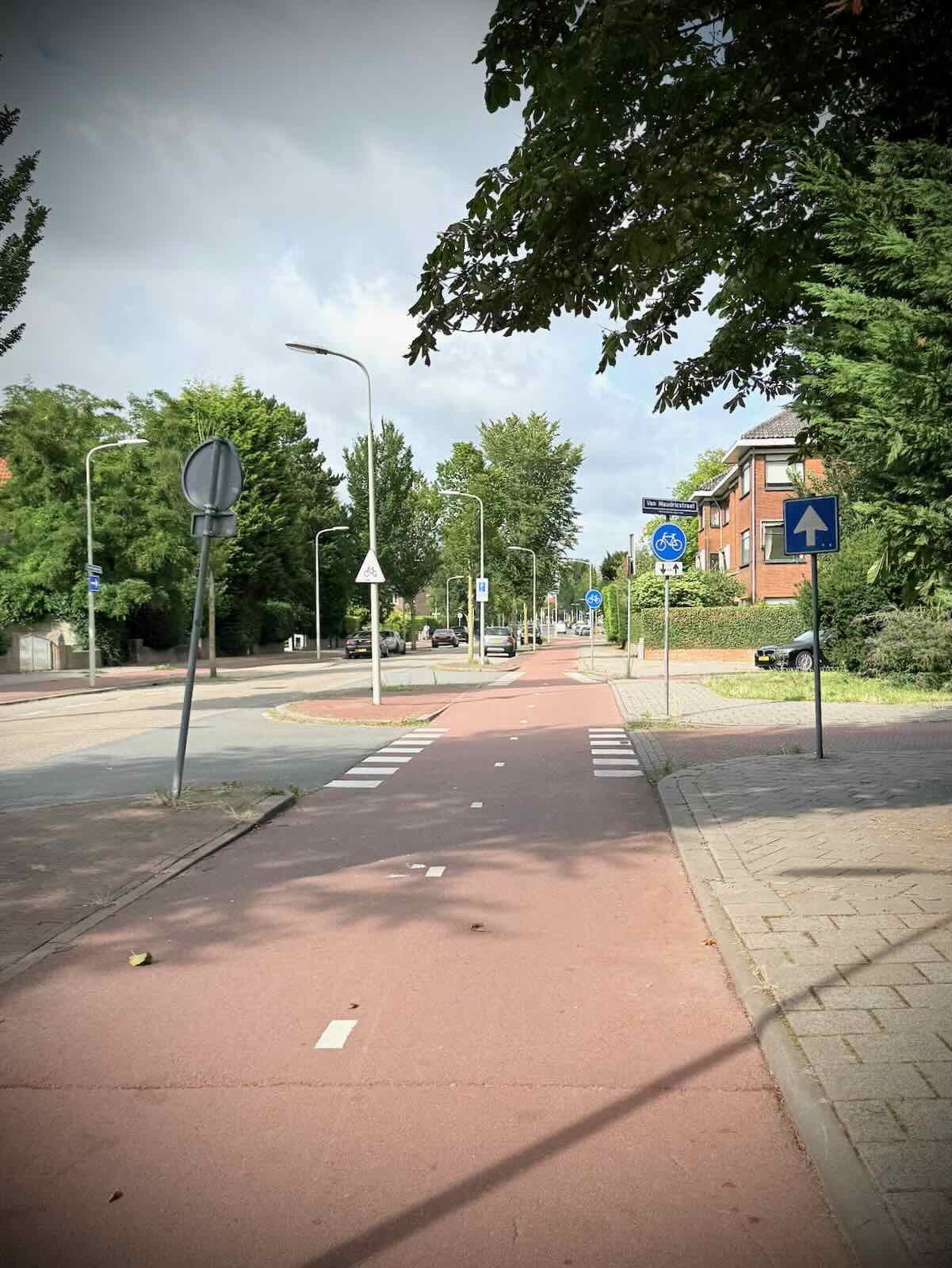
This took us then took us into Den Haag on a different and a much less pleasant route. I’ve written before about finding Den Haag to be quite a car-centric city, by Dutch standards. On this ride into the city, we had a taste of some of the not so cycling-friendly roads.
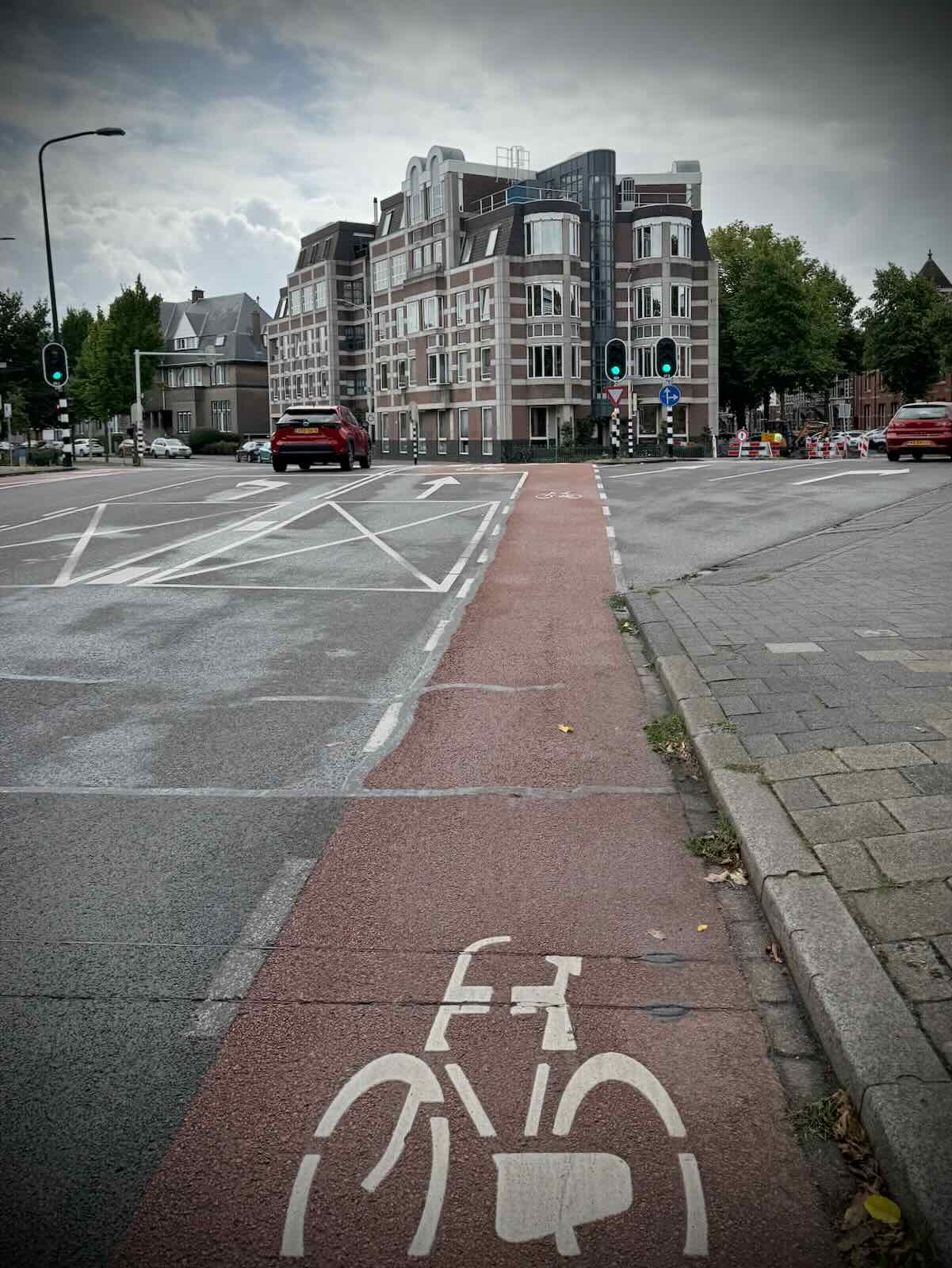
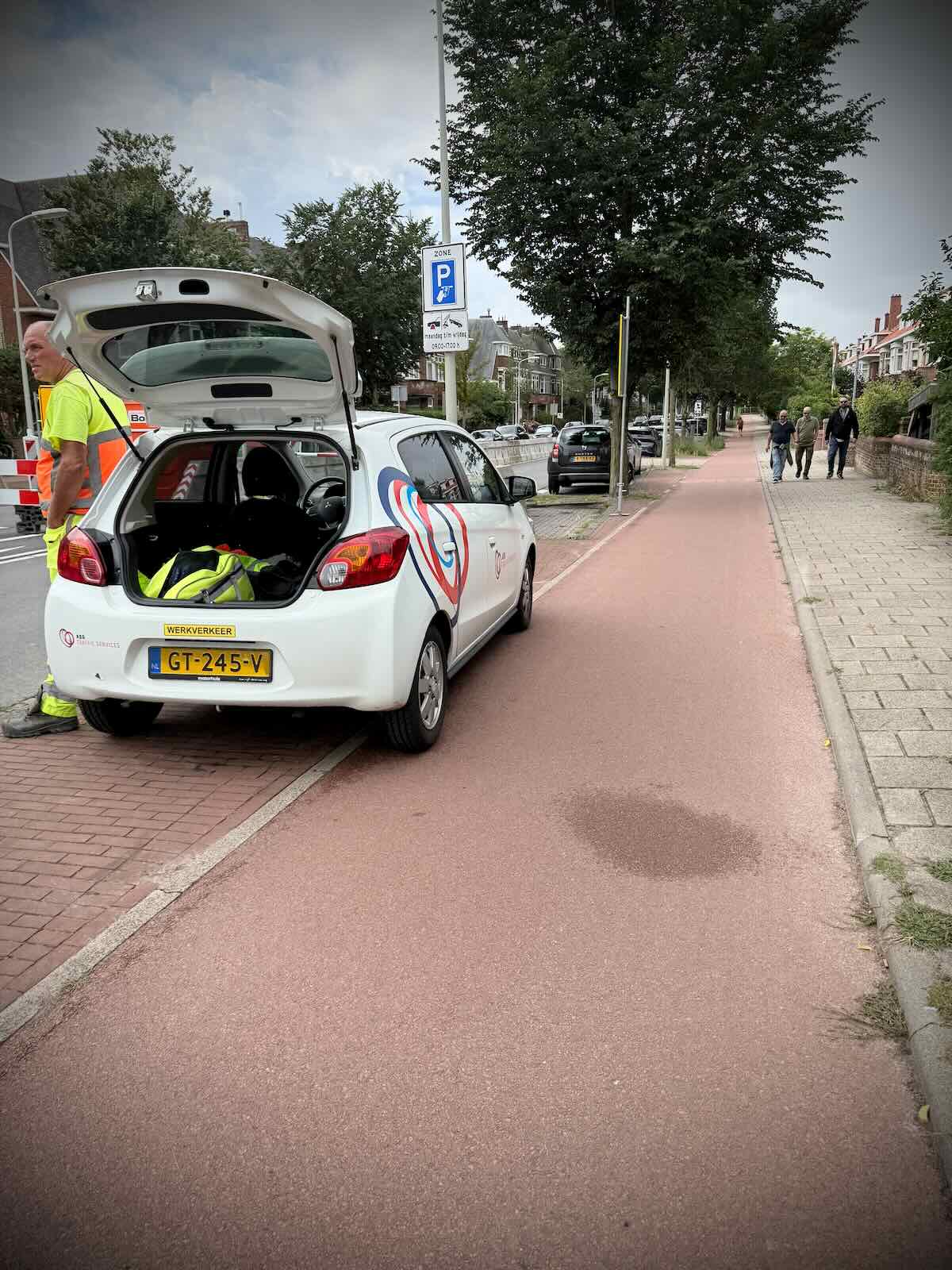
This is typical of what we regularly see in the UK, but this is the Netherlands, we expect better! There was suicide cycle lanes and door-zone unprotected lanes sandwiched between parked cars and tram tracks. Also, some really awful pavement parking from one of those stupid American trucks.
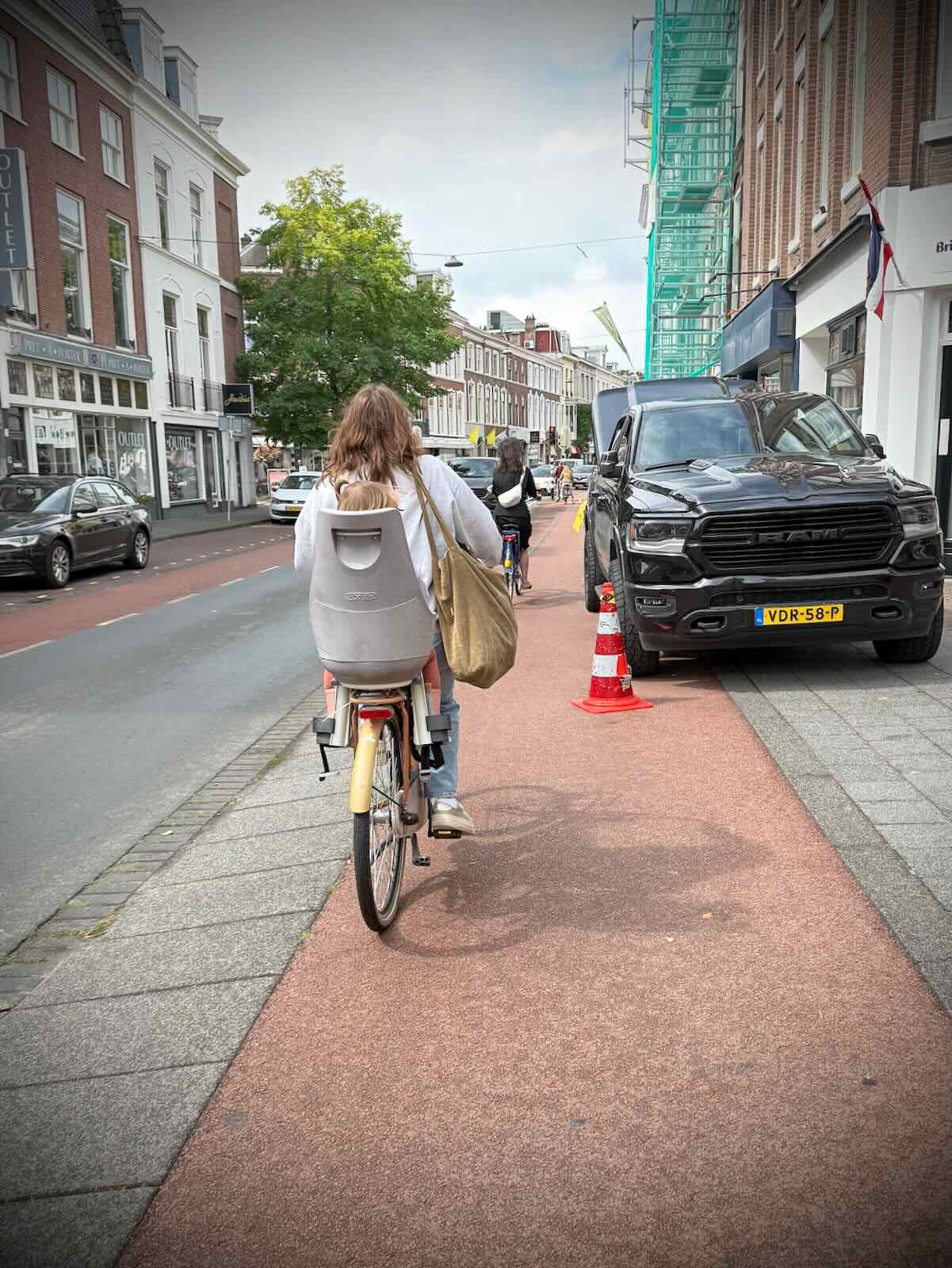
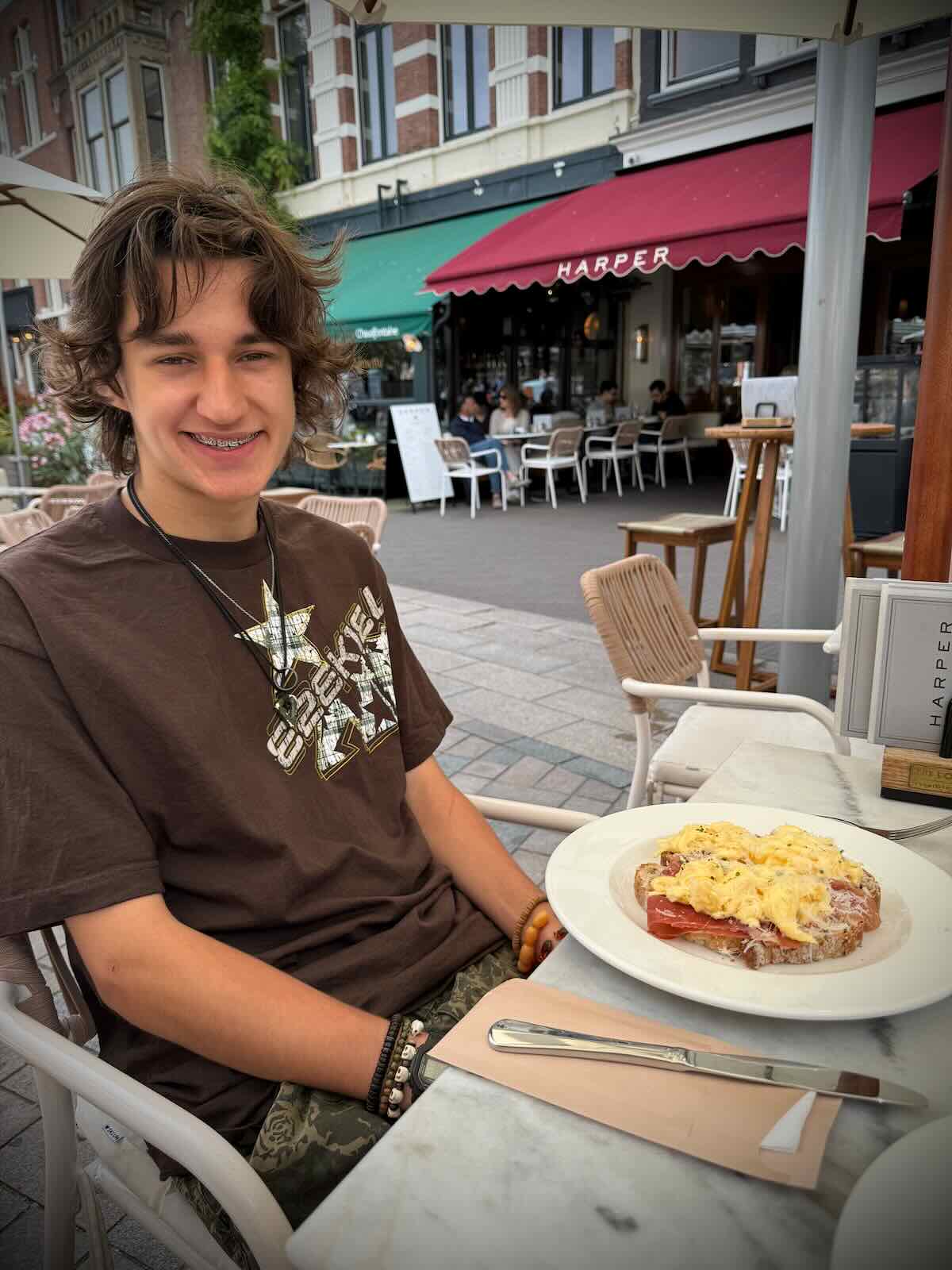
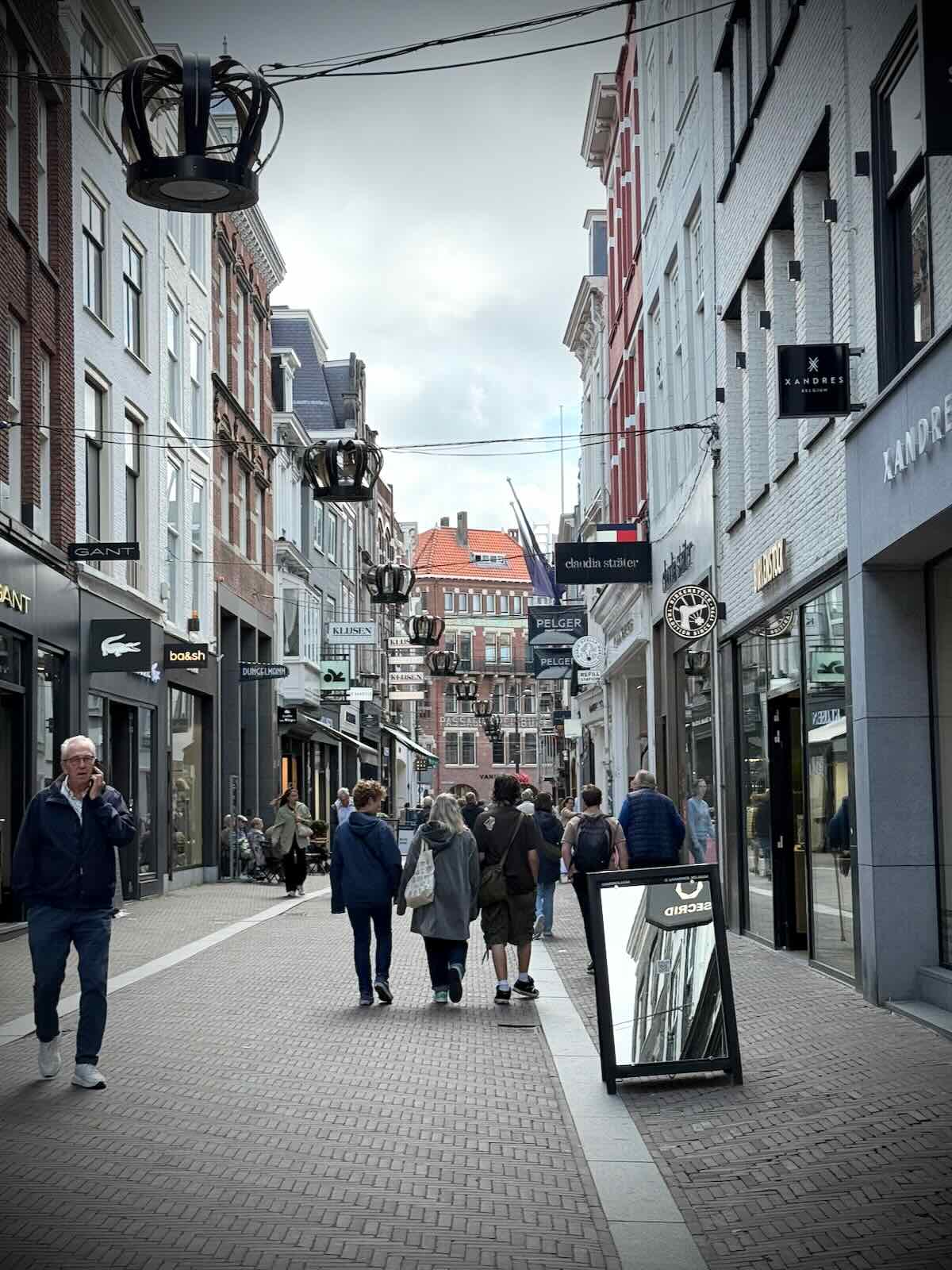
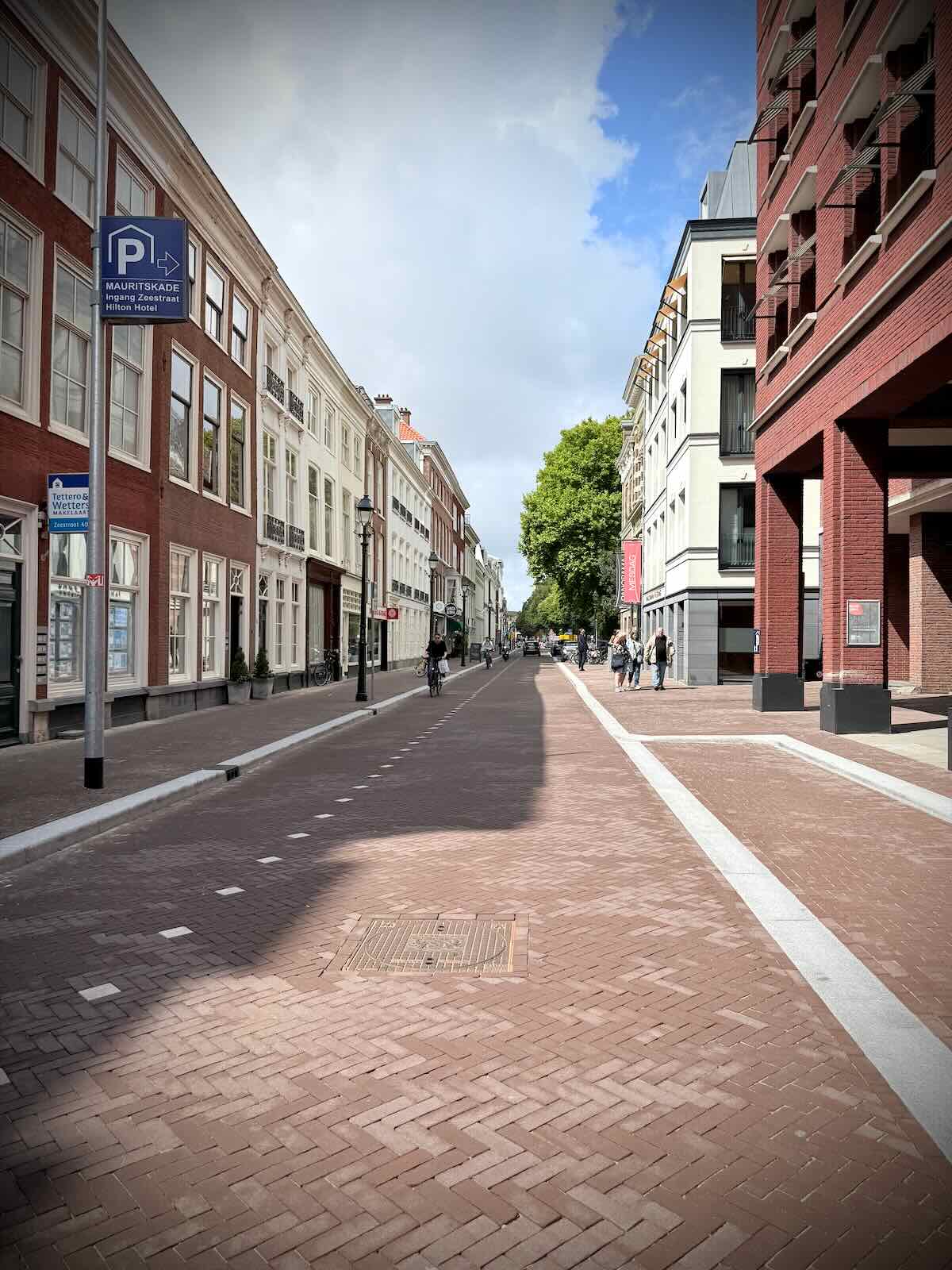
Thankfully, we soon reached the centre of Den Haag. First of all, we set about grabbing some lunch at Restaurant Harper, which was very nice. Then after a short wander, we set off to Kunstmuseum Den Haag, experiencing more less than ideal cycling conditions.
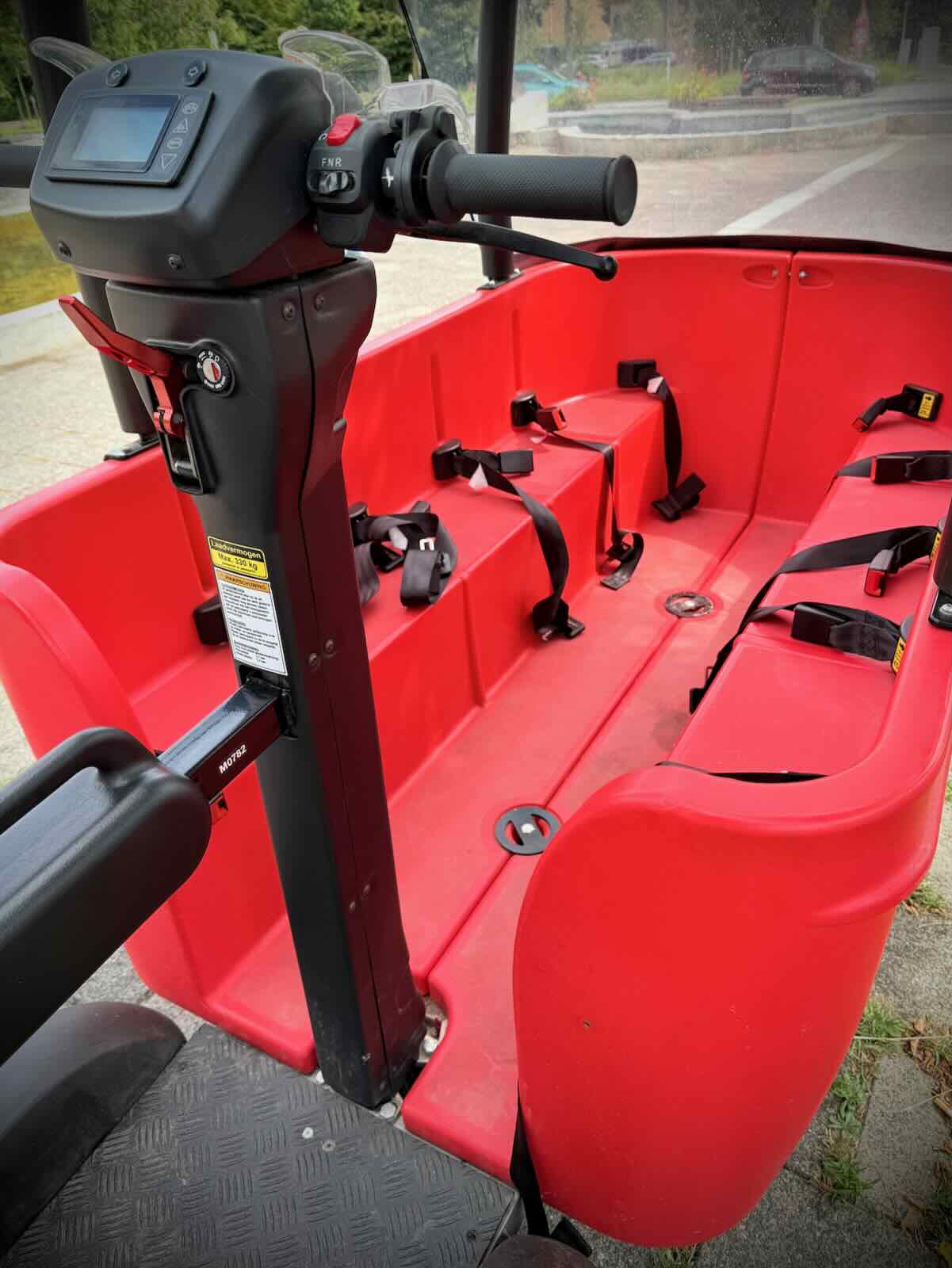
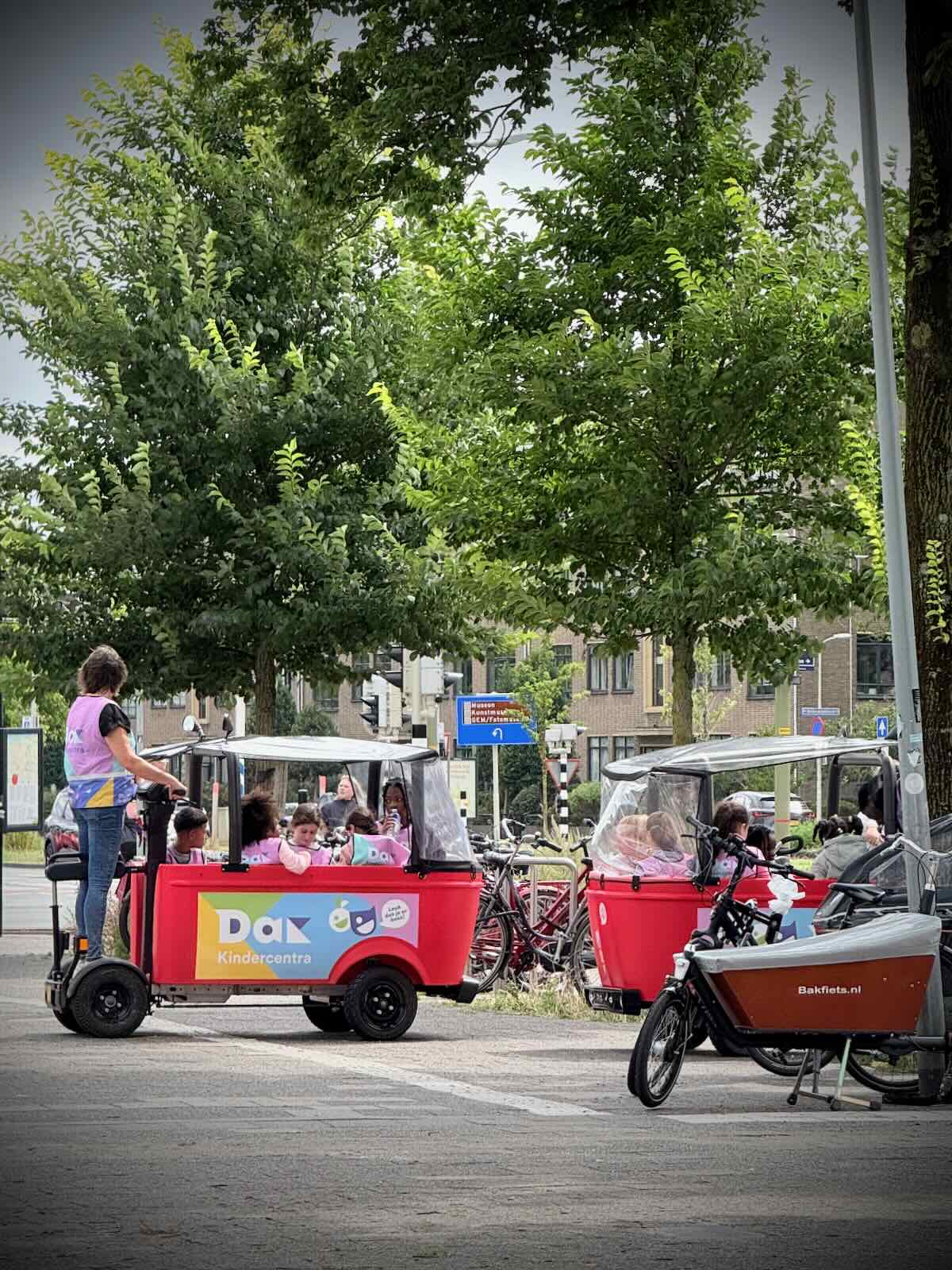
It was only a short ride though, so soon we arrived at the museum, where we parked up. While parking, I had a quick look at some bike buses that were parked there. This was before the teachers and kids arrived and took off on them.


At Kunstmuseum Den Haag
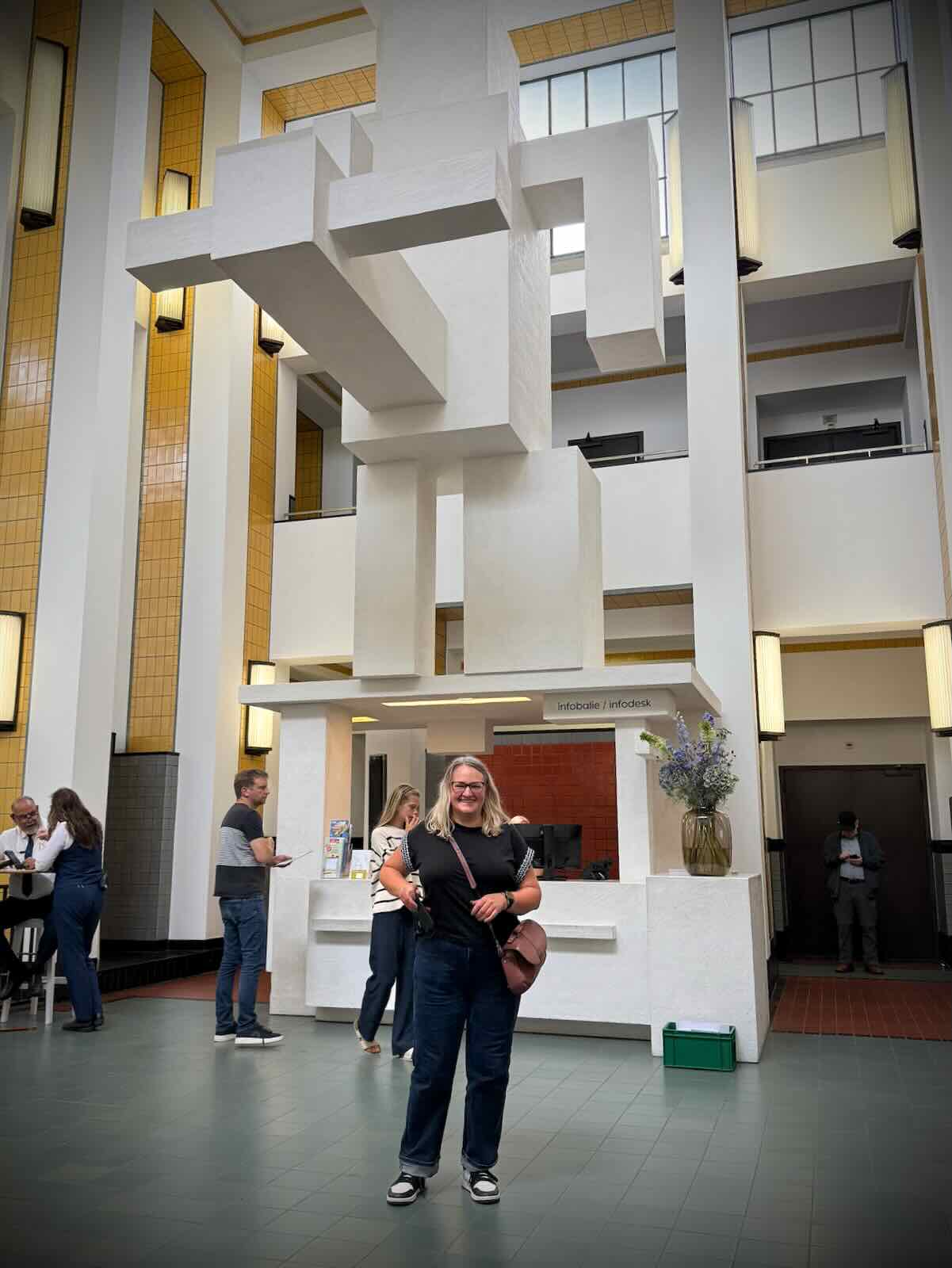
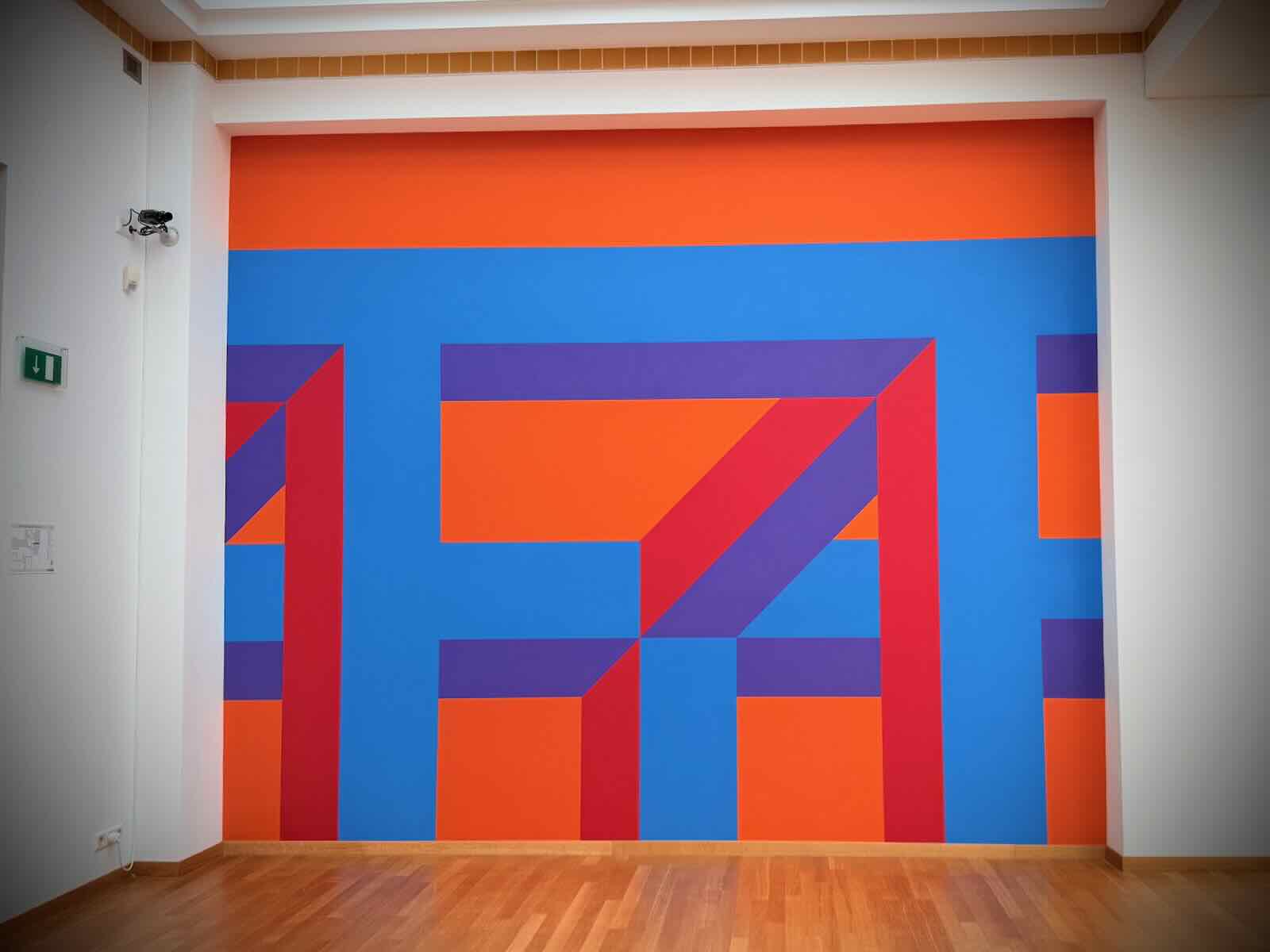
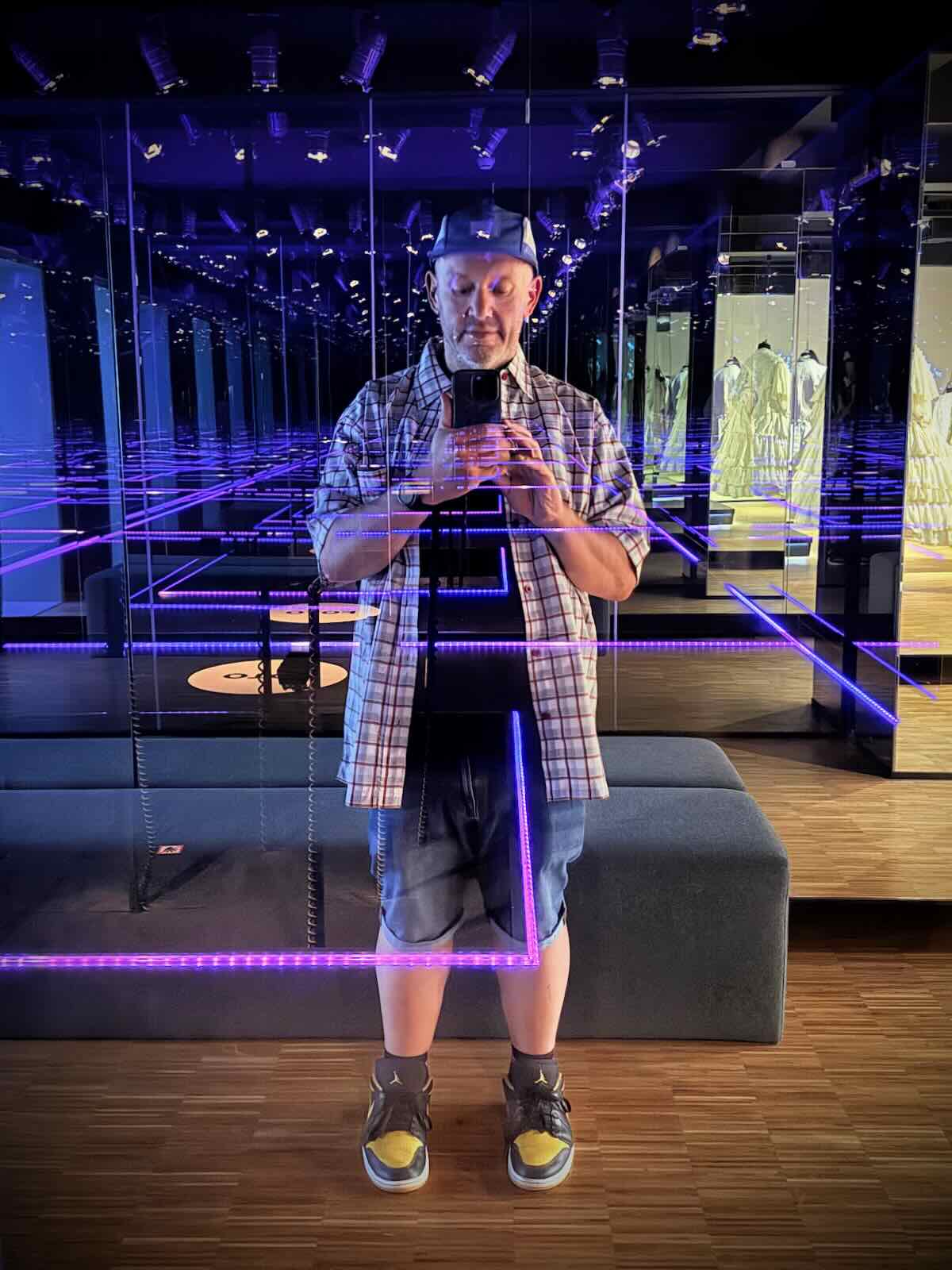
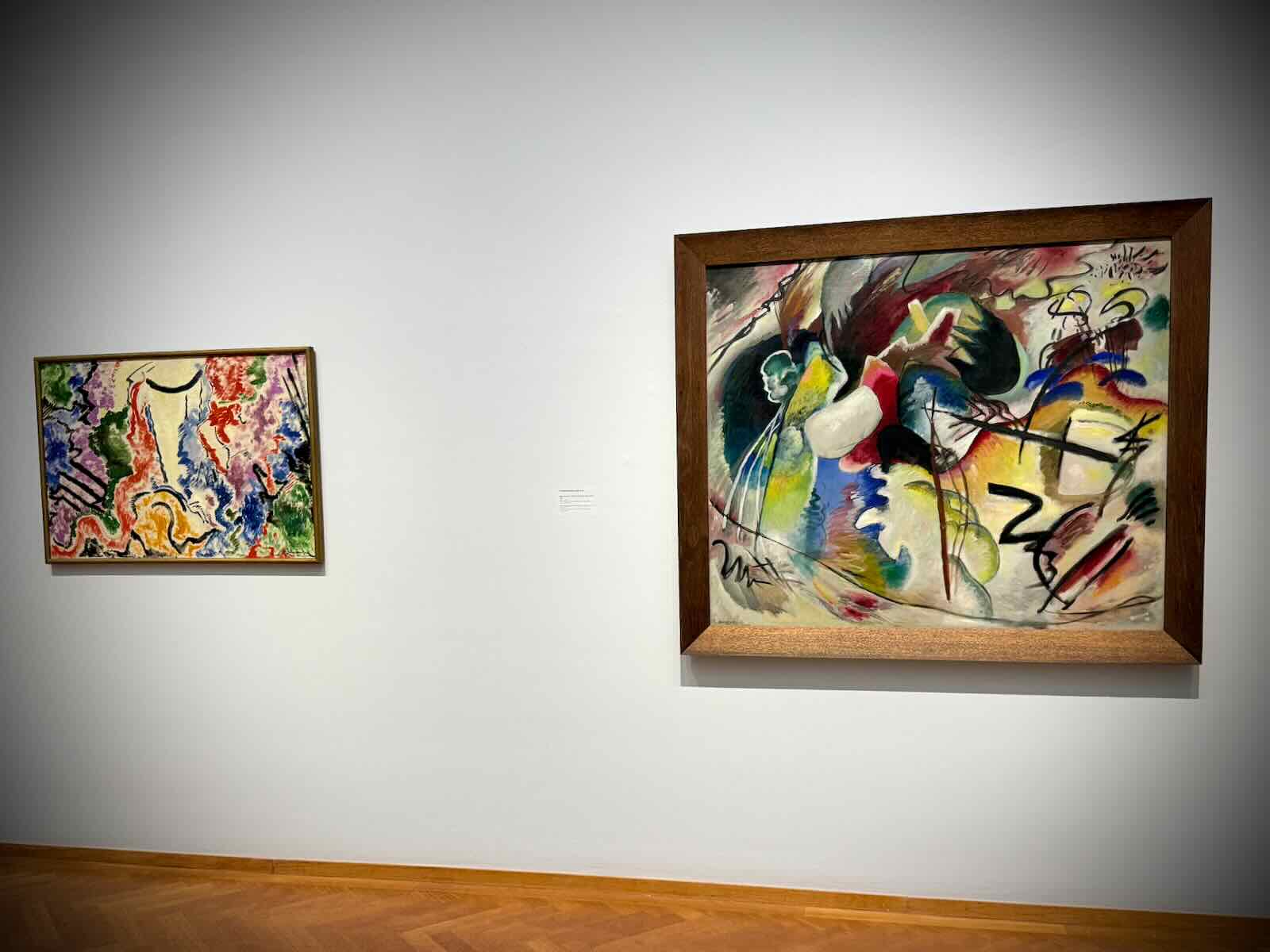
Setting off into the museum, we were instantly impressed by both the building and its contents. With a low-key design that takes inspiration from modernism. It’s playful and less austere than many modernist building of the era.

The use of the exterior brick and bright tiles internally, gives the building an additional dimension. While there’s some clear Art Deco motifs, it also feels a little Postmodern and playful.
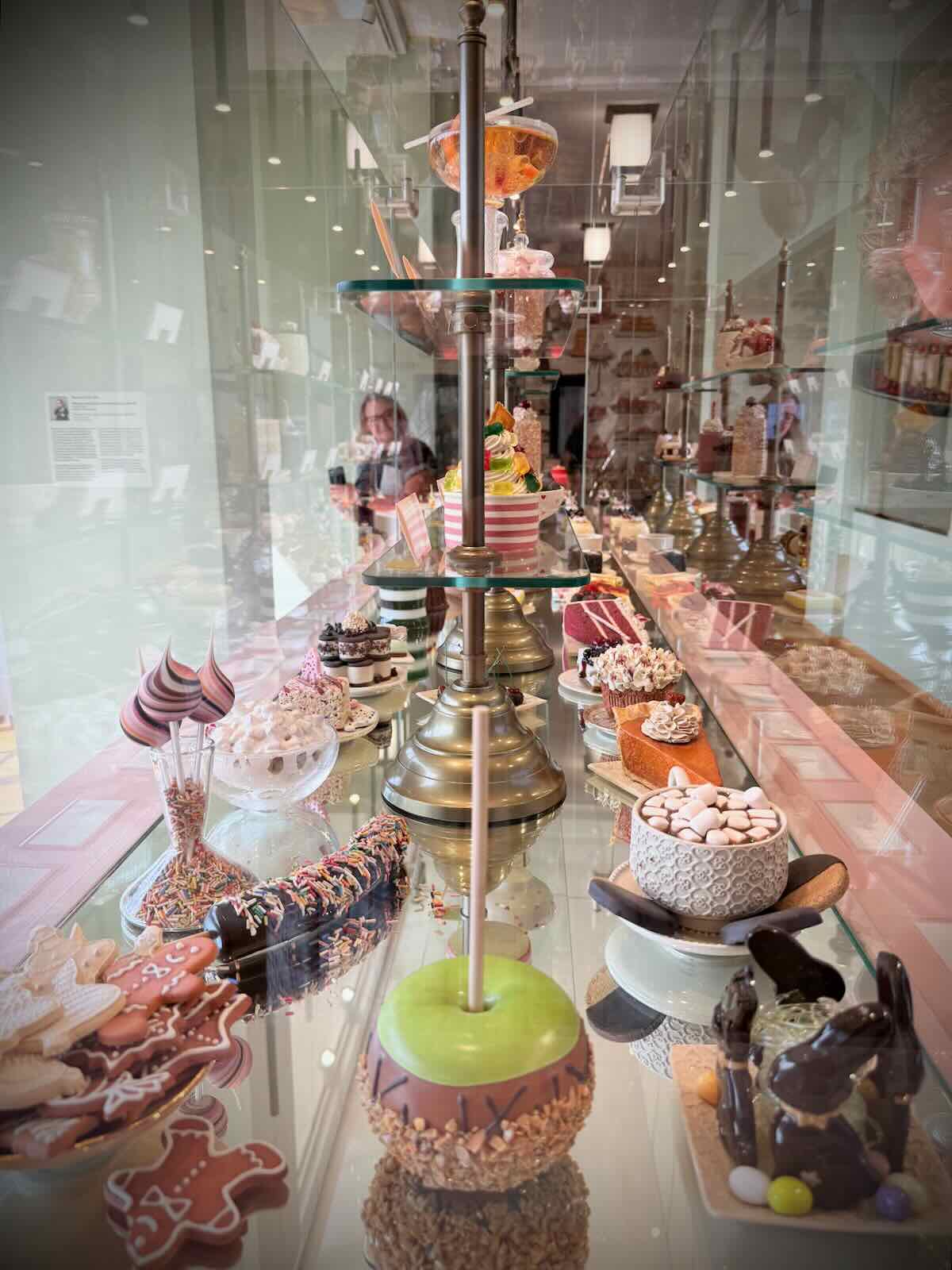
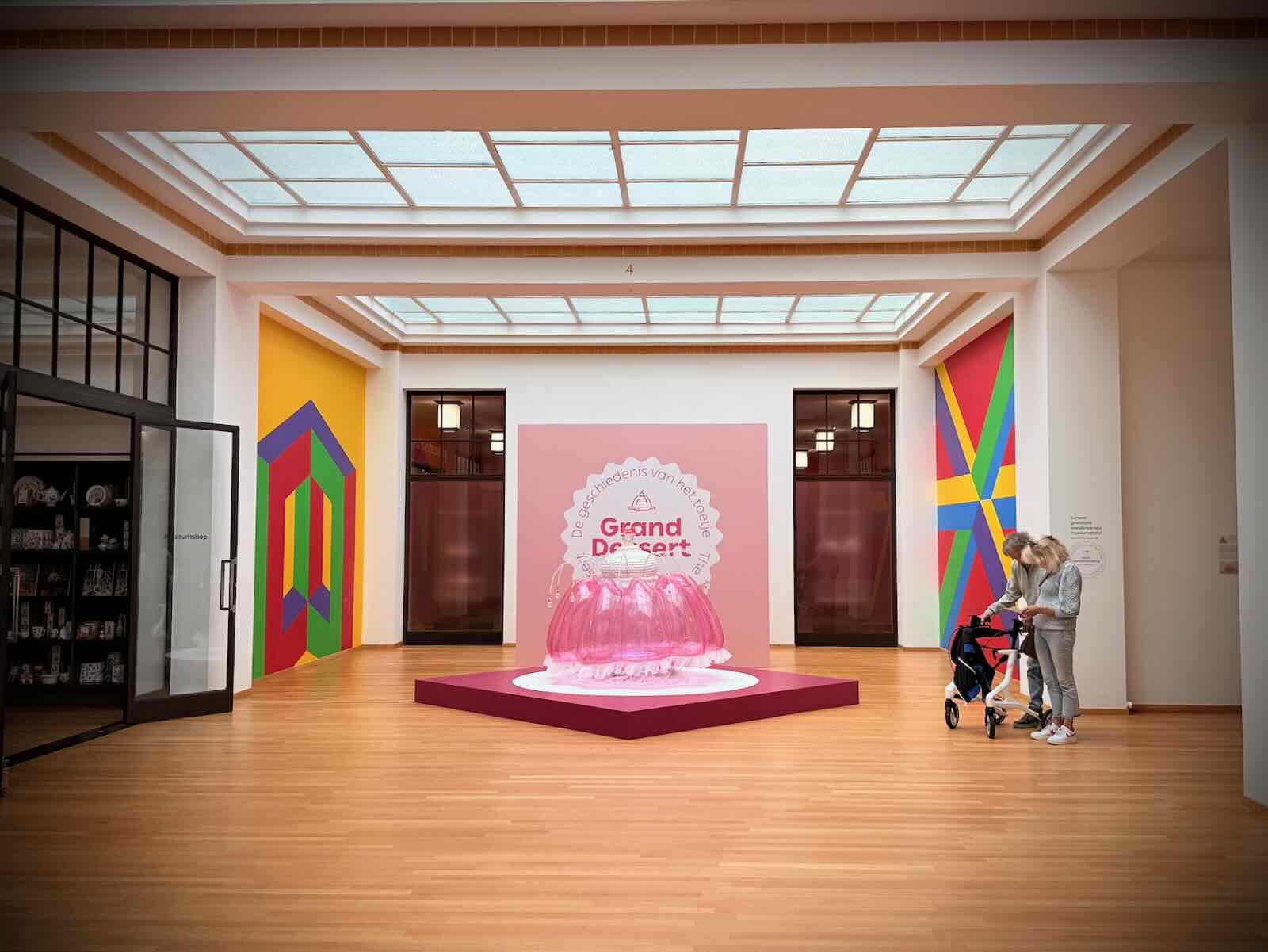
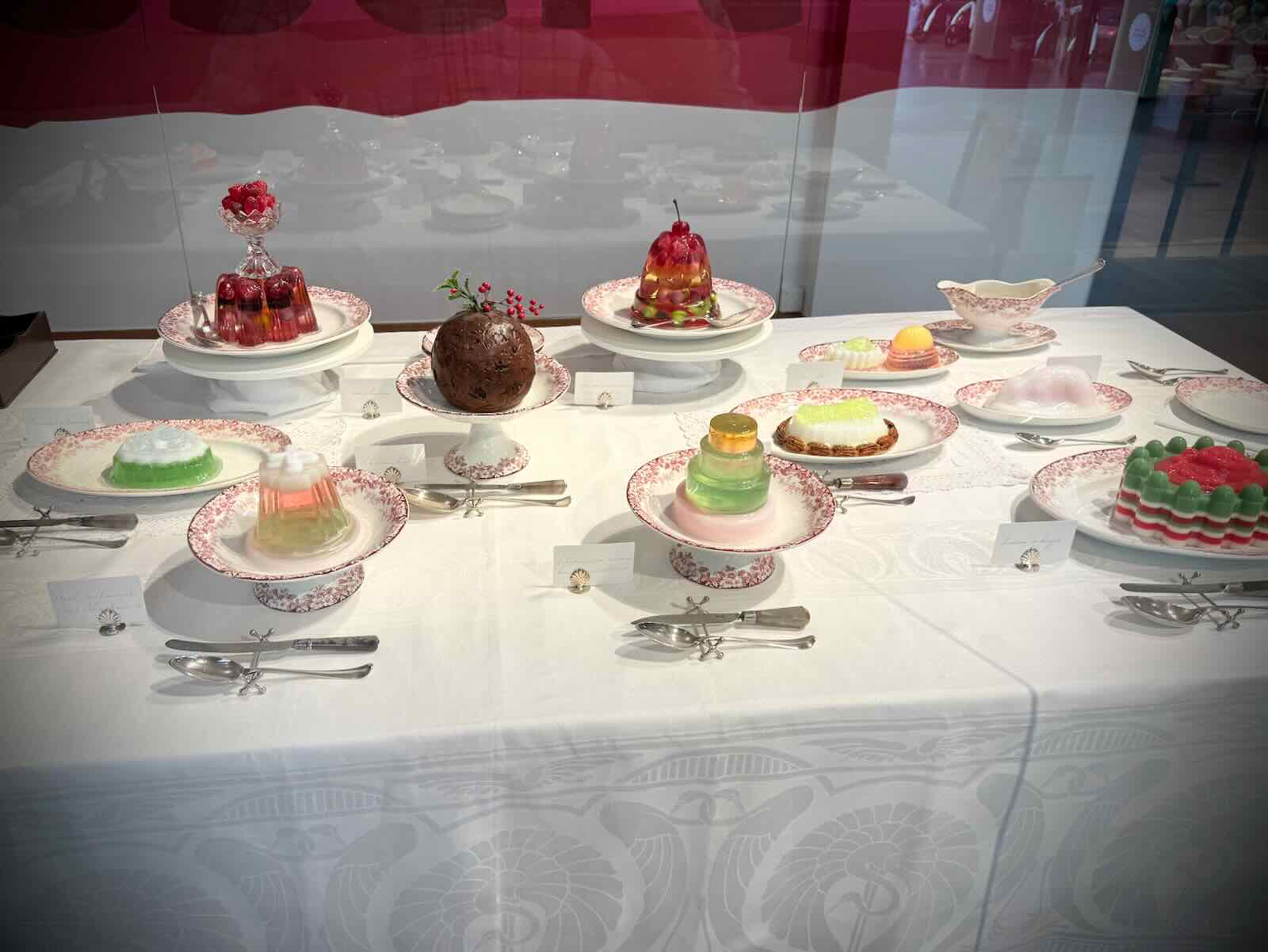
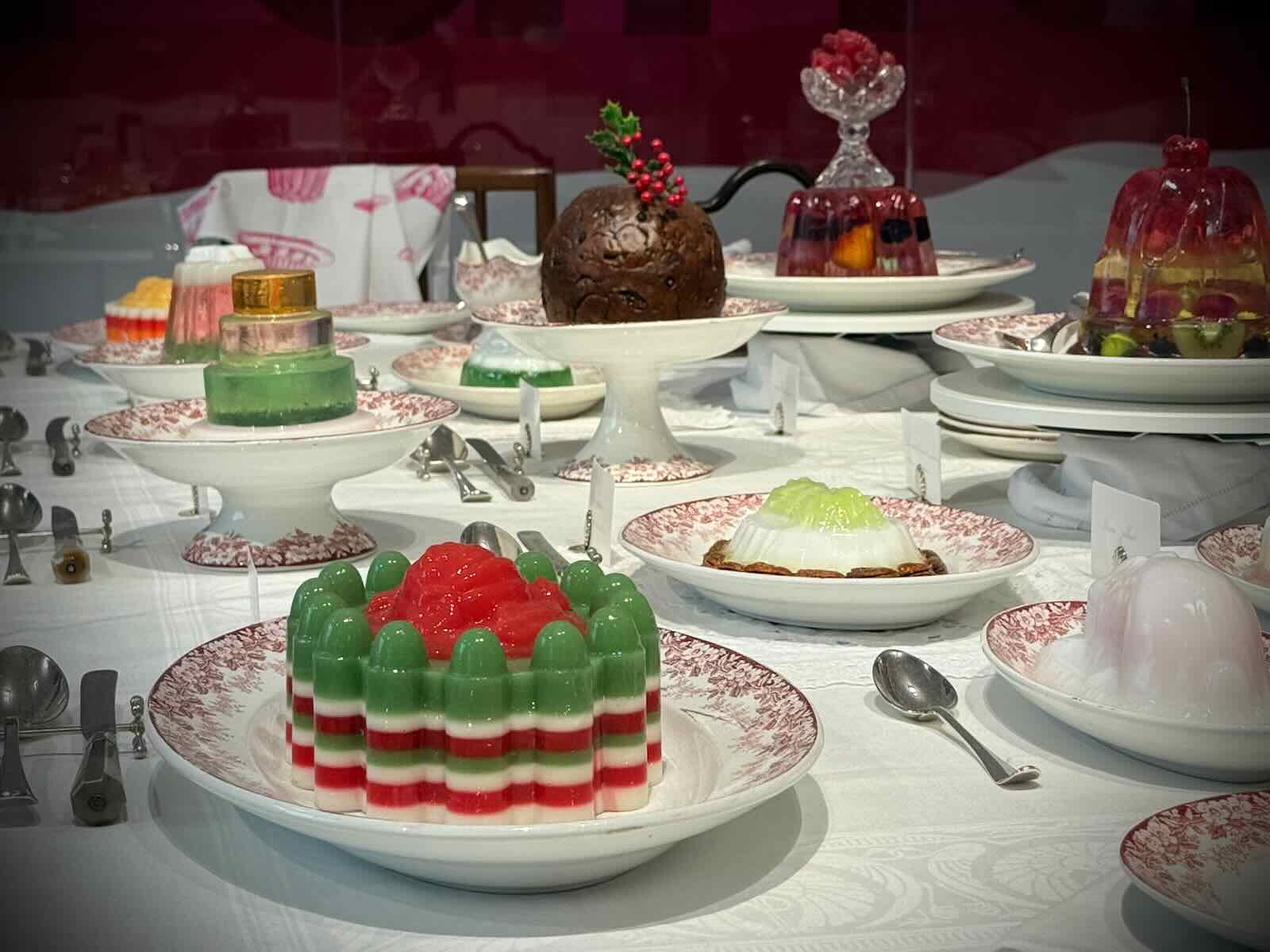
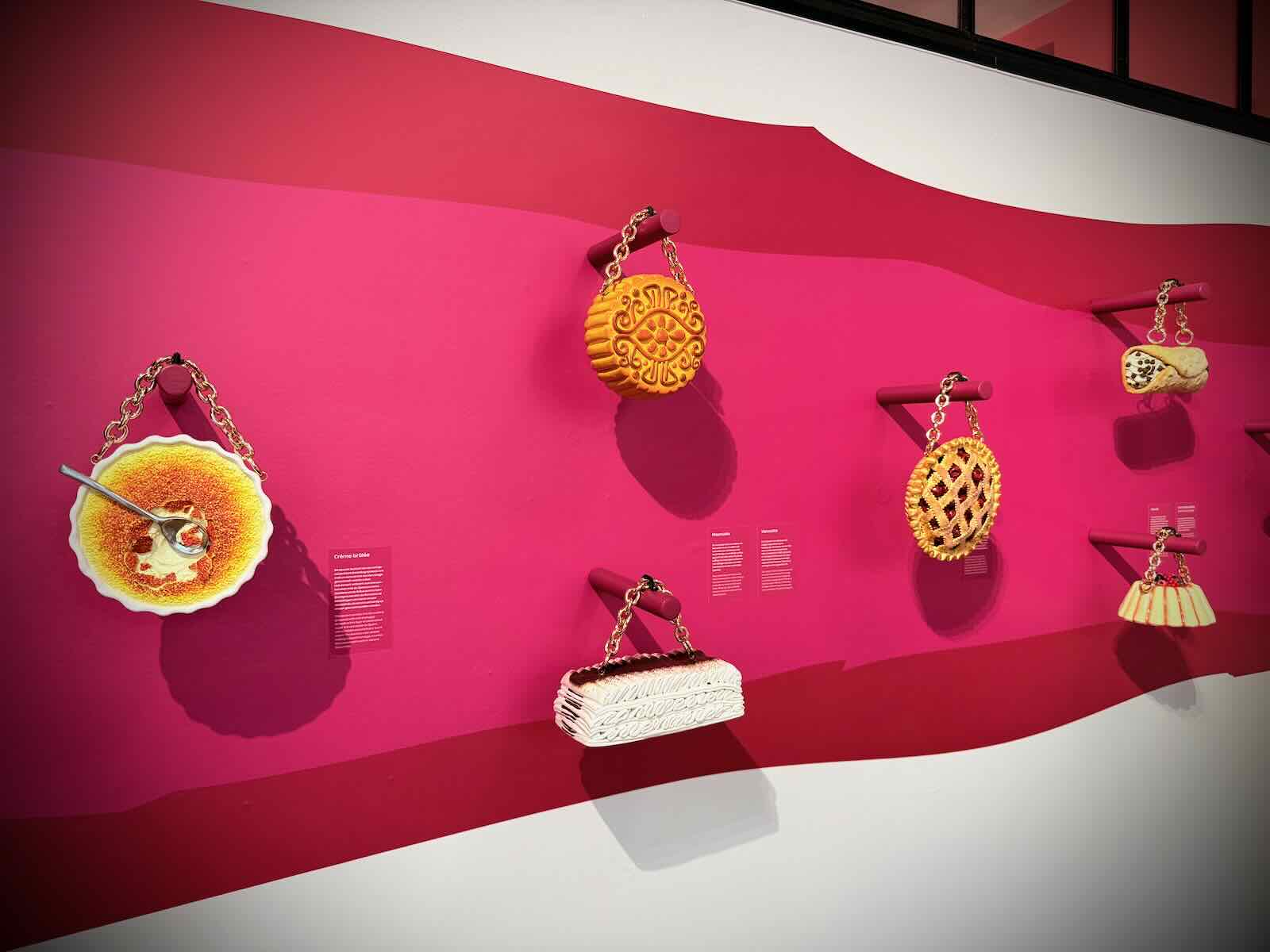
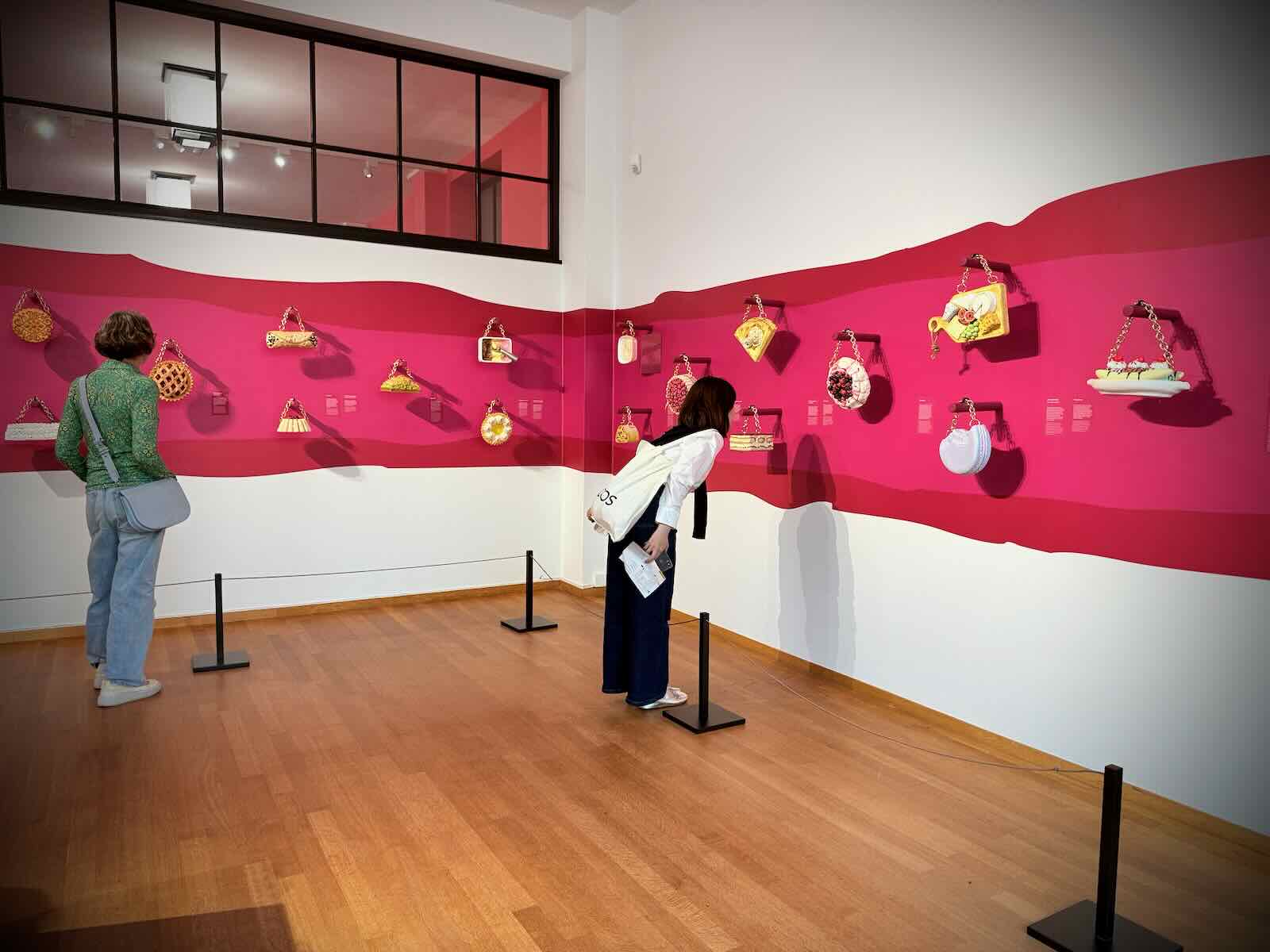
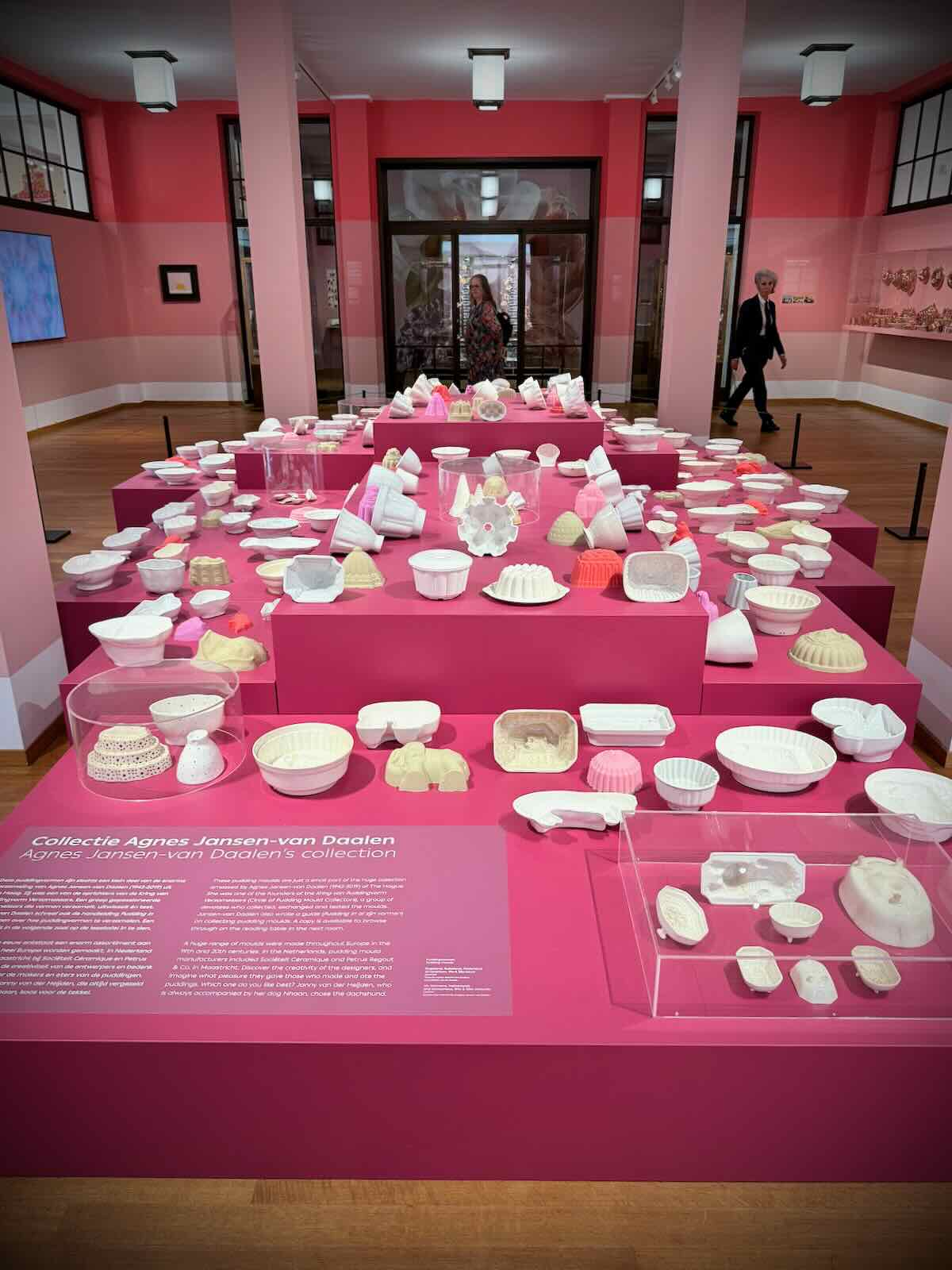
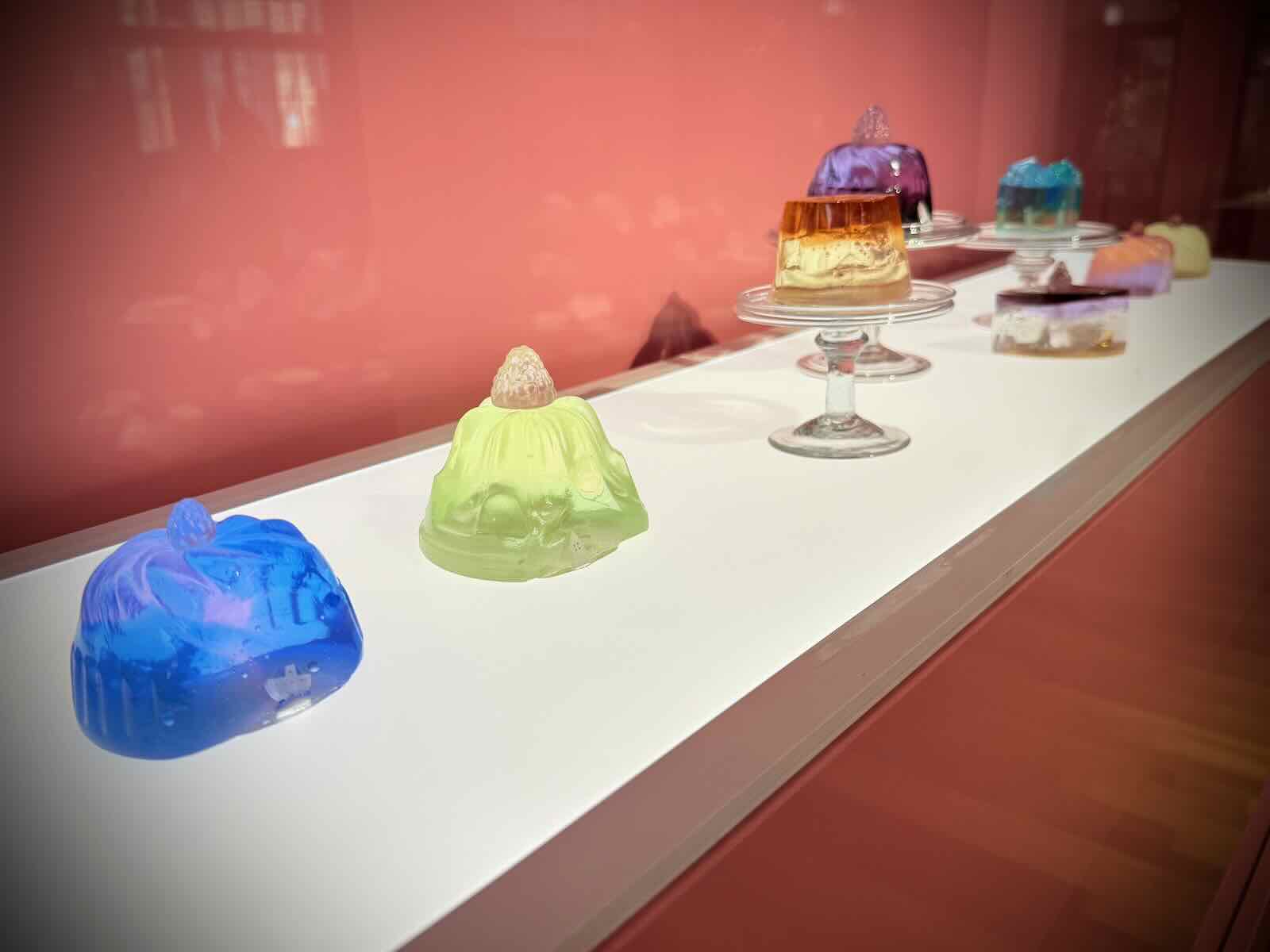
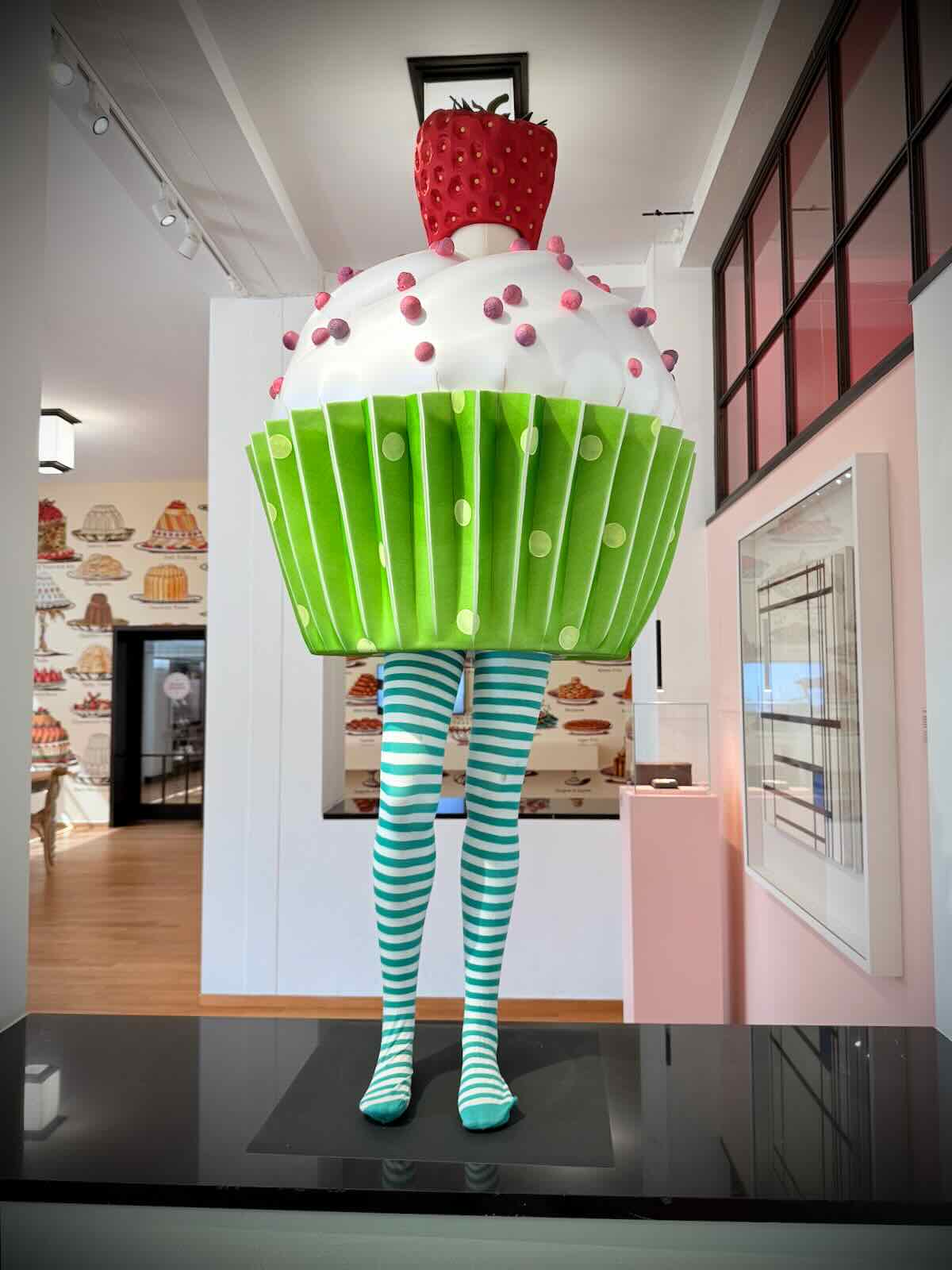
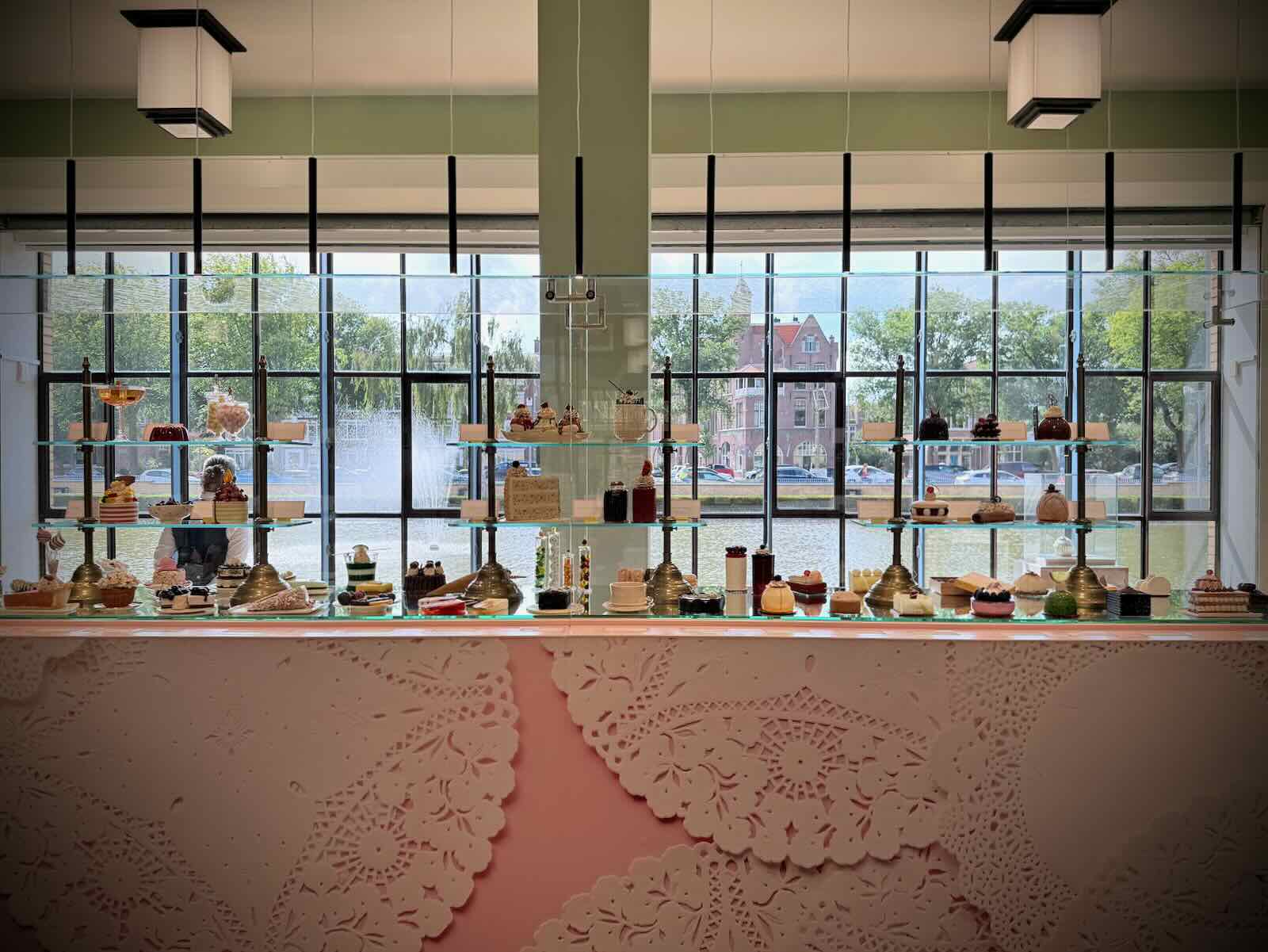
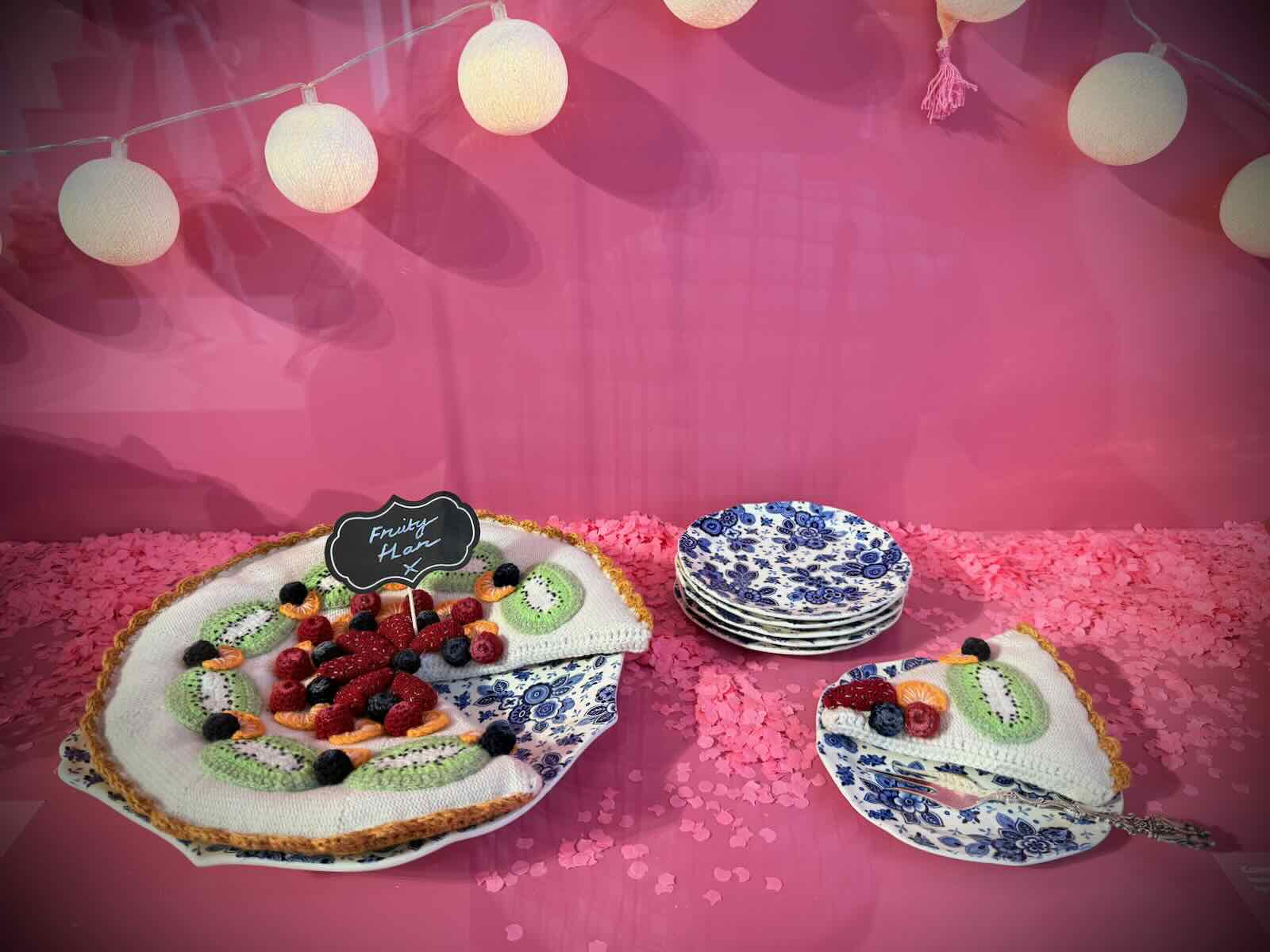
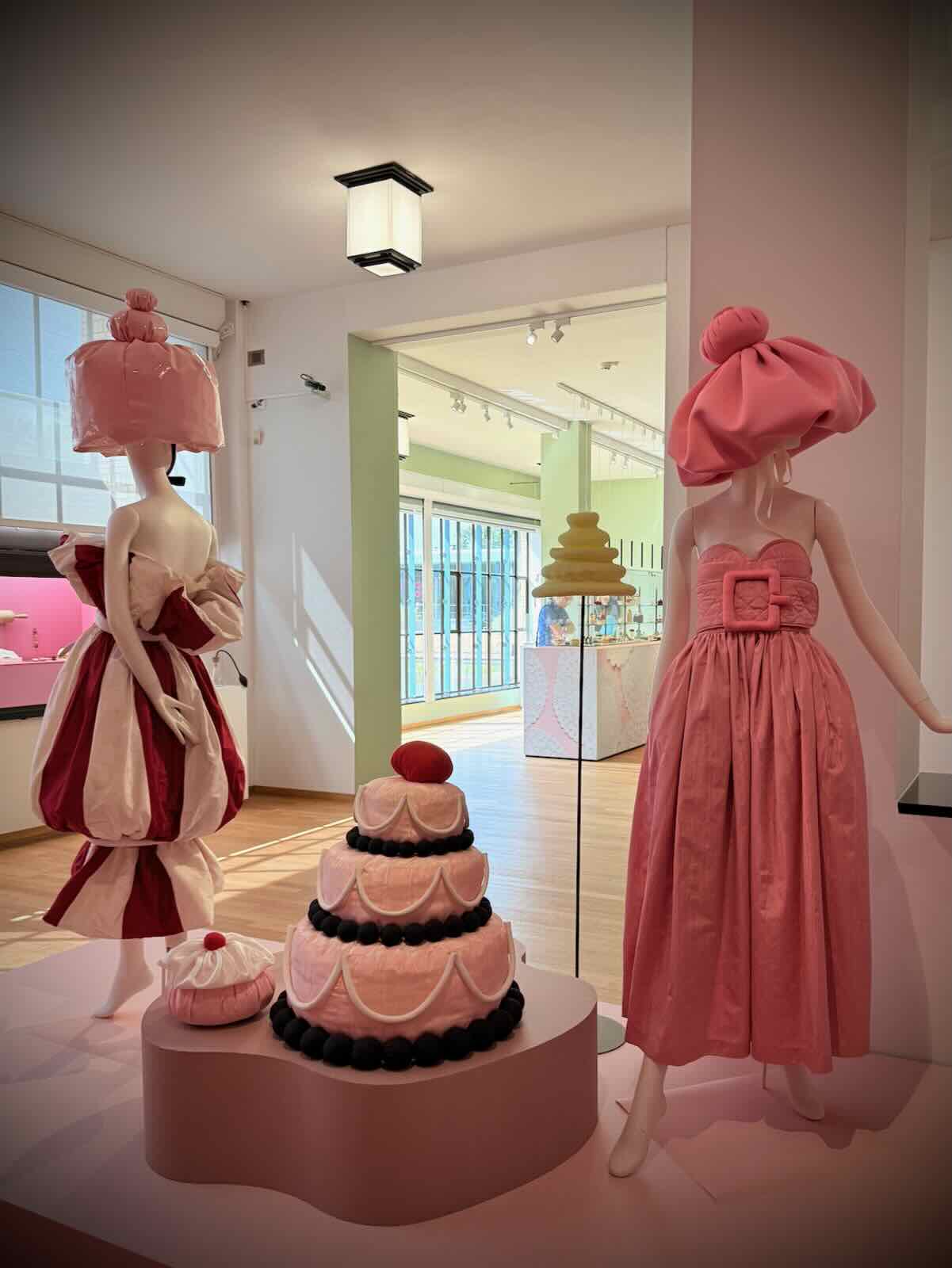
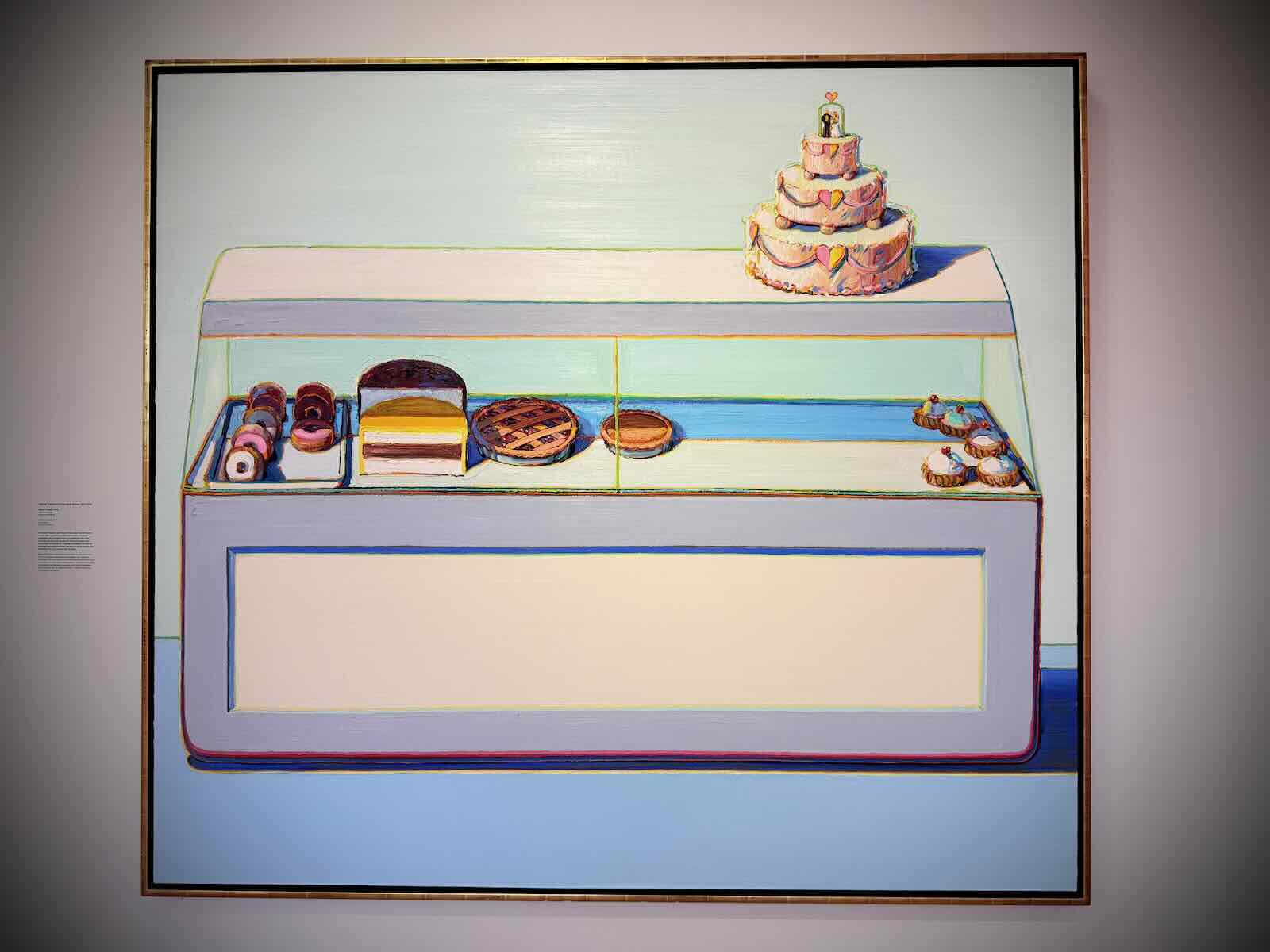
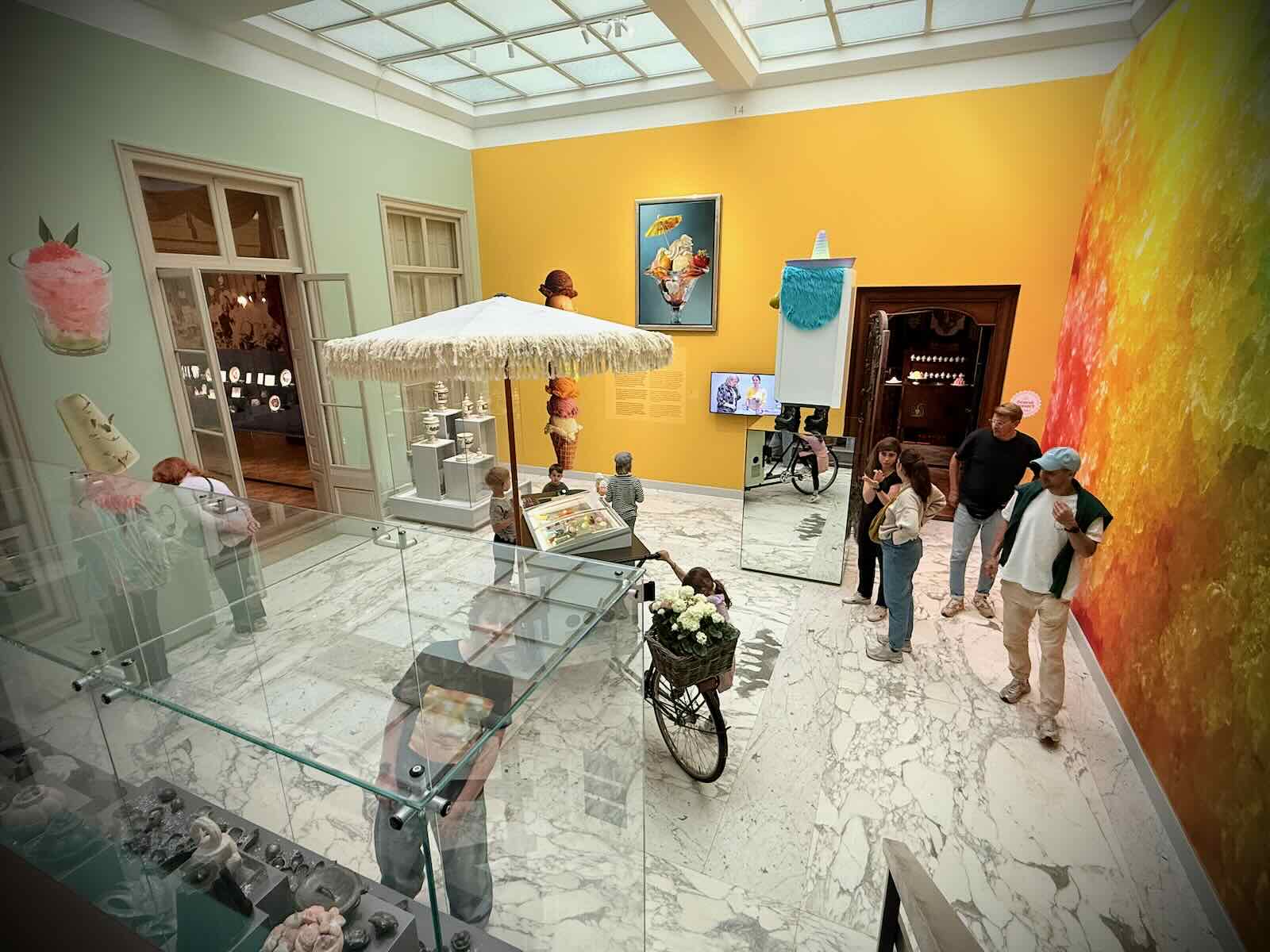
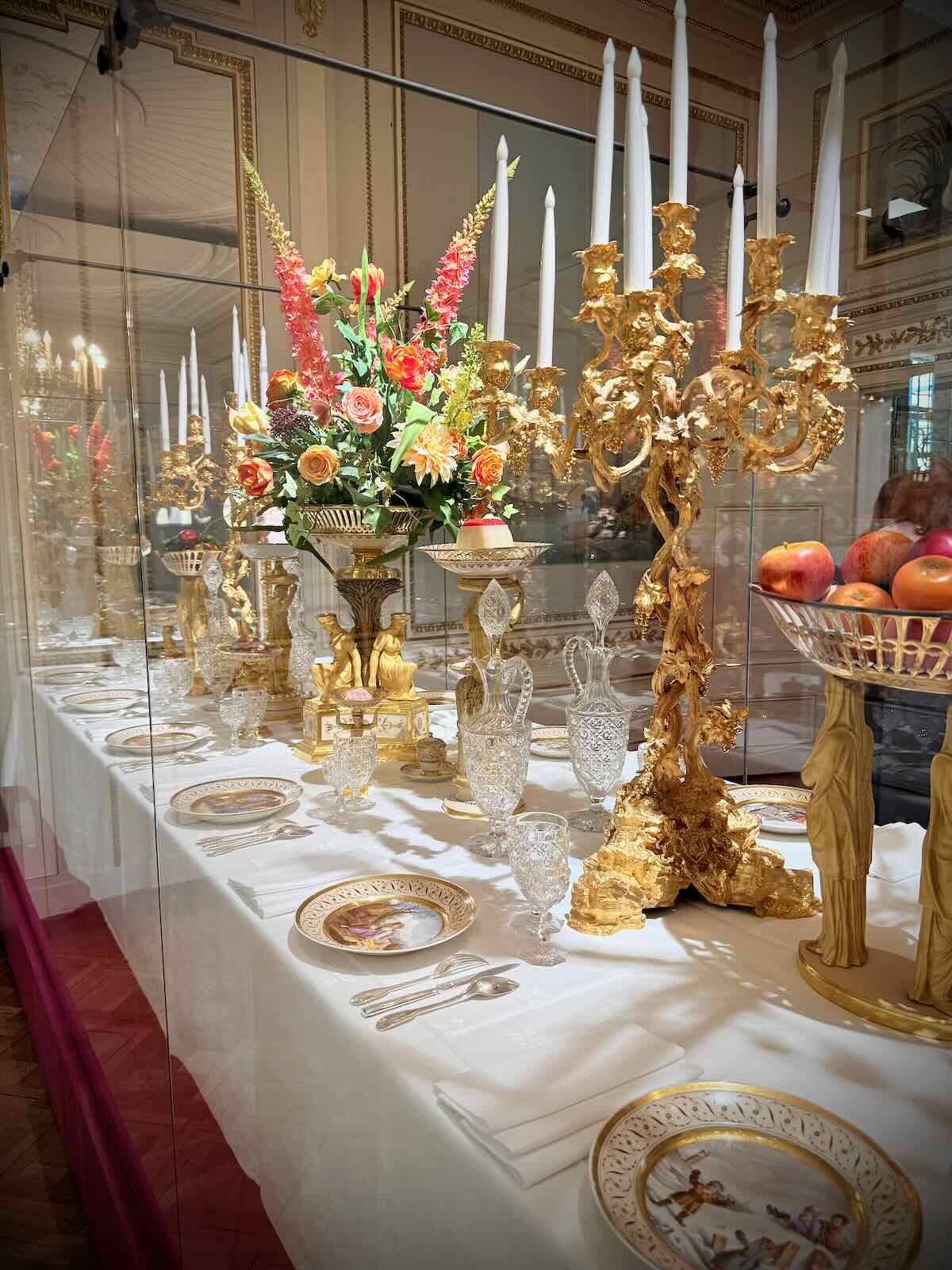
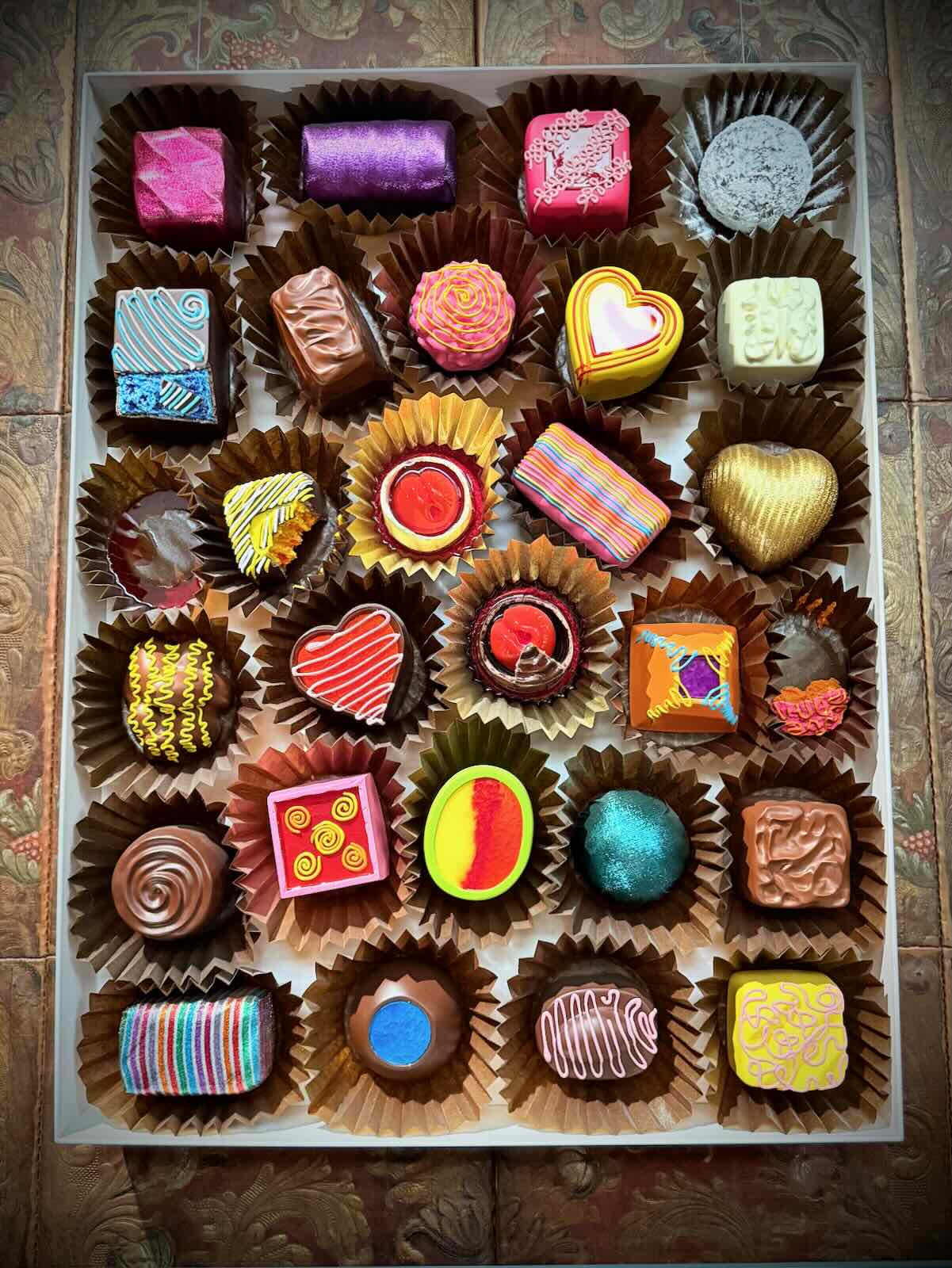
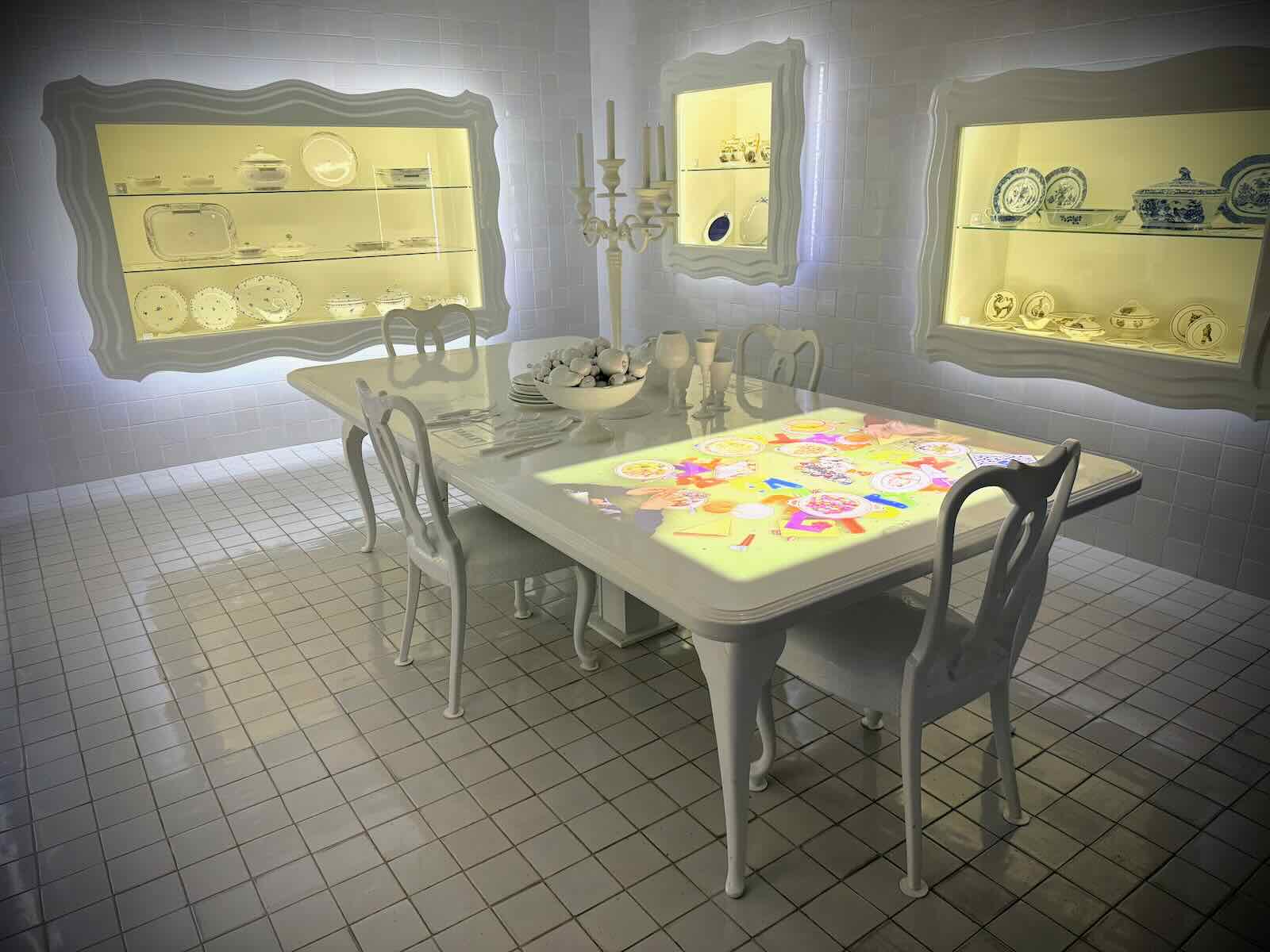
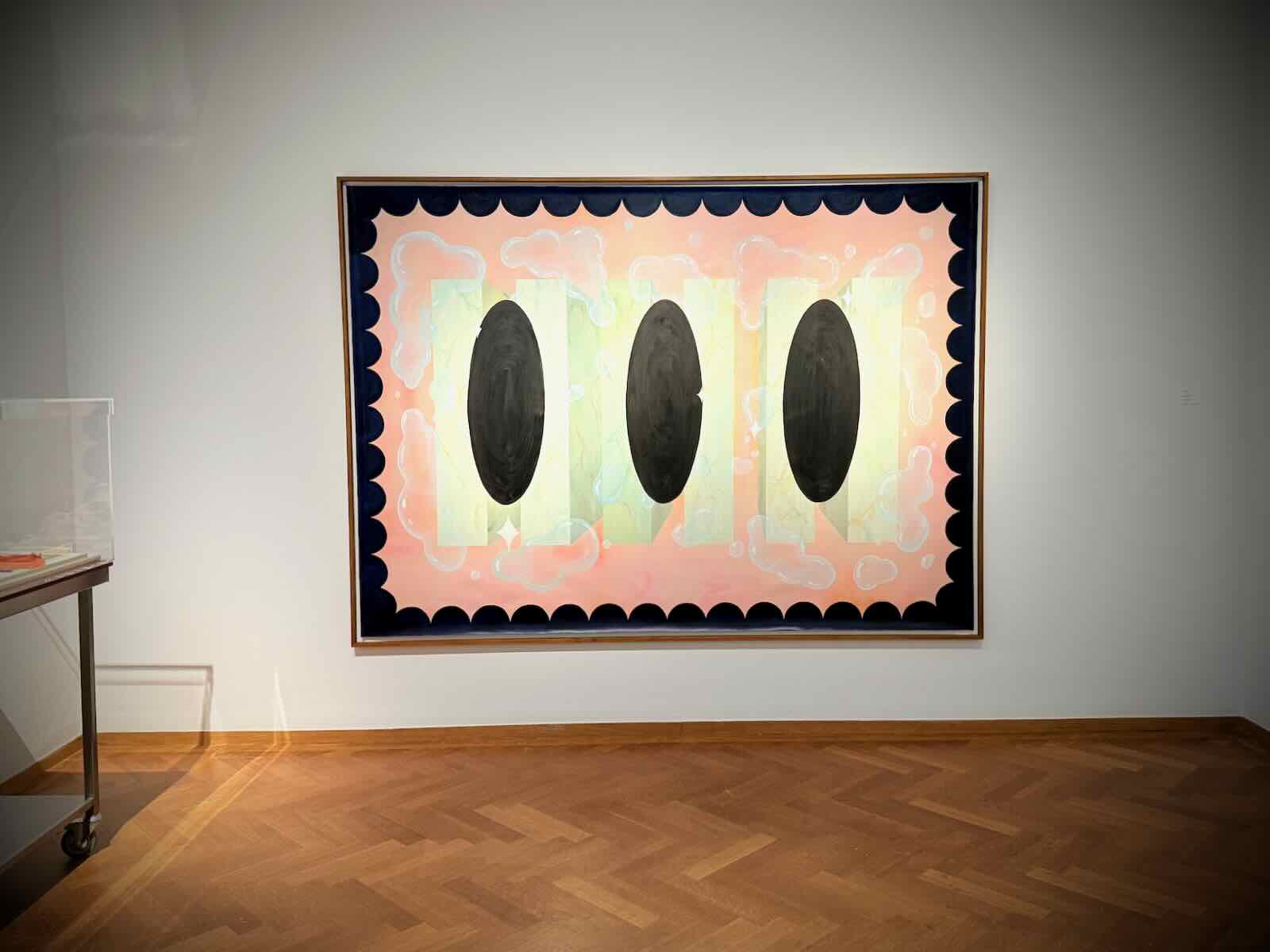
At the time of our visit, the main exhibition was Grand Dessert – The History of the Dessert. This is described as ‘A fun combination of art-historical objects and creative contributions from contemporary makers will make for a show full of surprises’. Which I think sums it up pretty well.
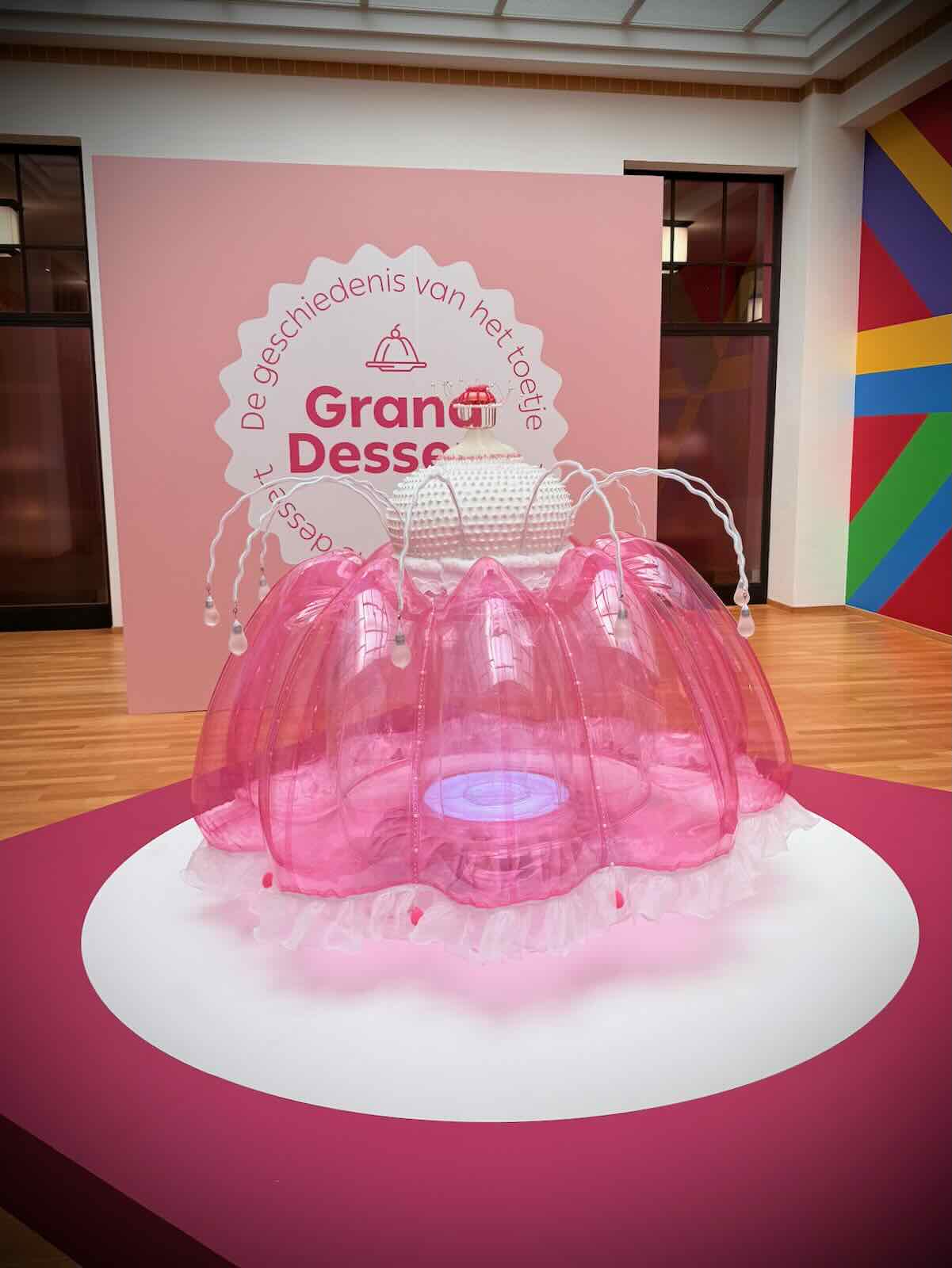
The exhibition was very bright and playful, as you’d want it to be for such a subject. The artworks were playful, with many being larger than life. We loved looking round all the different rooms and could imagine it being very popular with families and kids.
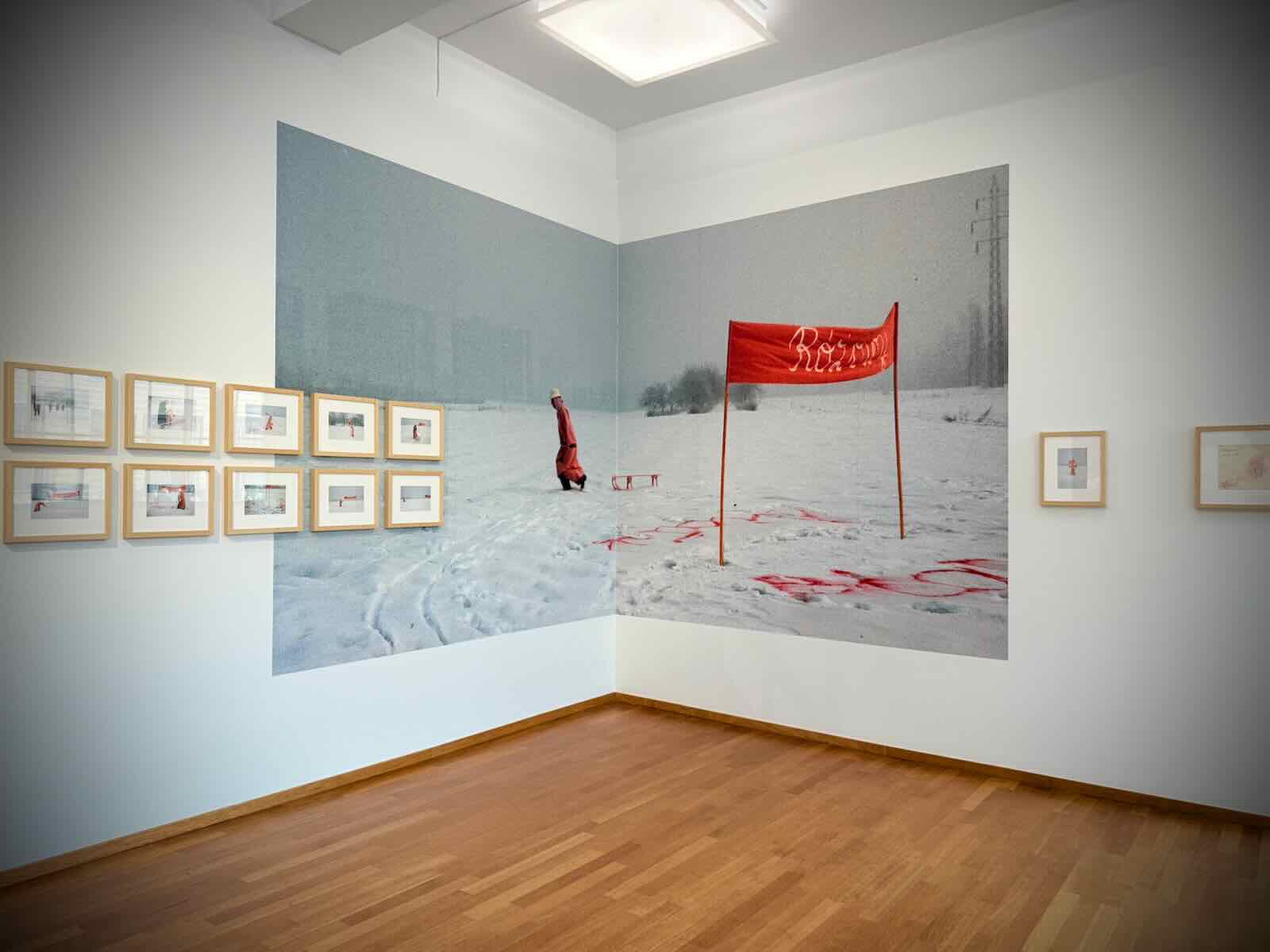
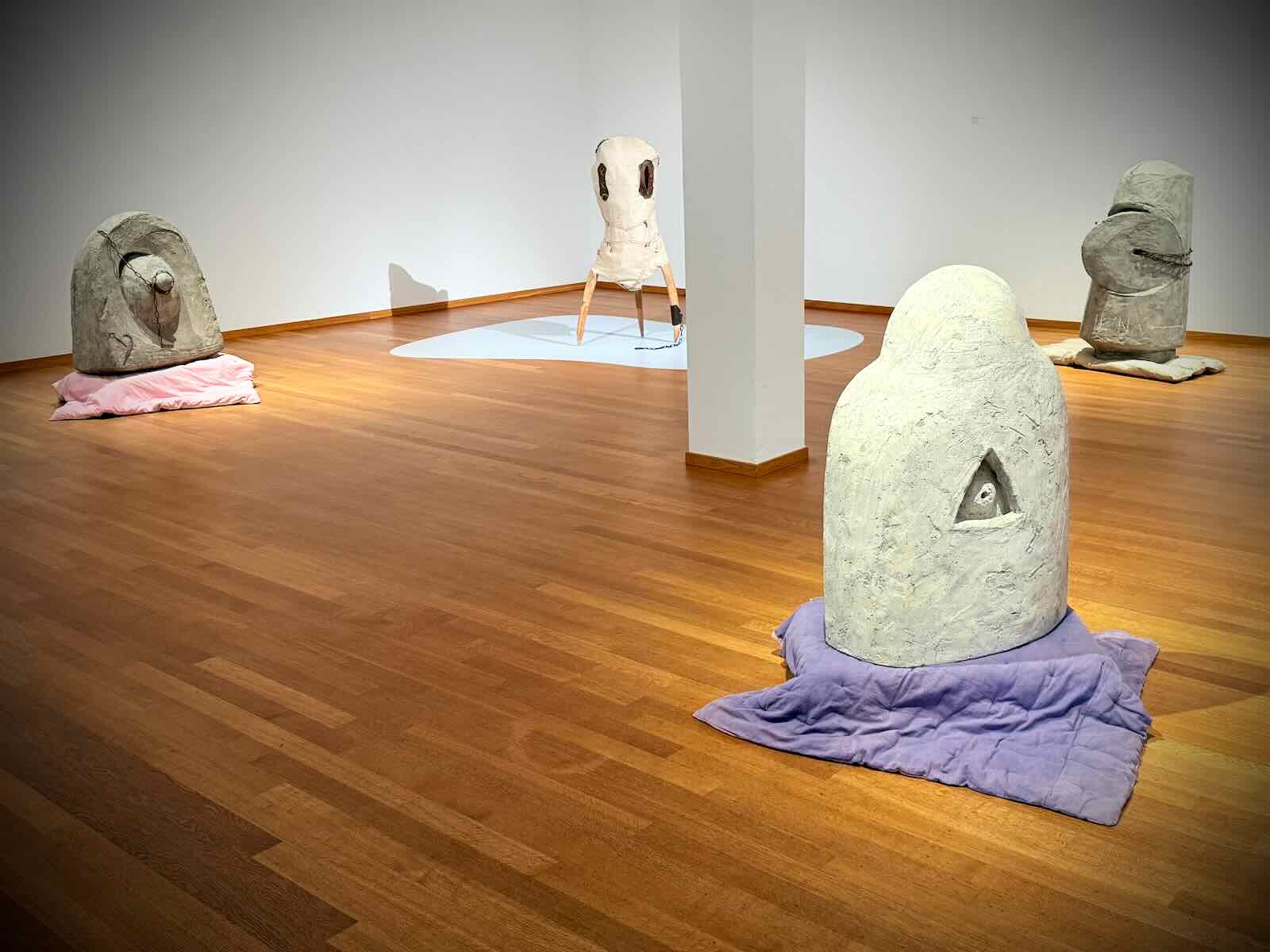
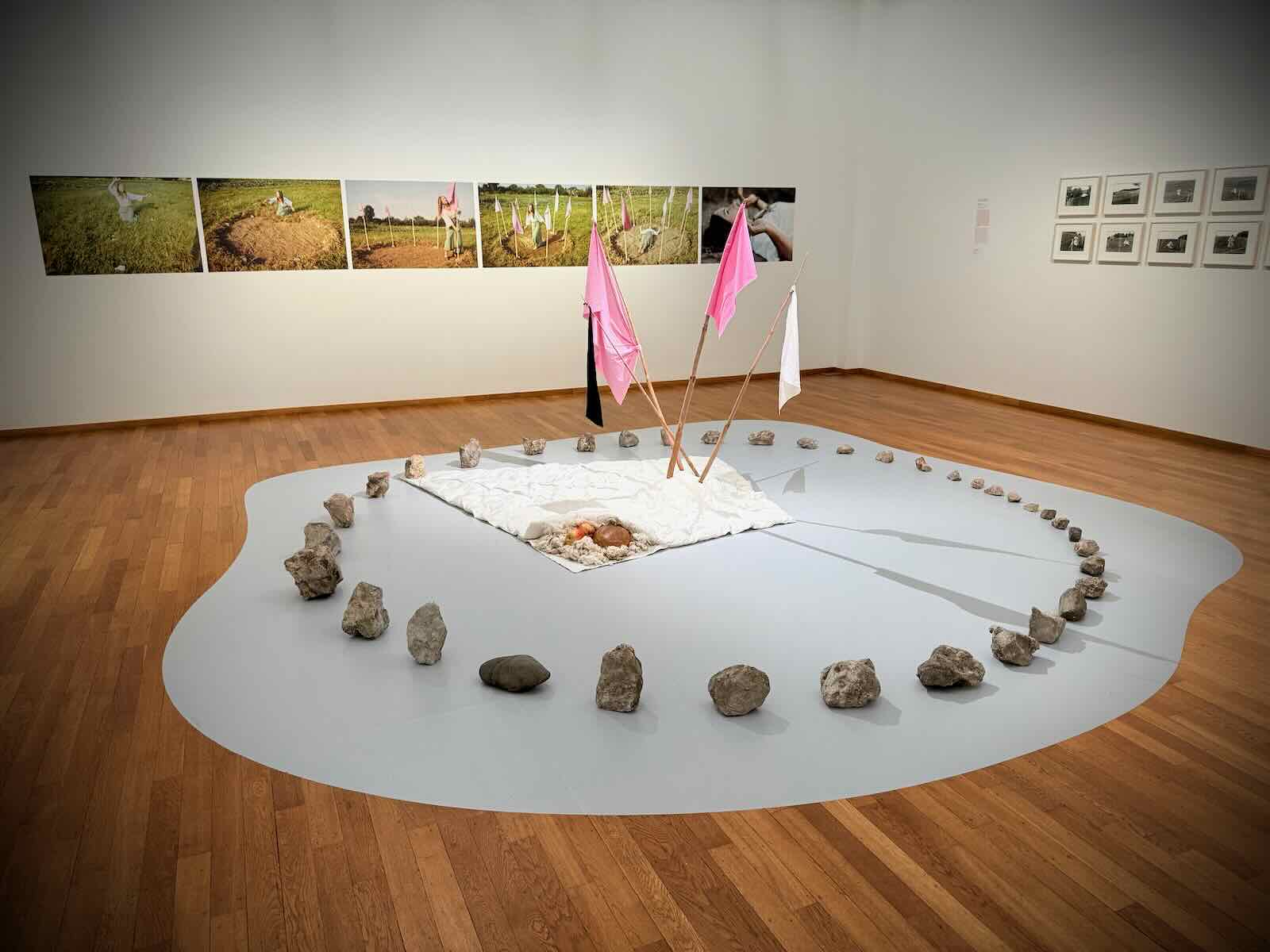
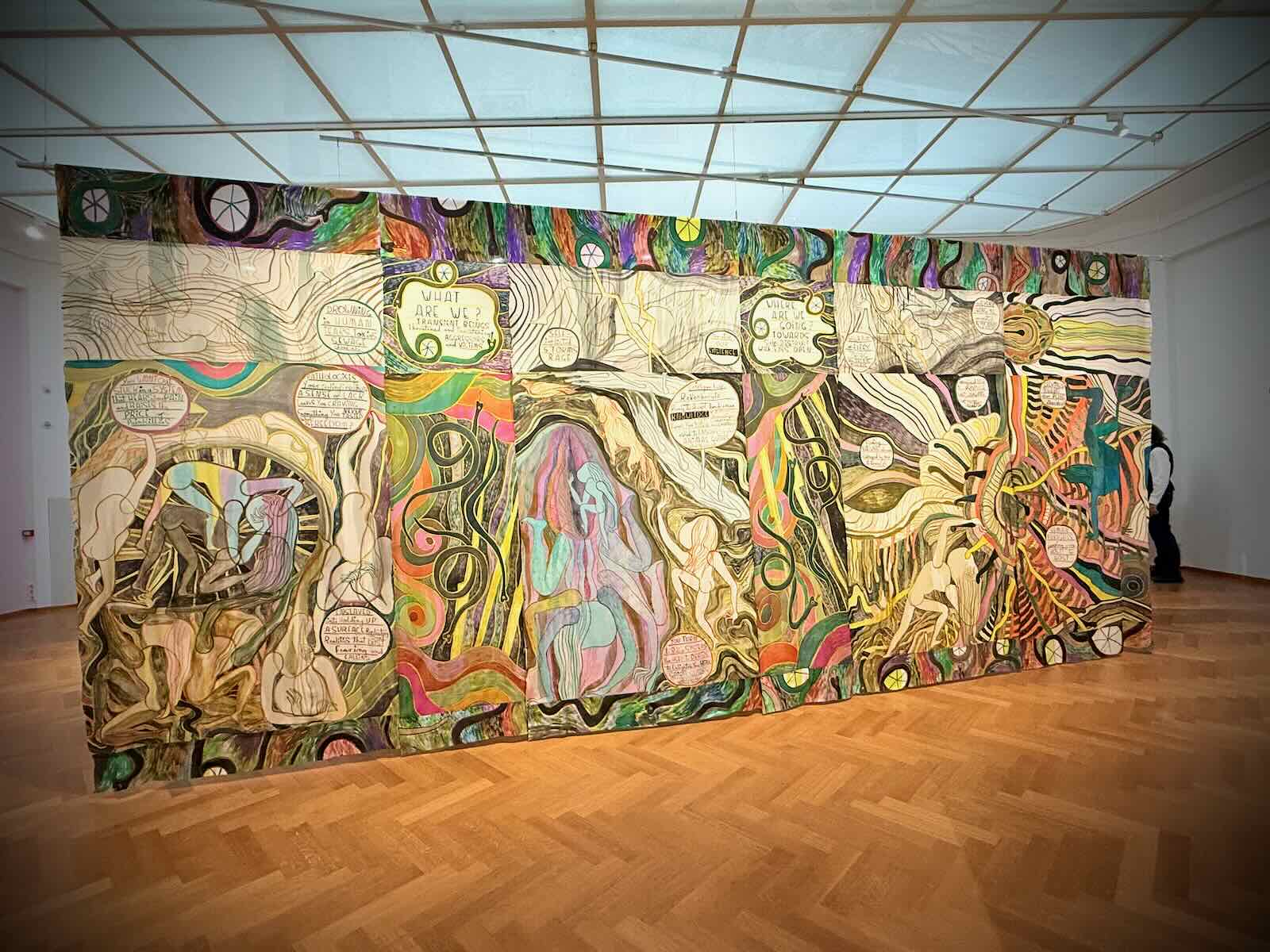
There was also the exhibition of work by the groundbreaking feminist artist Maria Pinińska-Bereś, Is a Woman a Human Being? Described as being way ahead of her time. Her work explores the role of the female artist in a patriarchal world, delving into power struggles, sexuality, and political rebellion.
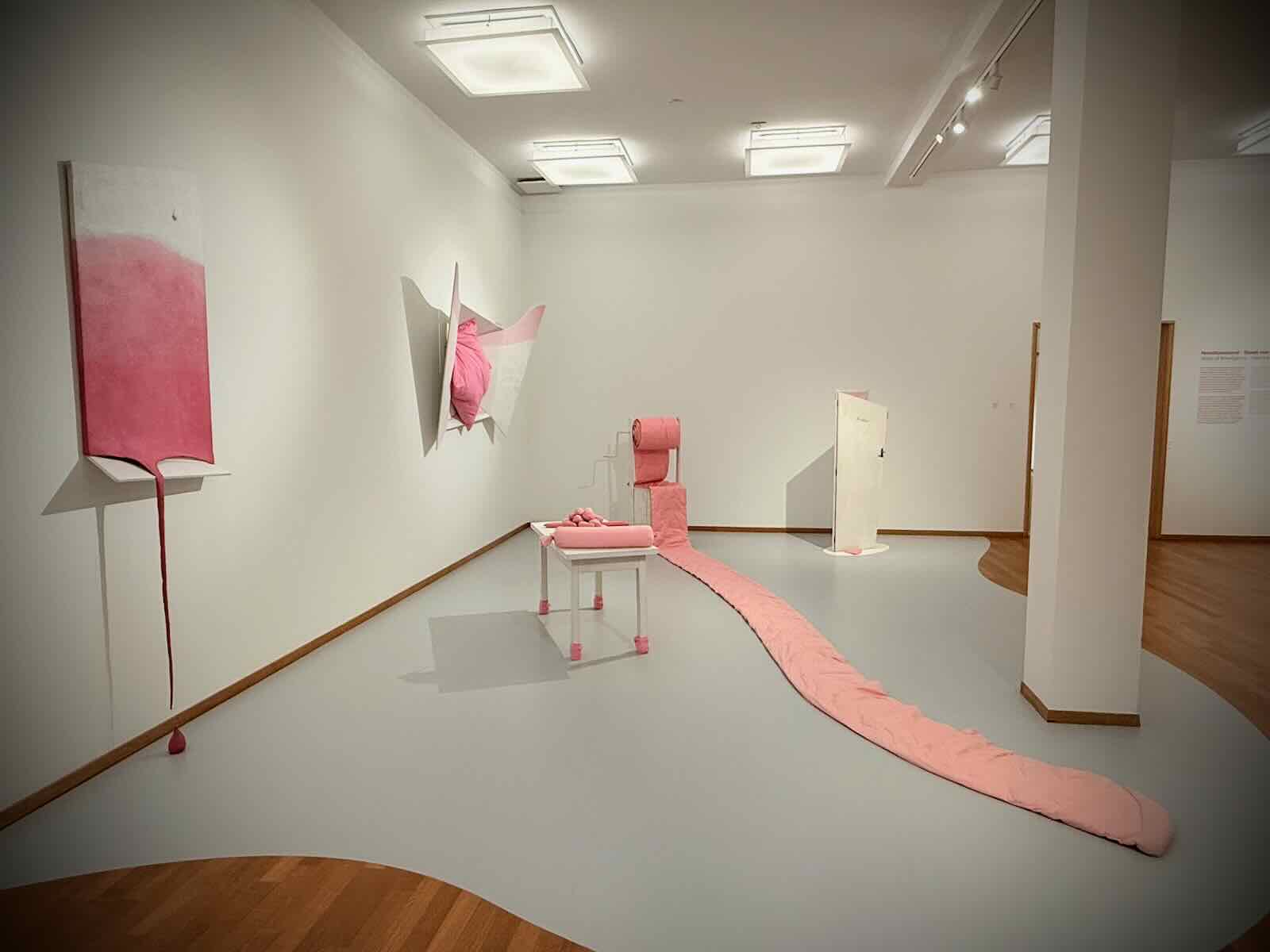
I have to say, I wasn’t familiar with the work of Maria Pinińska-Bereś. But I did enjoy going round the exhibition and finding out more about her.
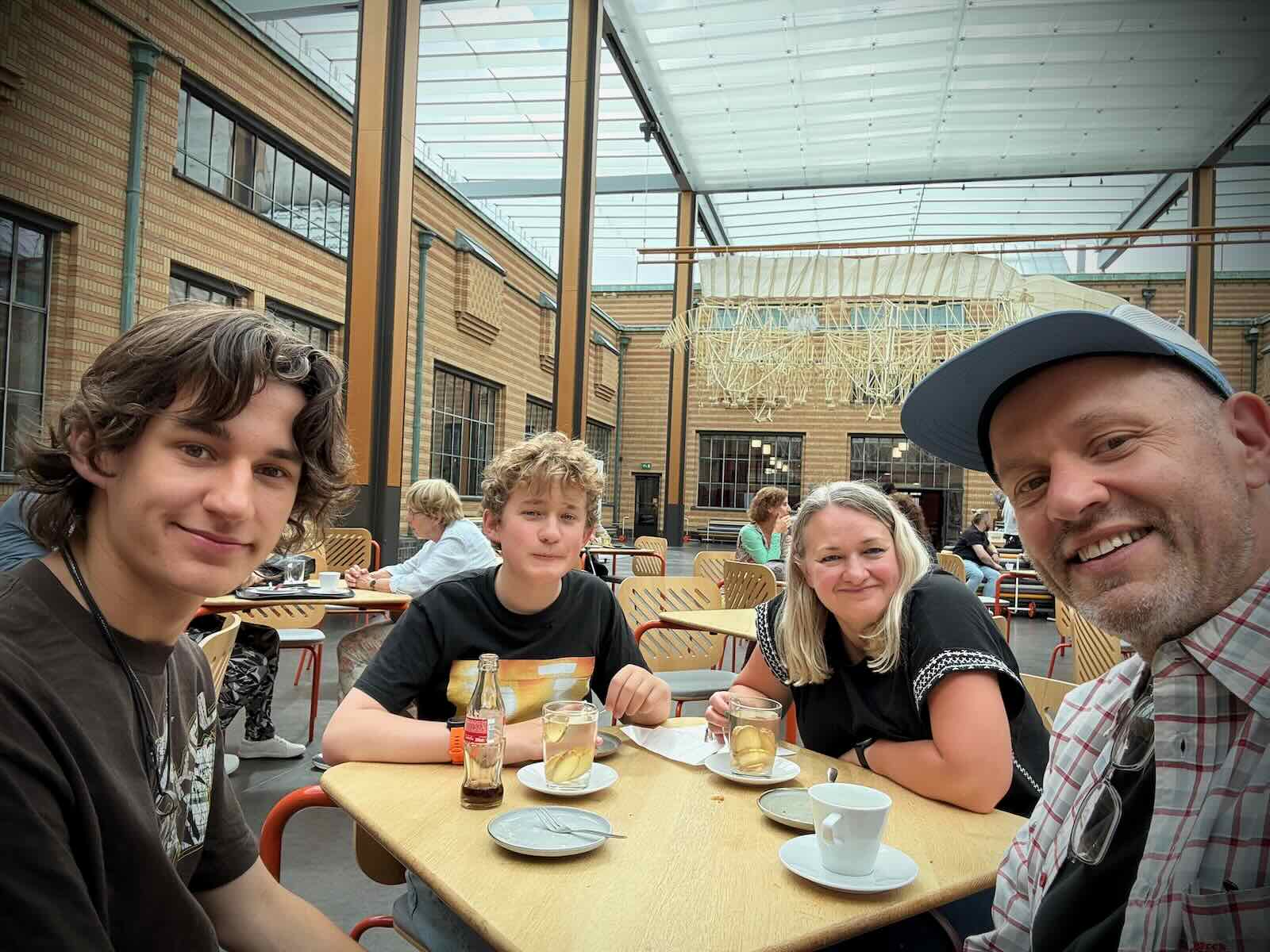
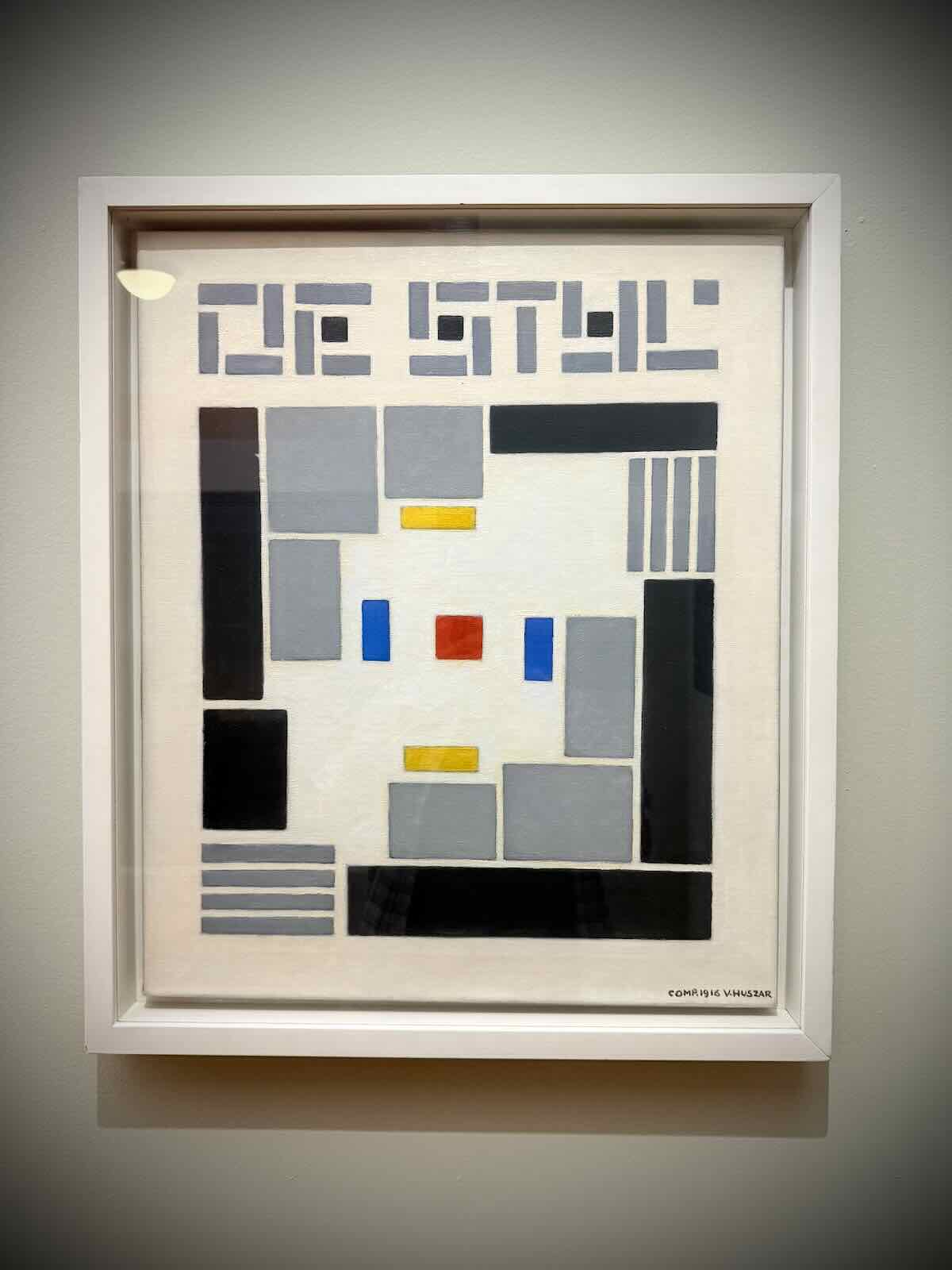
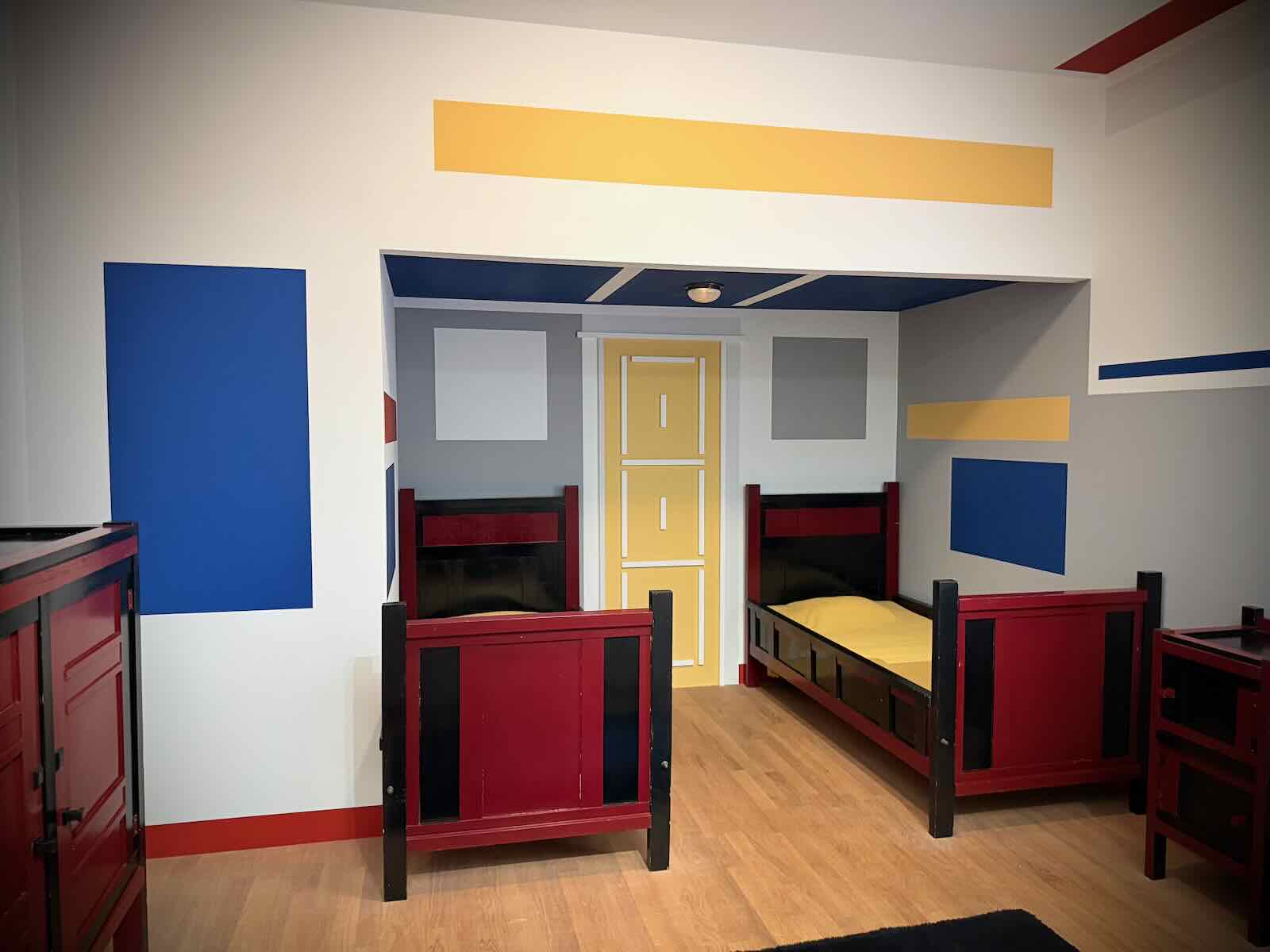
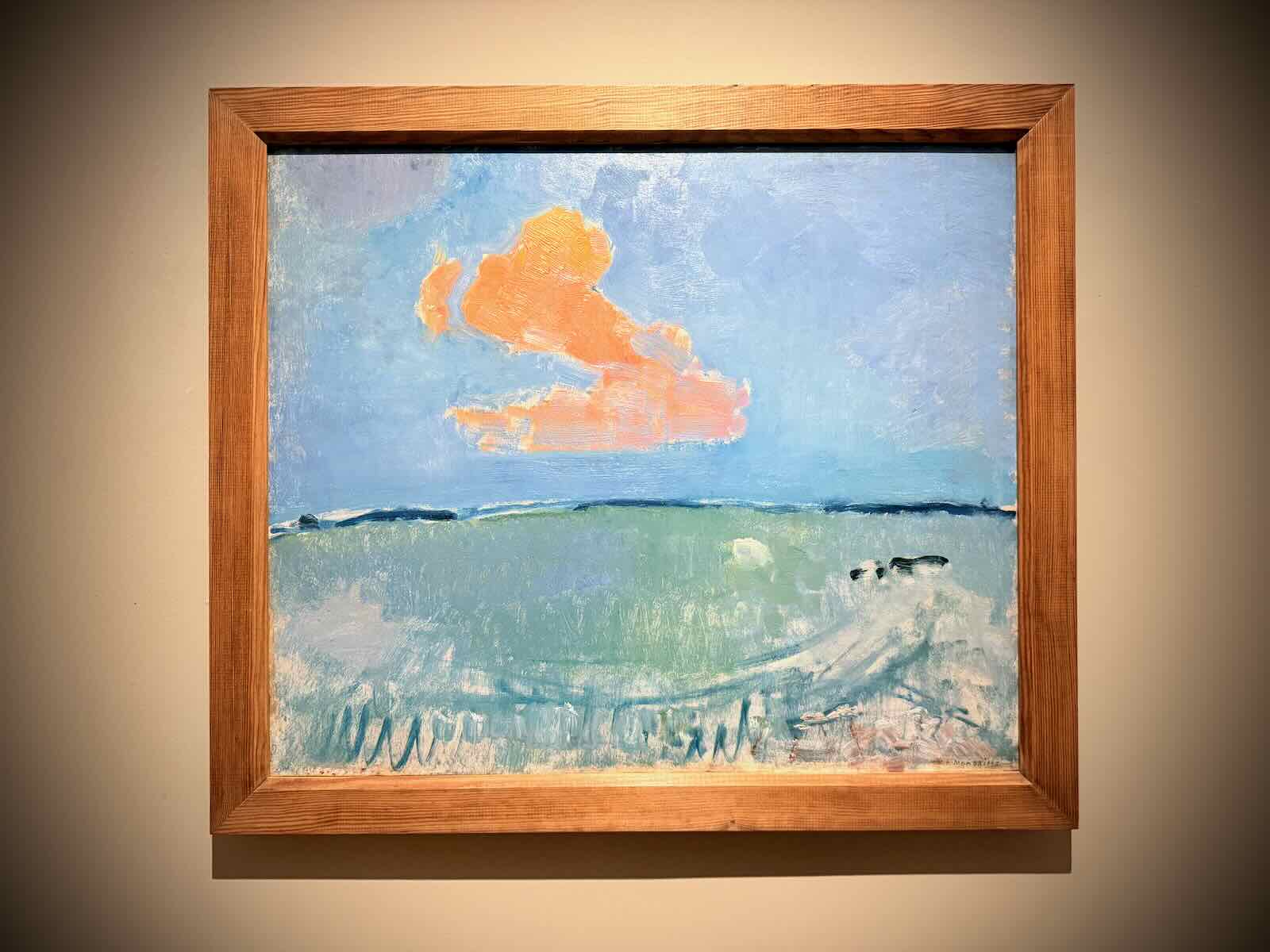
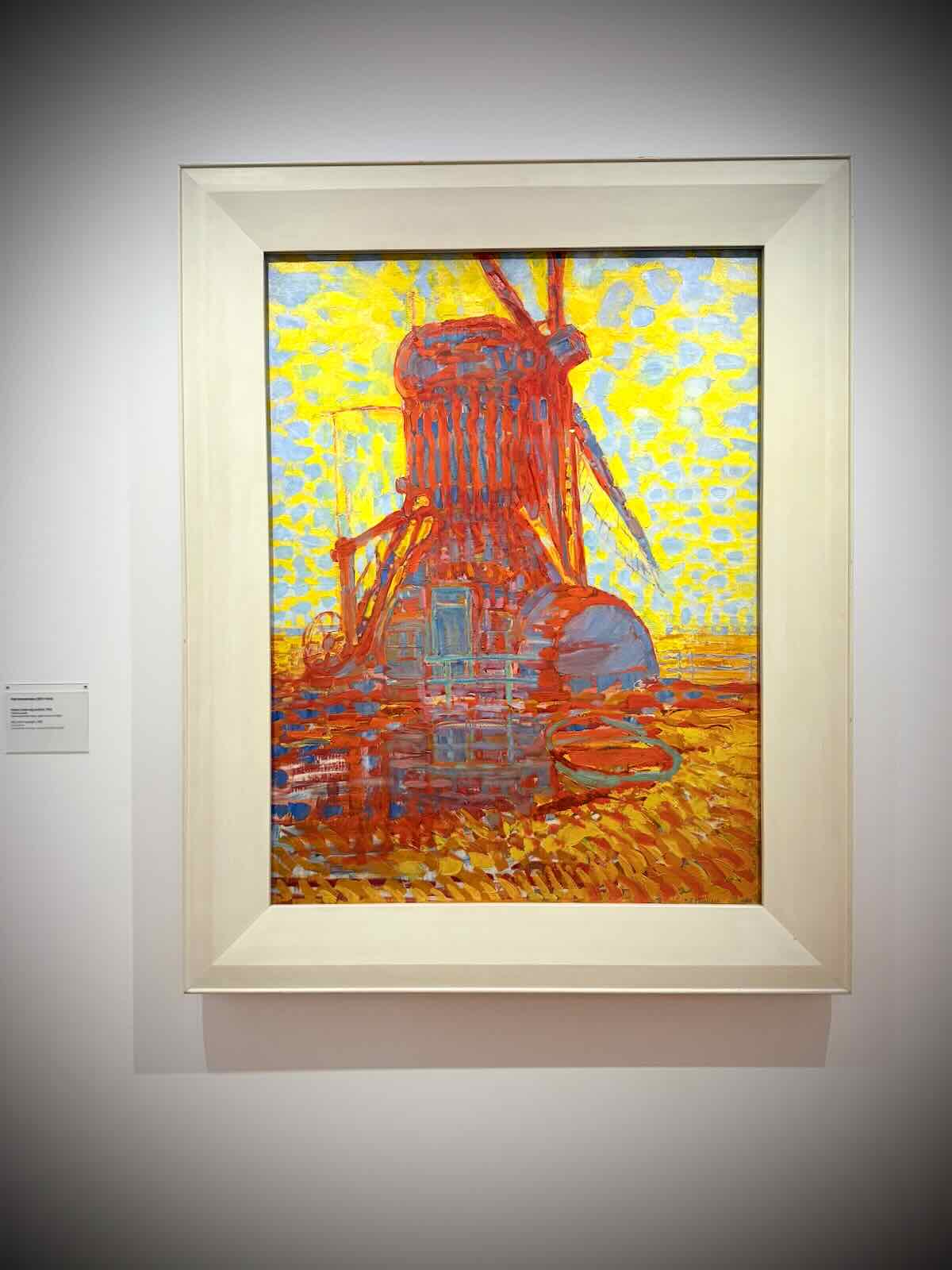
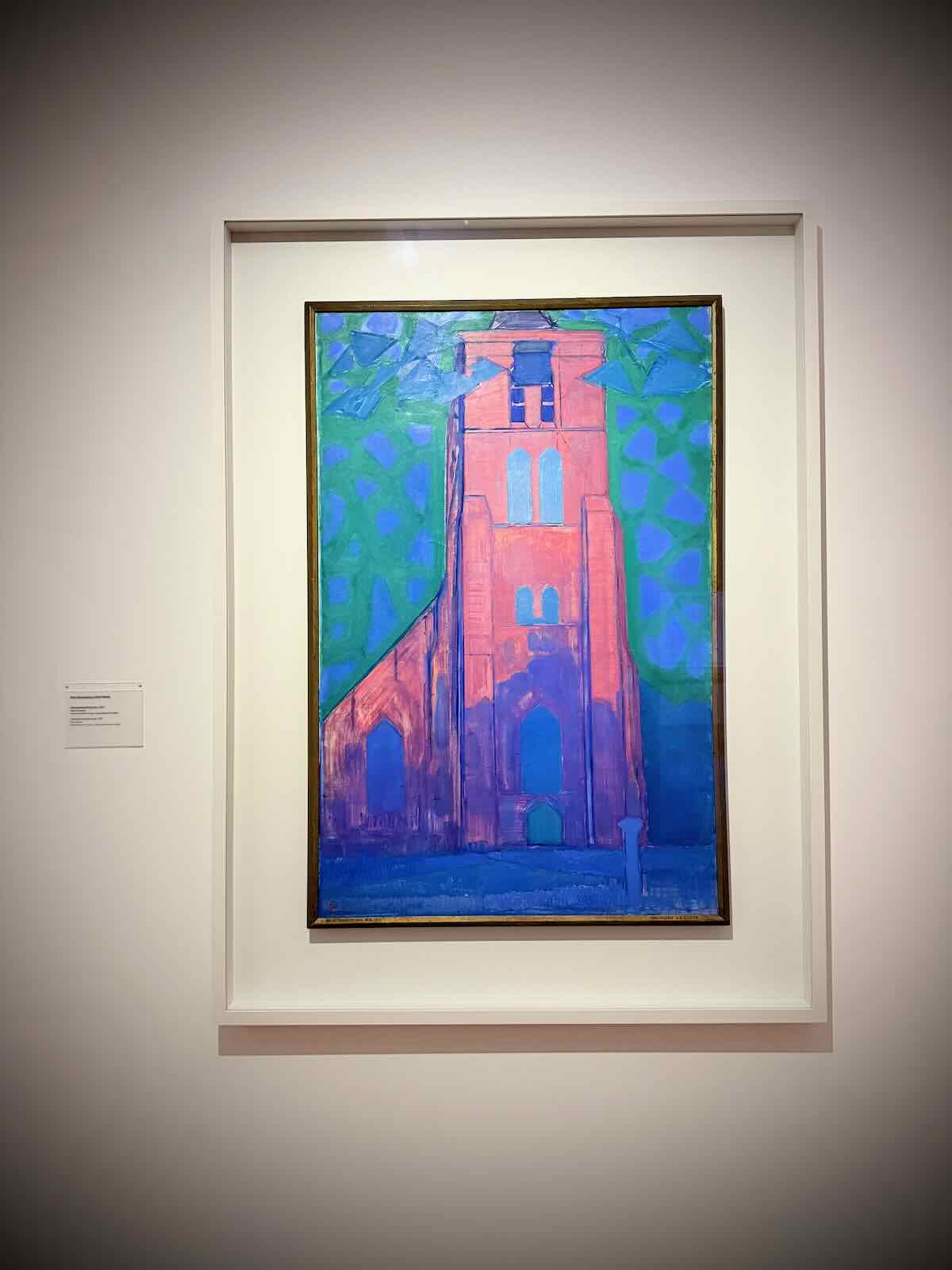
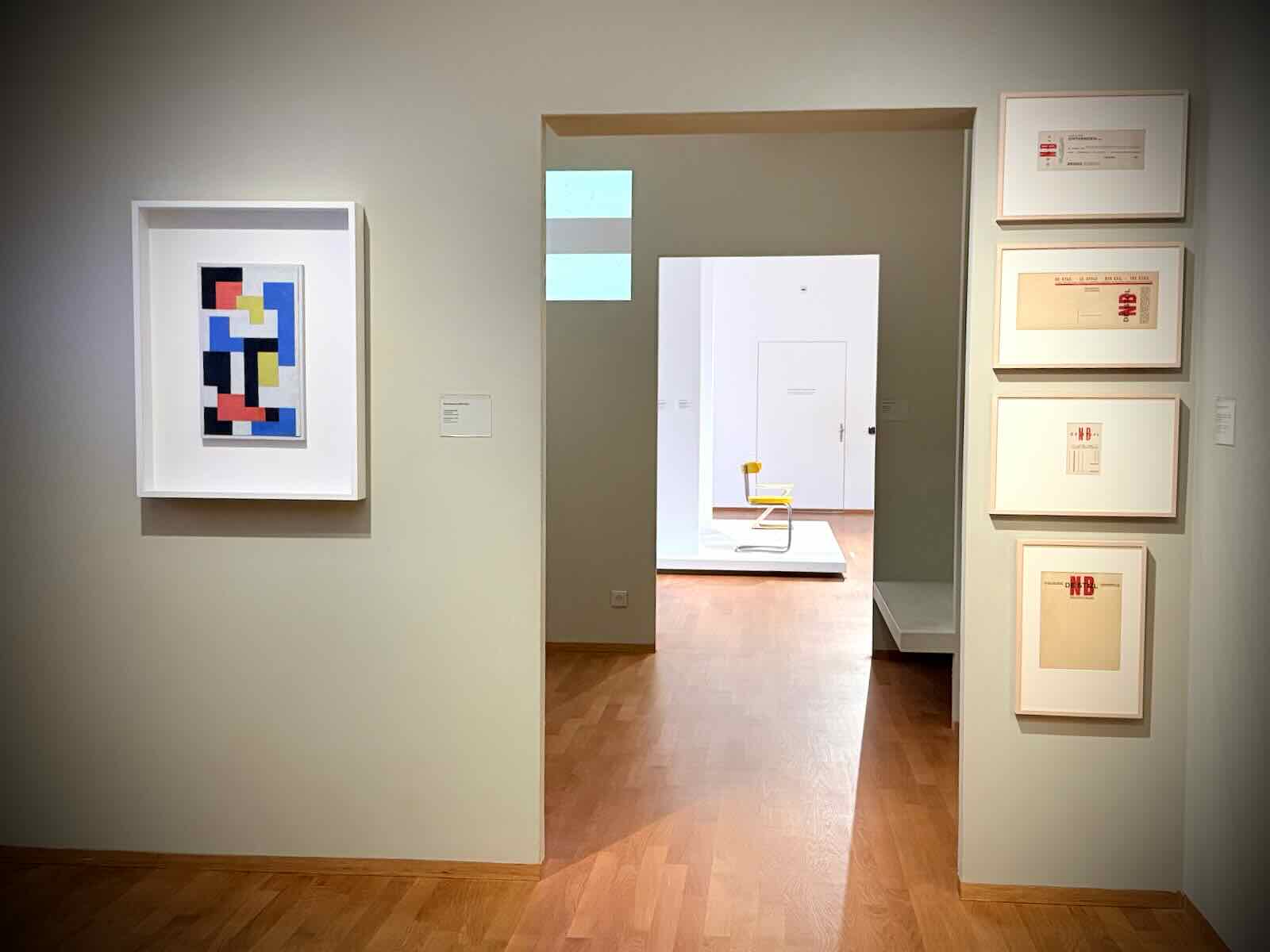
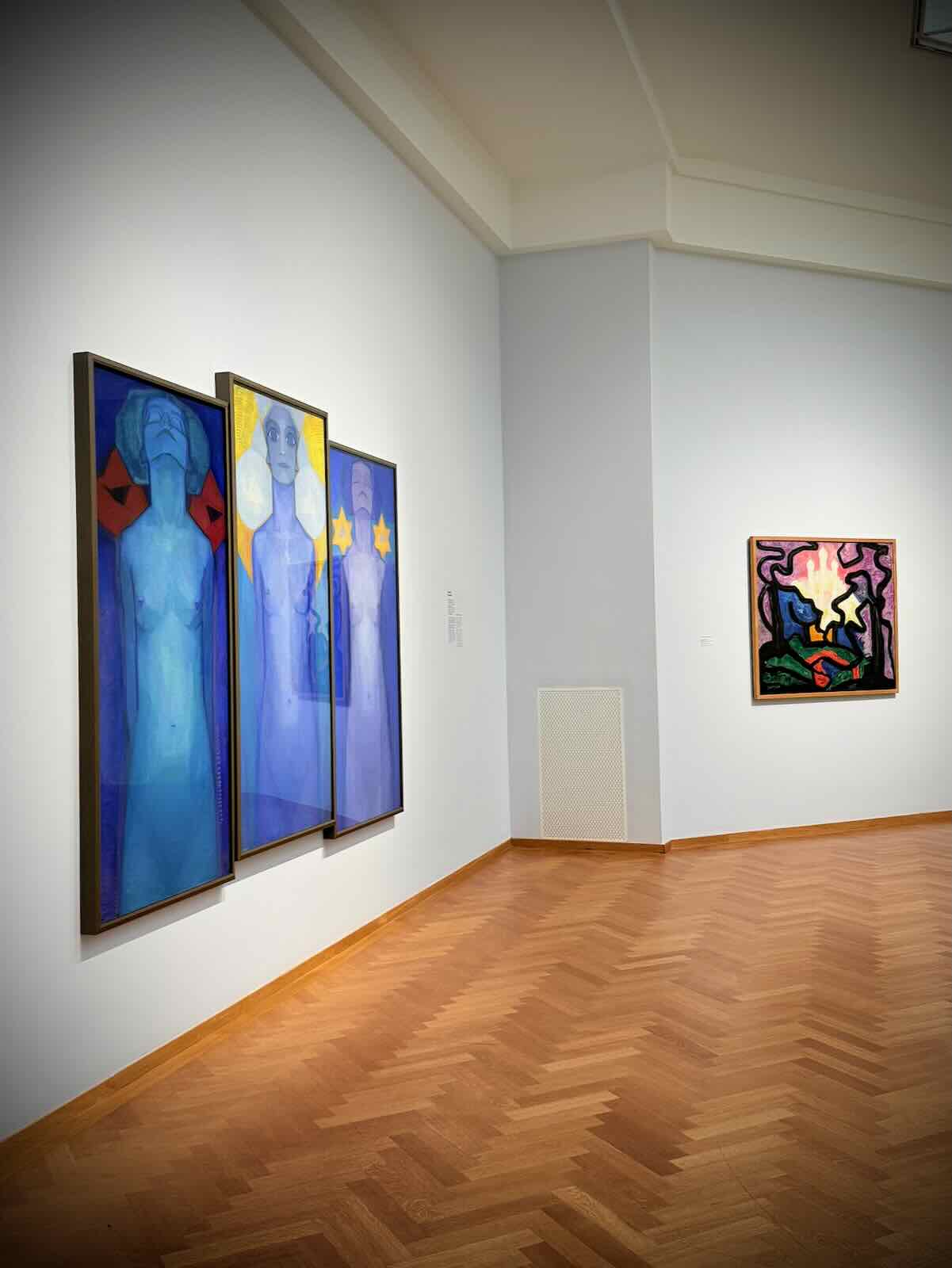
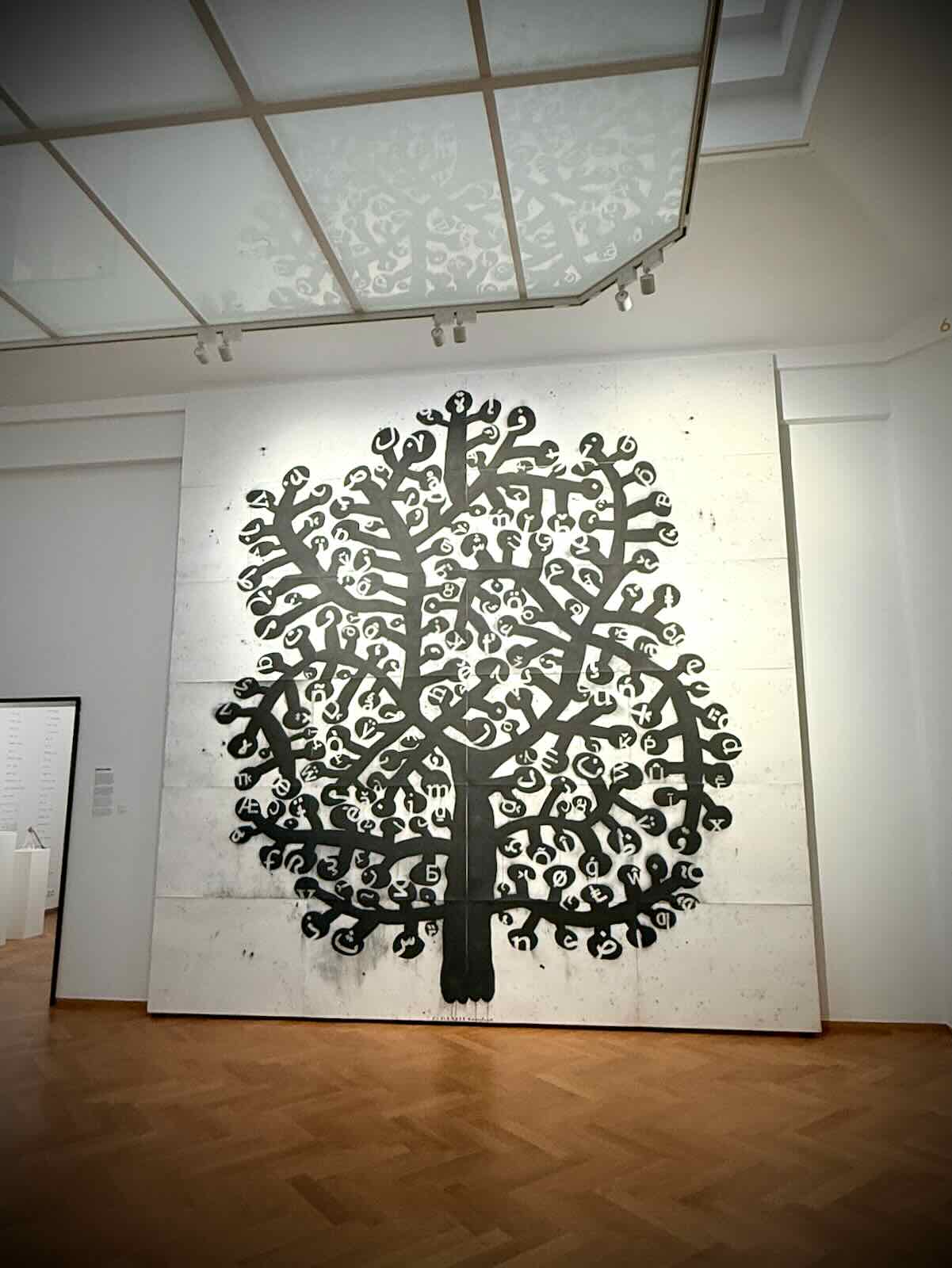
After stopping for coffee and cake at the Grand Café, in the fantastic central atrium, we continued exploring the museum. We took in much of the permanent collection, which focuses on De Stijl and its most famous artist, Piet Mondrian. It also includes his final unfinished work Victory Boogie Woogie.
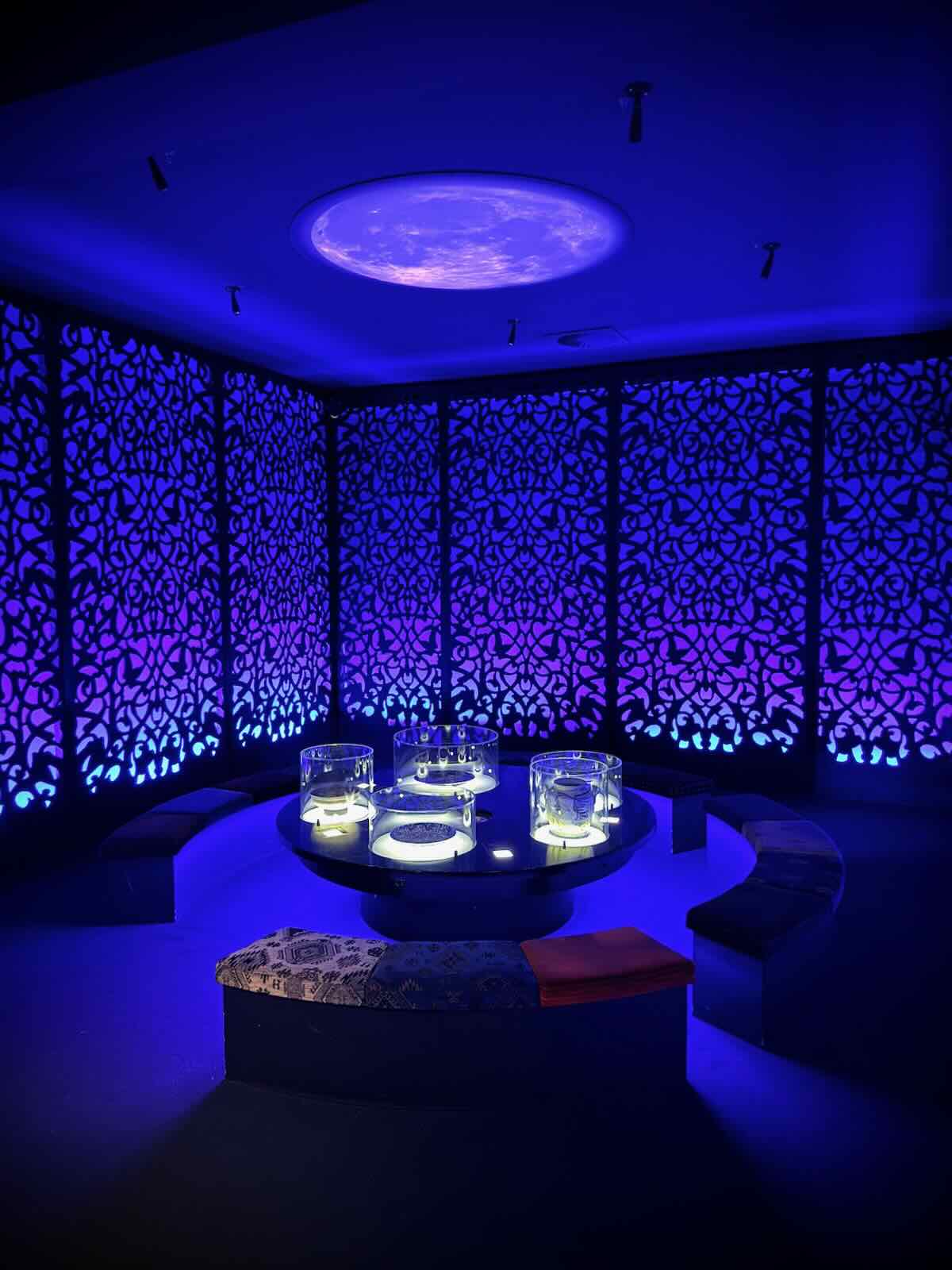
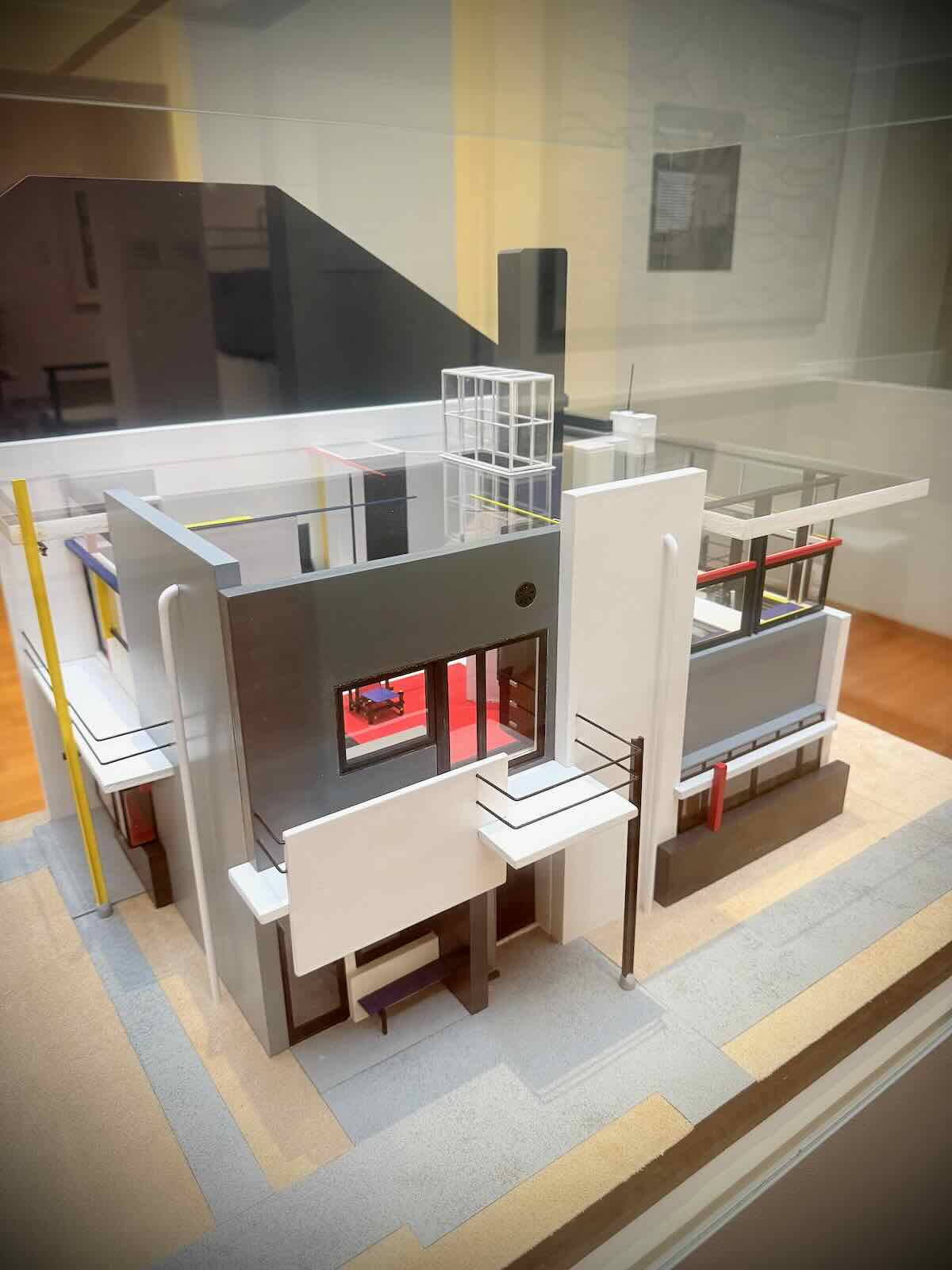
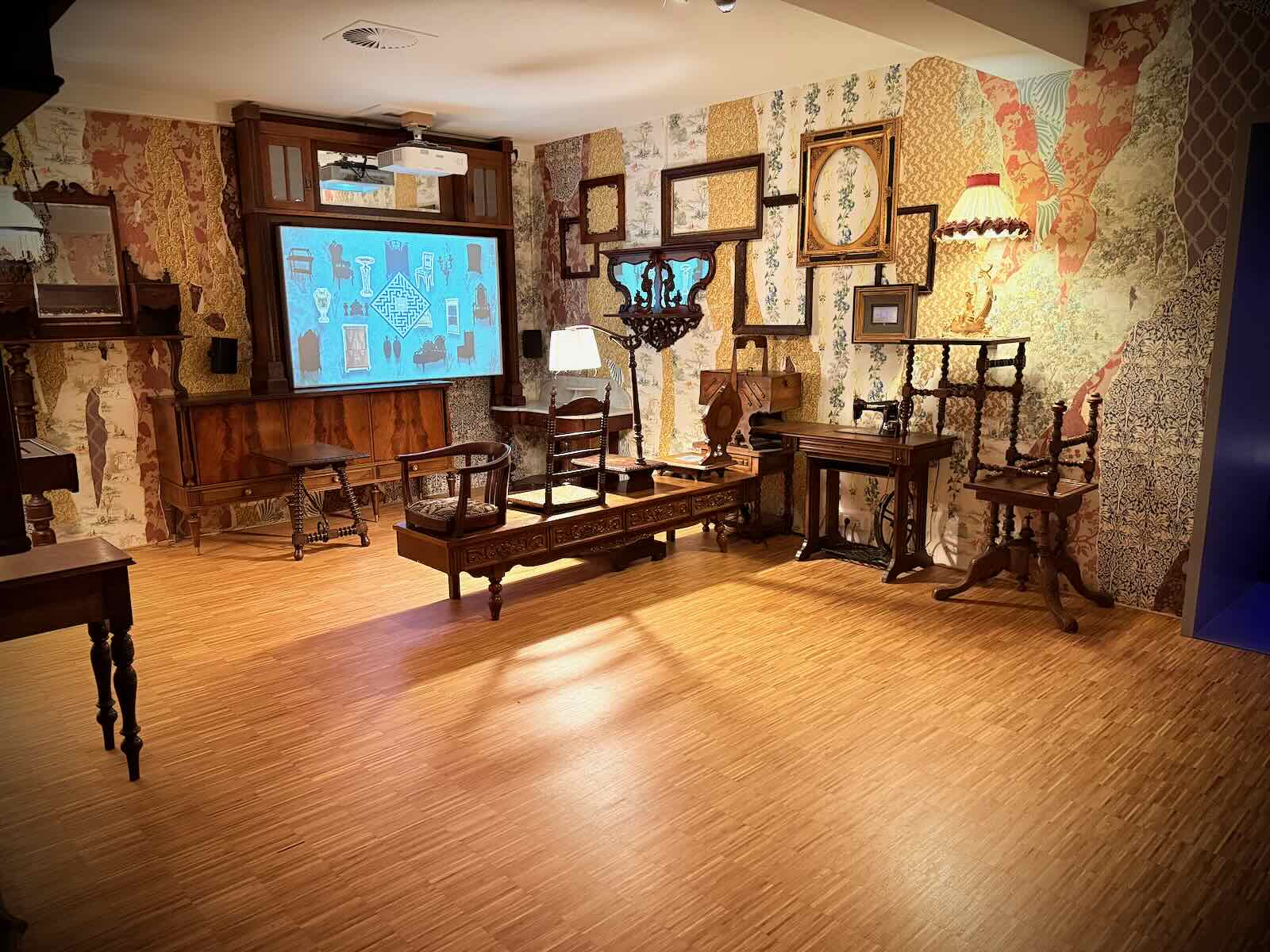
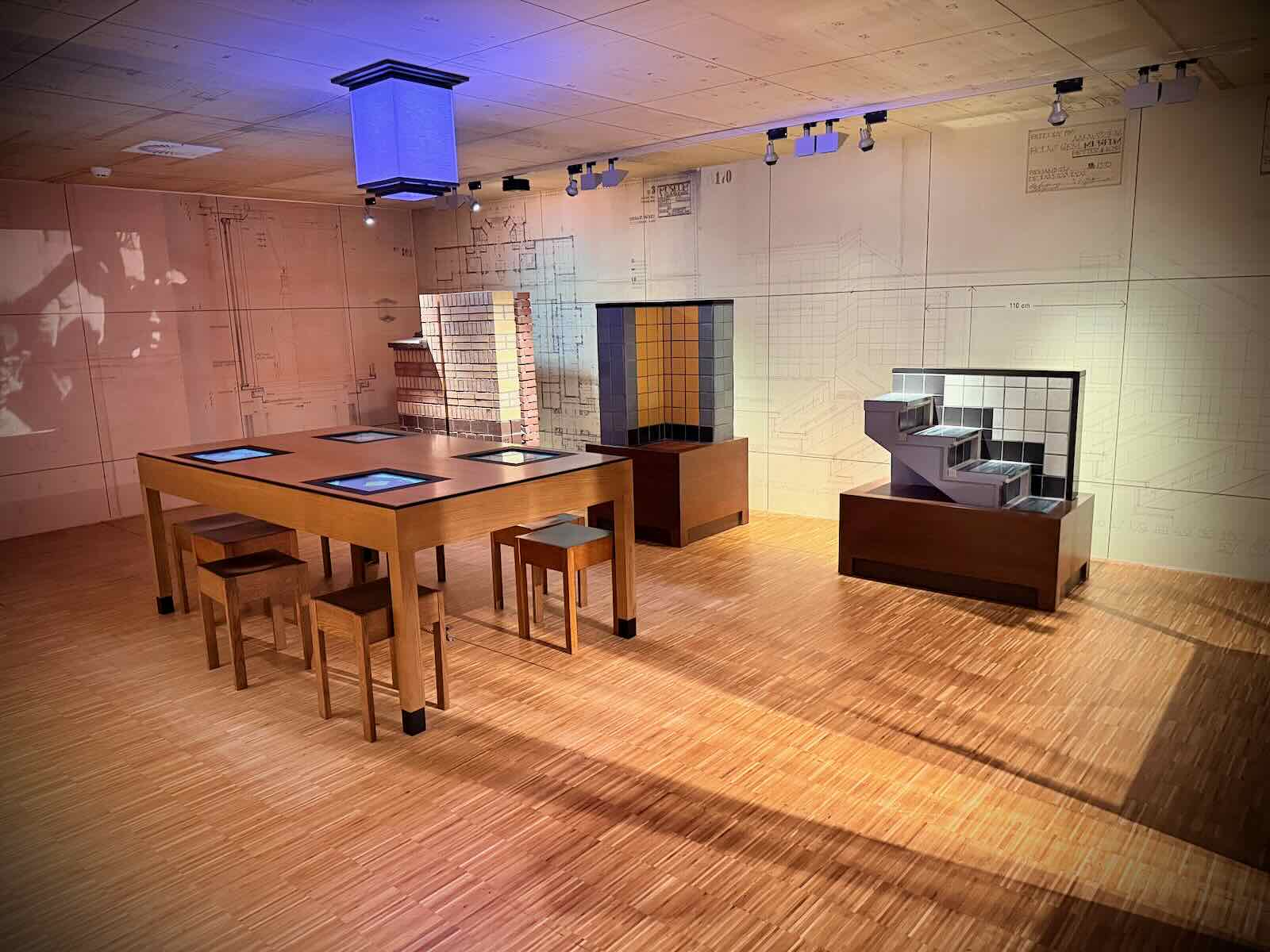
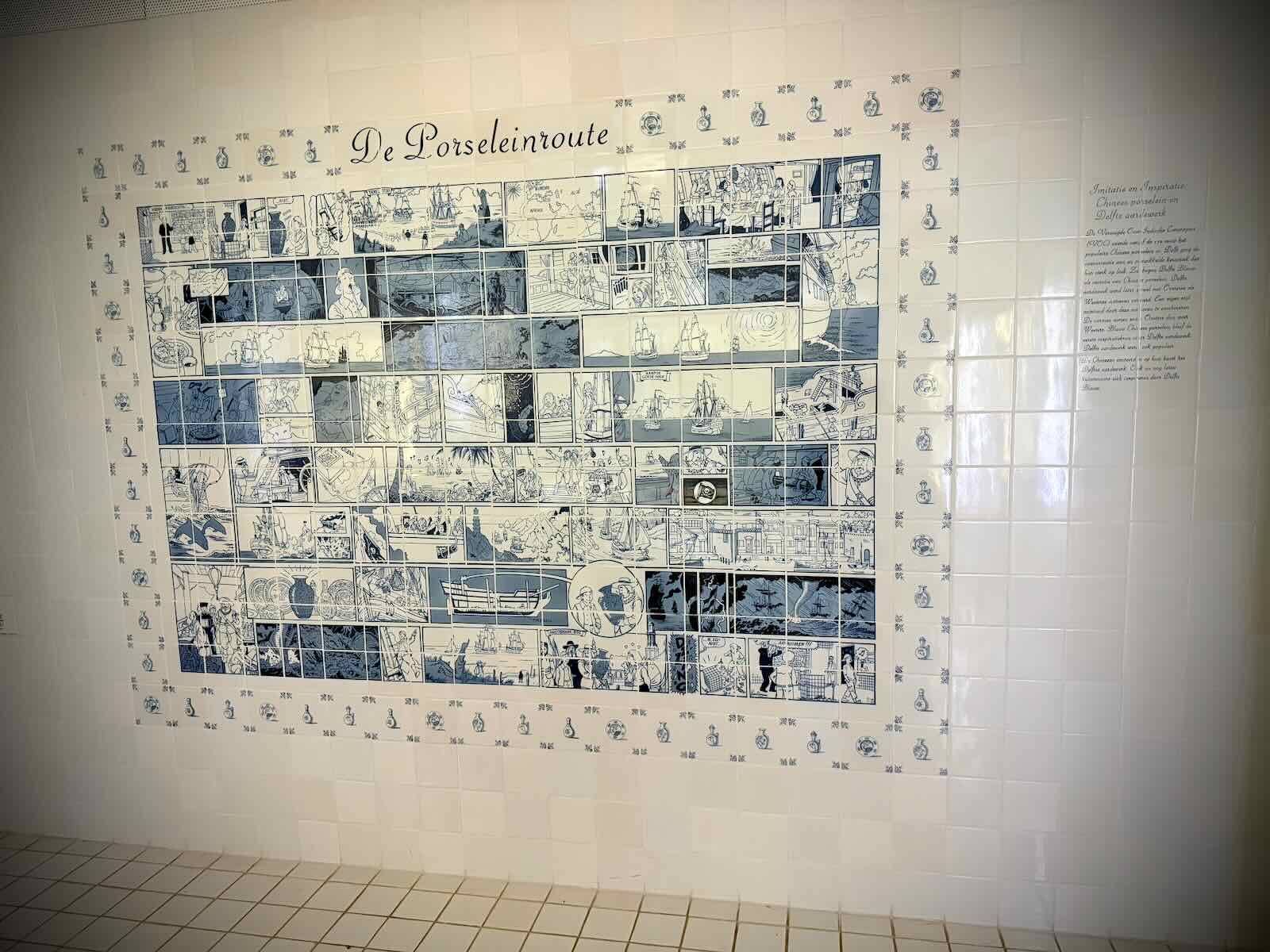
Splitting from the others, I headed into Chambers of Wonder. This is a very child-friendly exhibition, featuring a series of themed rooms, which varied massively. One of the rooms included models of the museum. Featuring the museum’s interior tile and exterior brick surfaces.
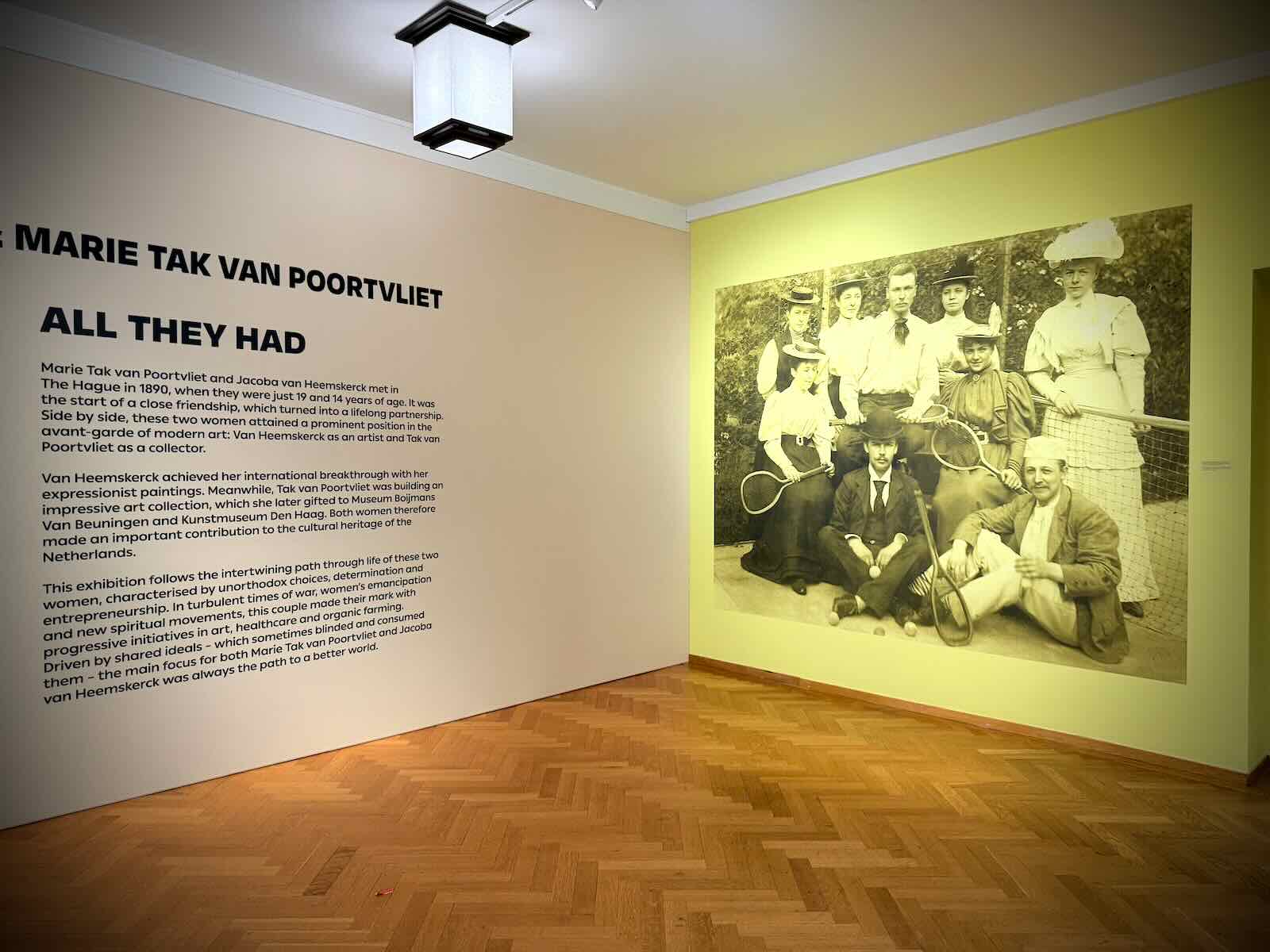
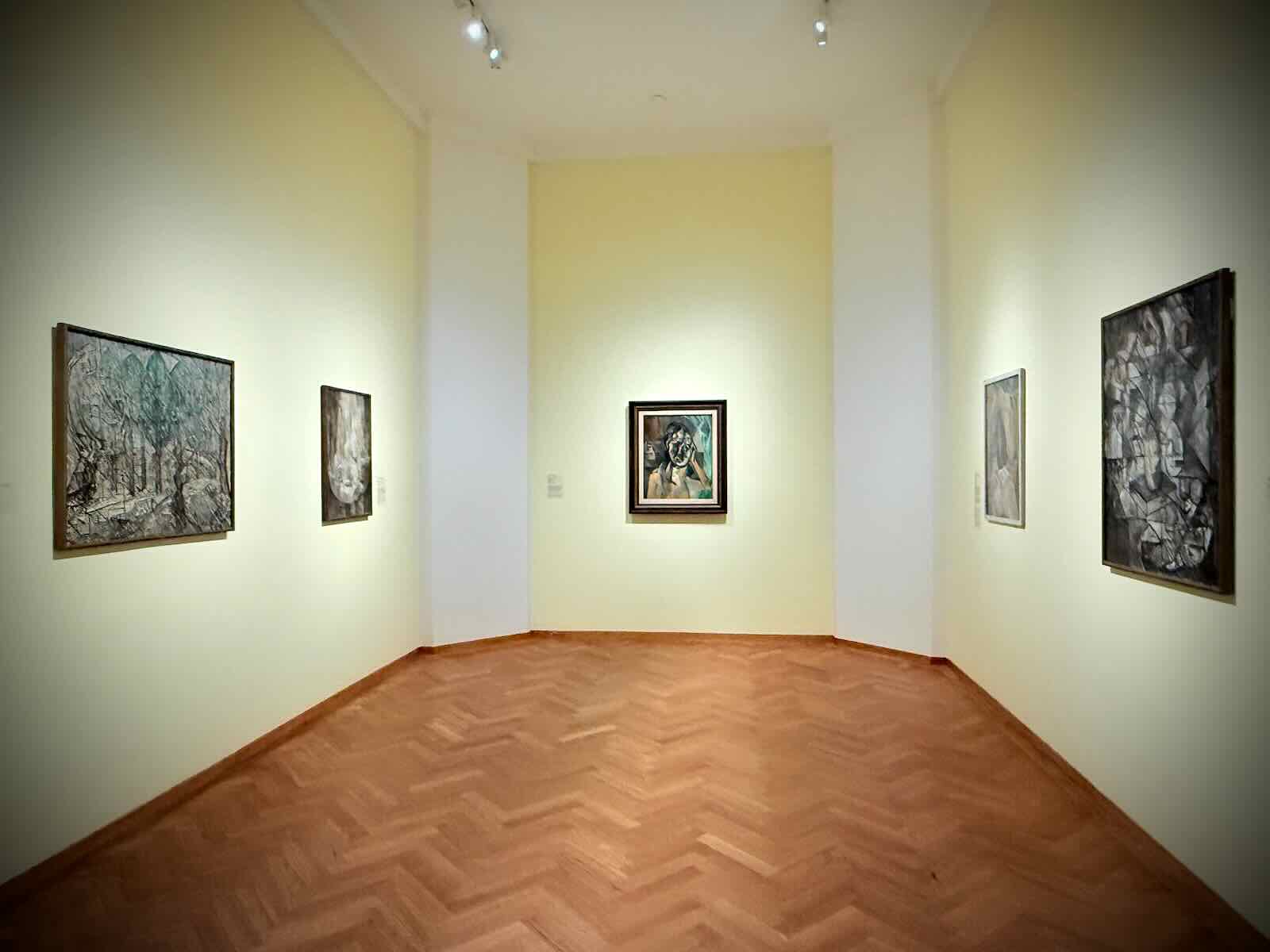
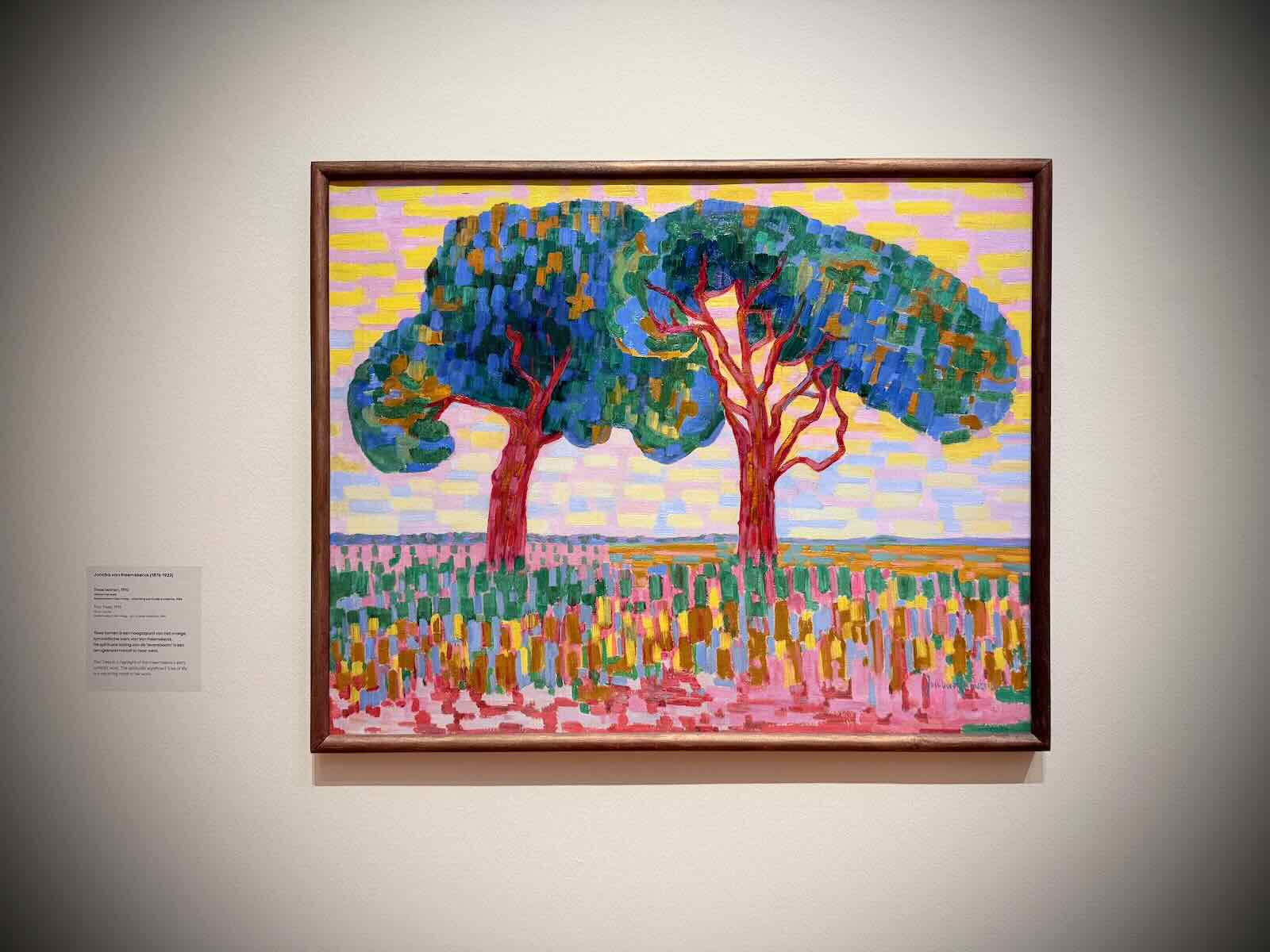
Now running out of time, I had a whistle-stop tour of more of the collection. This included the odd Picasso, as well as work by Marie Tak van Poortvliet and Jacoba van Heemskerck in the All they had exhibition.
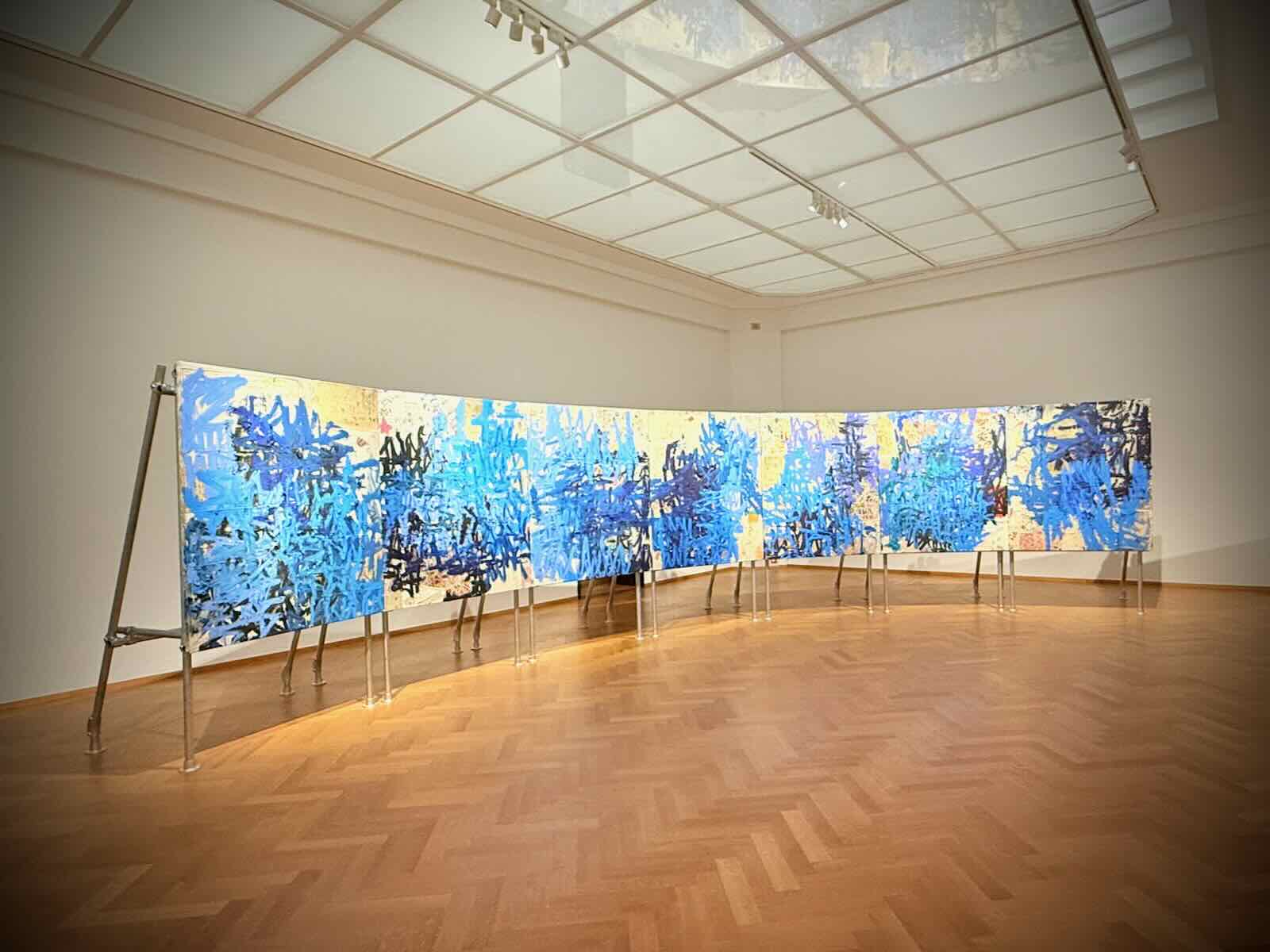
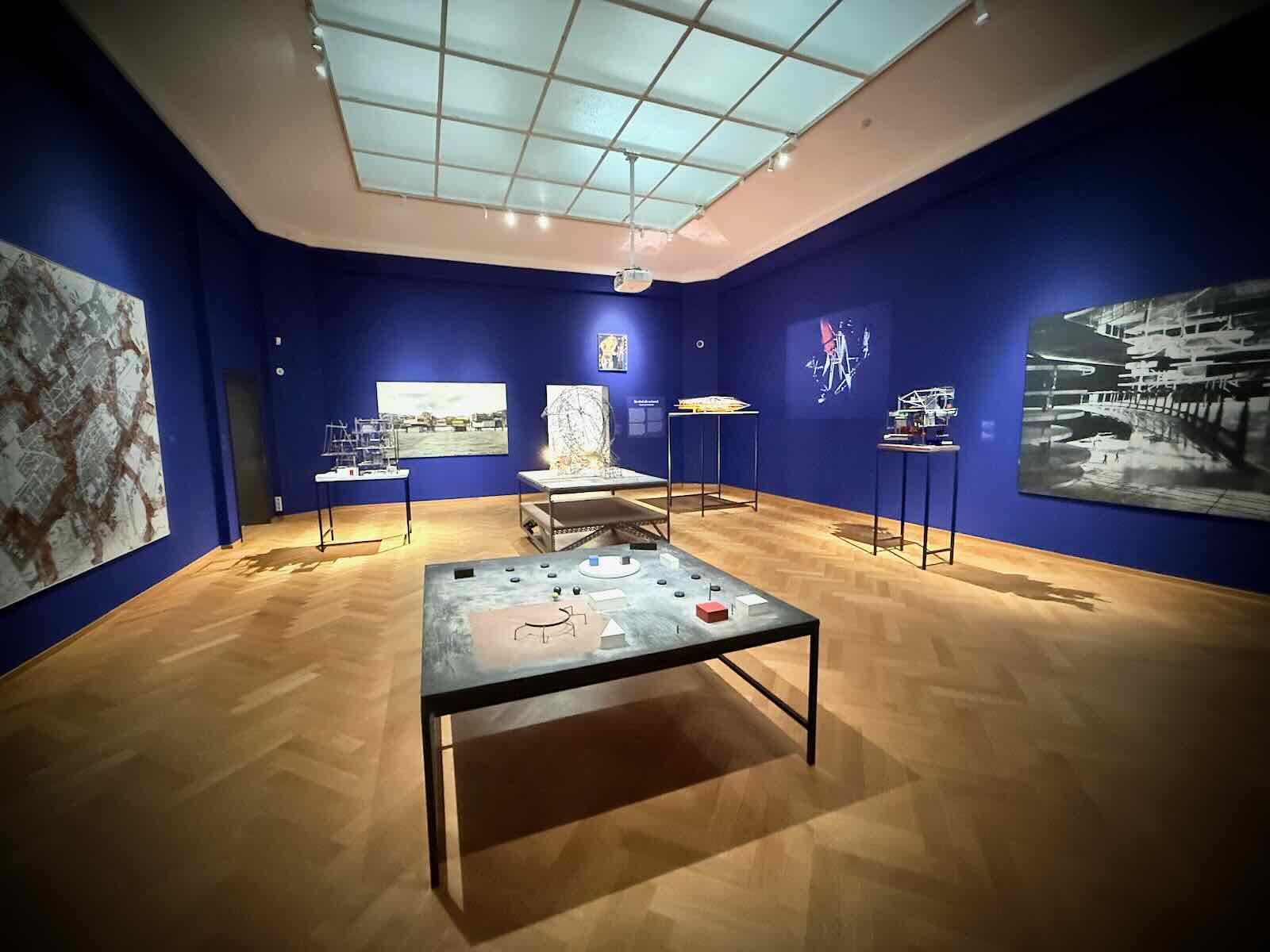
I then continued onto the New New Babylon exhibition, featuring leading and emerging visual artists, designers, thinkers and activists. At this point, the museum was closing, so I didn’t really get chance to take much in.
We really enjoyed going round Kunstmuseum Den Haag. It didn’t feel as busy and intimidating as somewhere like Tate Modern or Centre Pompidou, making for a relaxing experience. It was only a shame we didn’t get there earlier.



Riding back
With the museum closed, it was time to ride back to Duinrell. We initially had some issues getting out of the area. This was due to some road closures on the route we were being directed on. But eventually, we got on the route back.
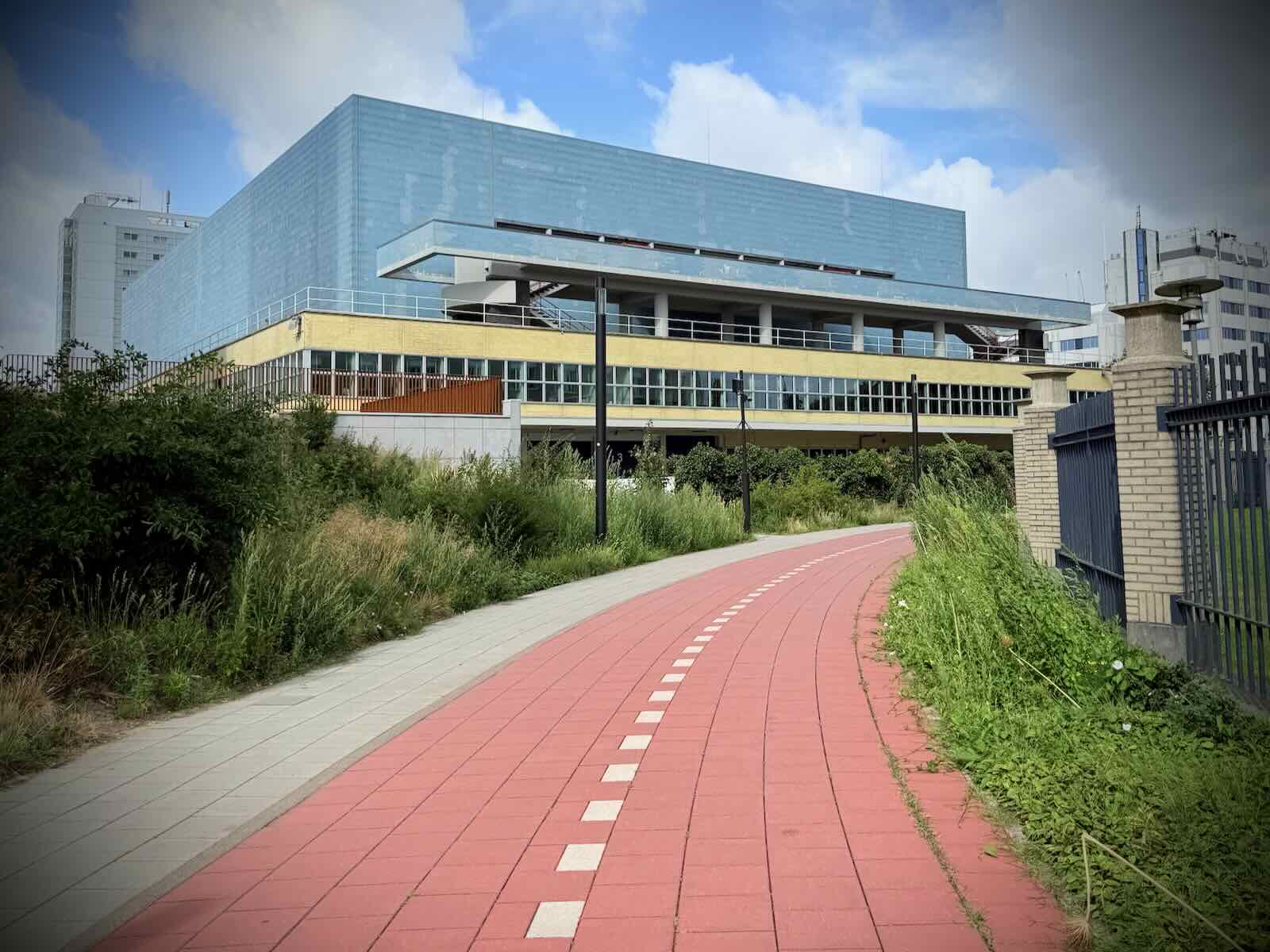
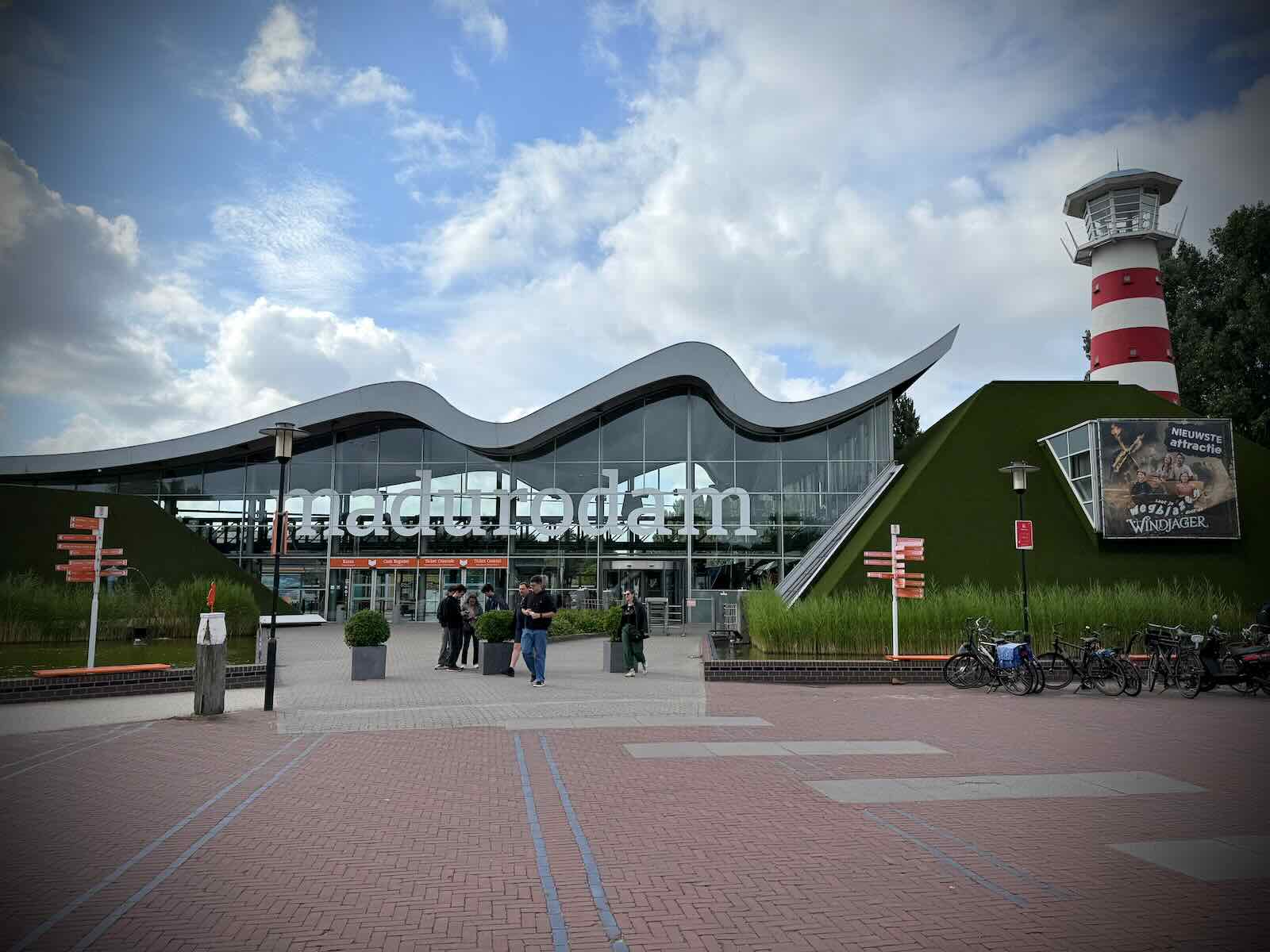
We ended up taking the street route back from Madurodam, largely on the route I did to Scheveningen. This took us past the NATO Communications and Information Agency building back over the N440 twice on Buurtweg.
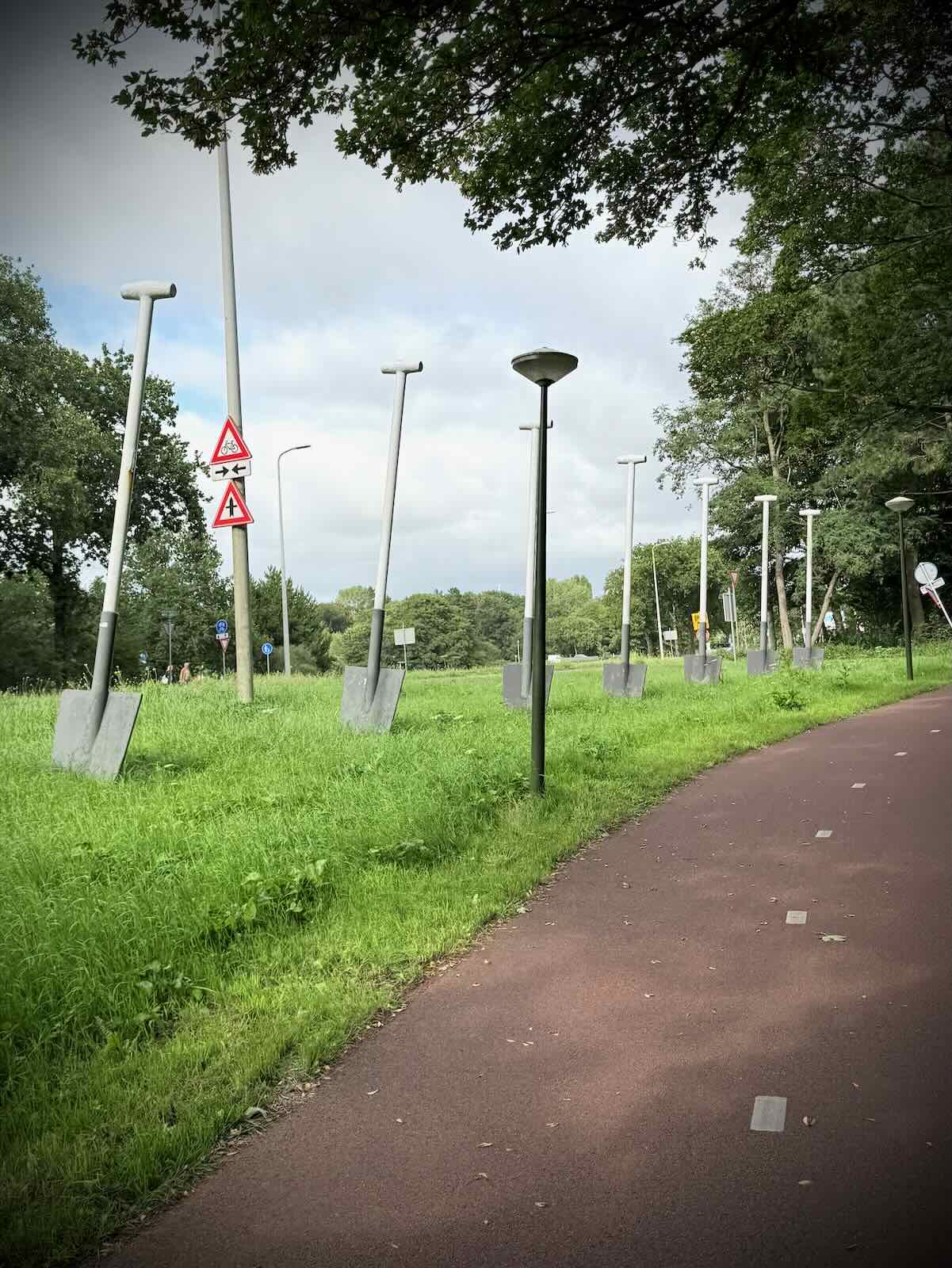
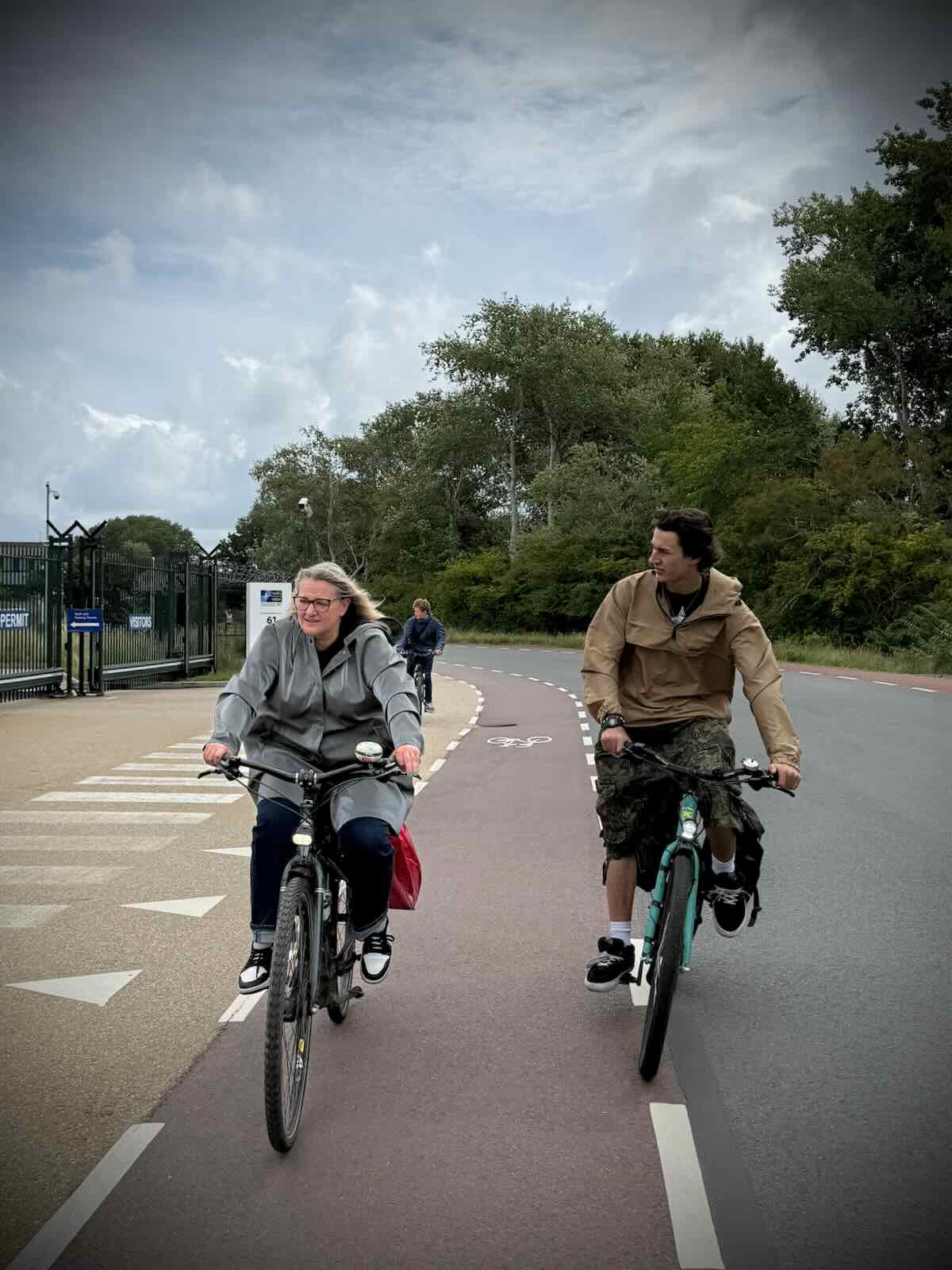
Once over the N440 for the second time, we continued along Buurtweg. Then onto Groot Haesebroekseweg, instead of on the newly reconstructed section of Storm van ‘s-Gravesandeweg. It wasn’t long before we arrived back at Duinrell.
More Netherlands 25 posts
Further posts from our trip to the Netherlands in 2025
- Two weeks at Duinrell
- Riding the Velostrada from Leiden to Den Haag
- Evening ride to the beach at Wassenaarse Slag
- Riding from Duinrell to Rotterdam
- Loop ride around Vlietland
- Riding from Duinrell to Delft
- Riding to Katwijk aan Zee for lunch
- Riding from Duinrell to Leiden
- A day trip to Amsterdam
- More wandering in Leiden
- Loop ride from Duinrell to Scheveningen
- Riding from Duinrell to Den Haag
- Riding to Kunstmuseum Den Haag
- One final ride to Leiden
- Visiting the Tij Observatory
 Dom Cycling