
The wonderful city of Delft is somewhere we’ve been a few times over the years, with our last visit there in 2022. While we’ve got there by various means, including bike, tram and car, we’ve never cycled there directly from Duinrell.
Our first visit there was in 2014, when much of the area around the station was a building site, as the railway viaduct along Phoenixstraat was being buried and the station rebuilt. It looked a very different city back then.
We returned to the city in 2015, during our stay in Den Haag, where we were able to get a tram from outside our apartment to Delft. After a break for a few years, I returned to Delft in 2019 on a solo ride, while leaving the others at Madurodam.
That last trip in 2022 was as we were returning to the UK, when we parked the car on the outskirts of the city at Sportpark Den Hoorn, then cycled our way in.
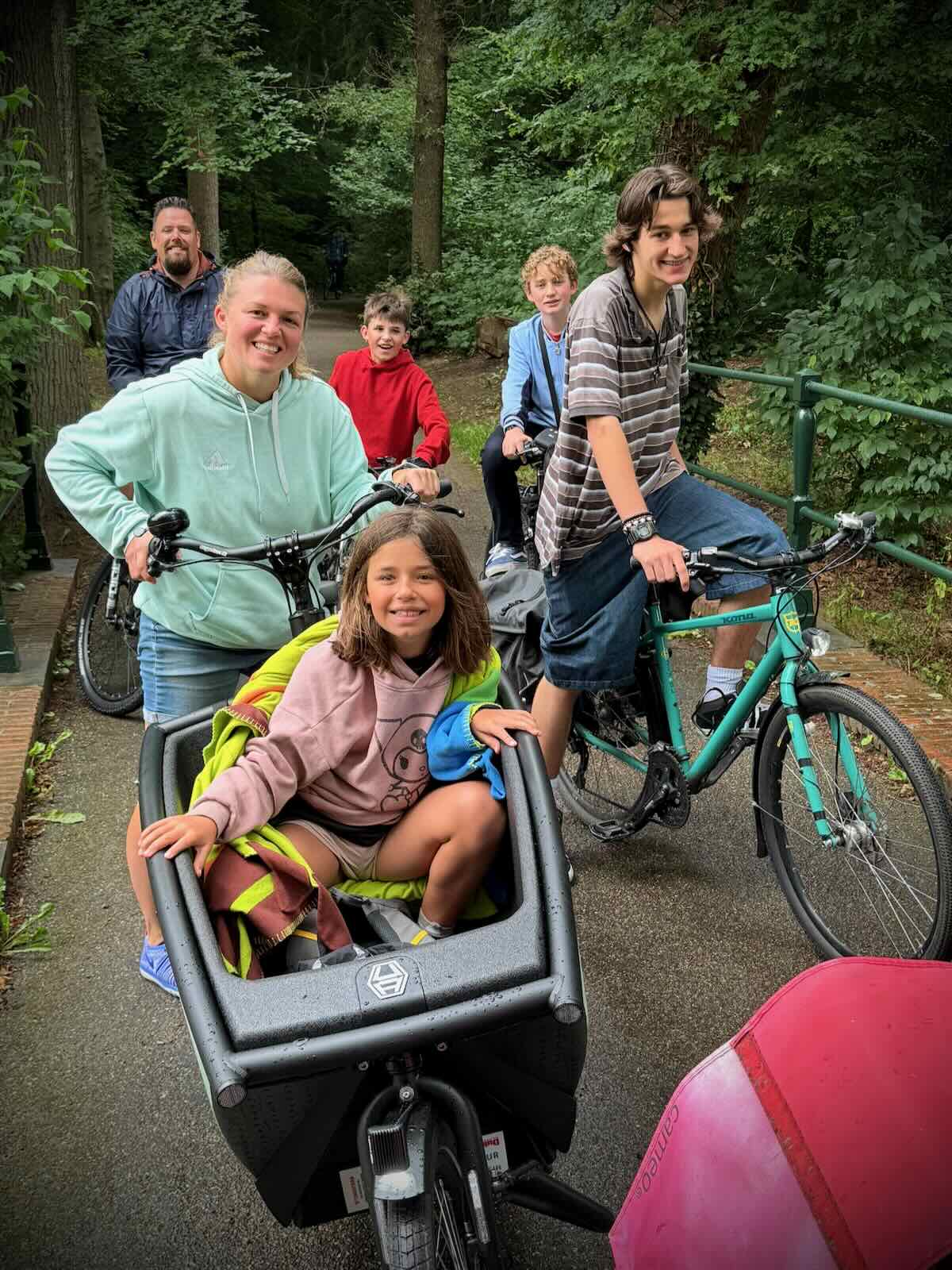
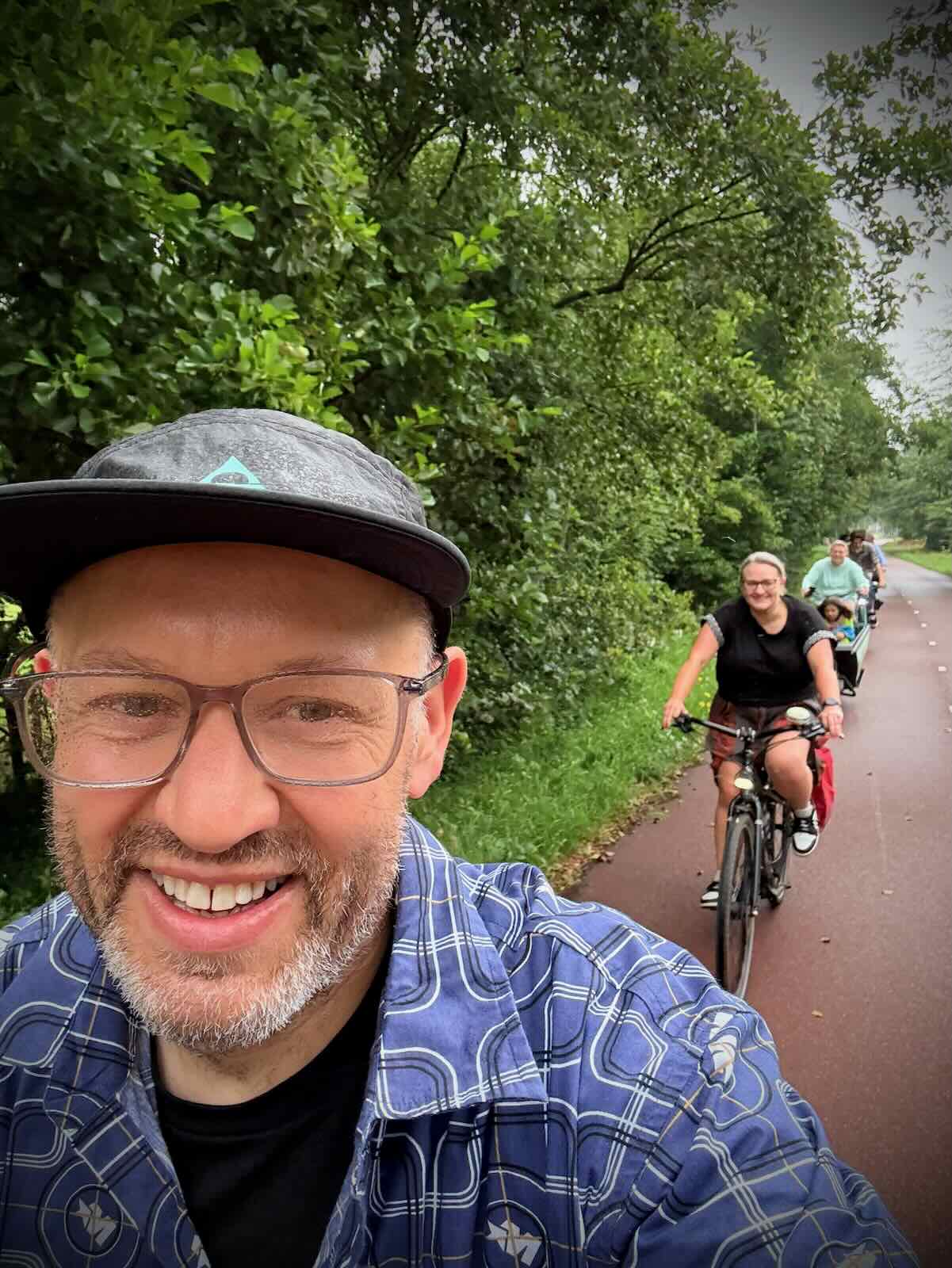
By 2025, we were definitely due a return visit and given we were at Duinrell for two weeks, we weren’t short of time. This wouldn’t be a solo ride, as I’d have the whole group with me, and we’d be doing the direct route, rather than going via Madurodam.
Riding to Delft
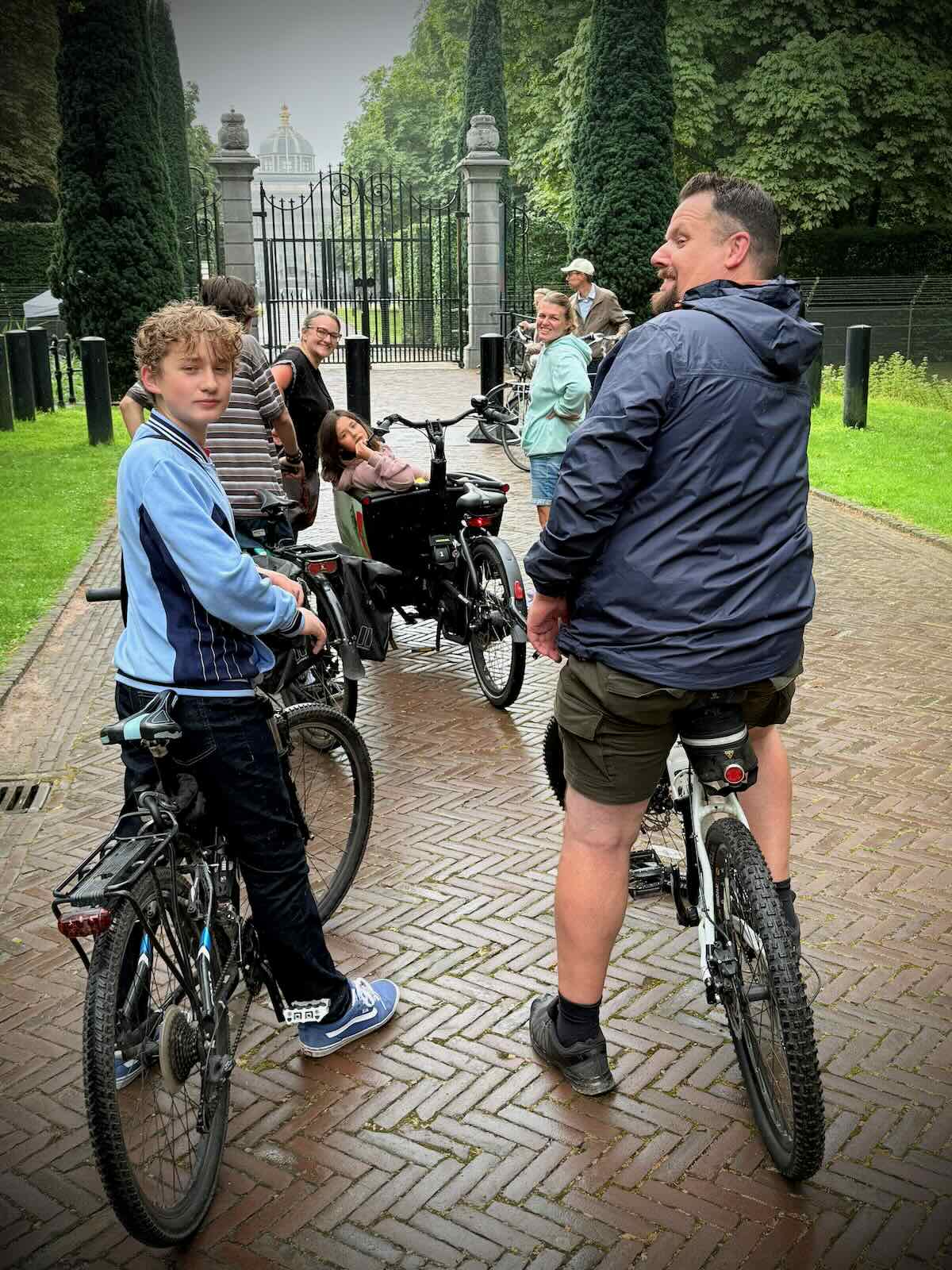
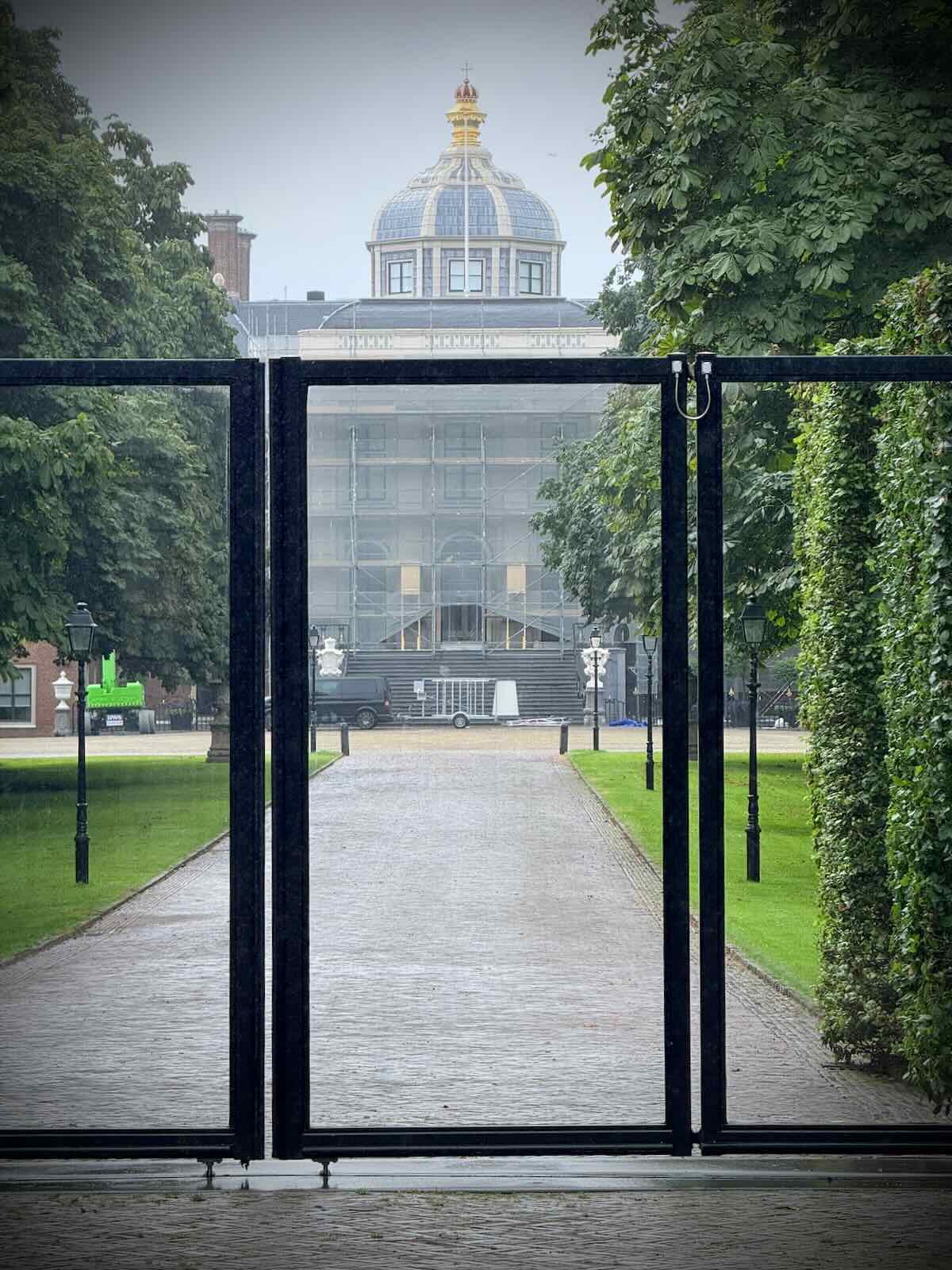
Setting off from Duinrell, we made our way through Wassenaar, across the S101 and into the forest at Haagse Bos, where we made a brief stop at the Royal Palace ‘Huis ten Bosch’. This was all pretty familiar territory for one of our rides around Duinrell.
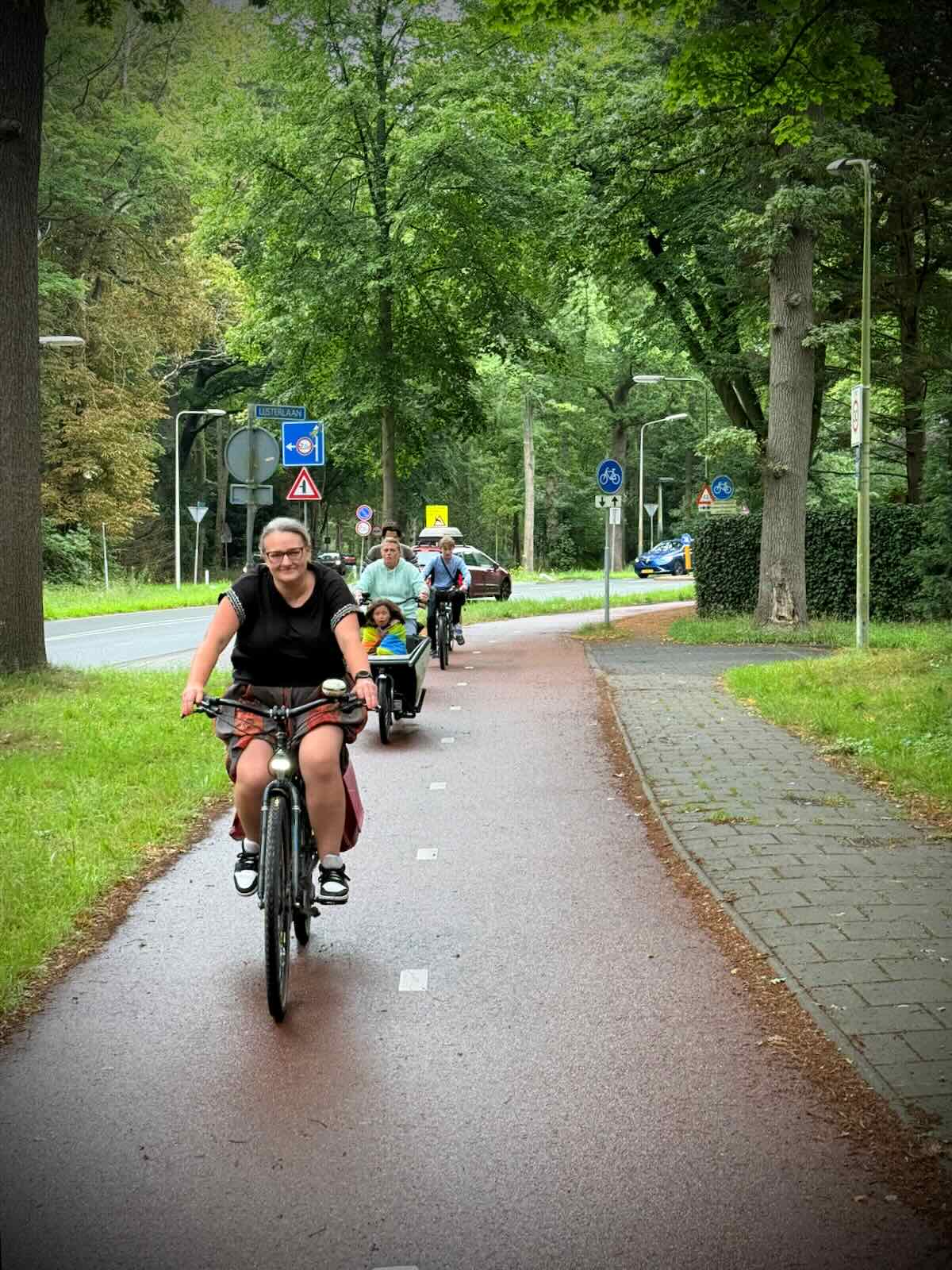
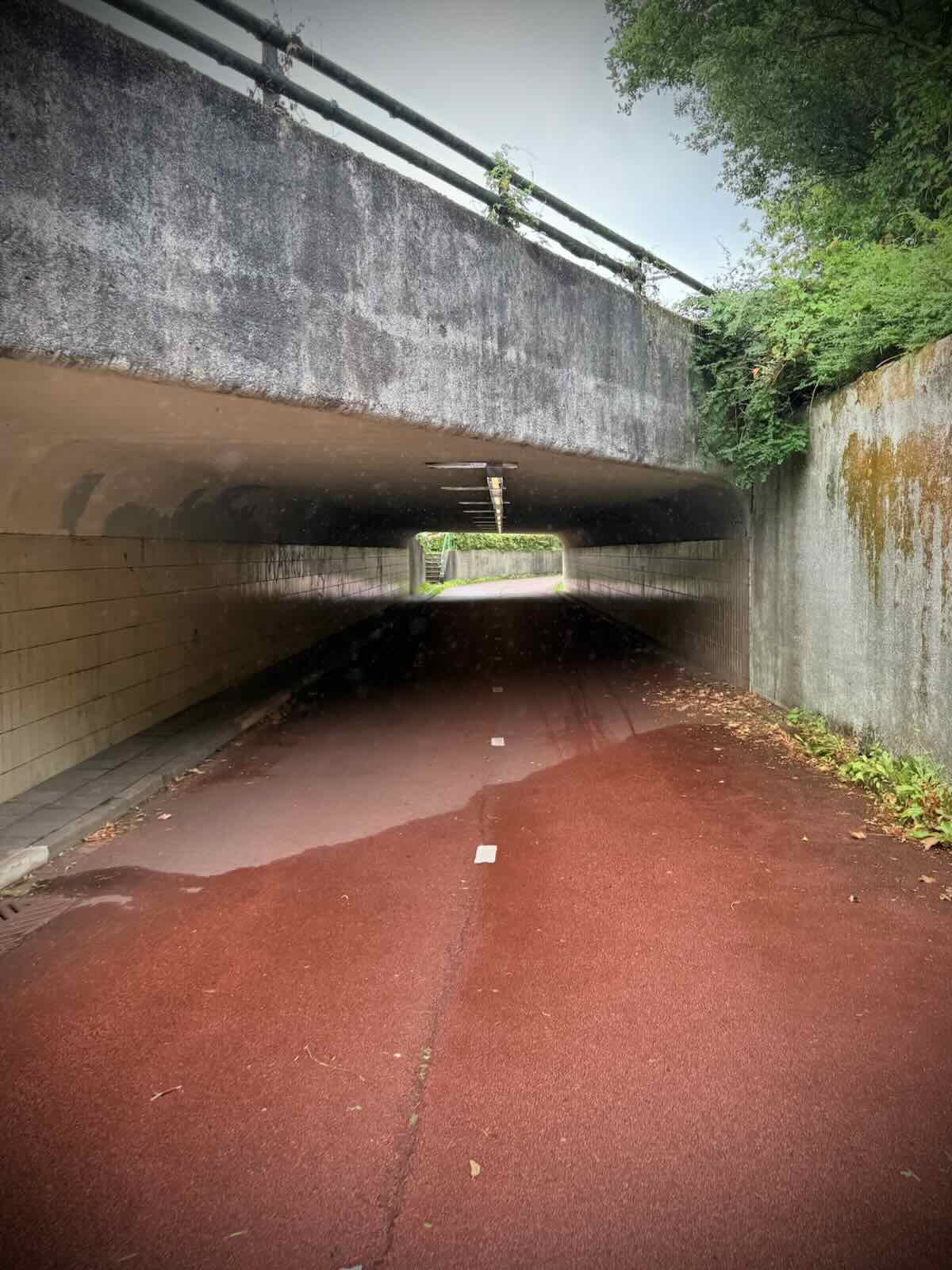
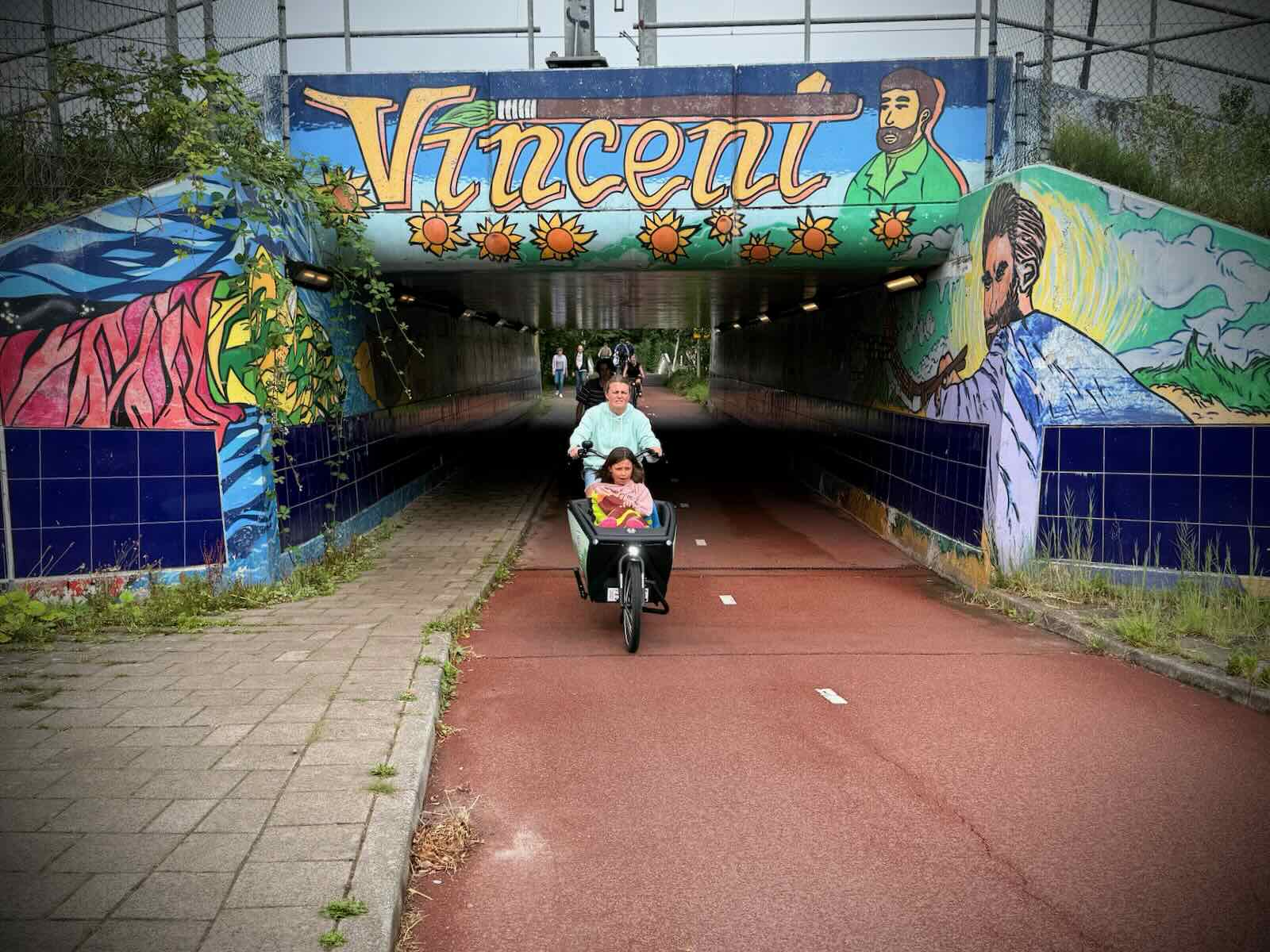
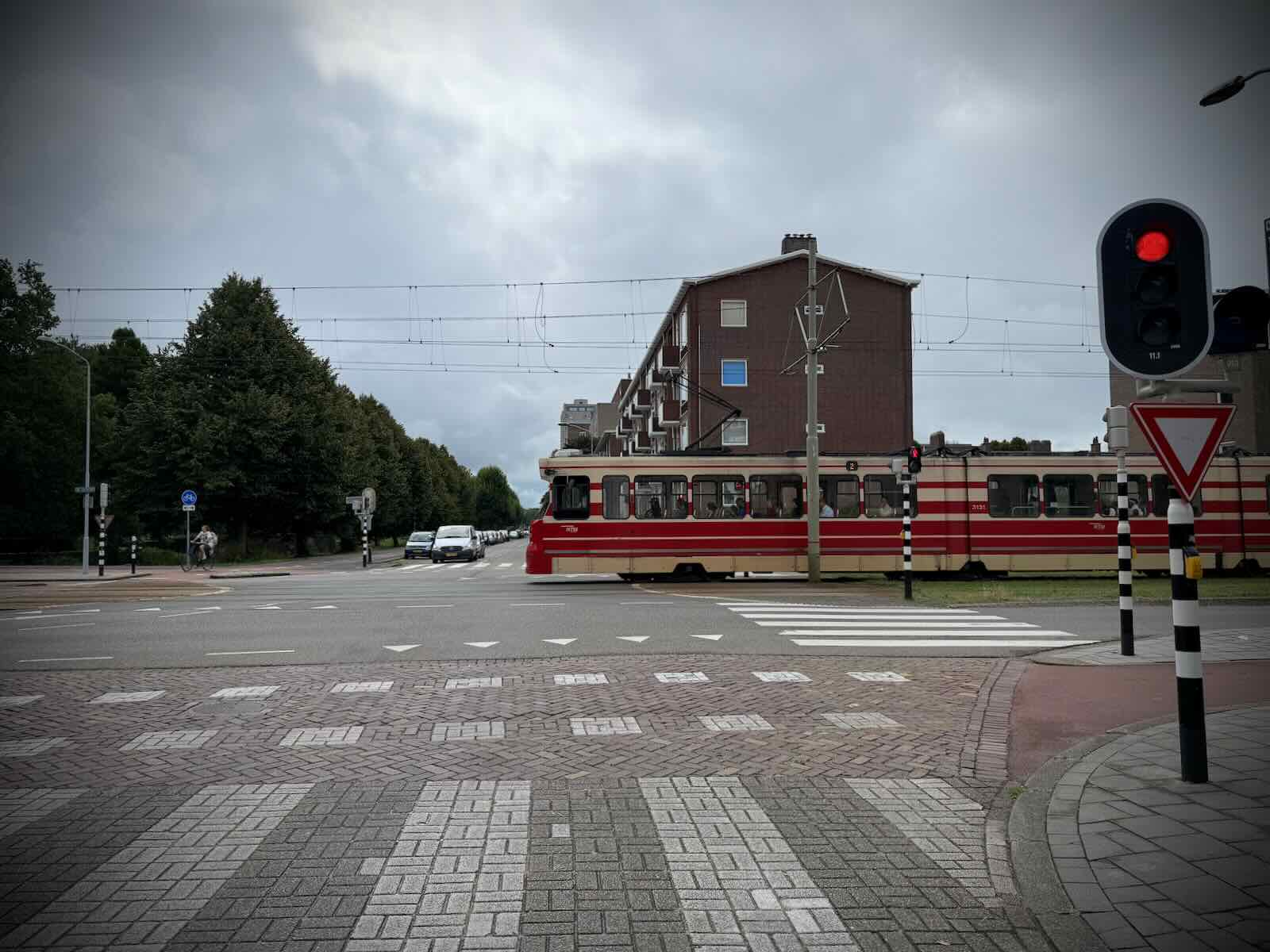
From there, we made our way towards Voorburg, crossing multiple rail lines along the way. The route we were directed by my bike computer took us along largely local roads, with limited cycling infrastructure, so weren’t that great to ride on.
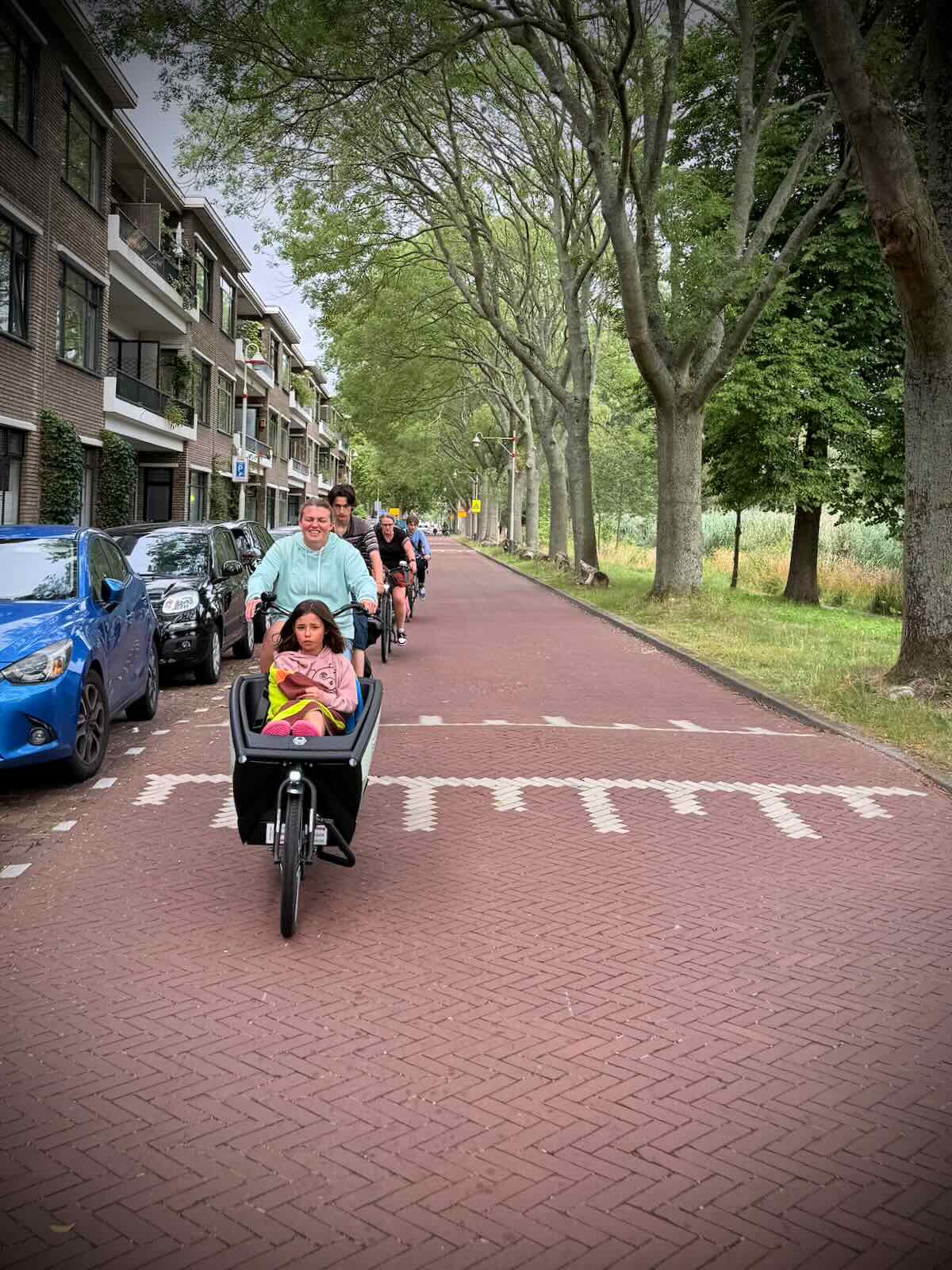
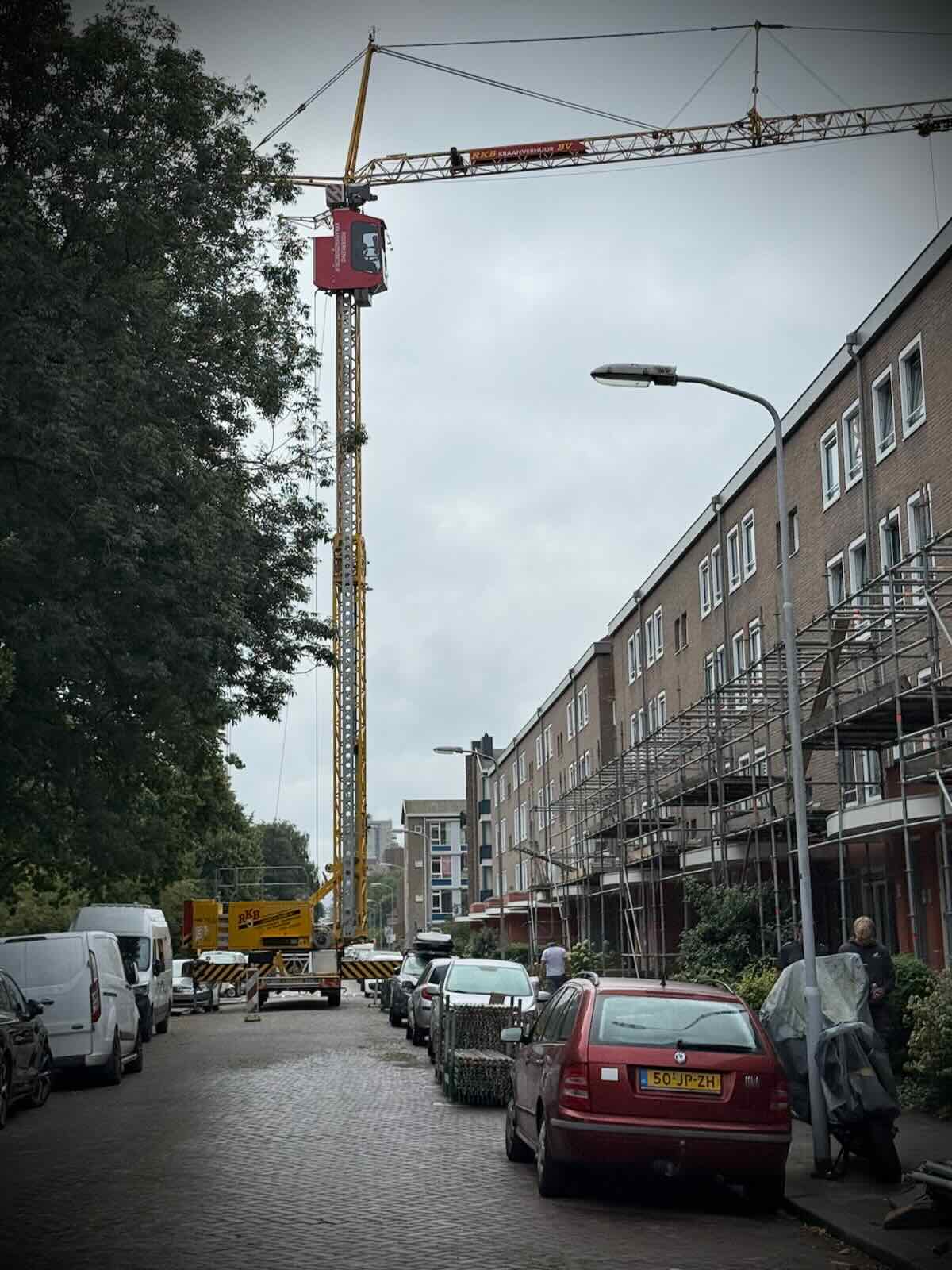
This was especially true, being in a large group with kids and having passing cars getting a bit too close. We also faced the obstacle of a large mobile crane blocking the whole of the road, which required a detour onto the pavement.
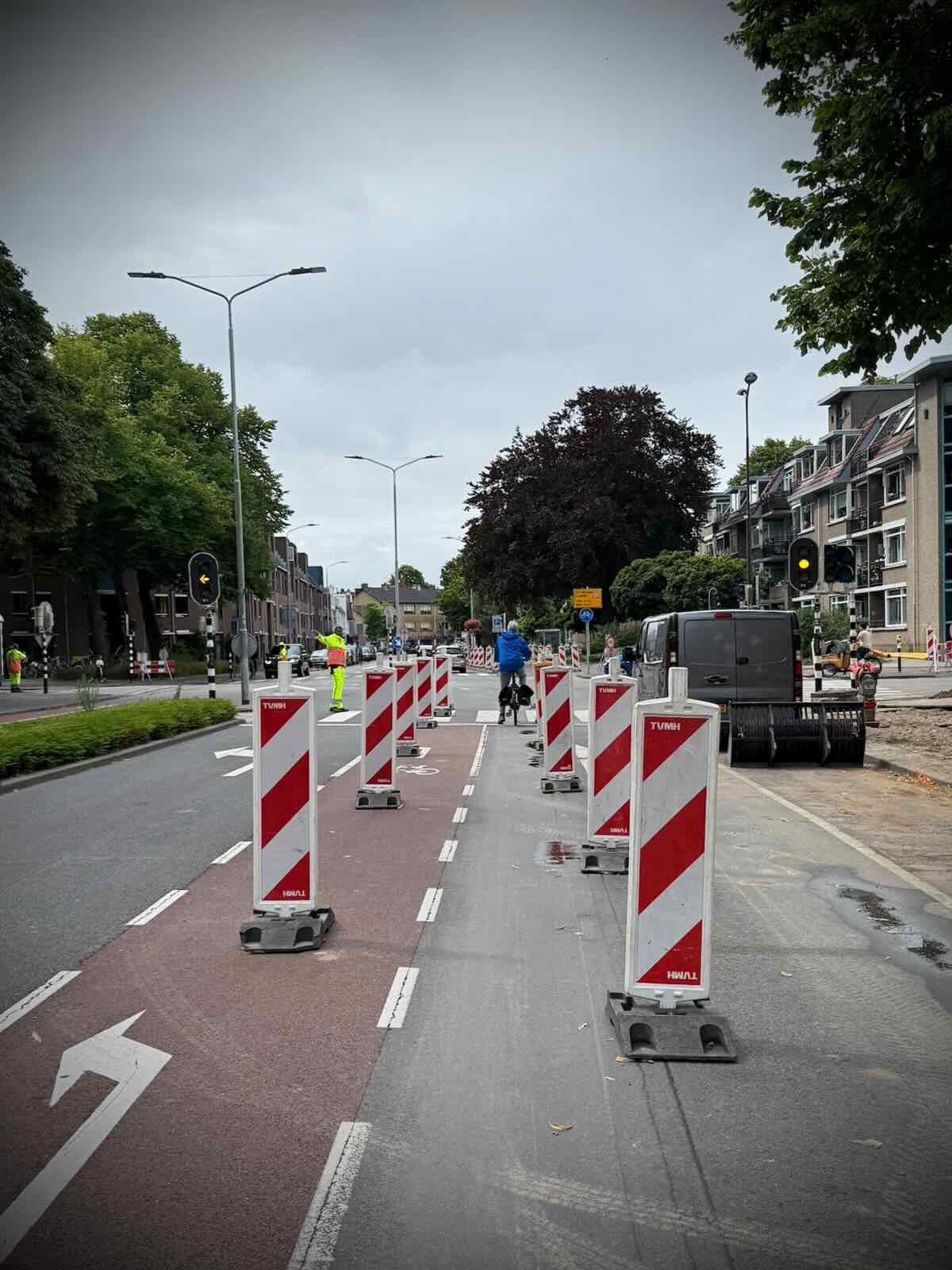
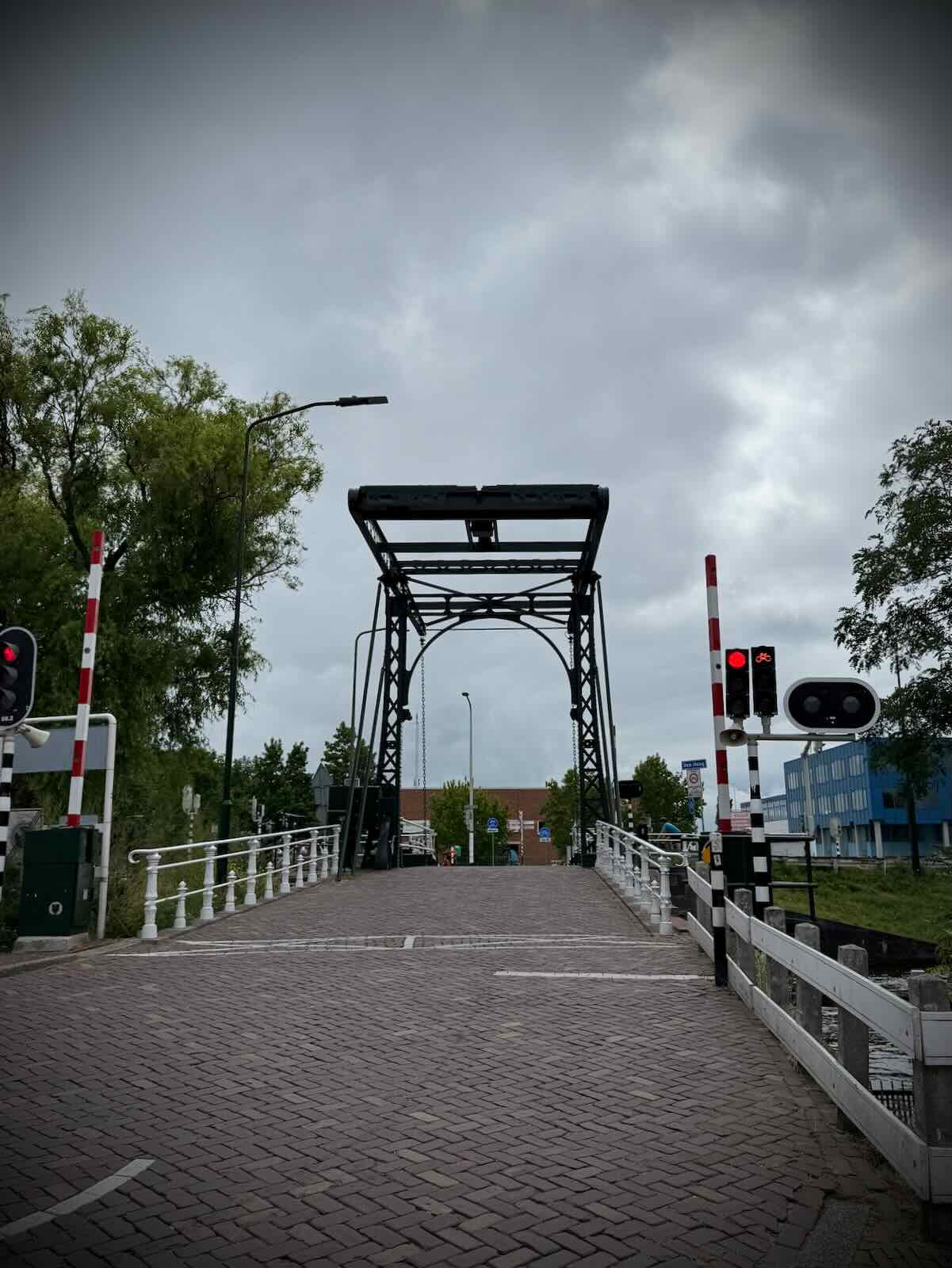
Along the way to Voorburg, we cycled along Parkweg, where there was a significant amount of construction, but thankfully temporary cycle lanes were provided. Arriving in Voorburg, we briefly walked through the town, before riding out of the town on Kerkbrug bridge, crossing the canal.
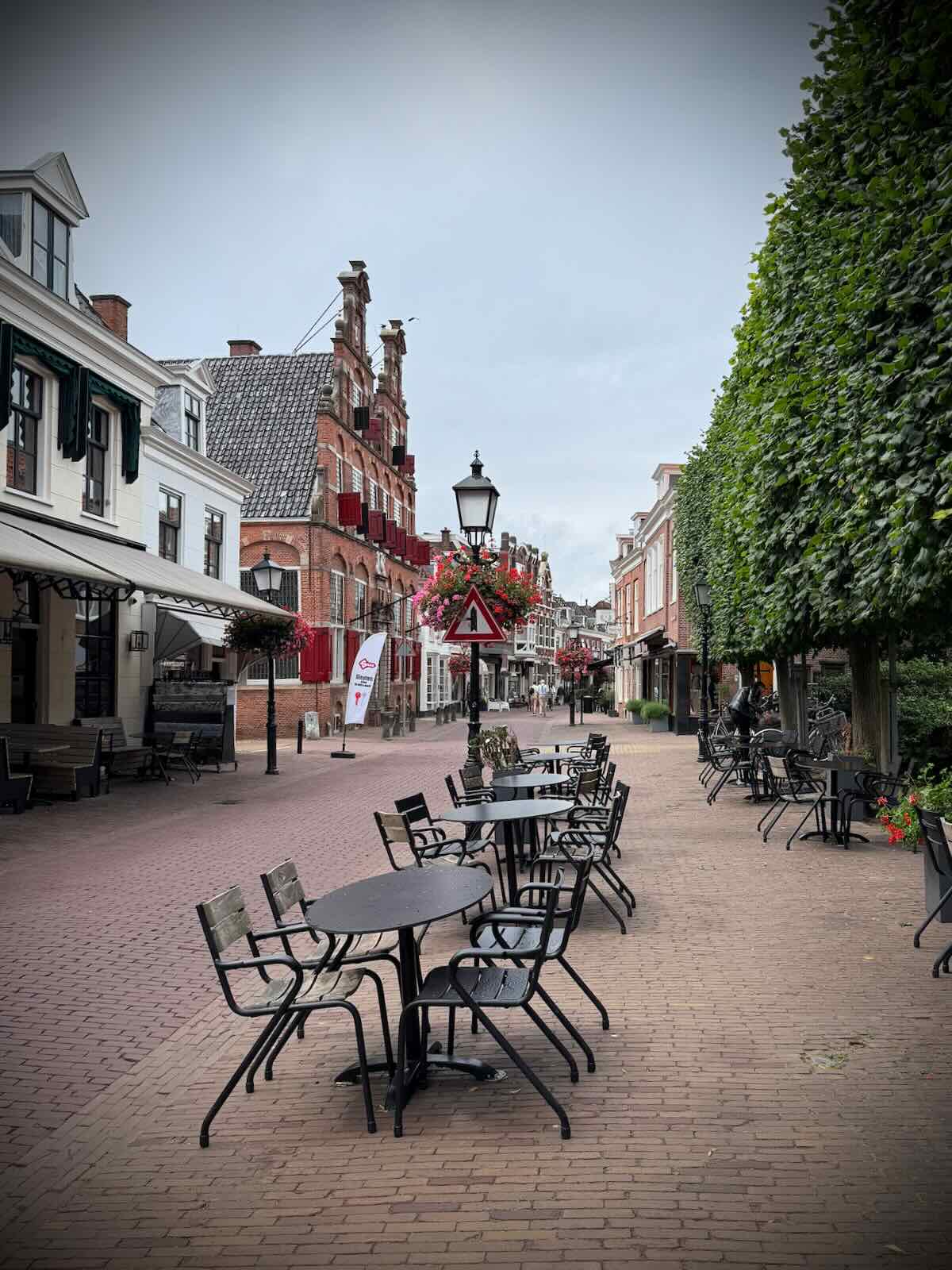
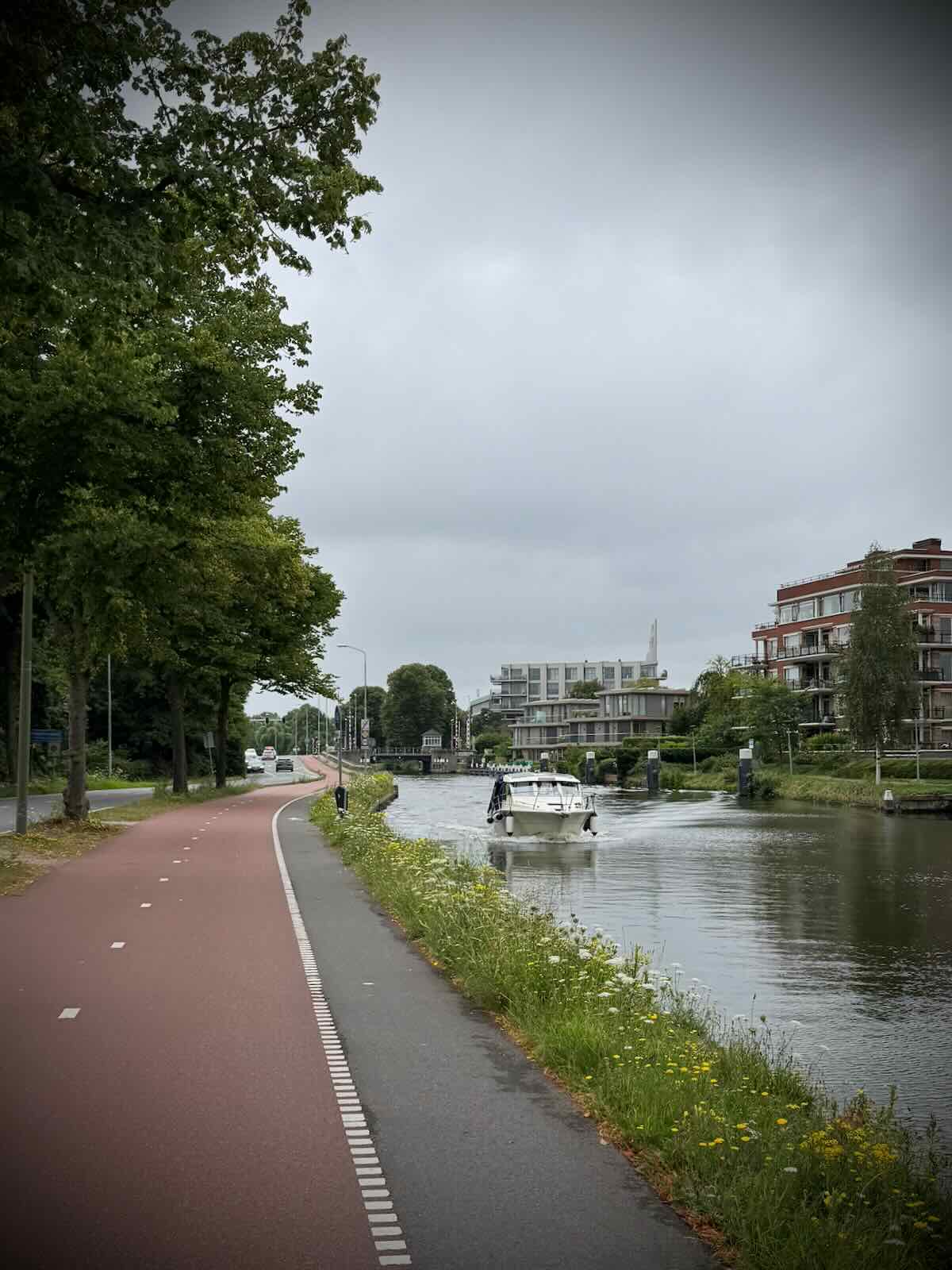
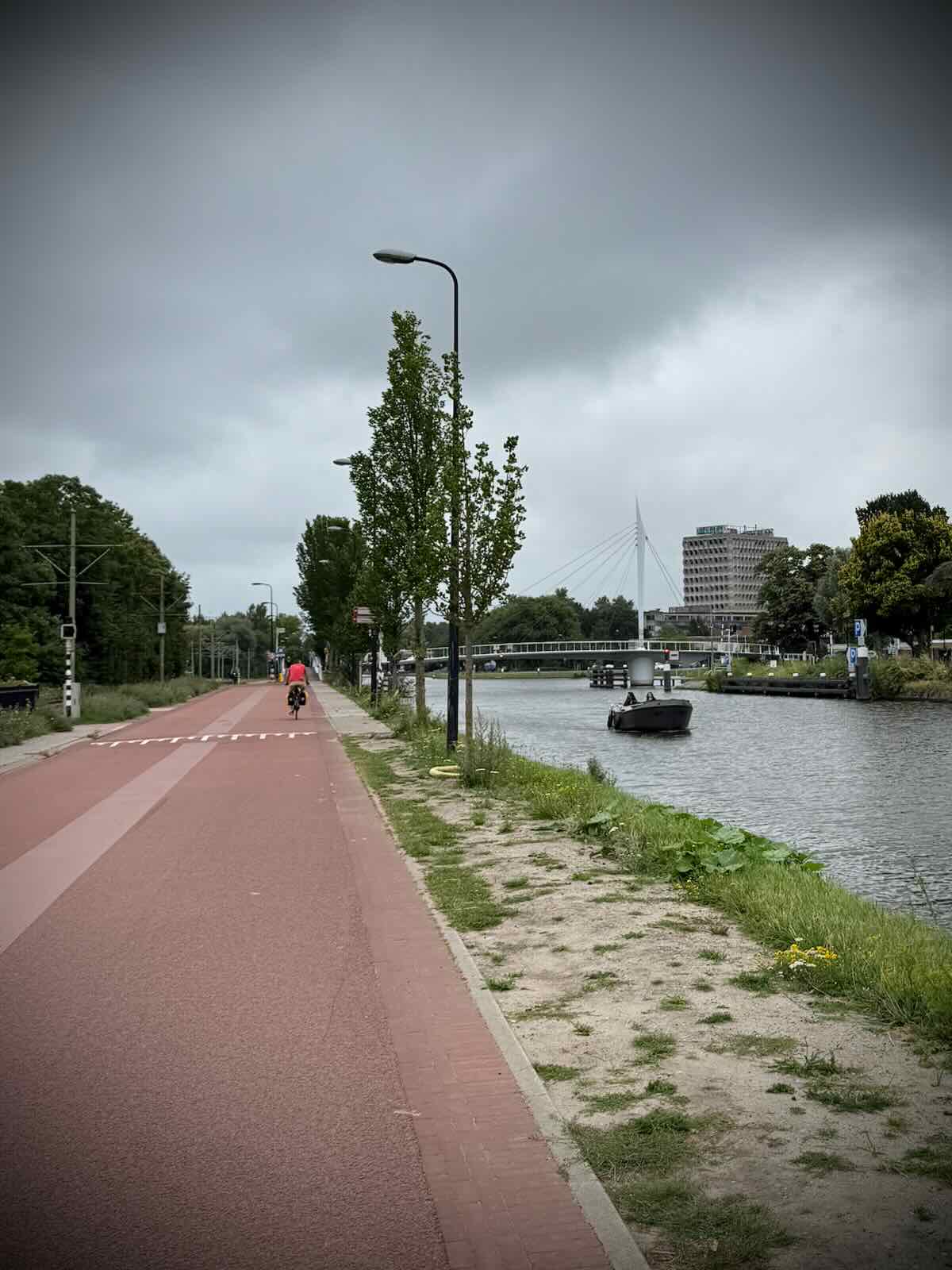
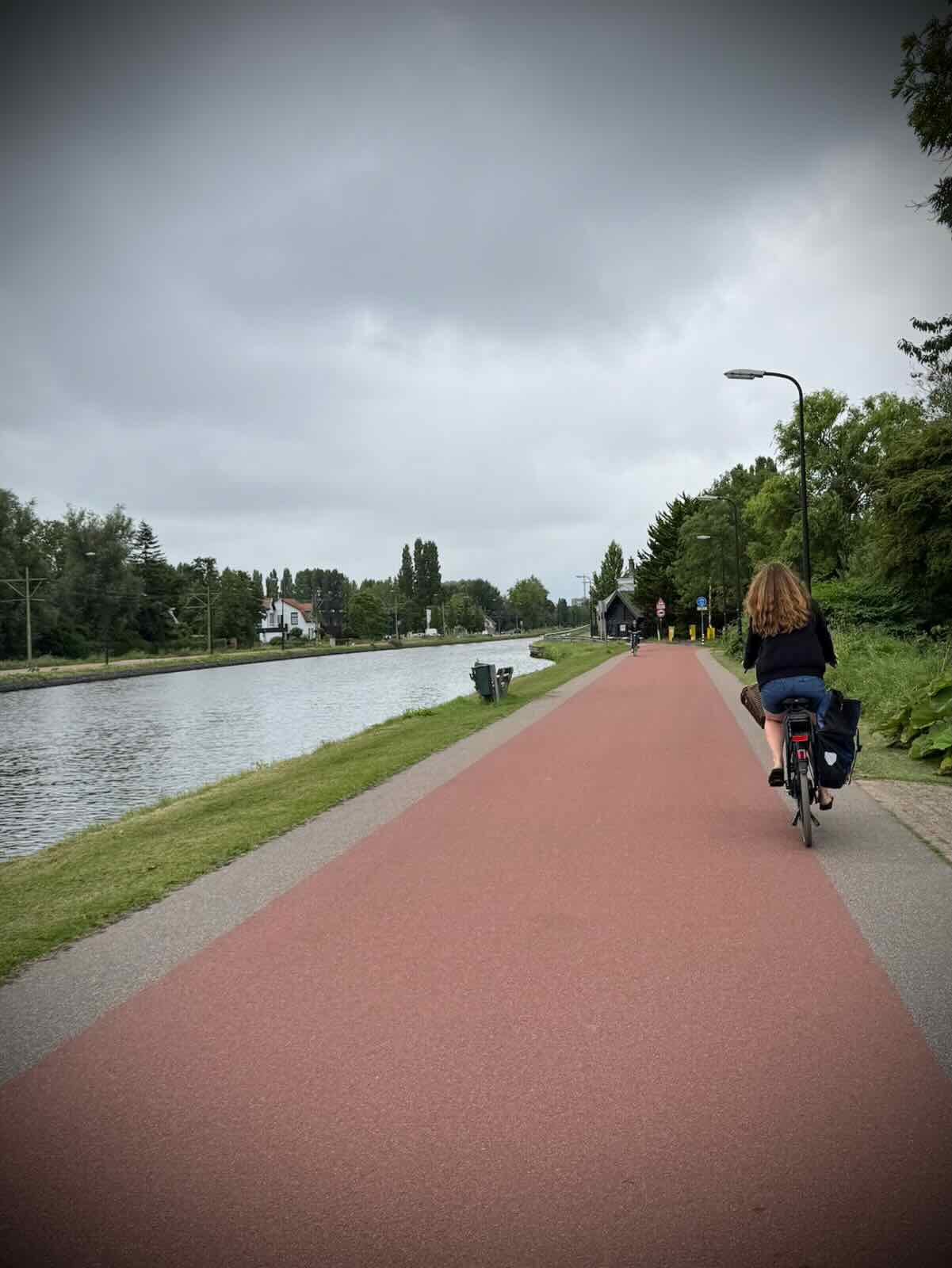
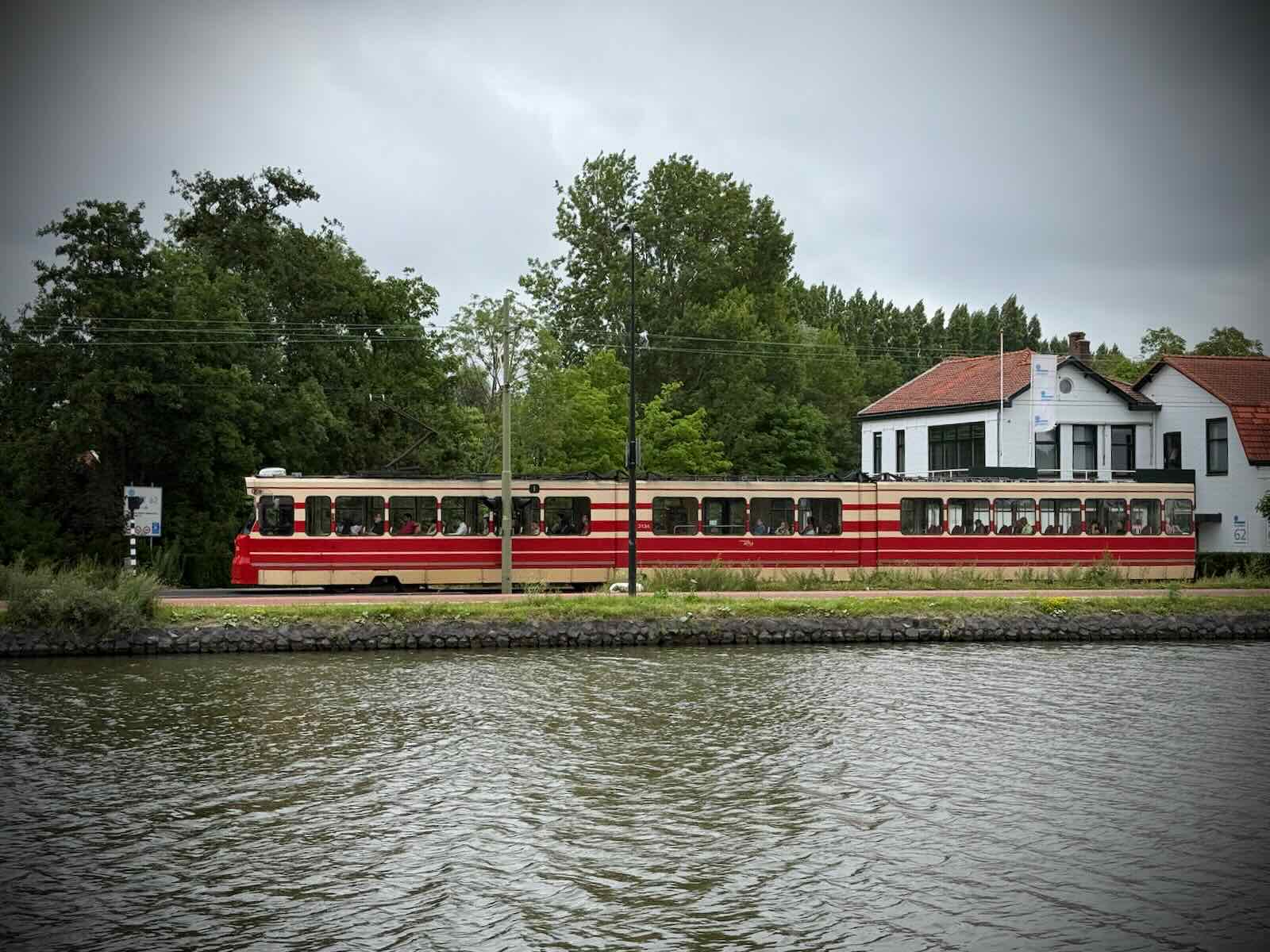
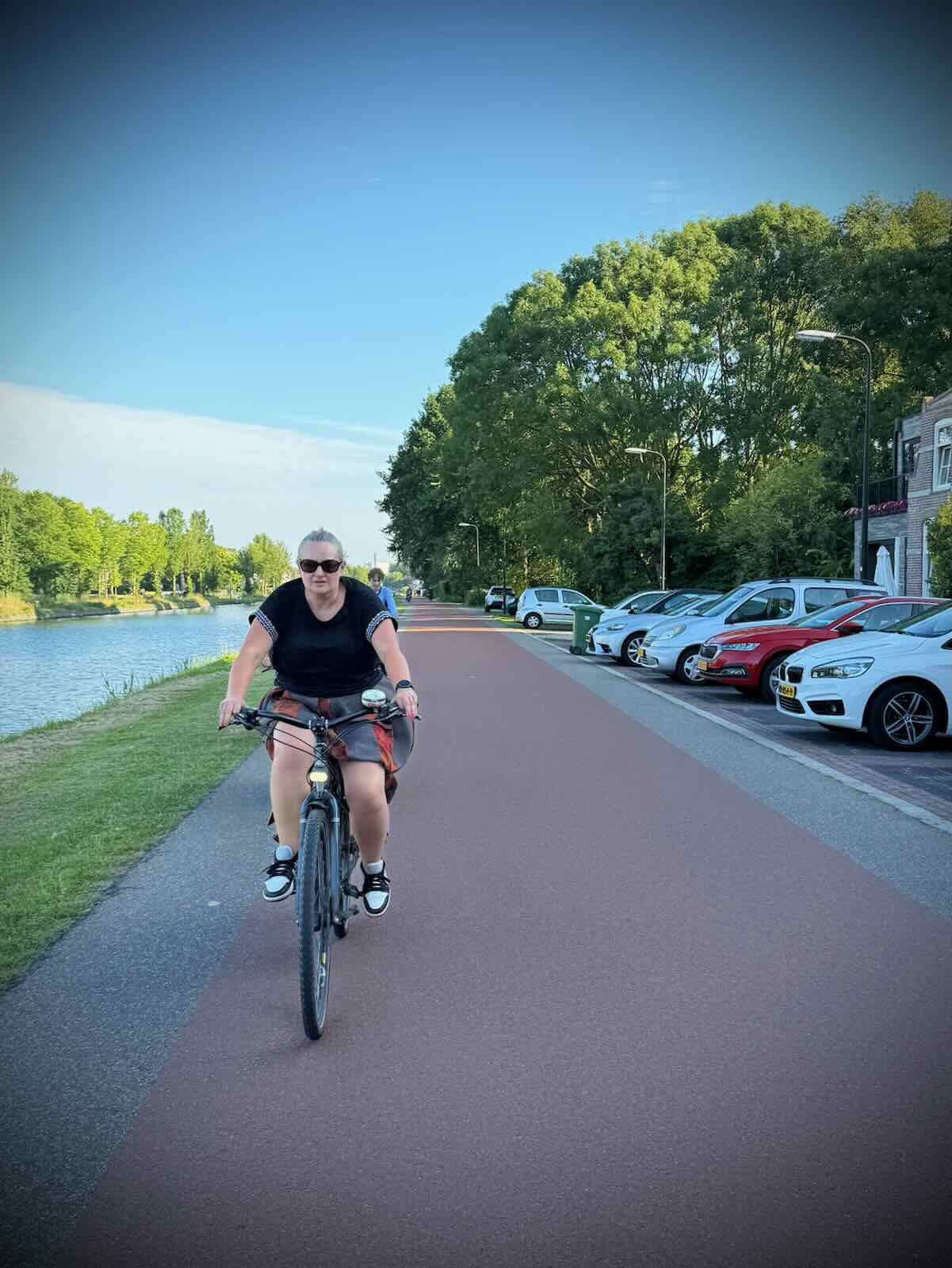
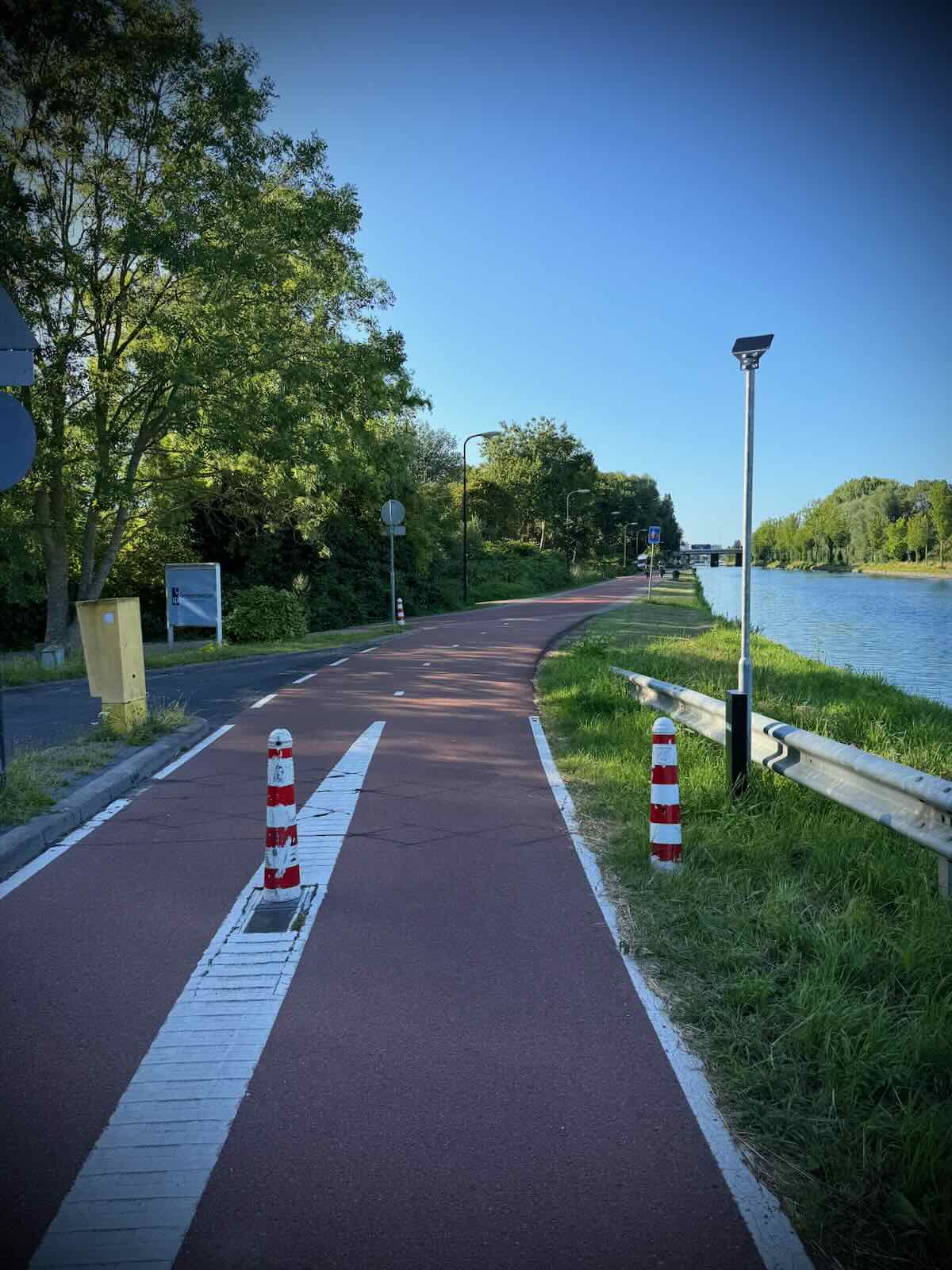
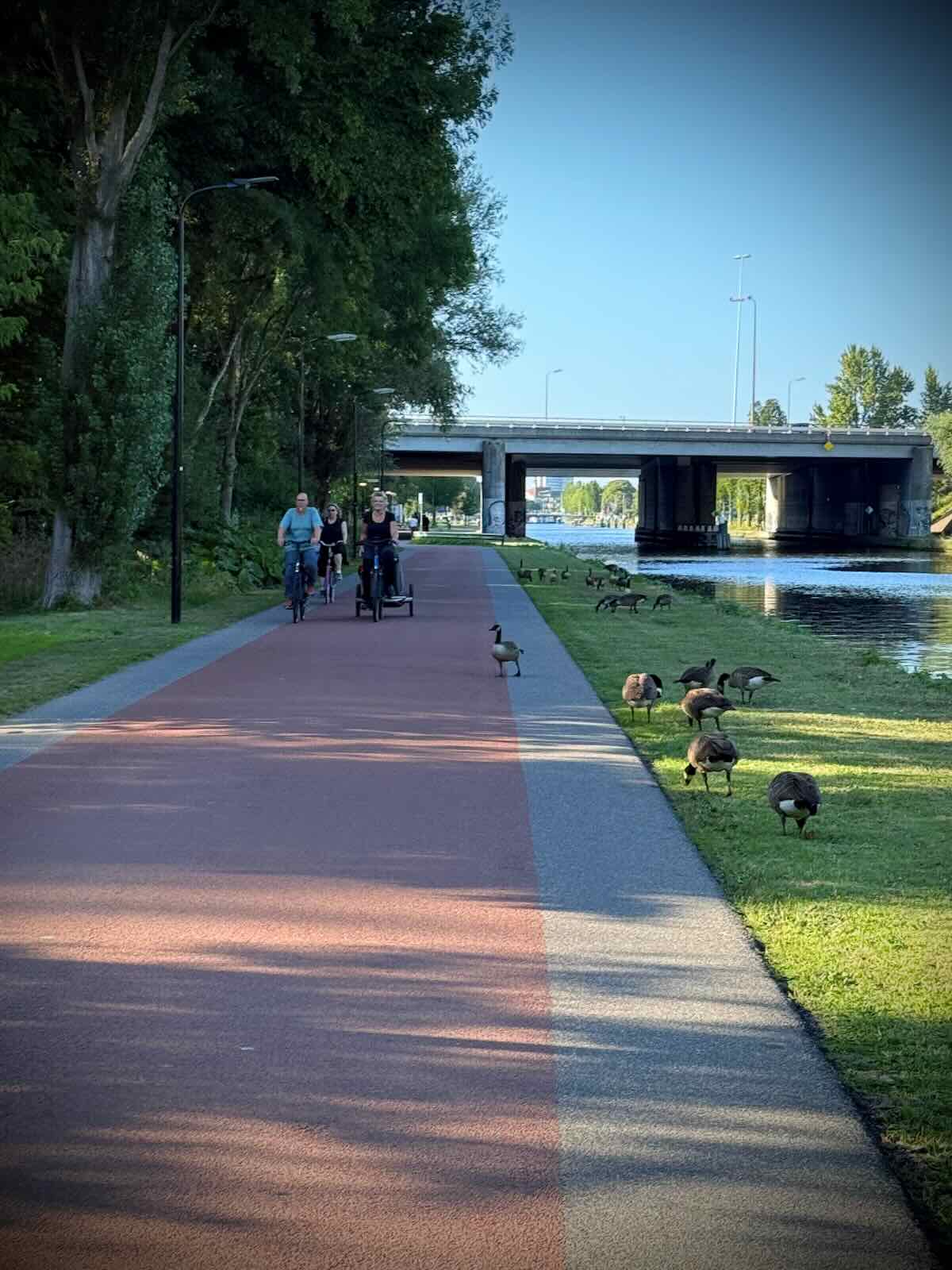
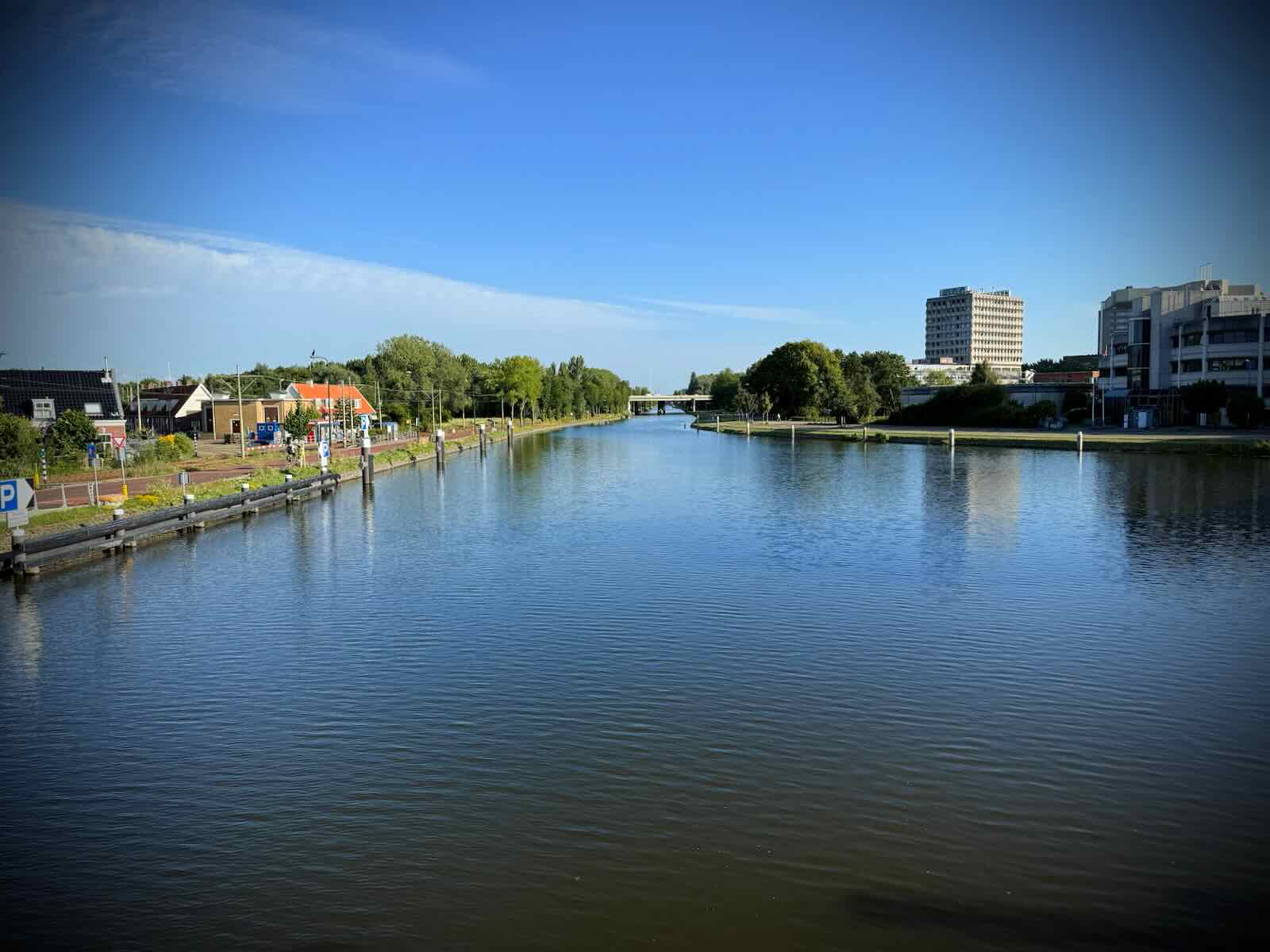
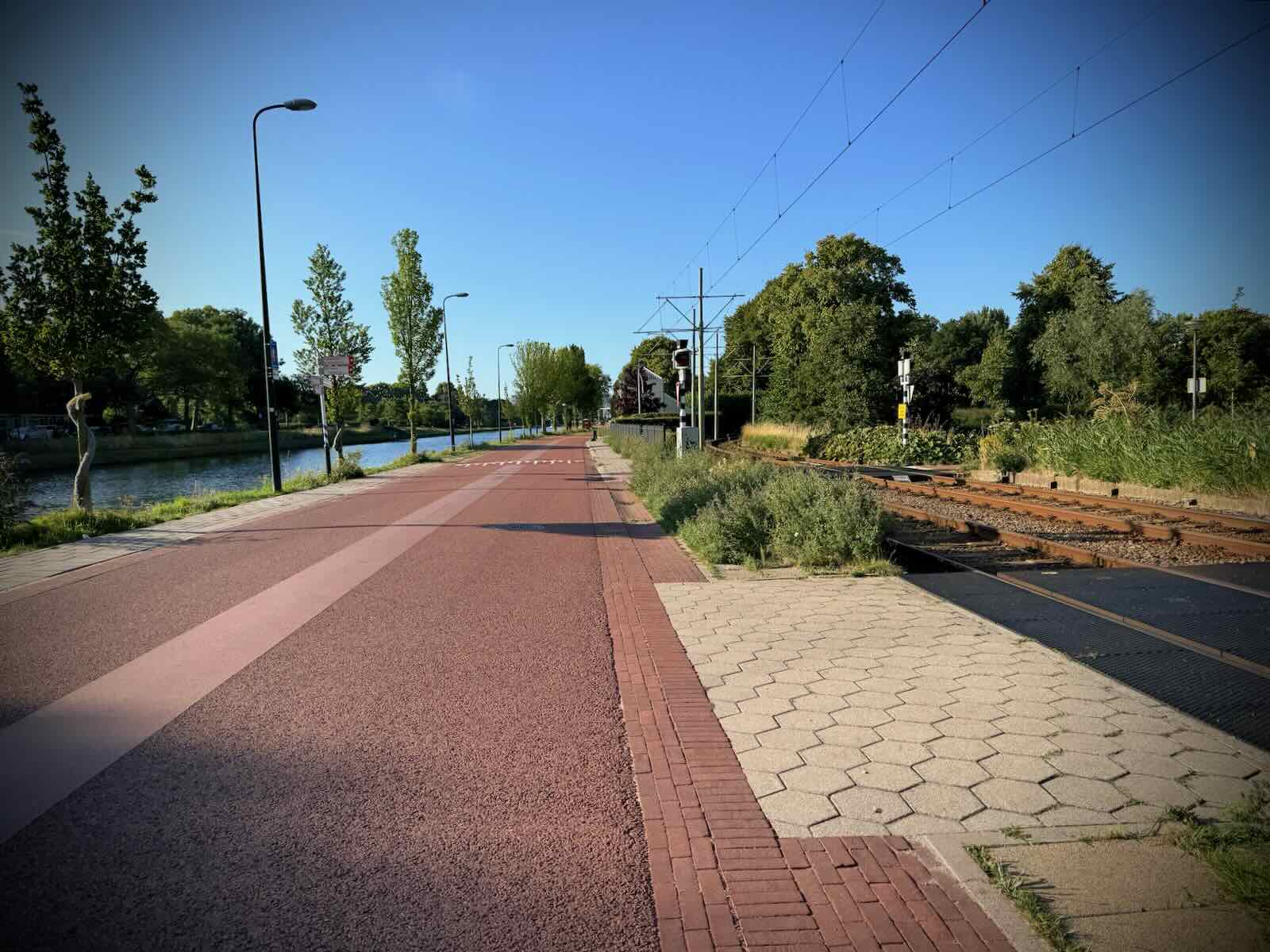
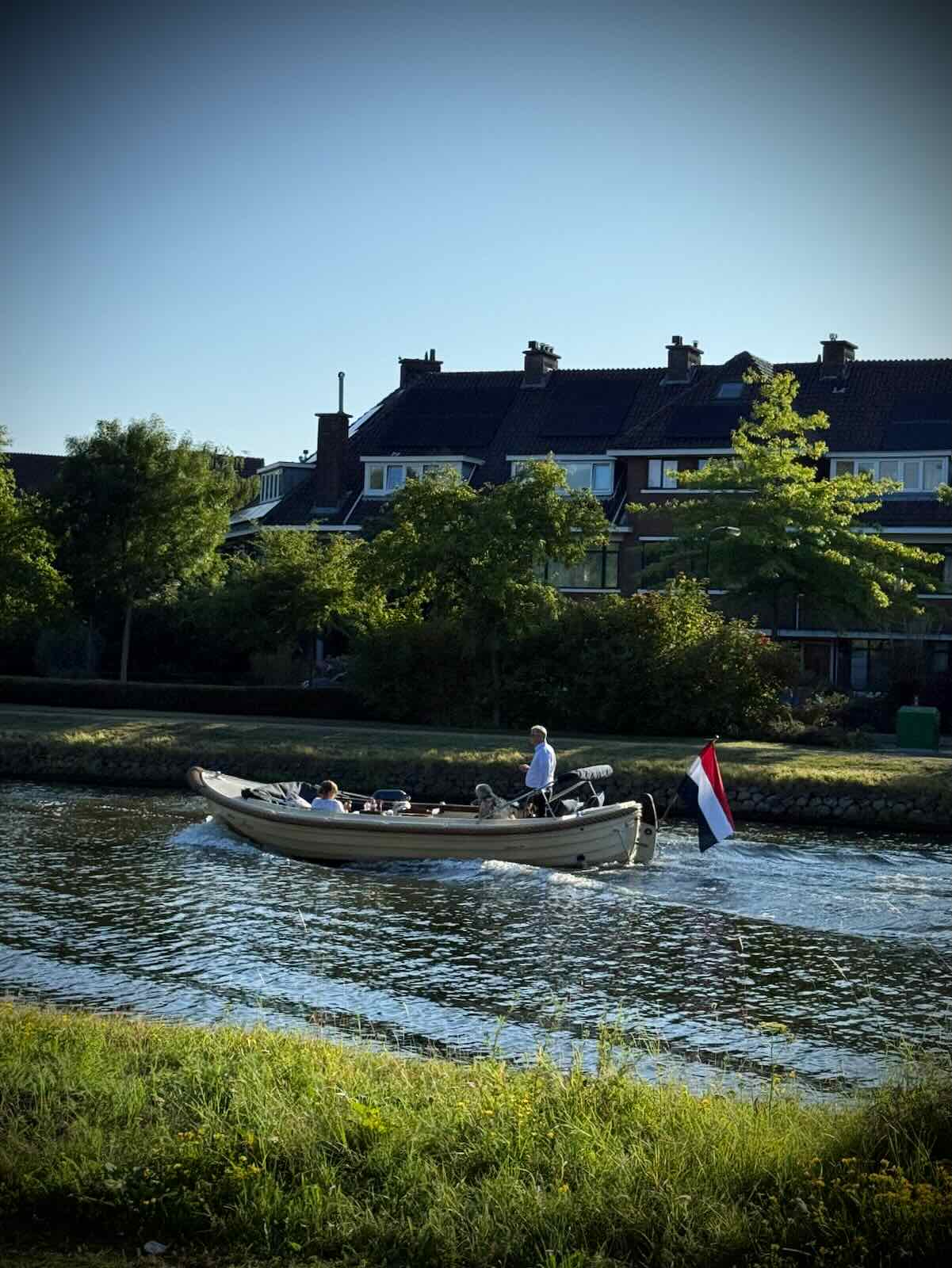
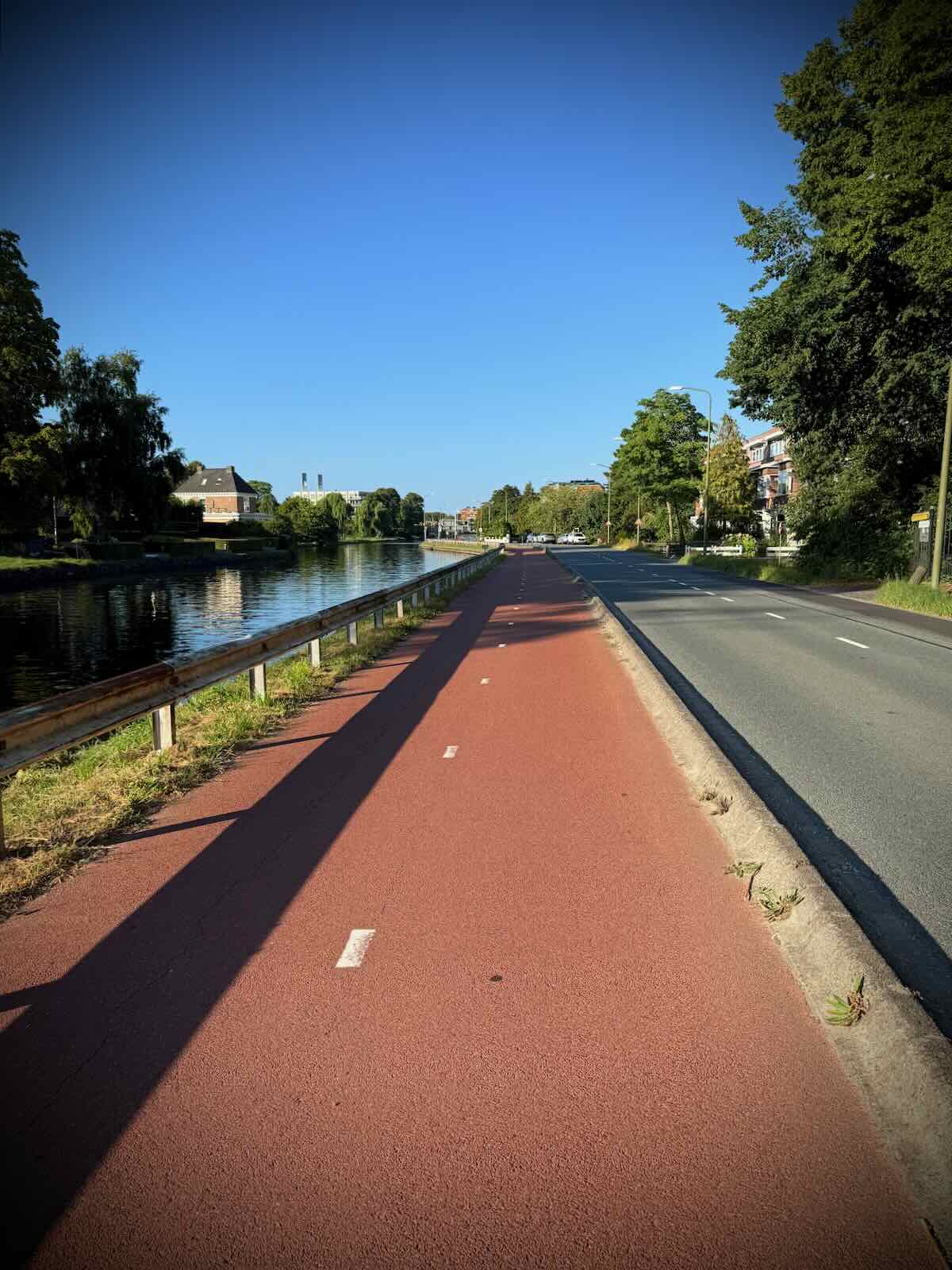
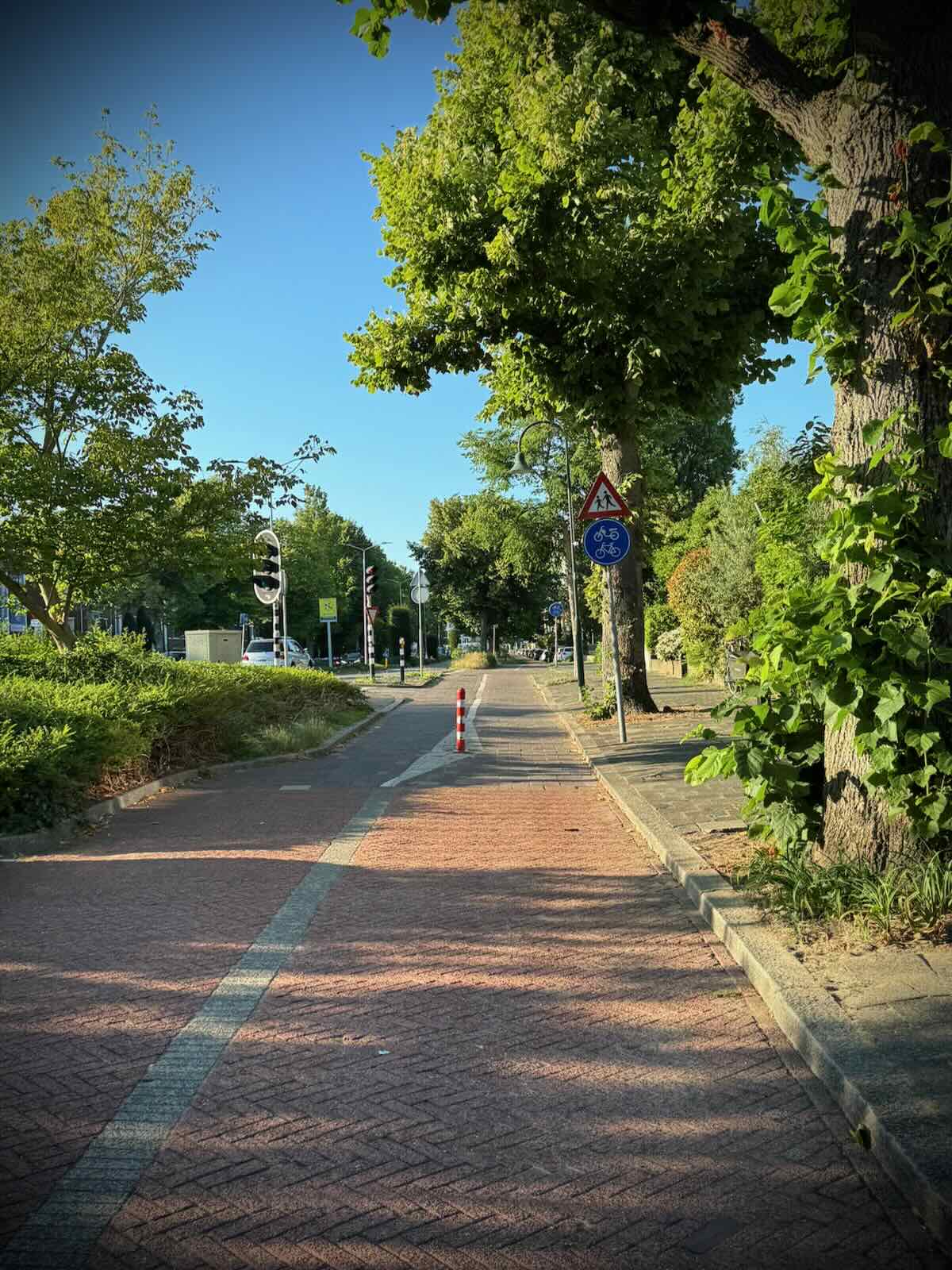
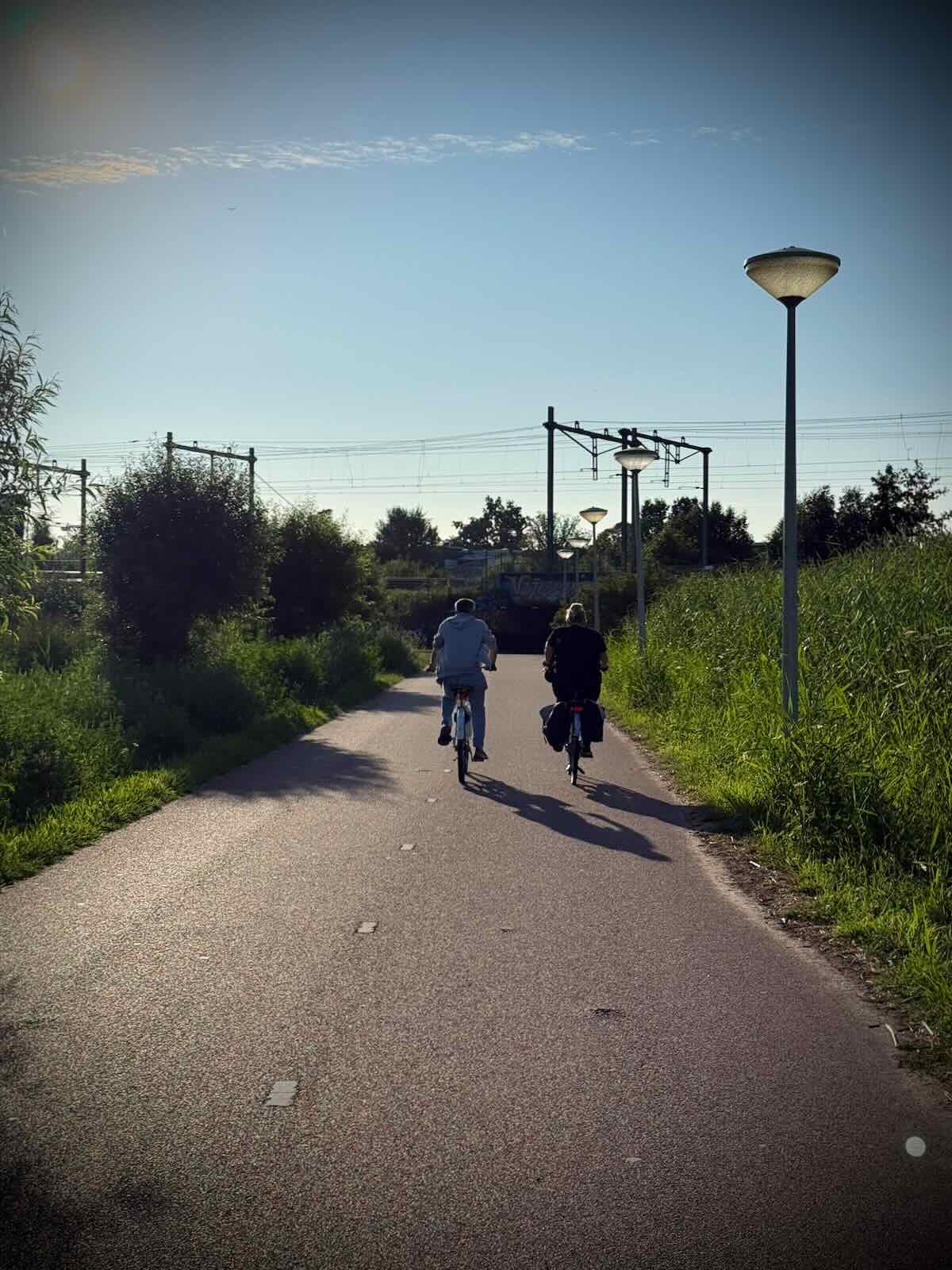
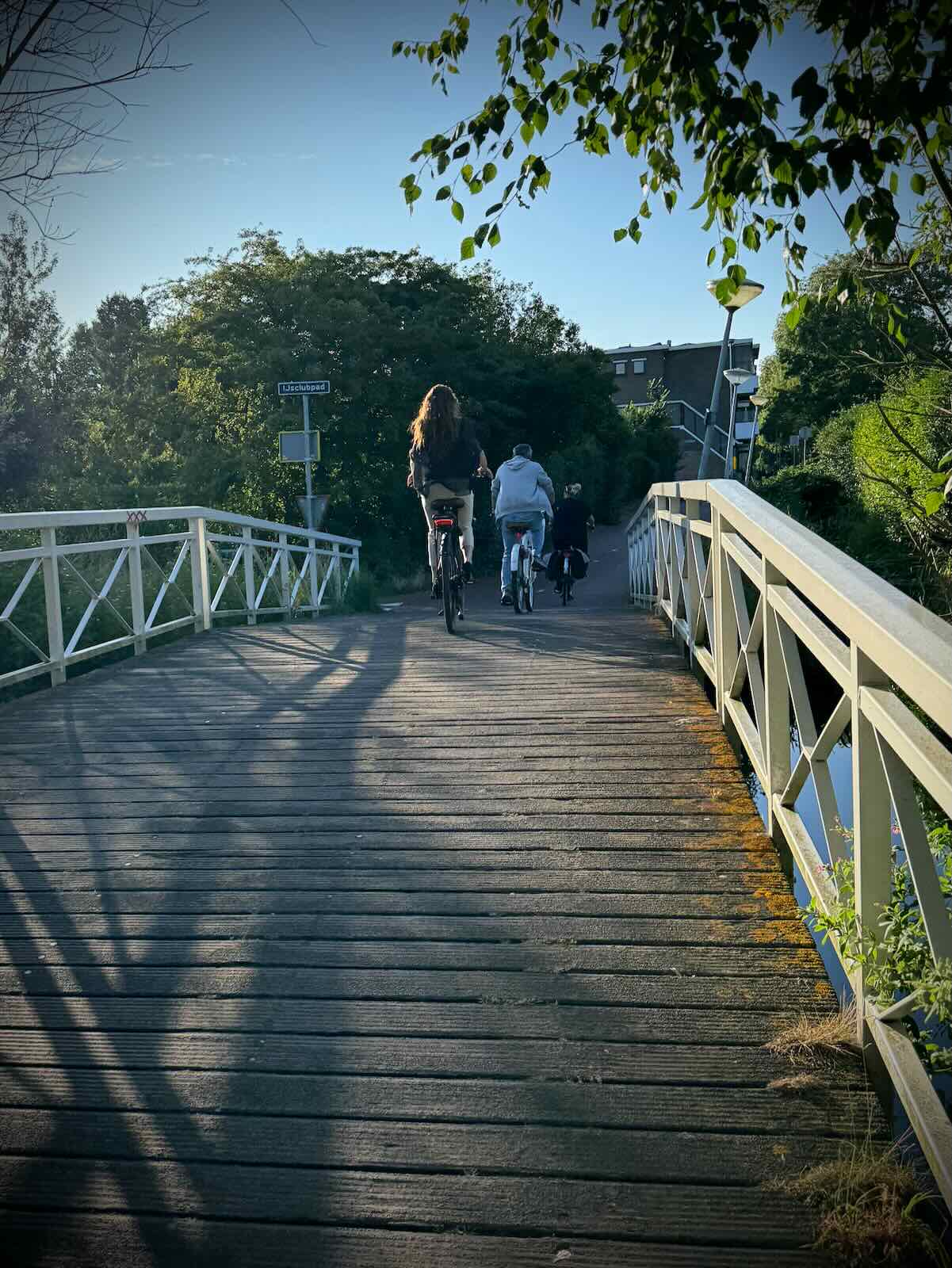
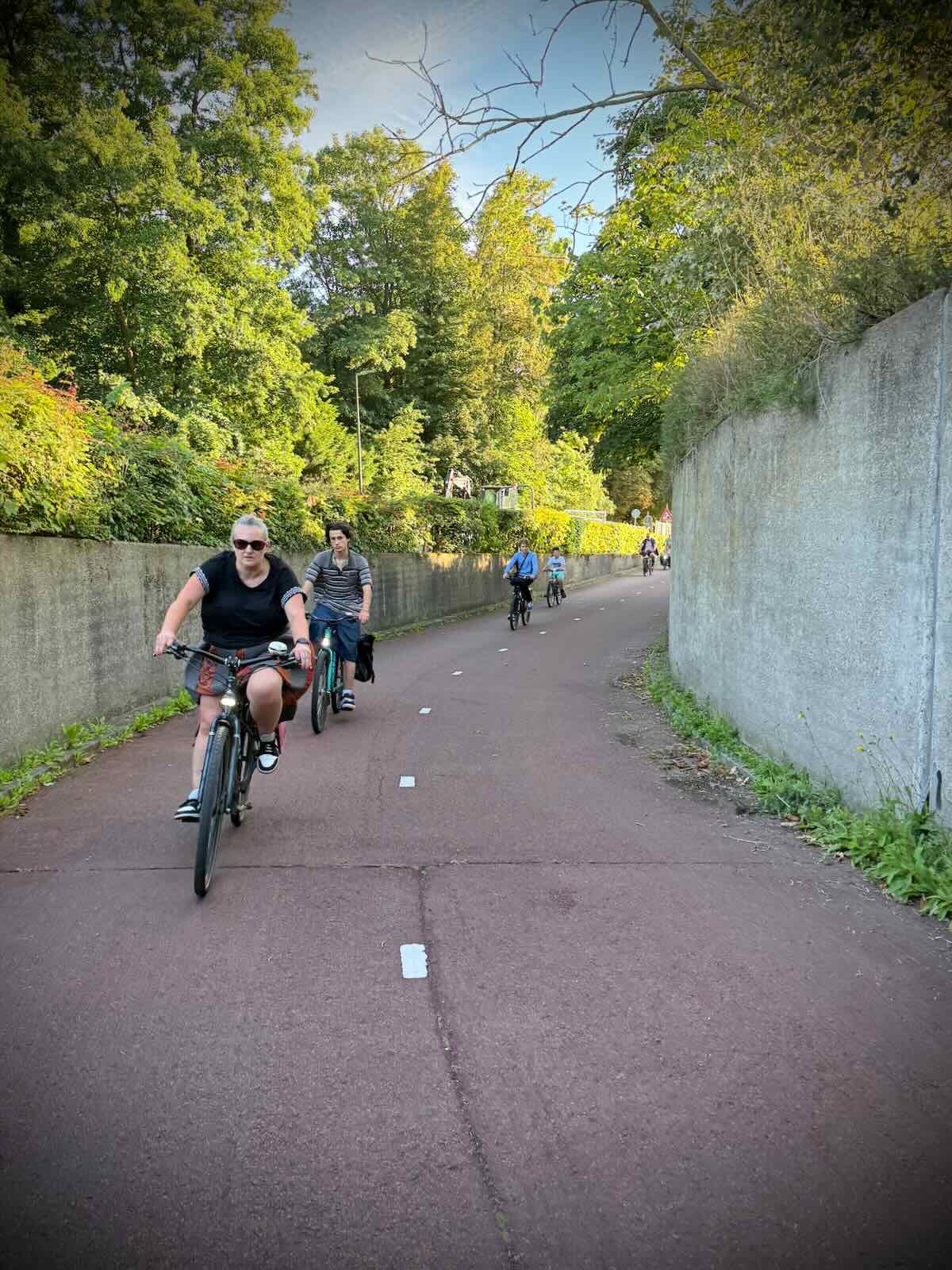
We were now riding parallel to the canal in a bidirectional cycle path on Westvlietweg, as it made its way towards Delft. With the exception of a couple of slight deviations, we’d be following the route of the canal all the way.
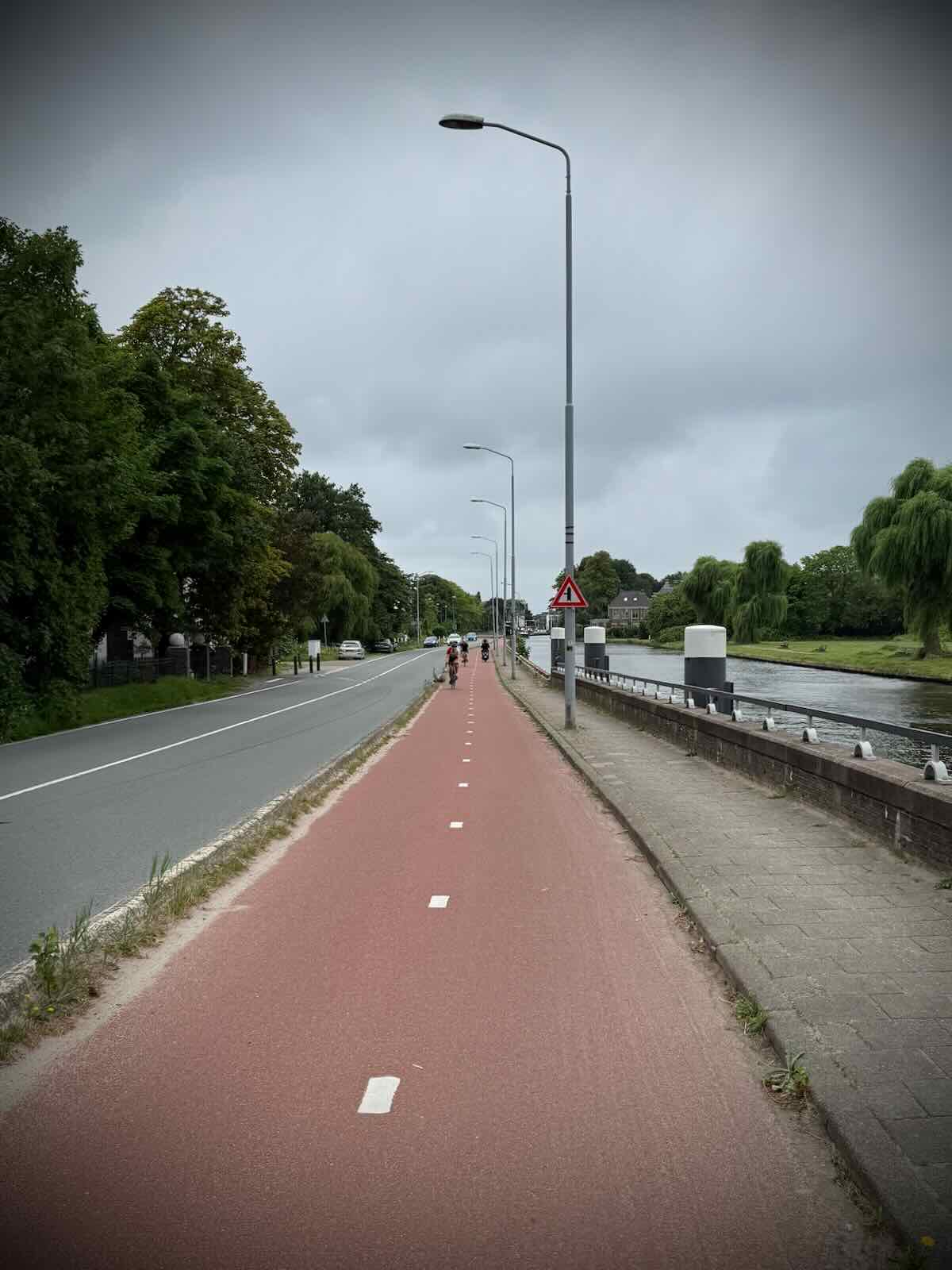
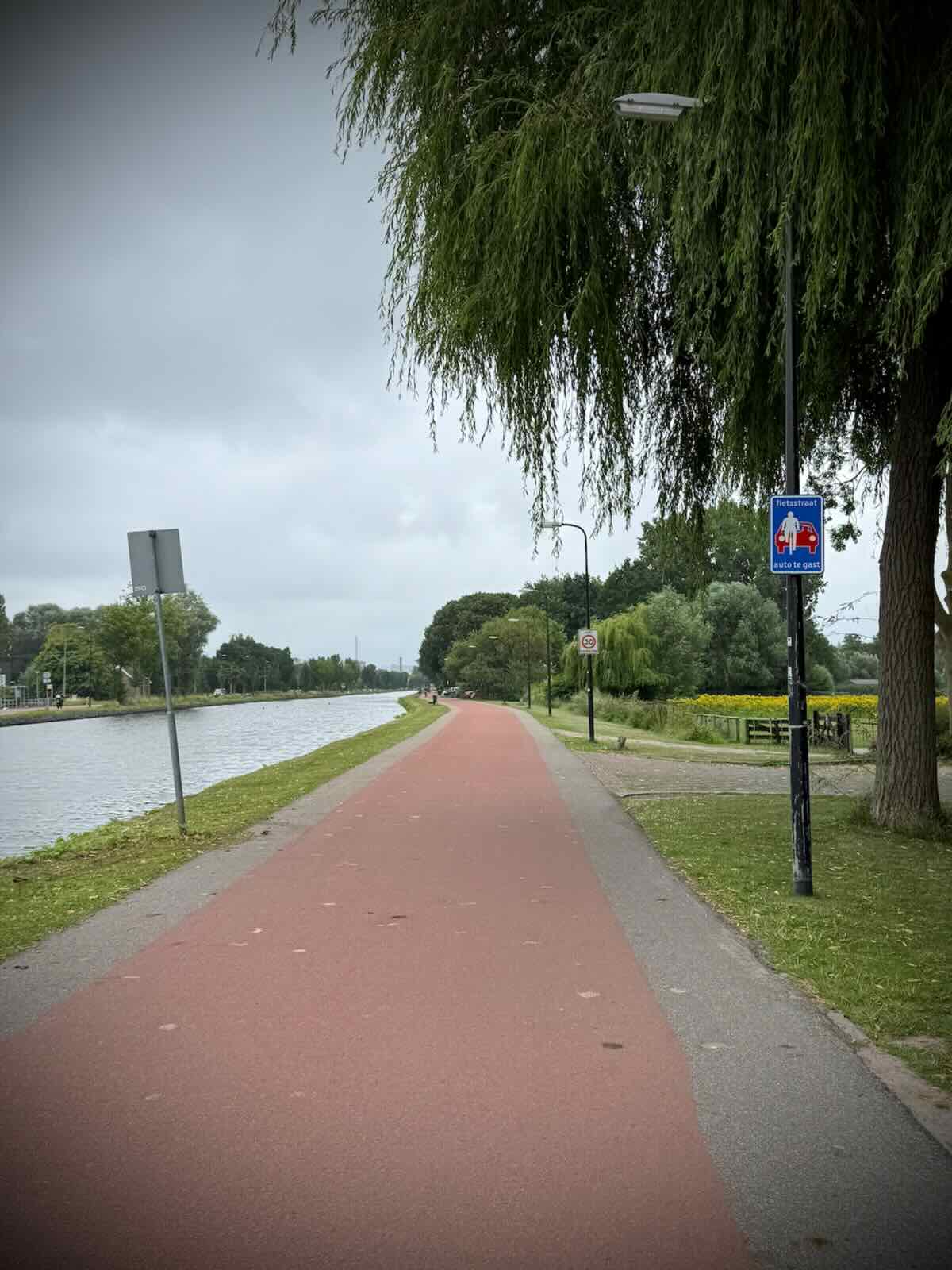
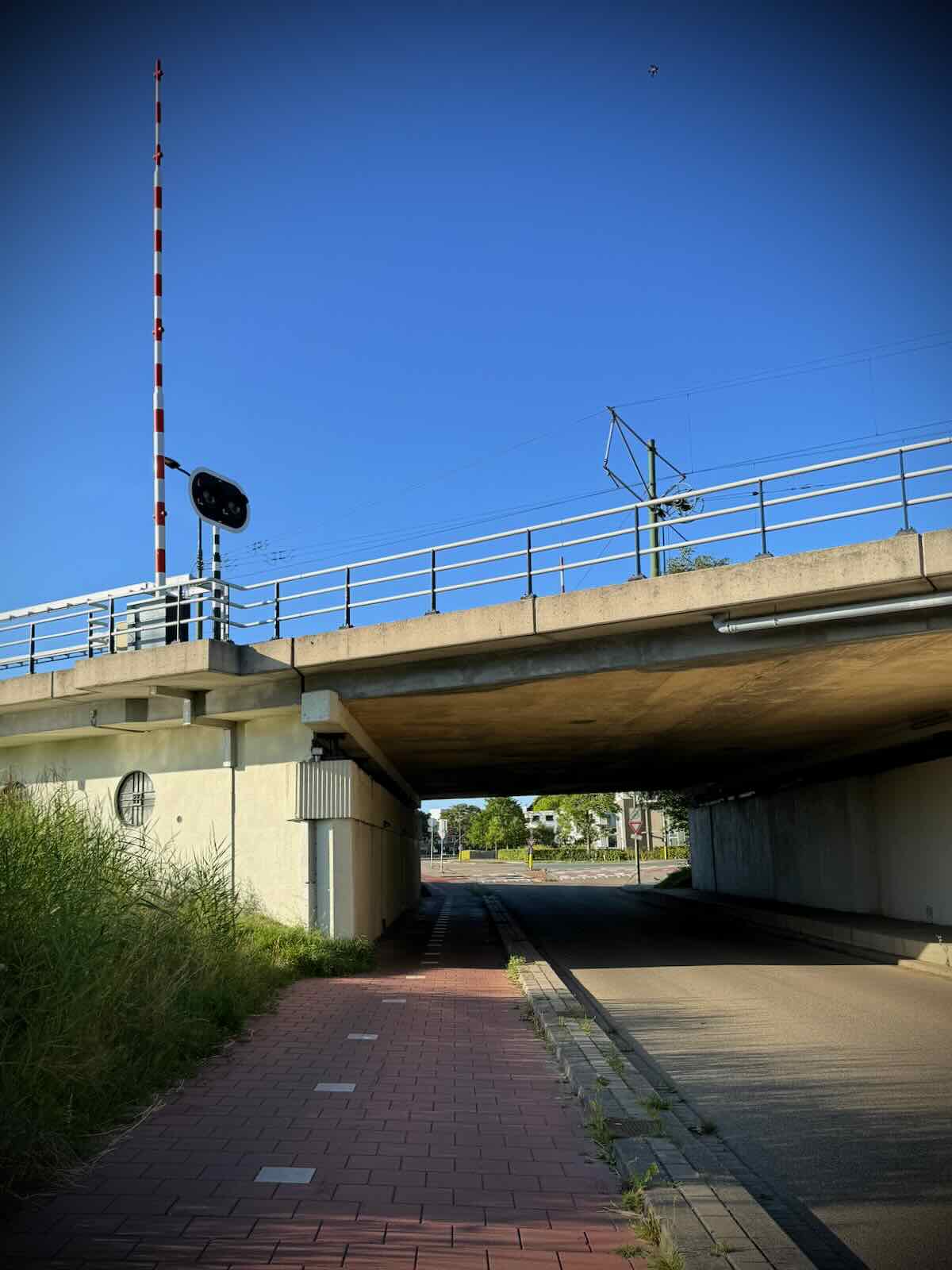
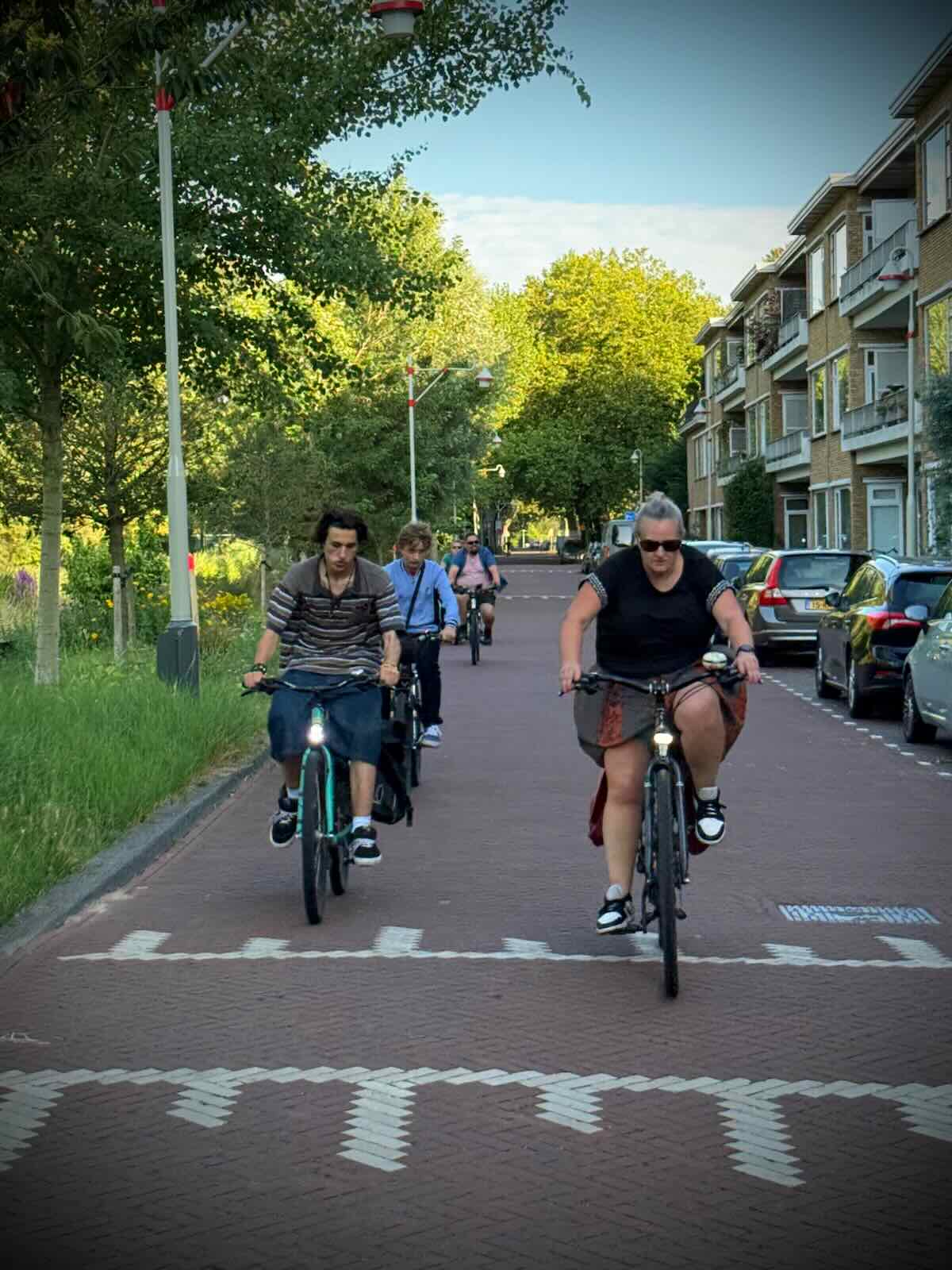
After passing under Hoornbrug, which carries S107 over it, we continued along Delftweg, on a fietsstraat (cycle street) next to the canal. I remember being very impressed with this, the first time I used it, but I since heard that through traffic can be problem along here, which happens if a fietsstraat is badly implemented.
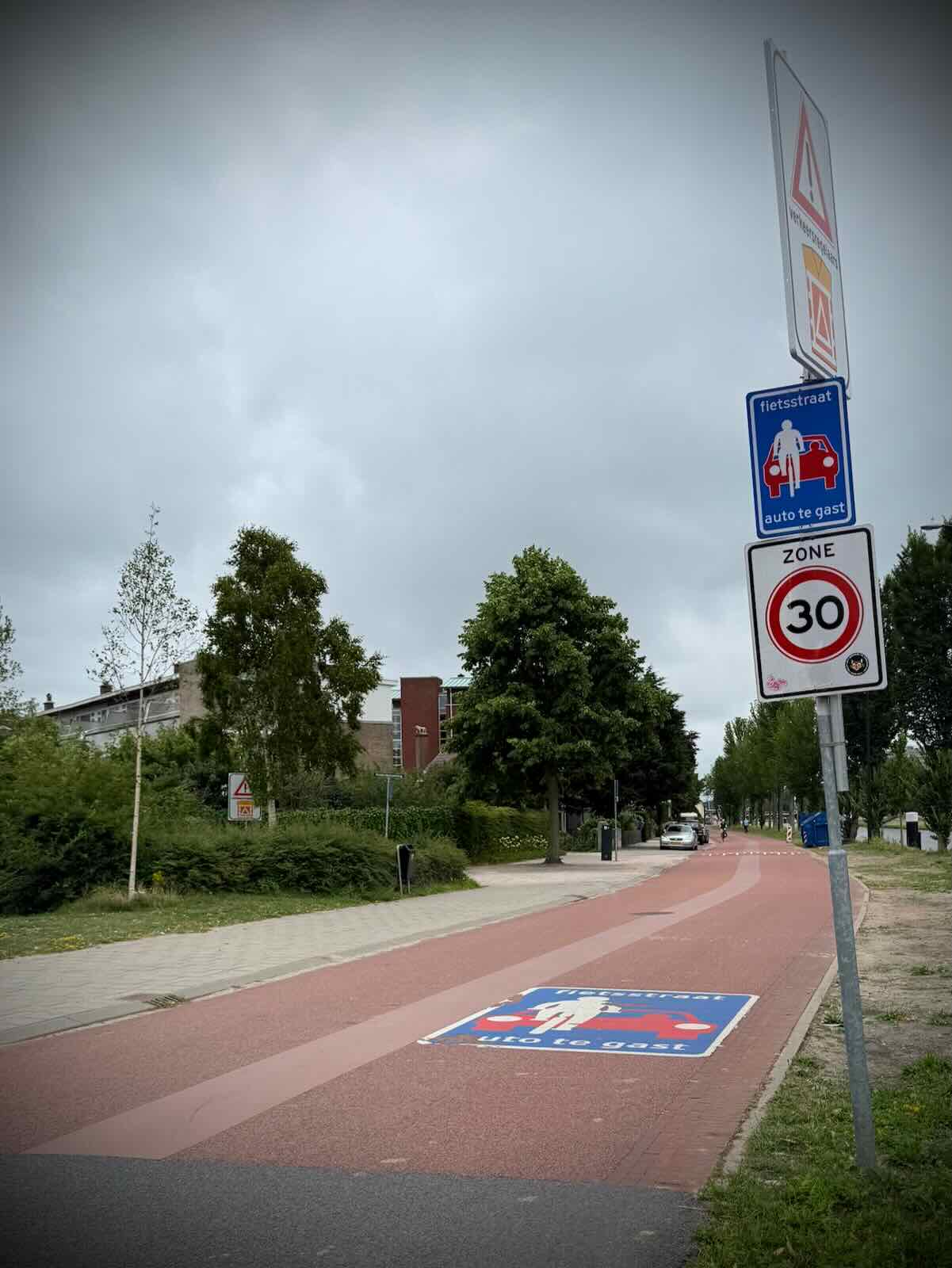
After crossing the impressive De Oversteek bridge, we were now riding on another fietsstraat on the opposite side of the canal on Jaagpad. With some well placed filters along here, it appeared to be a better implemented than Delftweg.
We passed under the huge A4 motorway bridge that spans the canal and local roads and continued along Jaagpad, until we reached Wateringseweg. The section of the route around Wateringseweg with its painted lanes, feels like it’s in need for an improvement.
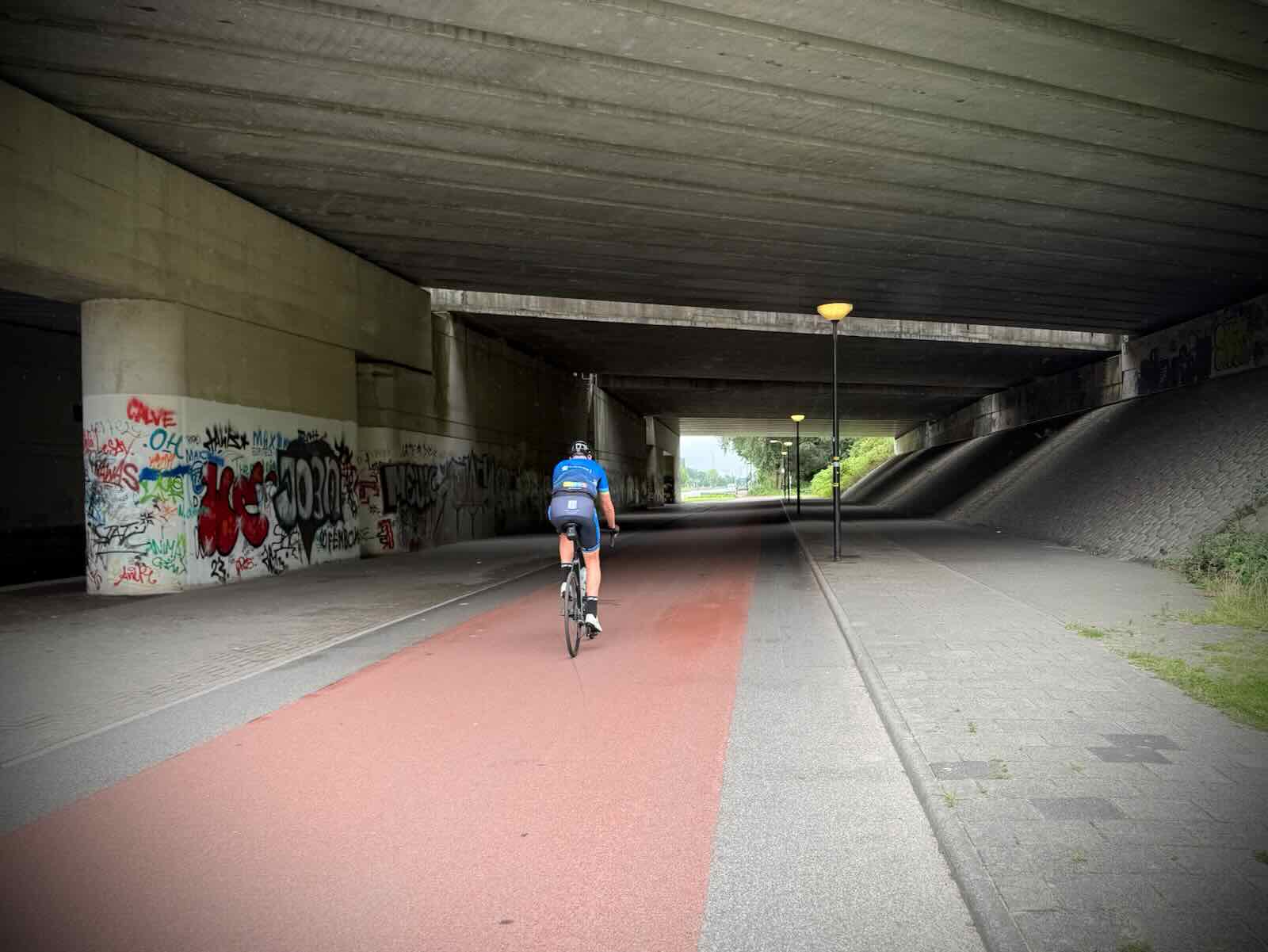
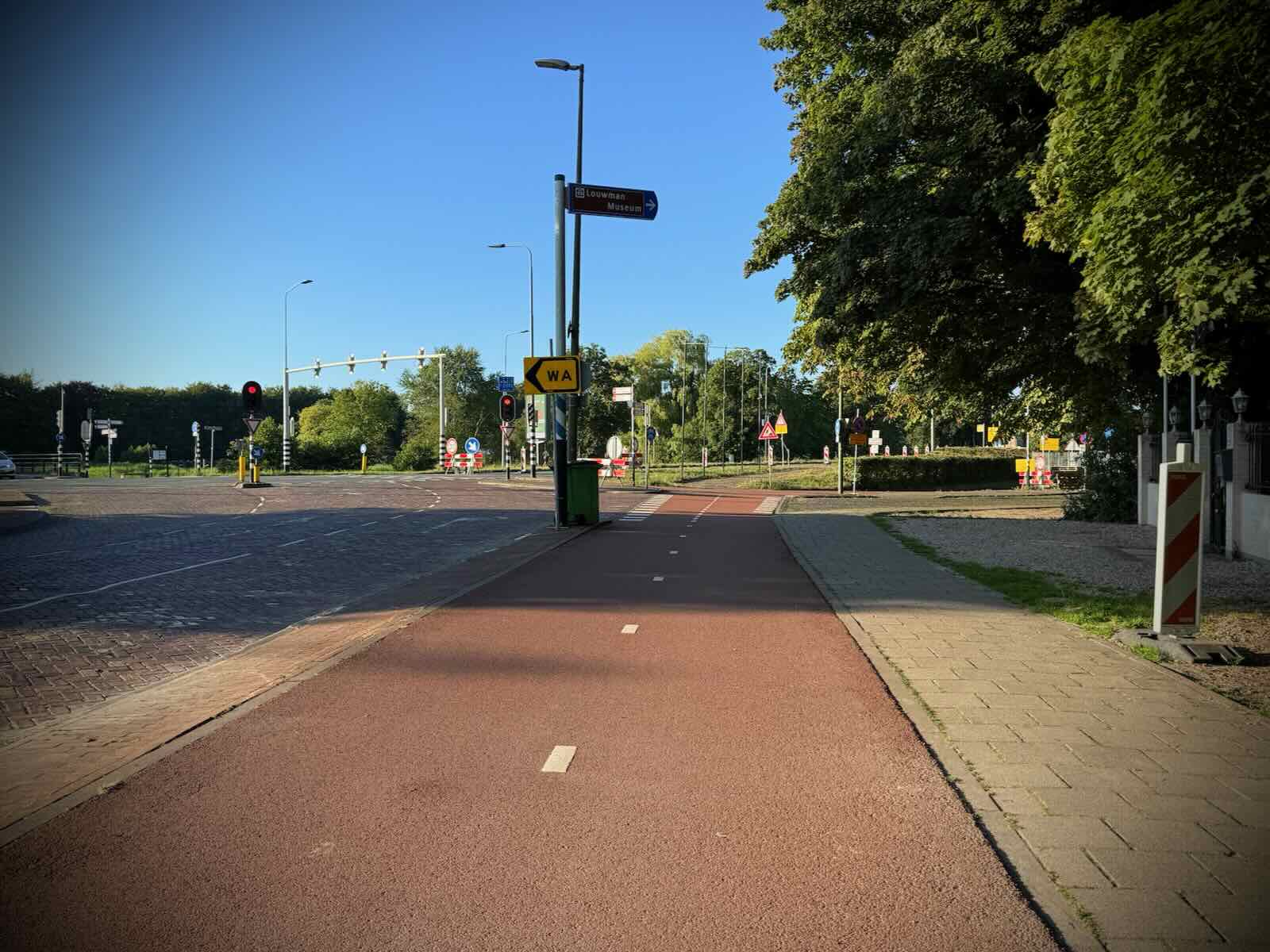
After crossing Lepelbrug at the end of Wateringseweg, we made our way along Wateringsevest, which has recently had a junction upgrade, with some newly installed cycling infrastructure, which is a significant upgrade.
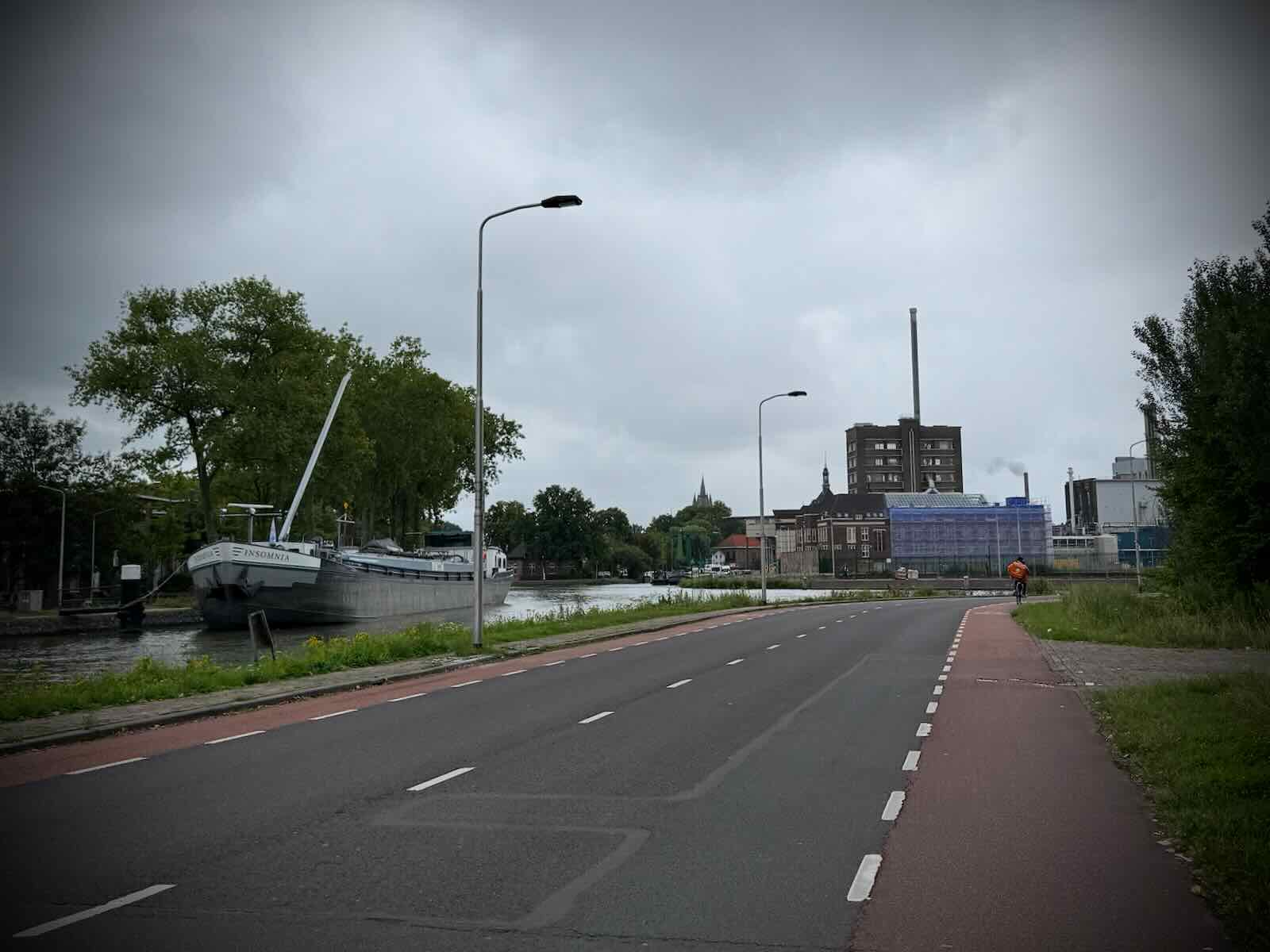
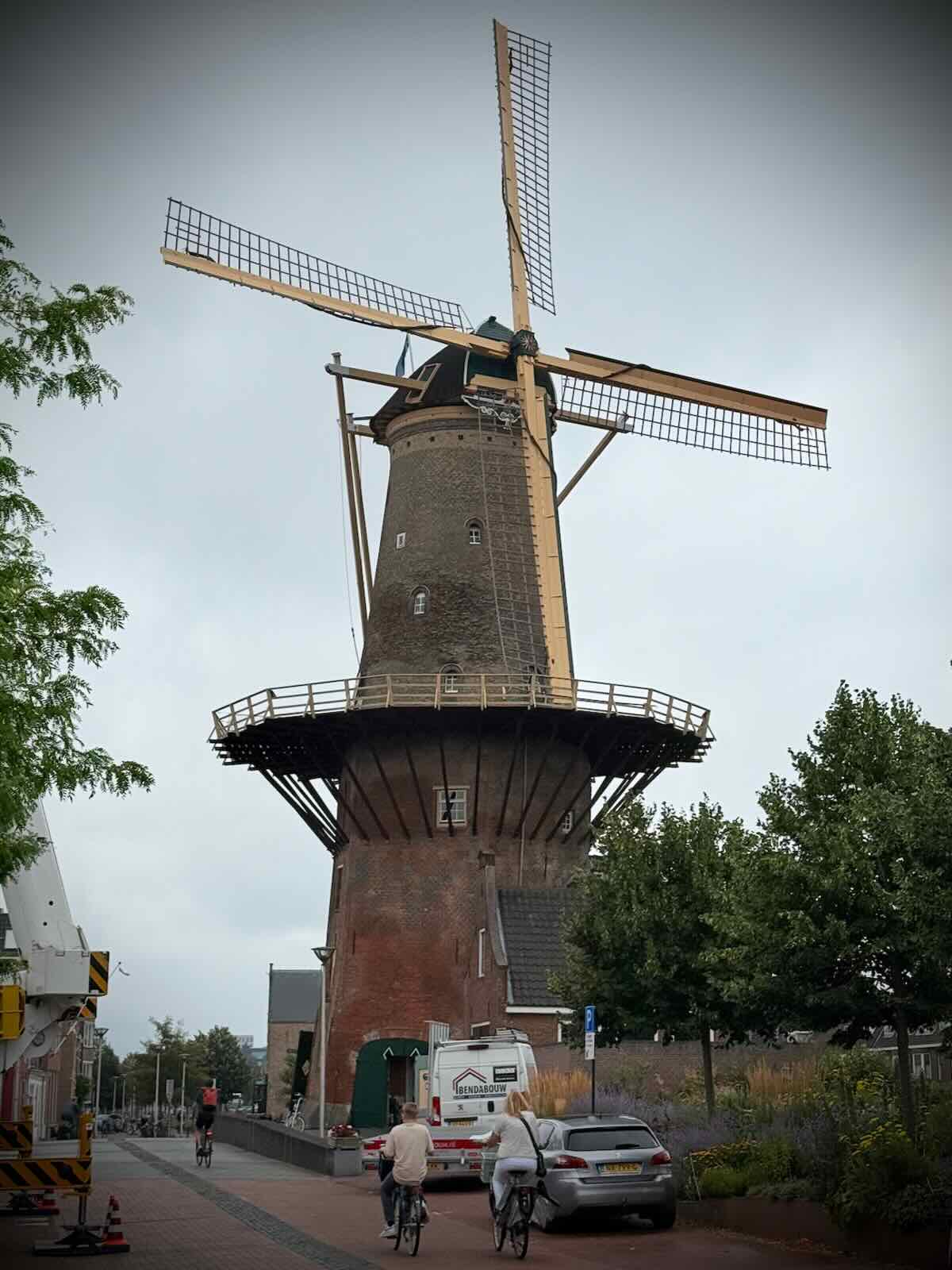
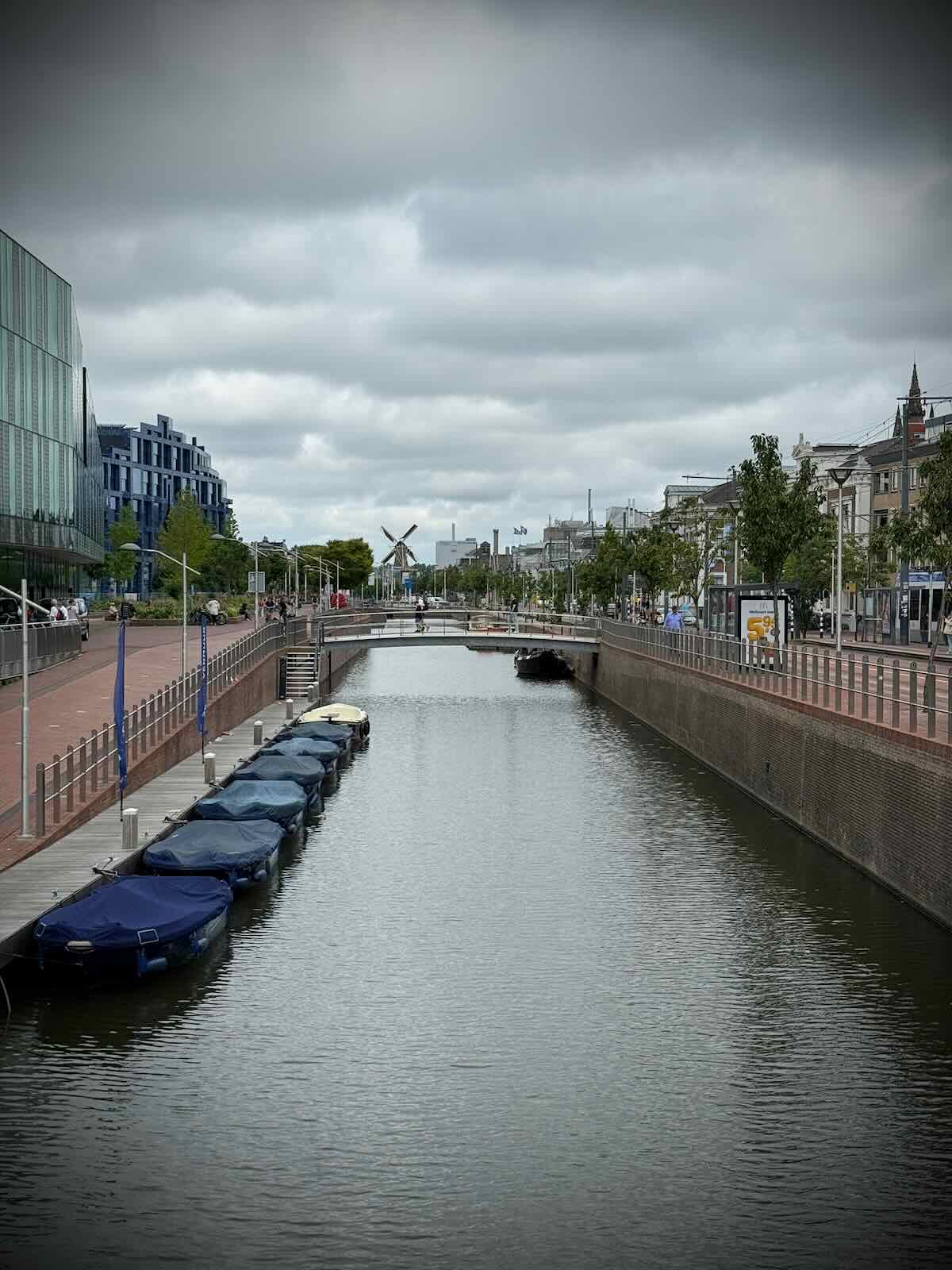
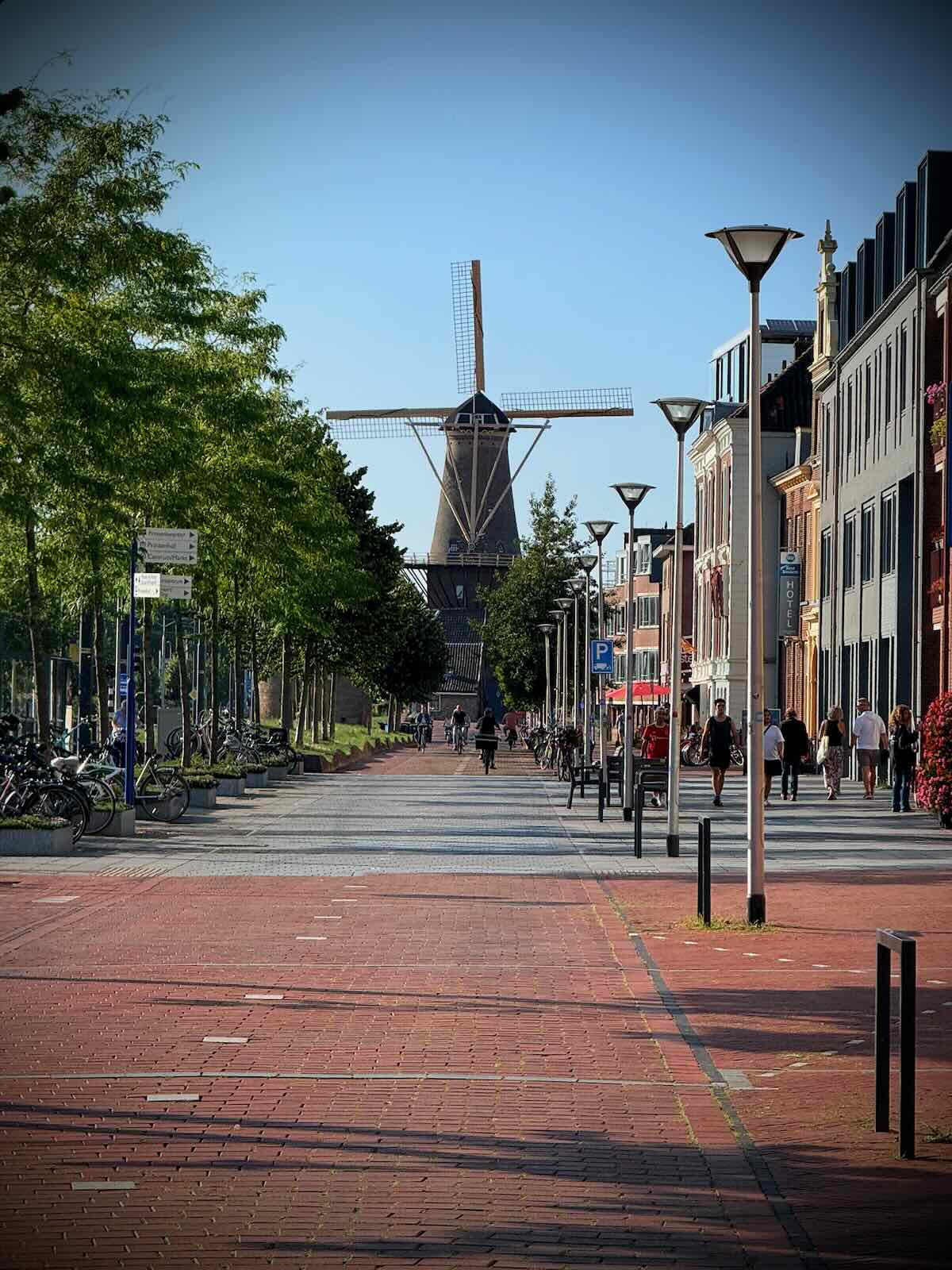
After passing the Molen de Roos windmill, we continued onto Phoenixstraat, as we approached Delft Station. Phoenixstraat used to carry a railway viaduct to the station, which has now been buried under the ground.
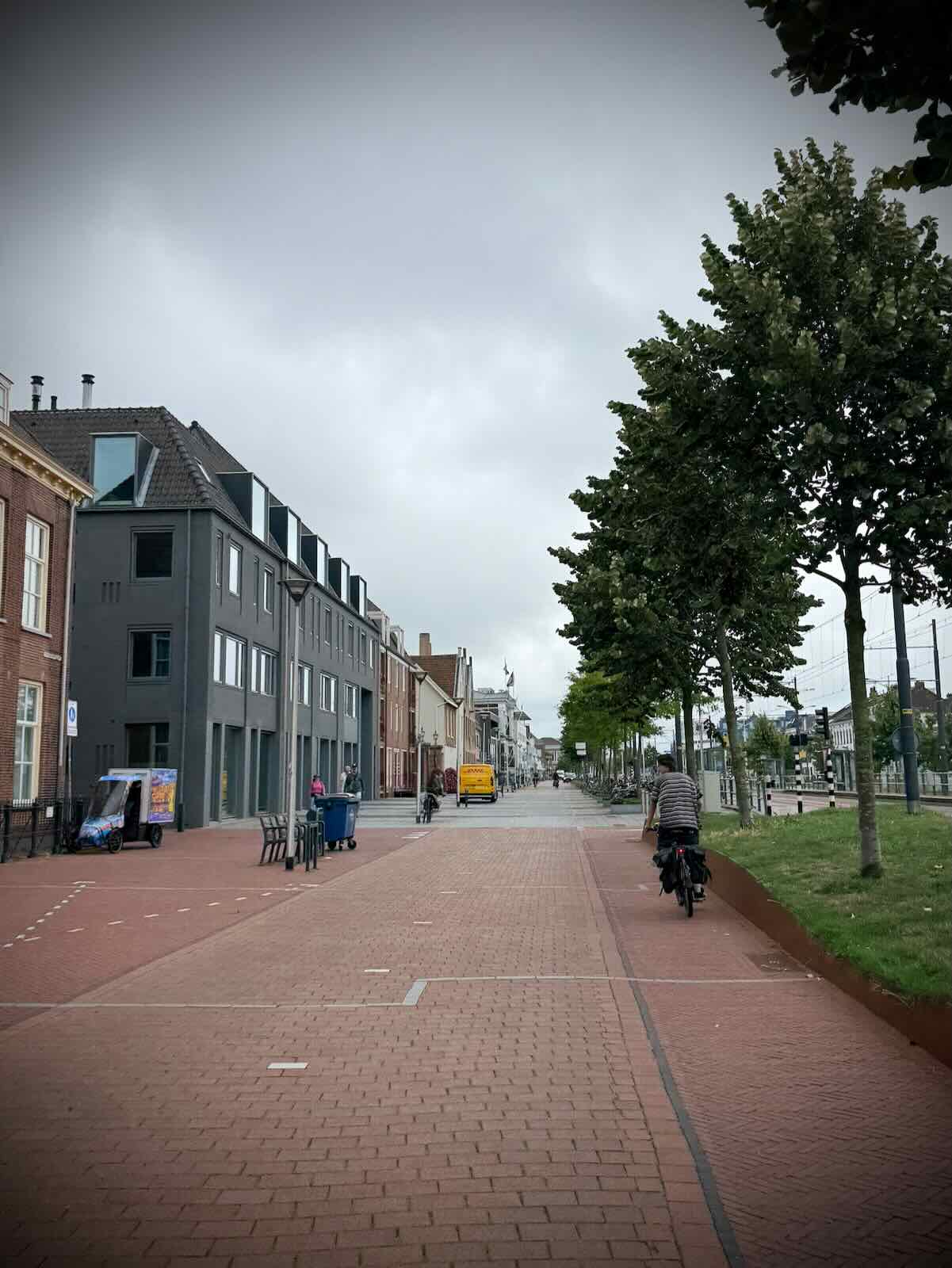
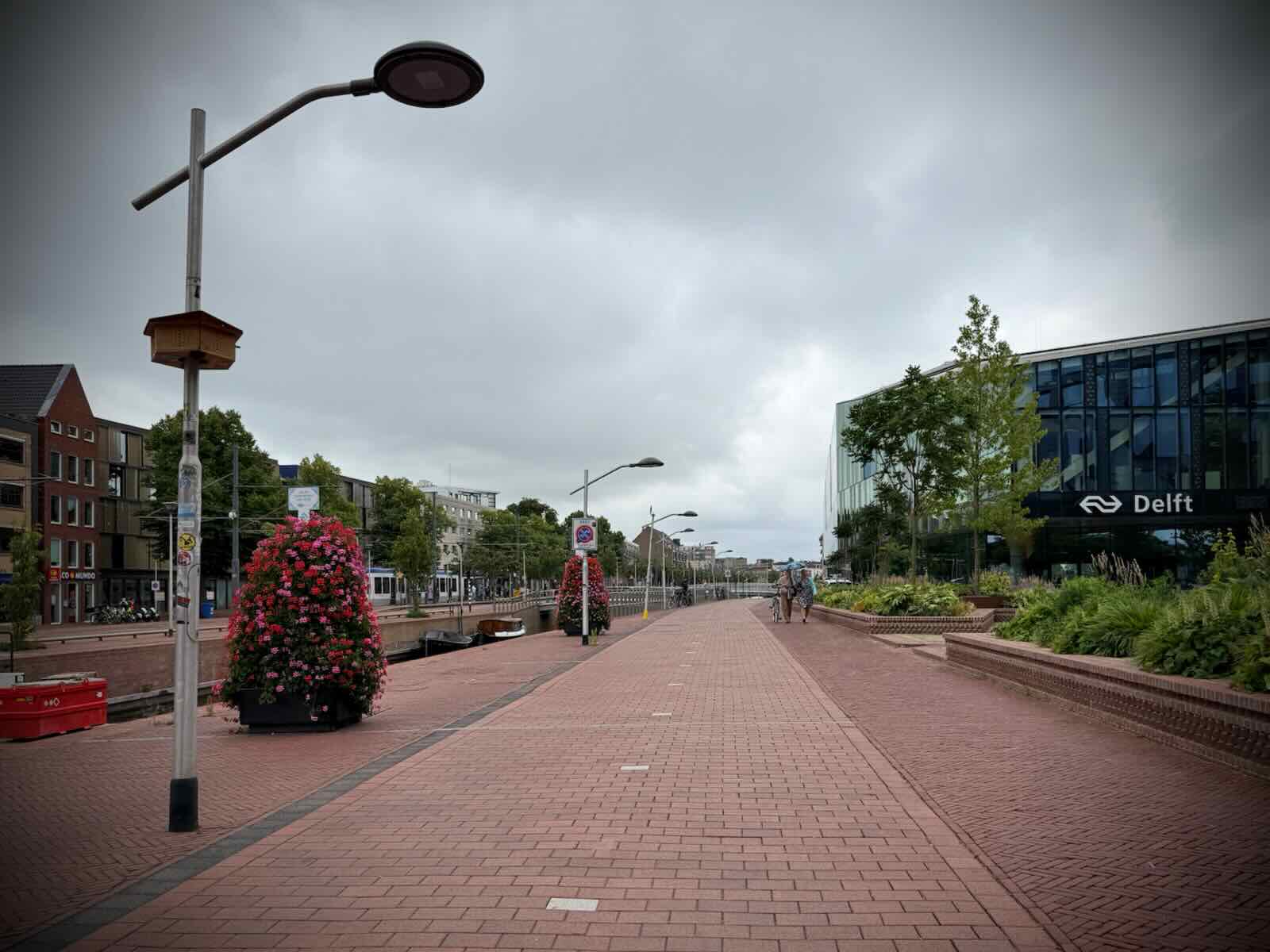
It’s difficult to overstate just how much the area around Phoenixstraat has changed since the removal of the railway viaduct and reconstruction of the street. The difference is massive and the quality of the public realm is really high.
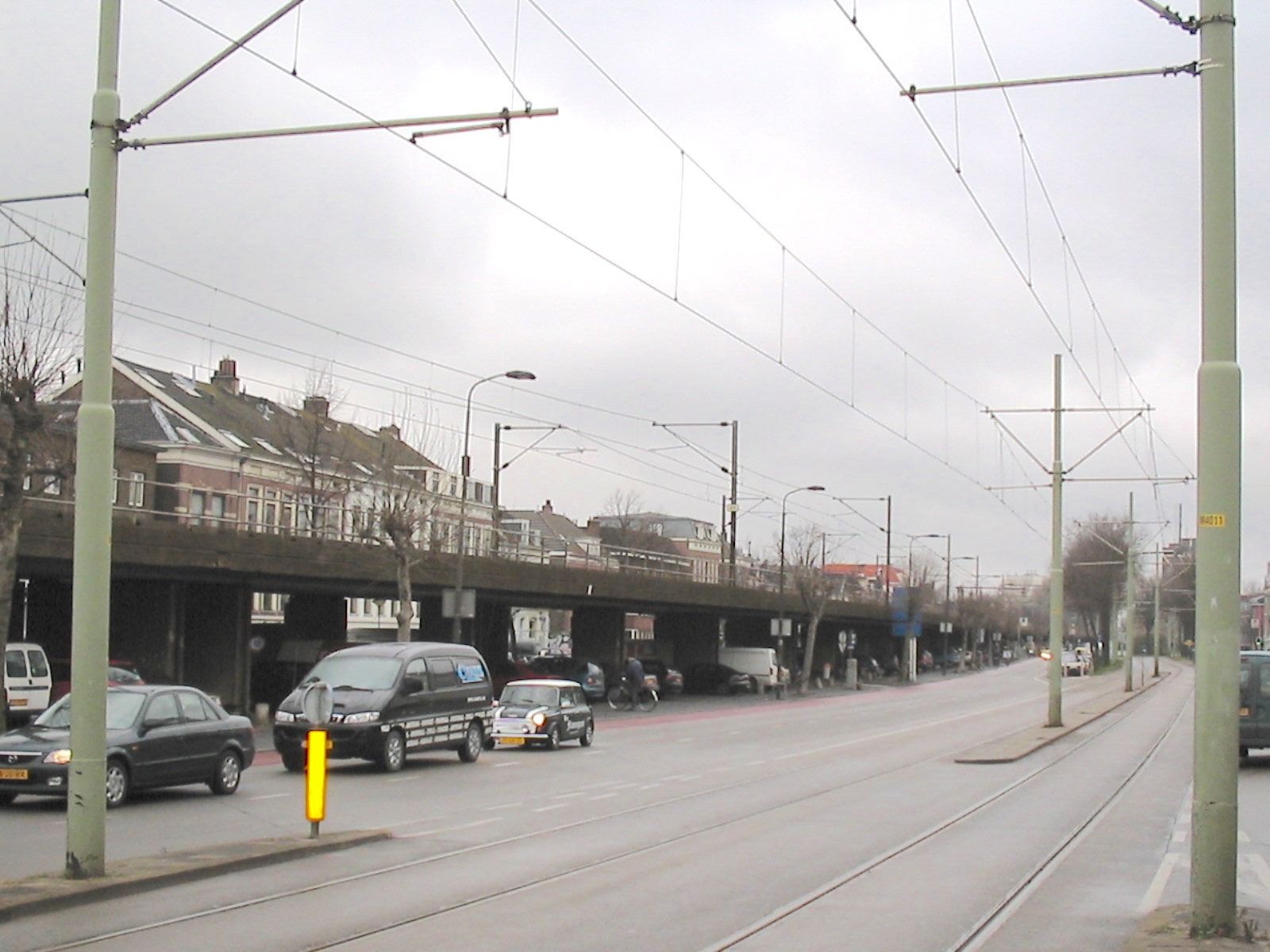
Credit: Wikipedia/Michiel1972
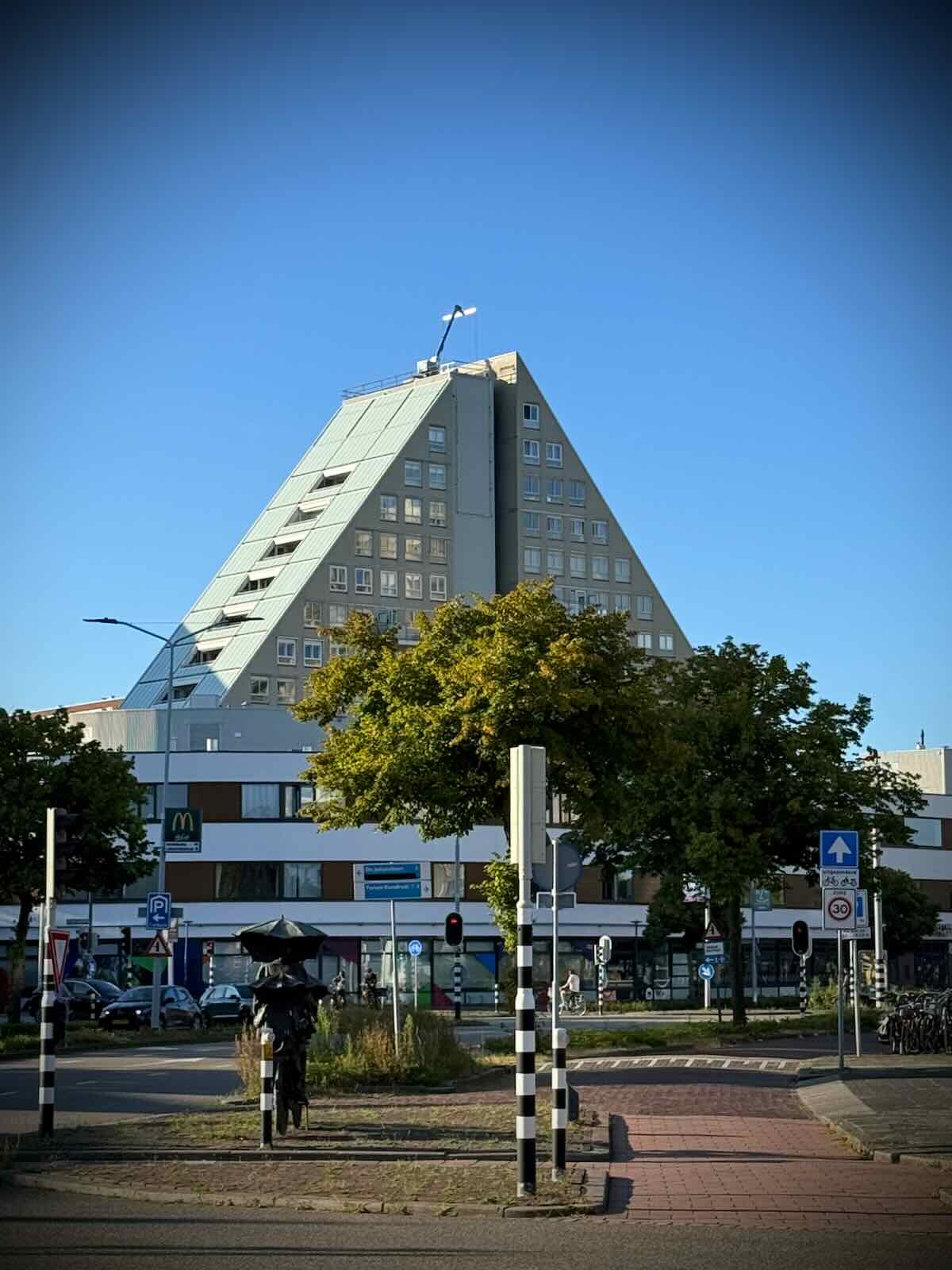
Turning onto Bolwerkbrug, the changes continue as we arrive at the area around Delft Station. Last time we were here, the building Huis van Delft was still under construction, whereas now it’s complete, as well as the public realm surrounding it.
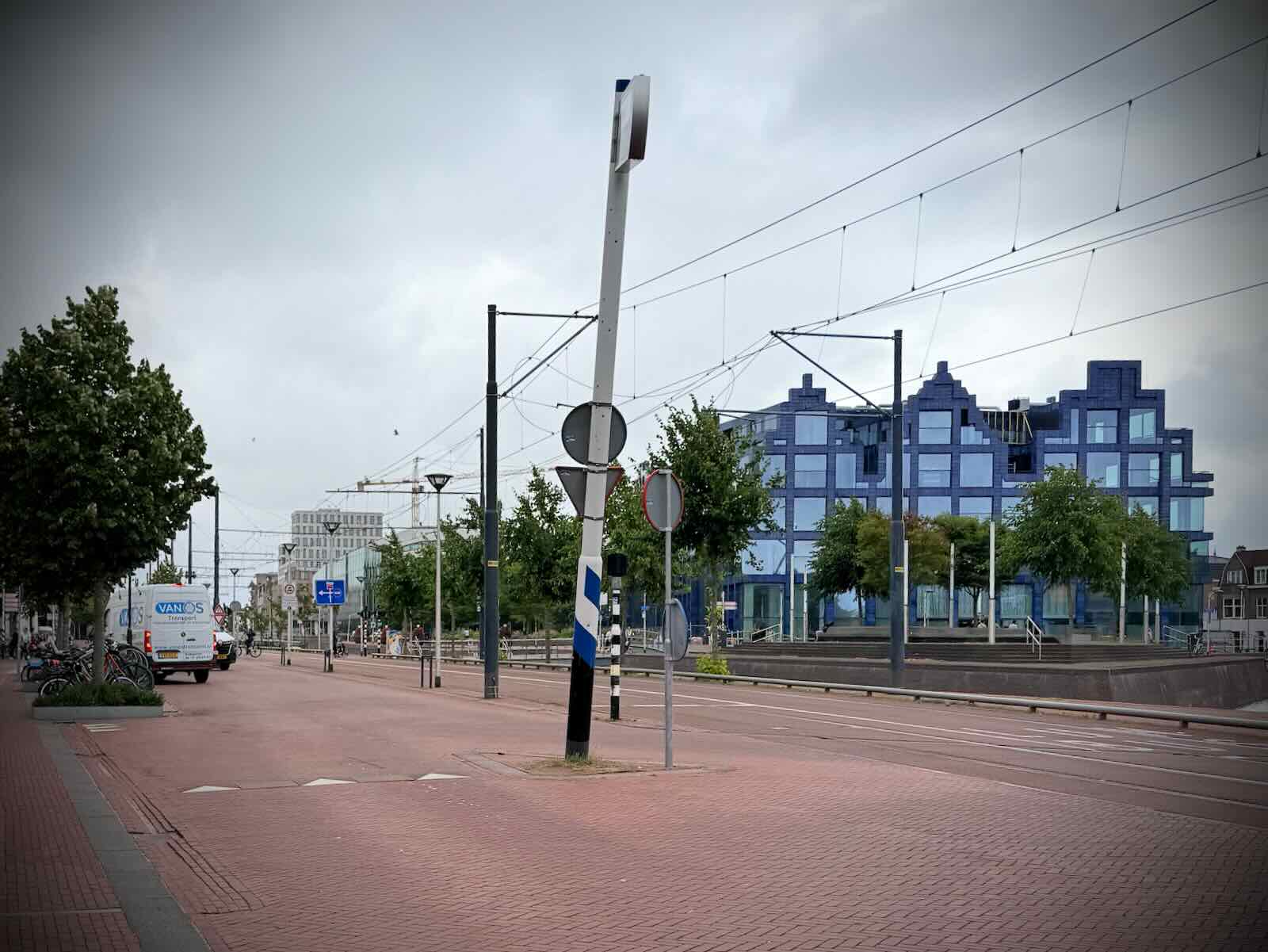
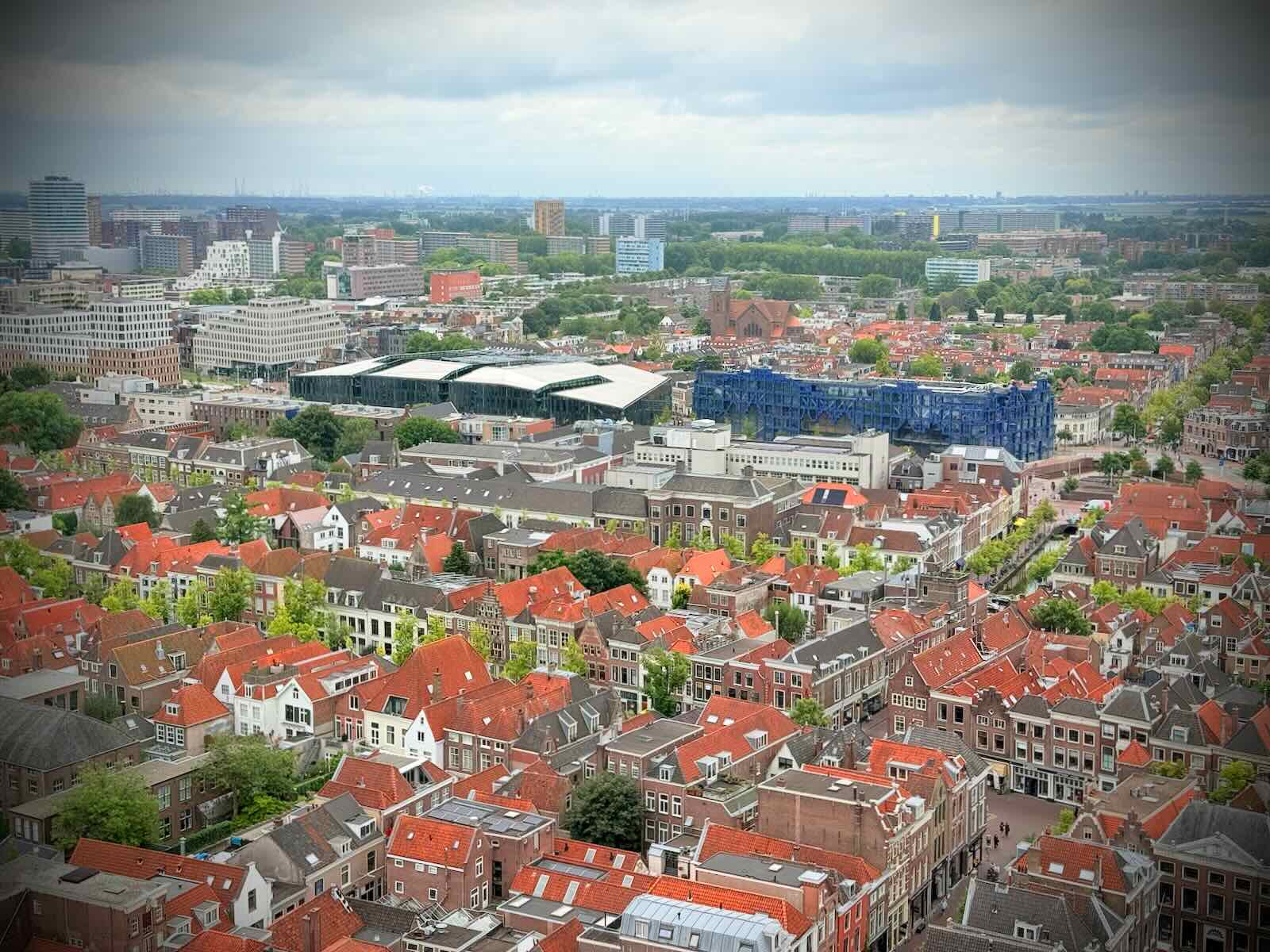
Huis van Delft is largely made up of apartments, with some public spaces on the ground floor. While it’s clearly very modern, it takes significant inspiration from Delft, its buildings and ceramics. From what I understand, the reception of the building has been pretty mixed, but I think the design has merit.
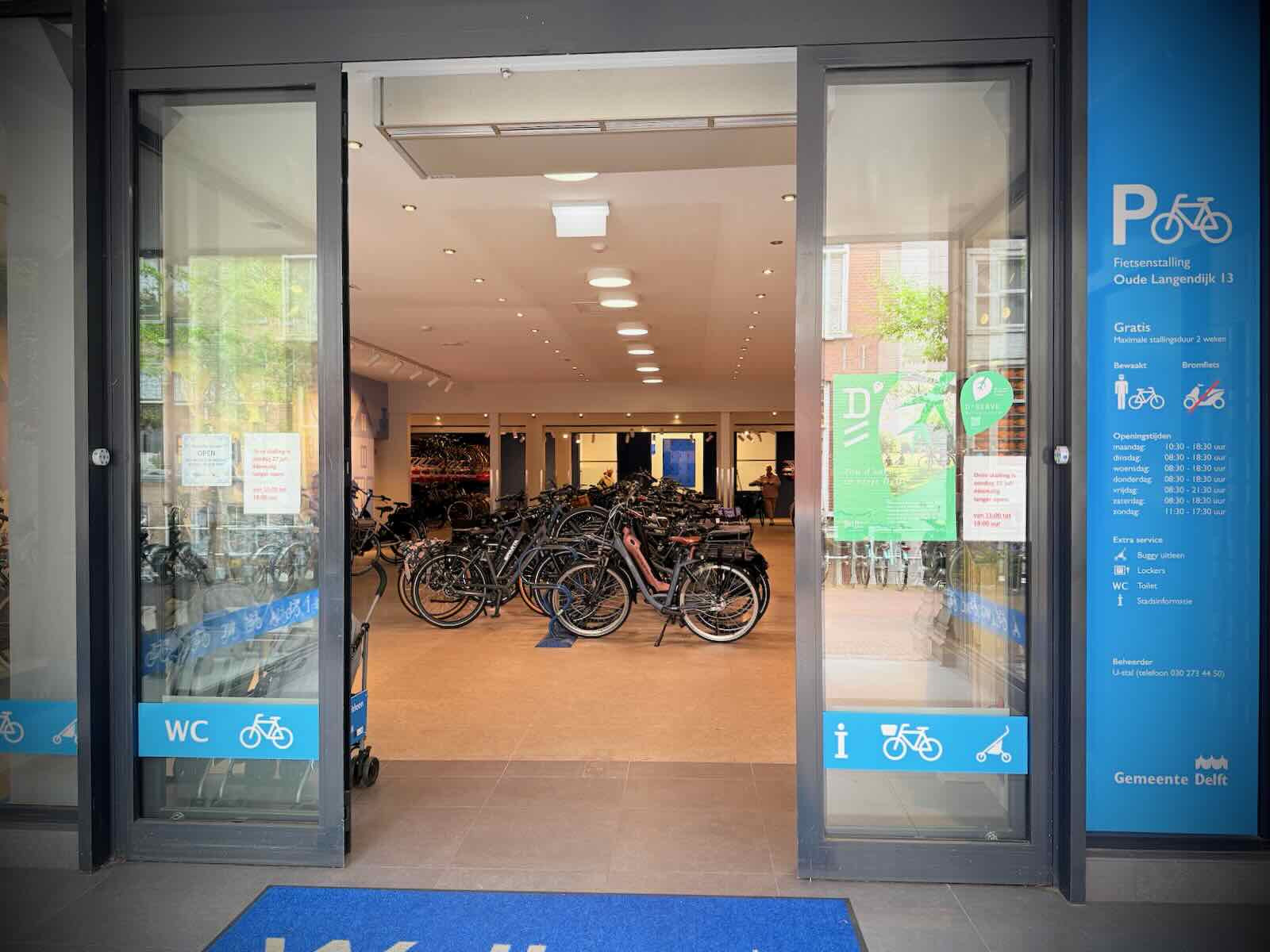
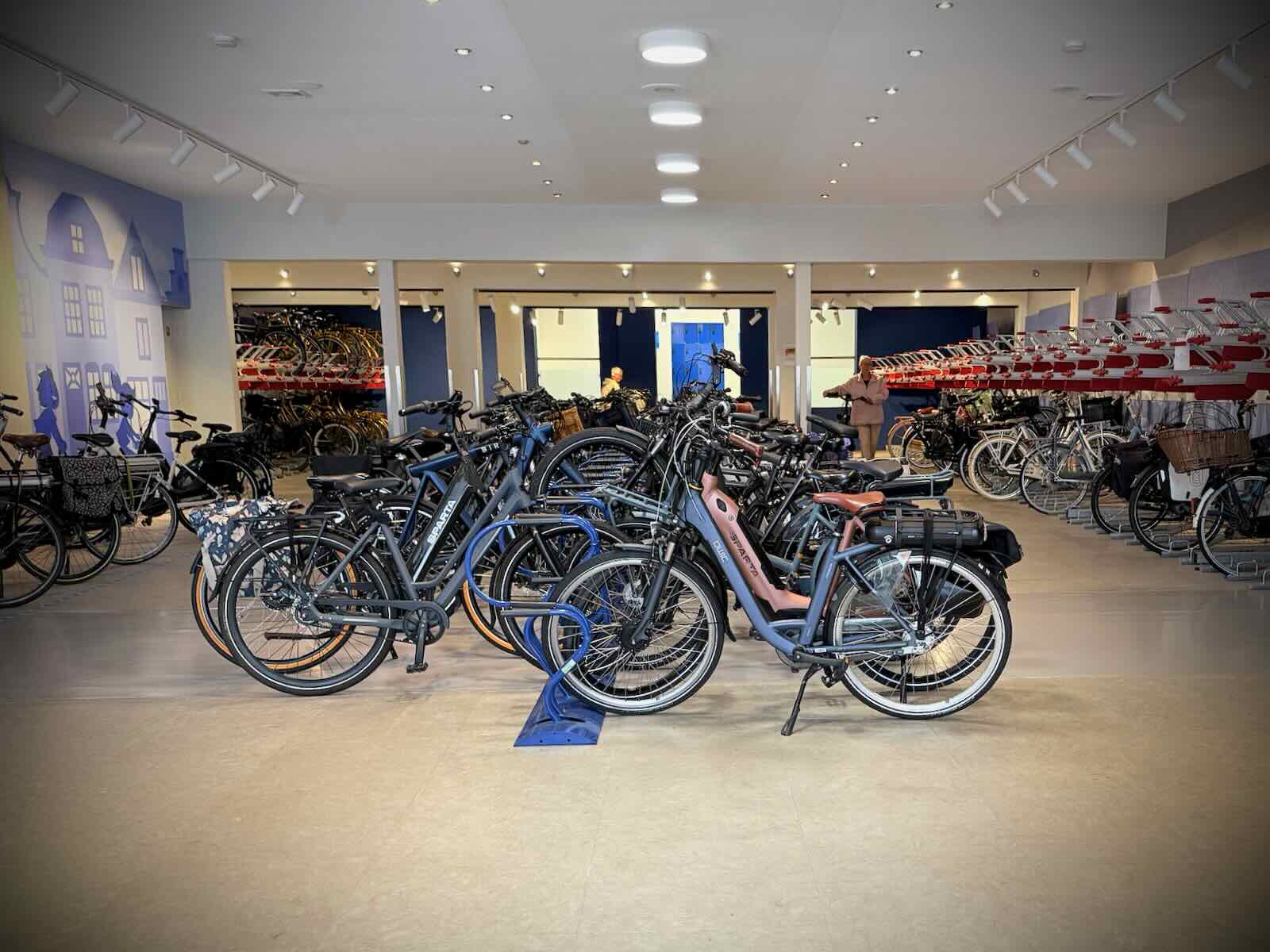
We made our way to the basement of Delft Station, where the extensive cycle parking is located. While it might not compare to the likes of Utrecht and Amsterdam in scale, it’s still very impressive.
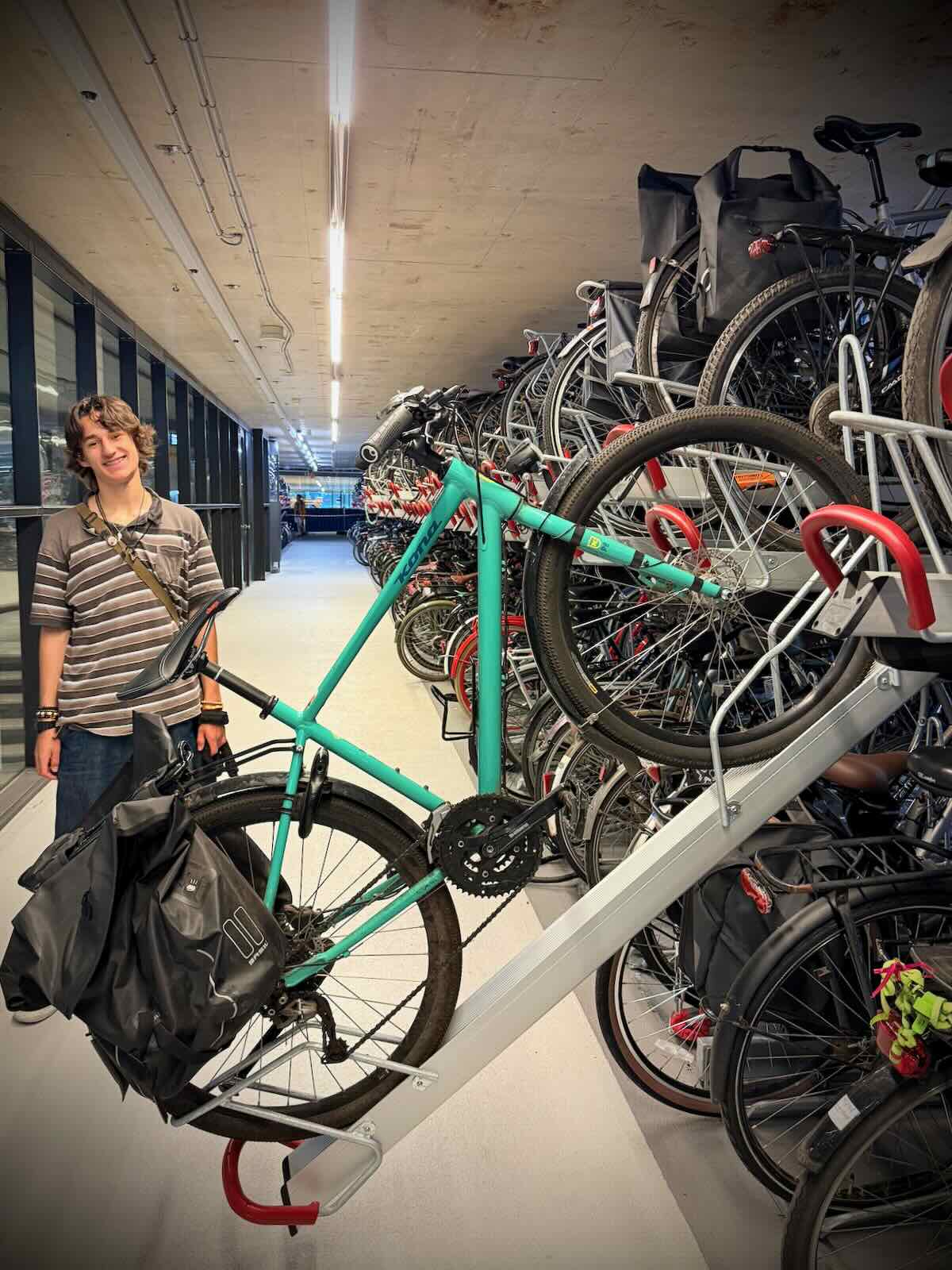
At the time we were there, a lot of work was being carried out at the cycle parking and large areas were closed off, which limited the number of available spaces. Though we eventually found some, parked the bikes and made our way into town.

Wandering round Delft
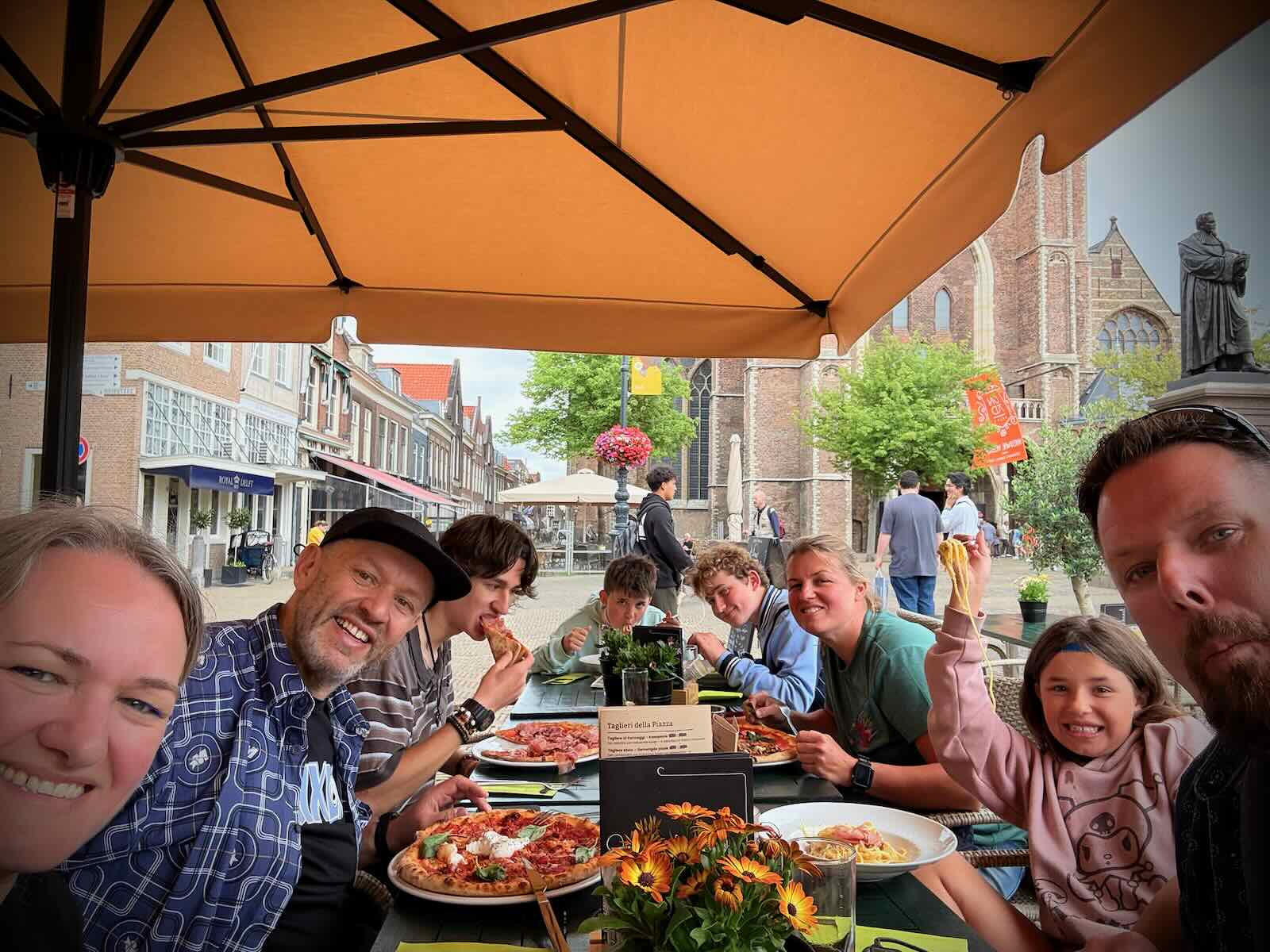
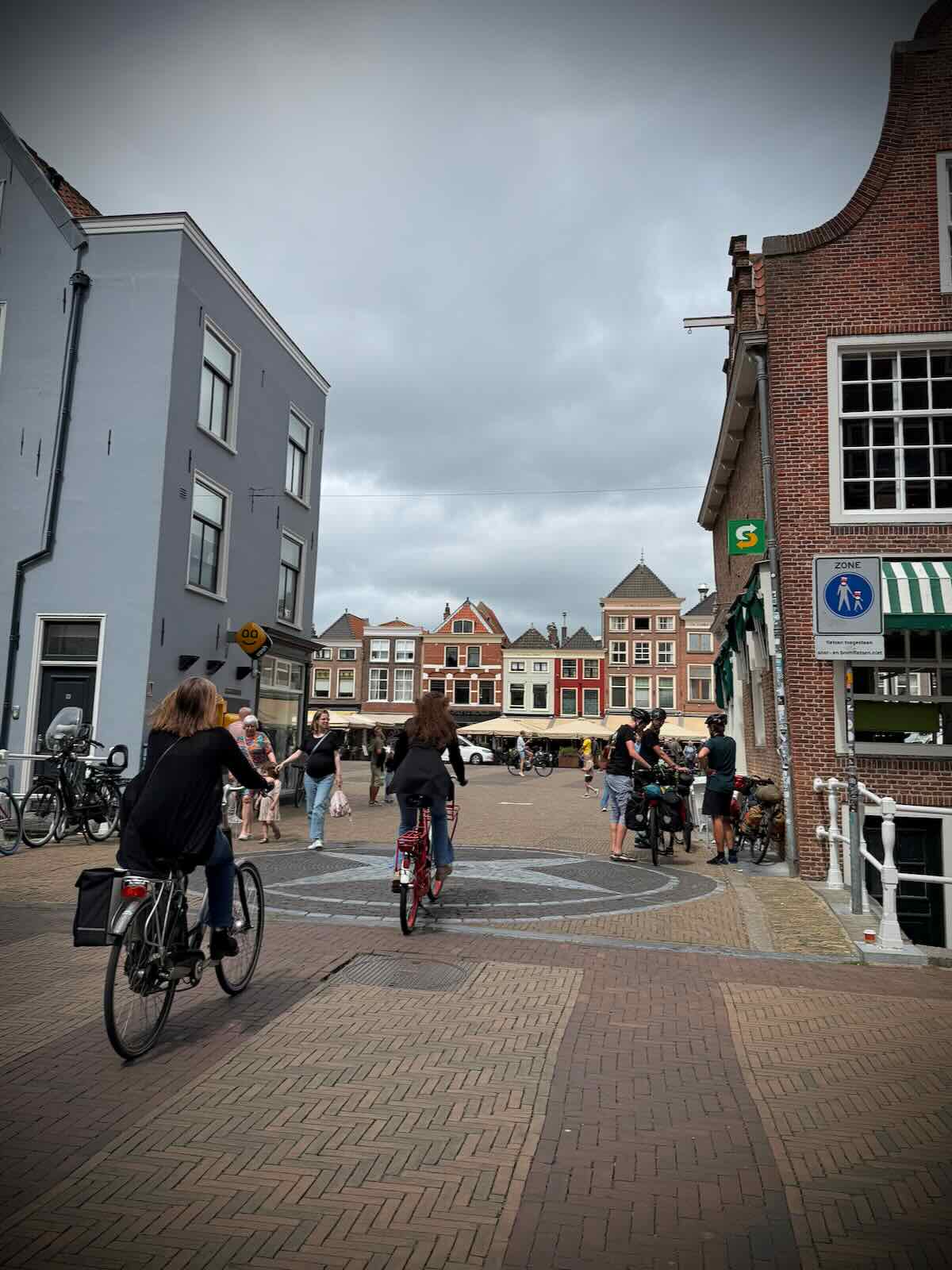
With it taking a while for us to get there, it was lunchtime by the time we arrived and we were feeling pretty hungry, so first of all, we set off to find something to eat. Probably not the most sensible idea, but we headed to Markt to find somewhere for lunch.
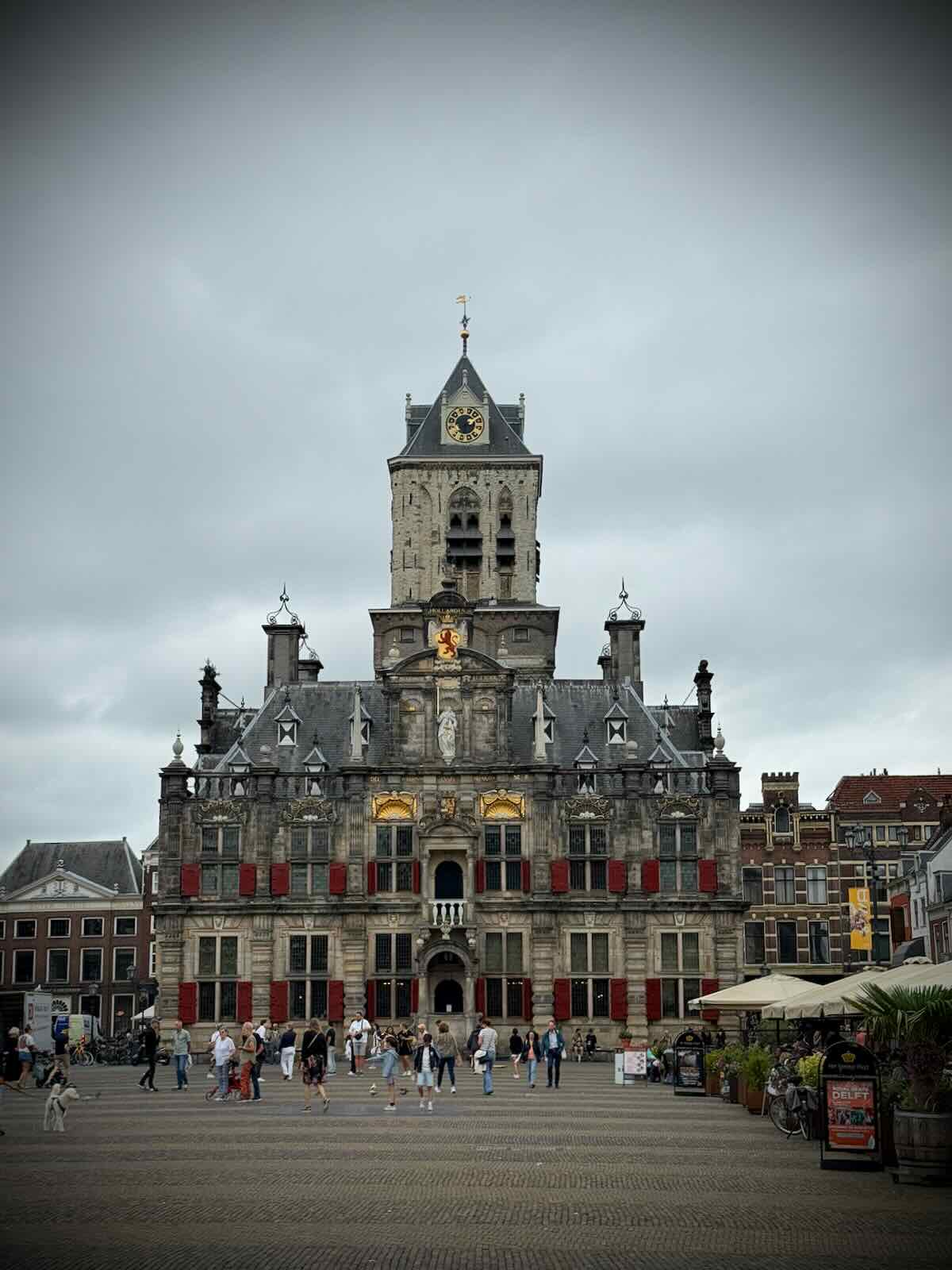
We settled on La Piazza Verde, which as you can probably guess is an Italian restaurant, doing pizza and pasta. The food here was good and it was really pleasant sitting in the Markt square, with Nieuwe Kerk and the Stadhuis looking down on us.
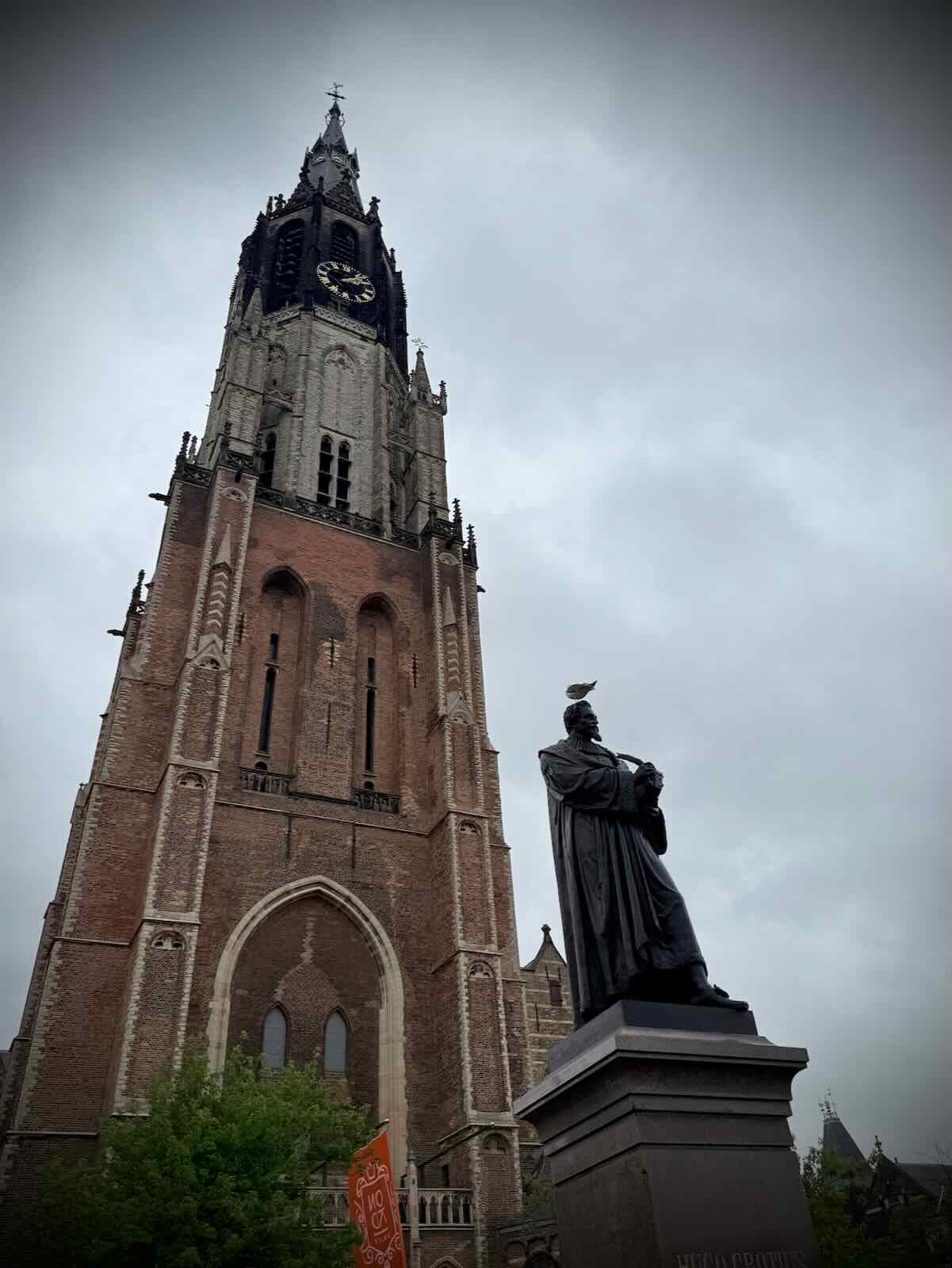
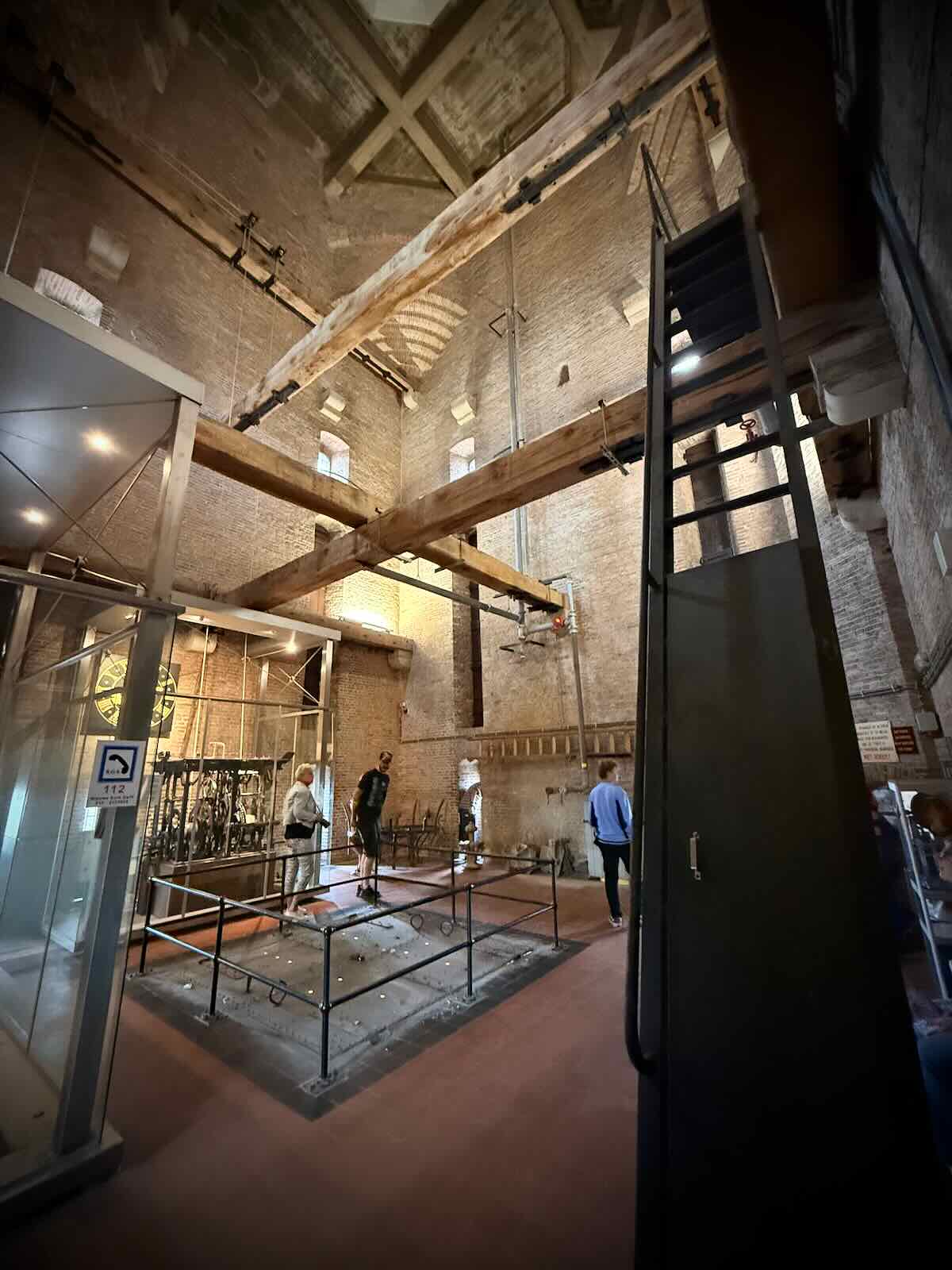
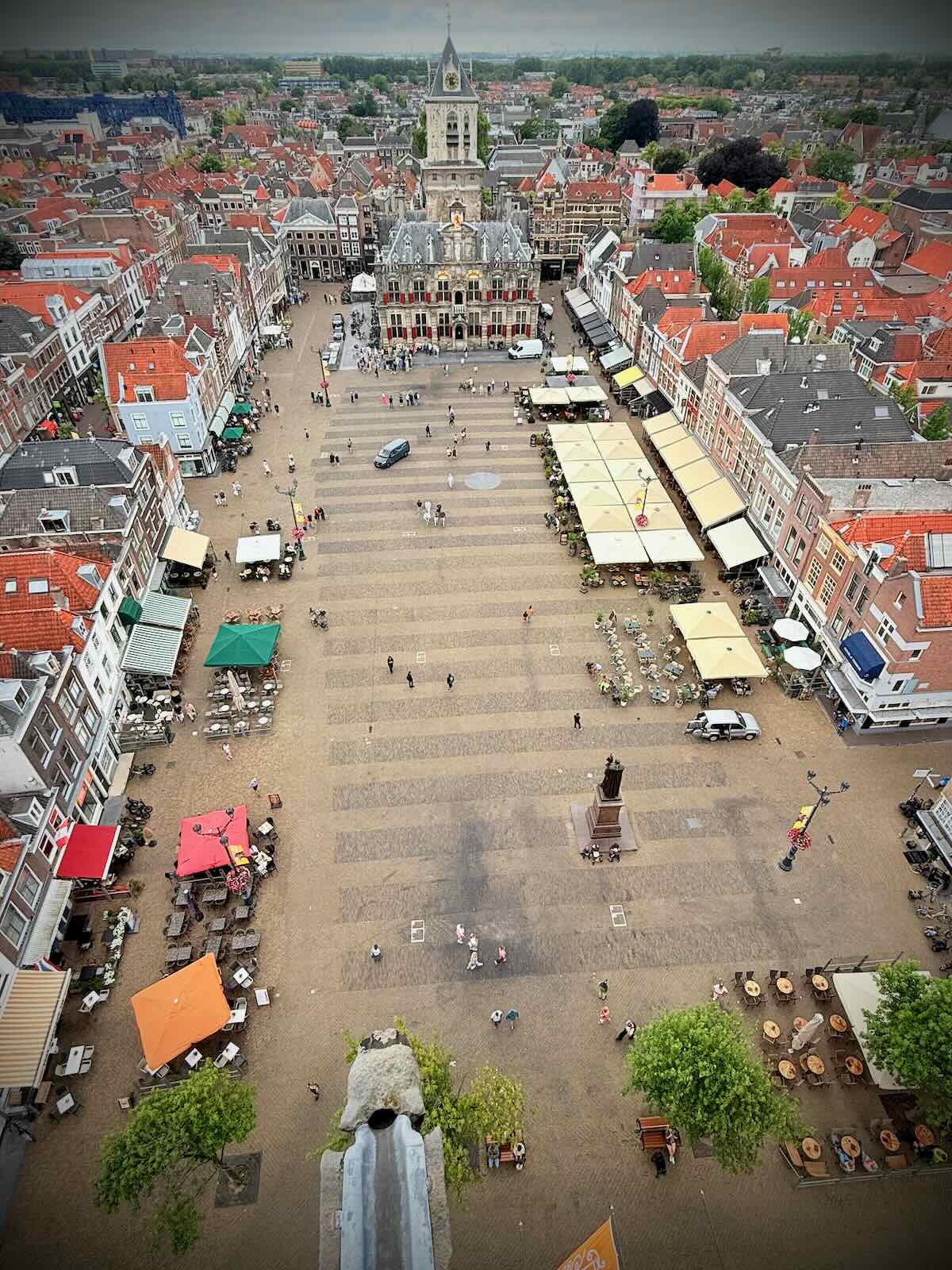
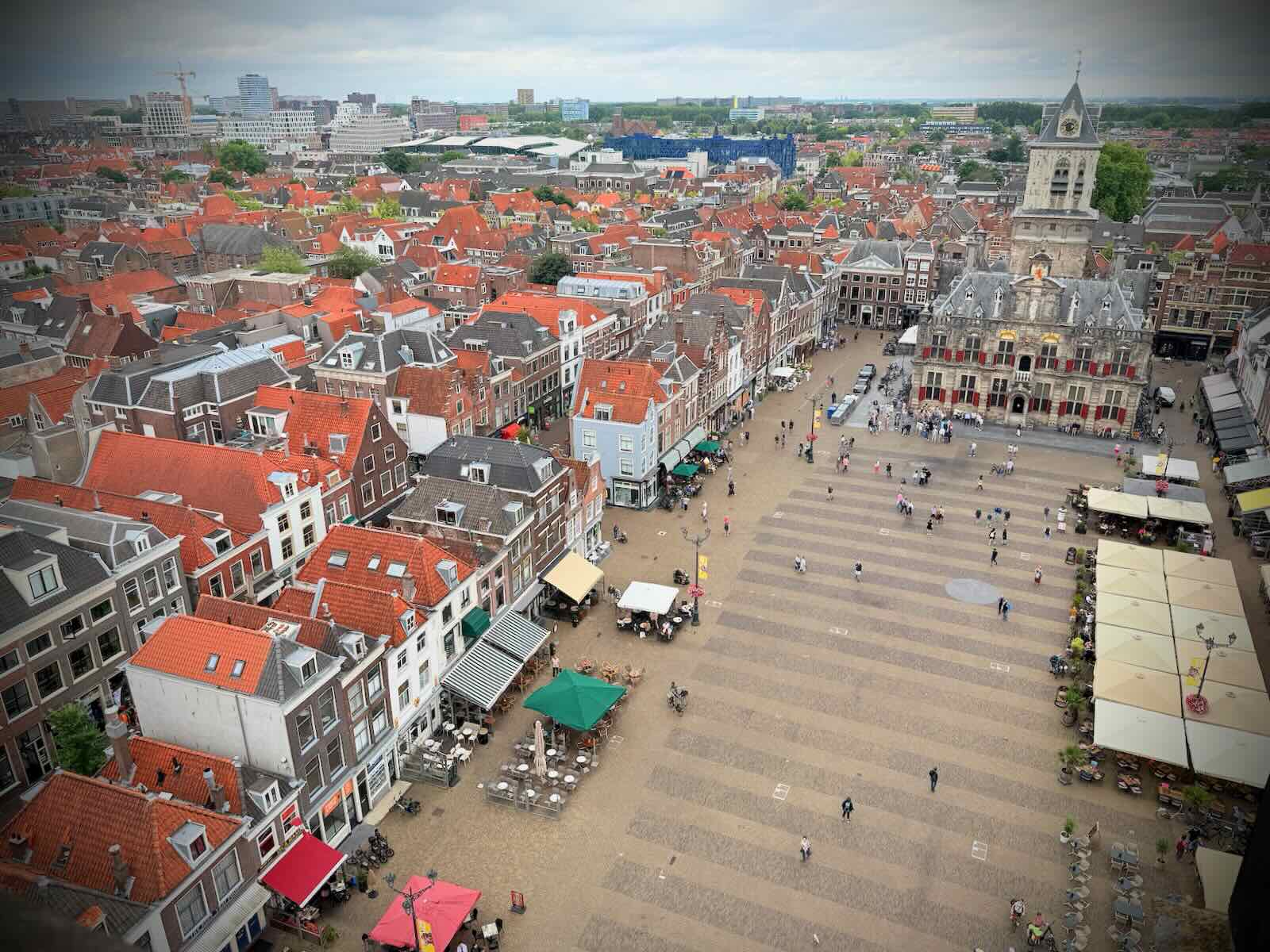
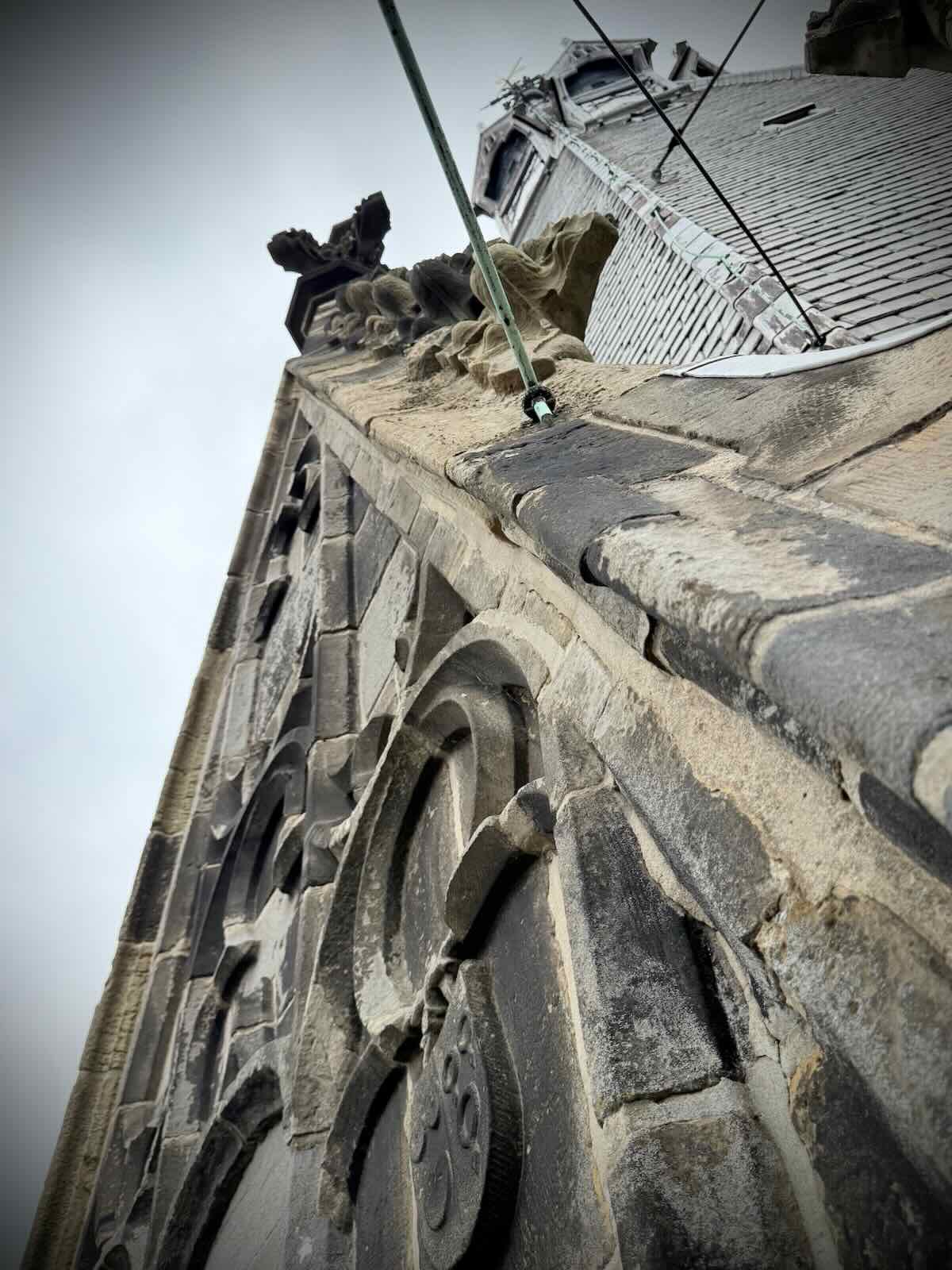
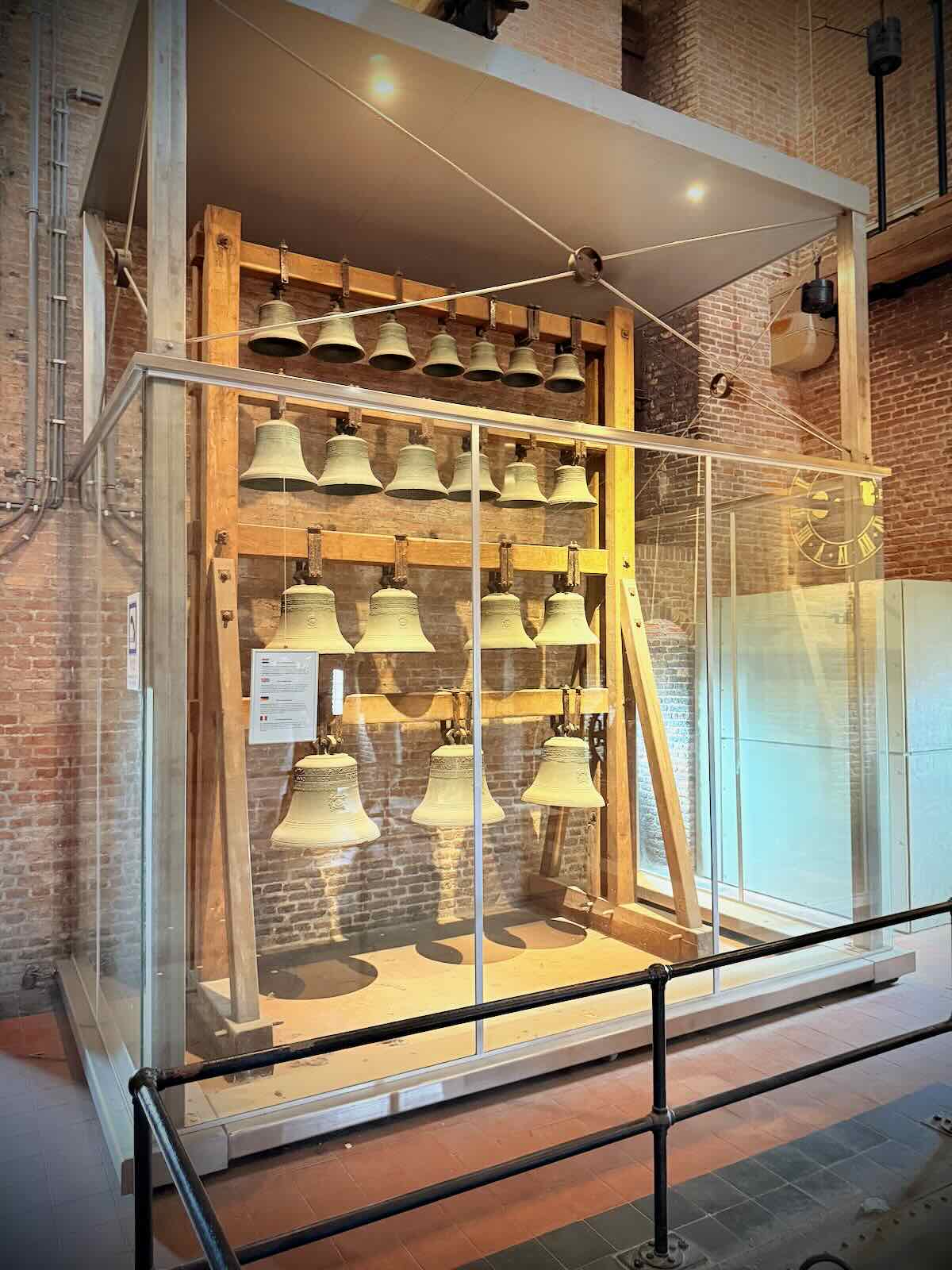
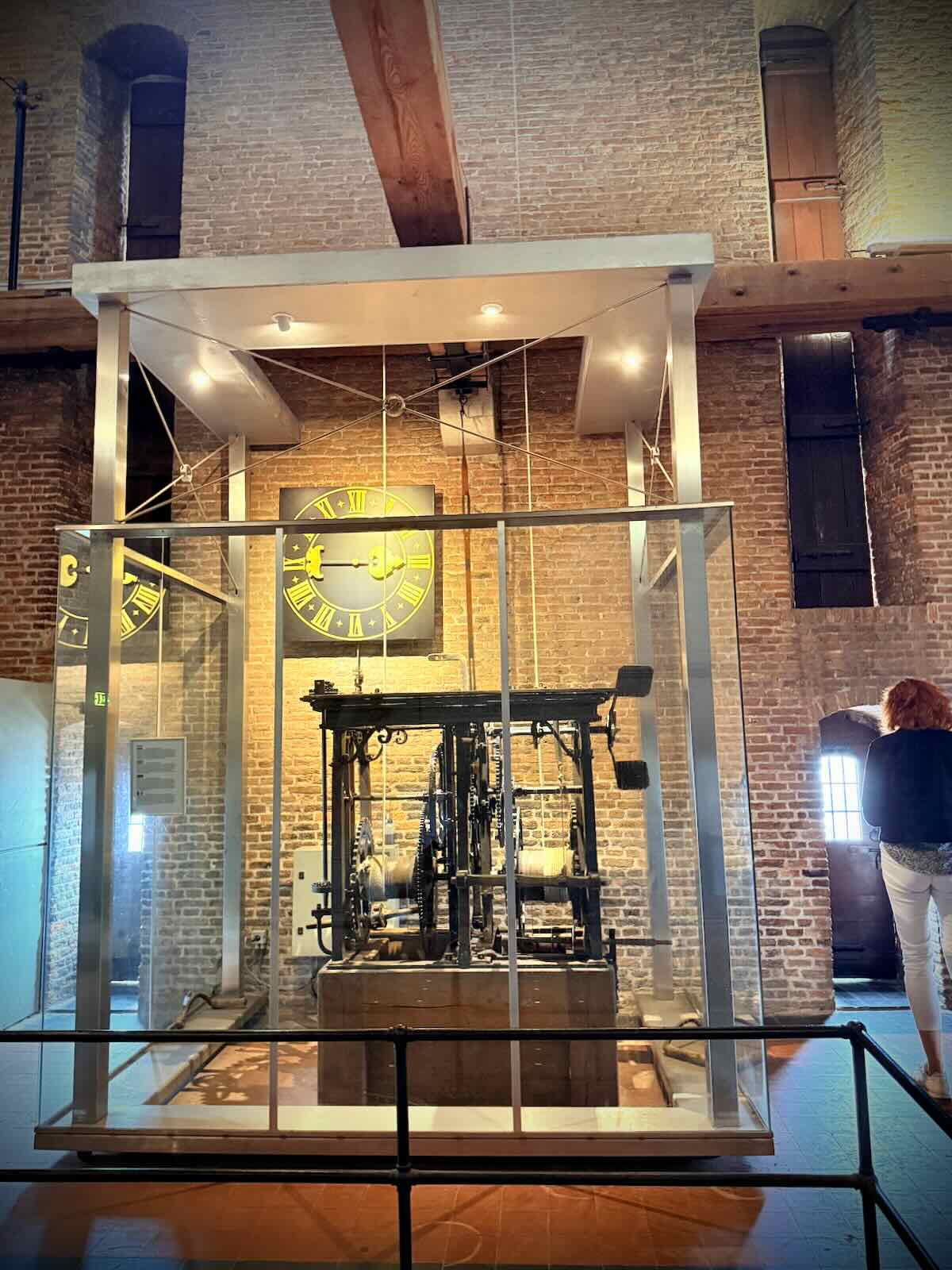
After lunch, we didn’t go far for our next stop, just a few steps to Nieuwe Kerk, as we were going to climb the tower. At 108.75 metres, it’s the second highest church tower in the Netherlands. It’s 376 steps to climb the tower, taking you to a height of 85 metres.
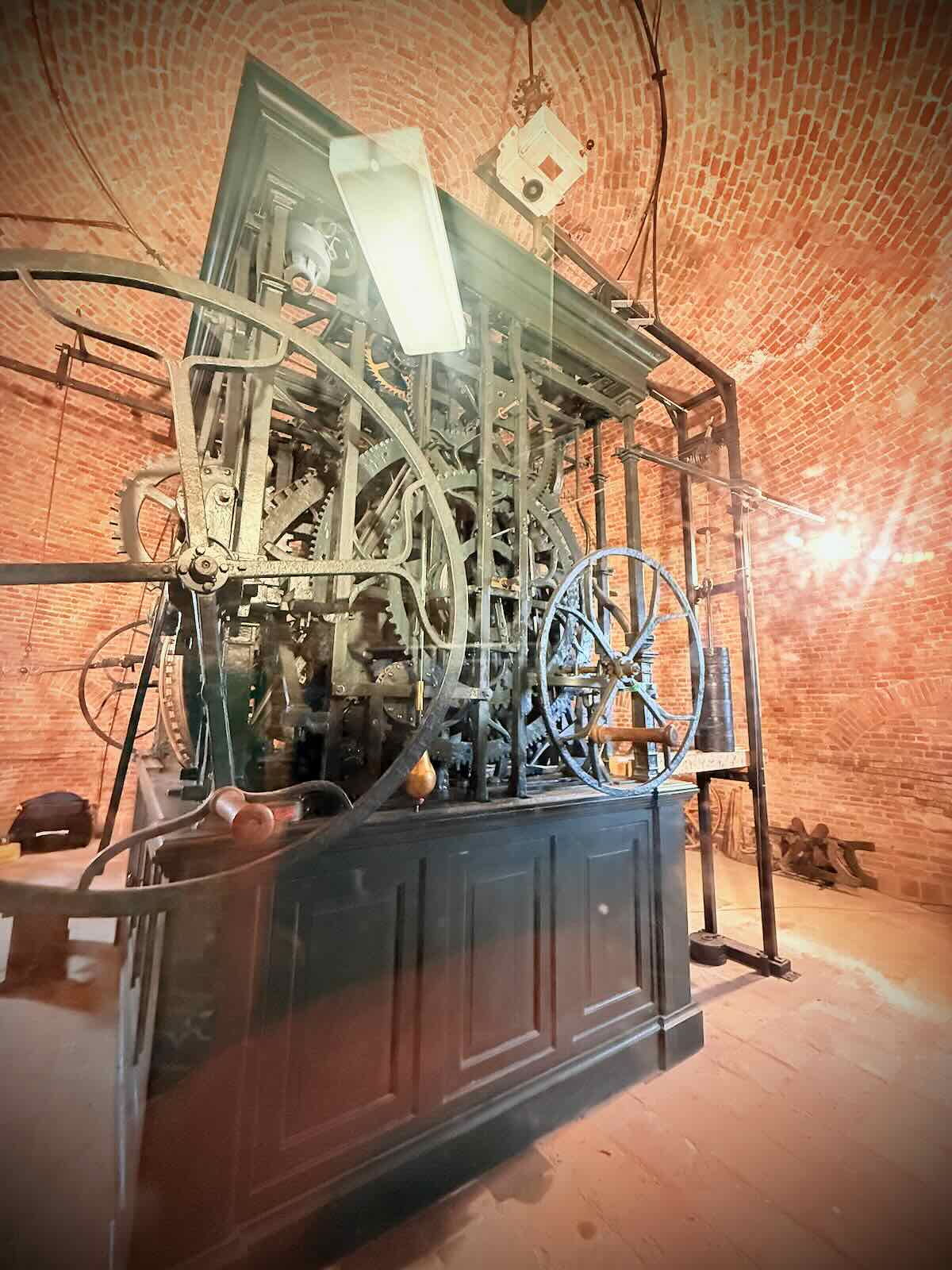
Setting off up the tower, the first thing we noticed is how narrow it is, making it difficult to pass people coming down. Unsurprisingly, there’s no lift (some low scoring Google reviewers seem surprised at this!), so it’s definitely not accessible.
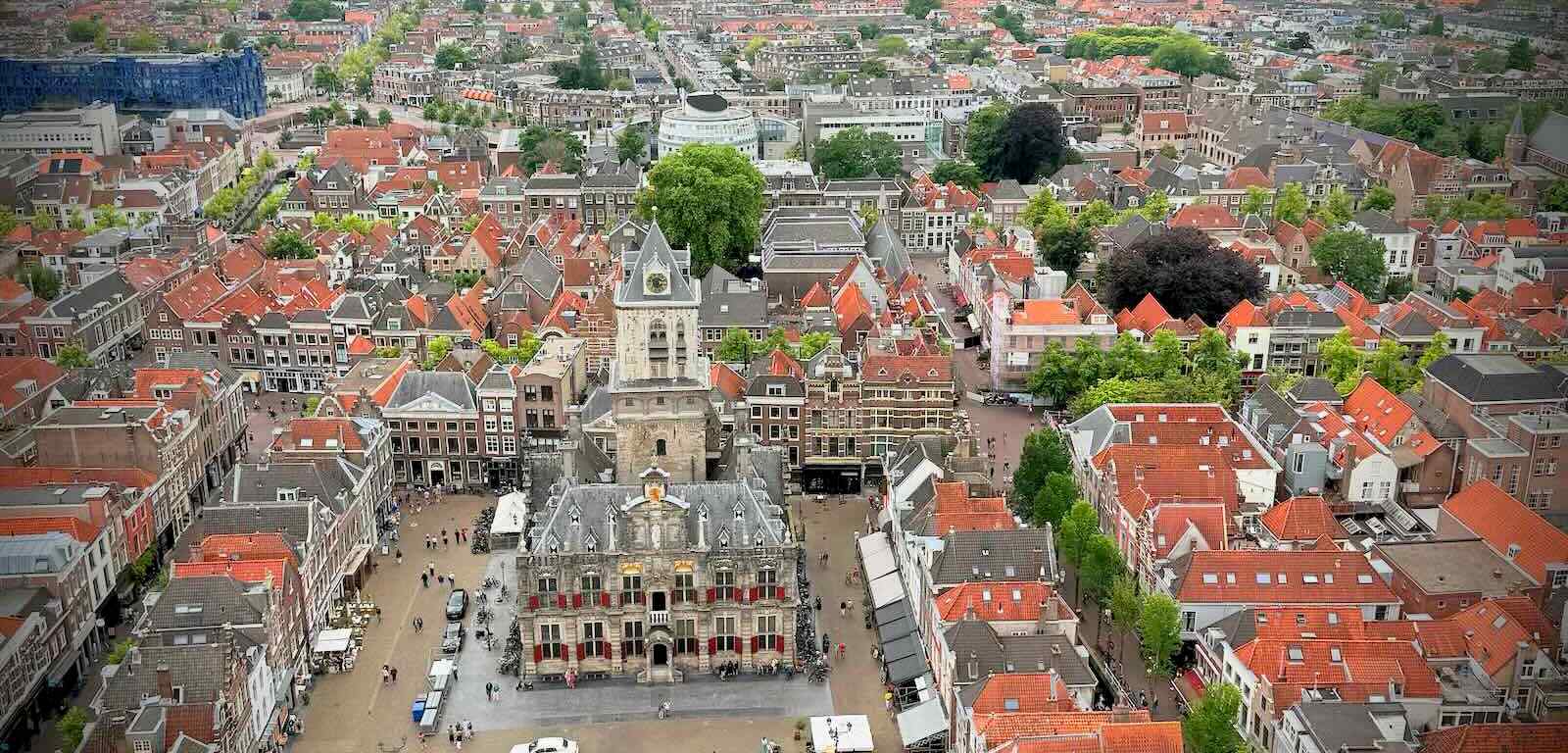
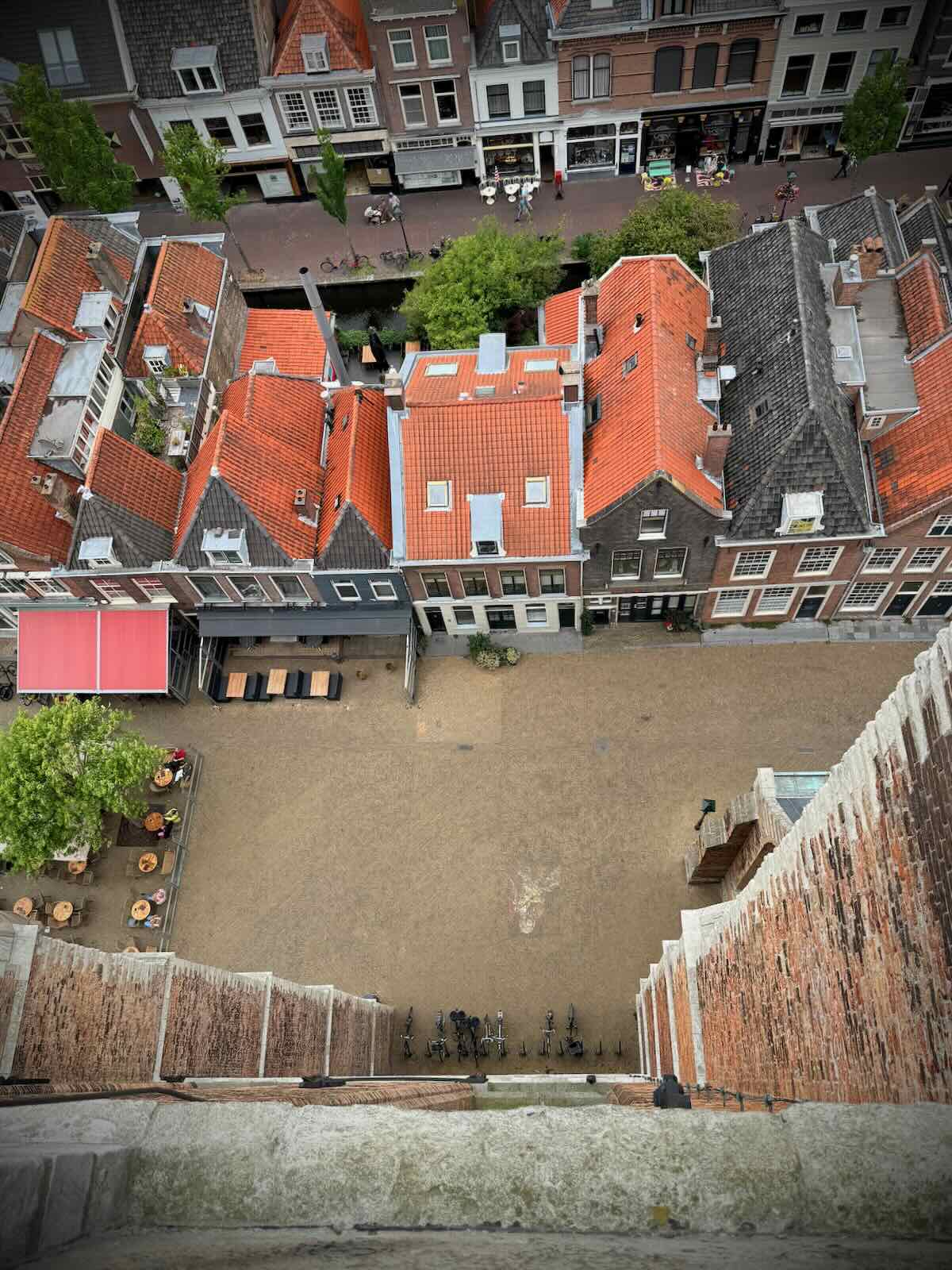
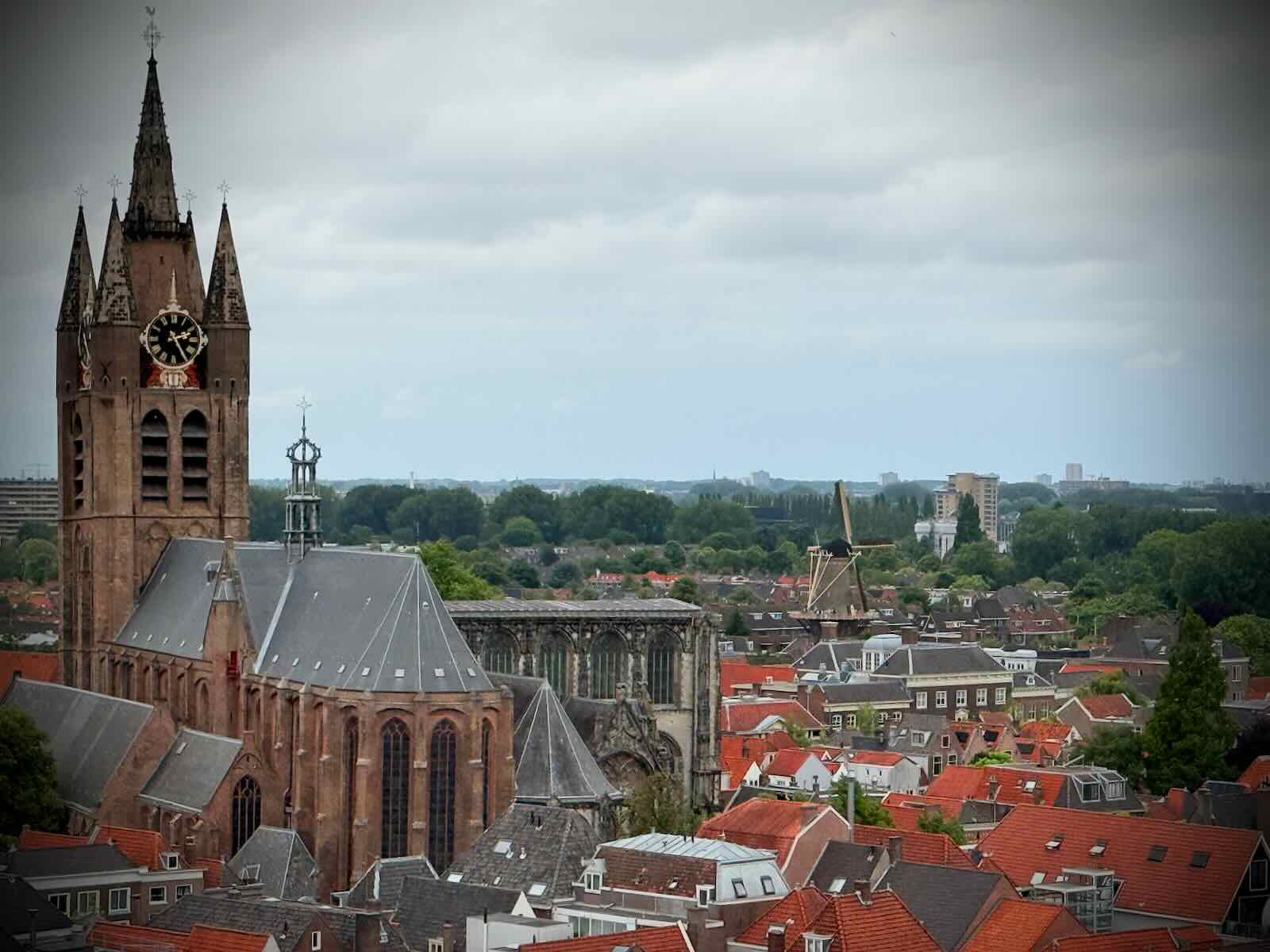
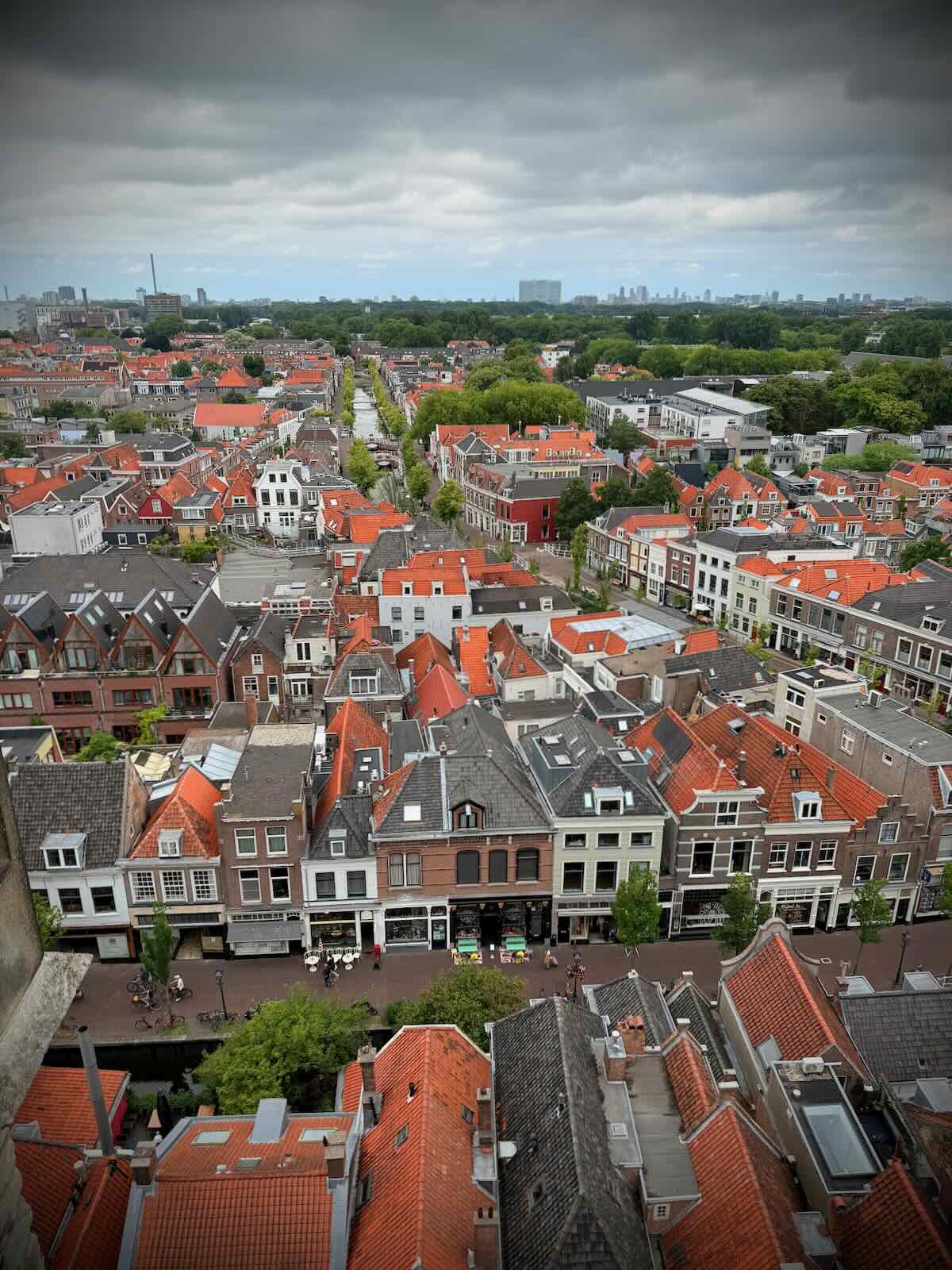
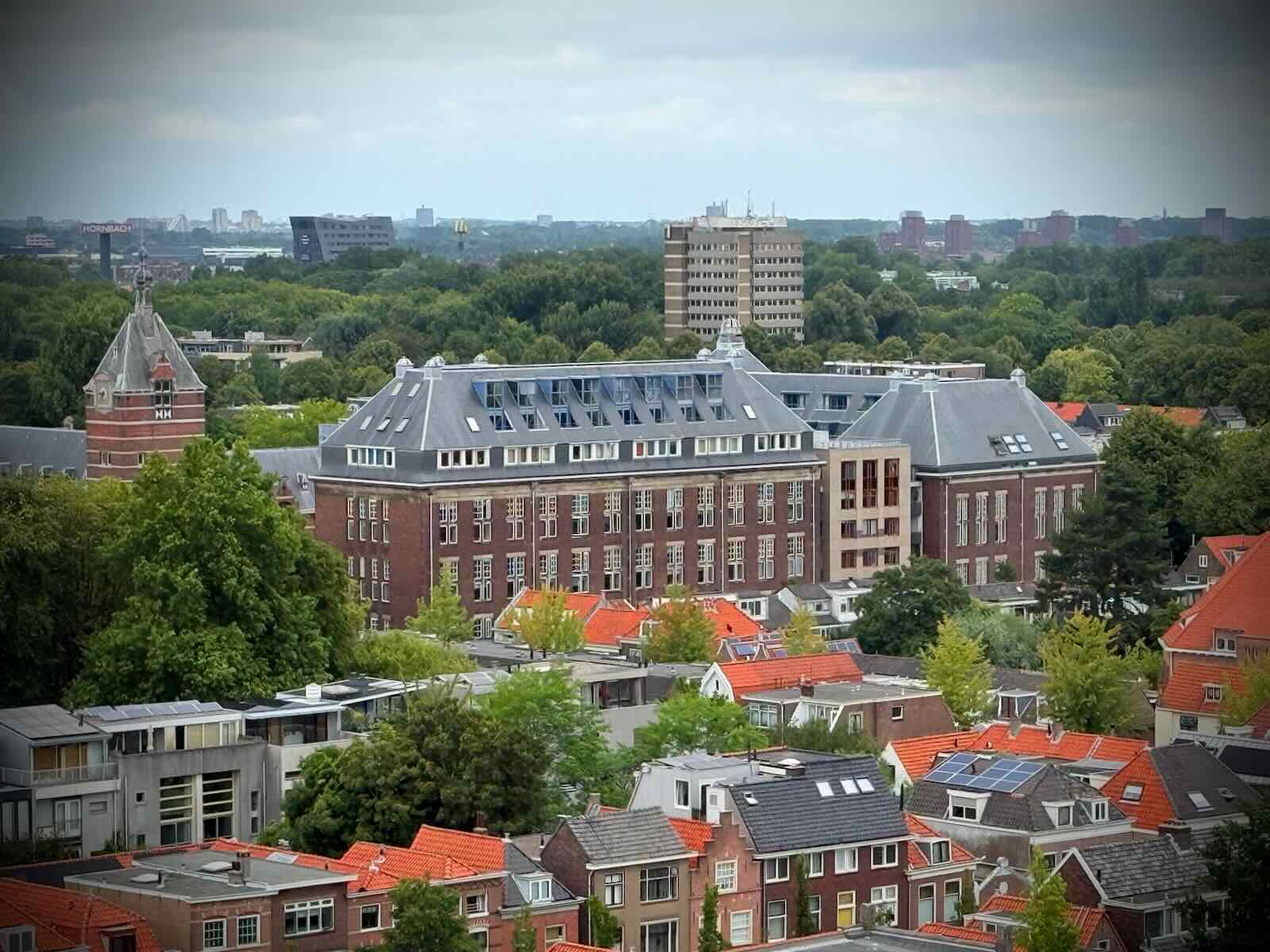
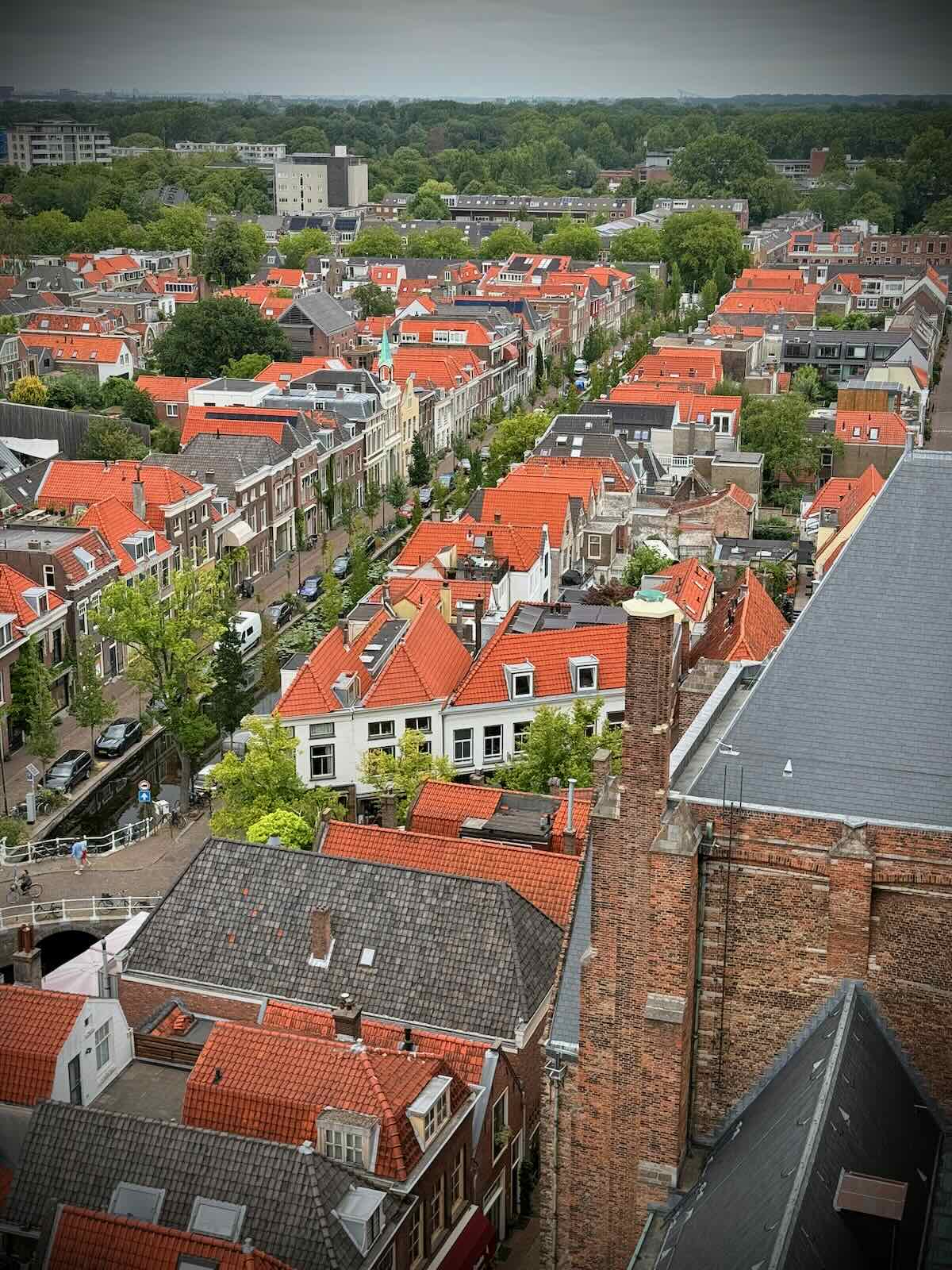
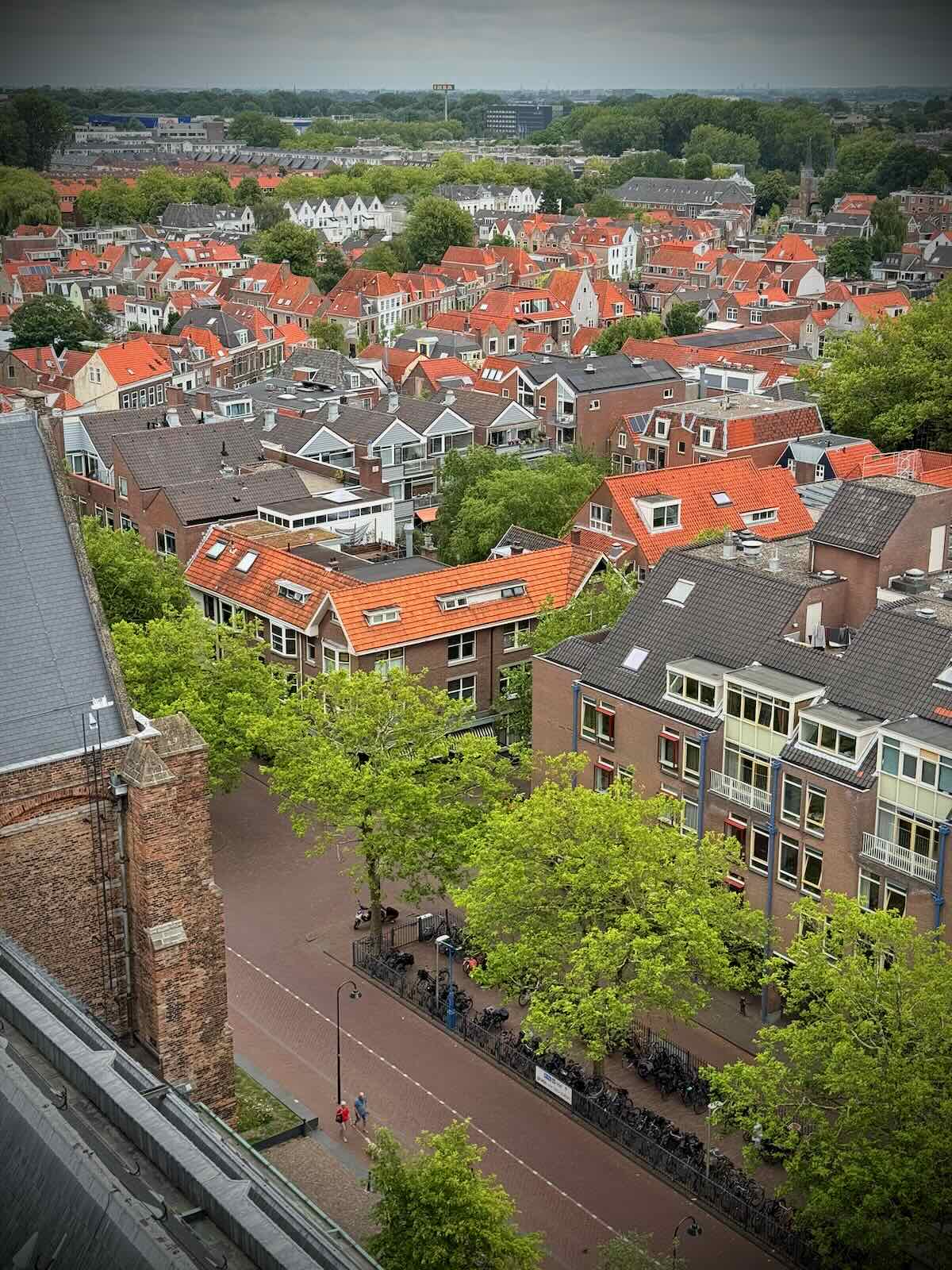
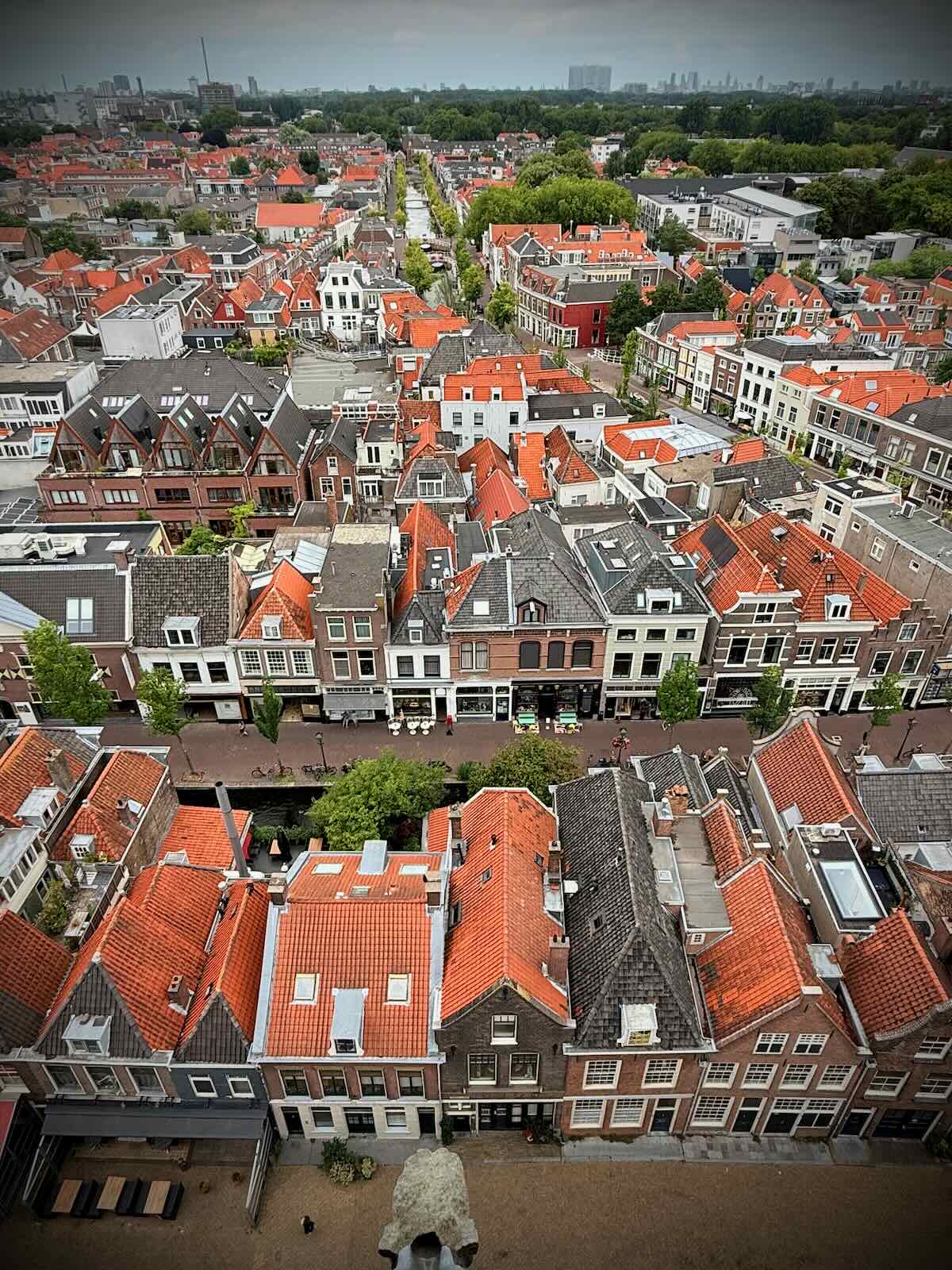
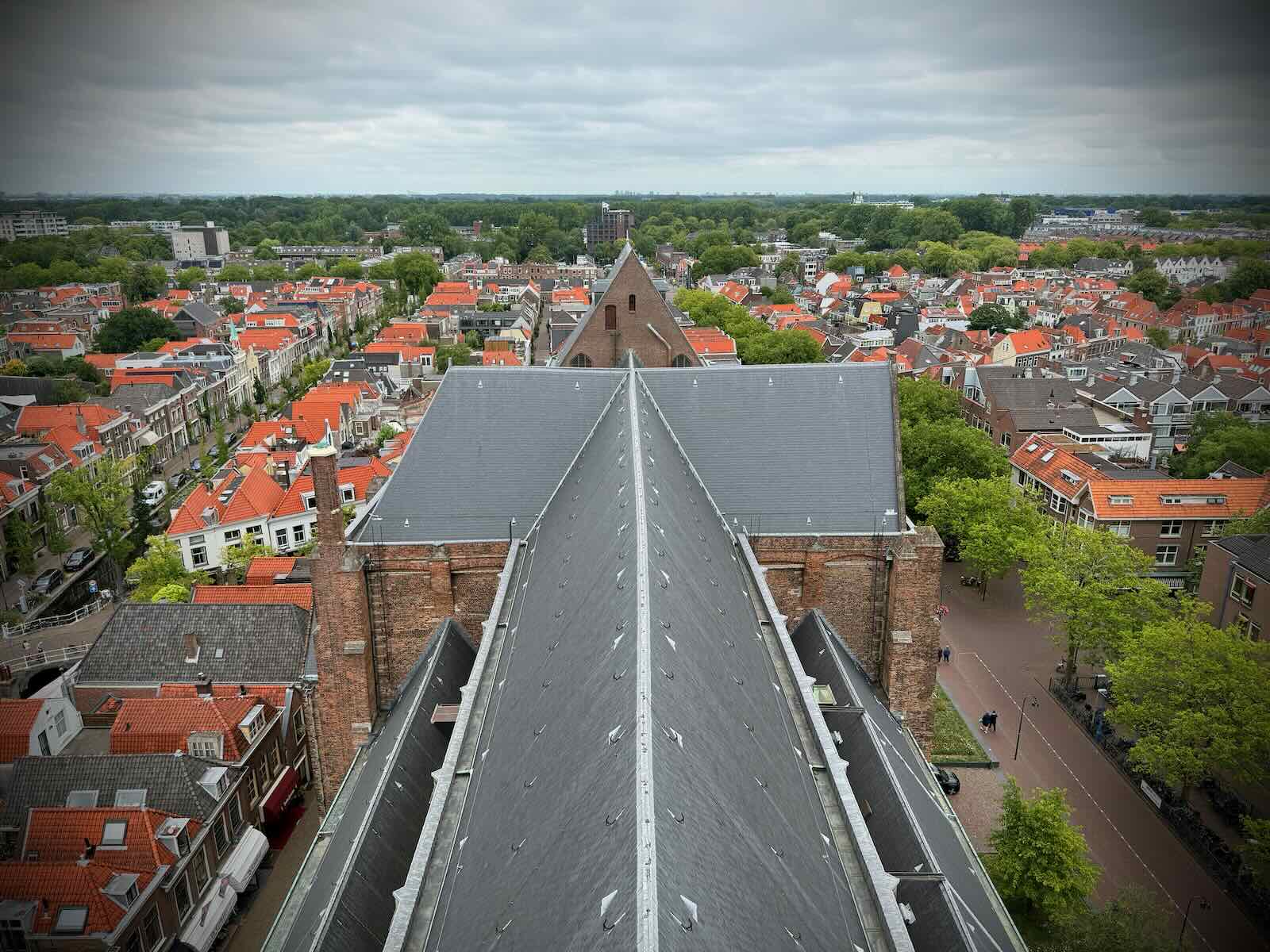
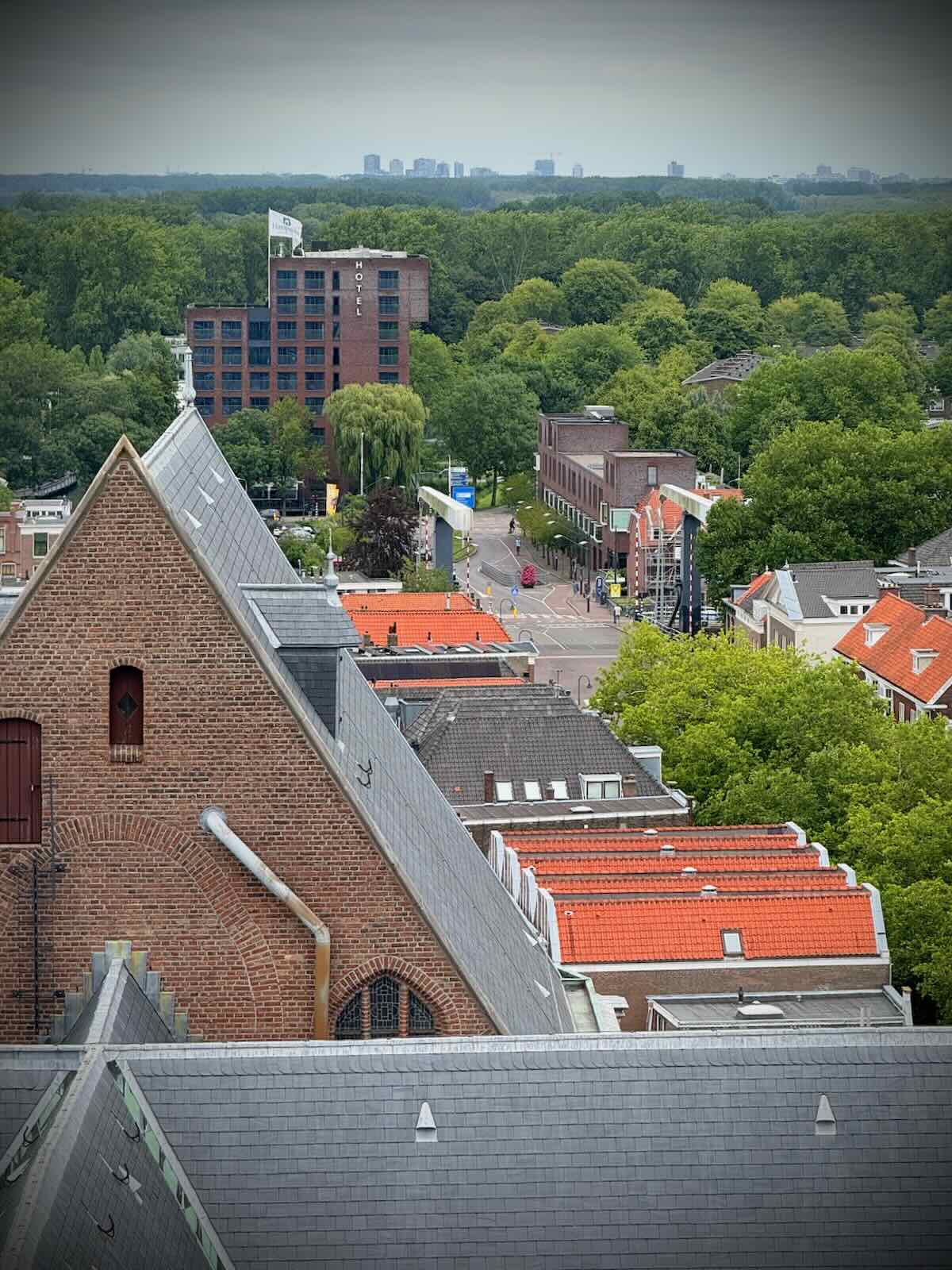
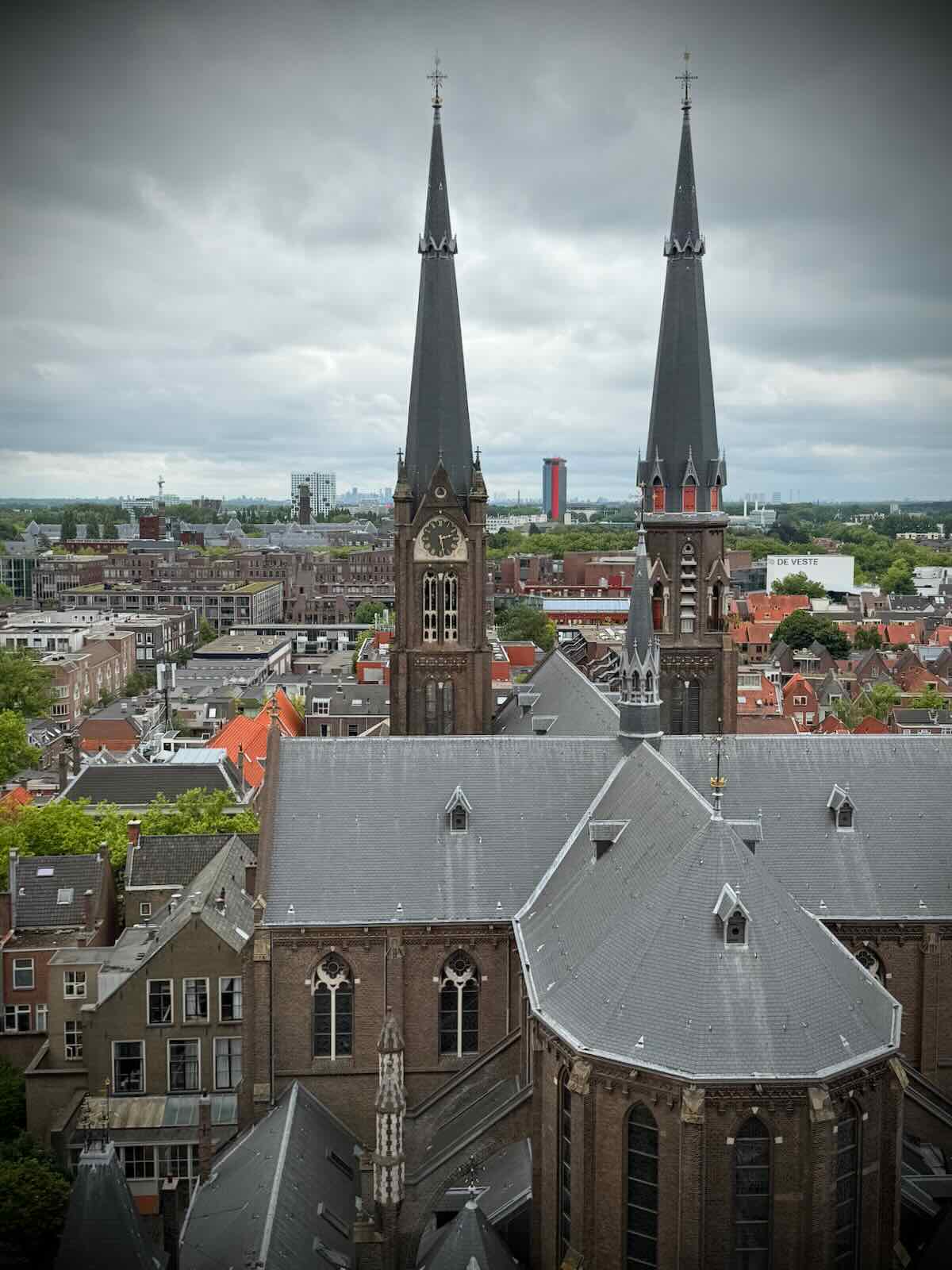
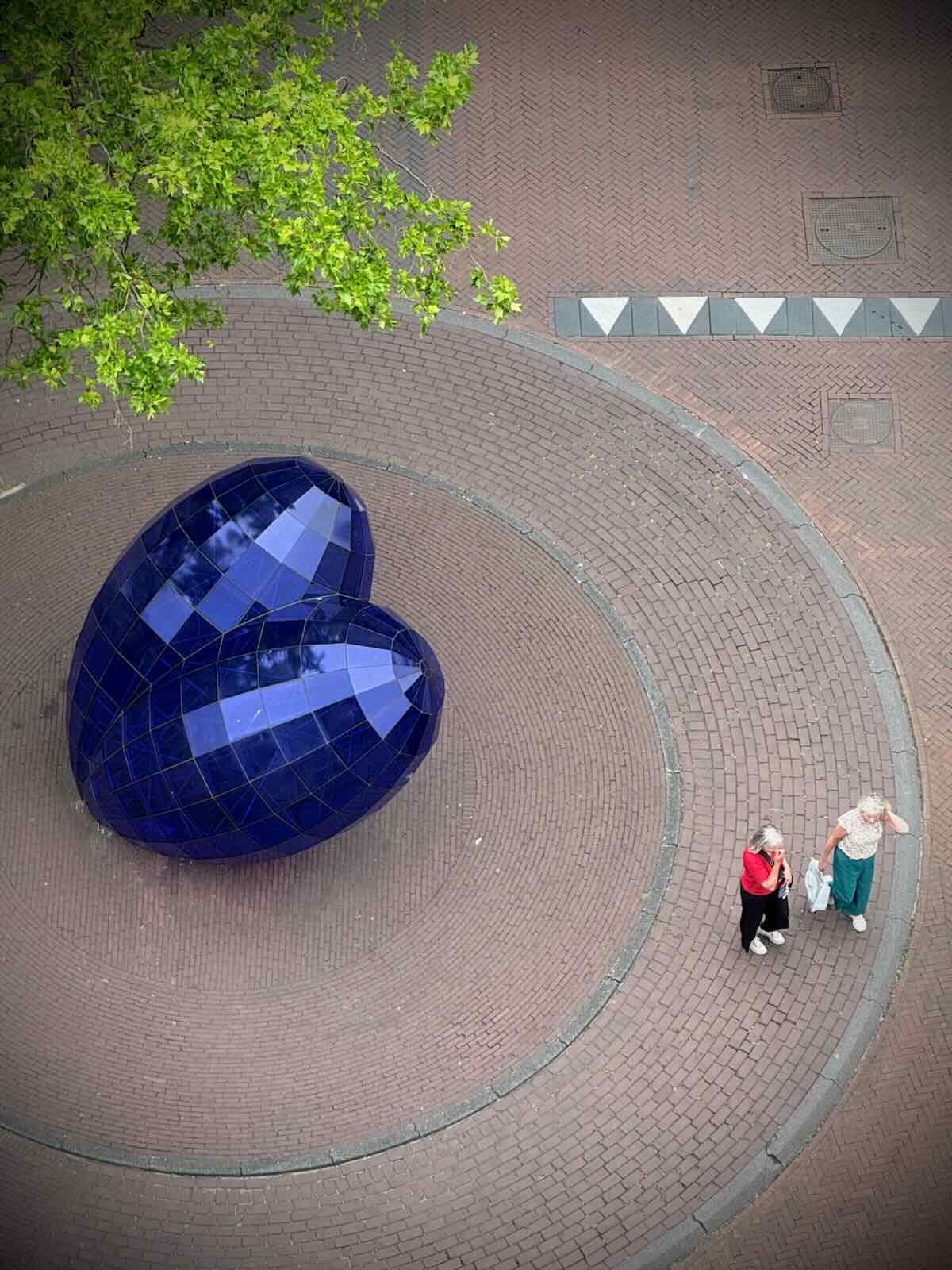
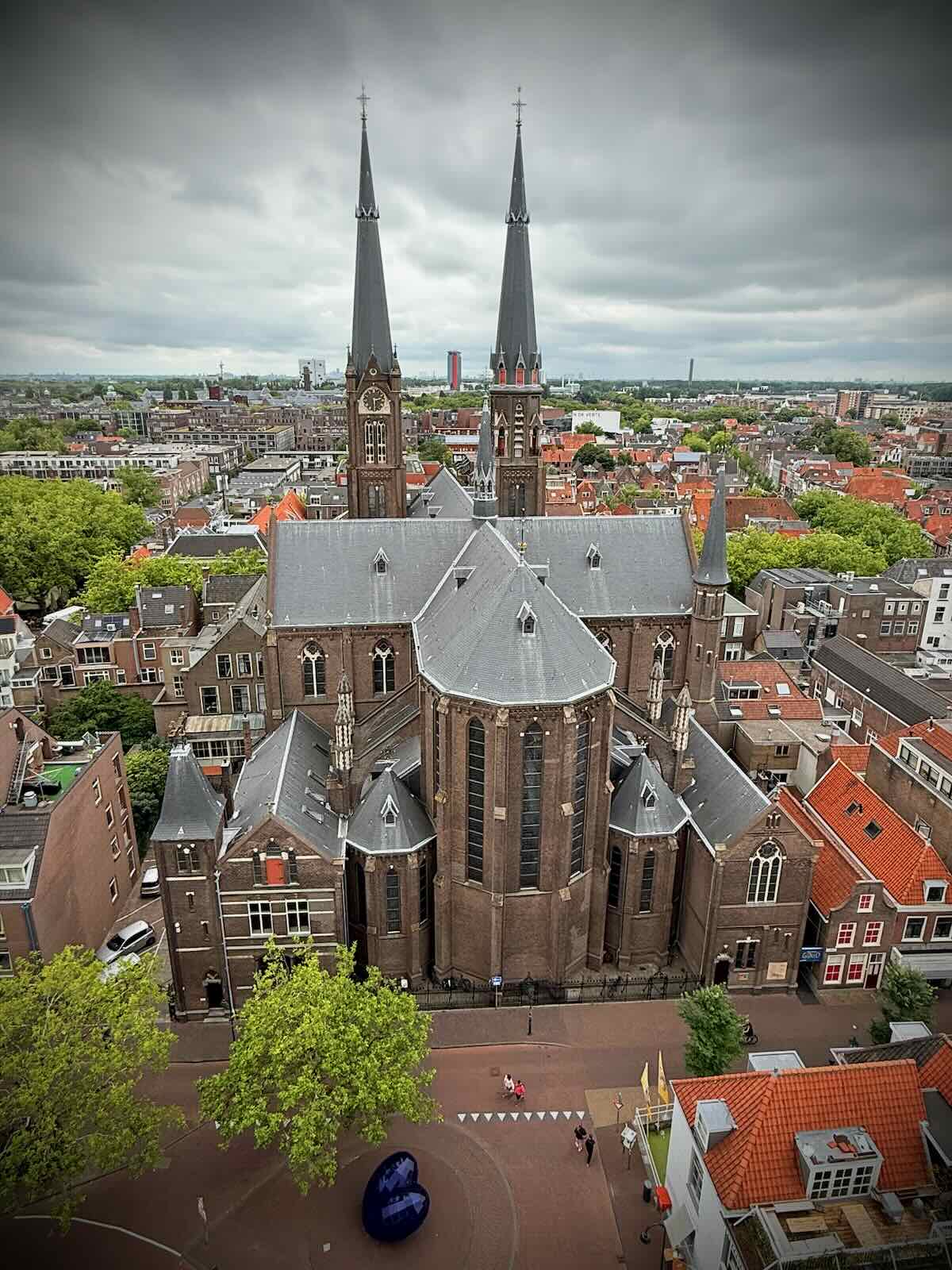
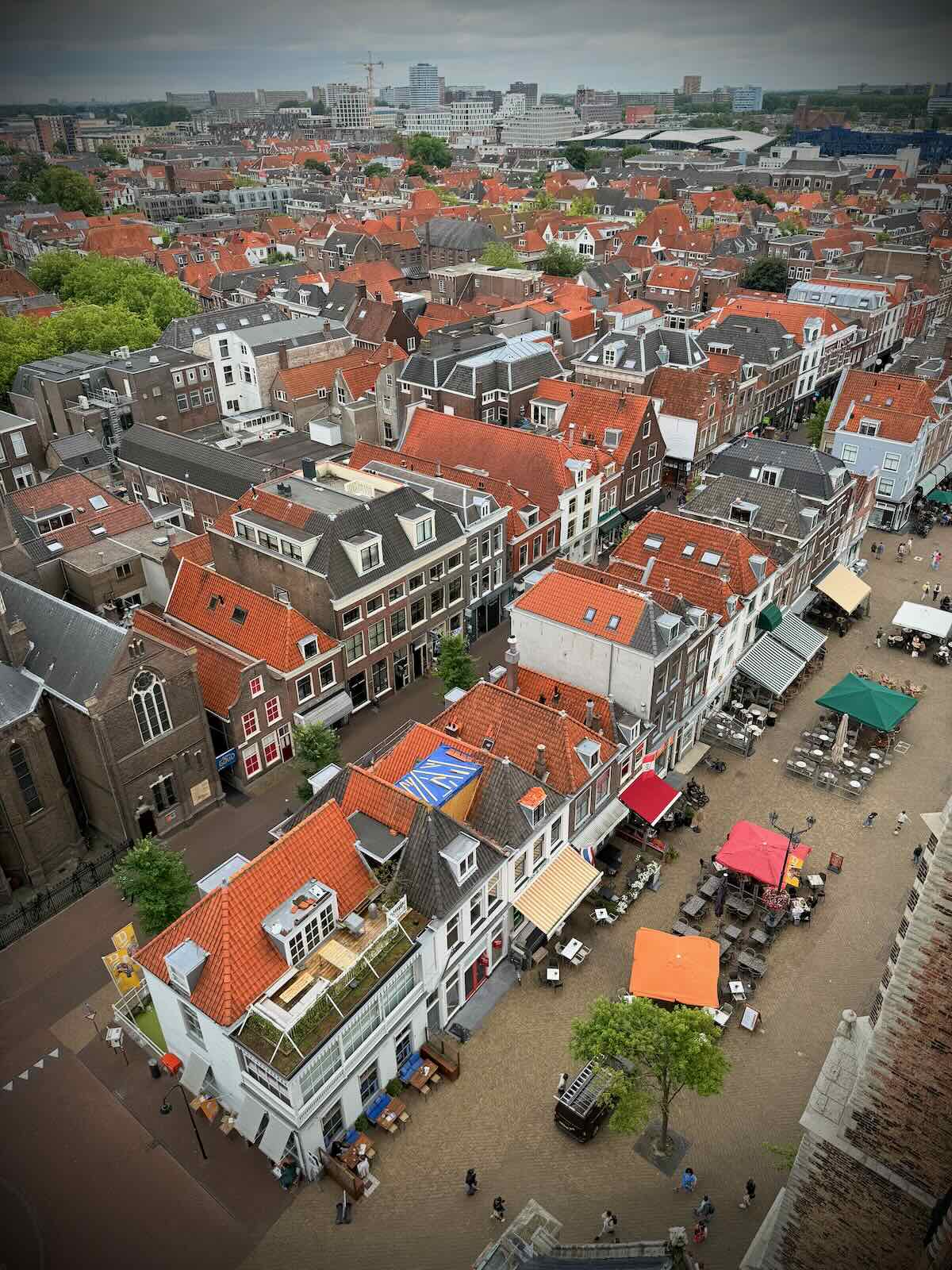
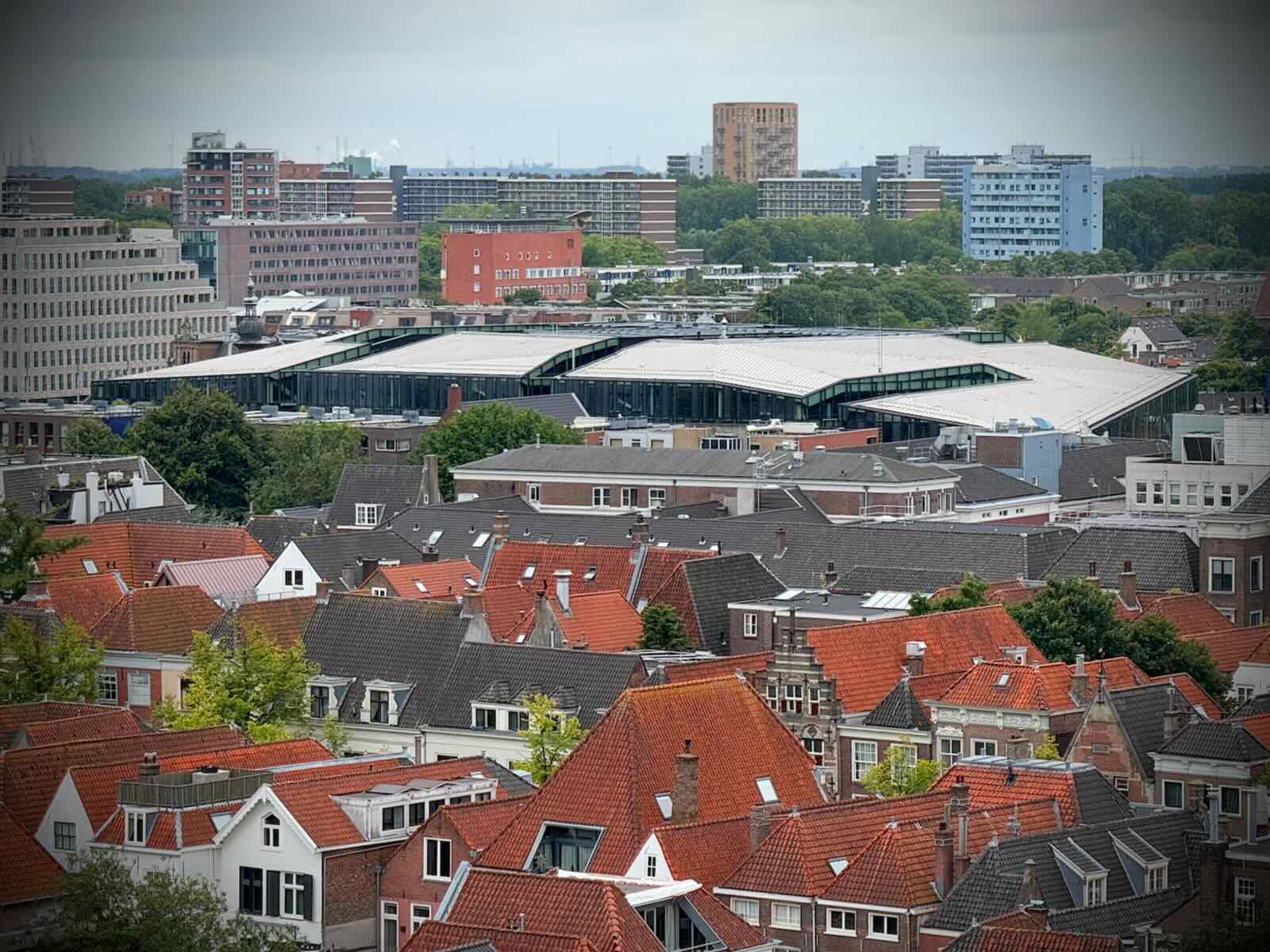
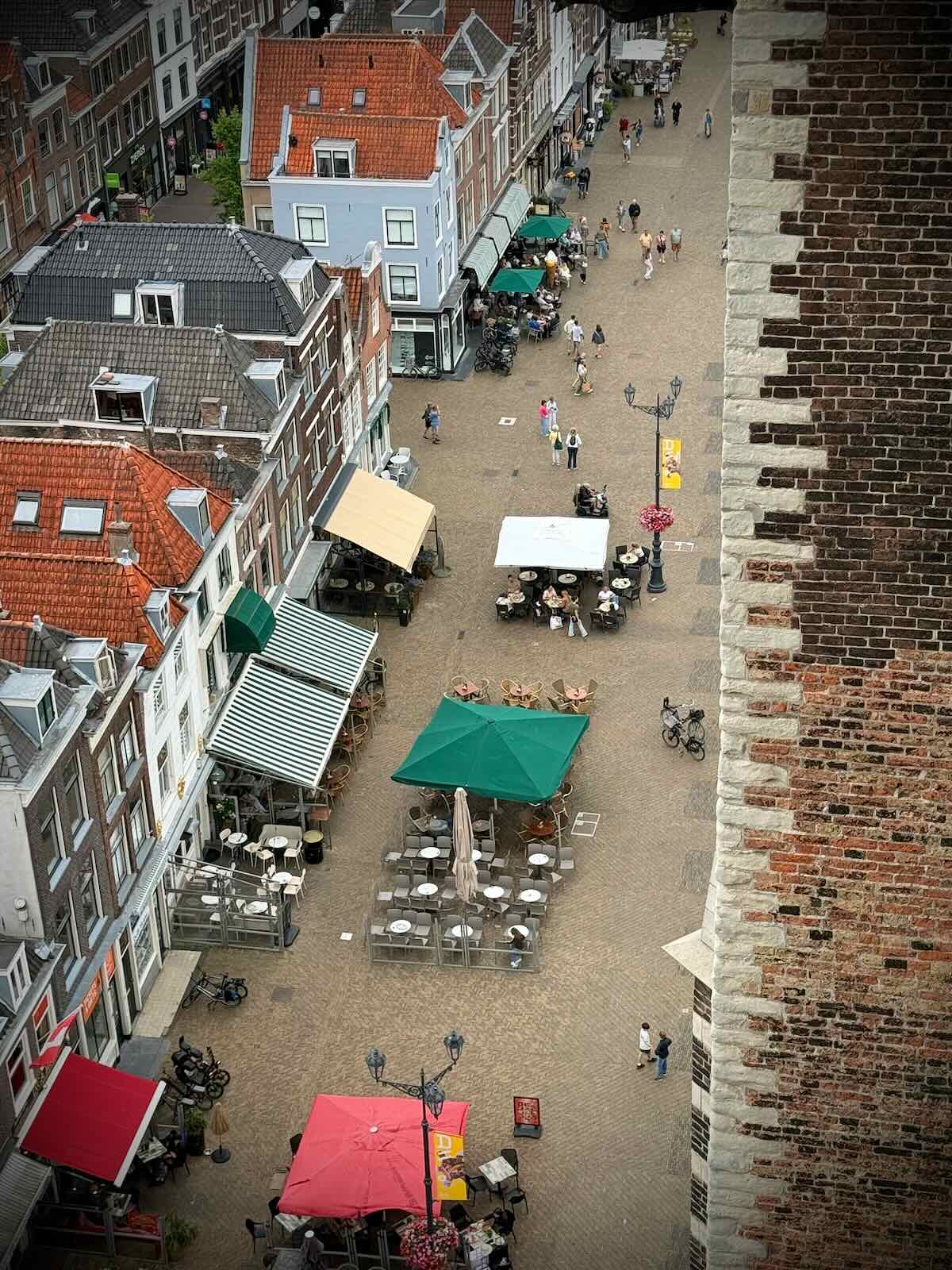
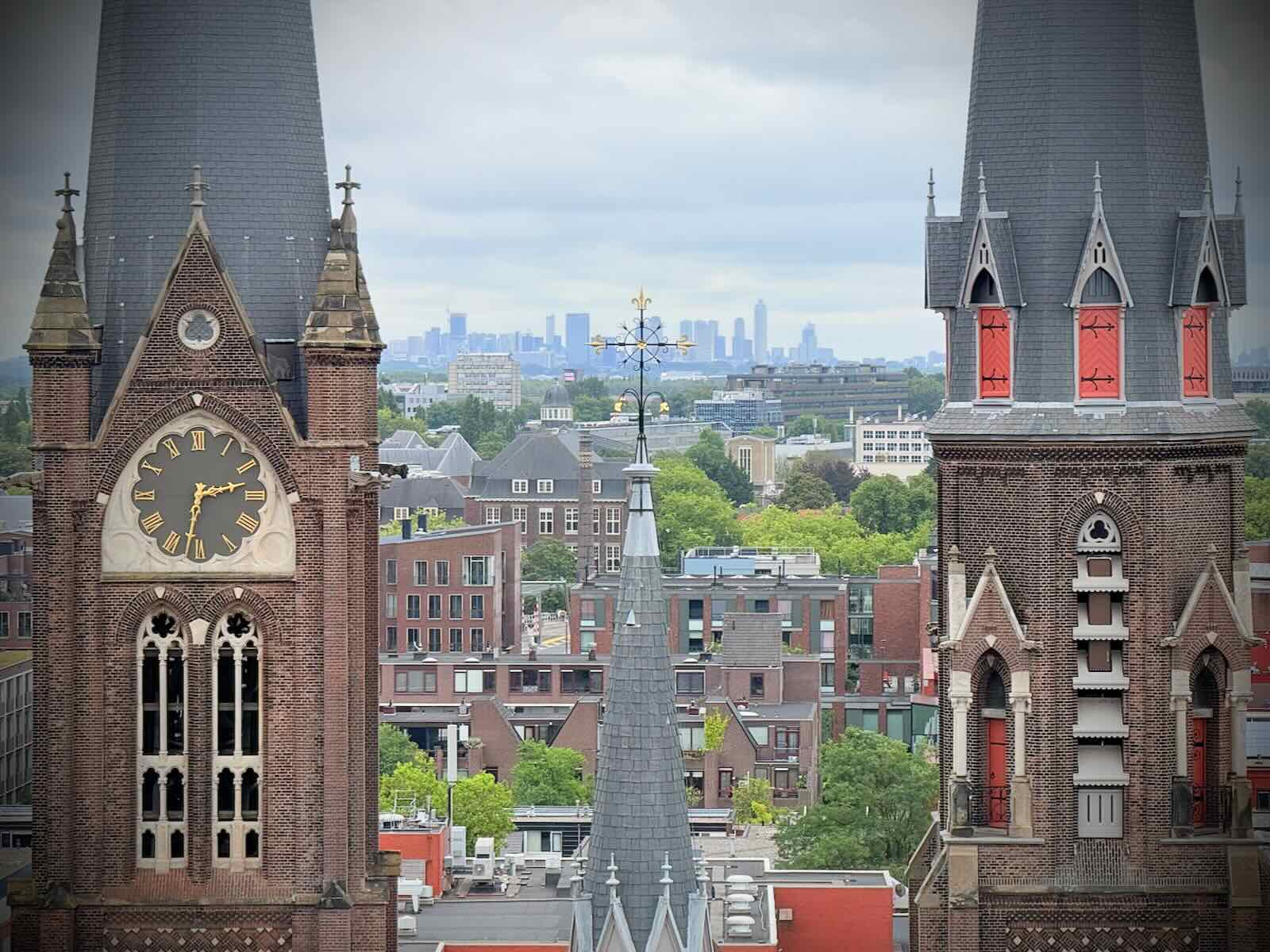
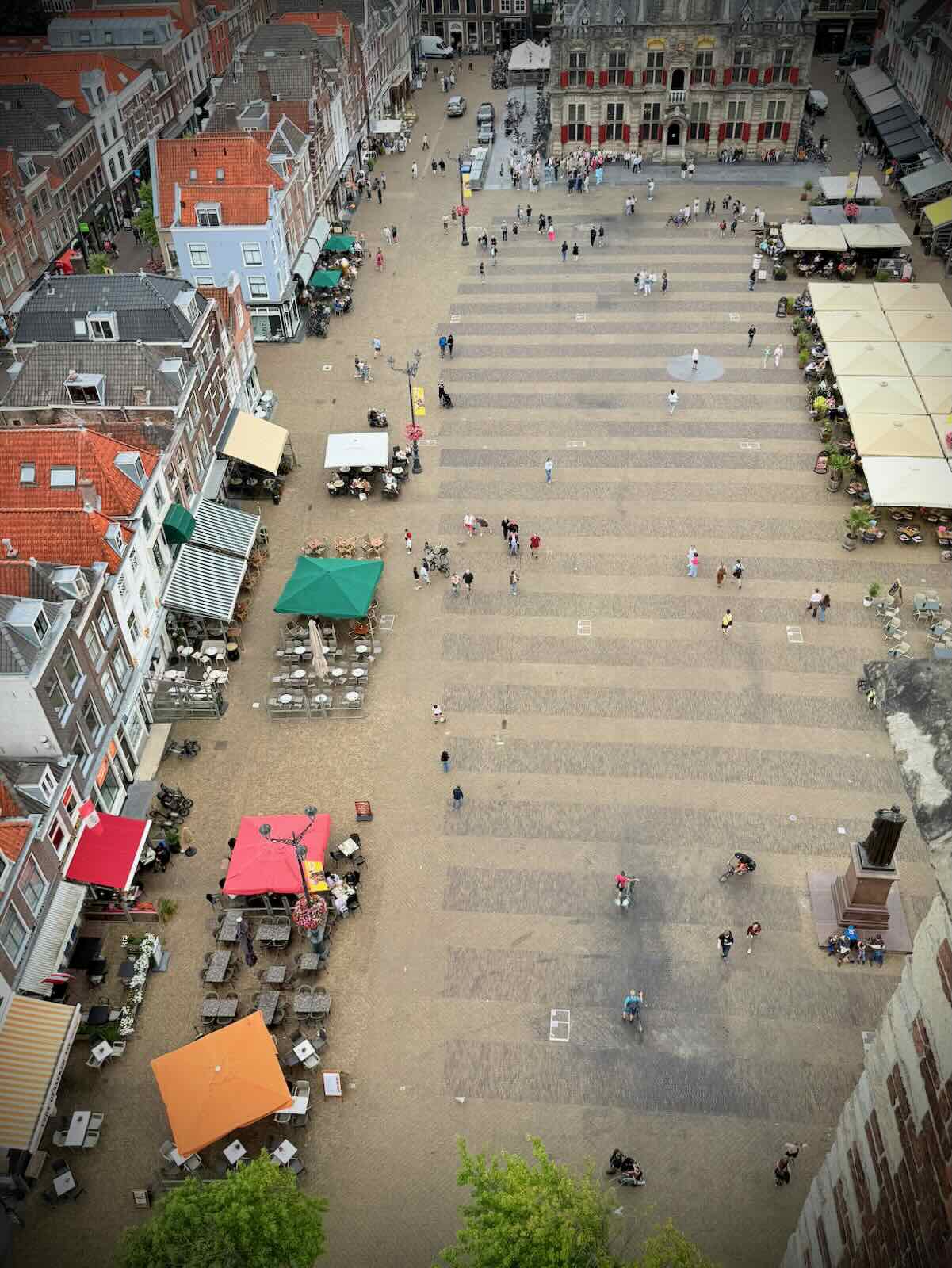
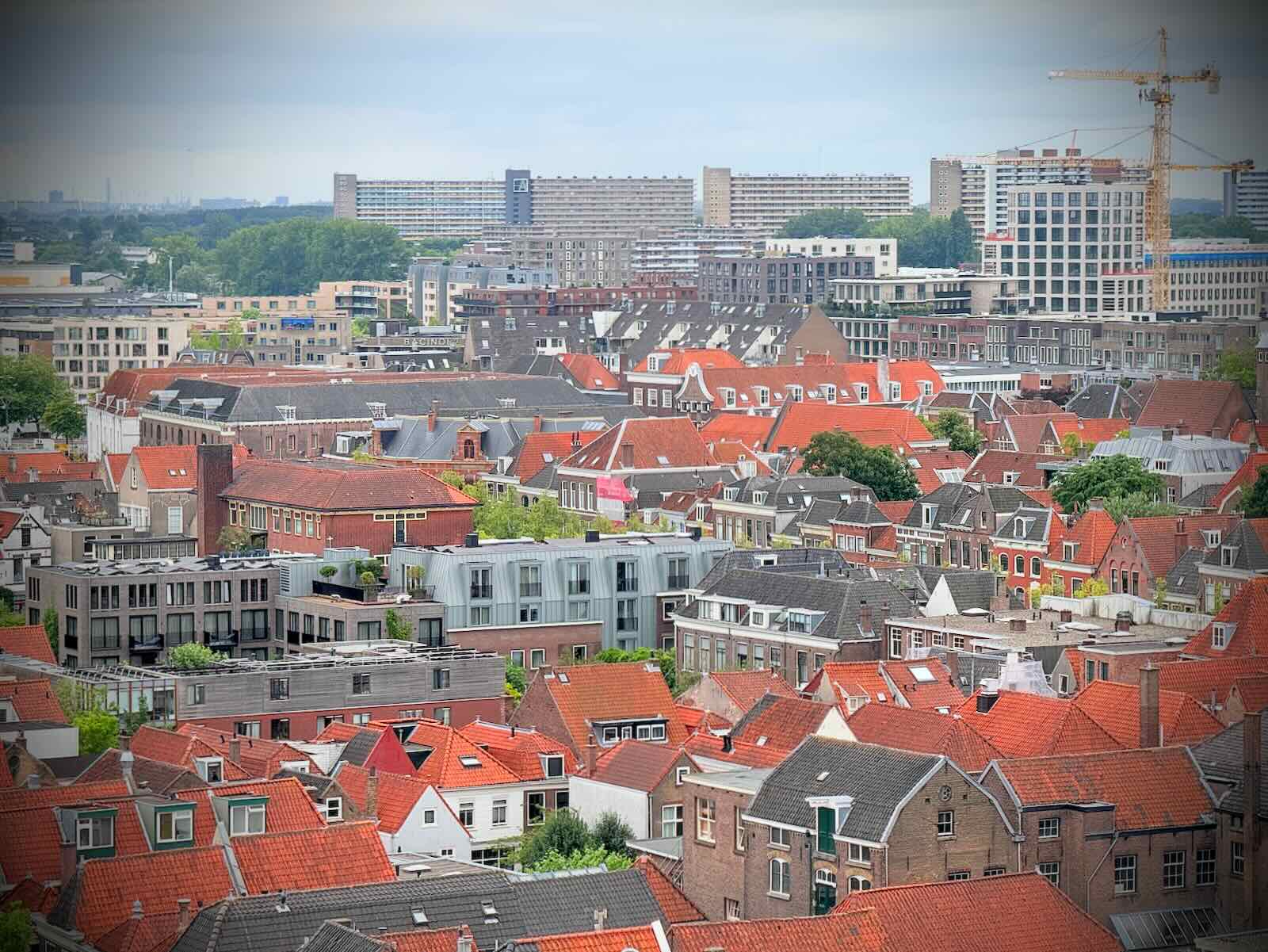
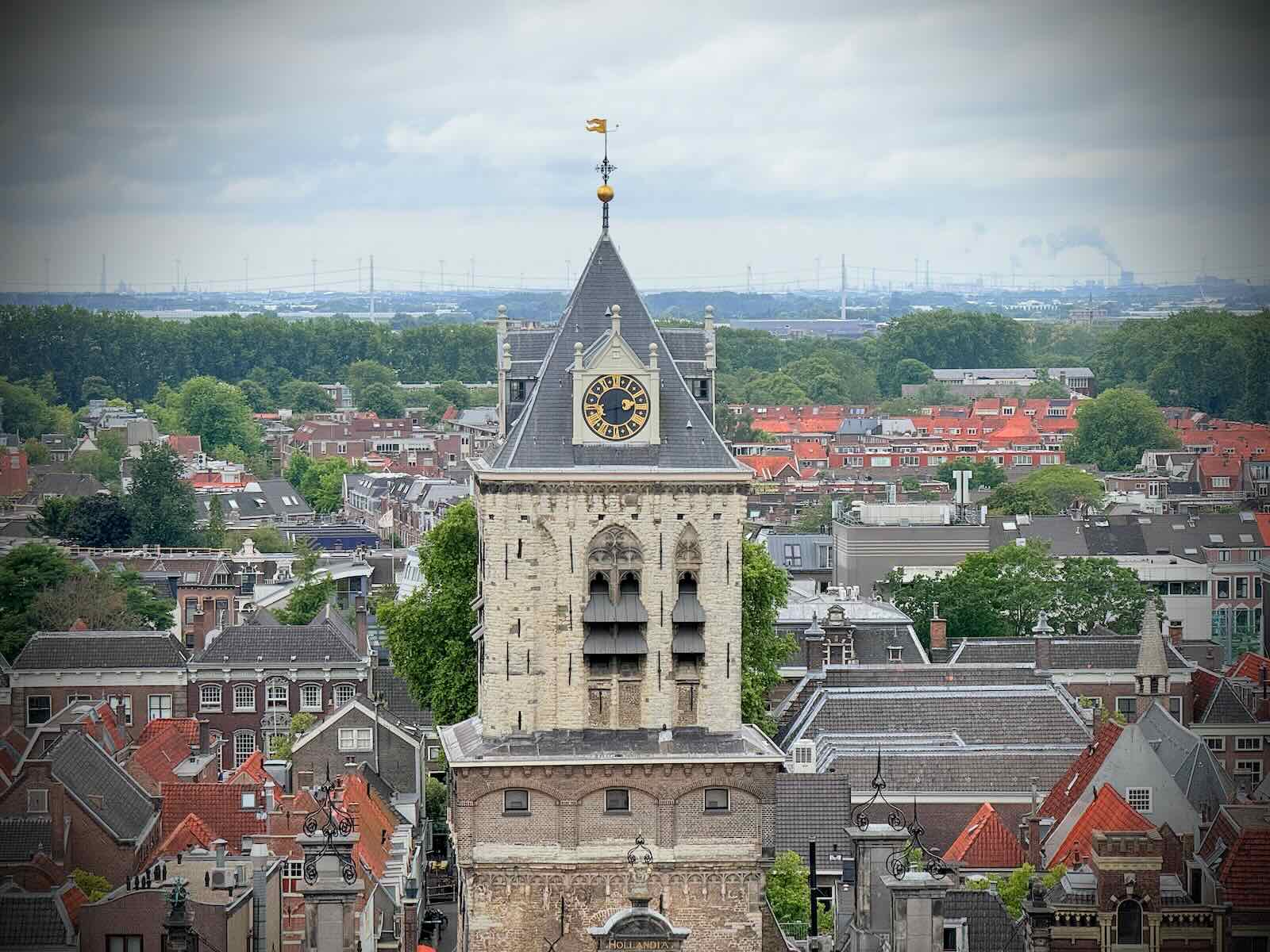
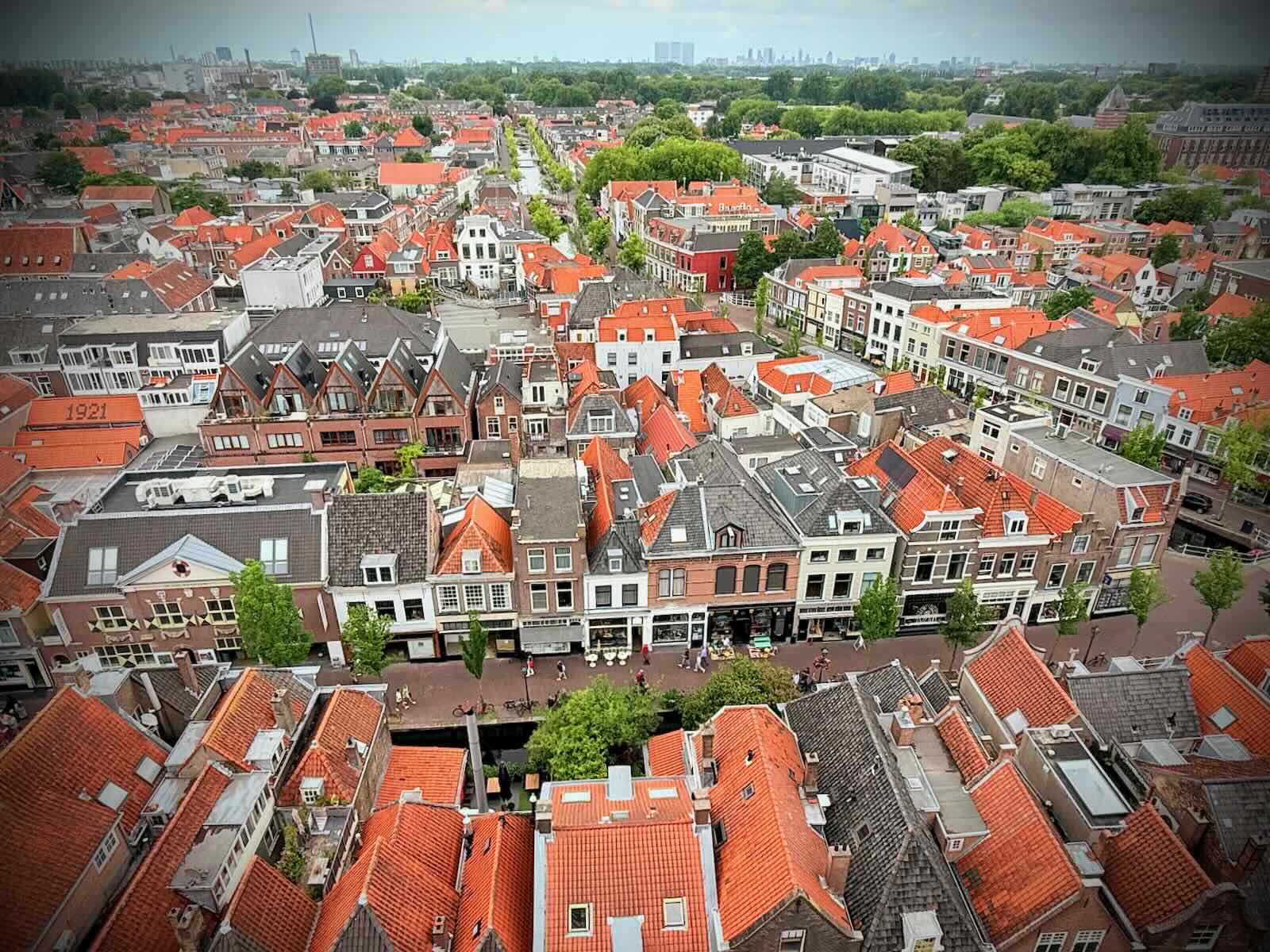
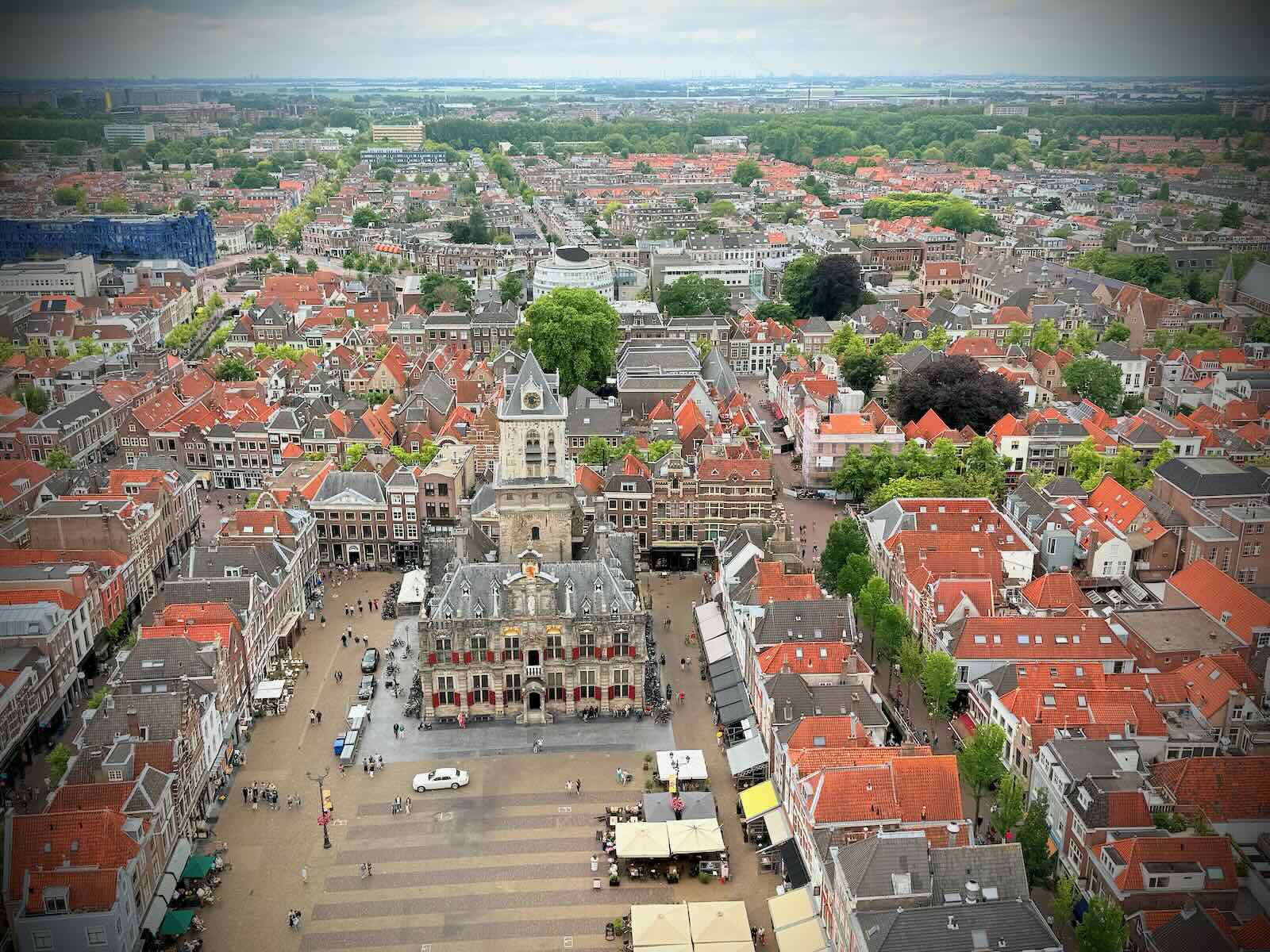
Climbing up all those steps is worth it for the views though, walking round the tower gives you fantastic 360 views of Delft and beyond. They say in good weather, you can see as far as Rotterdam and Den Haag, which we were able to do, even though it wasn’t a particularly clear day.
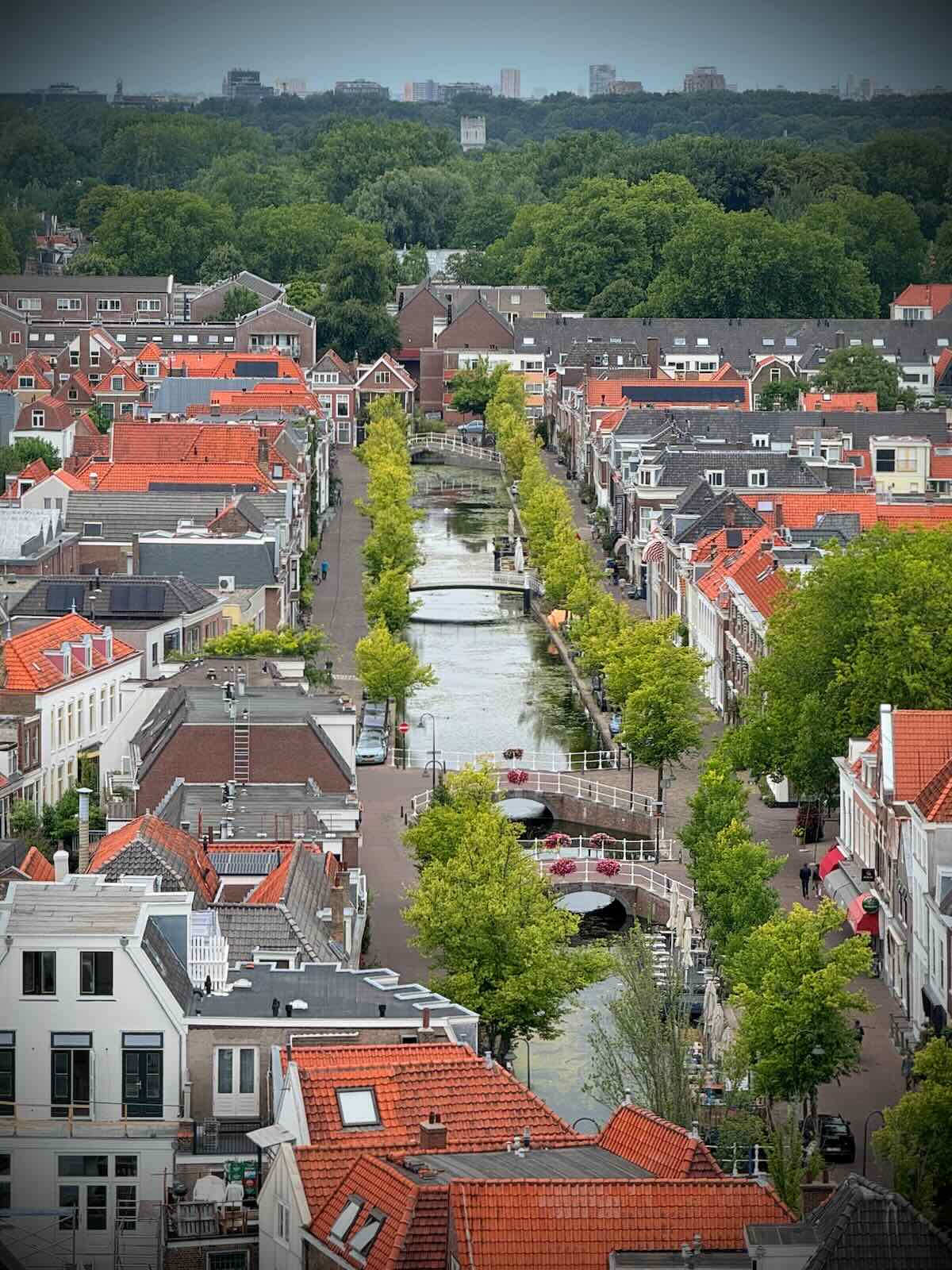
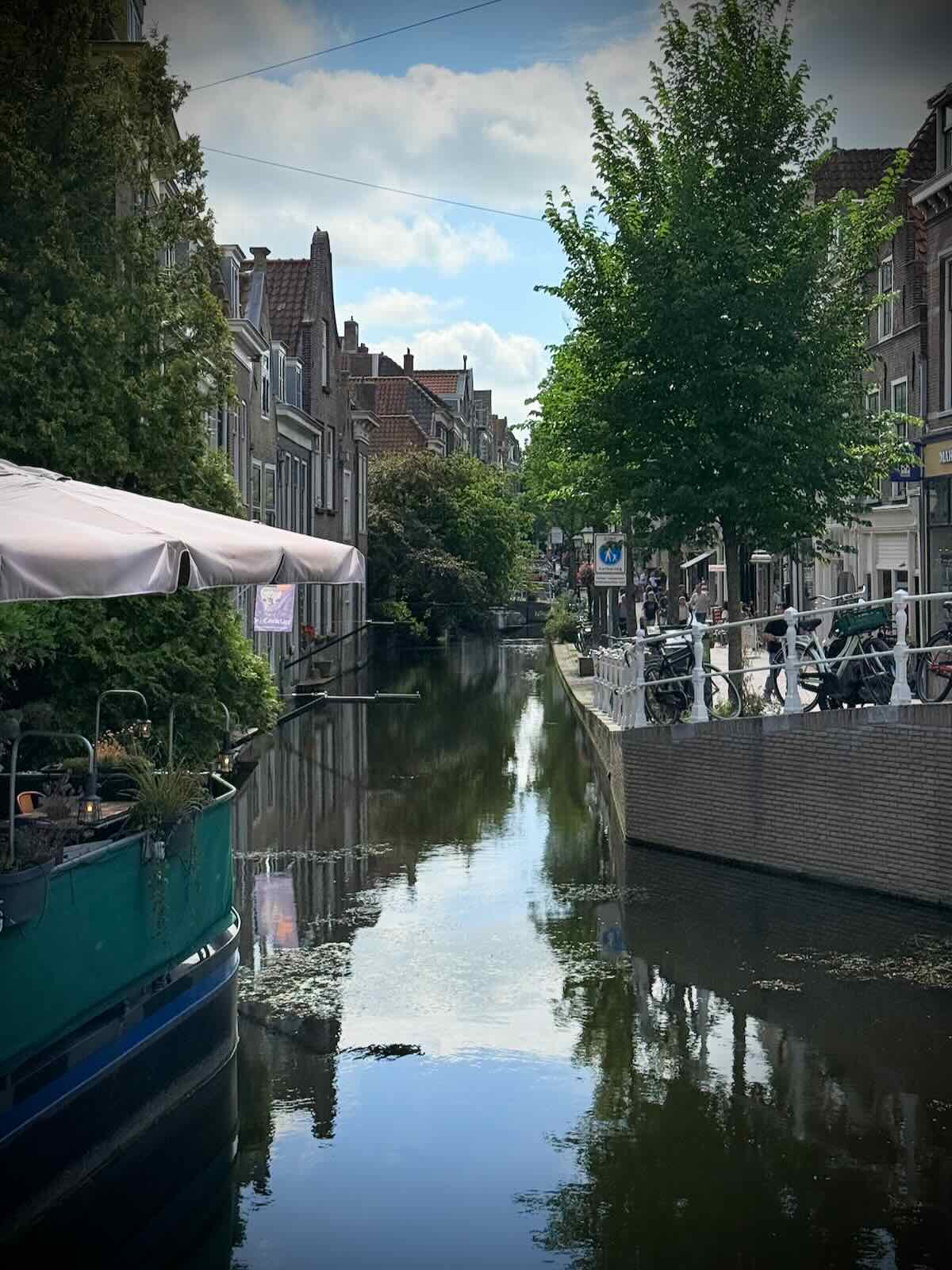
We really enjoyed going up the tower and taking in views of Delft. From that vantage point, you get a really good appreciation of how well the gentle density of Delft works and how much of a walkable city it is.
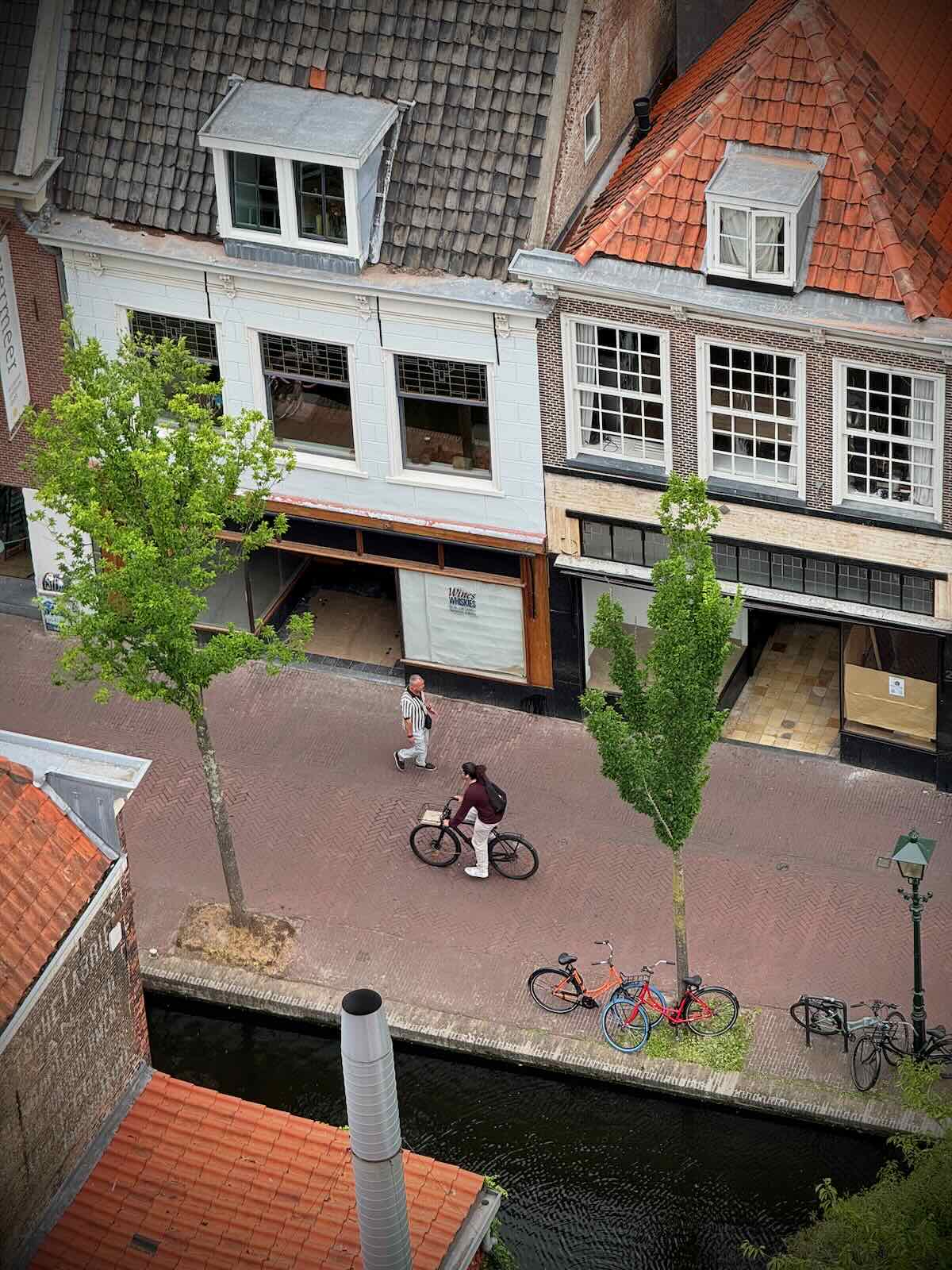
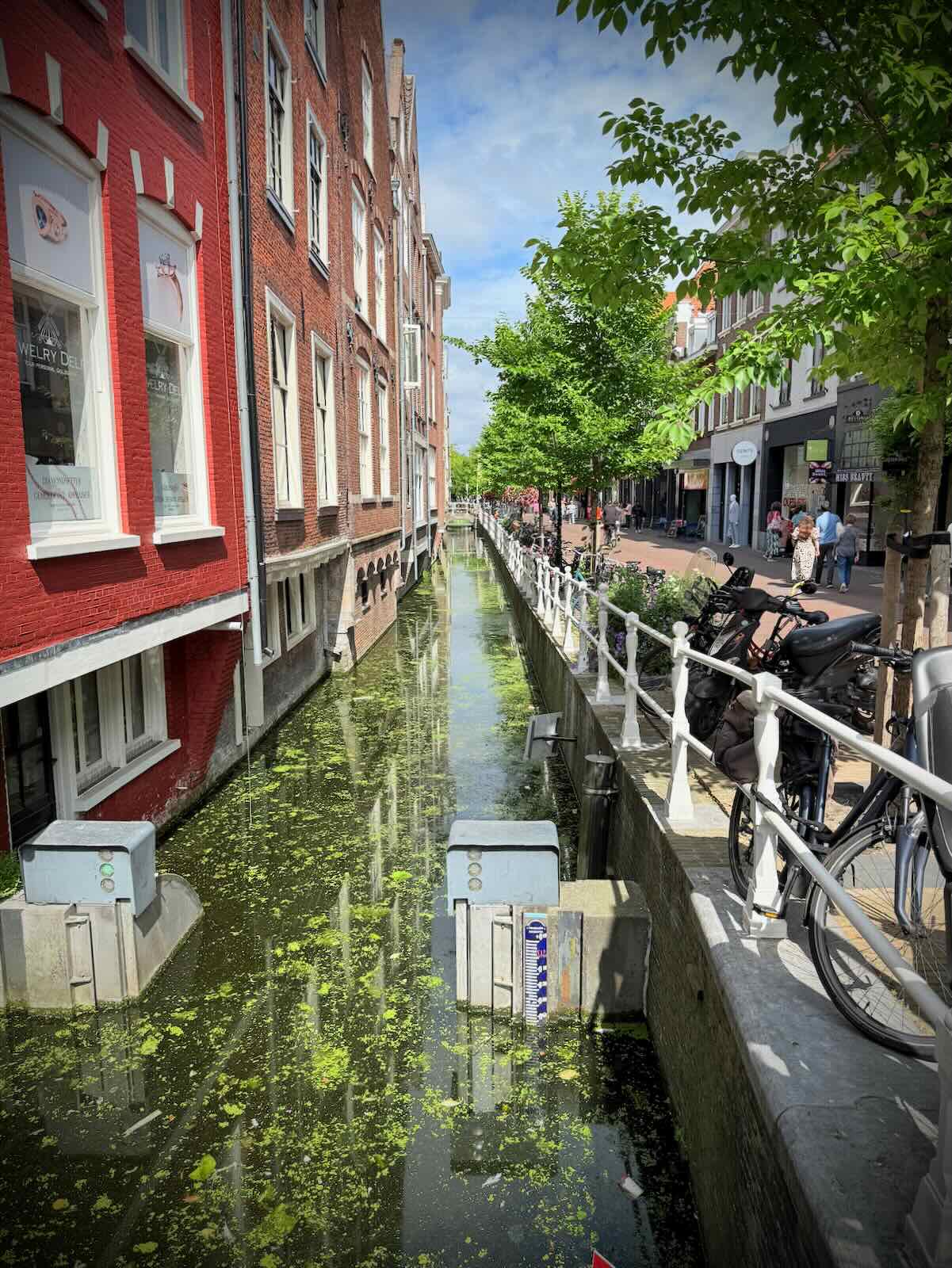
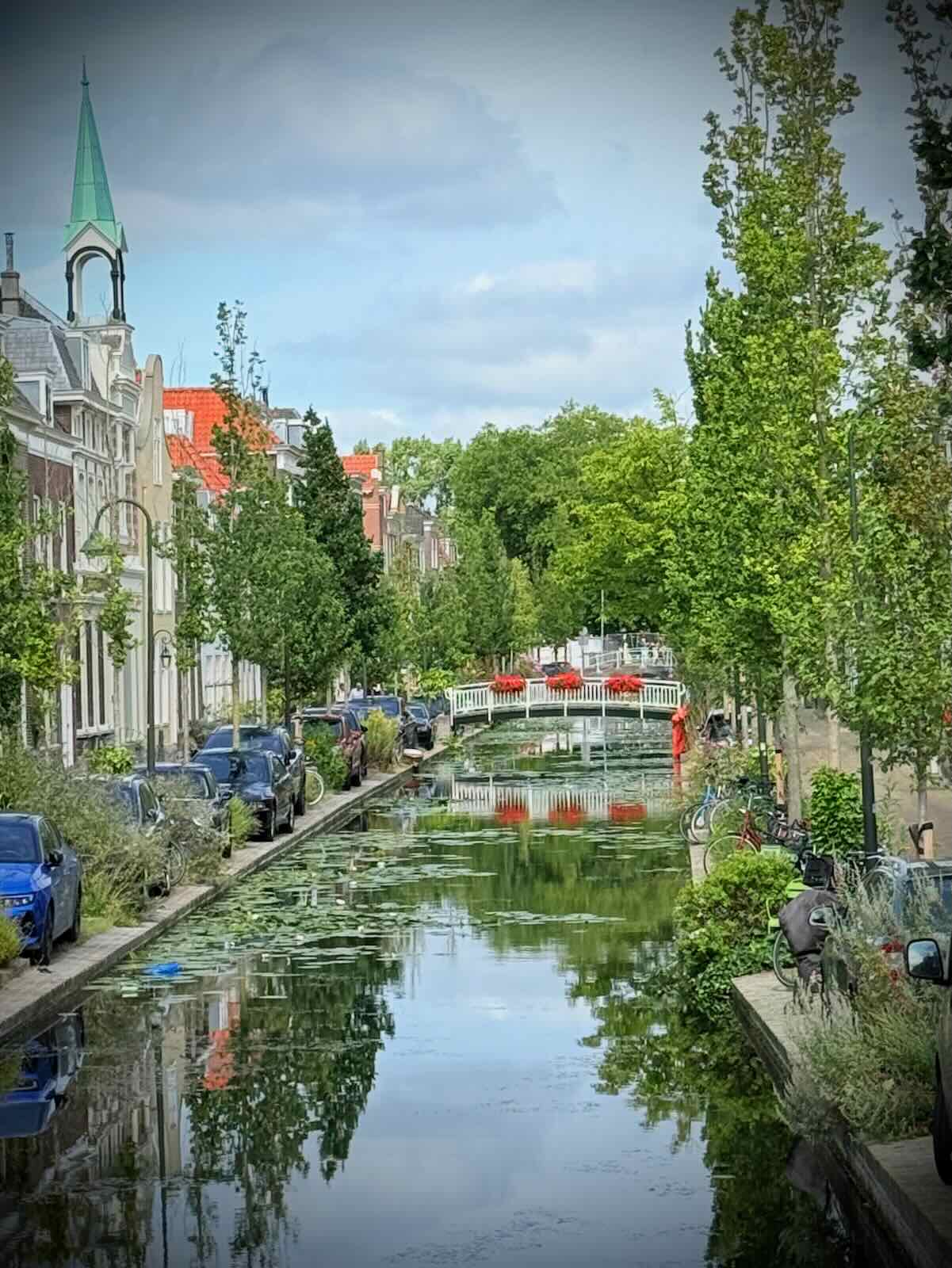
In between the red tiled roofs and canals, you see the narrow streets largely free of cars, enabling people to walk and cycle freely, without fuss. You can also see some of those modern landmarks of the city, like Delft Central and Huis van Delft, as well as the modern towers of Den Haag.
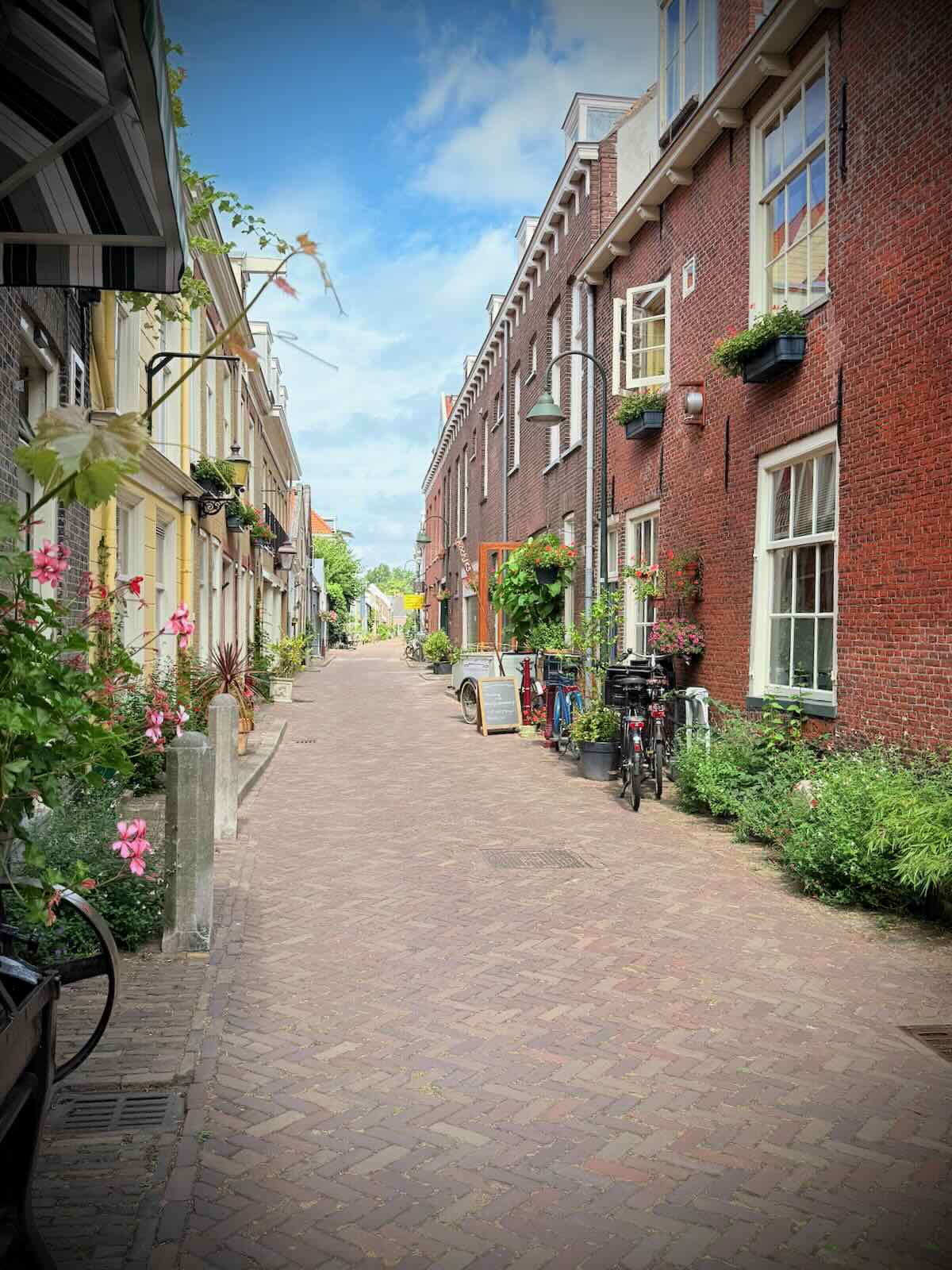
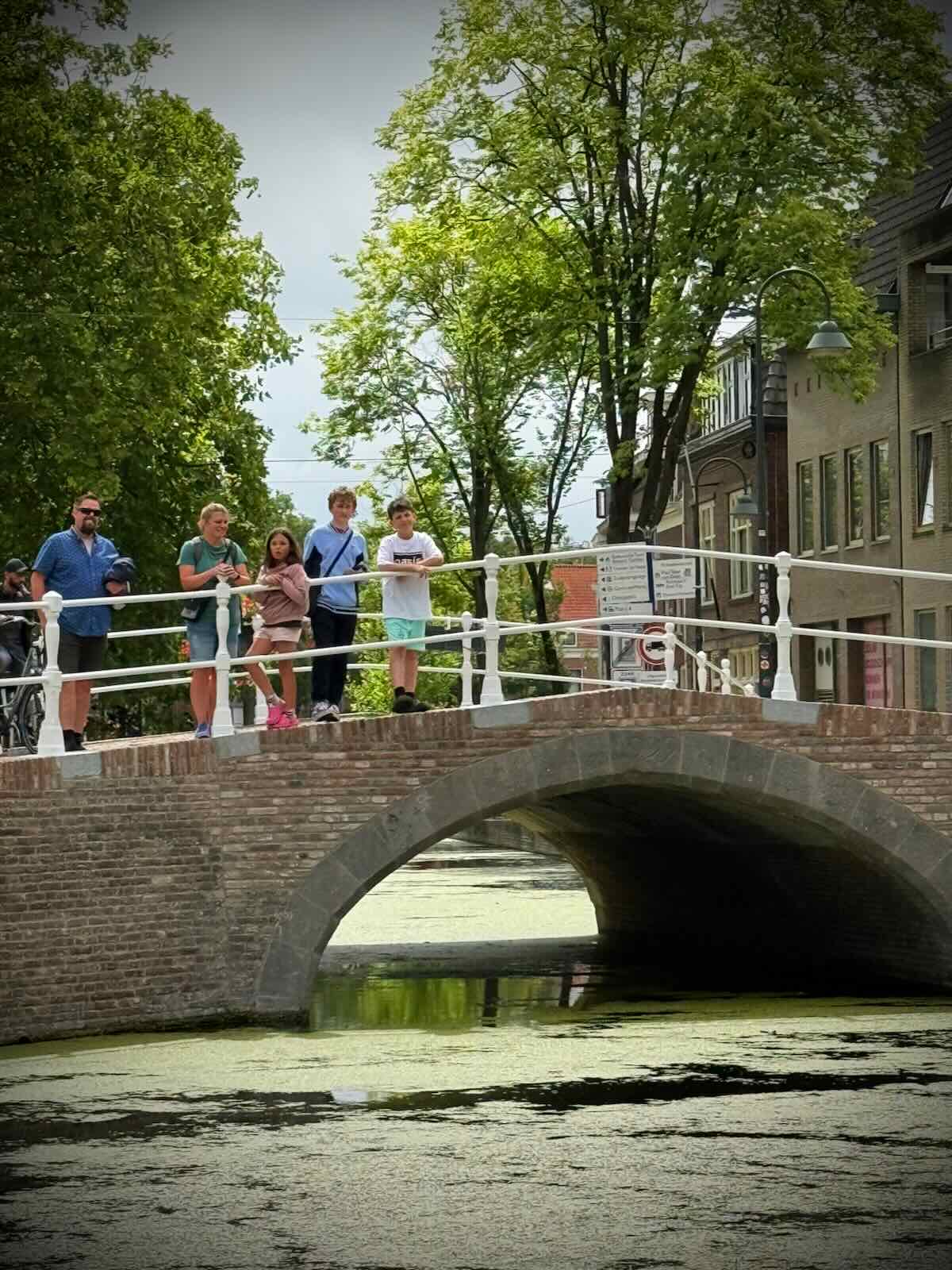
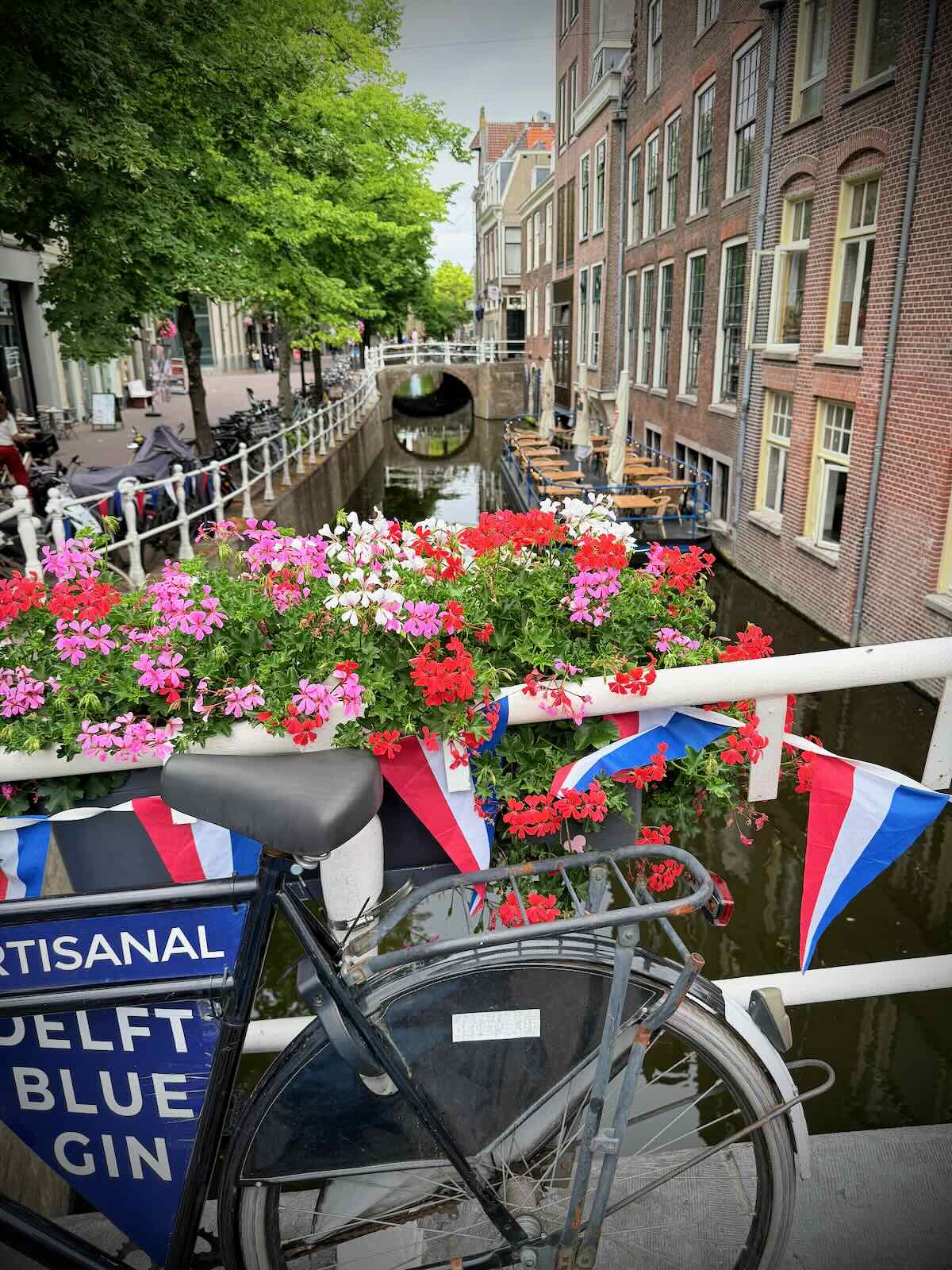
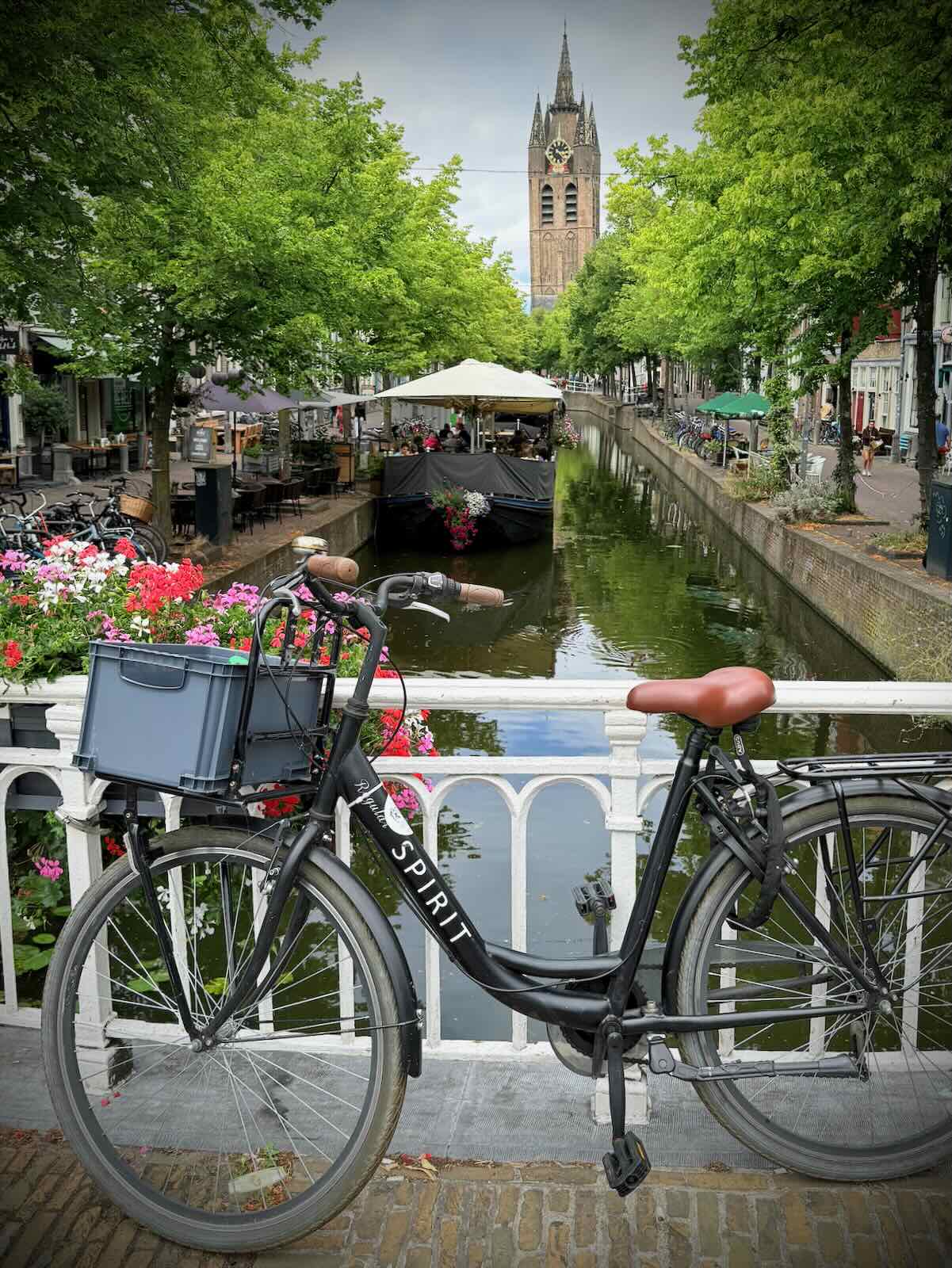
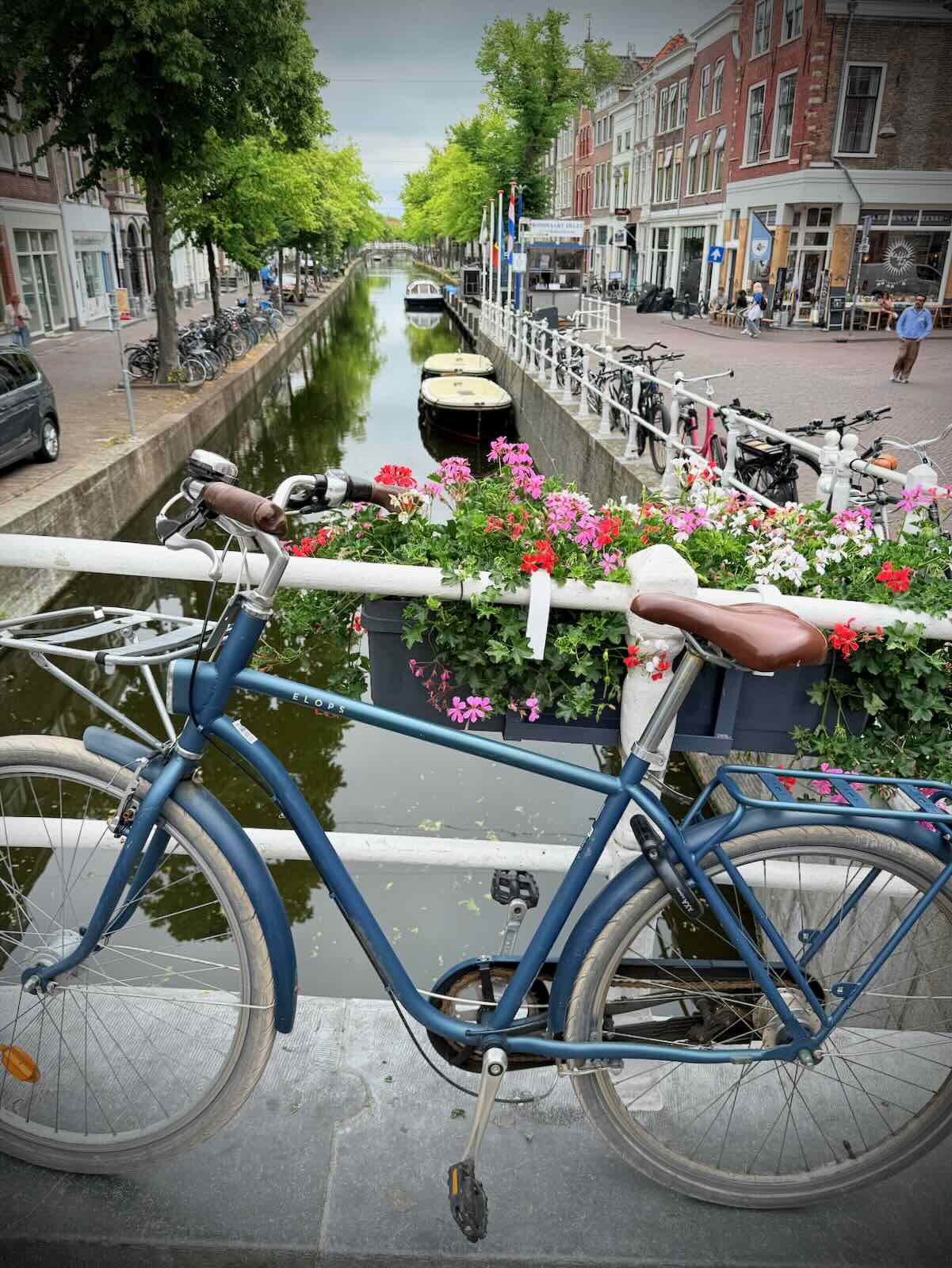
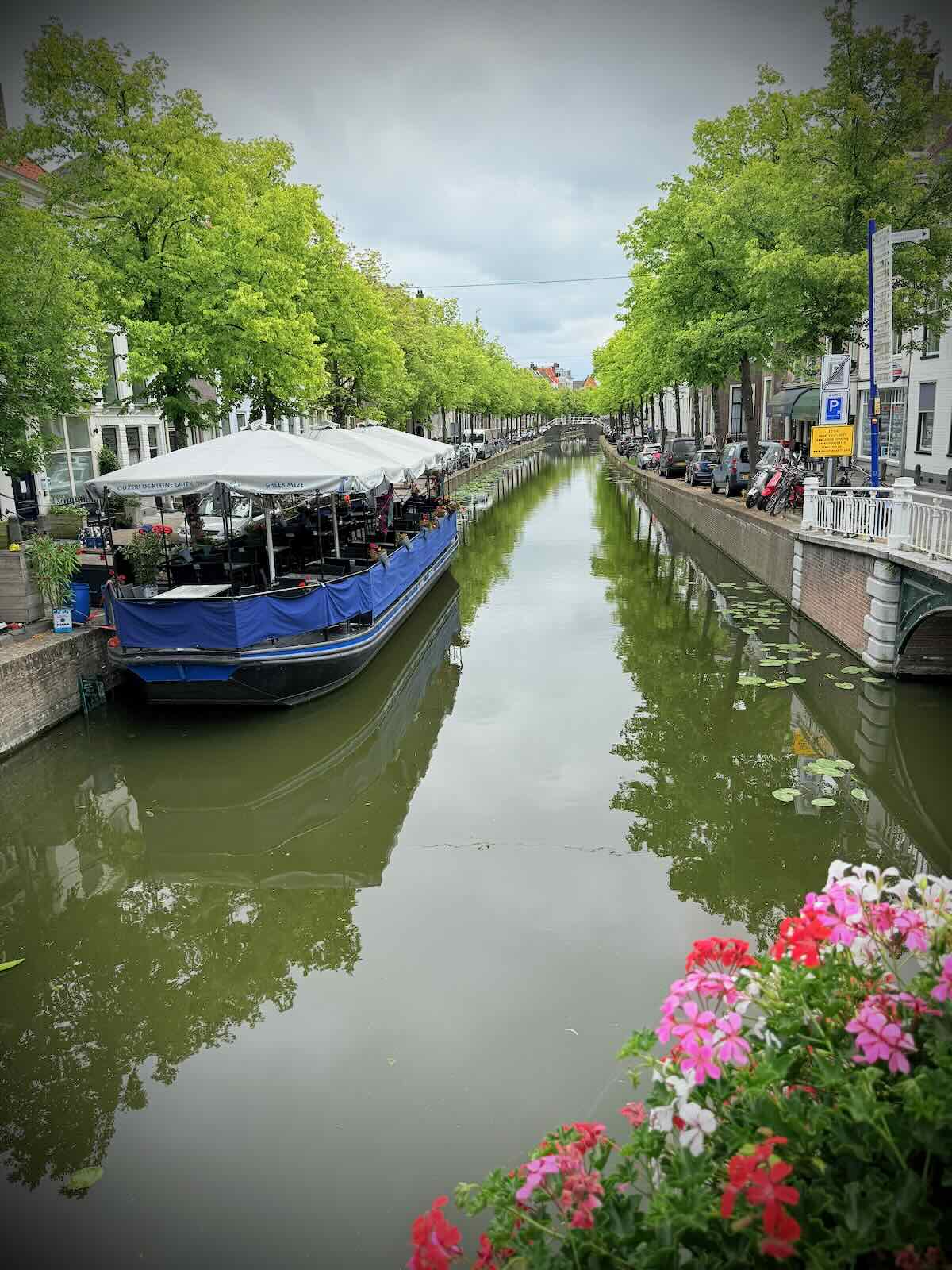
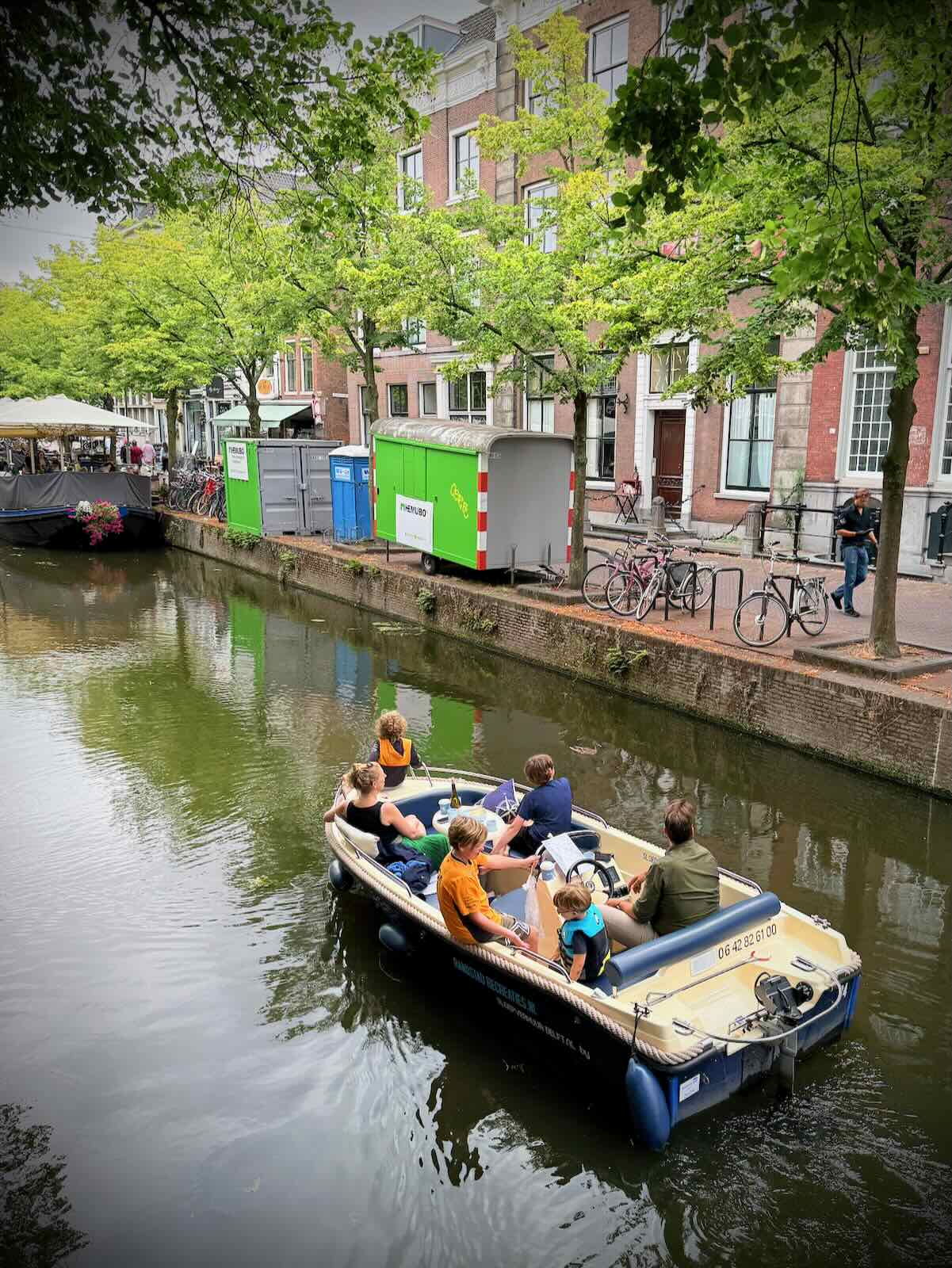
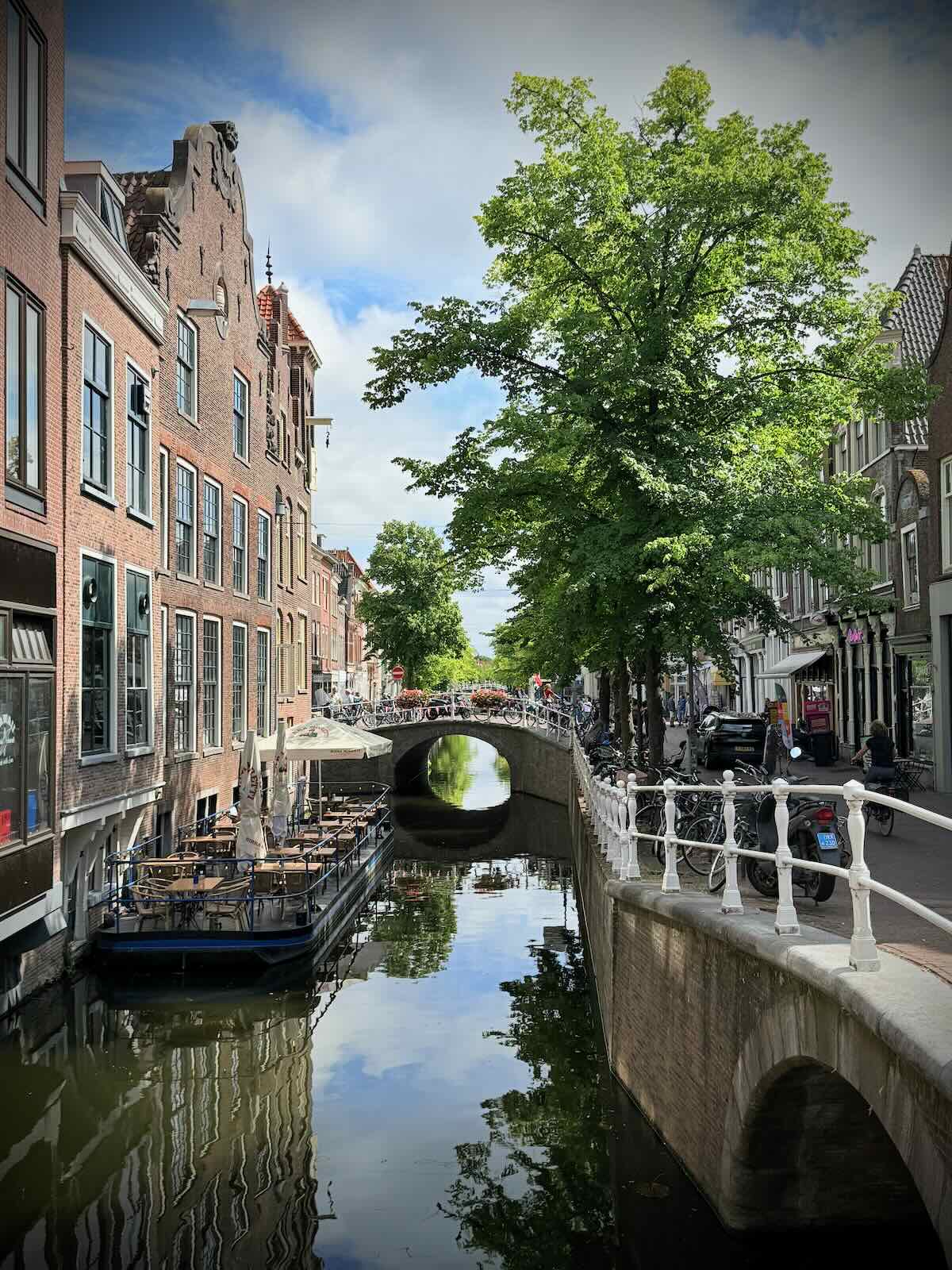
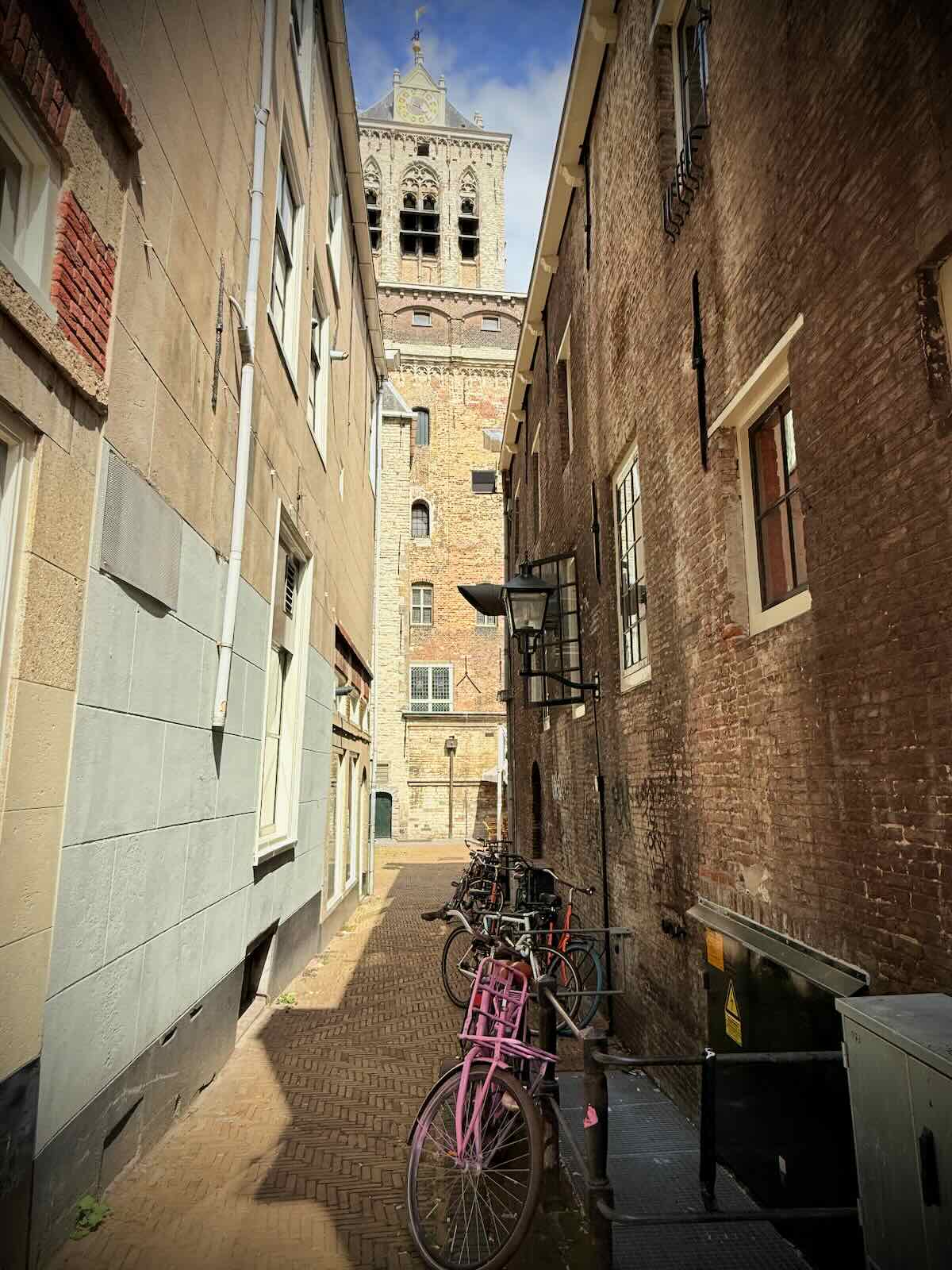
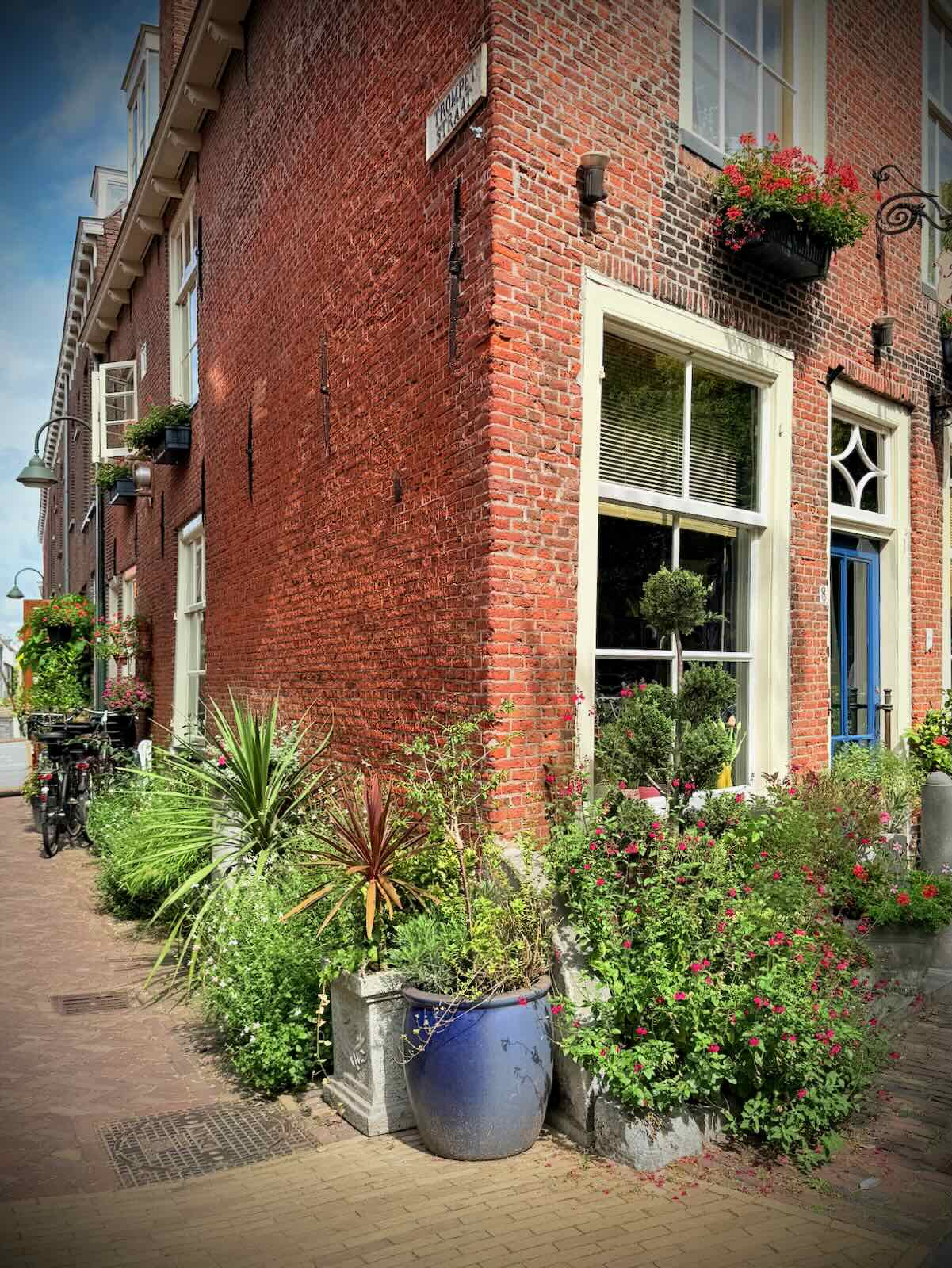
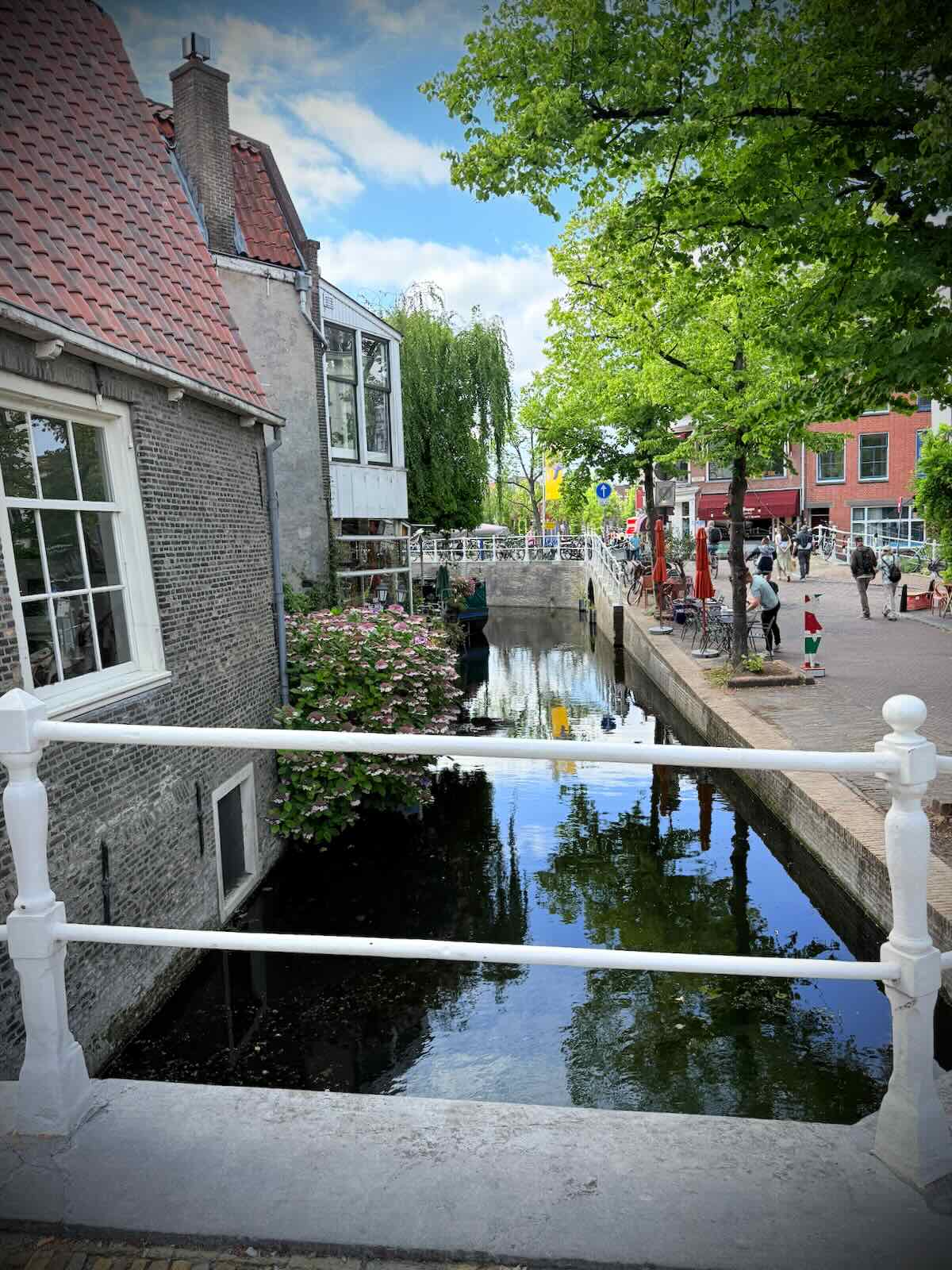
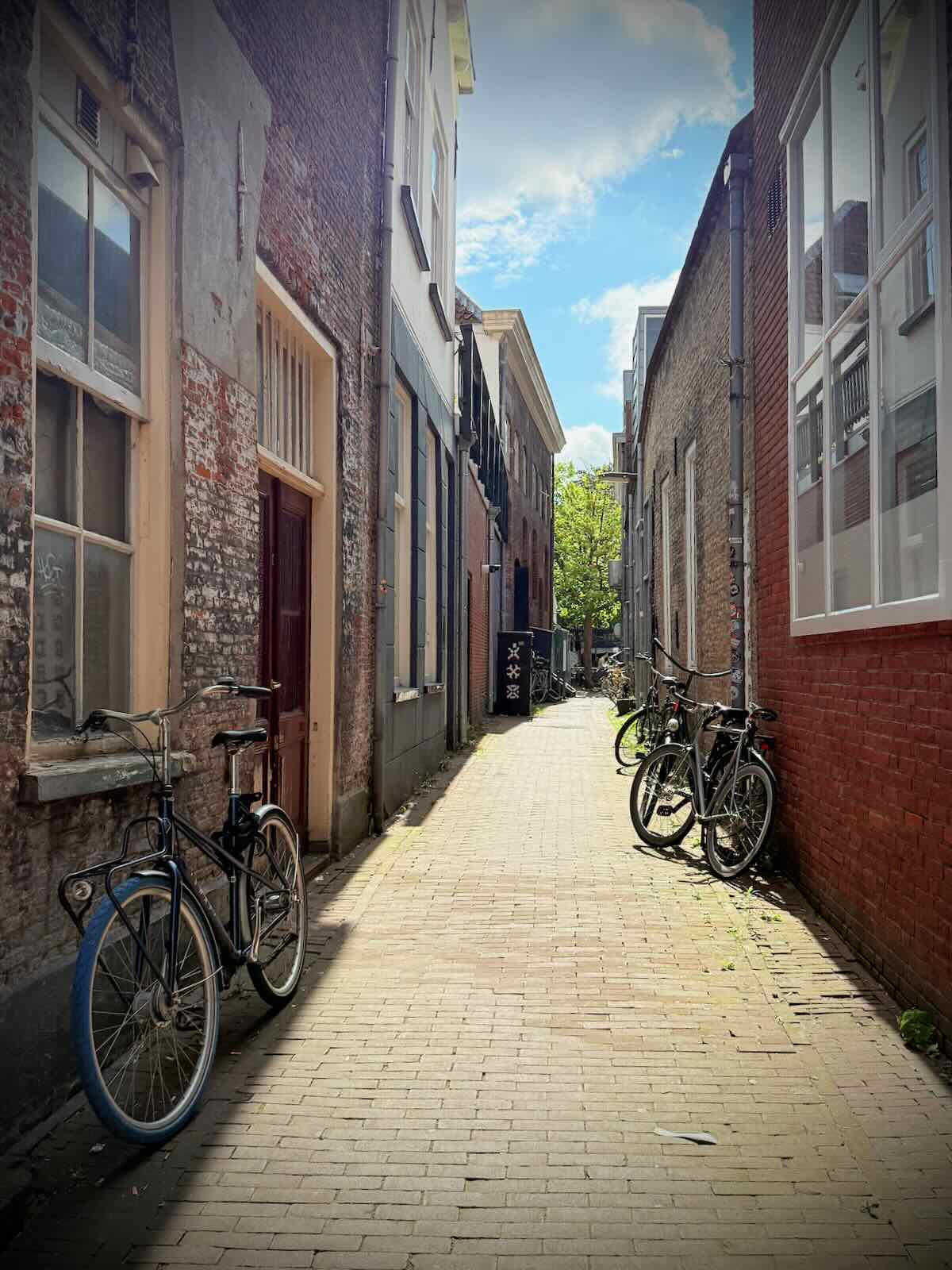
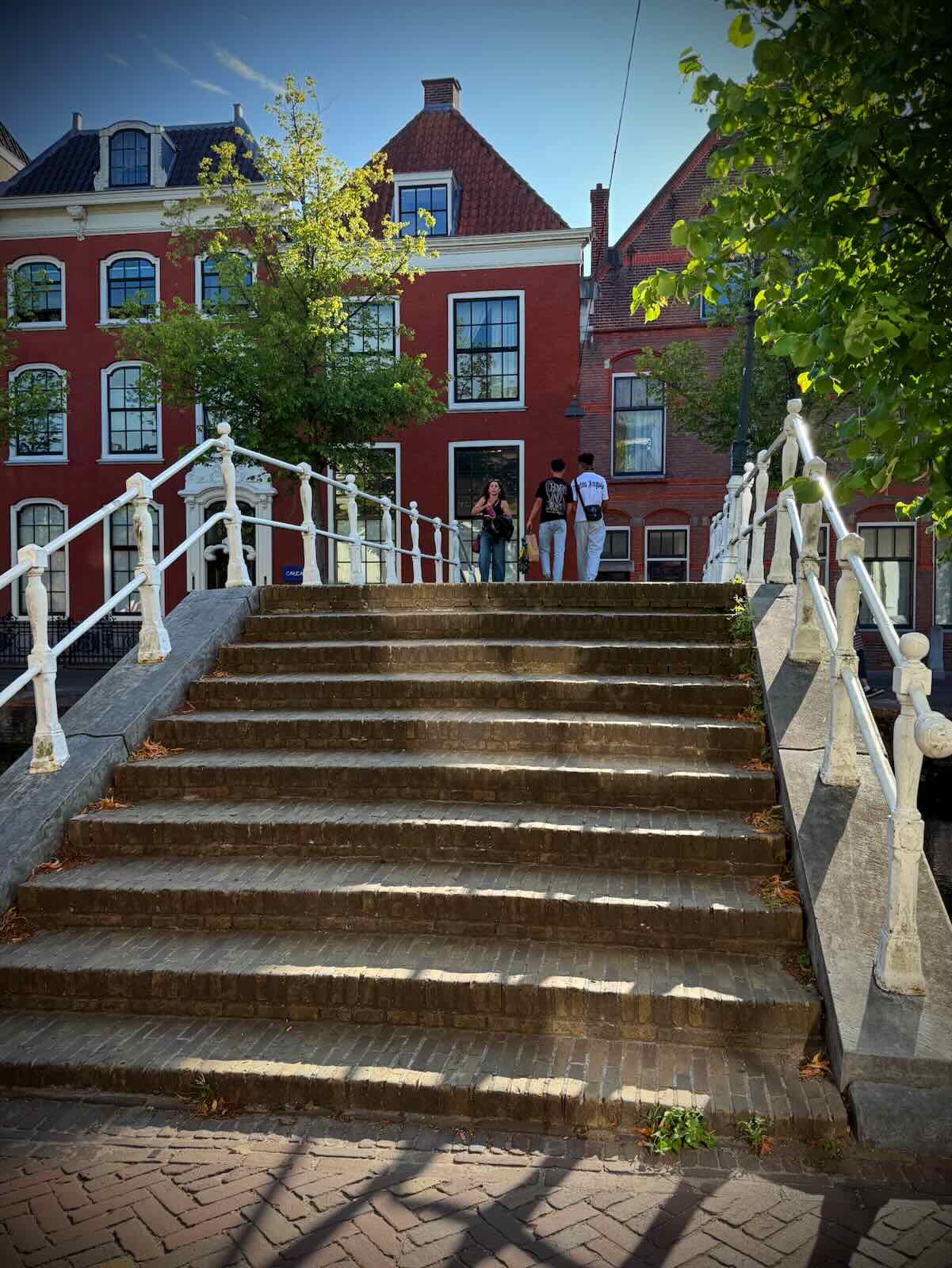
Once back down the tower, we set off for a wander round the city, taking in many of those streets we were just looking down on. It is such a wonderfully walkable place, just like so many towns and cities in the Netherlands are.
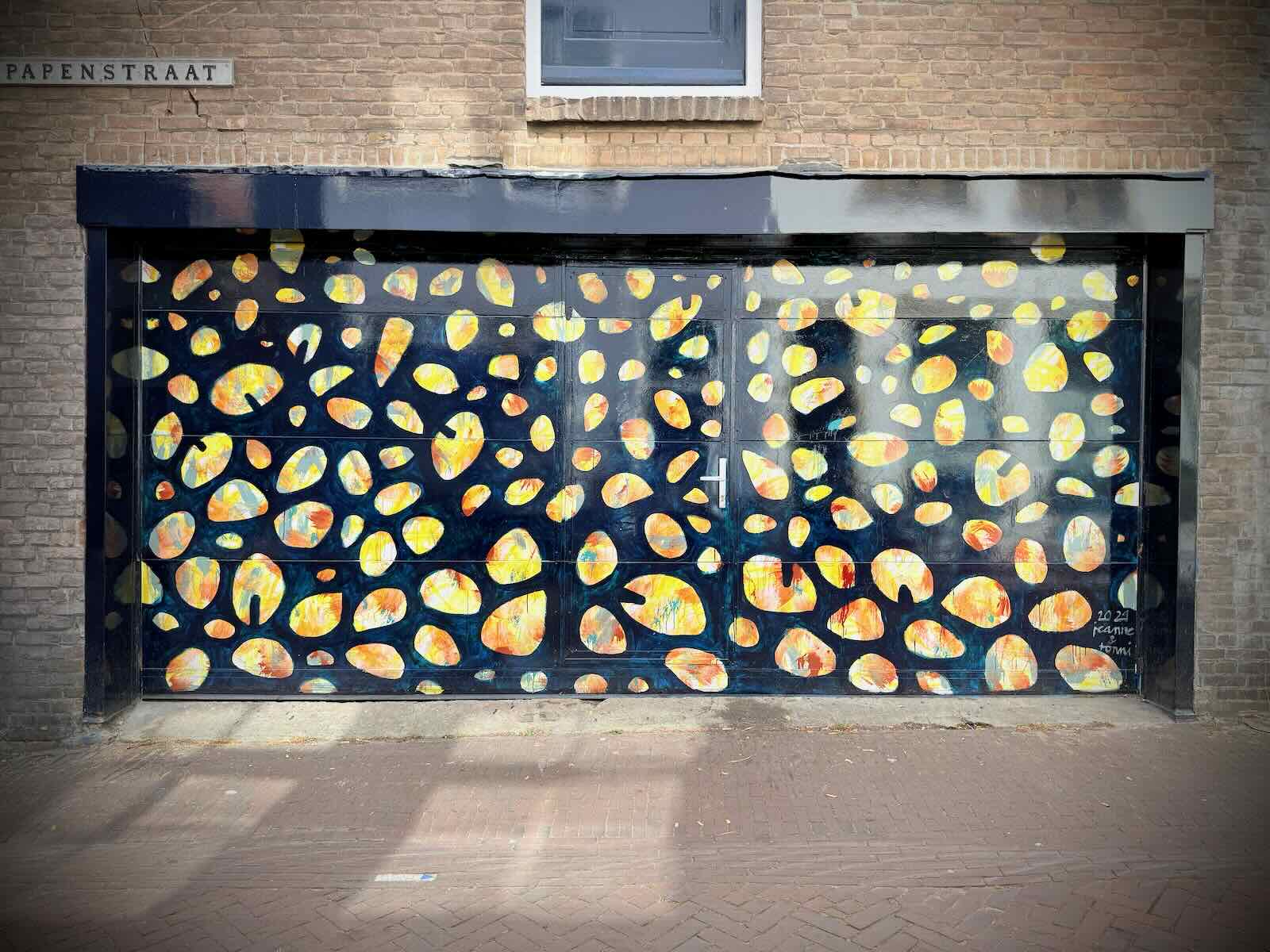
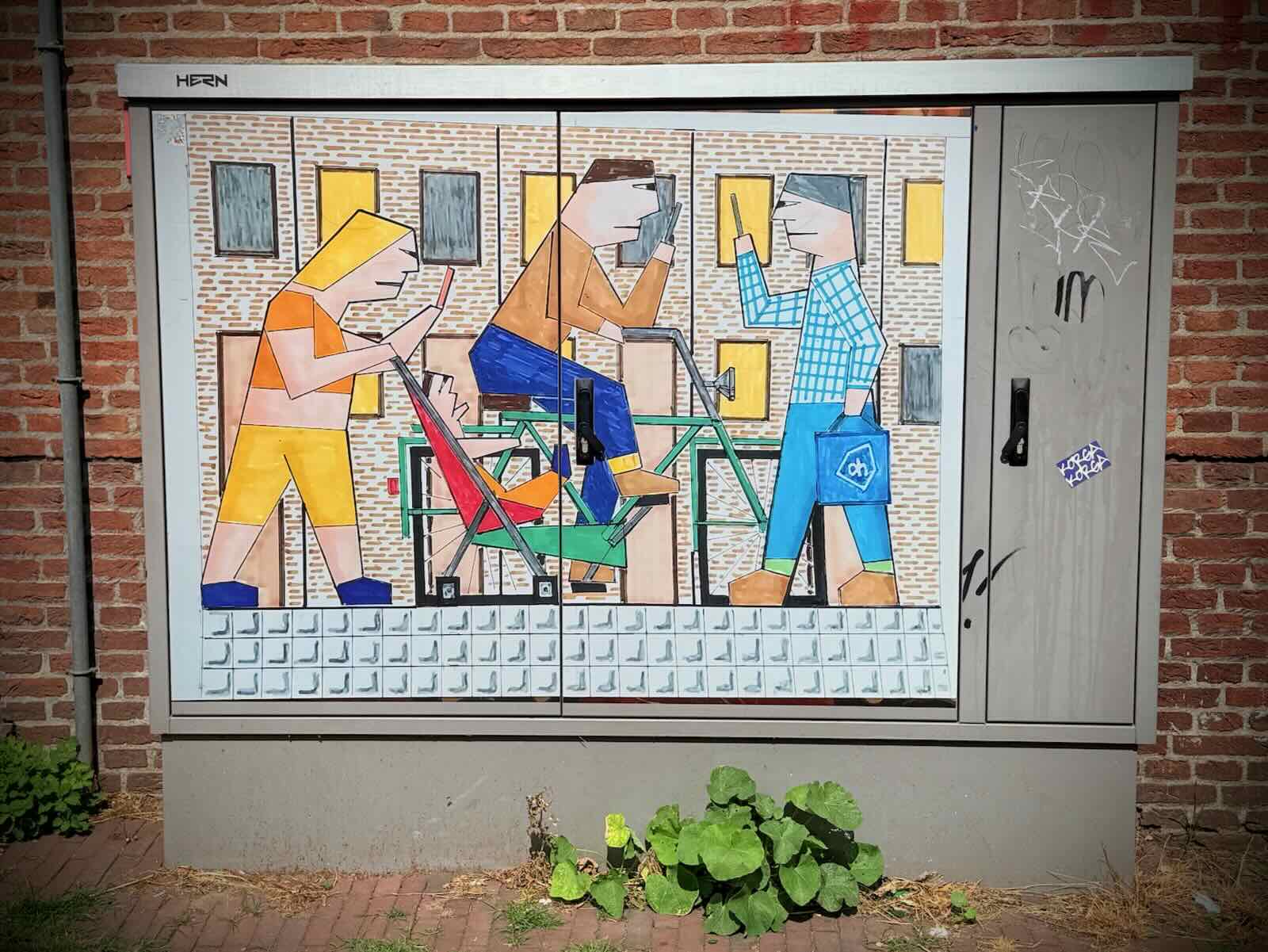
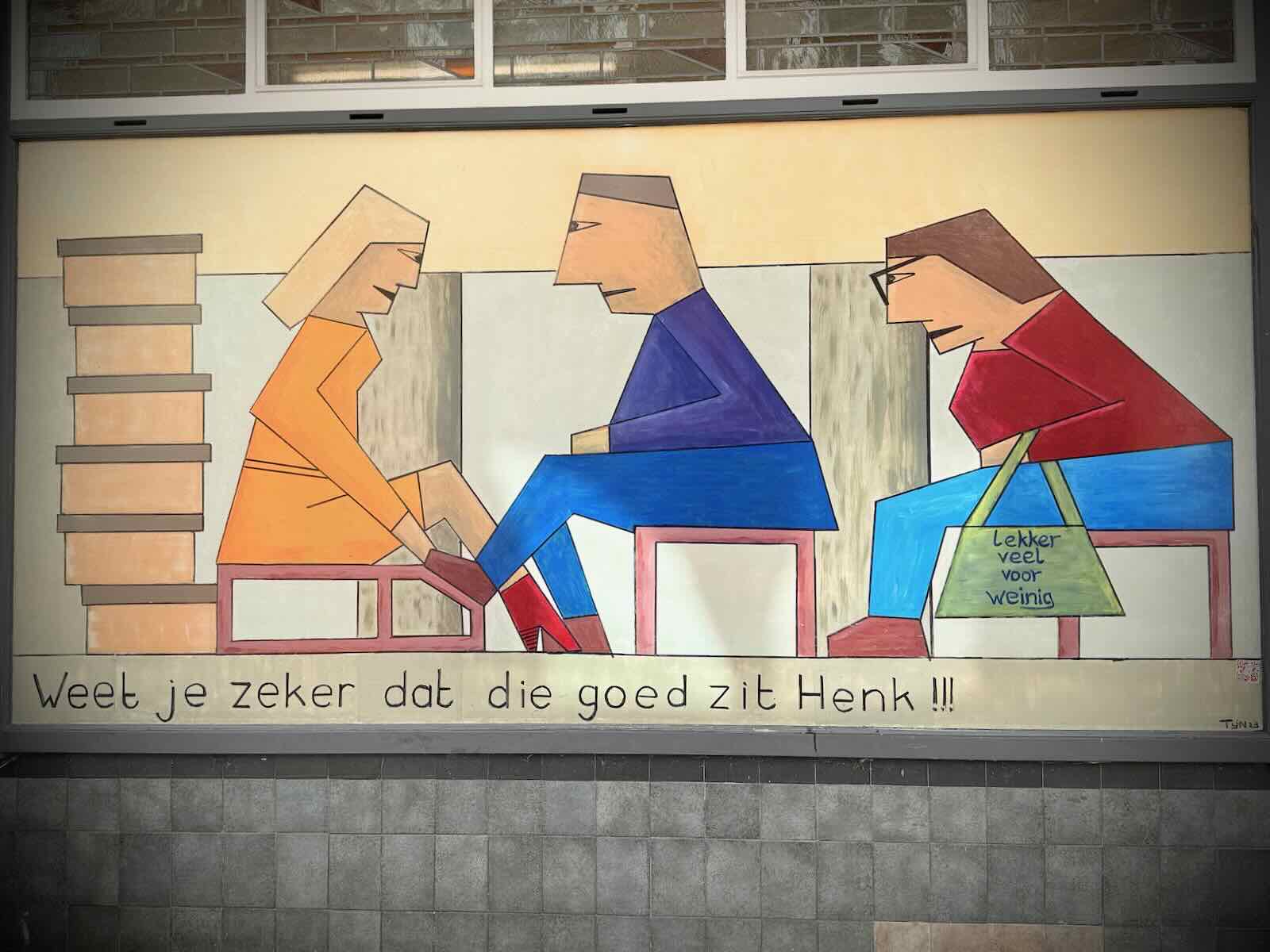
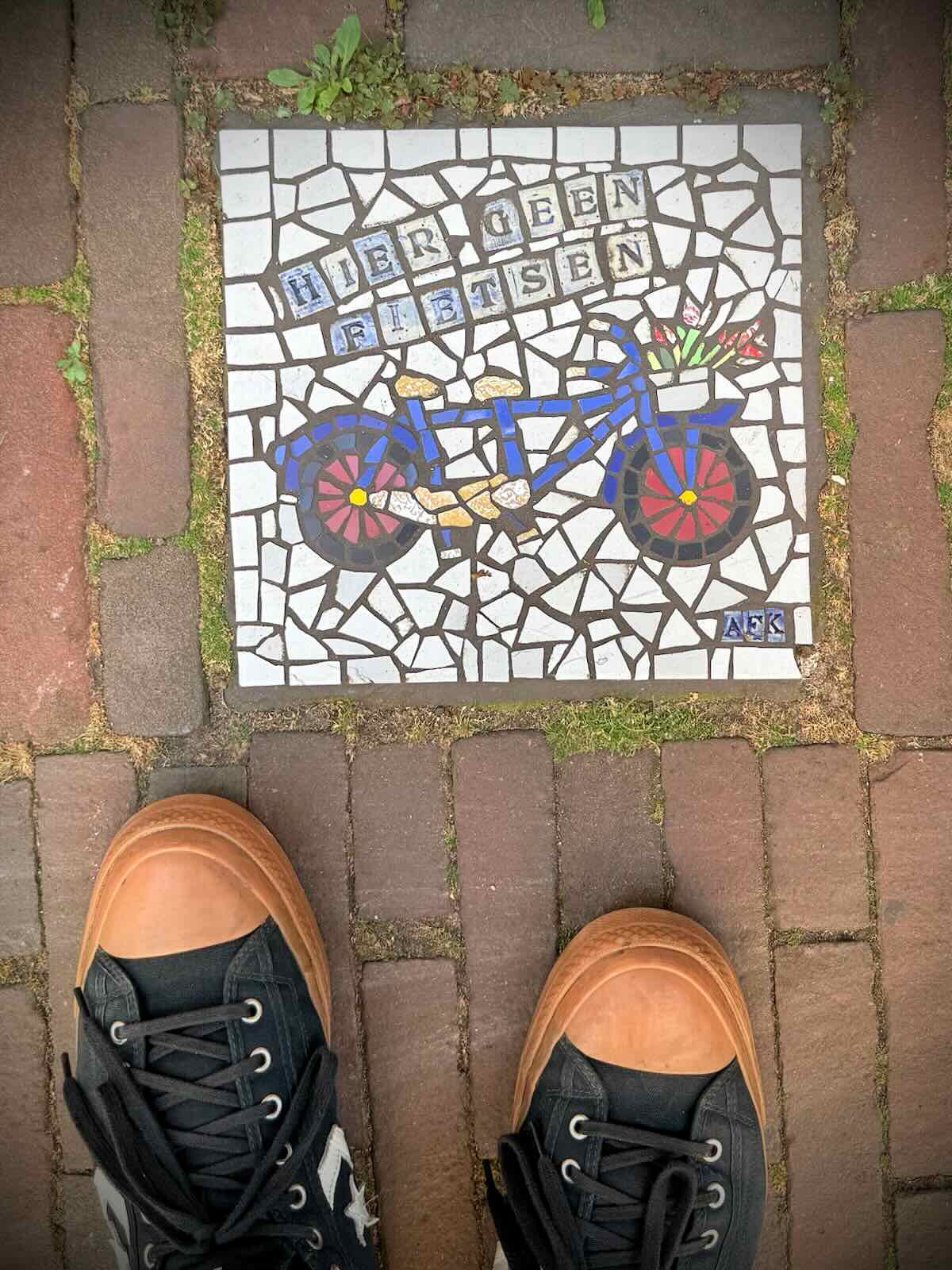
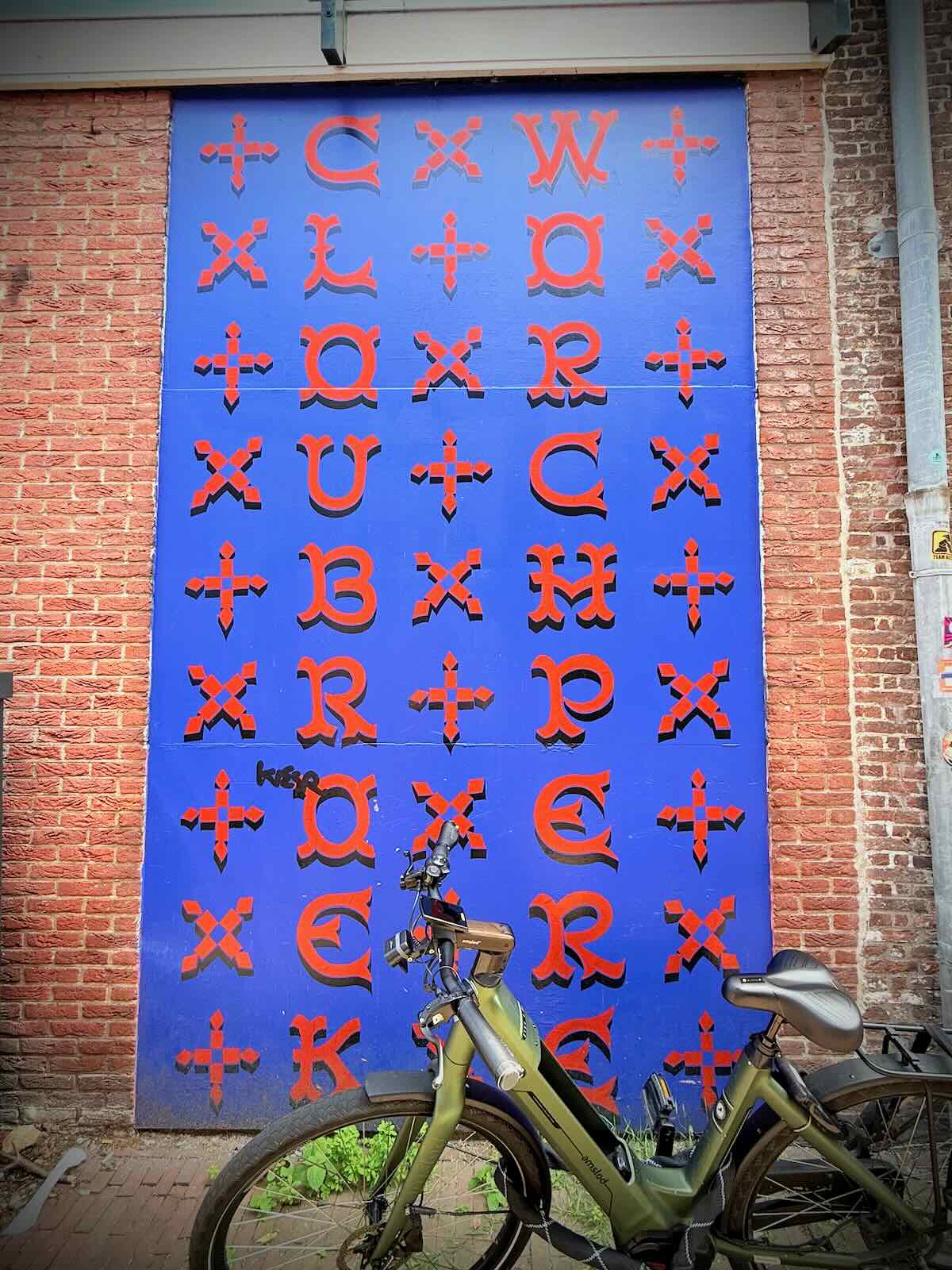
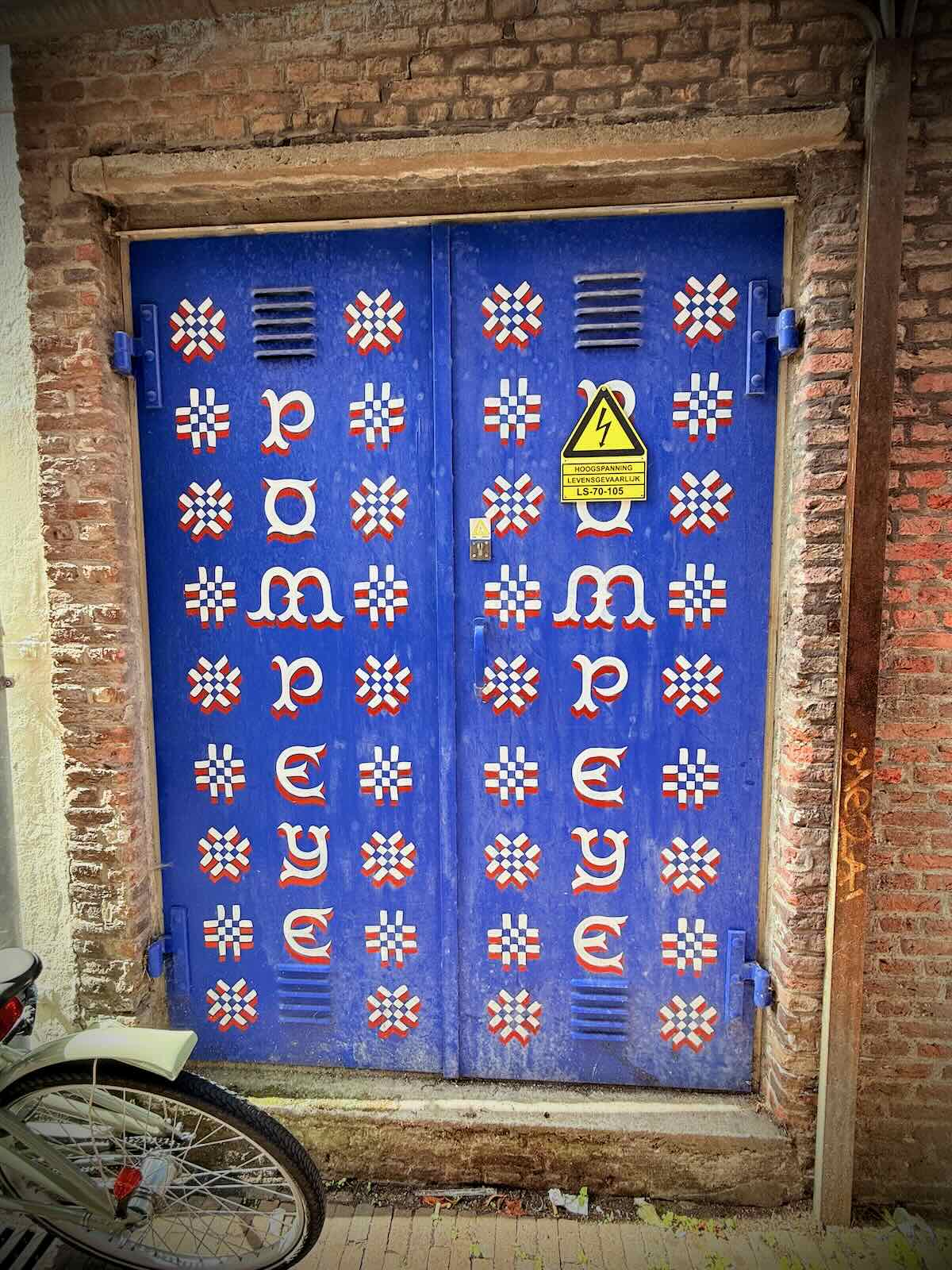
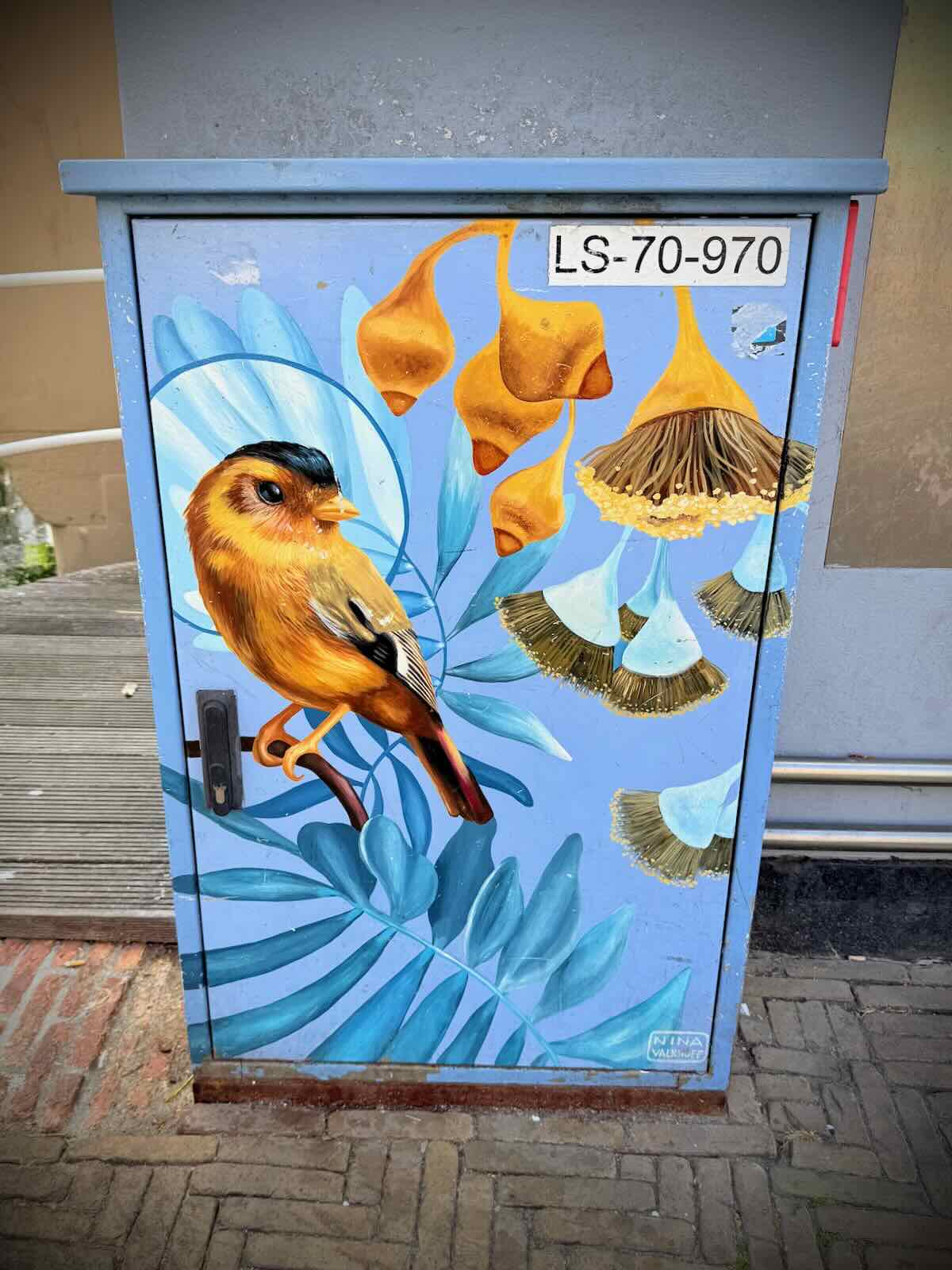
We then decided to take in some of the artwork on the streets of Delft, by following an online art tour we found, Appreciating art on the streets of Delft. This is a self-guided tour, where you follow a map, with numbered points to stop at and further details.
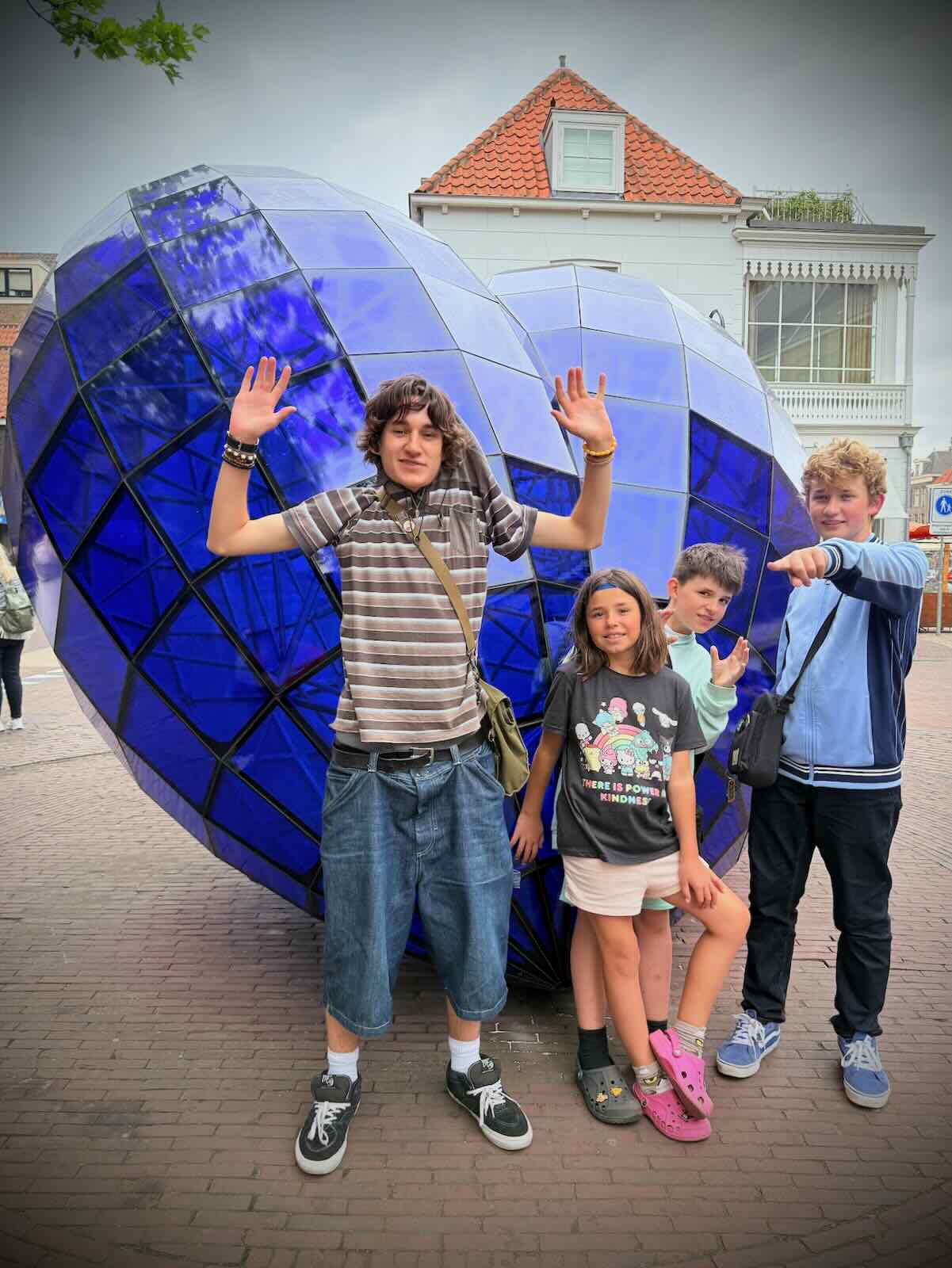
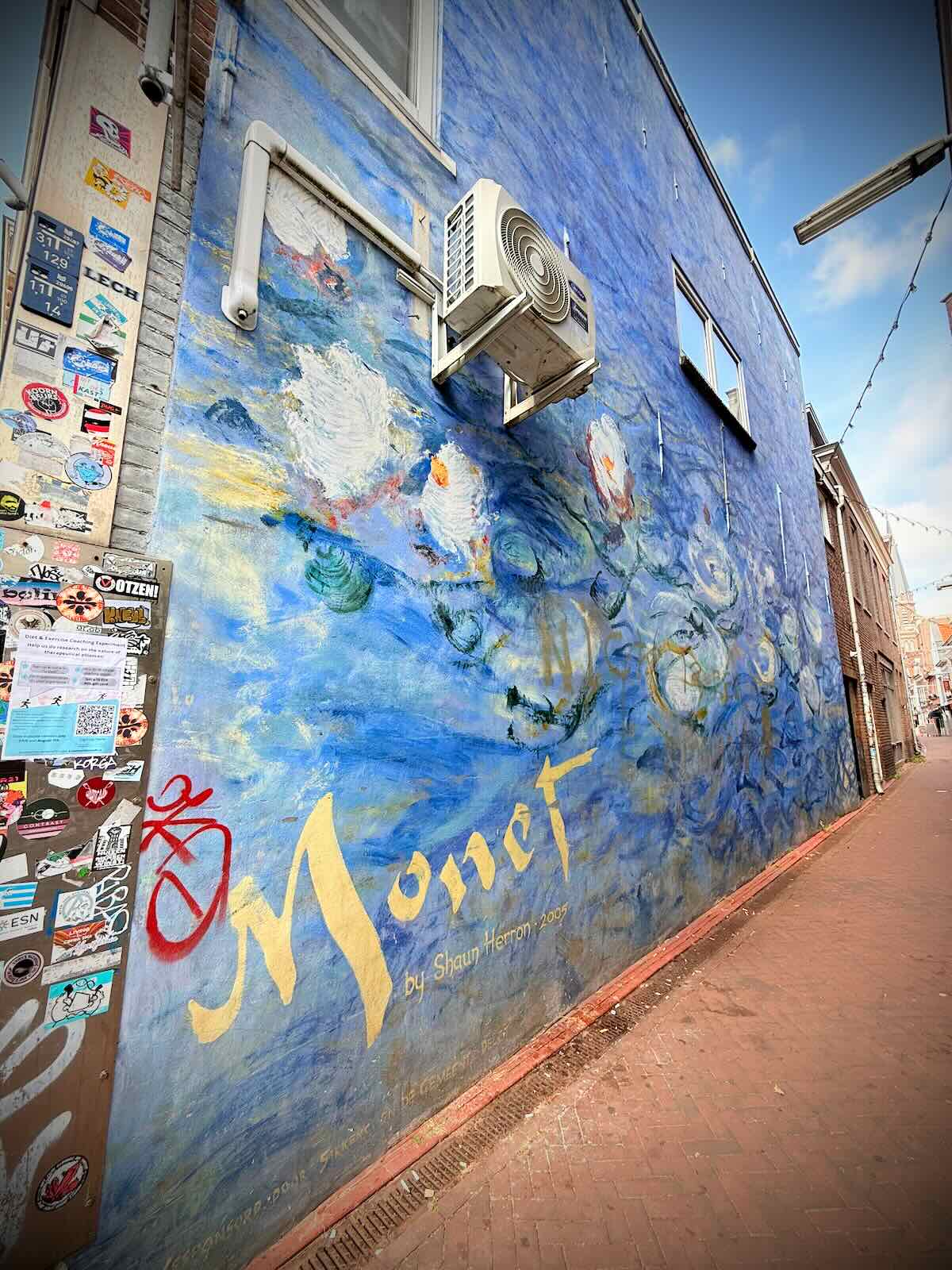
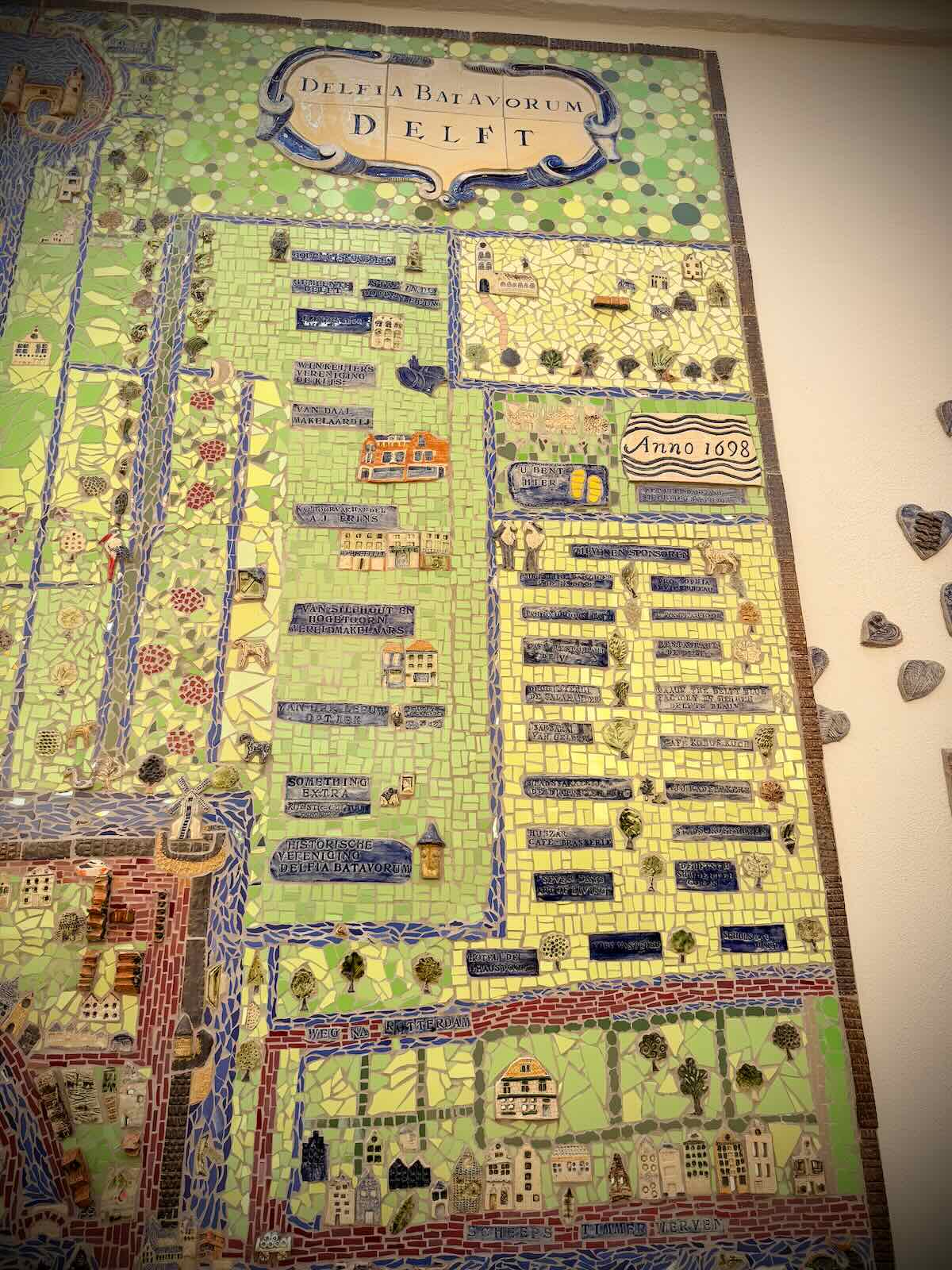
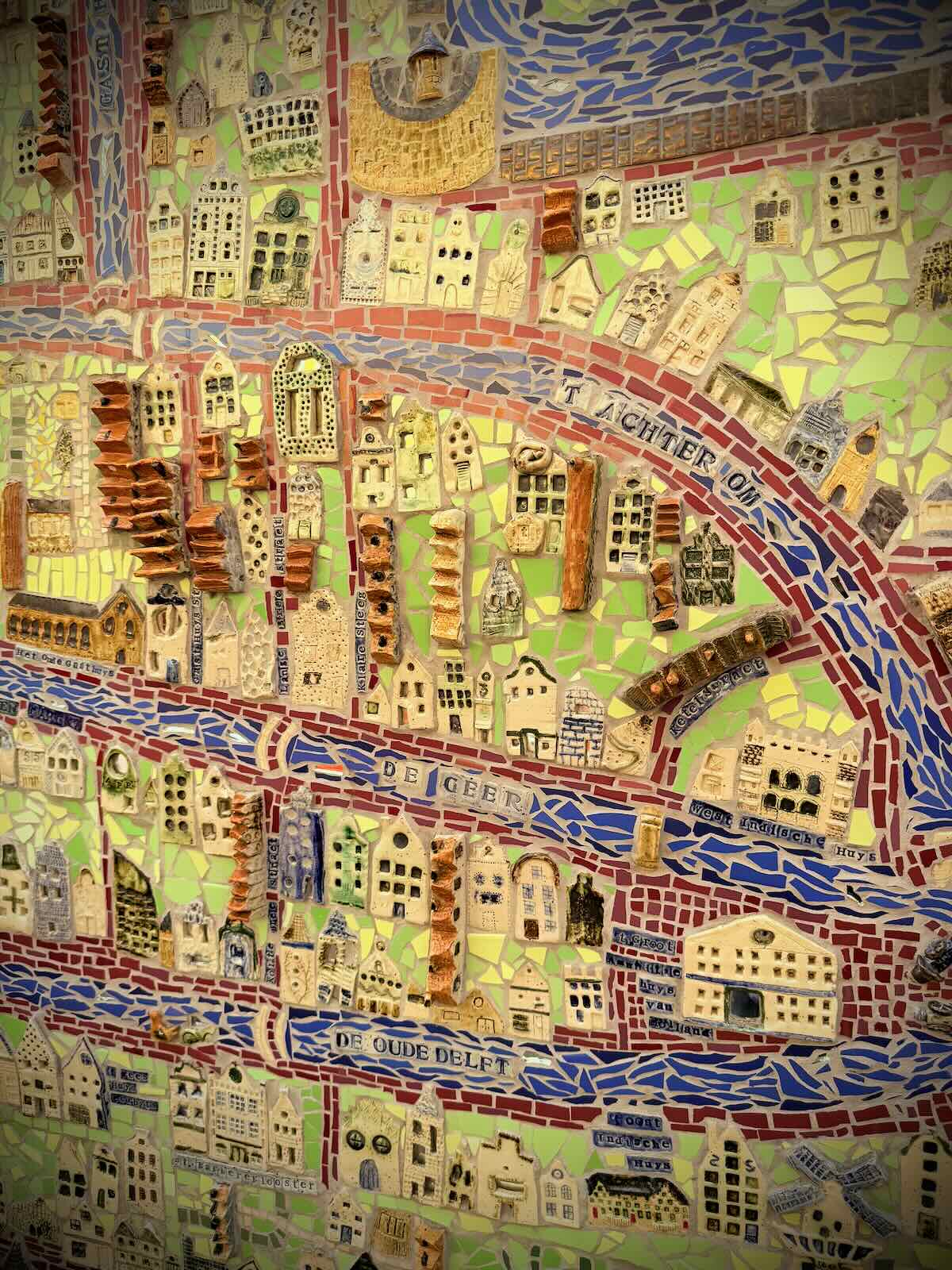
The streets of Delft are filled with interesting artworks, both old and new. With the city’s history in ceramics and its famous blue Delftware, there’s definitely more than a few artworks inspired by this or make use of ceramic material.
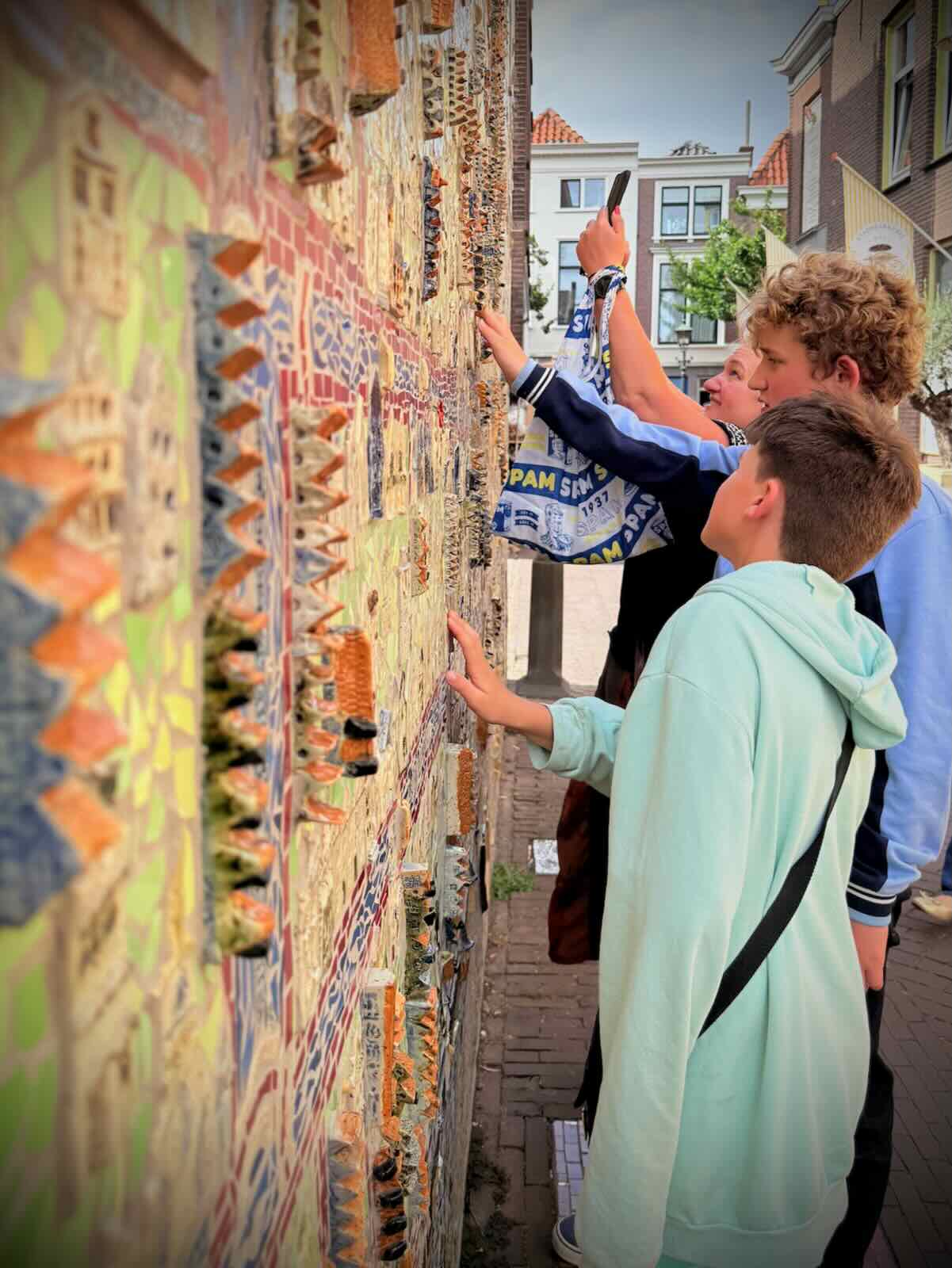
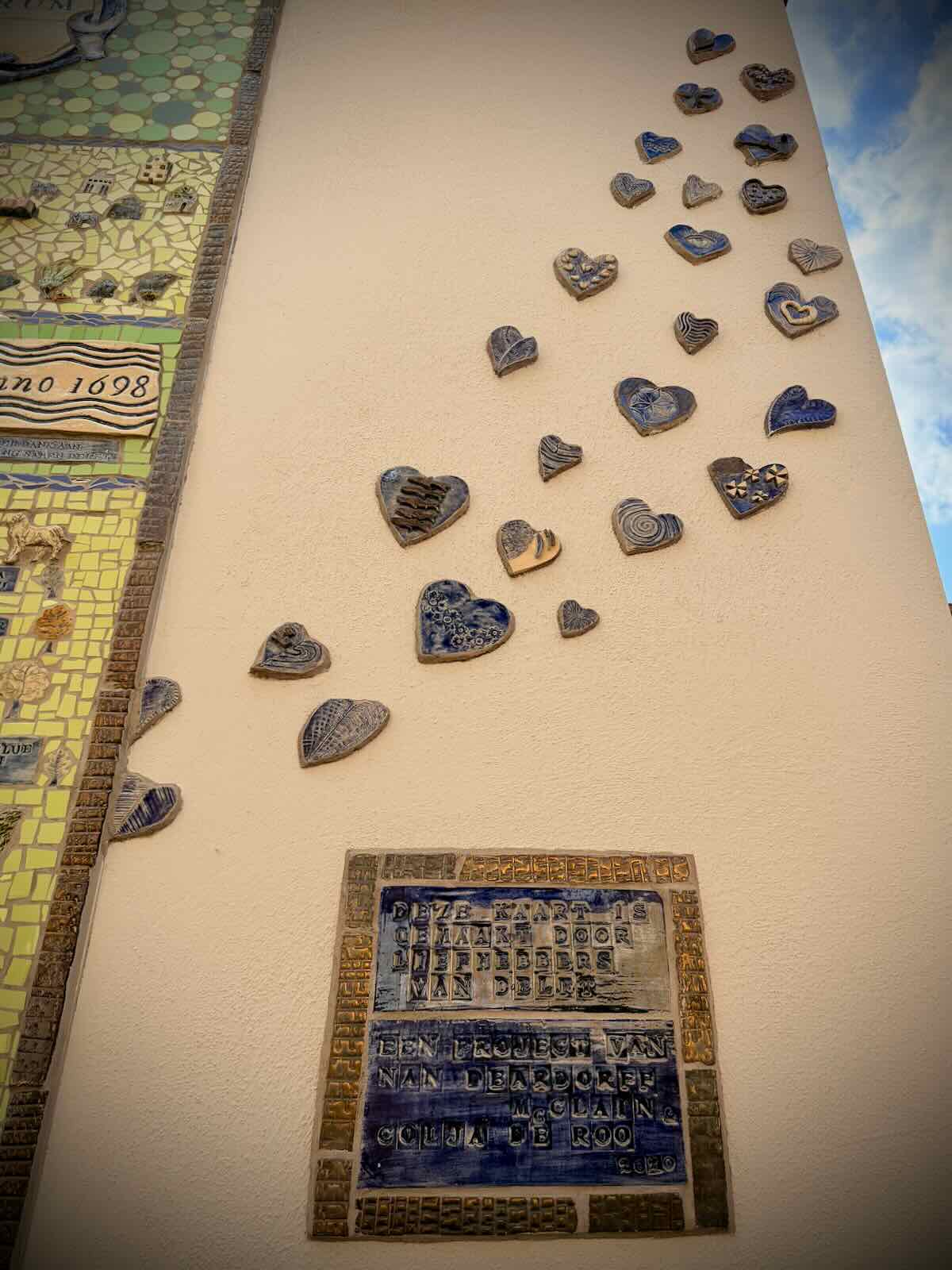
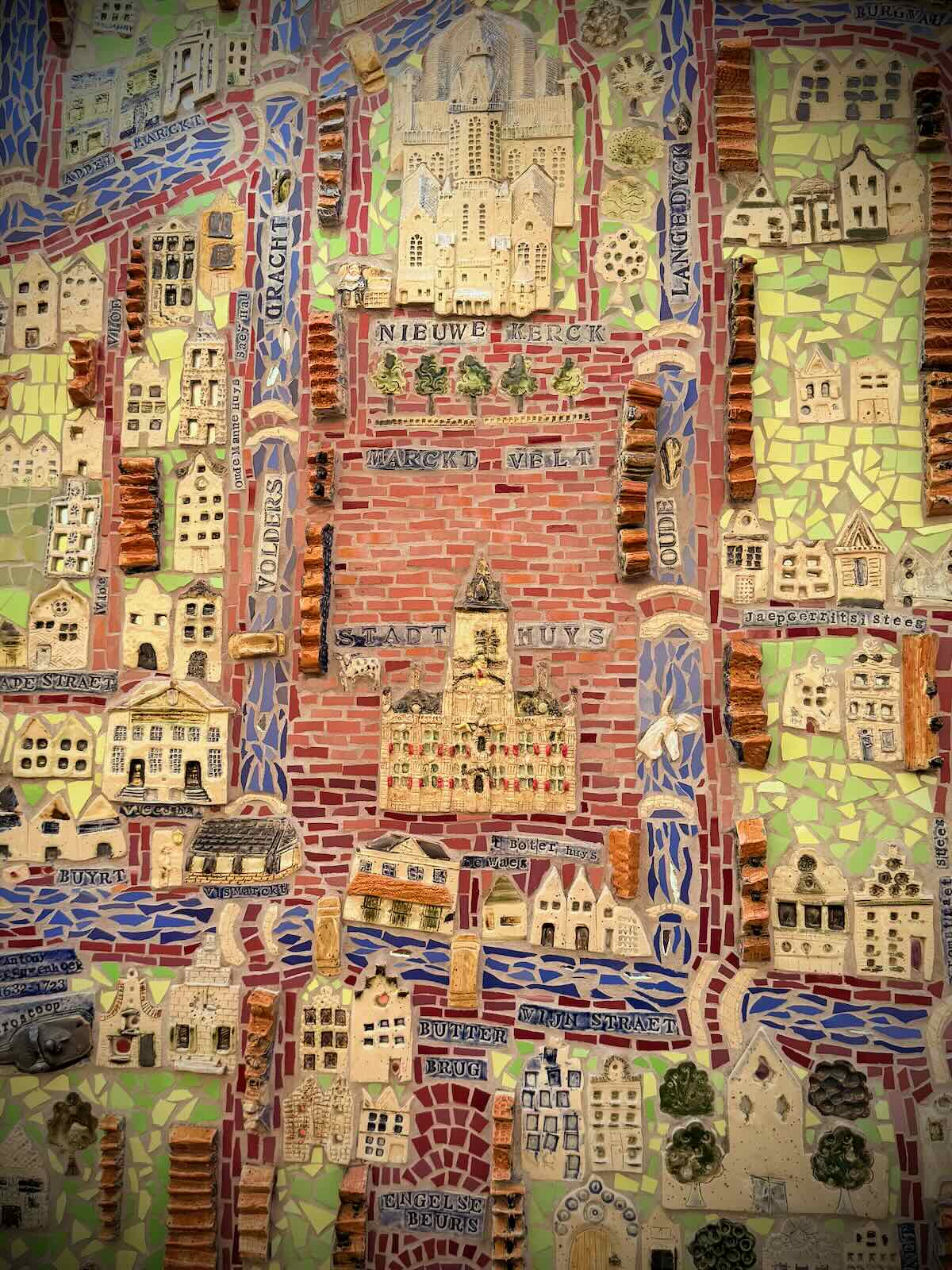
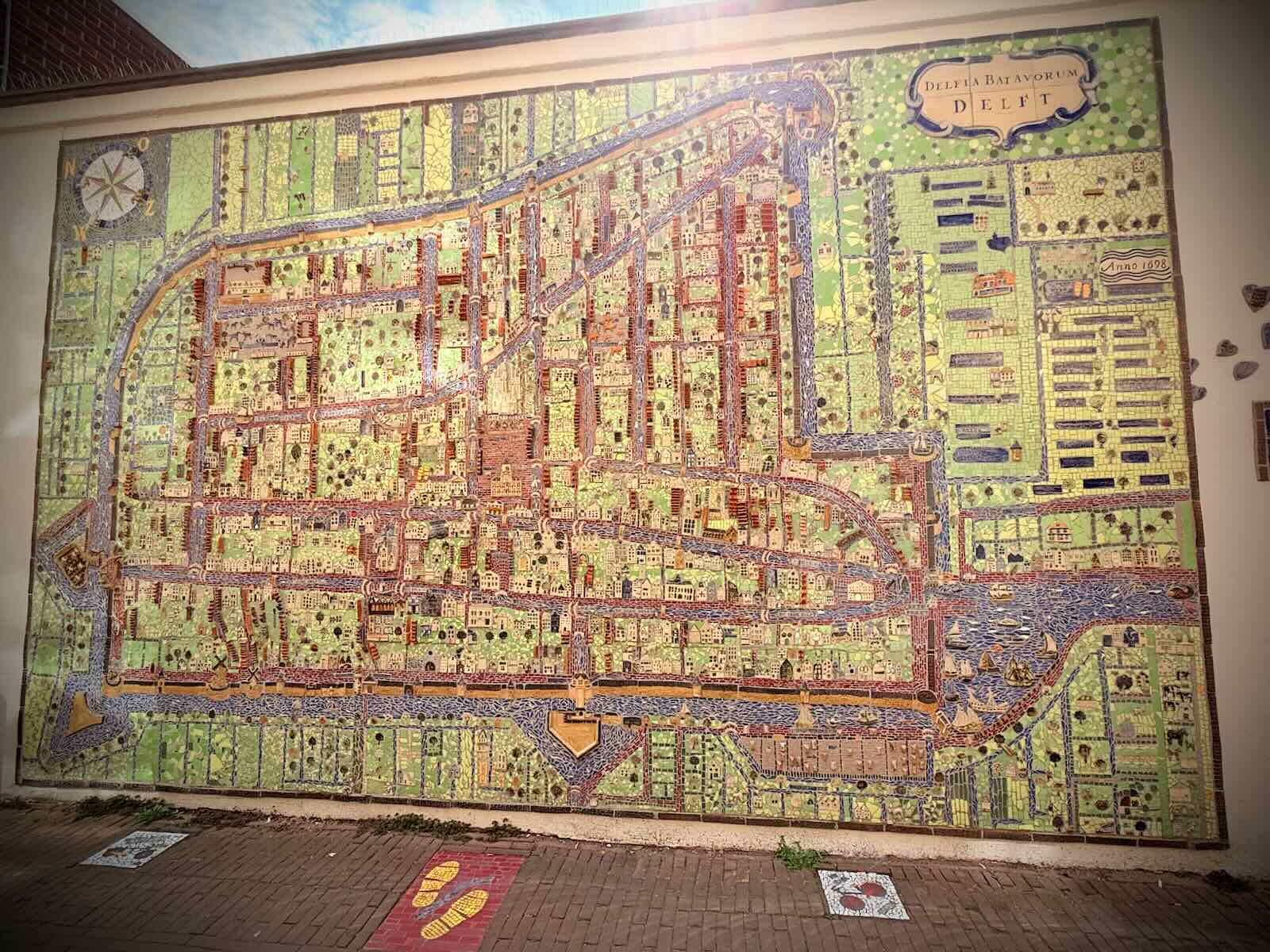
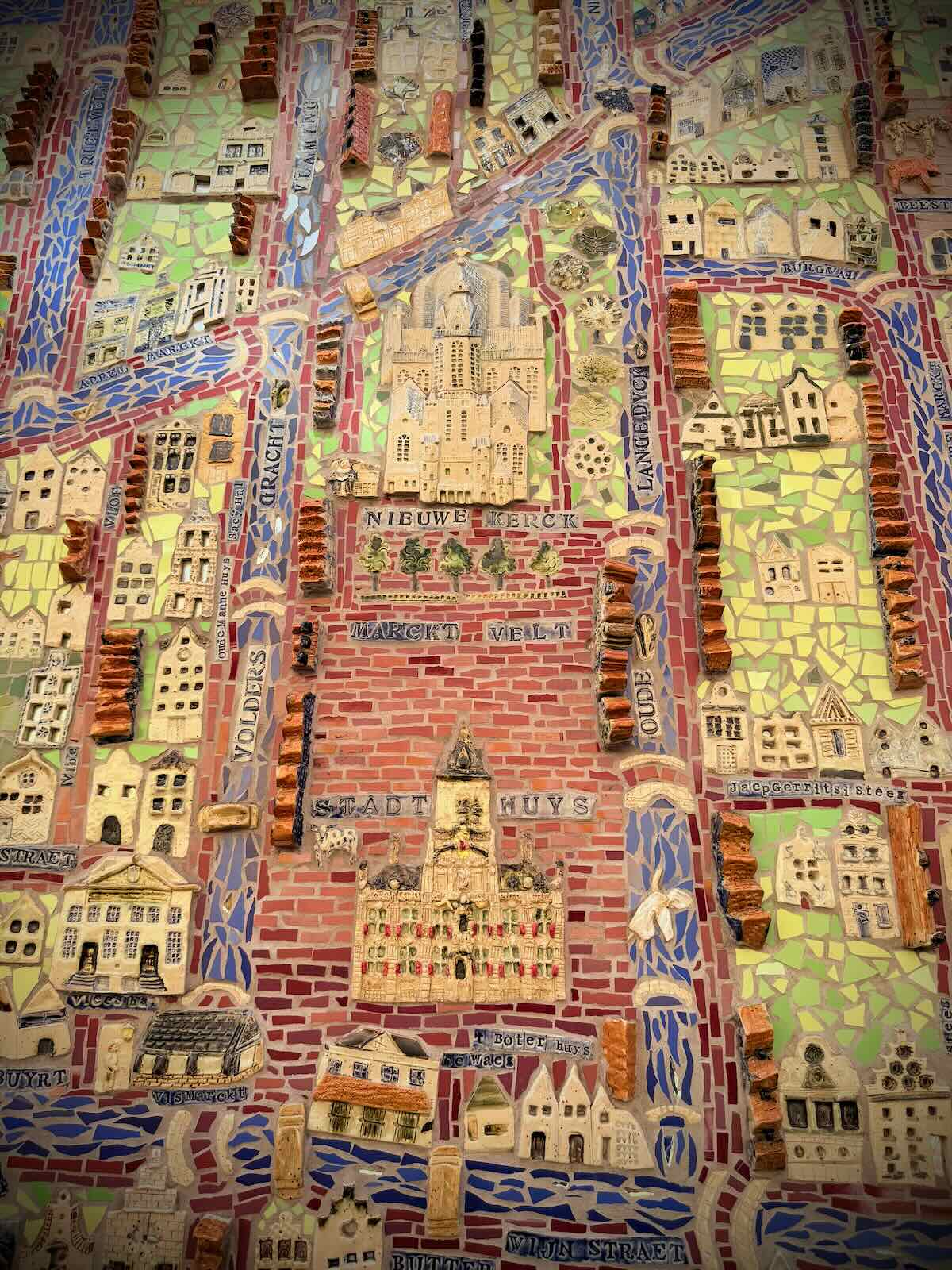
Our favourite was definitely the Ceramic Map of Delft by Nan Deardorff-McClain, which is an incredibly impressive and detailed 3D map of the city, which you can easily spend ages looking at.
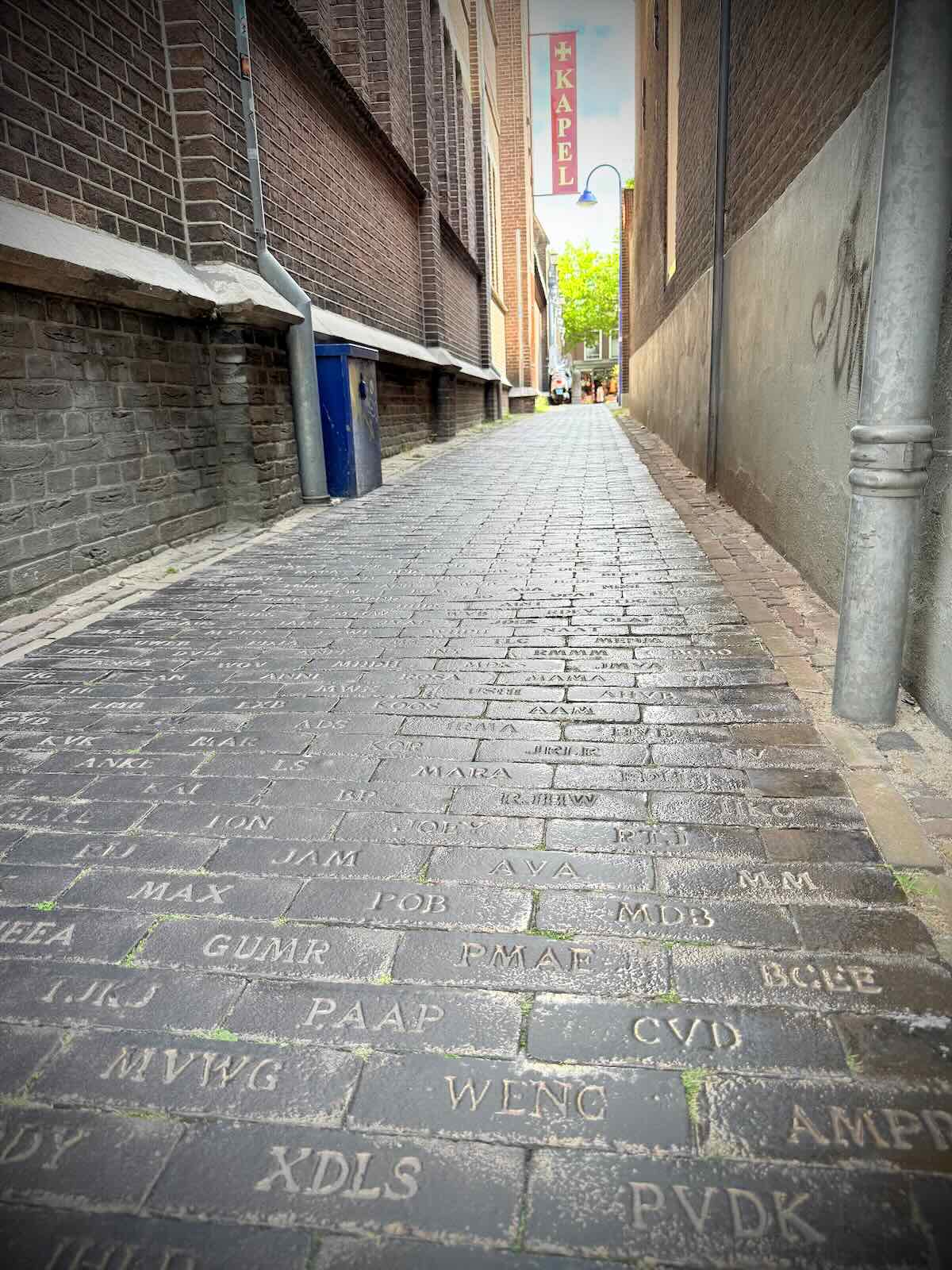
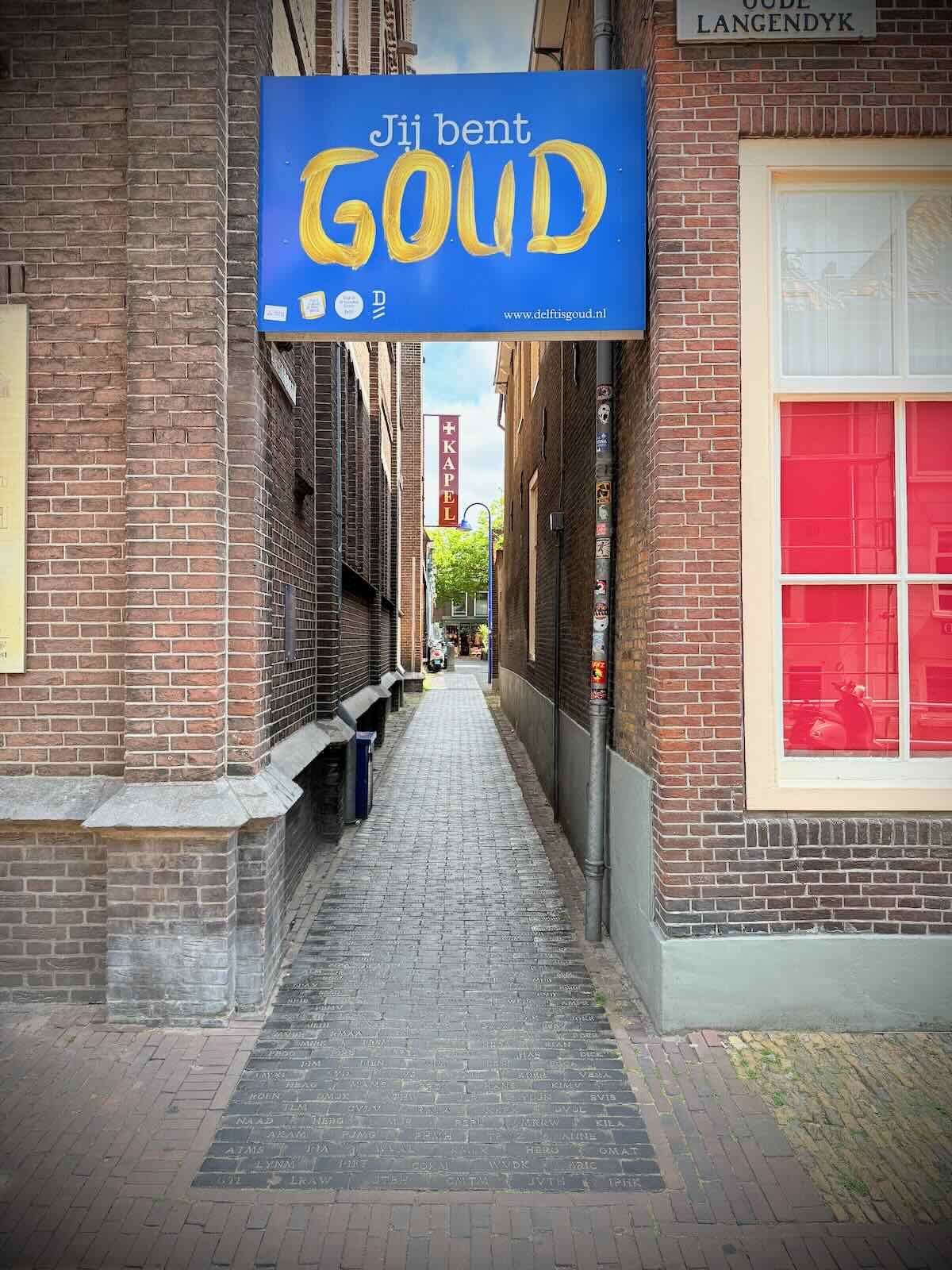
Another favourite is Delft is goud (Delft is gold), which is a street of golden bricks on Jozefstraat. The bricks were donated by Delft residents and non-residents as a token of appreciation for someone they consider “golden”.
Each brick has three to four letters embossed on them, such as for a name or abbreviation, though some have “mama” or “hero”. The bricks are then fired with a golden glaze and laid on the street.
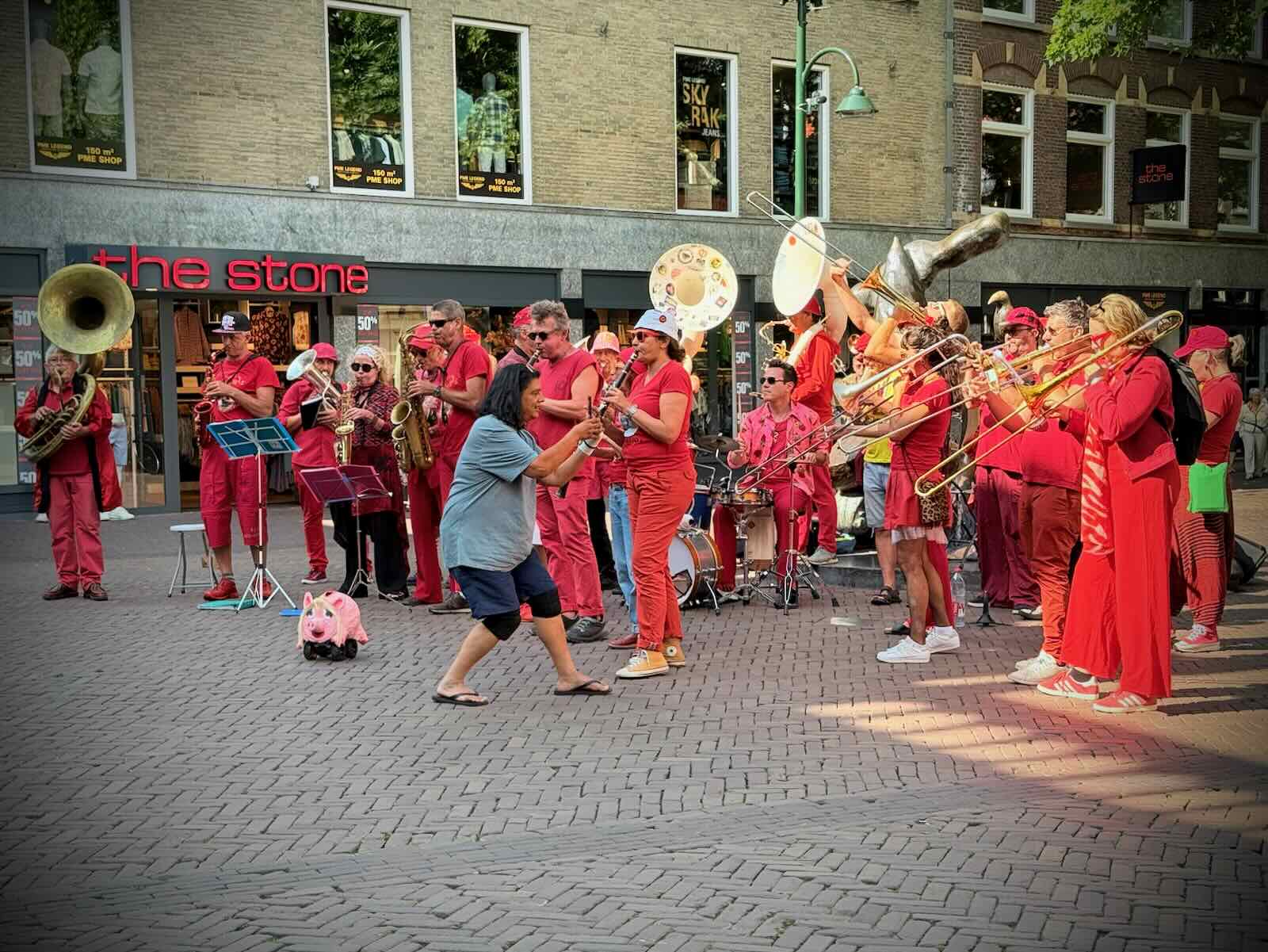
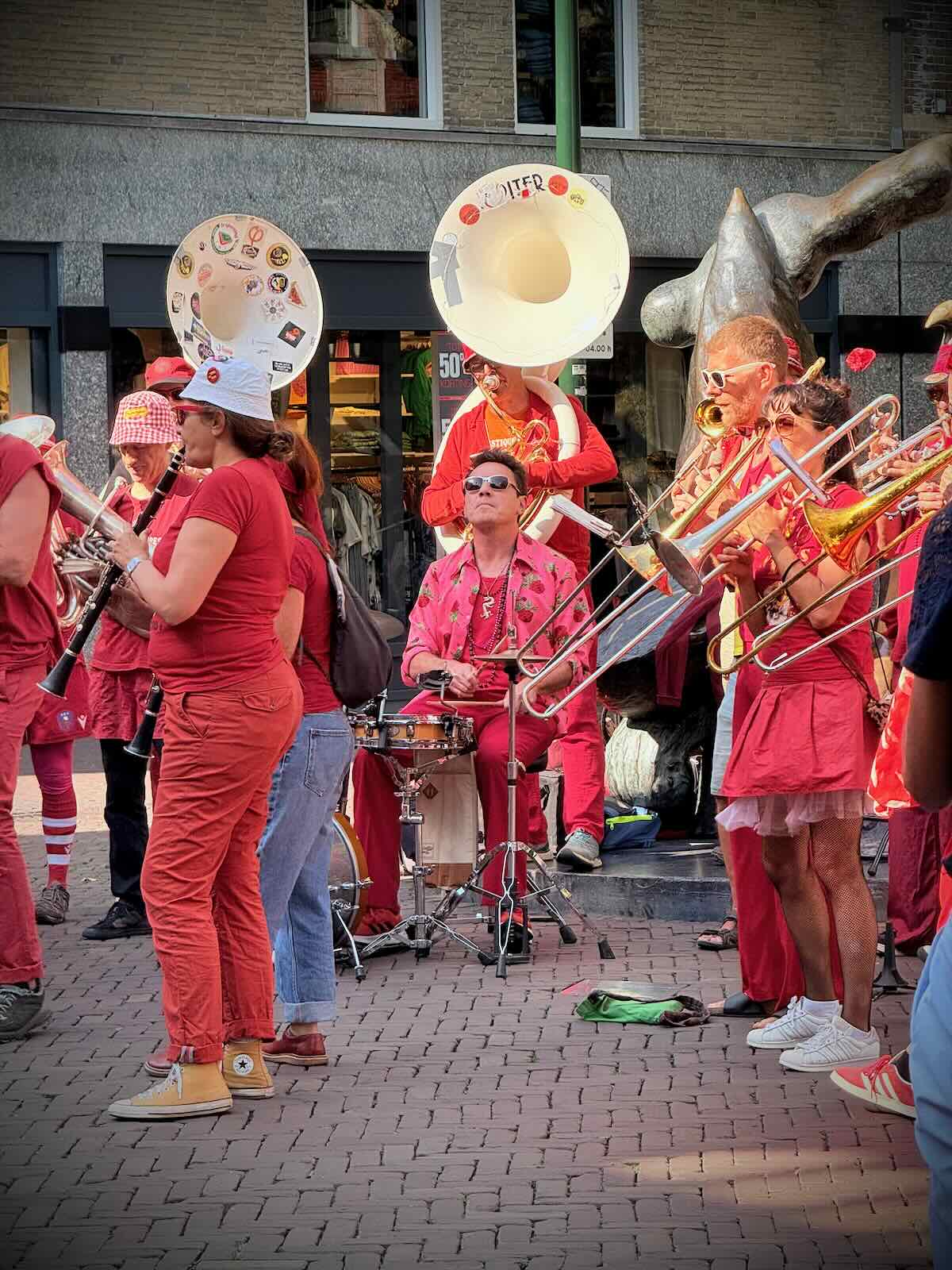
While wandering round, we came across a street brass band playing at the corner of Brabantse Turfmarkt and Burgwal. They were really fantastic and with the sun coming out, it was great just being in the street watching them.
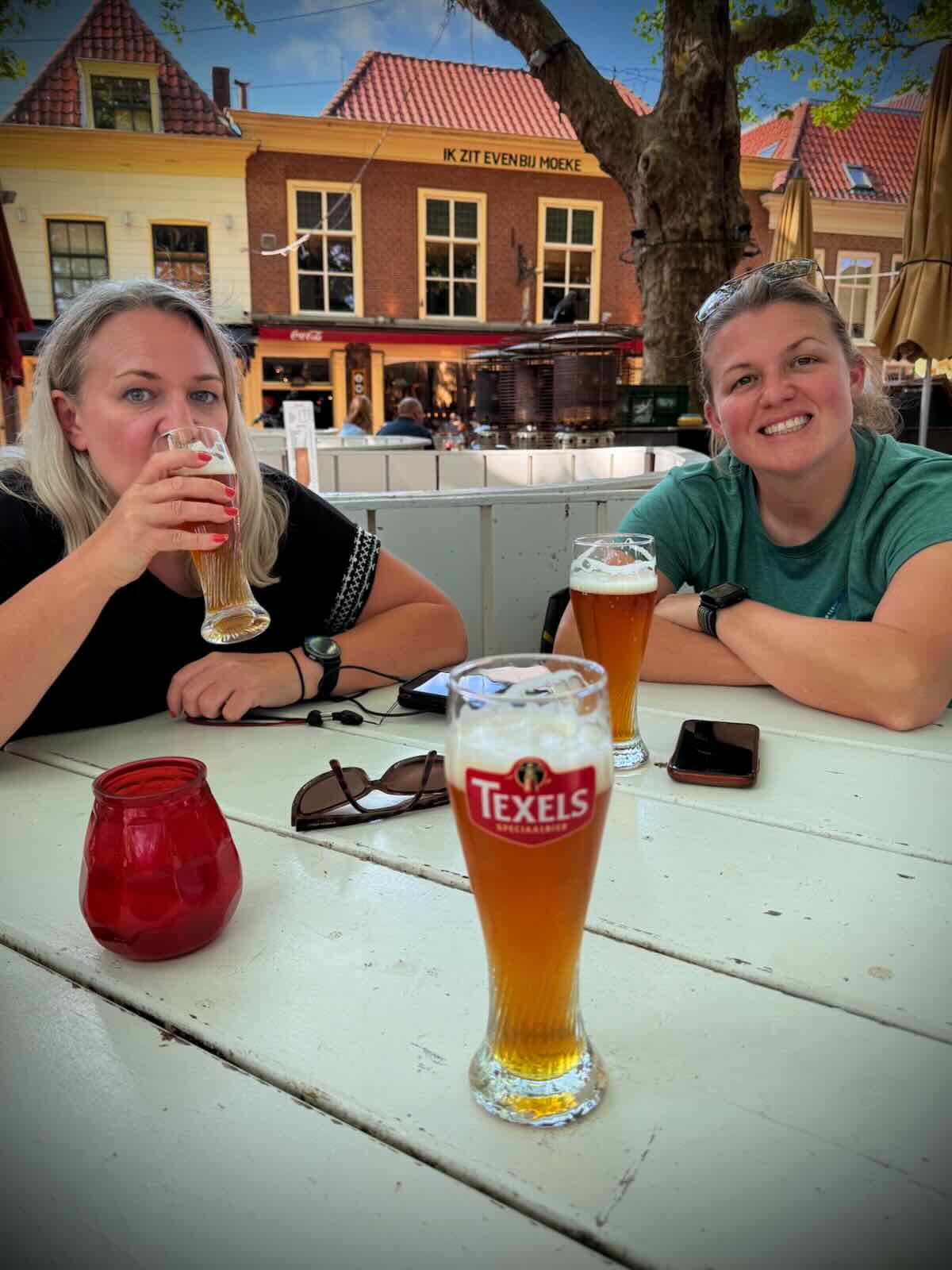
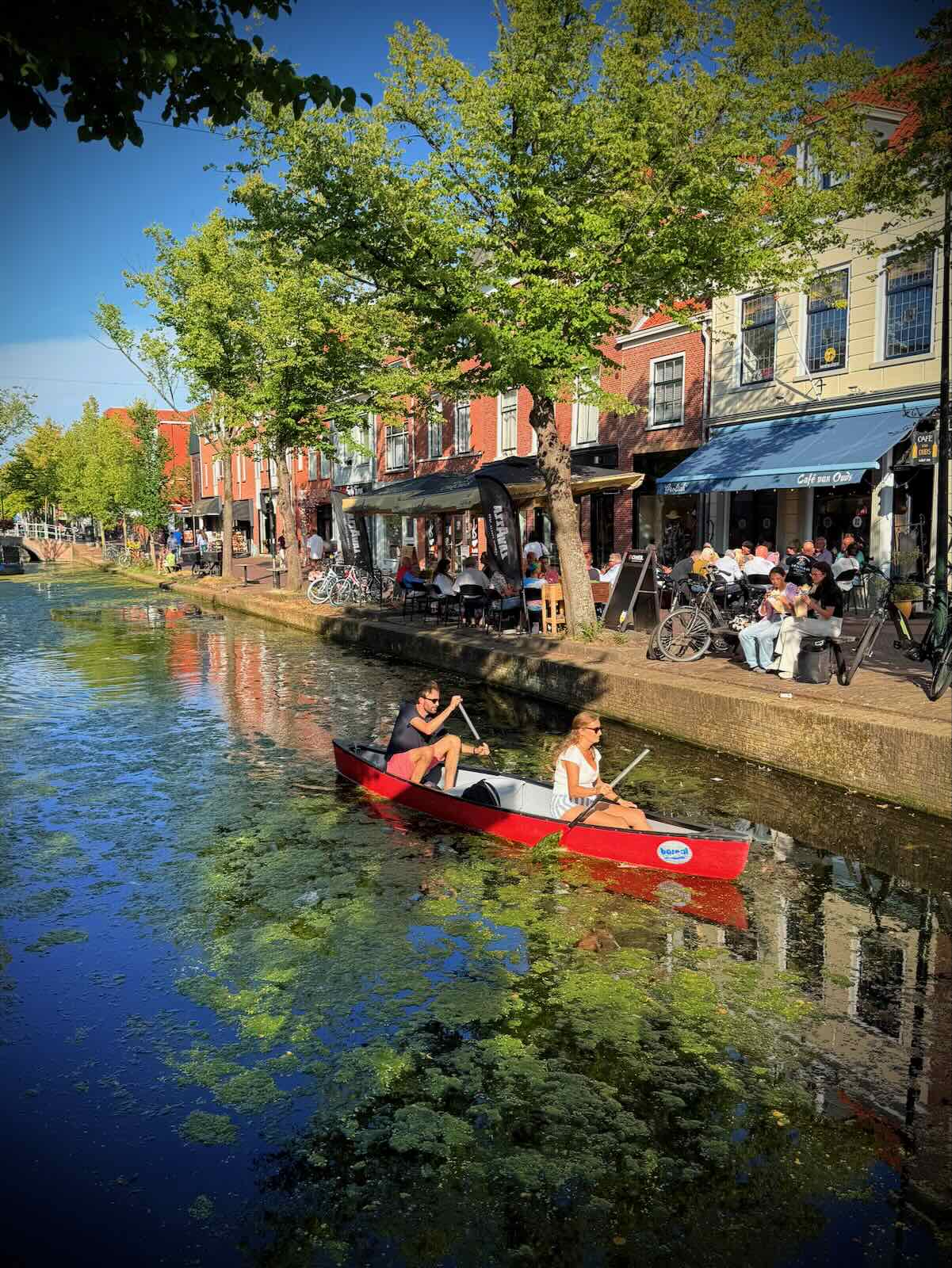
With the afternoon getting on and things starting to close for the day, we made our way to Beestenmarkt, to get some drinks and snacks. Beestenmarkt is such a lovely lively space, with all the tree-covered seating and bars around the outside.
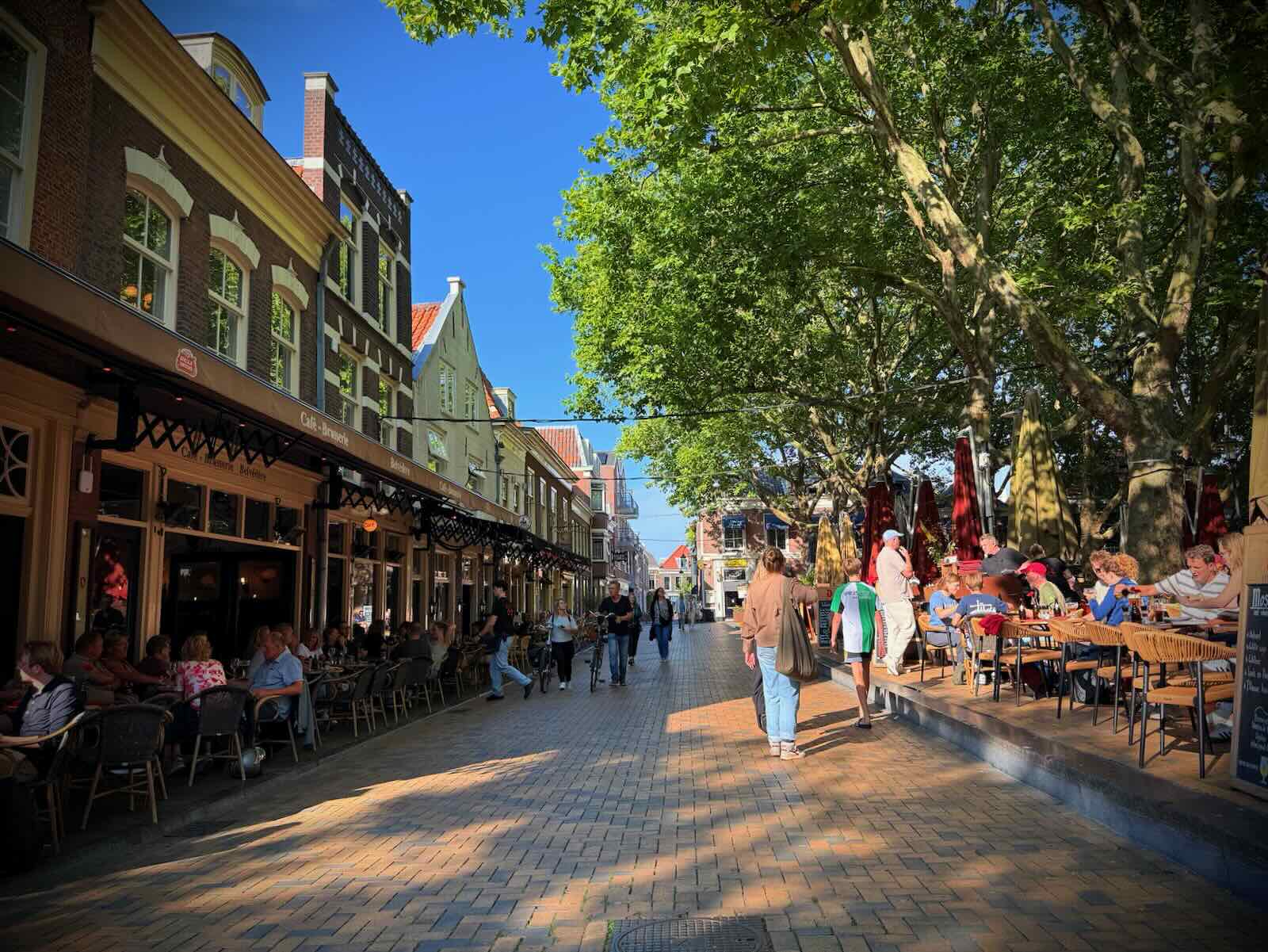
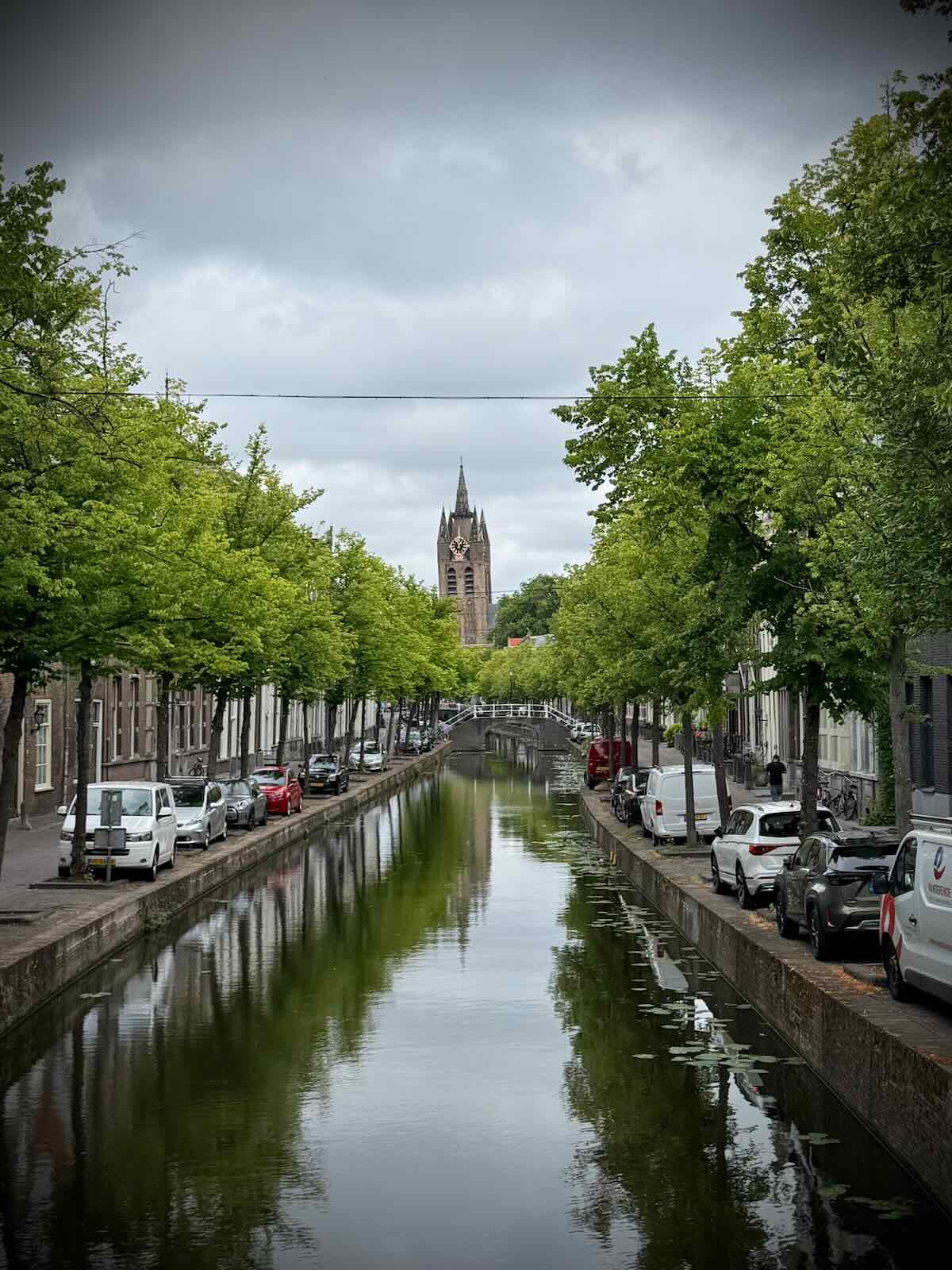
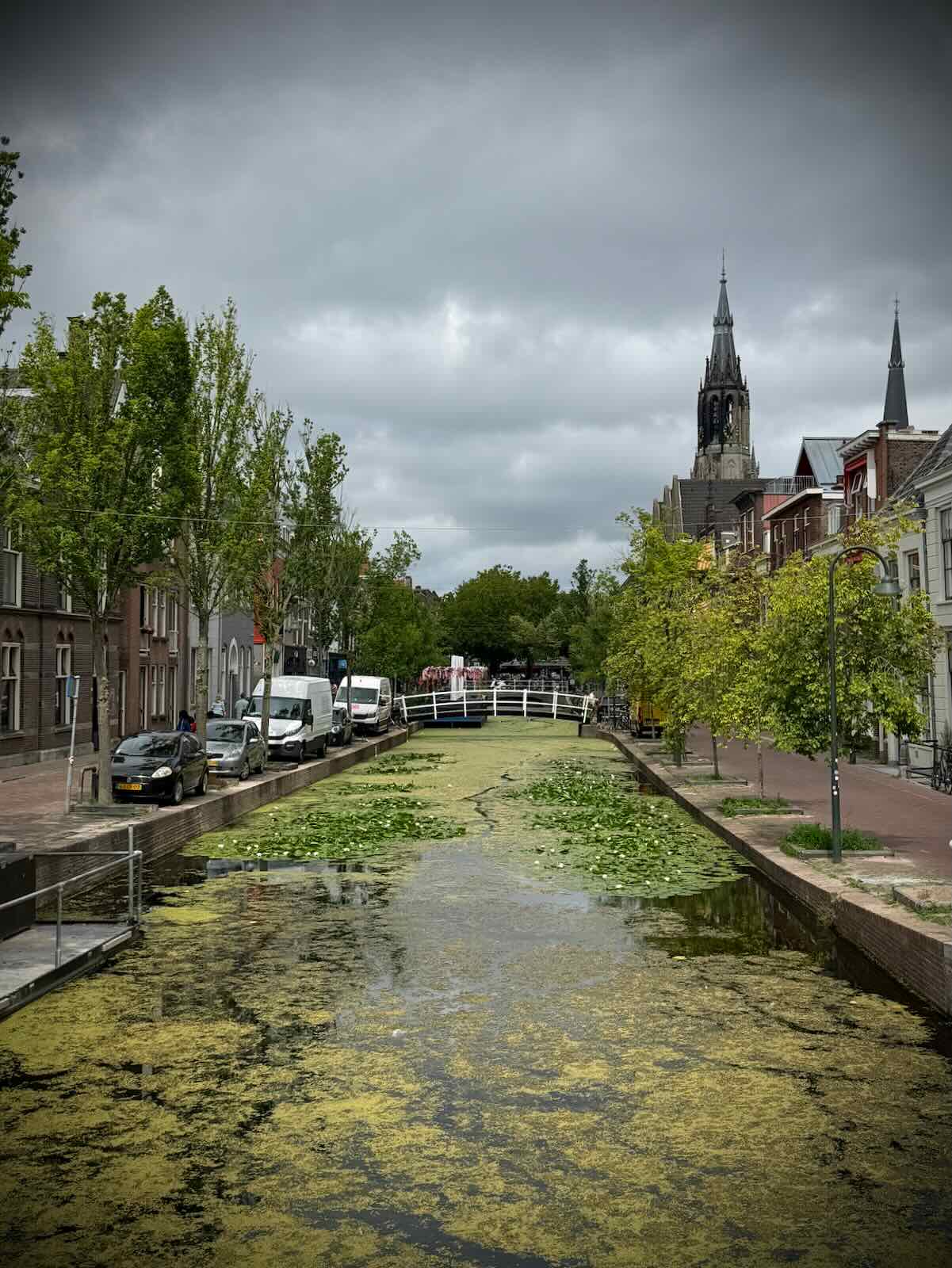
After enjoying beer and bitterballen in the sun, it was time to head back to Duinrell, so we made our way across the canals back to Delft Station to collect the bikes.

Riding back to Duinrell
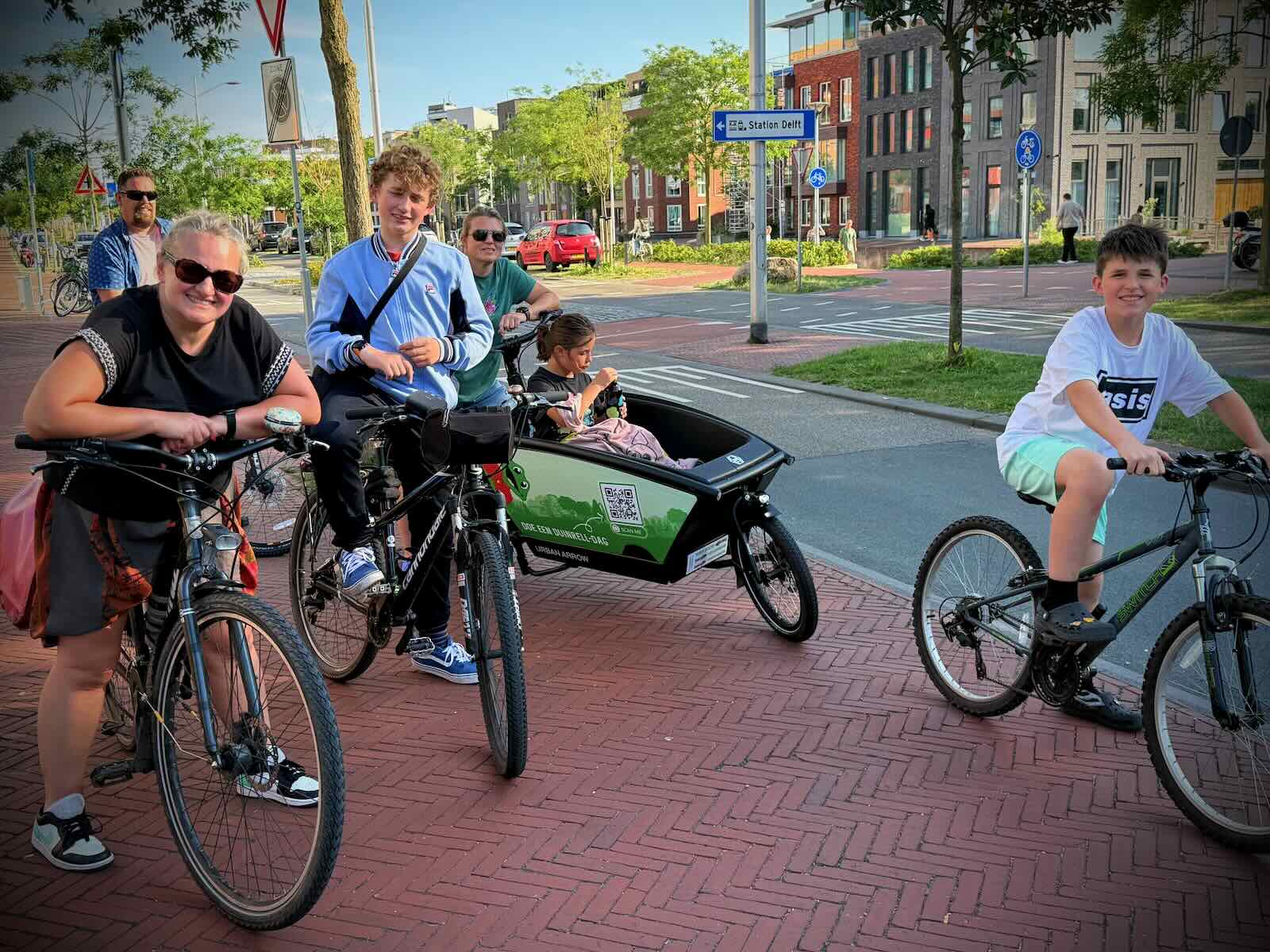
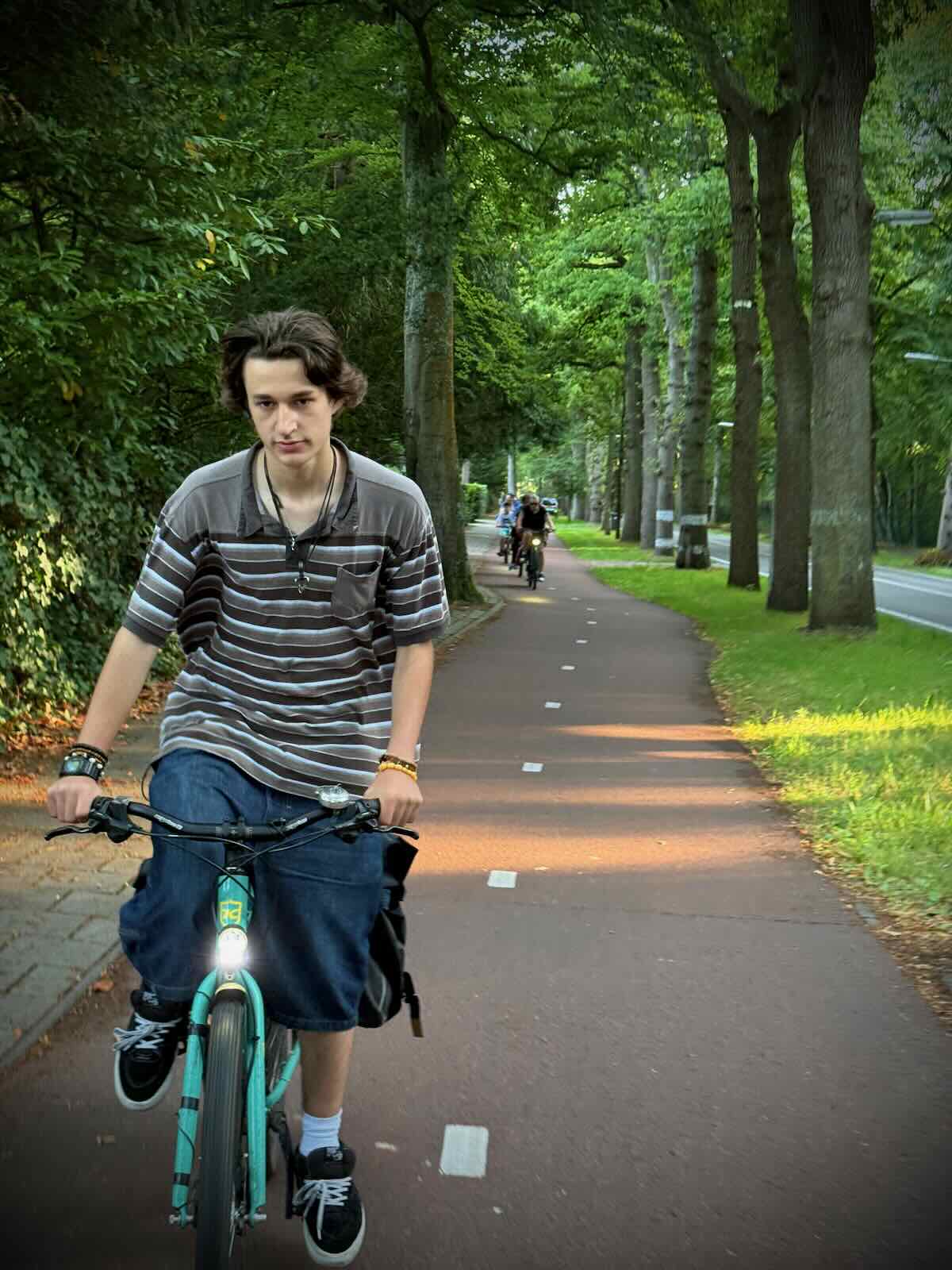
Leaving the cycle parking at Delft Station, we followed pretty much the same route we arrived on, though instead of the slightly damp morning rain on the way there, we were riding back in some very pleasant early evening sunshine. After a very enjoyable ride, after a fantastic day in Delft, we eventually arrived back at Duinrell.


More Netherlands 25 posts
Further posts from our trip to the Netherlands in 2025
- Two weeks at Duinrell
- Riding the Velostrada from Leiden to Den Haag
- Evening ride to the beach at Wassenaarse Slag
- Riding from Duinrell to Rotterdam
- Loop ride around Vlietland
- Riding from Duinrell to Delft
- Riding to Katwijk aan Zee for lunch
- Riding from Duinrell to Leiden
- A day trip to Amsterdam
- More wandering in Leiden
- Loop ride from Duinrell to Scheveningen
- Riding from Duinrell to Den Haag
- Riding to Kunstmuseum Den Haag
- One final ride to Leiden
- Visiting the Tij Observatory
 Dom Cycling