

Keen to see more about the old DDR / GDR days during the Cold War, we decided to visit the DDR Museum. The museum describes itself as ‘an interactive journey into the past’ and one of the most visited museums in Berlin, covering everyday life from the Wall to the Stasi.
With that boast about it being one of the most visited museums, its central location next to the River Spree and being as it was peak holiday season, we should probably have been a little concerned about how busy it would be.
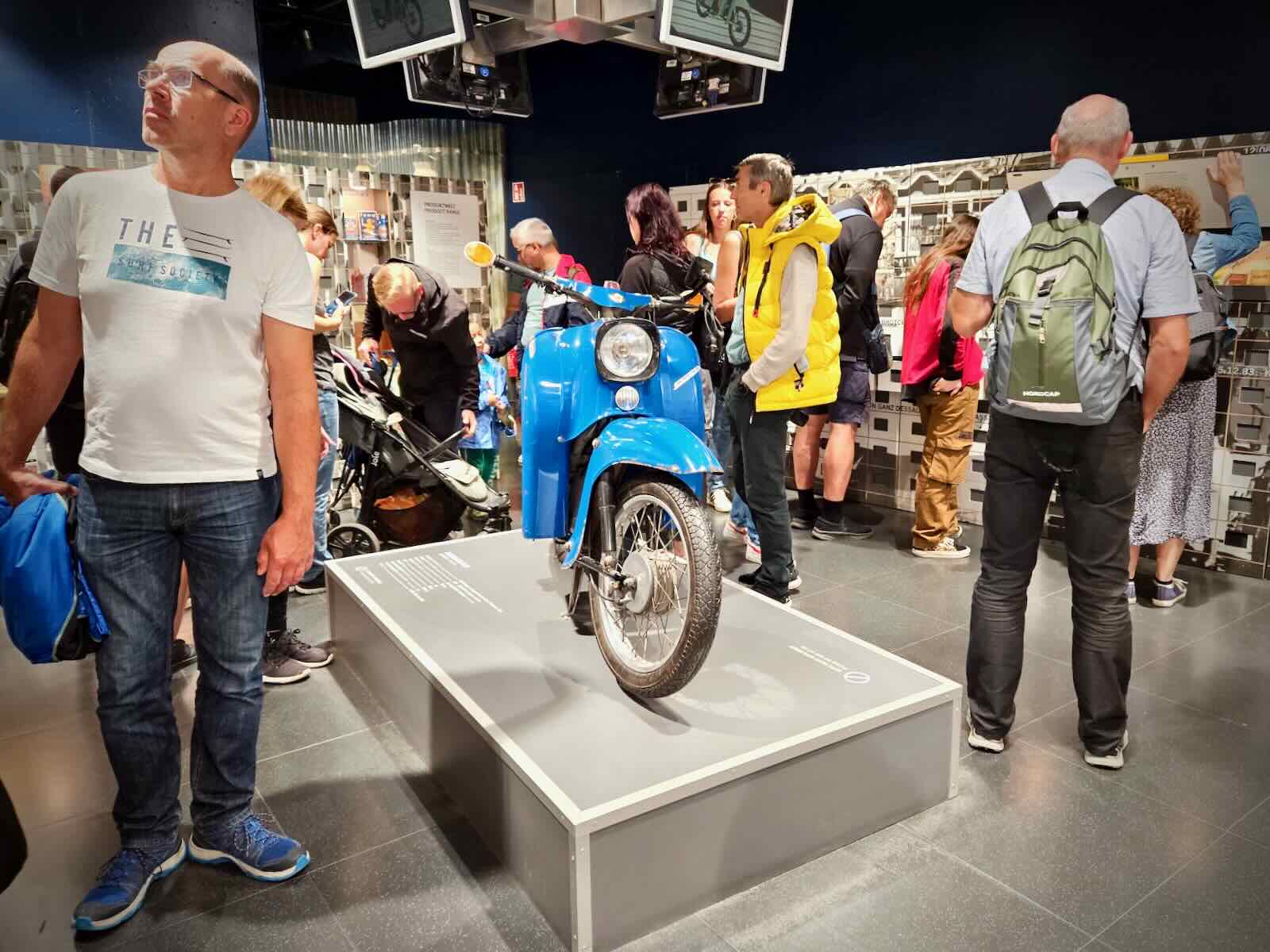
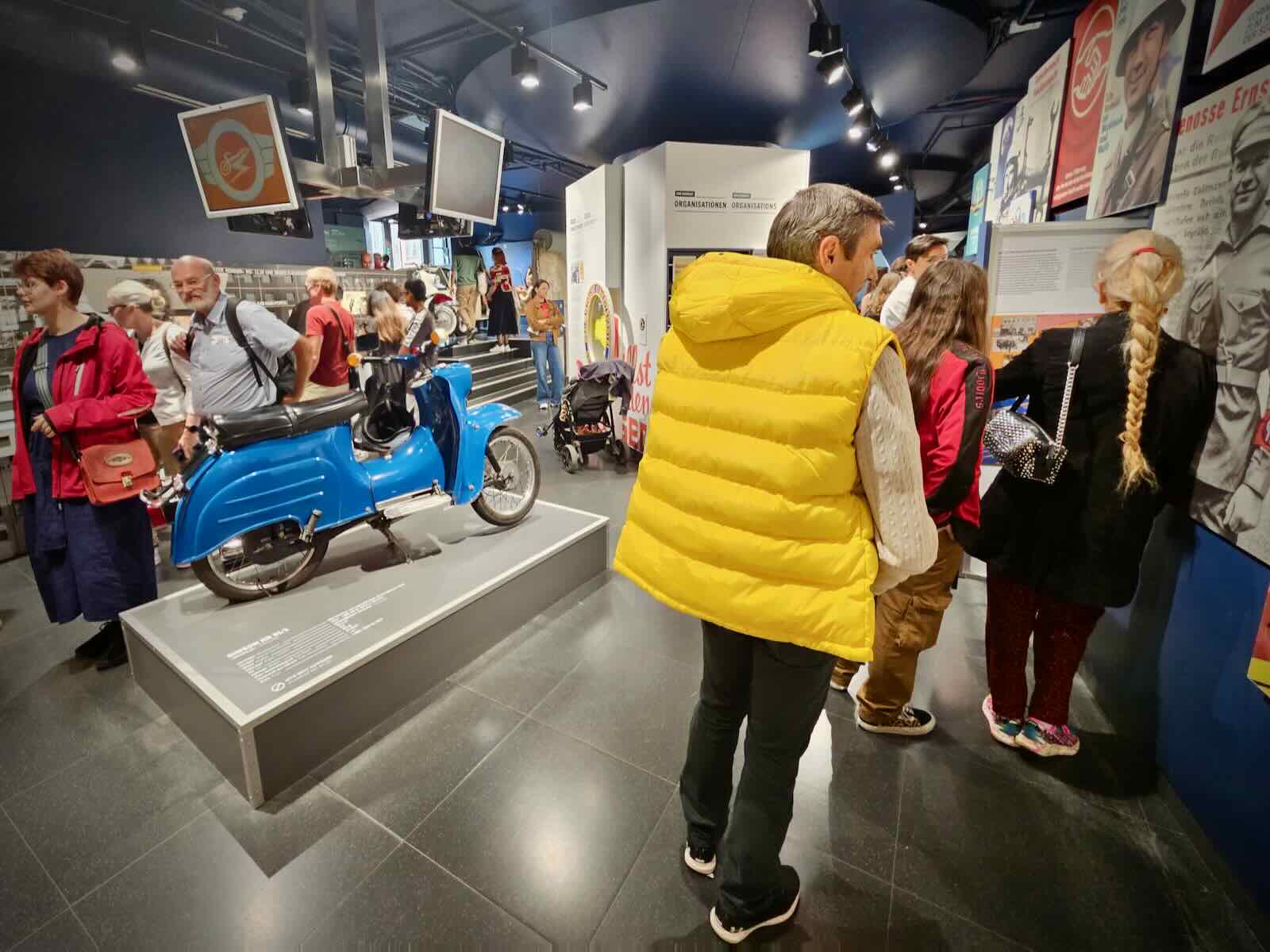
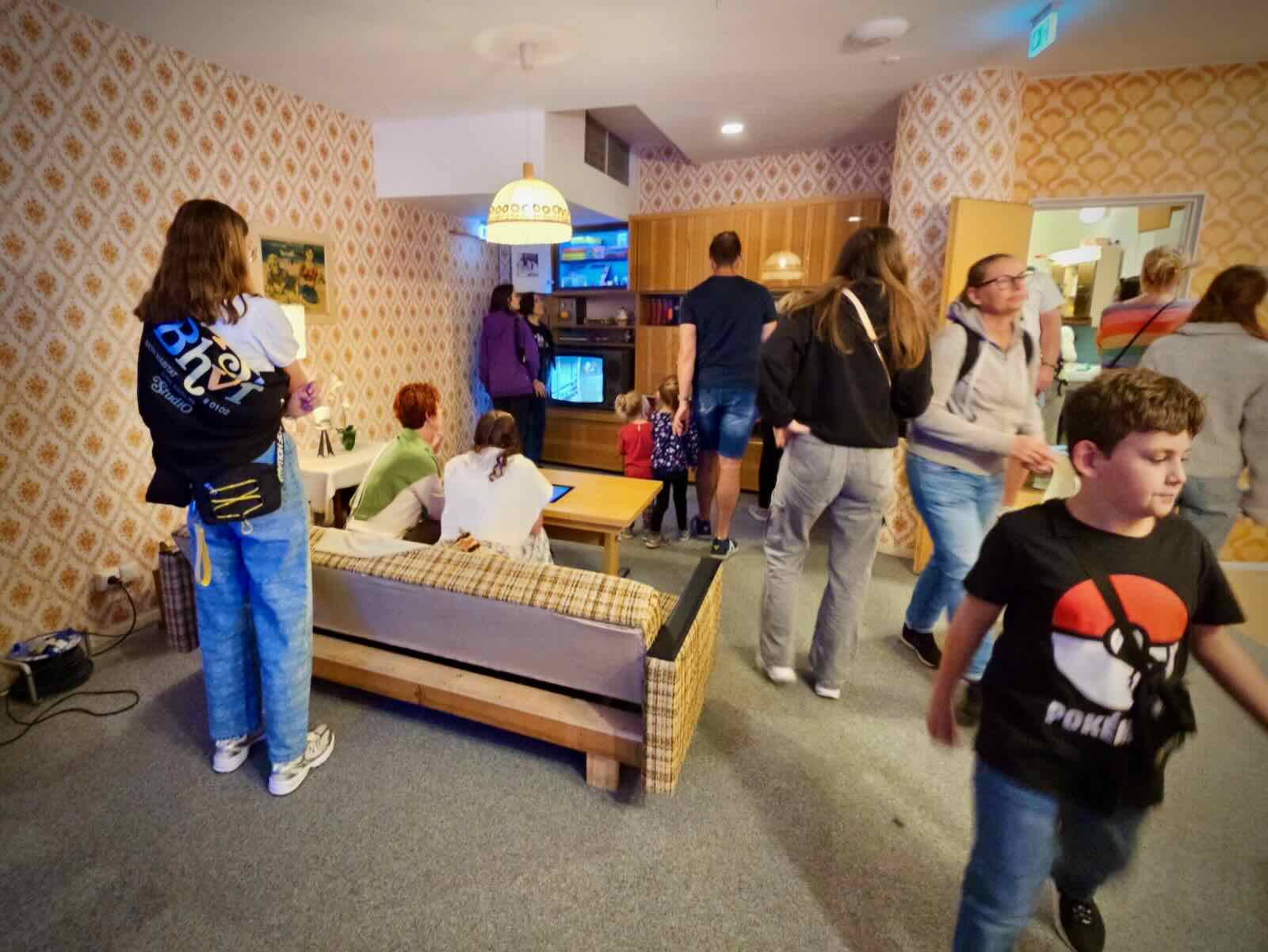
There was a bit of queue when we arrived, but we’ve seen worse. Though as they were staggering the numbers they were letting in, it was clearly already at capacity. As museums go, it’s fairly small and easily filled.
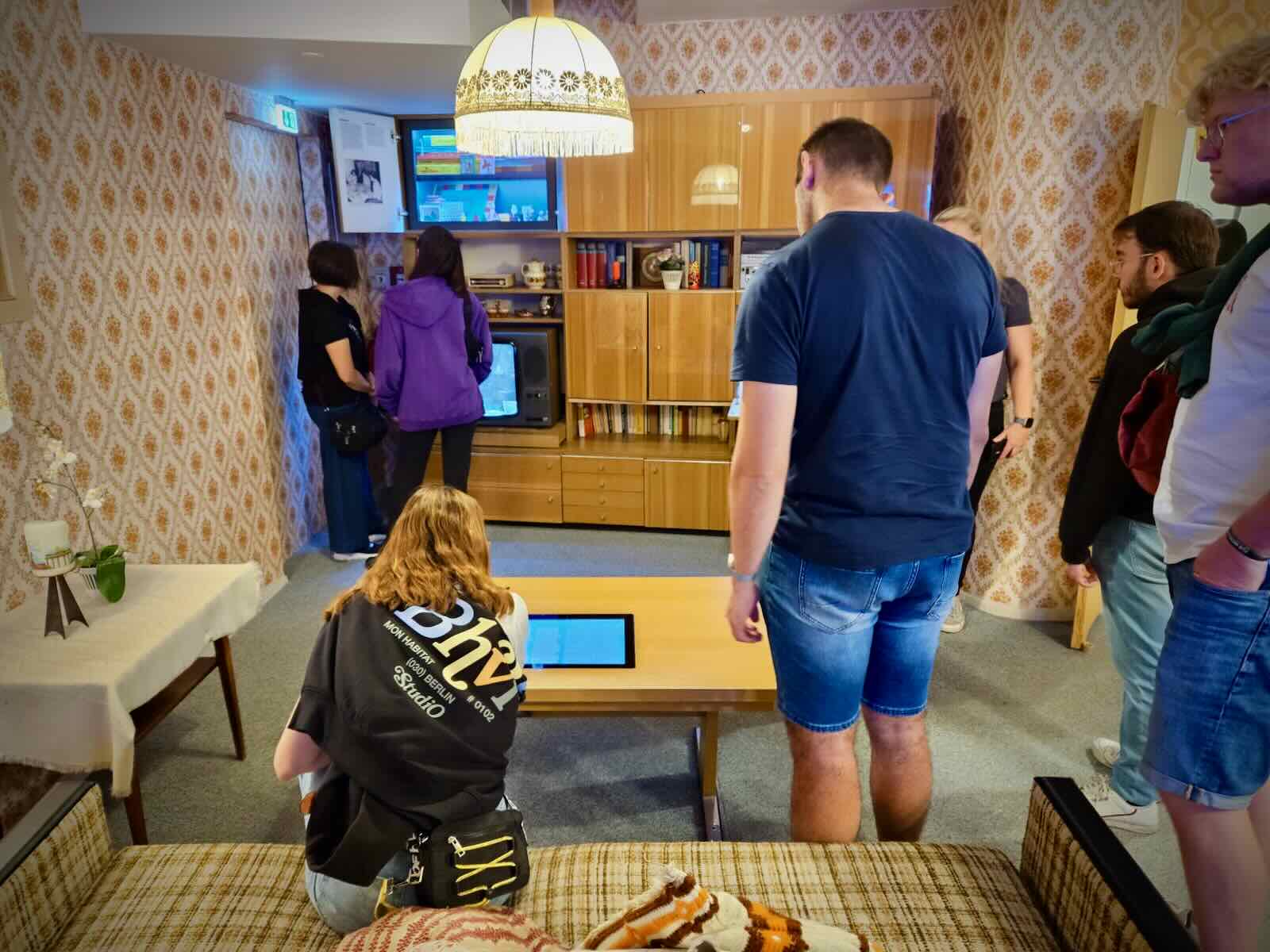
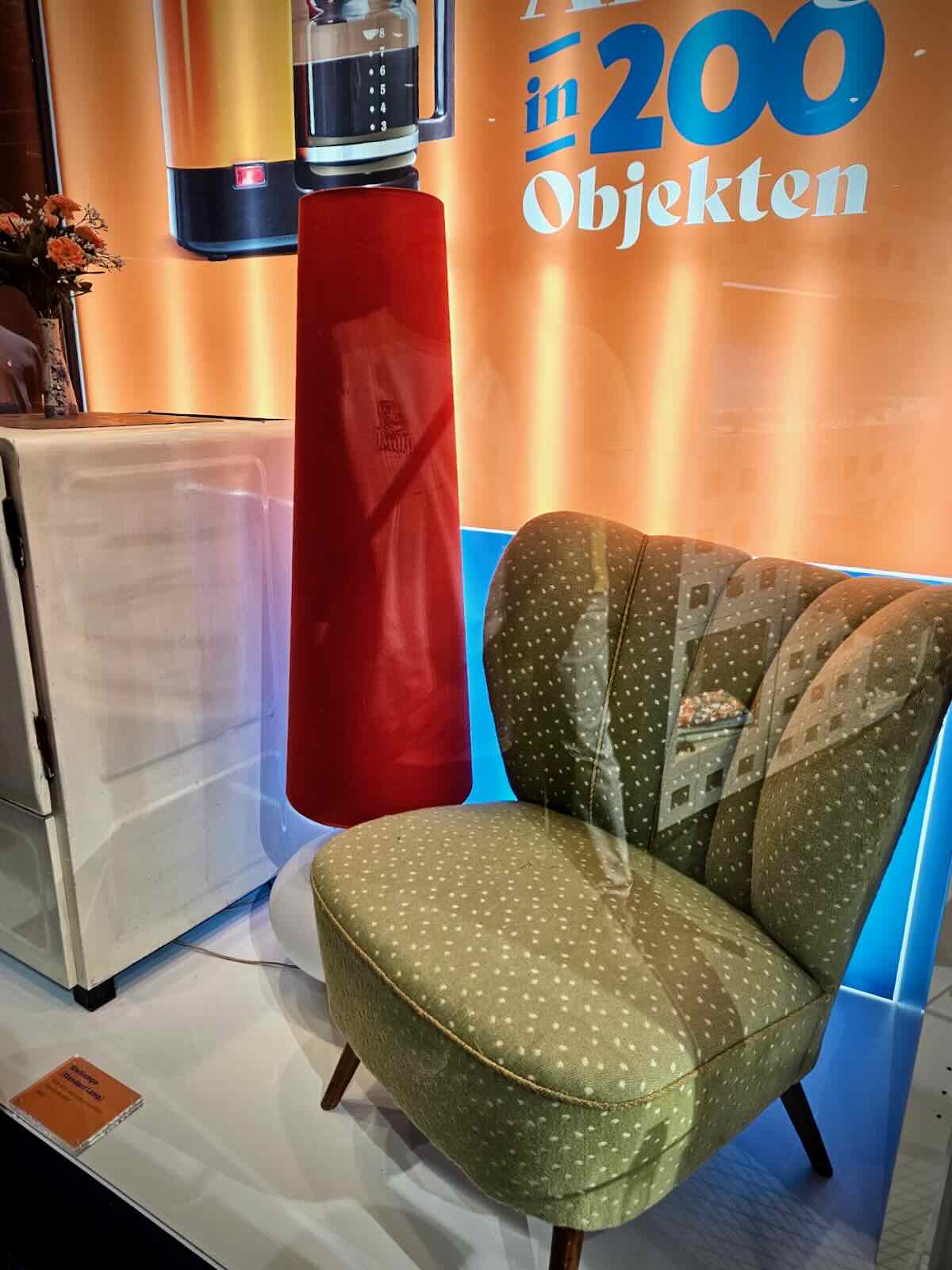
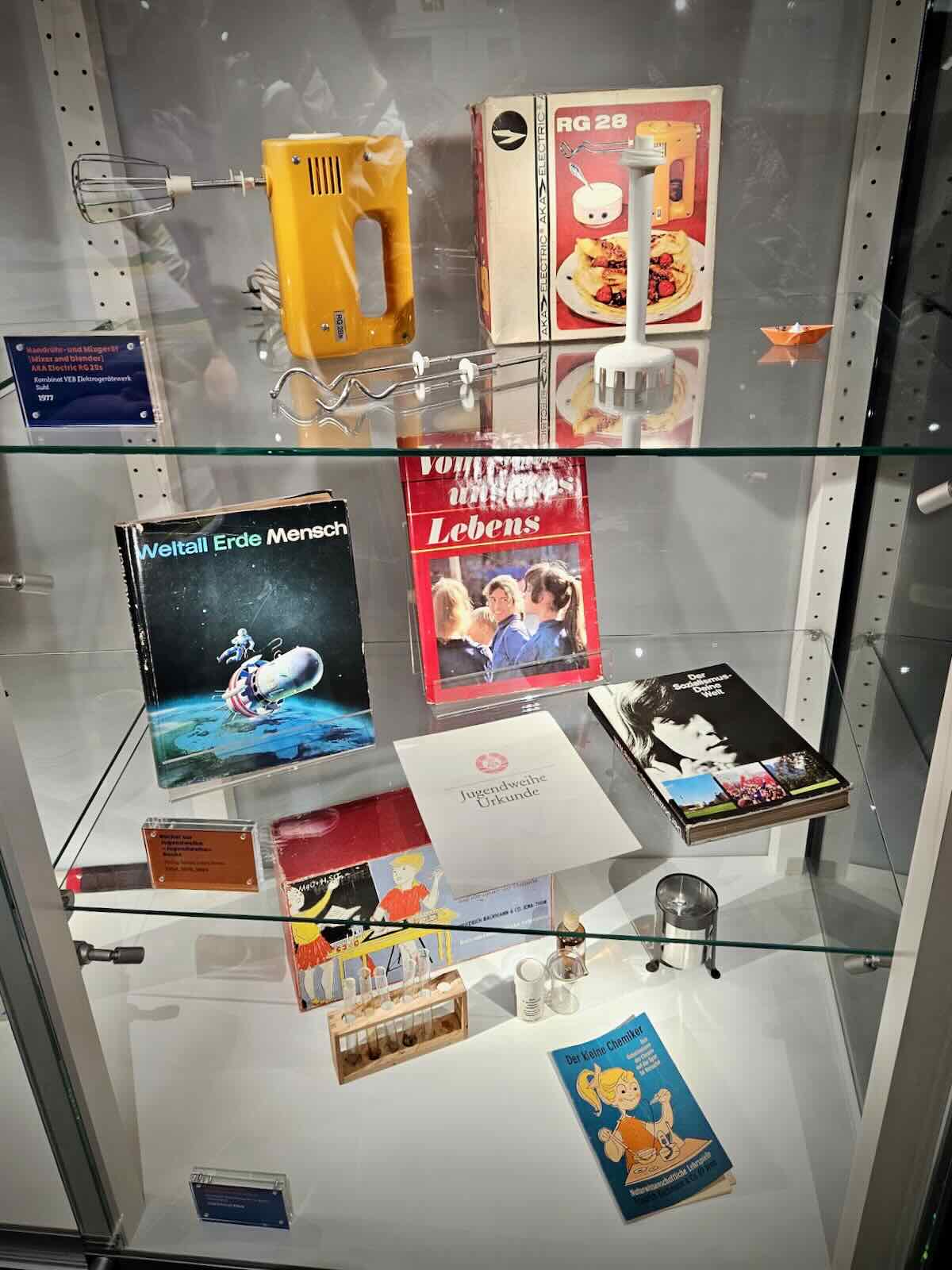
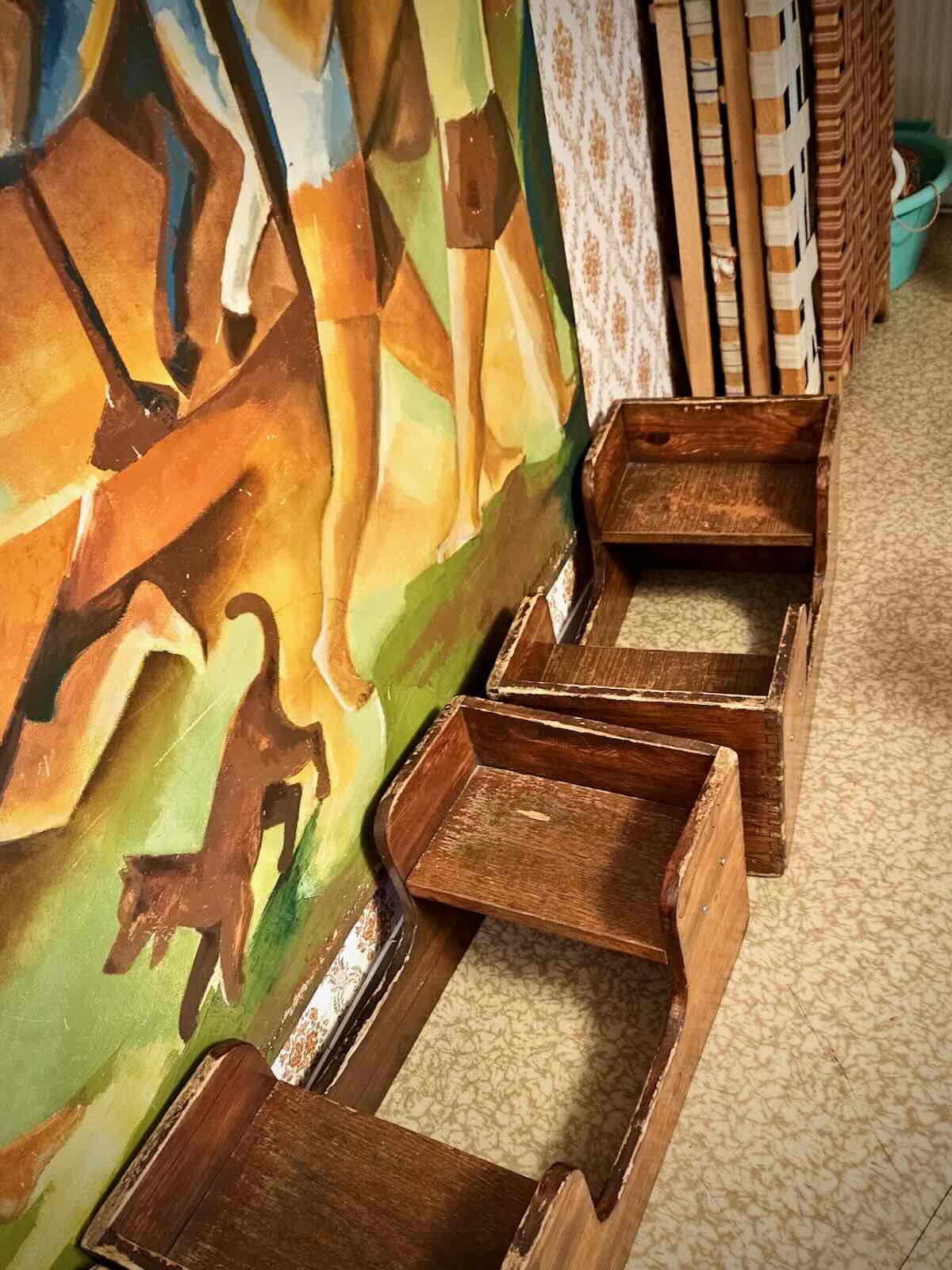
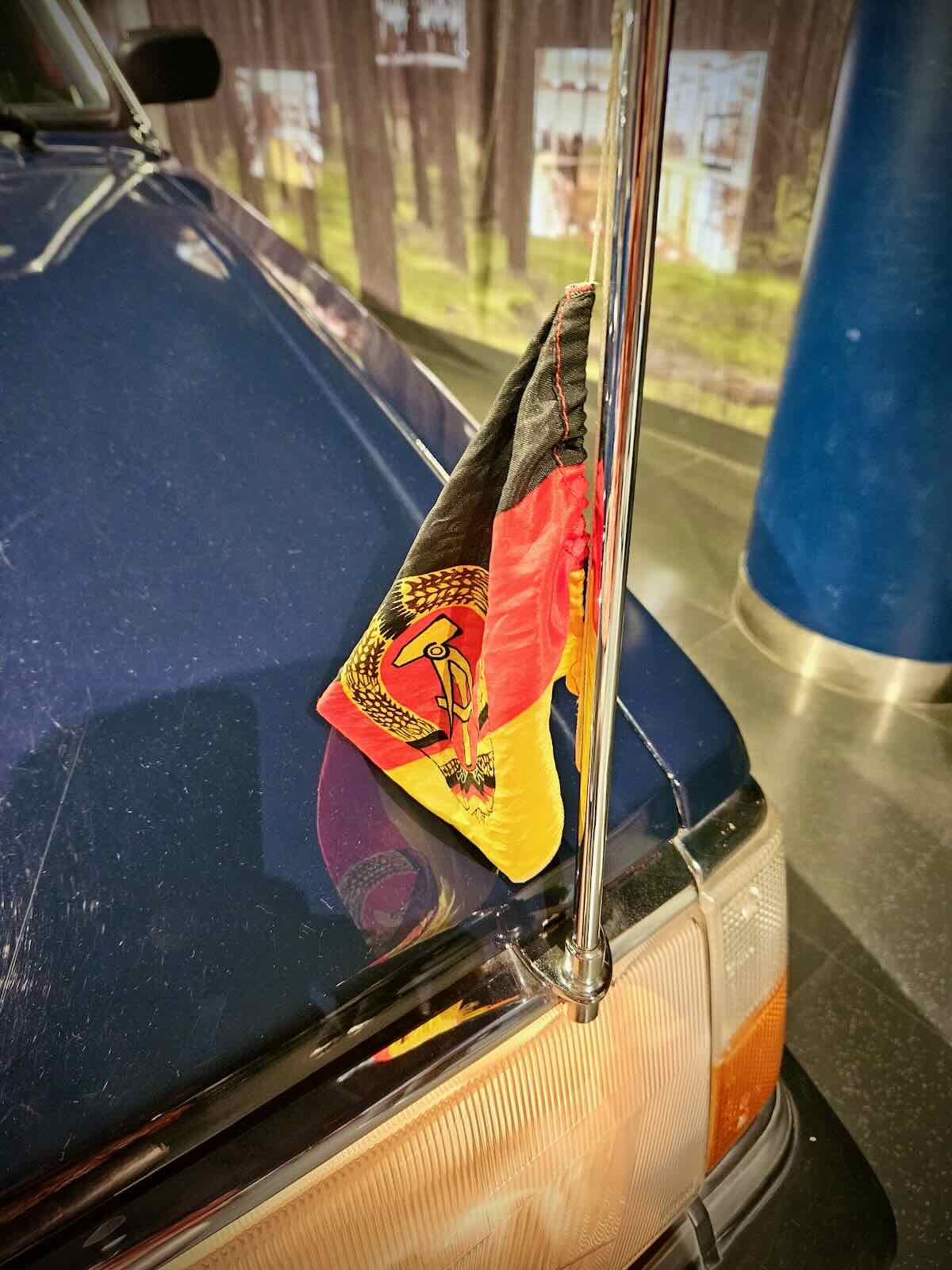
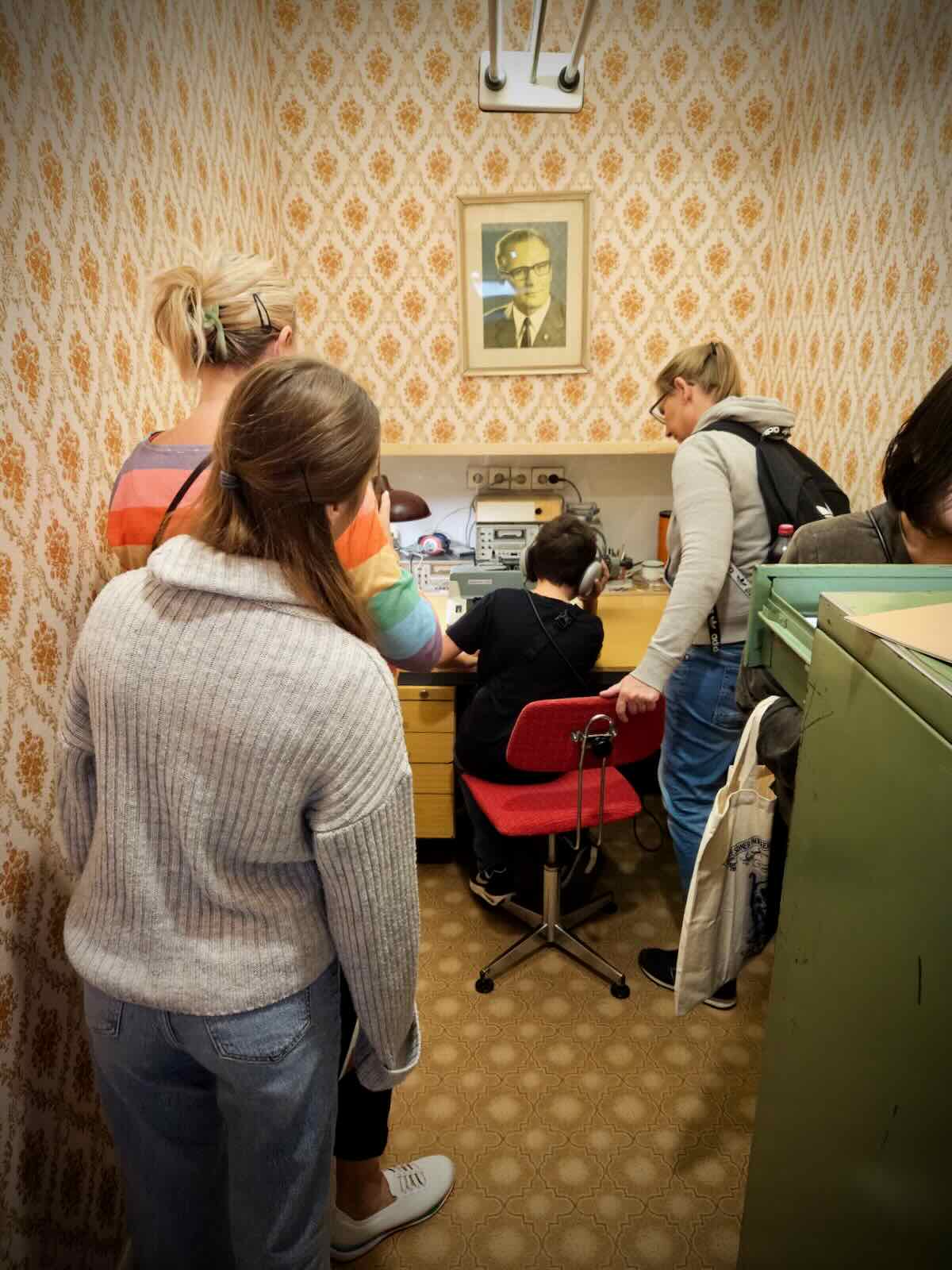
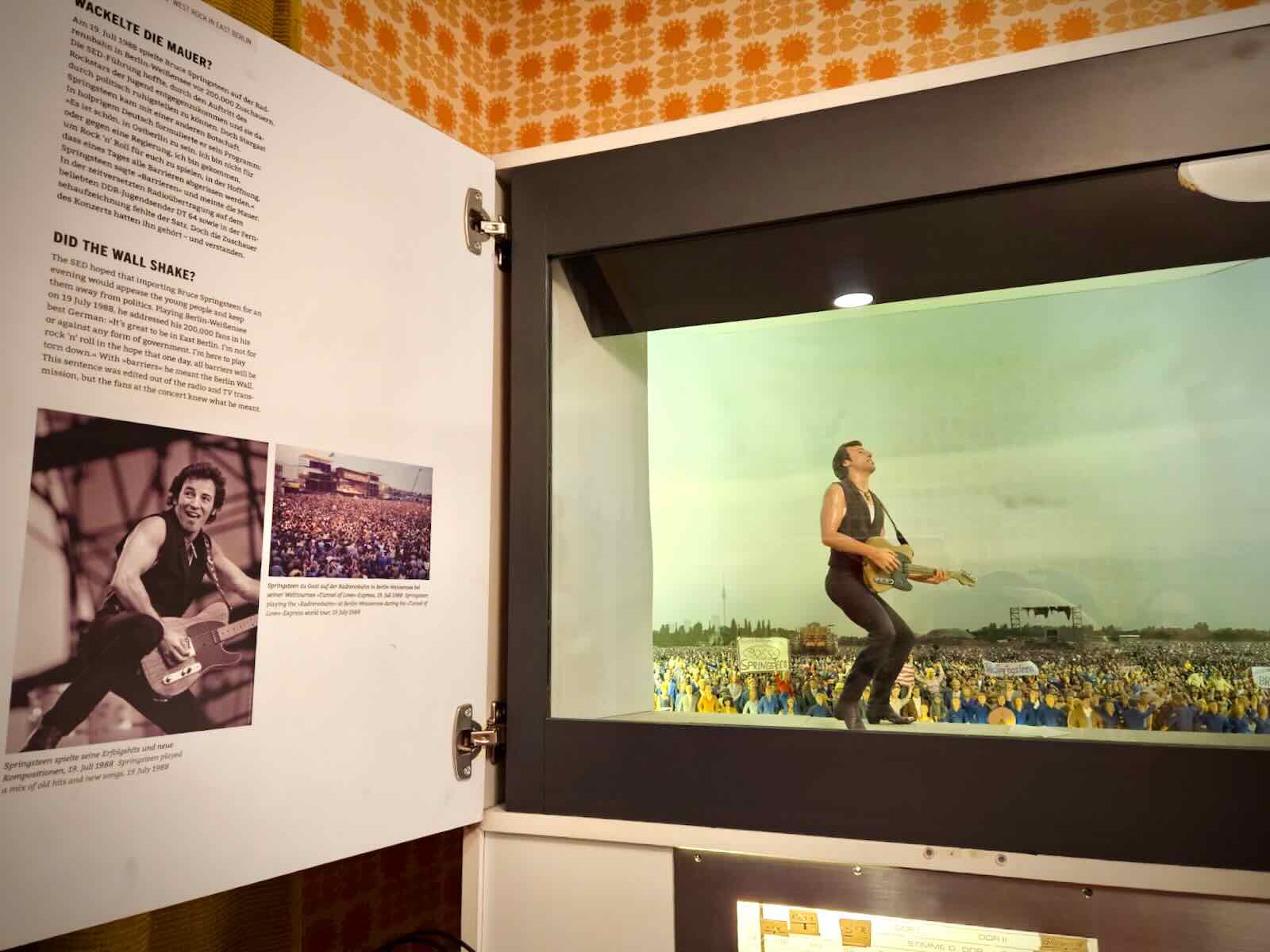
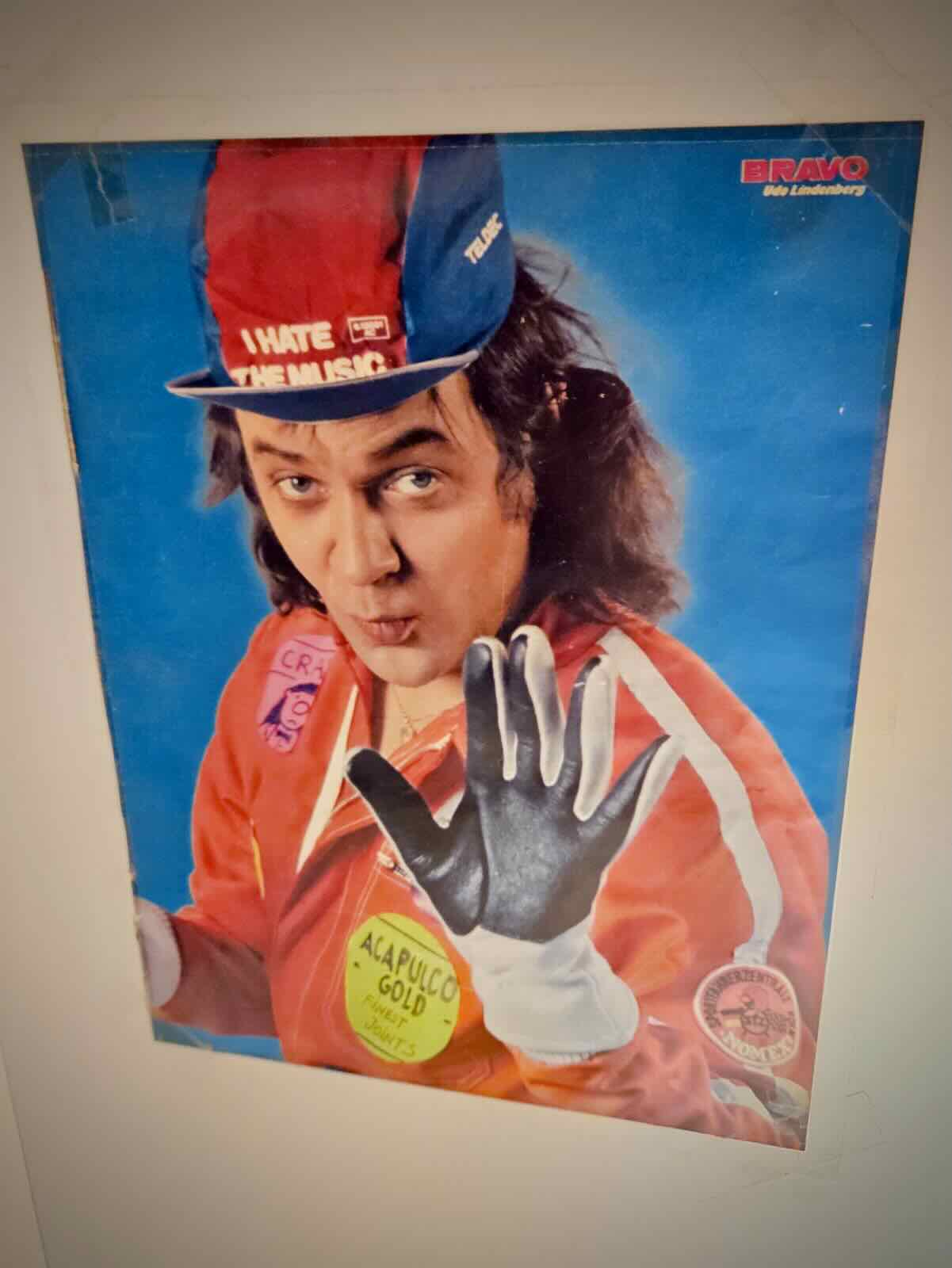
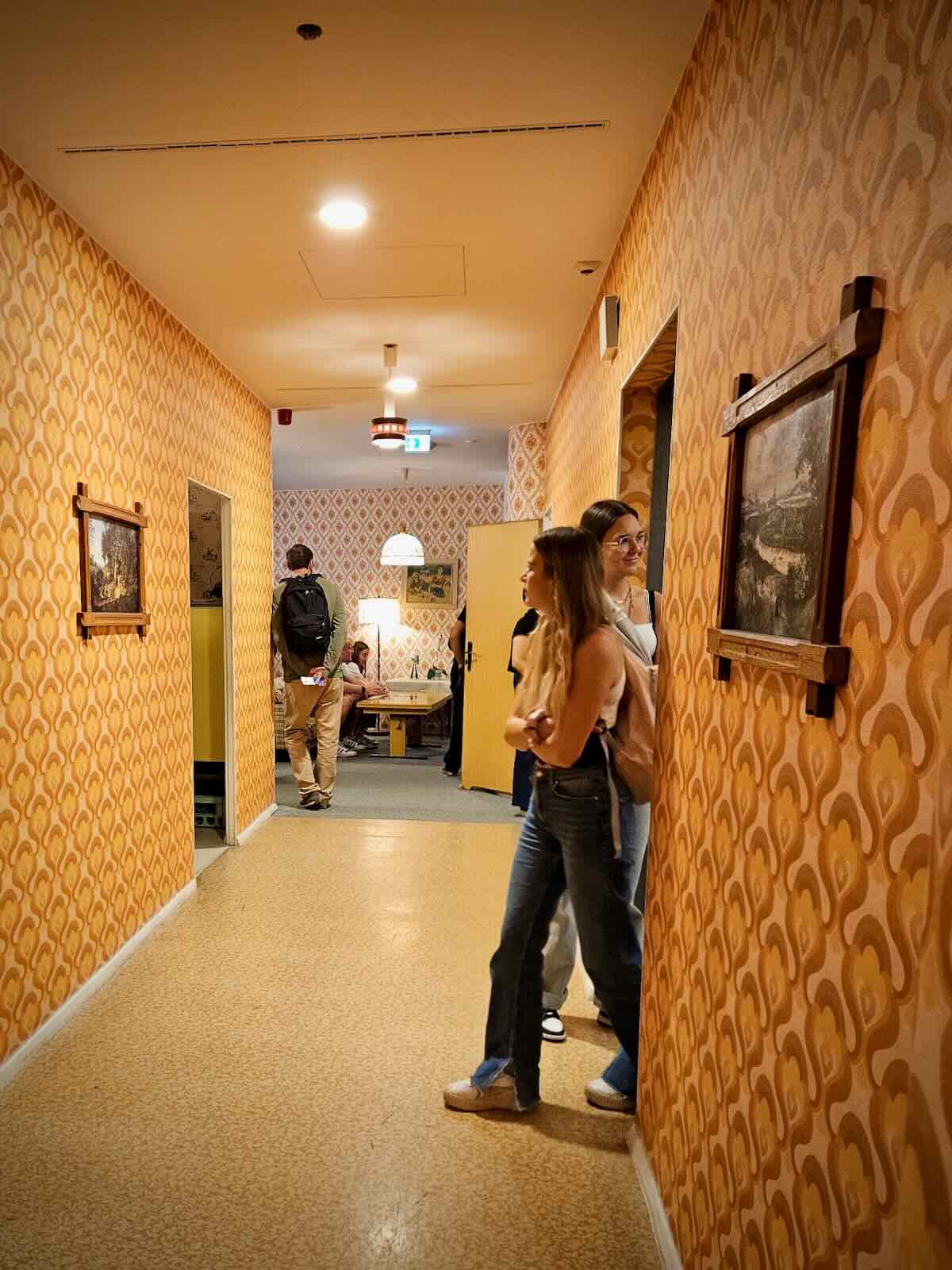
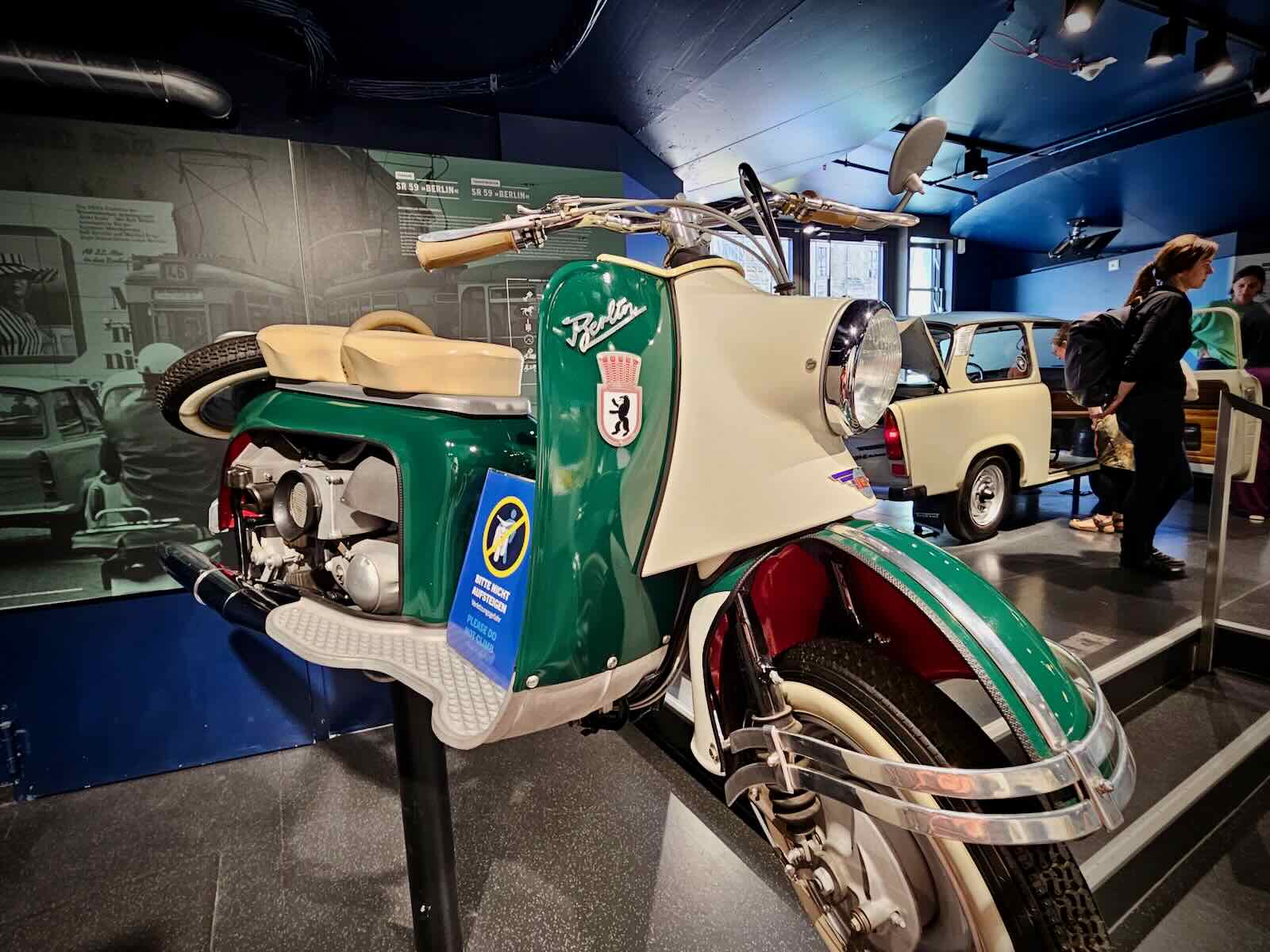
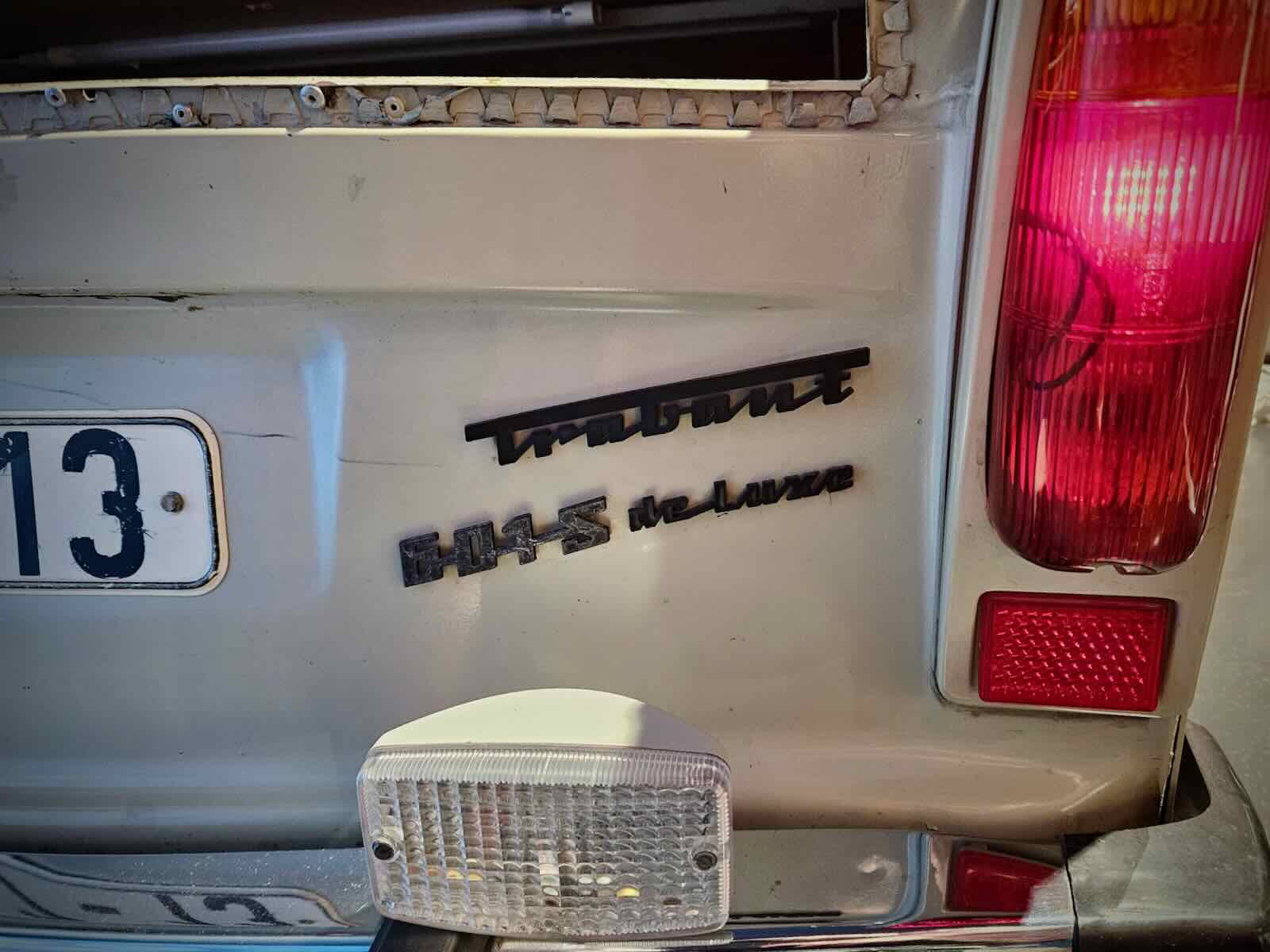
In terms of the contents of the museum, it focuses heavily on everyday life in the GDR, showing what a typical home looked like and what products were available to people in East Germany, plus the obligatory Trabant.
As museums go, it was pretty lightweight and nowhere near as in depth as the Stasi Museum. More of a nostalgic look back at more primitive times, certainly in terms of goods and technologies.
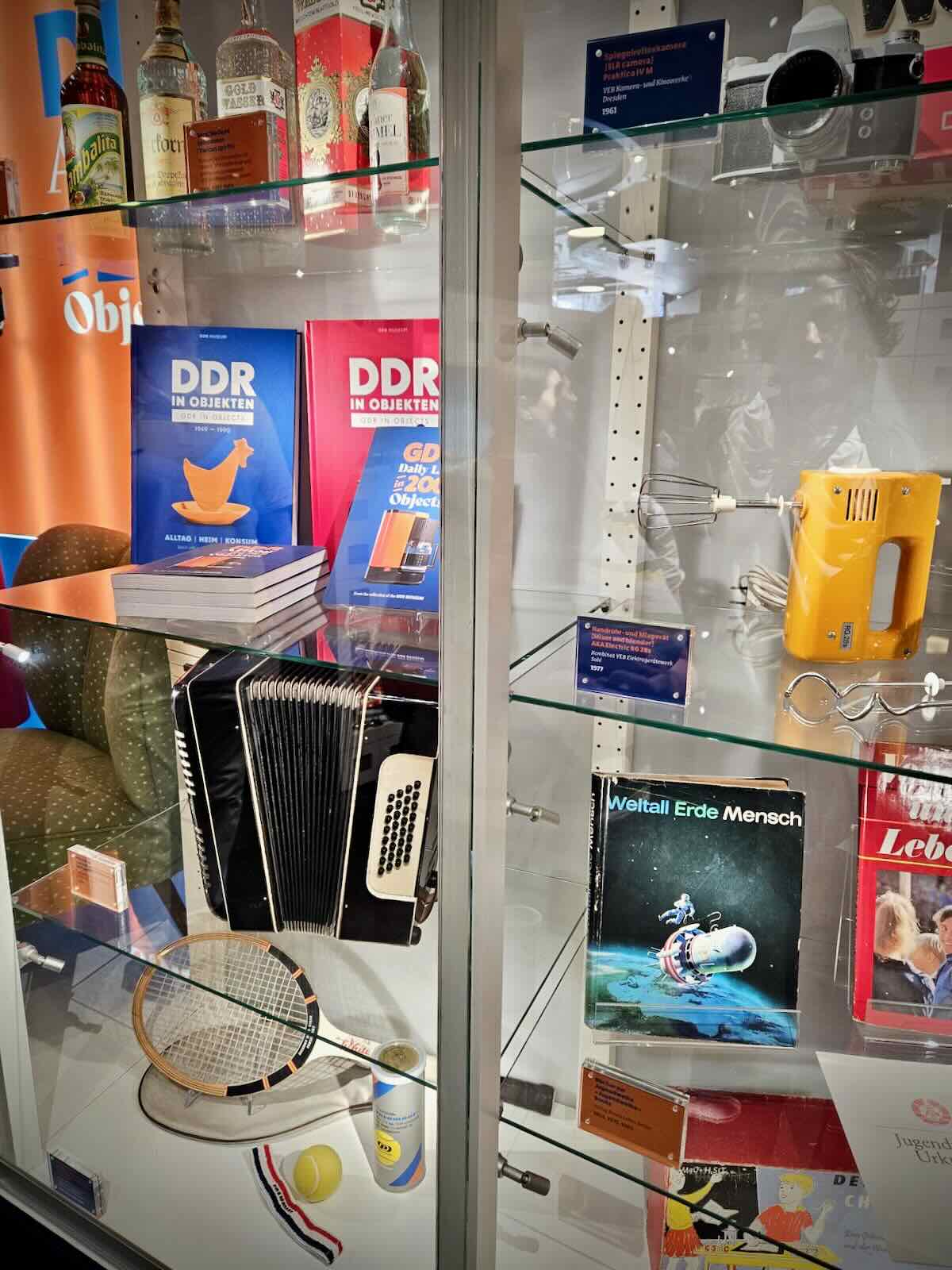
It is easy to go round and think just how primitive things were. But in reality, if you looked back at a similar period in Britain, you’d find that things were equally primitive. Things have just moved on significantly since those days.
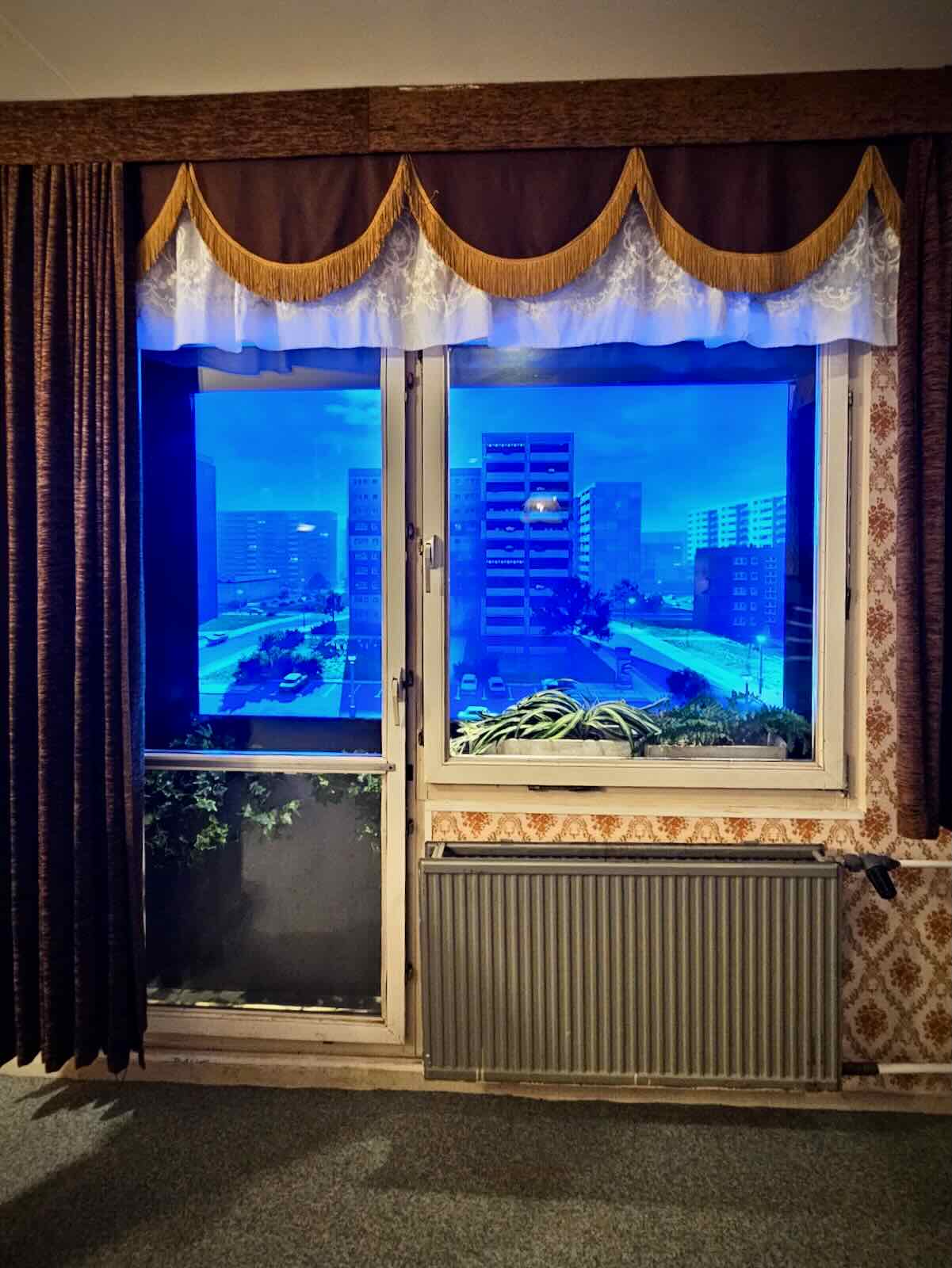
The most interesting thing I saw in the museum was the old documentary video being shown, looking at the housing programme and construction of Plattenbau style large panel system building.
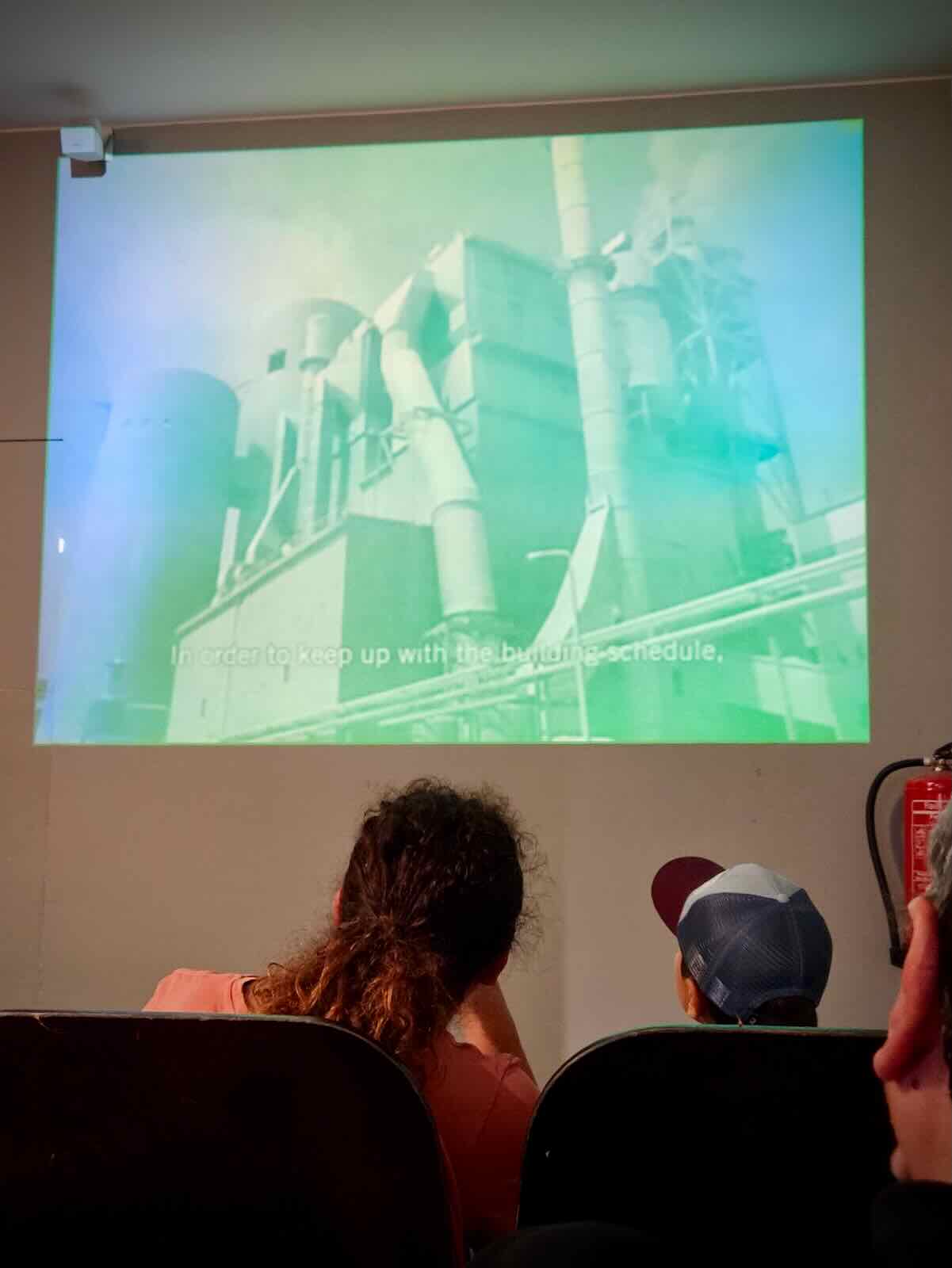
Something that many former East Germans remember fondly is the availability of decent, if modest social housing with cheap rents. Something of a distant memory now for Berliners, with rising rents in the city.
Many in West Germany and in the west in general have a blinkered, condescending view of life in the former GDR, thinking it was all dull and grey, all empty shelves, the Stasi and heavy drinking (that last one may be true).

Having read about it, particularly in books such as Beyond the Wall by Katja Hoyer and 1989 The Berlin Wall: My Part In Its Downfall by Peter Millar, the truth was somewhat different and probably fairer than many places in the west, with more opportunities for women.
While it was largely enjoyable, I found the museum far too busy, so we didn’t stay there long. It’s very much aimed aimed at tourists on a weekend city break and normally the kind of thing we try to avoid. I won’t be rushing back.














More Berlin 23 posts
- Back again in Berlin
- Top of Berliner Fernsehturm, Berlin’s TV Tower
- A rainy Sunday in Mauerpark
- Riding around Mitte and Tiergarten
- Stasi Museum
- Holzmarkt 25
- Berlin Wall Memorial on Bernauer Straße
- Fat Tire Tour of Berlin
- A long wait for a kebab and a ride on an old runway at Tempelhofer Feld
- DDR Museum
- Back at Tempelhofer Feld
- Back at Holzmarkt 25 and a wander along the Landwehr Canal
 Dom Cycling