

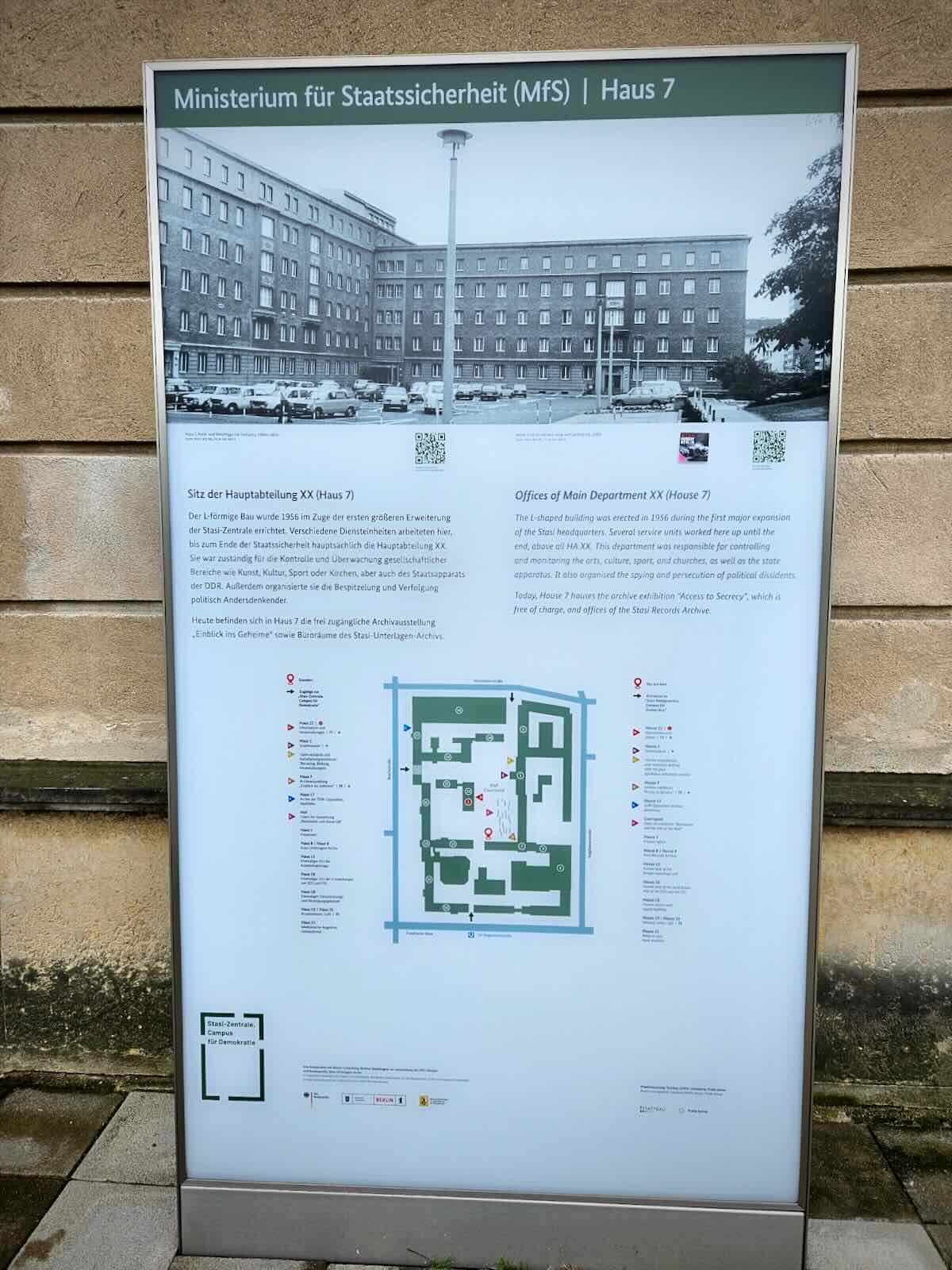
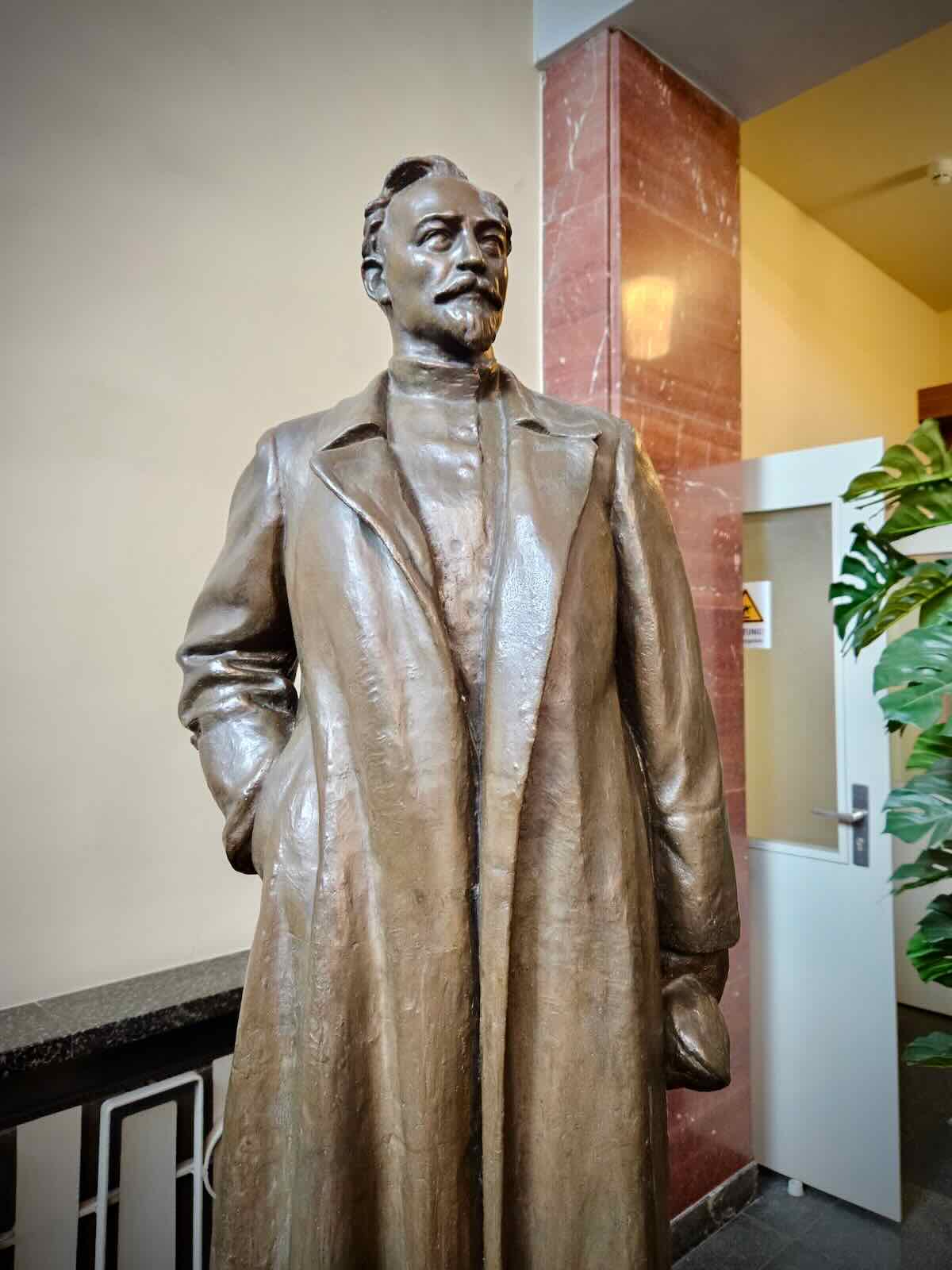
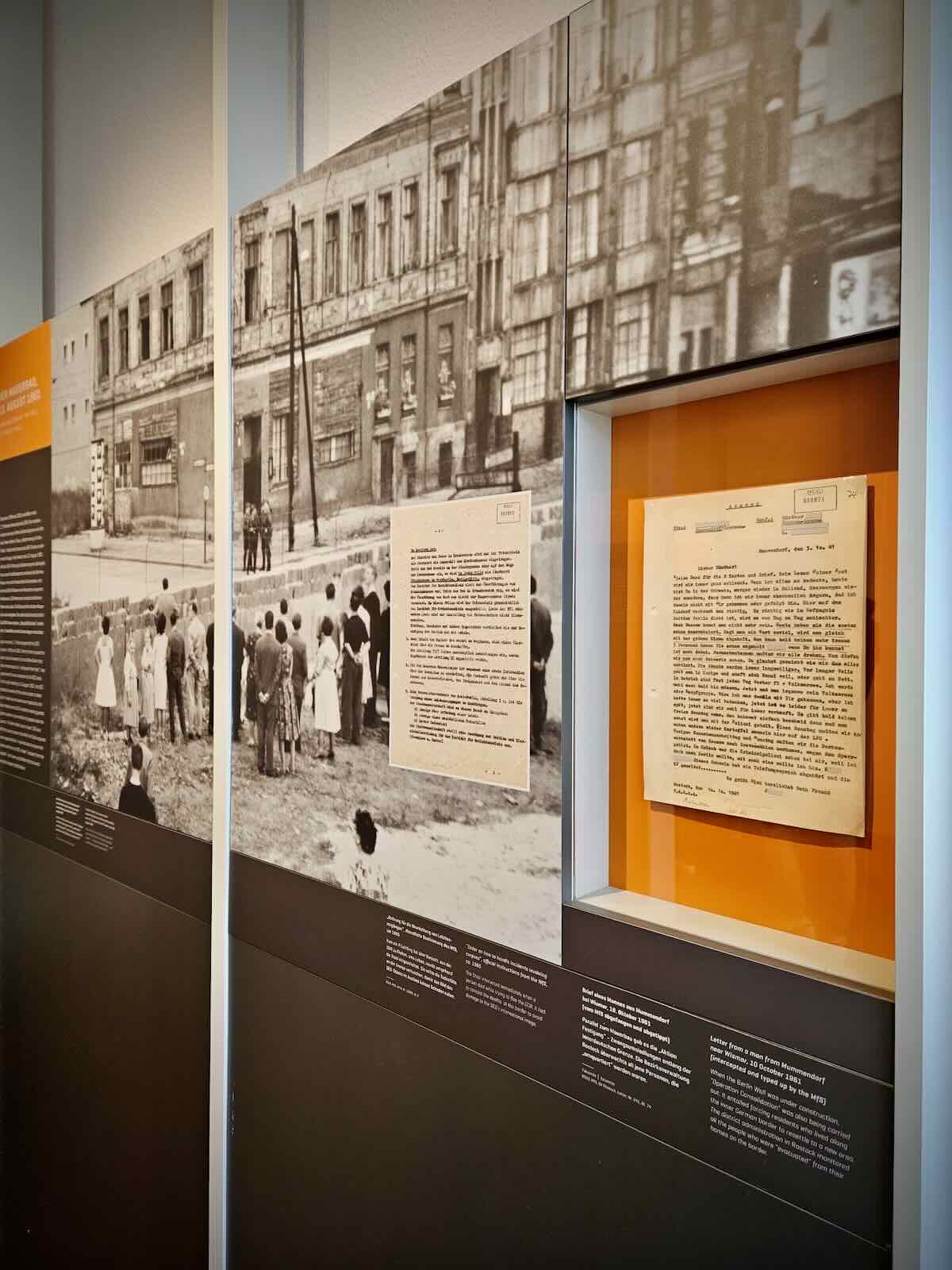
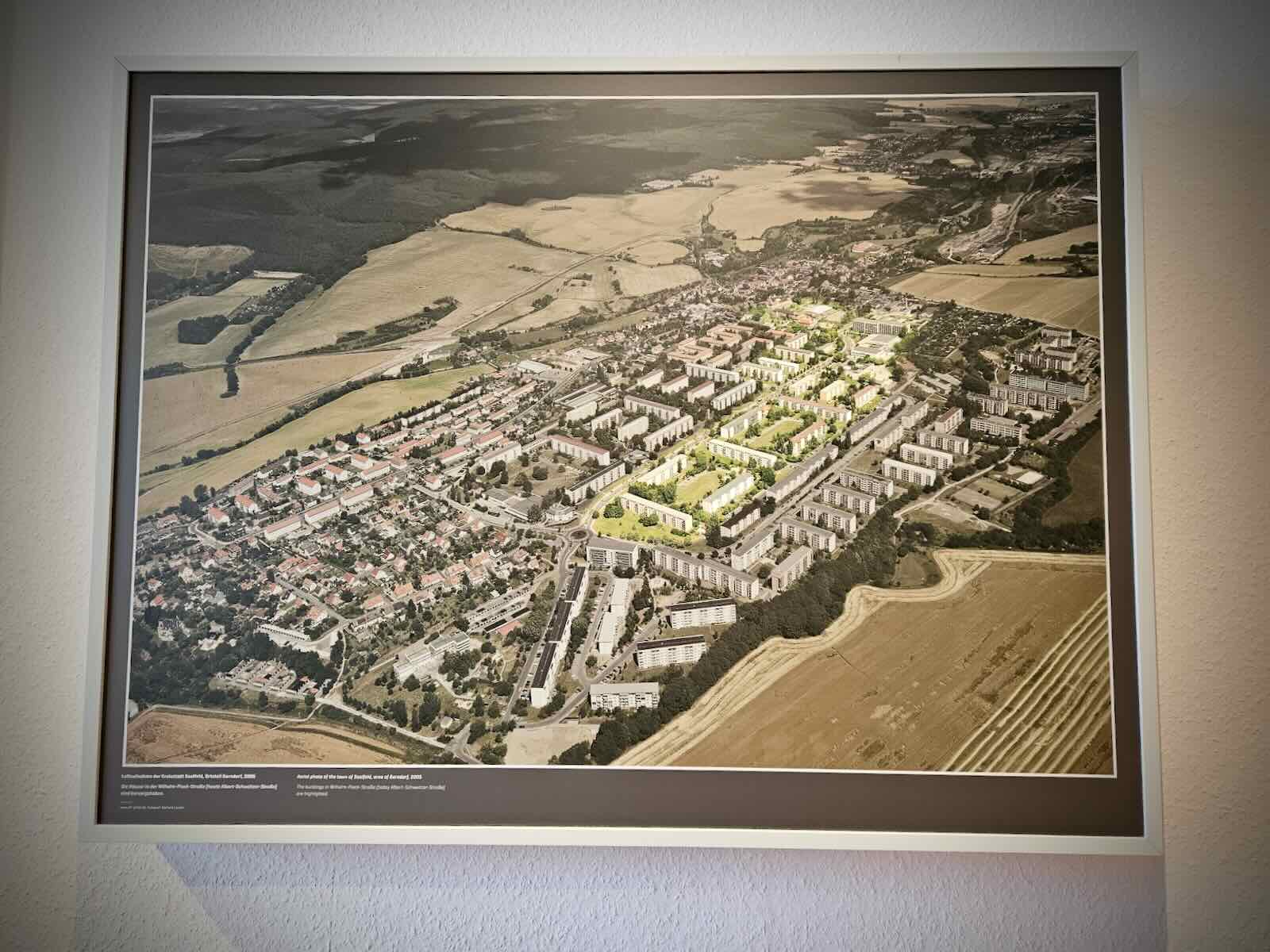
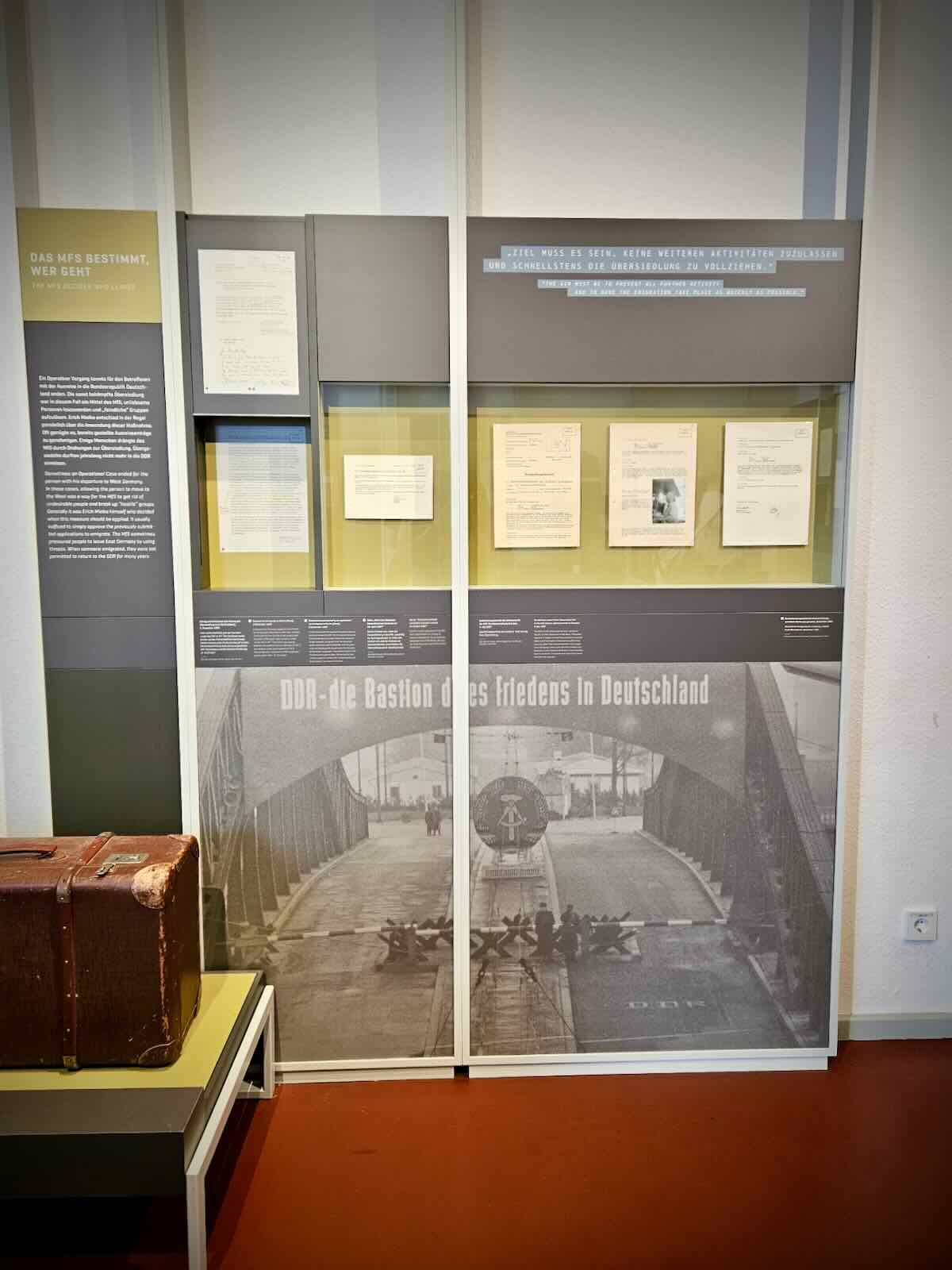
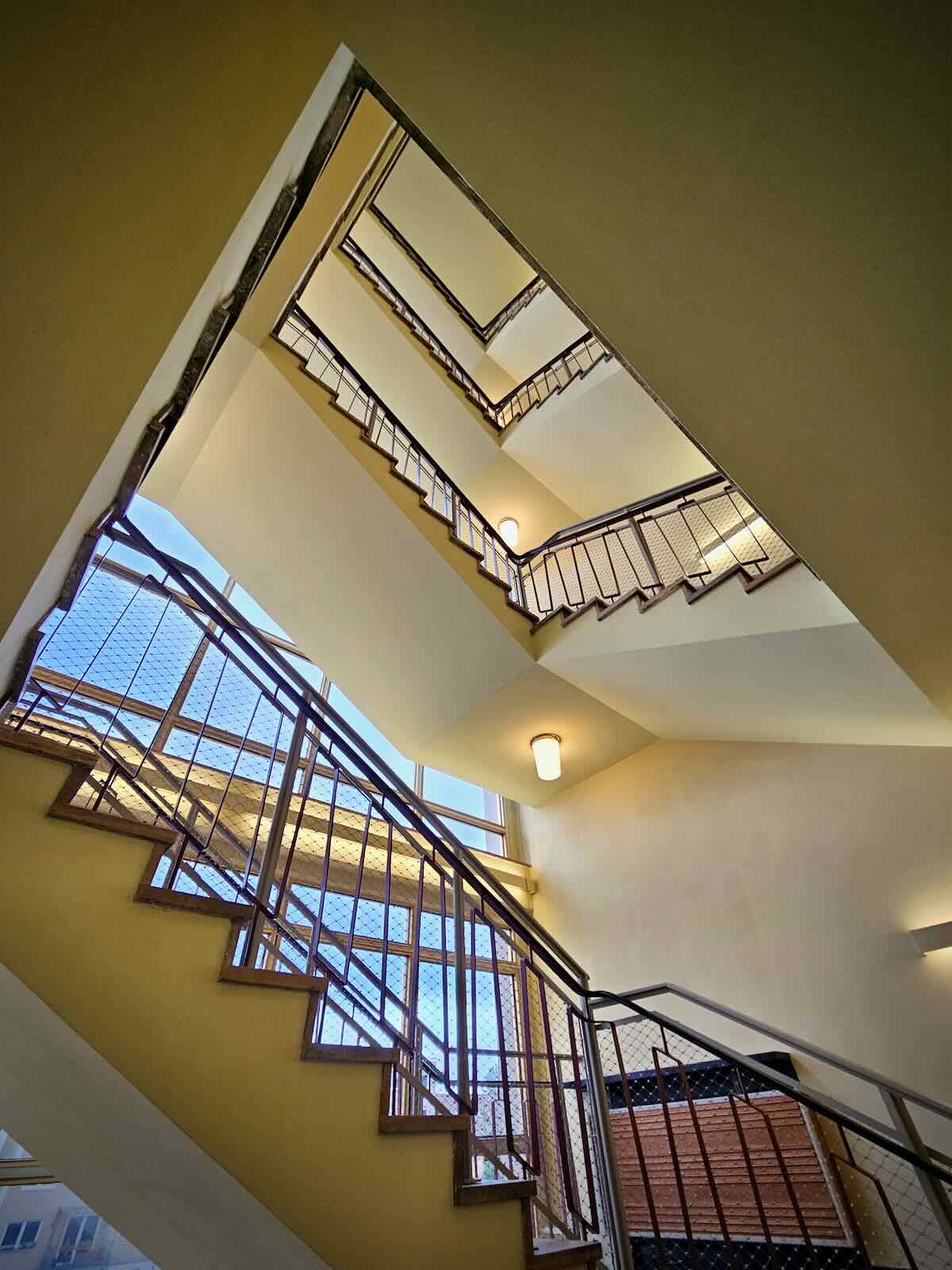
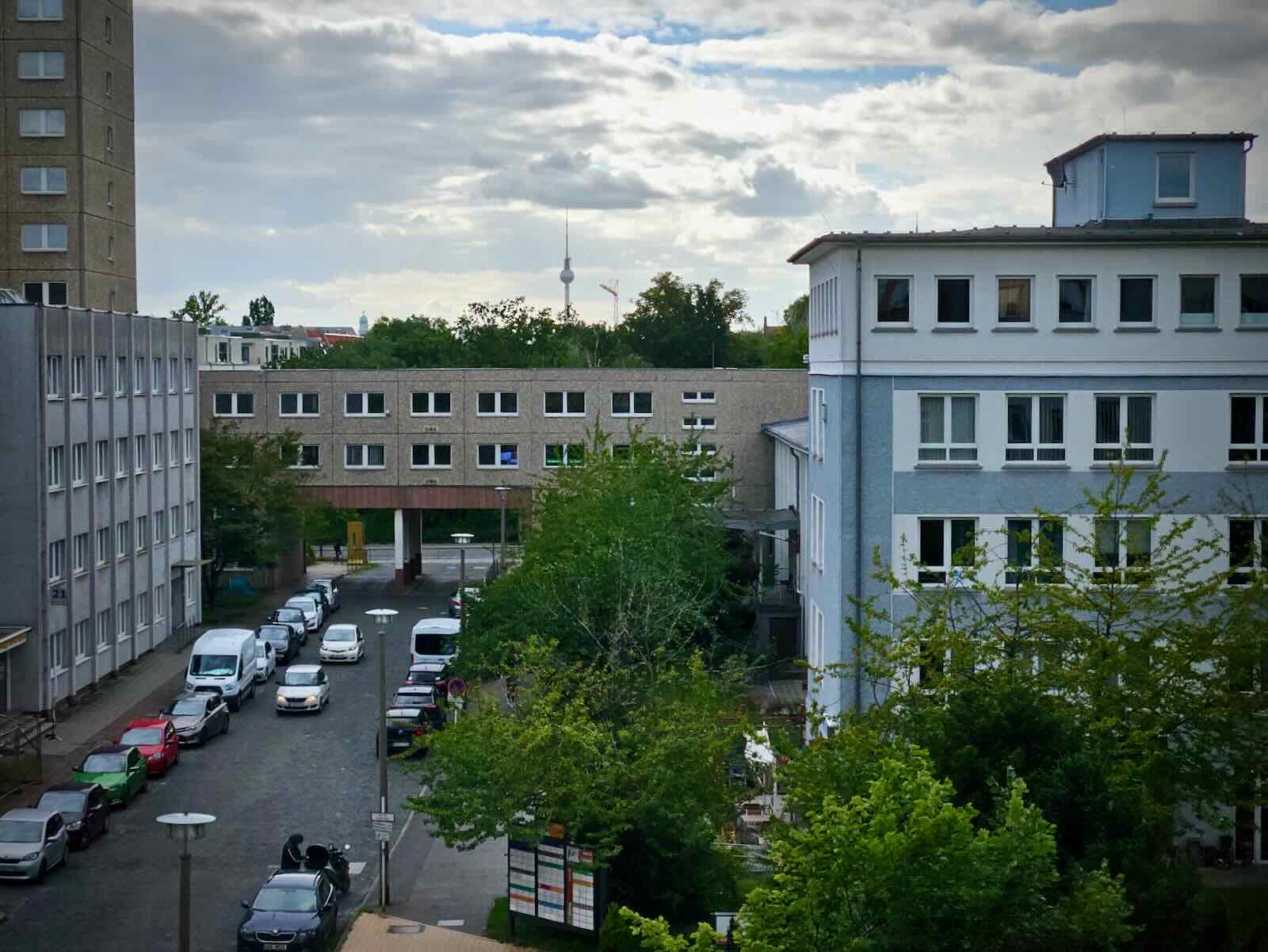
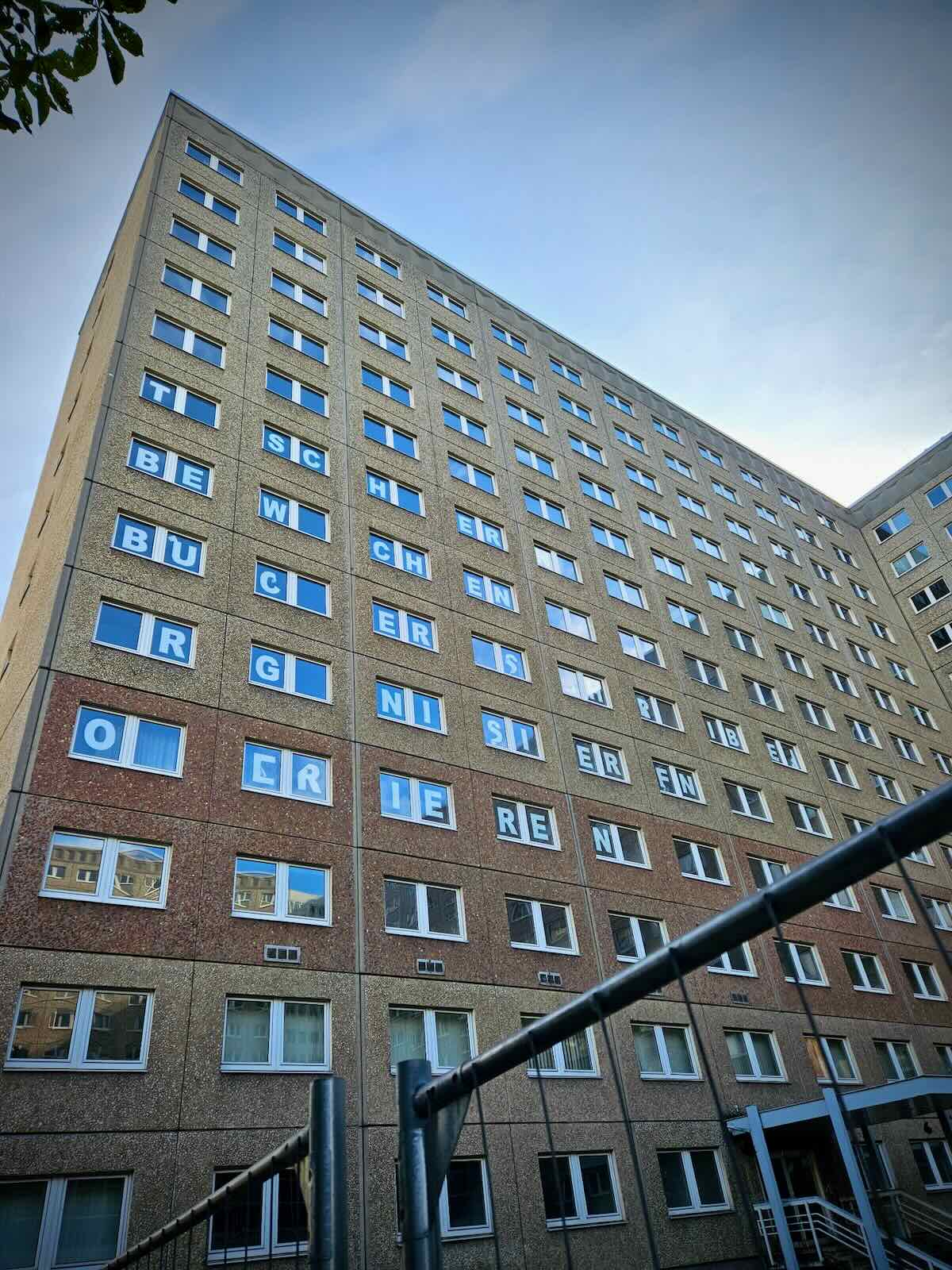
High on the list of places we were keen to visit was the Stasi Museum, once the headquarters of the infamous Ministry for State Security, commonly known as the Stasi. It is now a research and memorial centre concerning the political system of the former East Germany, officially the German Democratic Republic (GDR).
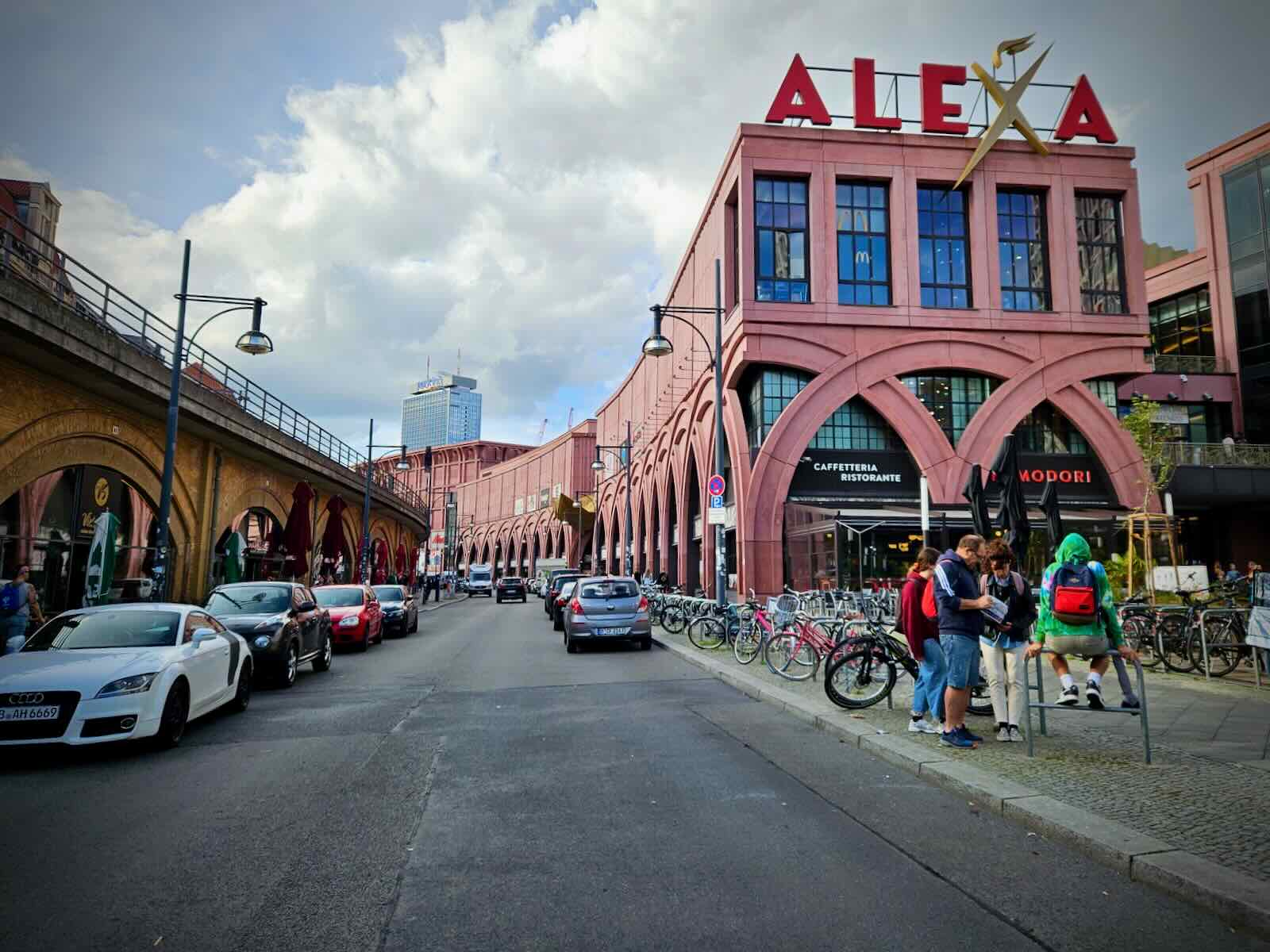
After riding around Mitte and Tiergarten in the morning, we took the U-Bahn U5 line from Alexanderplatz to Magdalenenstraße Station in Lichtenberg, to get to the Stasi Museum. From the U-Bahn station, it’s just a short walk to the museum.

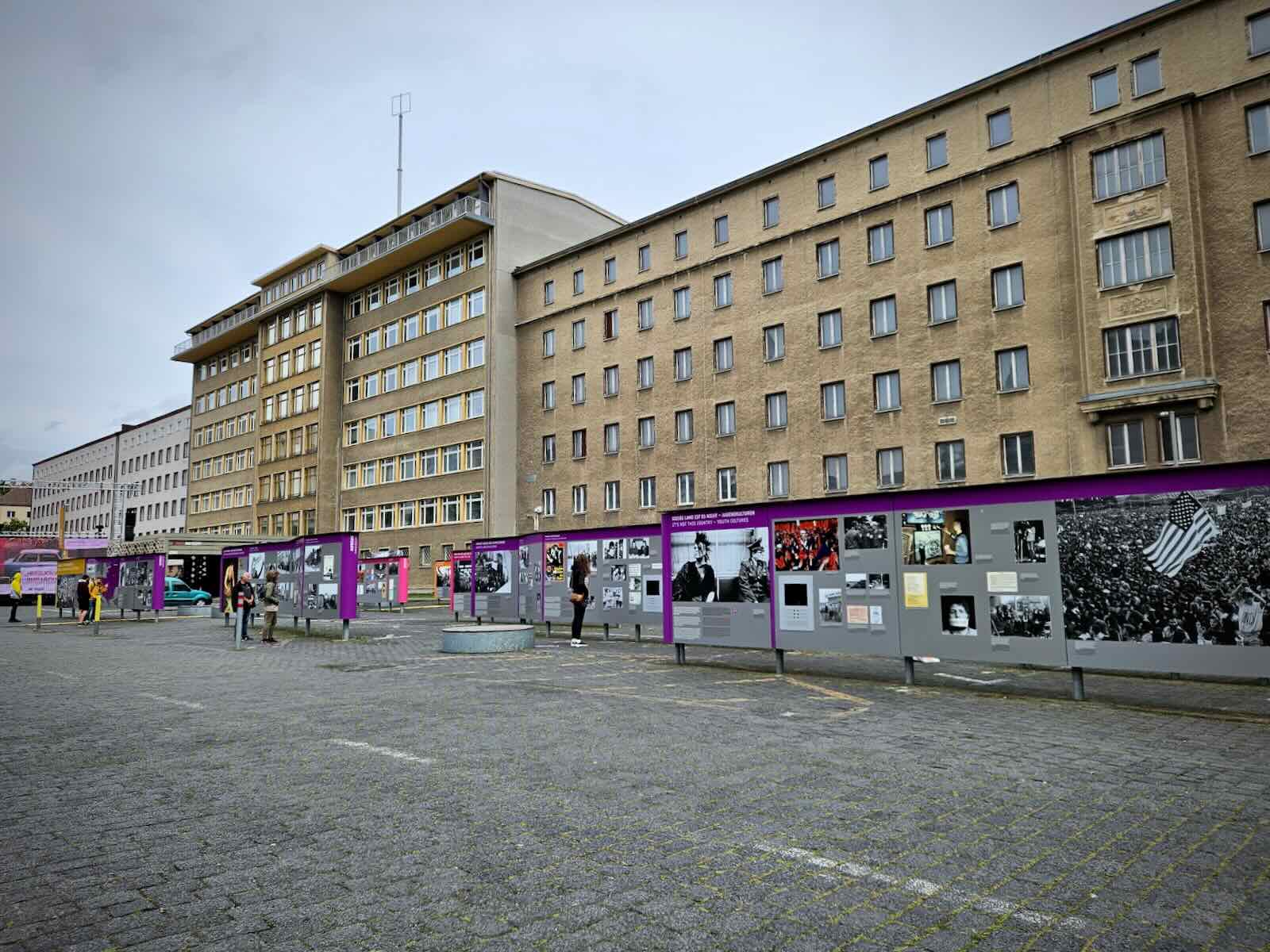
The exhibition starts outside the main Haus 1 building, with the open-air exhibition Revolution and the Fall of the Wall, which is dedicated to the history of the Peaceful Revolution of 1989/90, from the beginnings of the protests to the fall of the Wall and German reunification.

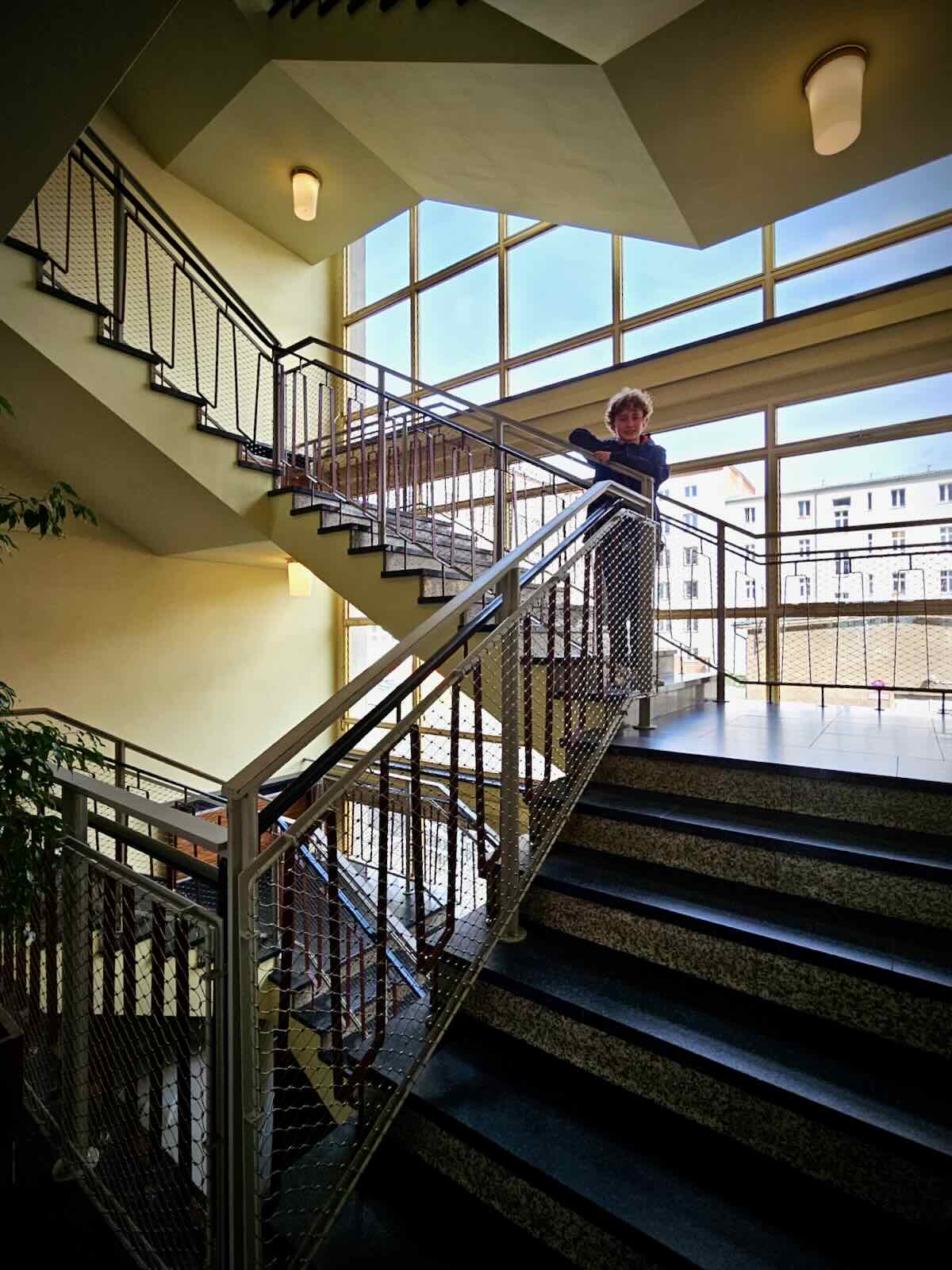
Once inside, one of the first things you see is the Stasi Barkas B1000 van parked below the main staircase. These custom built vans have windowless cells that can carry up to five people and were often used by the Stasi to both transport prisoners and abduct citizens from the streets.
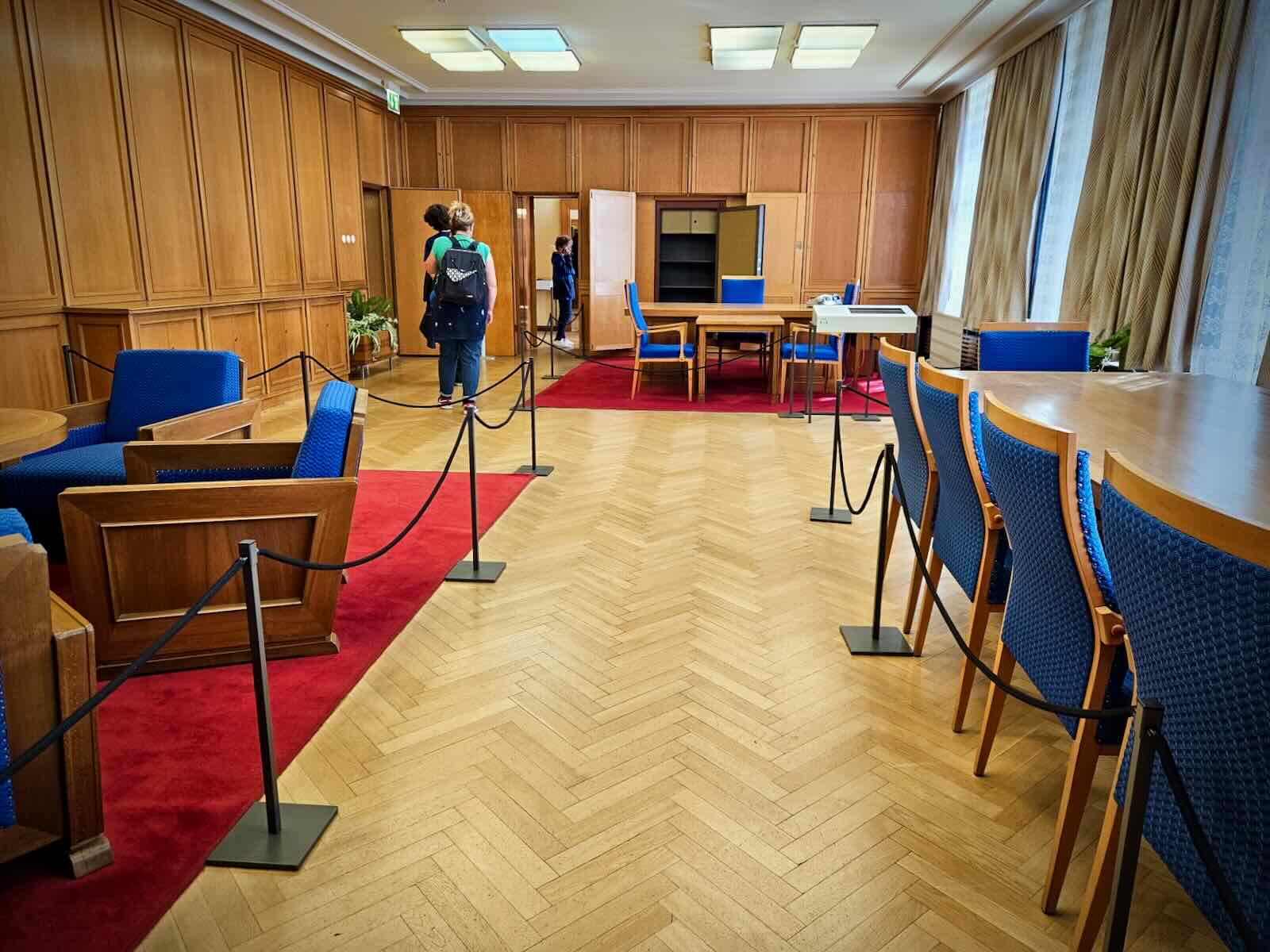
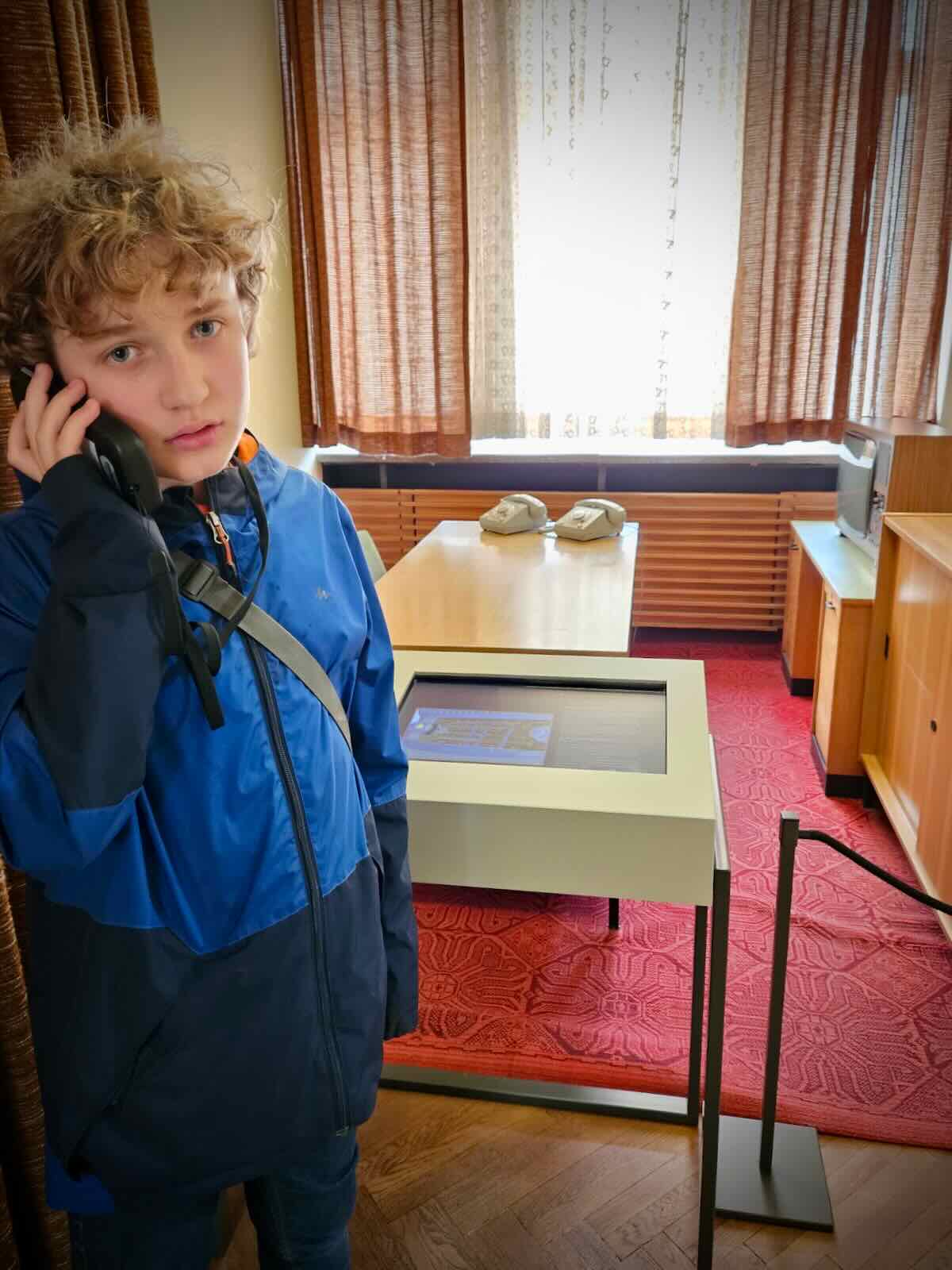
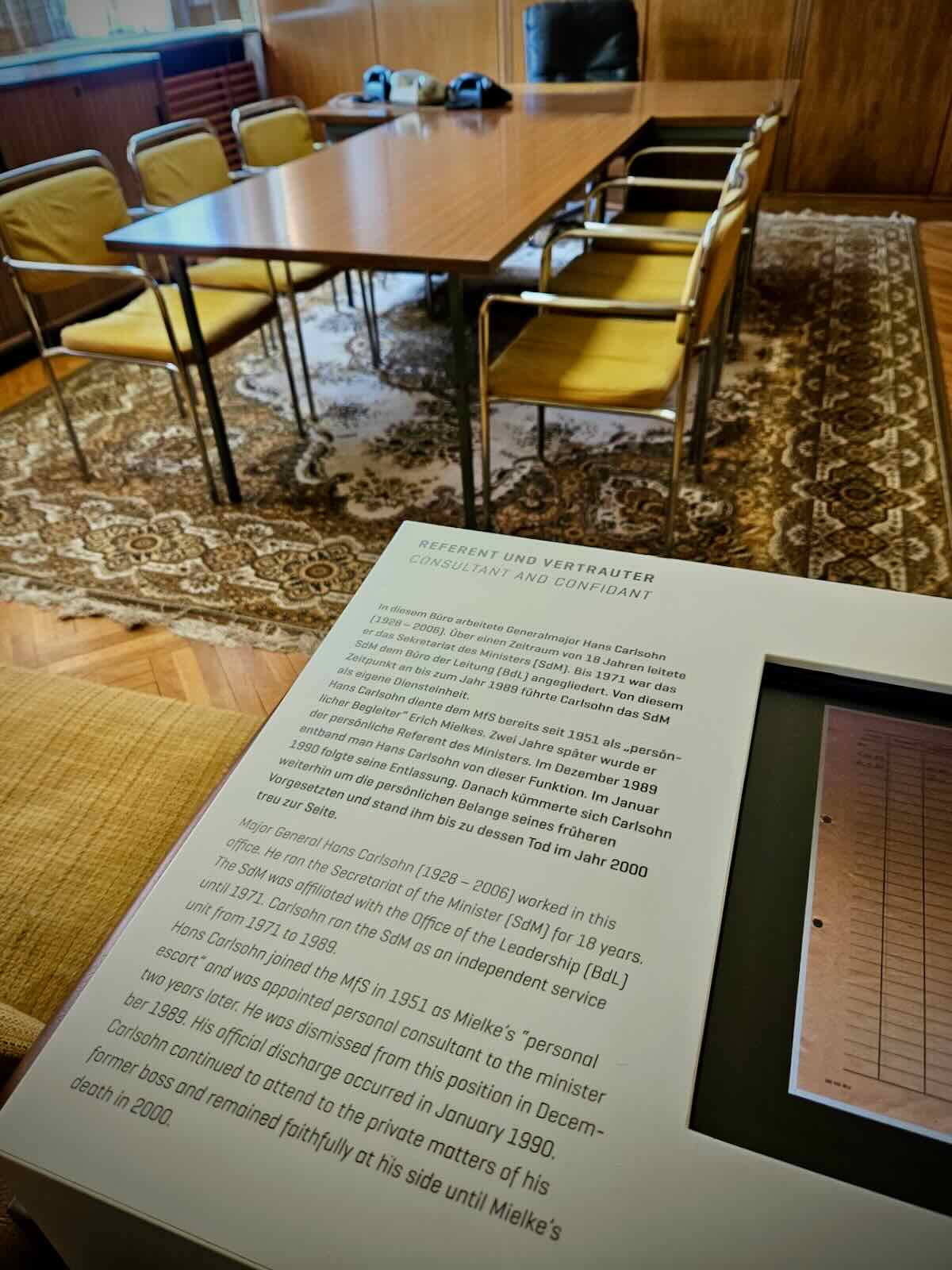
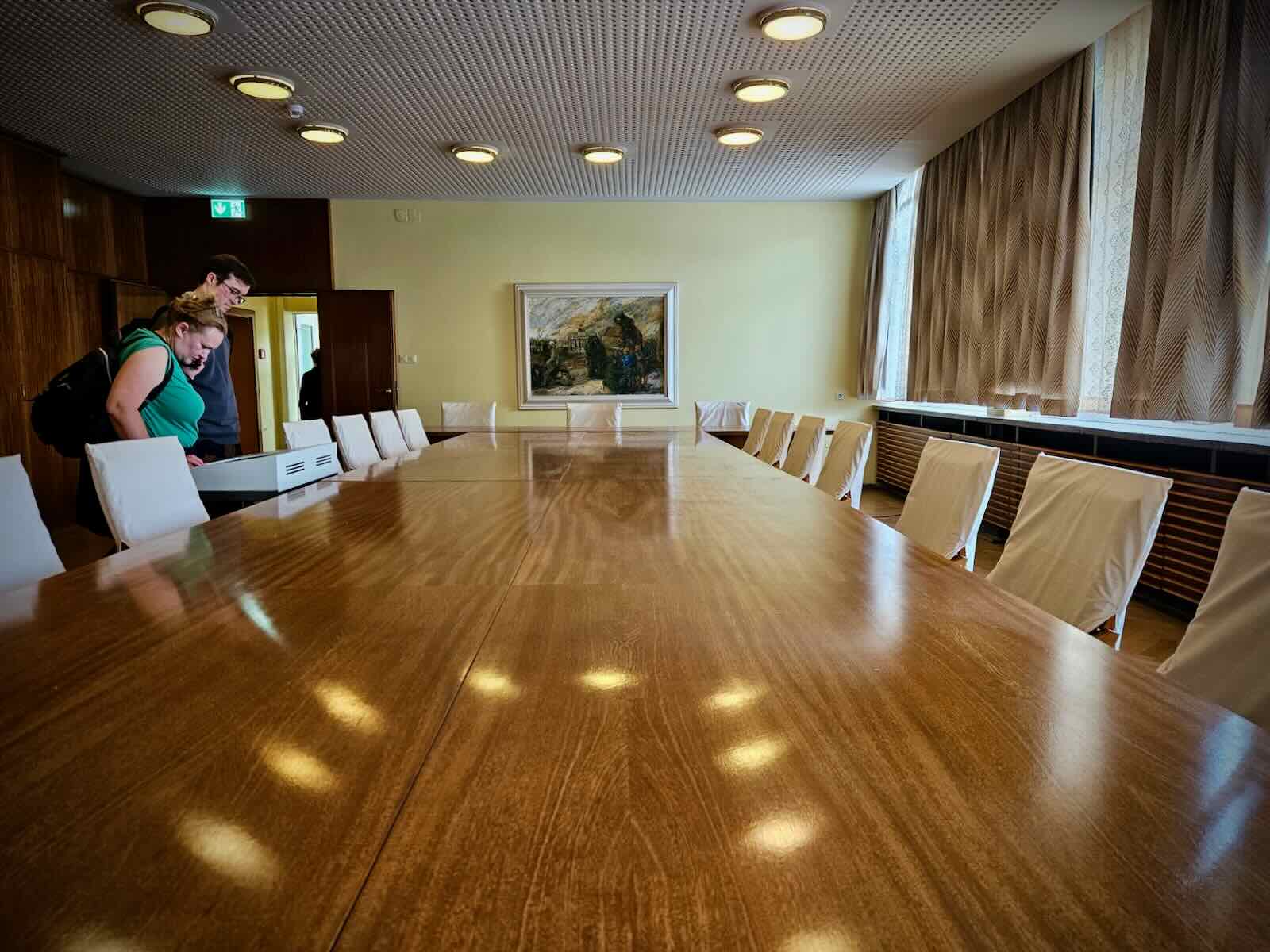
One of the main exhibitions is the office of Erich Mielke, the former head of the Stasi. Here, you can wander round Mielke’s office and private quarters, as well as a conference room and Kitchenette used by employees.
These are preserved as they were before the fall of the wall, giving you a real sense of what is was like back then, a capsule of mid-century East German design, in wall to wall wood.
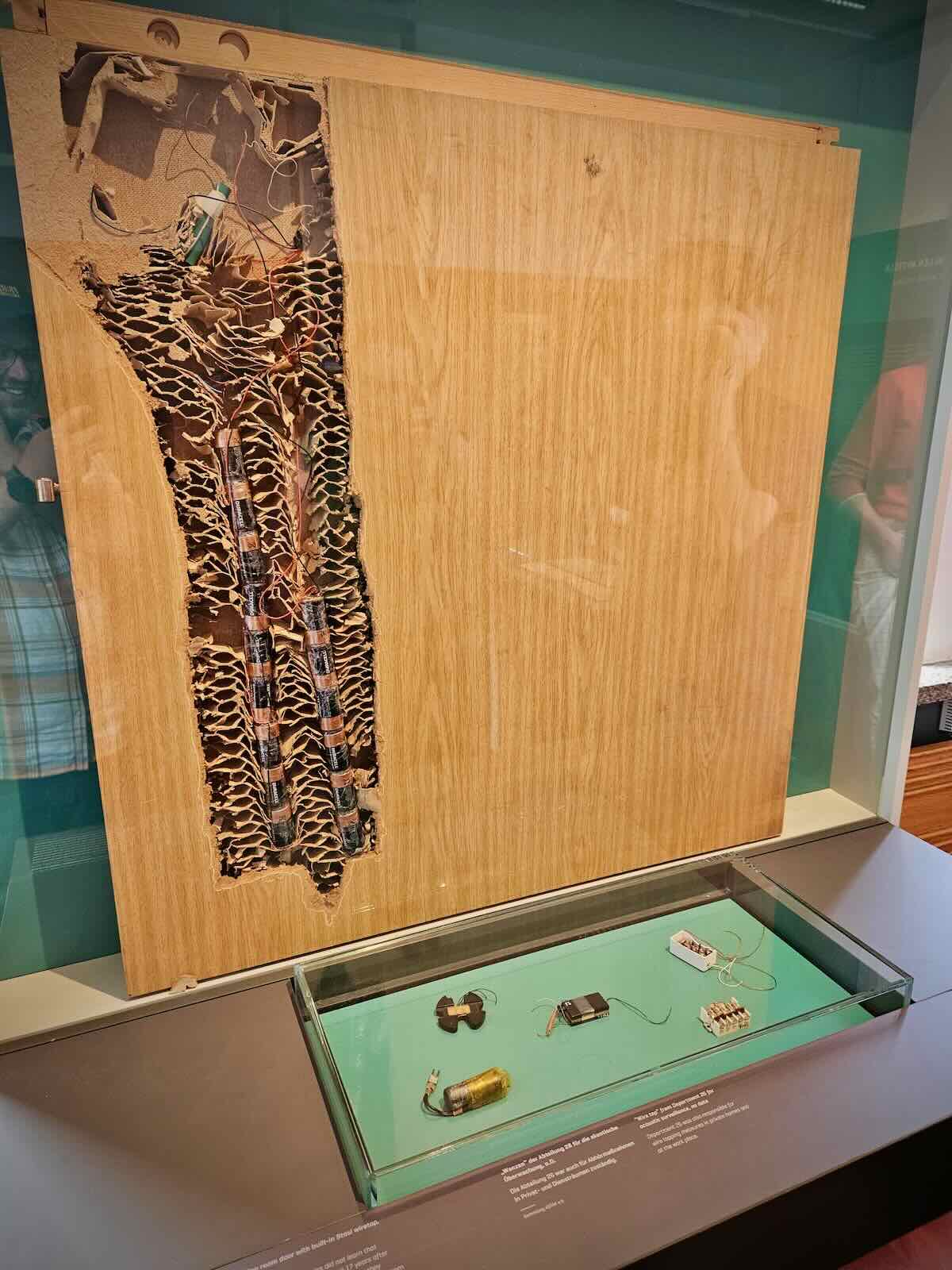
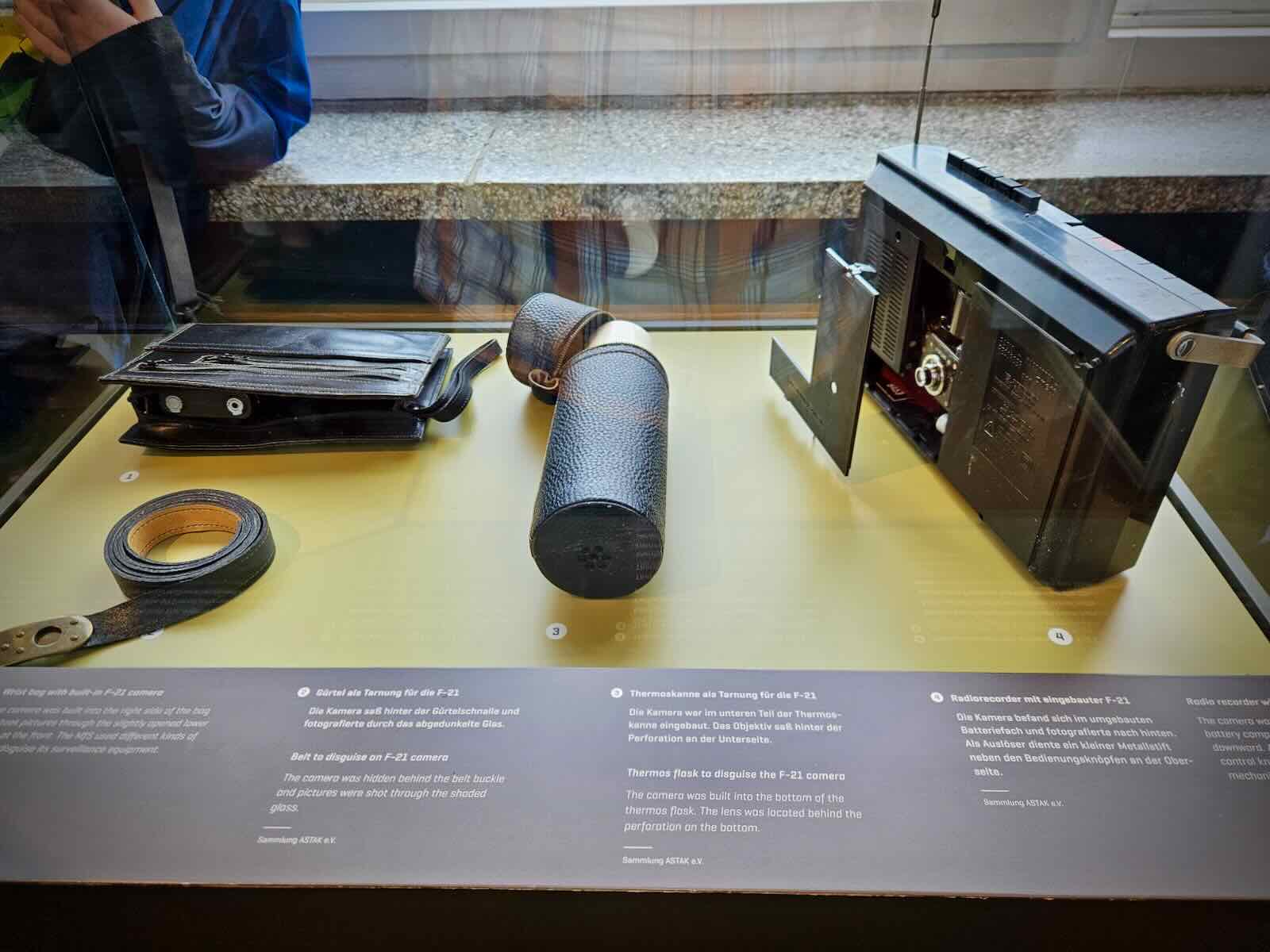
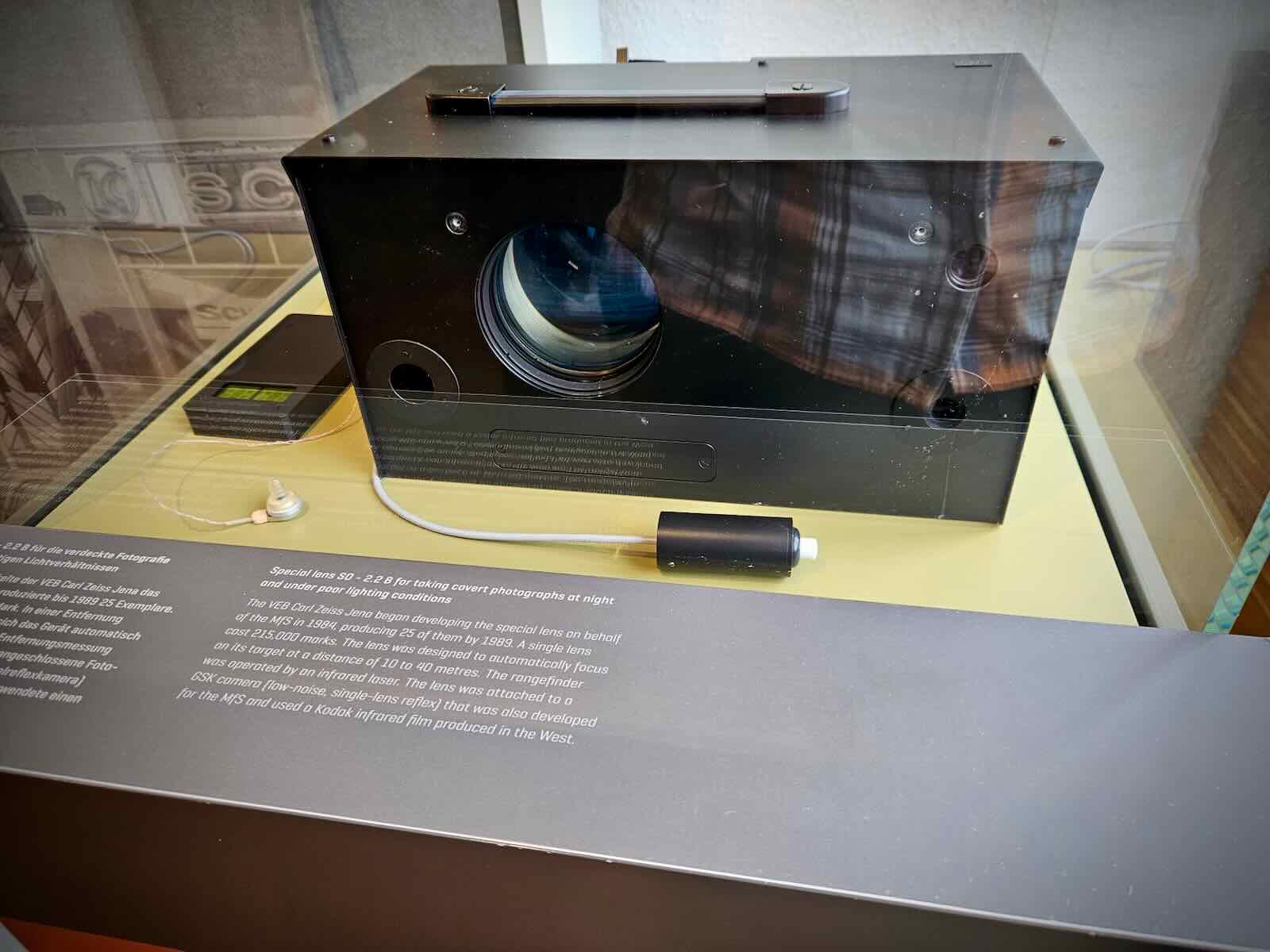
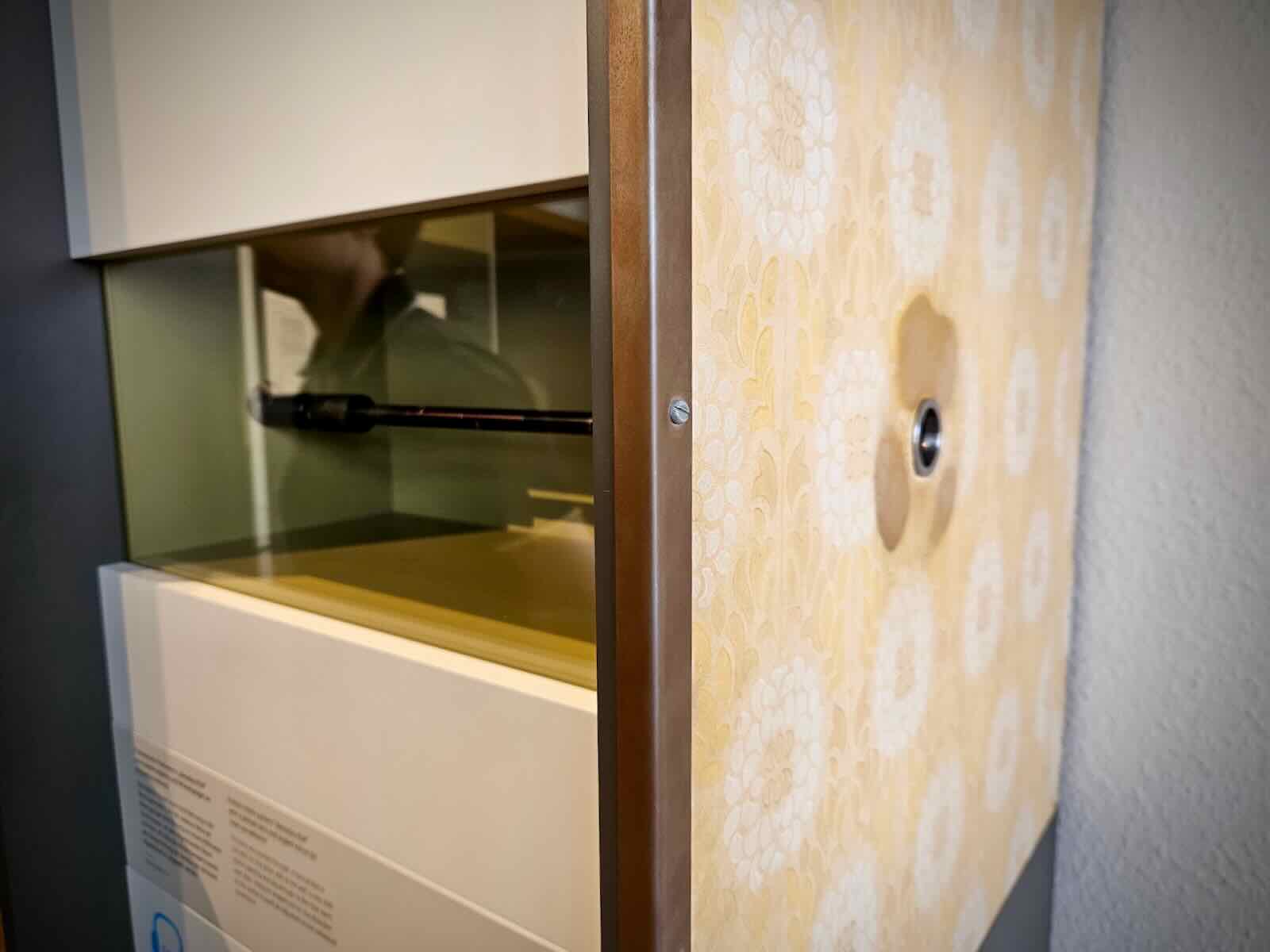
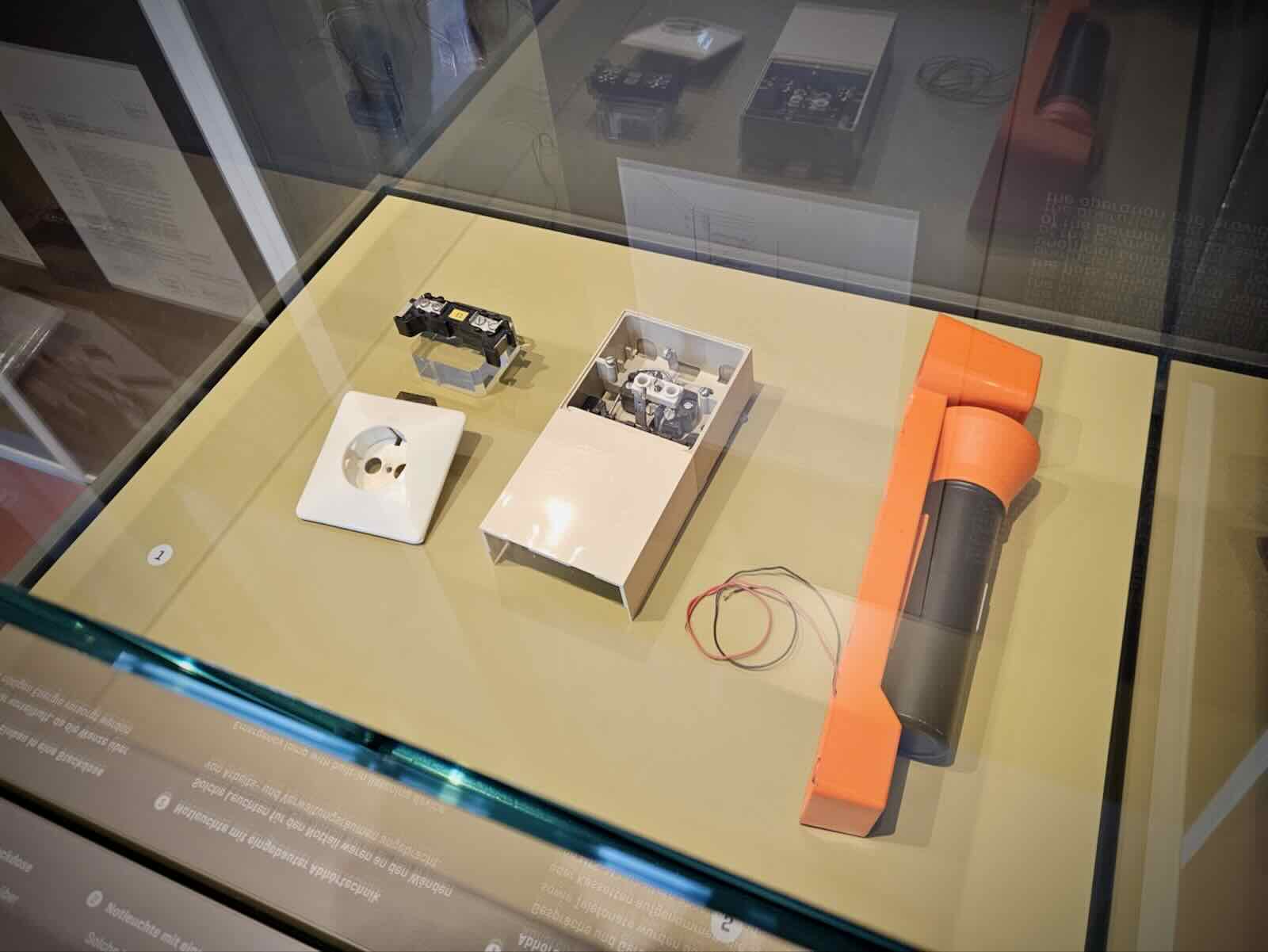
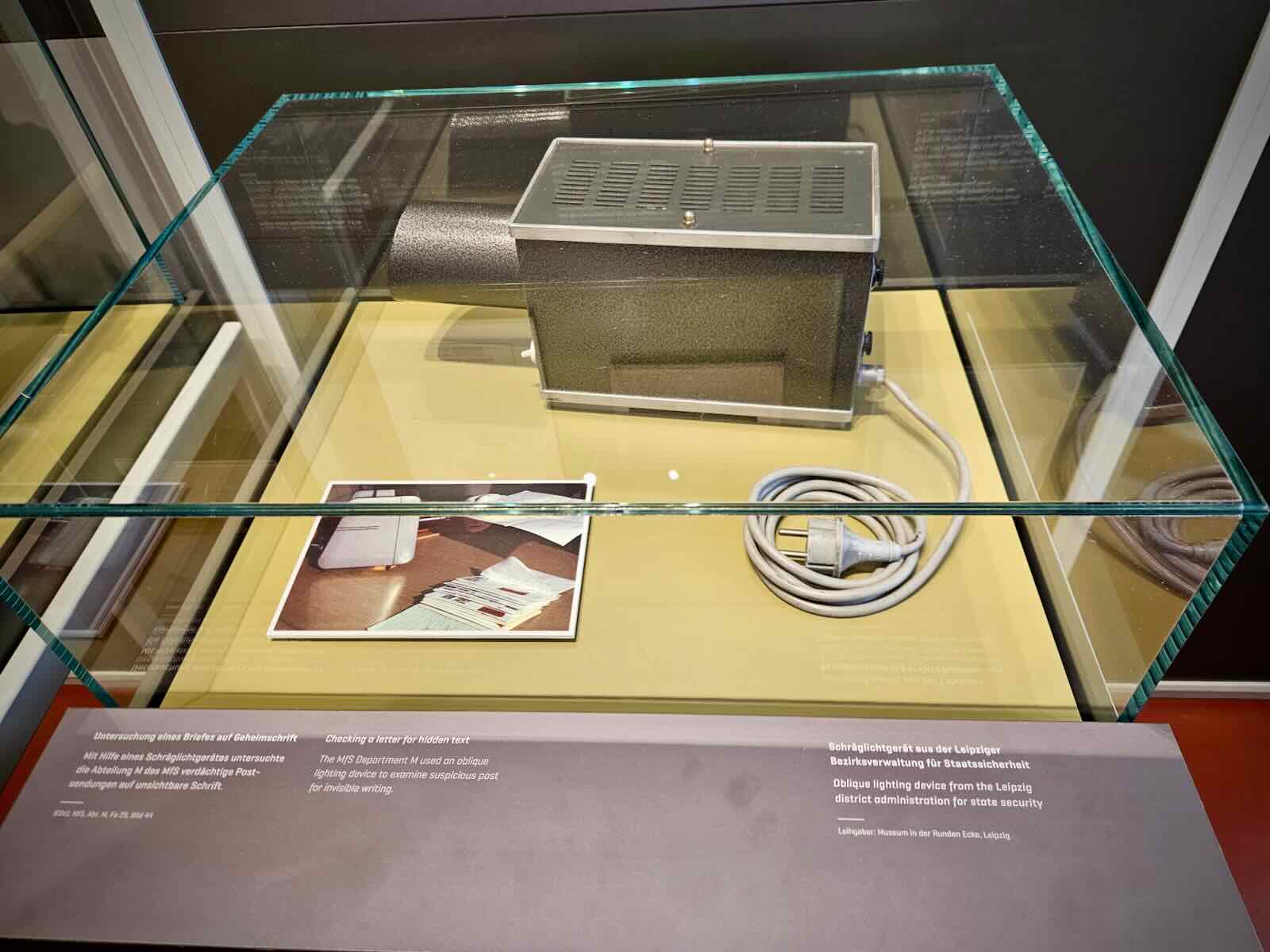
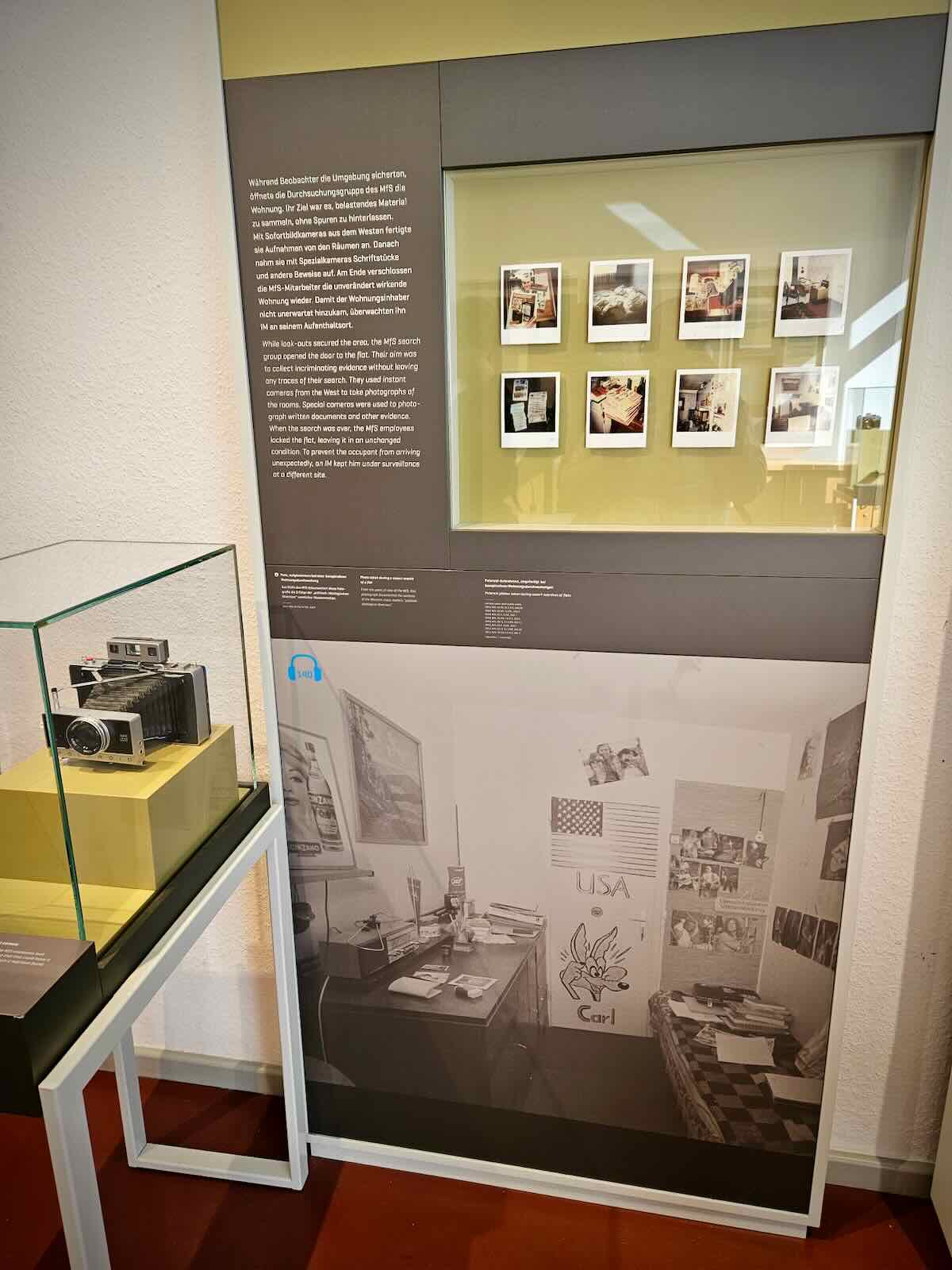
The exhibitions also include plenty of examples of the surveillance equipment used by the Stasi to spy on the people of the GDR and visitors to the country.
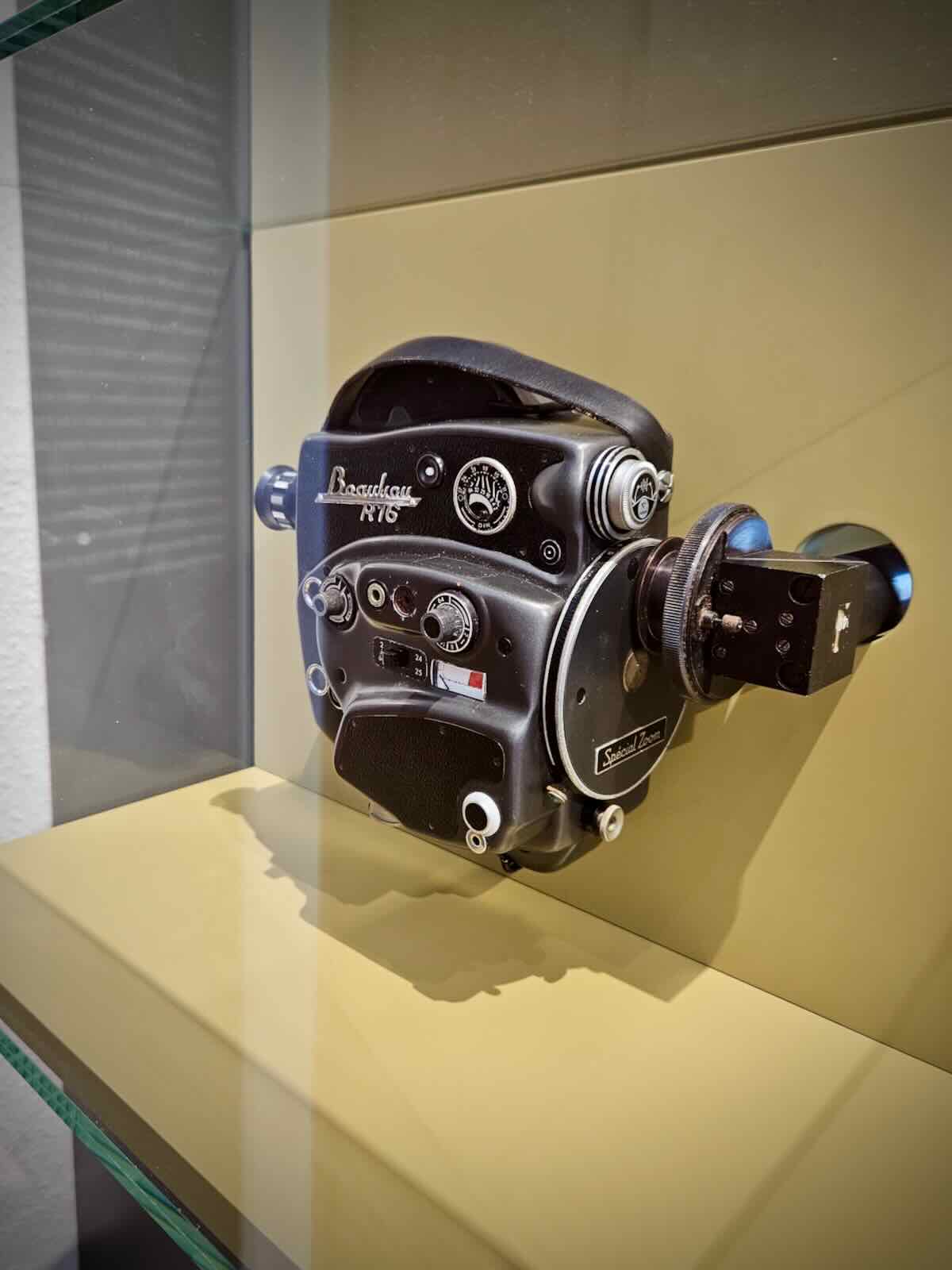
Whether it’s doors with built-in wiretaps, telephones with tape recorders or pinhole film cameras, no expense was spared in spying on people. It’s amazing looking back on these items from our 21st century viewpoint. What was probably cutting edge at the time now looks so primitive.
We really enjoyed our trip to the Stasi Museum, it was fascinating to learn more about the Ministry for State Security and being in its well-preserved headquarters really brings that history to life. I can highly recommend a visit.
Two of my recent favourite books have been Peter Millar’s 1989 the Berlin Wall: My Part in Its Downfall and Katja Hoyer’s Beyond the Wall, both of which have only fed my interest in the former East Germany, as well as watching the fantastic videos on East Germany Investigated YouTube Channel. Again, also worth checking out.























Riding back
Leaving the Stasi Museum, the others headed off back to Magdalenenstraße Station to get the U5 back to Alexanderplatz, while I went in search of a Nextbike, so I could ride.
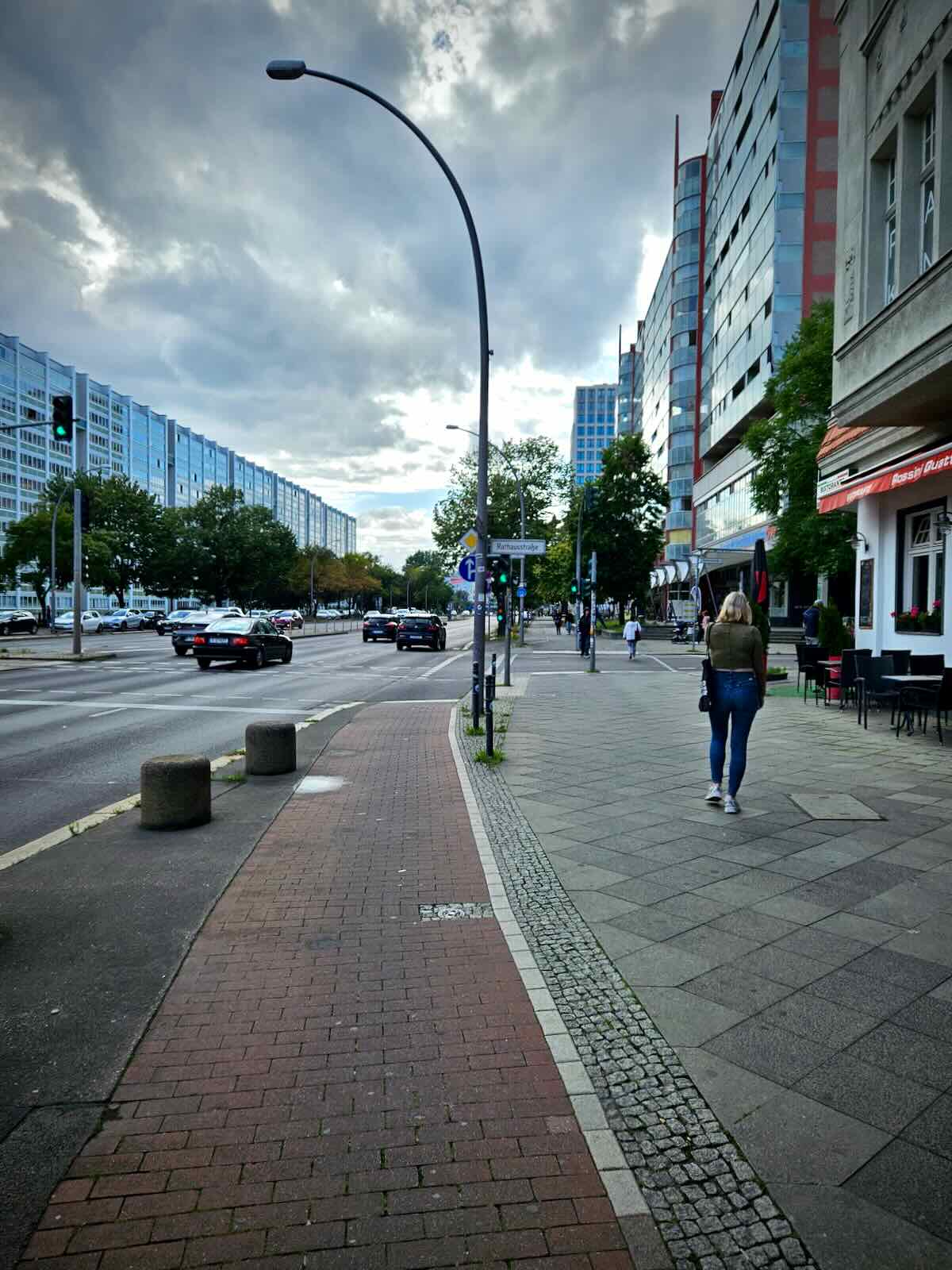
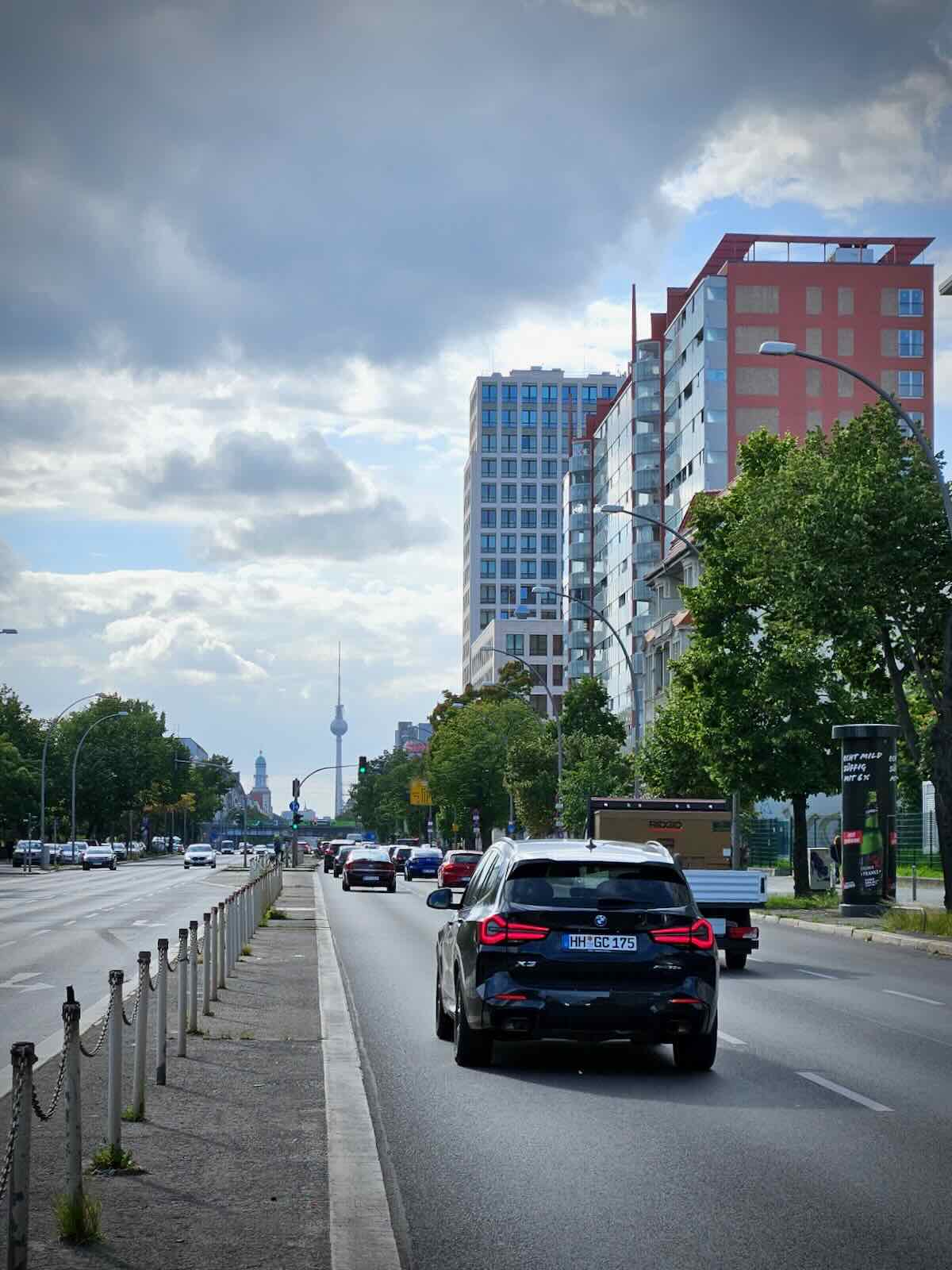
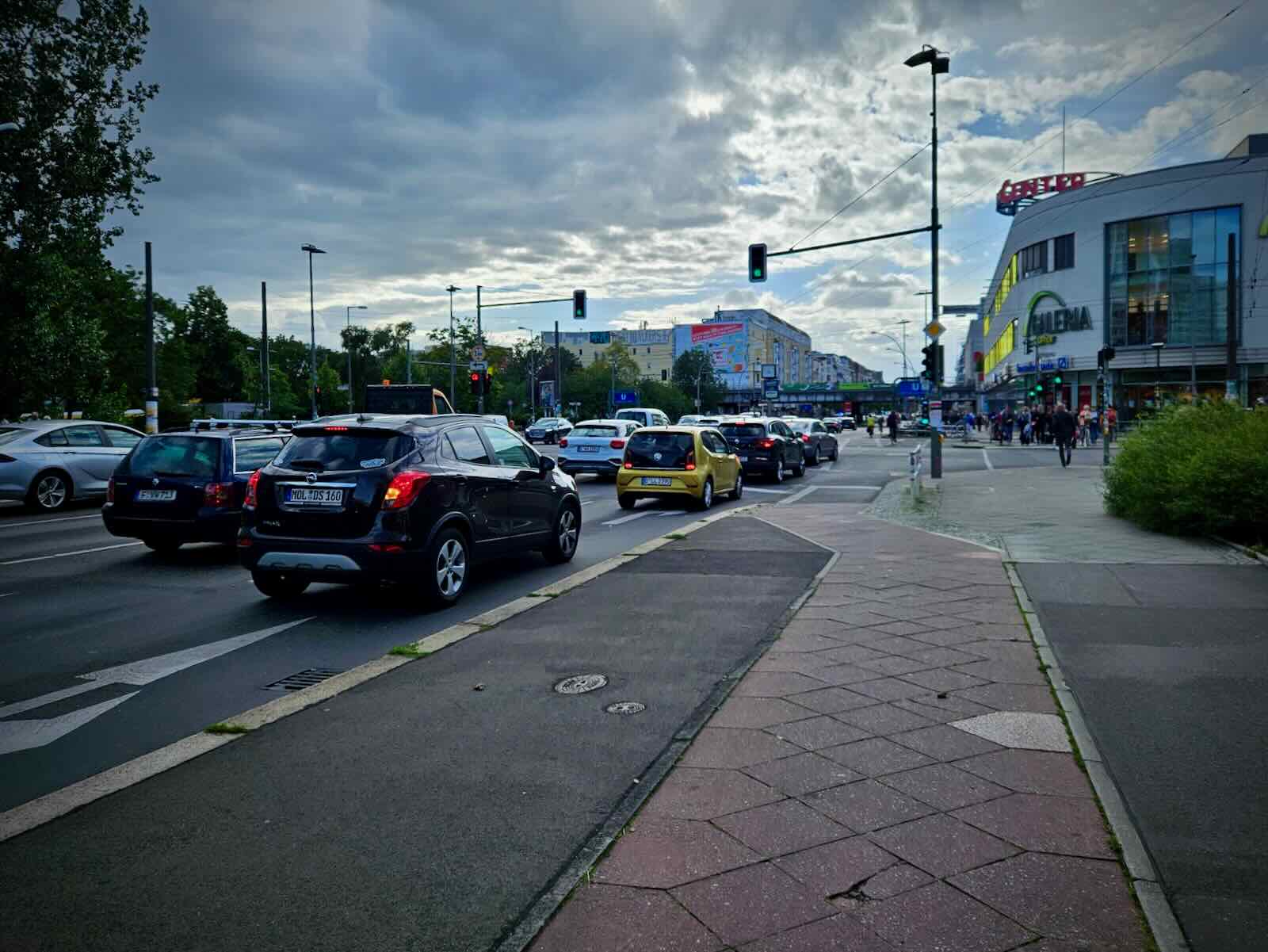
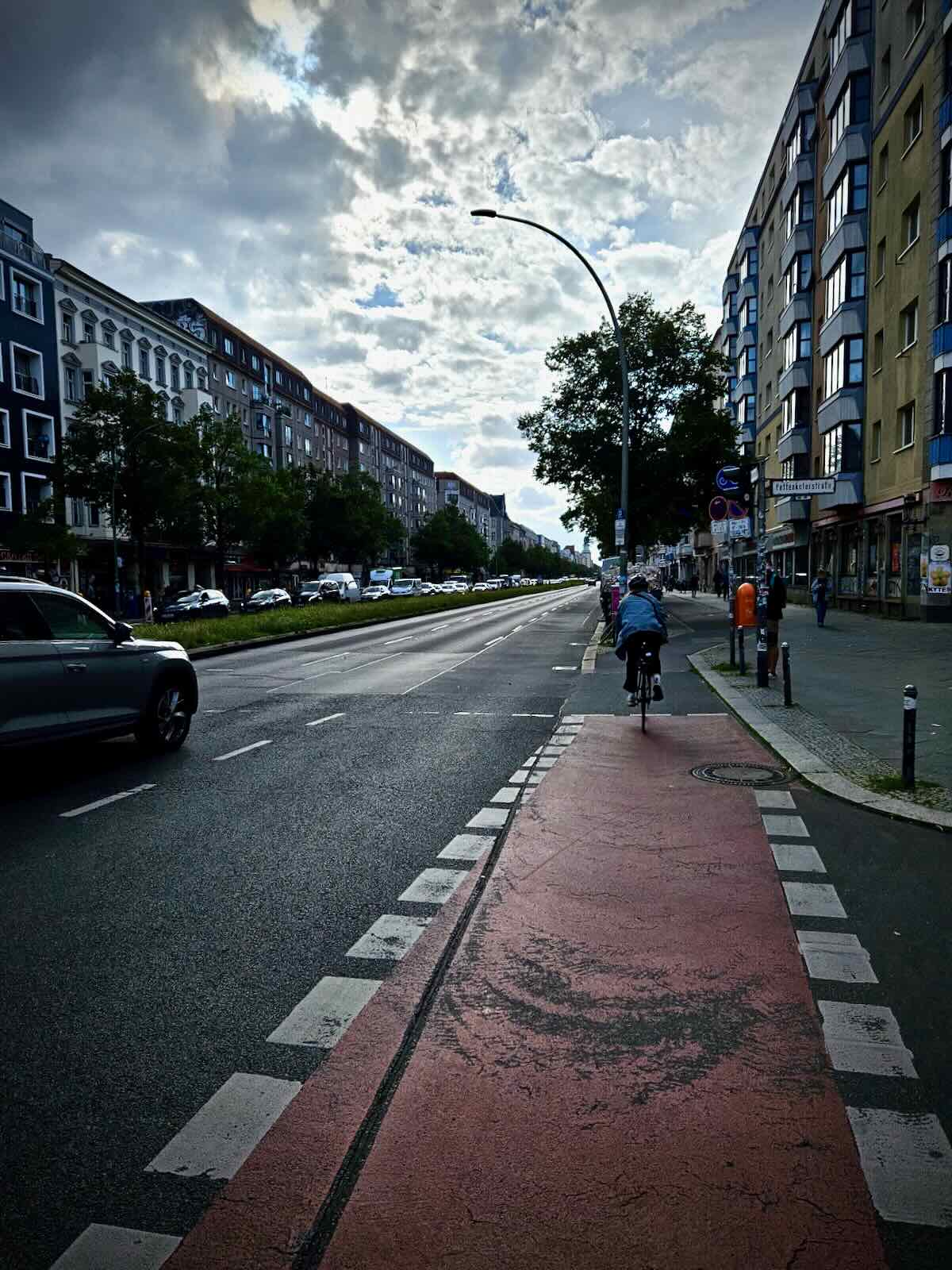
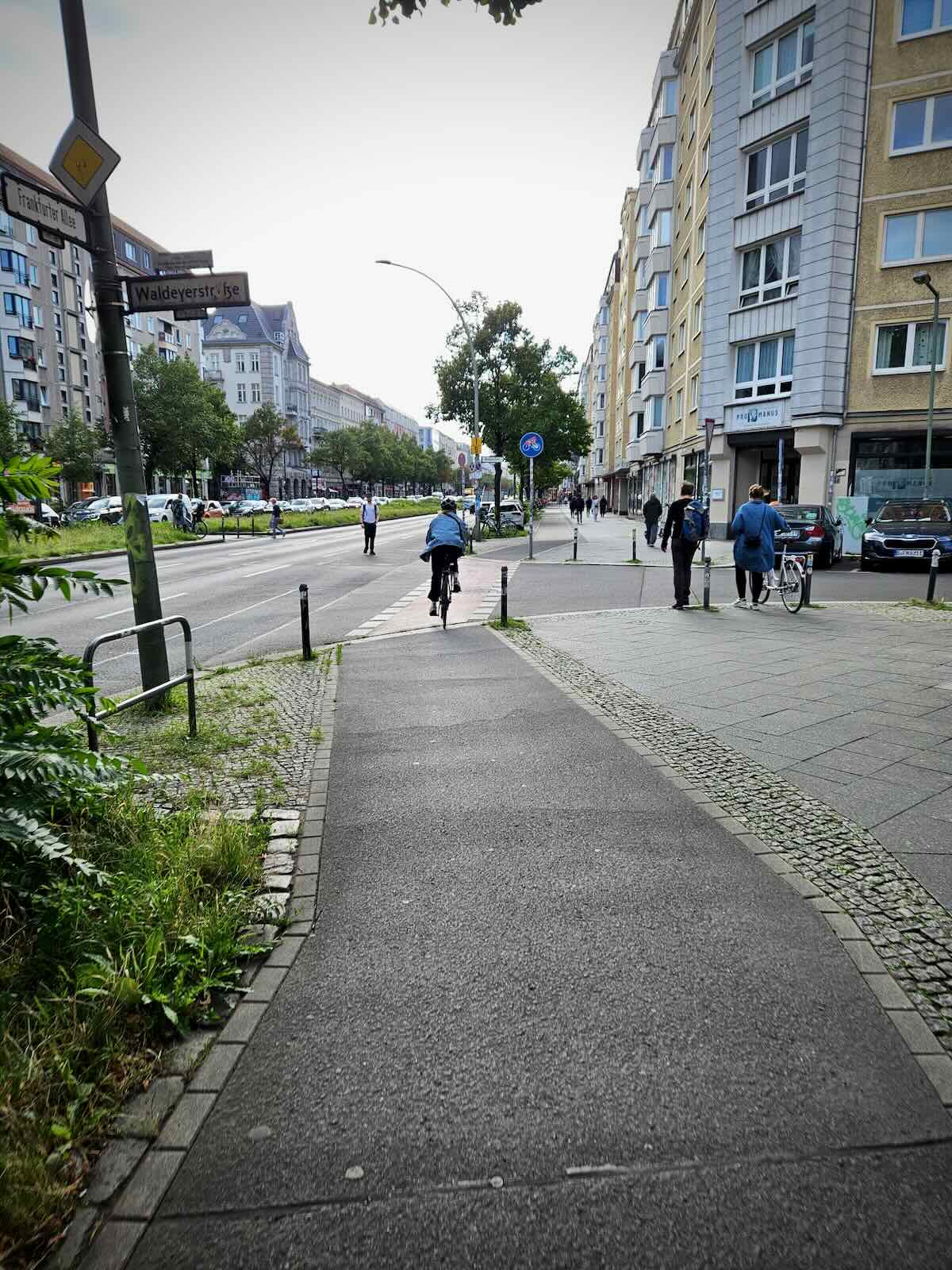
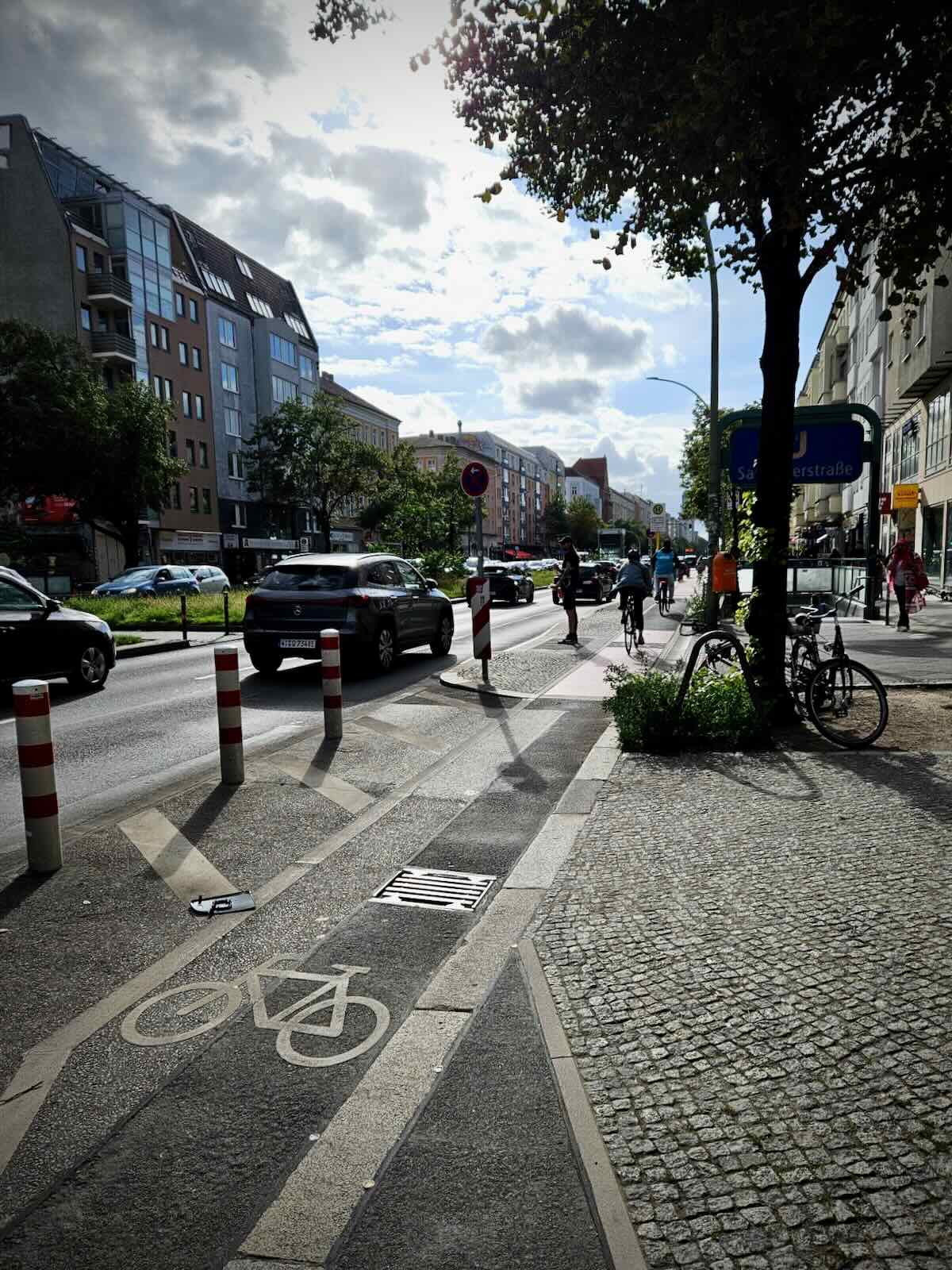
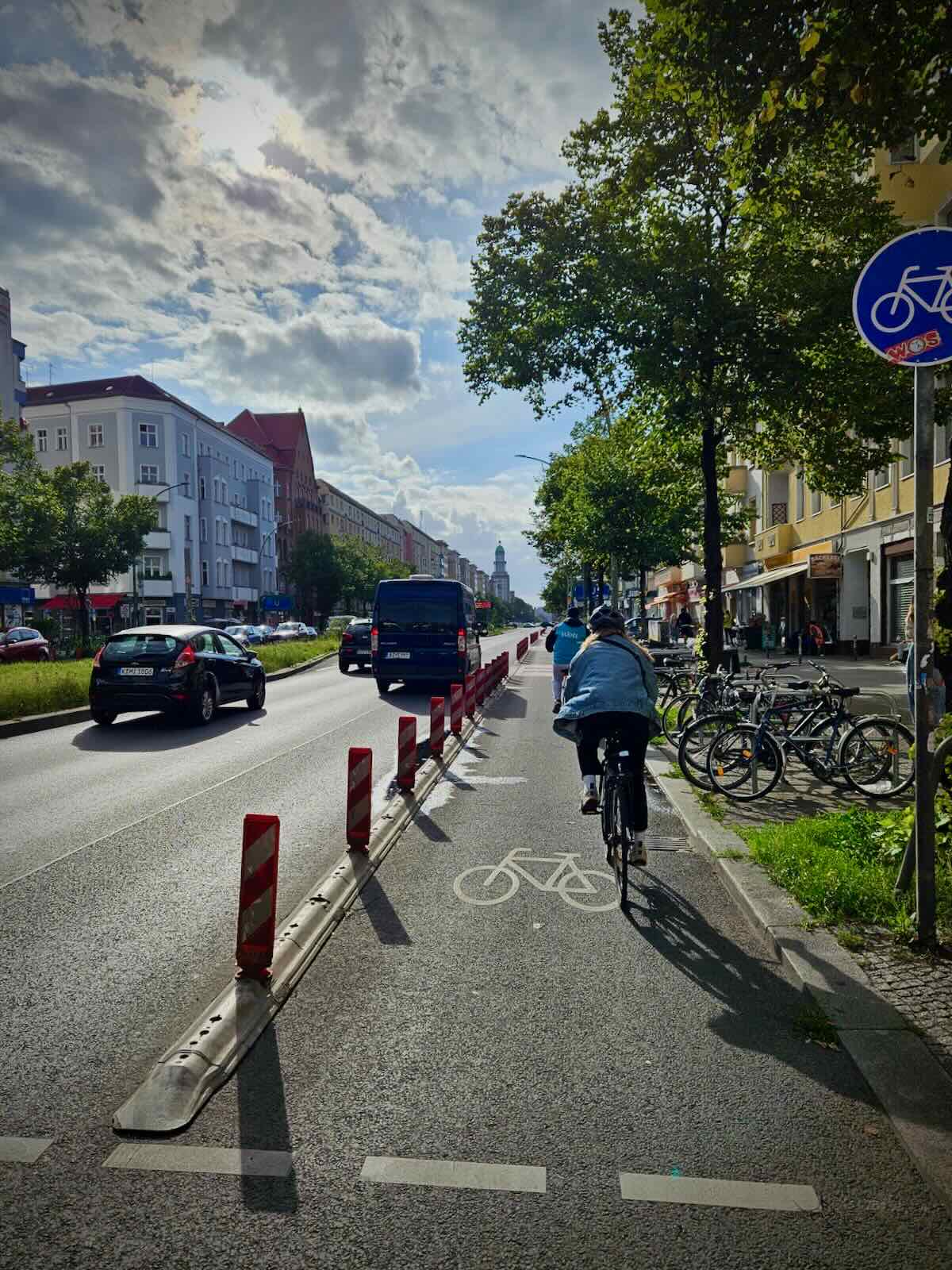
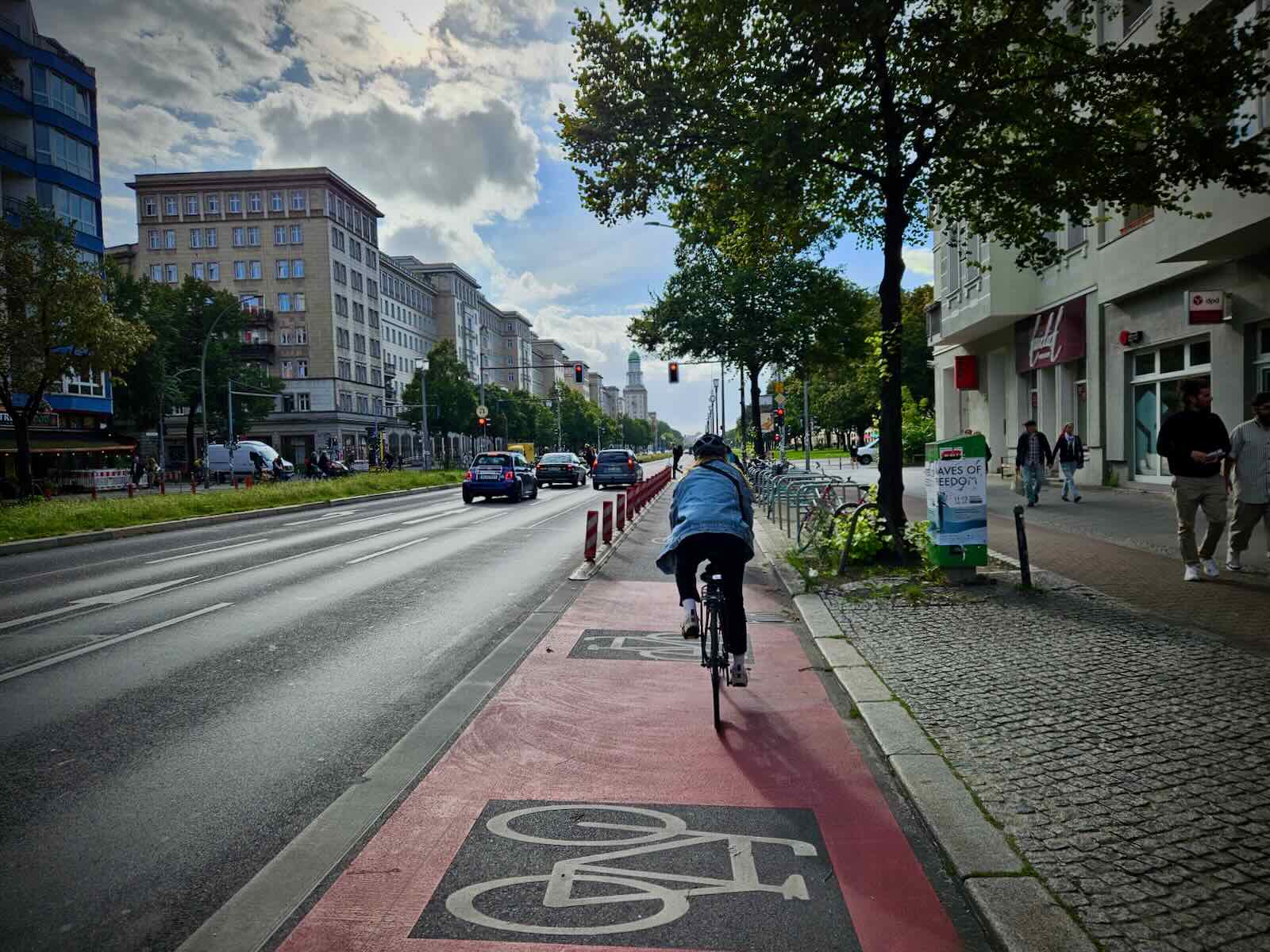
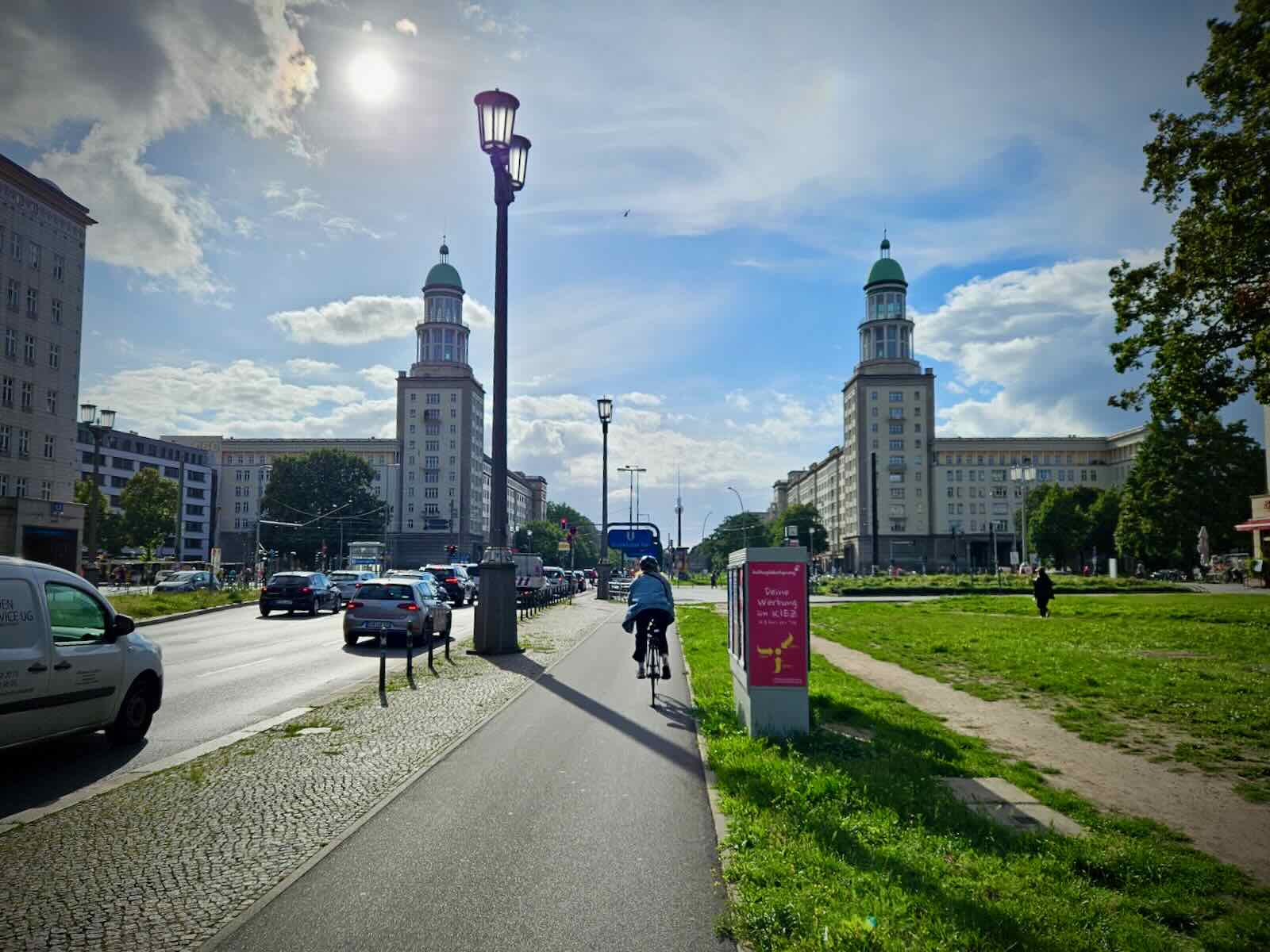
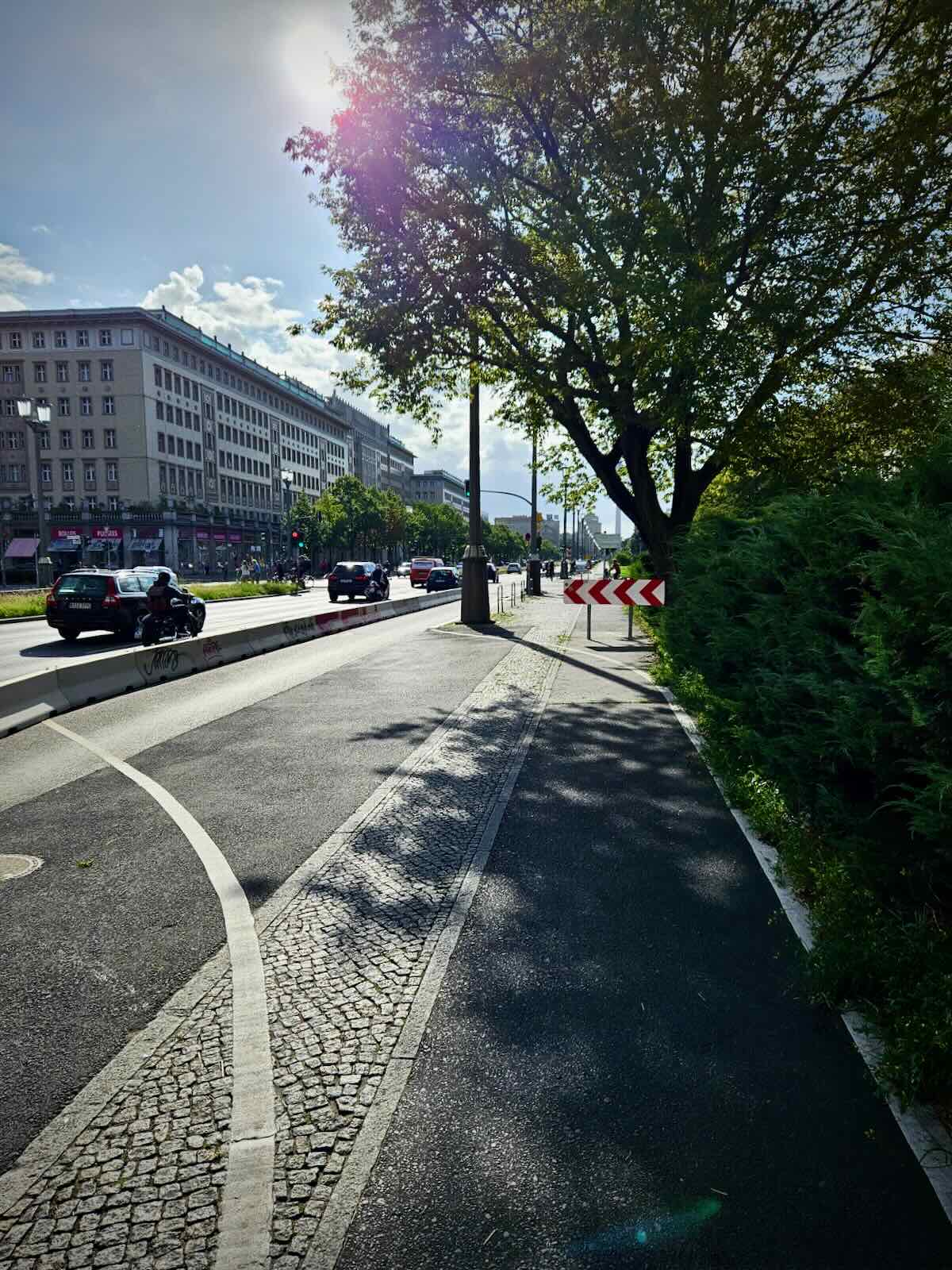
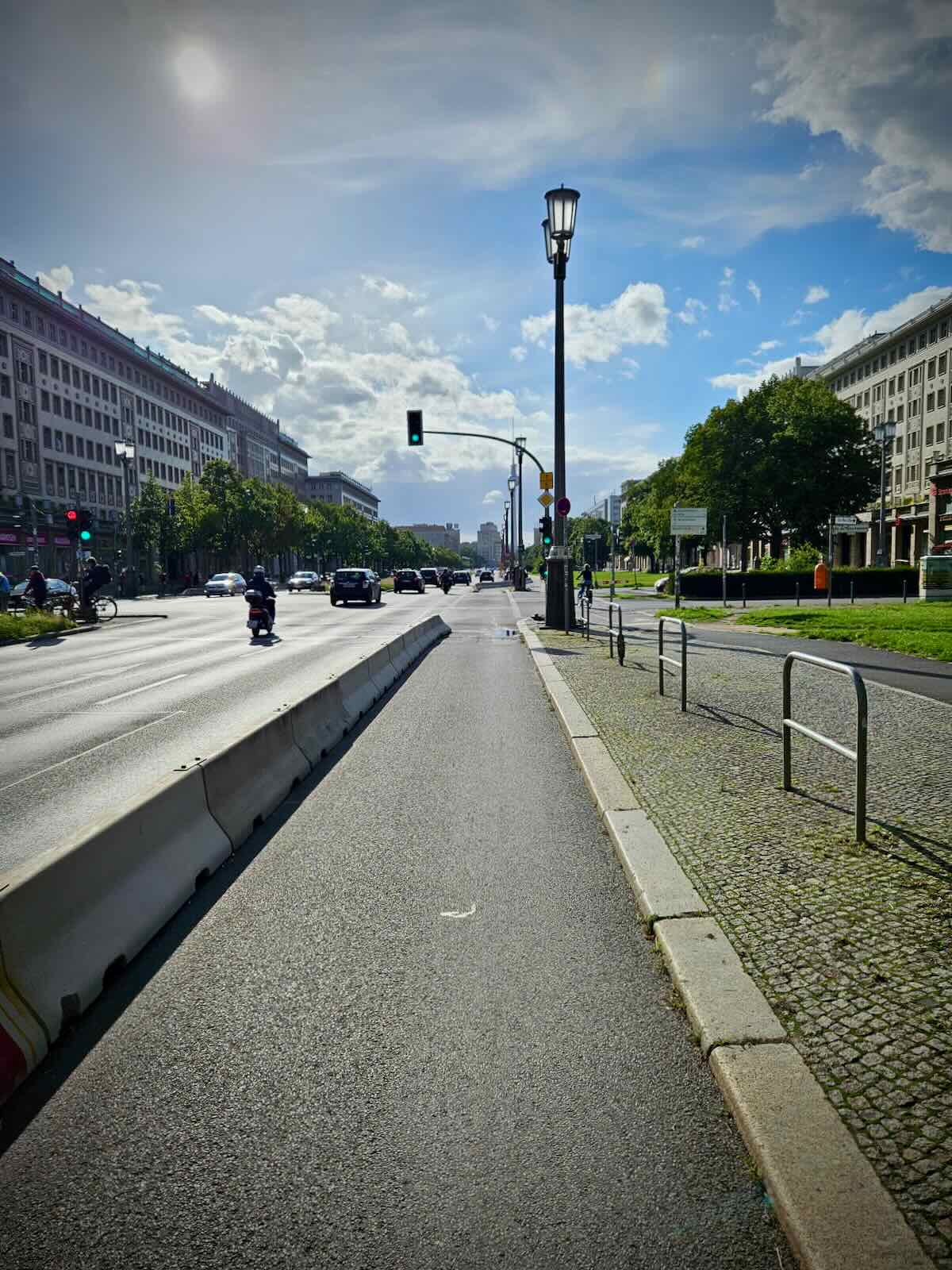
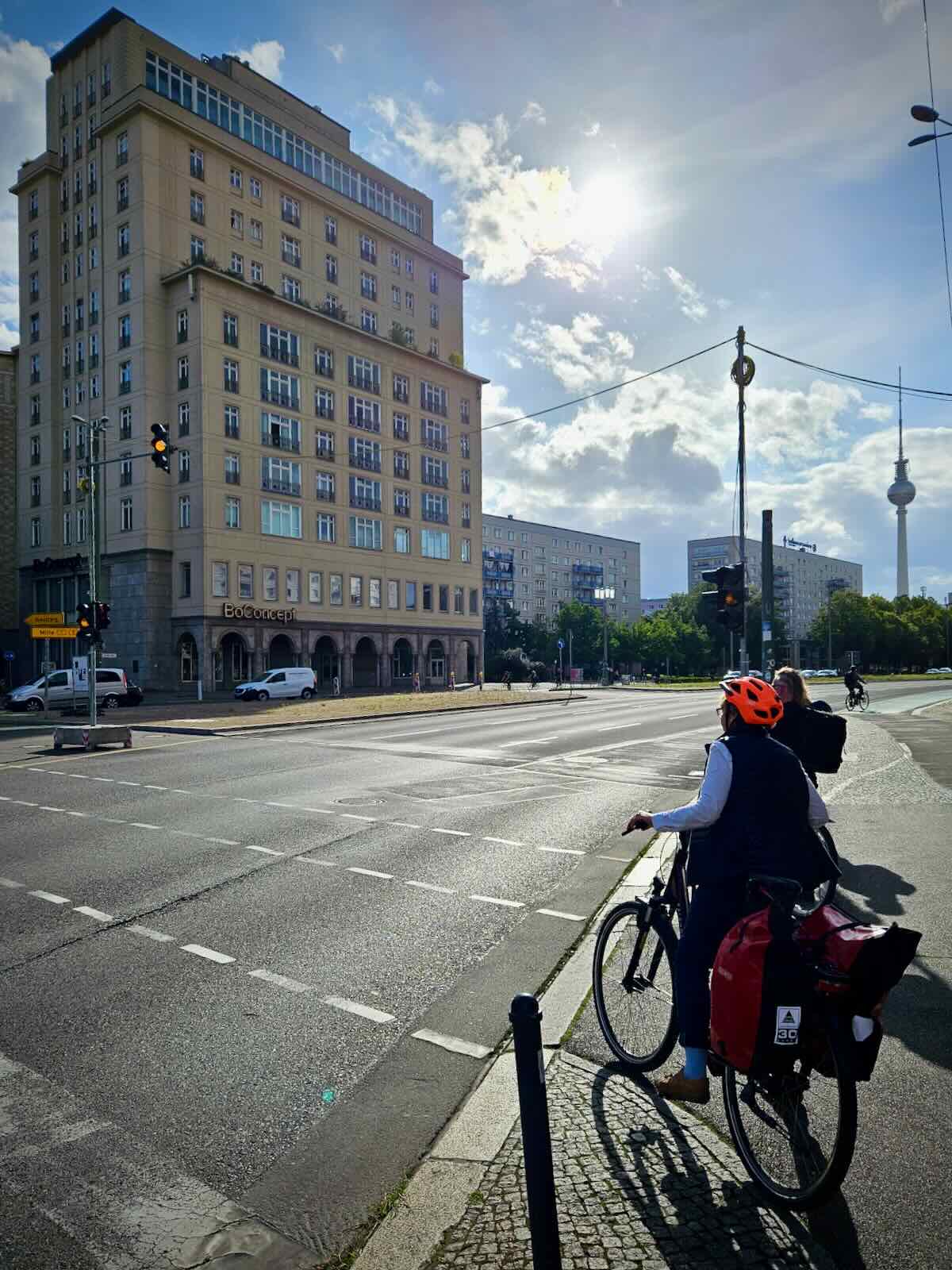
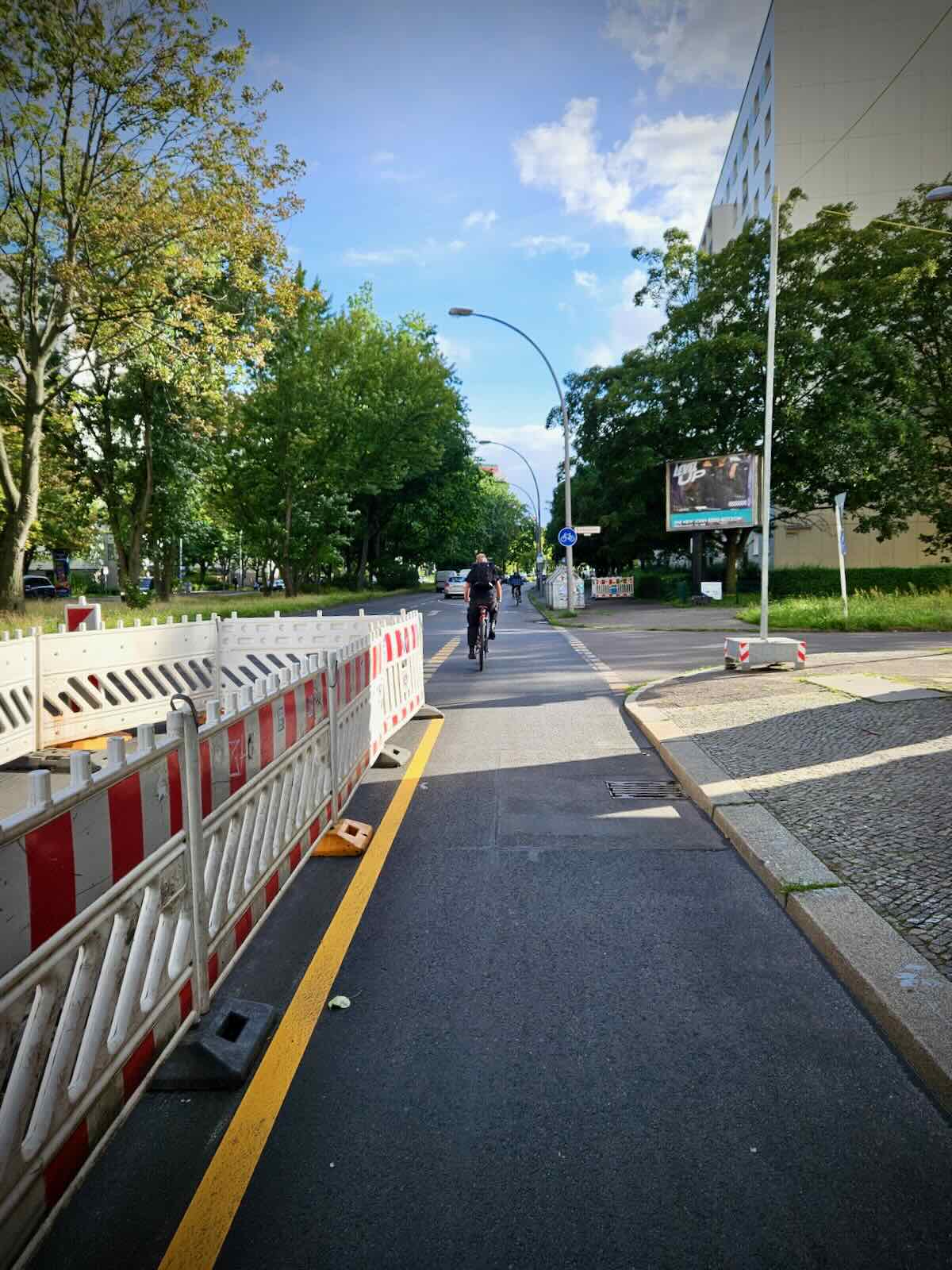
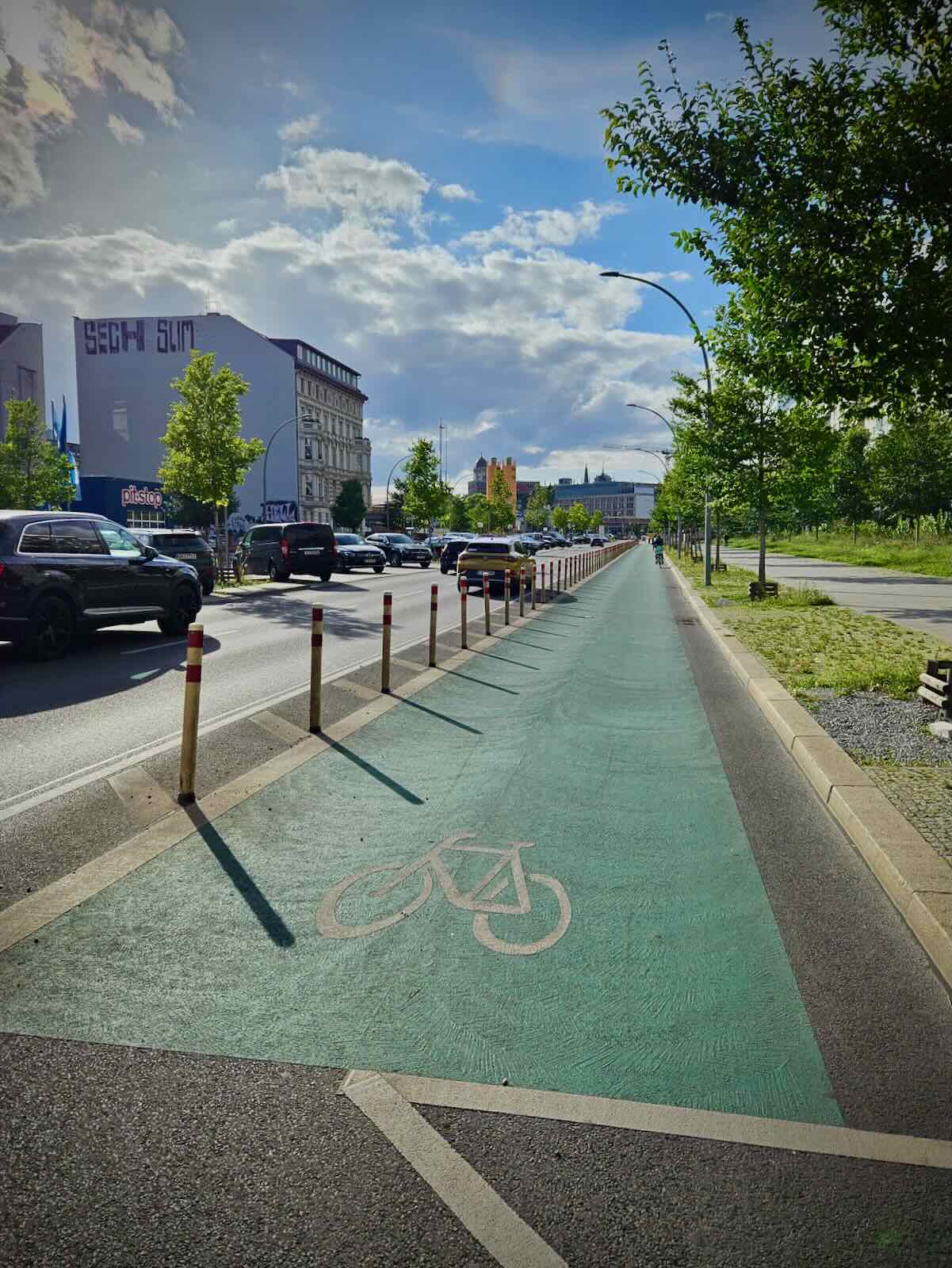
The route from the Stasi Museum was pretty much a straight line along Frankfurter Allee, which turns into Karl-Marx-Allee on the way. While on this route, you get to experience a wide selection of types of cycling infrastructure.

Yes, there’s sections of painted lanes, which aren’t really cycling infrastructure. Fortunately, there aren’t too many of these along this route. Though there is a lot in Berlin.

There were many more examples of decent quality protected cycleways, including some really decent footway level cycle paths. These were a good width and had a nice smooth surface and were a pleasure to ride on.
There were also a few examples of light pop-up style cycling infrastructure, with wands or Armadillo type lane separators. These were mostly really wide, due to being converted from existing general traffic lanes and were pleasant to cycle along. I wish ours in Manchester were up to this standard!
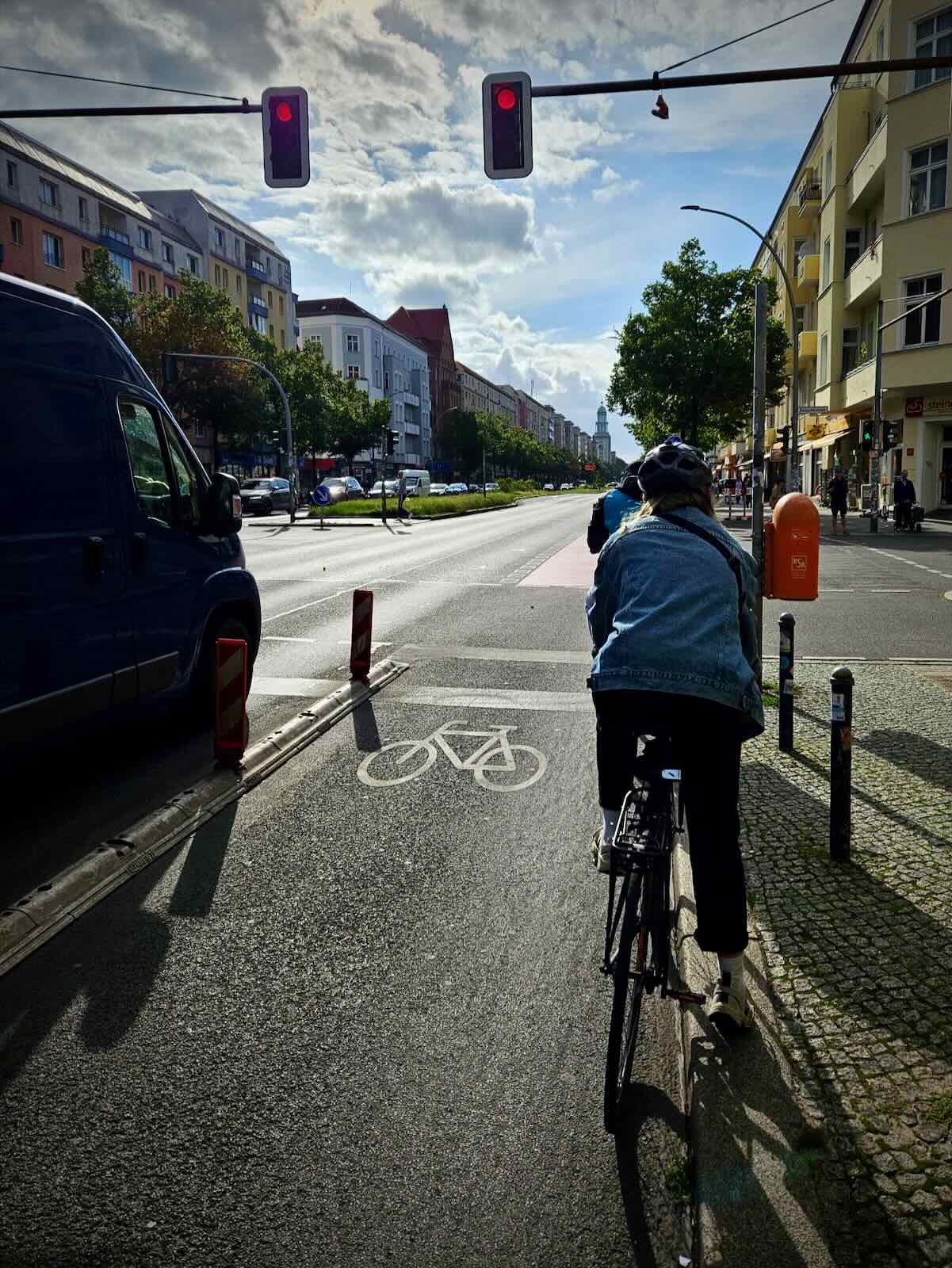
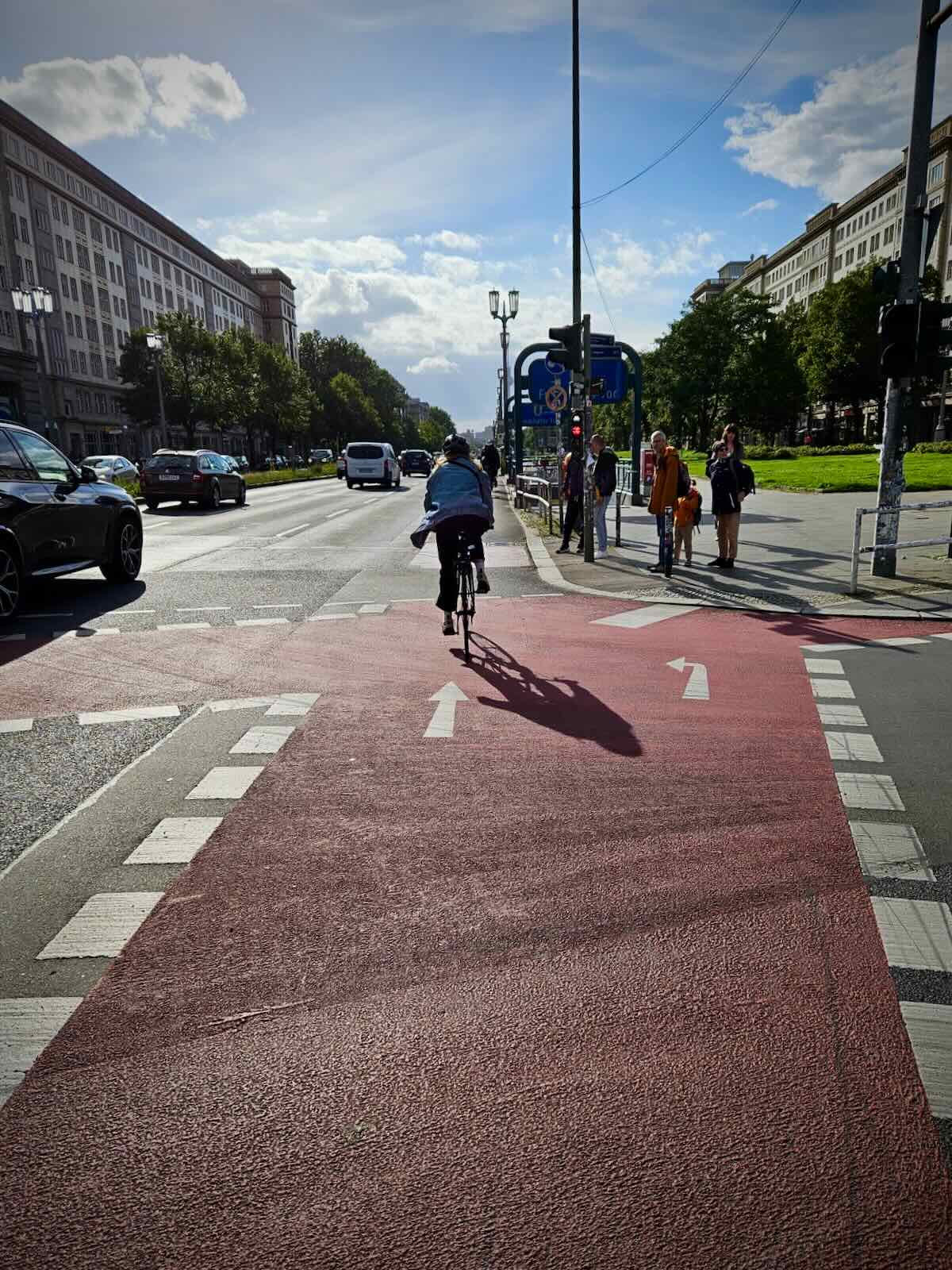
Berlin tends to follow the Copenhagen approach to junctions, rather than the superior junction styles in The Netherlands. While it’s cheap to throw some paint down, it does lead to some pretty subpar experiences for people cycling. Like you’ll often find yourself in a suicide cycle lane, sandwiched between two general traffic lanes. Not good!
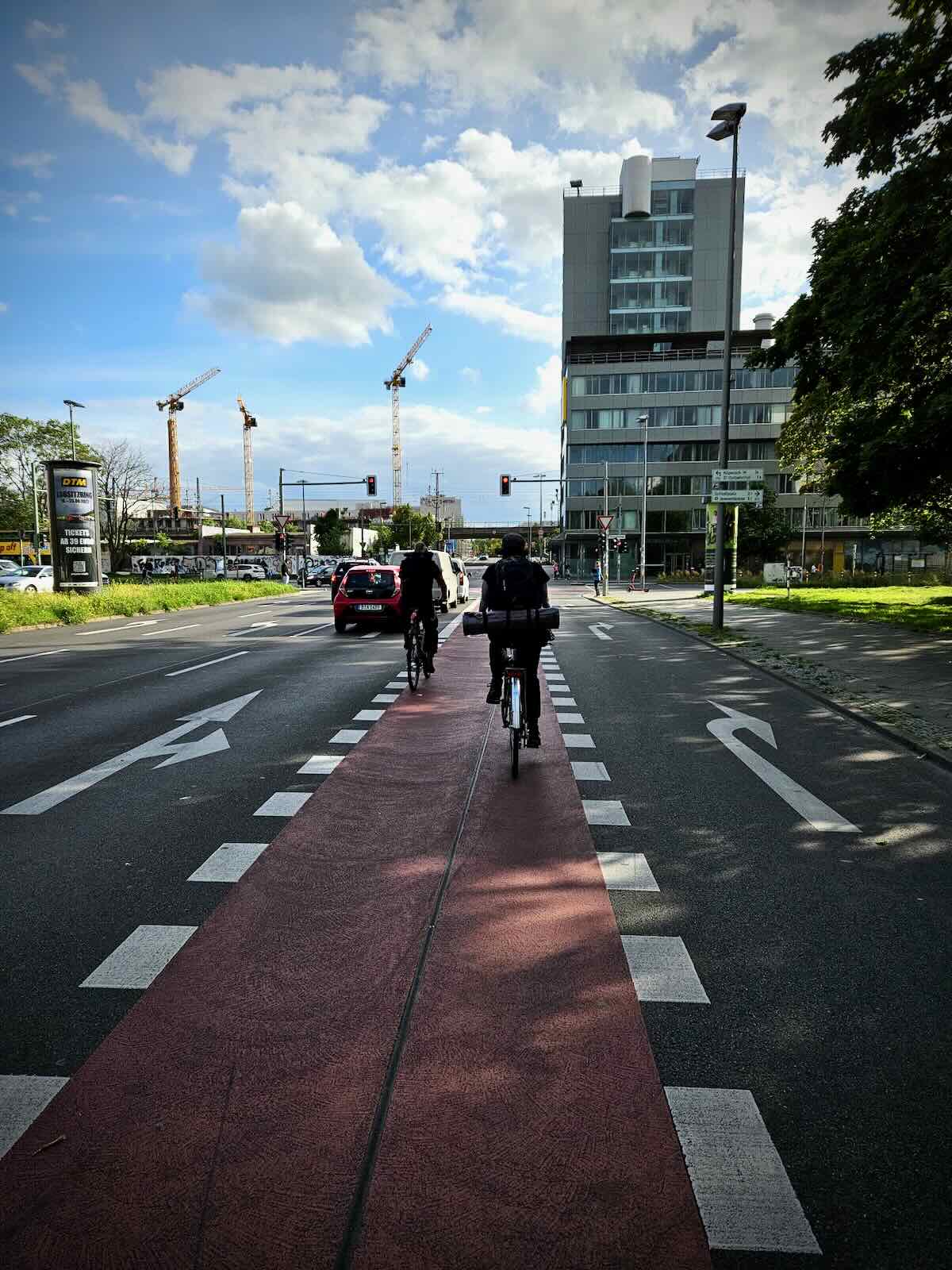
This type of junction is something of a rarity in The Netherlands and are usually only present where a junction hasn’t been upgraded for some time. The Dutch generally prefer ones with truly safe protected cycling infrastructure, which is physically separated from other traffic, with cycles having their own light phases.
While the this approach is certainly more achievable, I do wonder sometimes when Copenhagen scores higher than many Dutch cities in league tables. Is it more about it being a fashionable city, with a good brand?














Map
More Berlin 23 posts
- Back again in Berlin
- Top of Berliner Fernsehturm, Berlin’s TV Tower
- A rainy Sunday in Mauerpark
- Riding around Mitte and Tiergarten
- Stasi Museum
- Holzmarkt 25
- Berlin Wall Memorial on Bernauer Straße
- Fat Tire Tour of Berlin
- A long wait for a kebab and a ride on an old runway at Tempelhofer Feld
- DDR Museum
- Back at Tempelhofer Feld
- Back at Holzmarkt 25 and a wander along the Landwehr Canal
 Dom Cycling